
Quick Take
- Washington State University is currently running clinical trials to test the effectiveness of immunotherapy injections in canine tumors.
- Clarice was part of the trial and successfully had a tumor removed from her left wrist, avoiding typical leg amputation treatment.
- Data from the canine trials is helping researchers at Seattle Children’s Hospital apply similar immunotherapy treatments to pediatric brain cancer patients.
- Current trials, both for canines and humans, are ongoing.
When Jon and Dayla Culp received the news that their six-year-old Labrador retriever, Clarice, had a malignant tumor near her left wrist, the couple was devastated. Dayla had lost her sister, Darcy Klepec, to breast cancer less than two years earlier. Clarice had been a gift from Darcy.
The Culps were told that surgery to remove the tumor would be risky due to its location. It was on a spot near Clarice’s left wrist that didn’t give surgeons much room to work. Plus, the tumor likely extended microscopically beyond what was visible, making it difficult to cleanly remove the cancerous tissue.
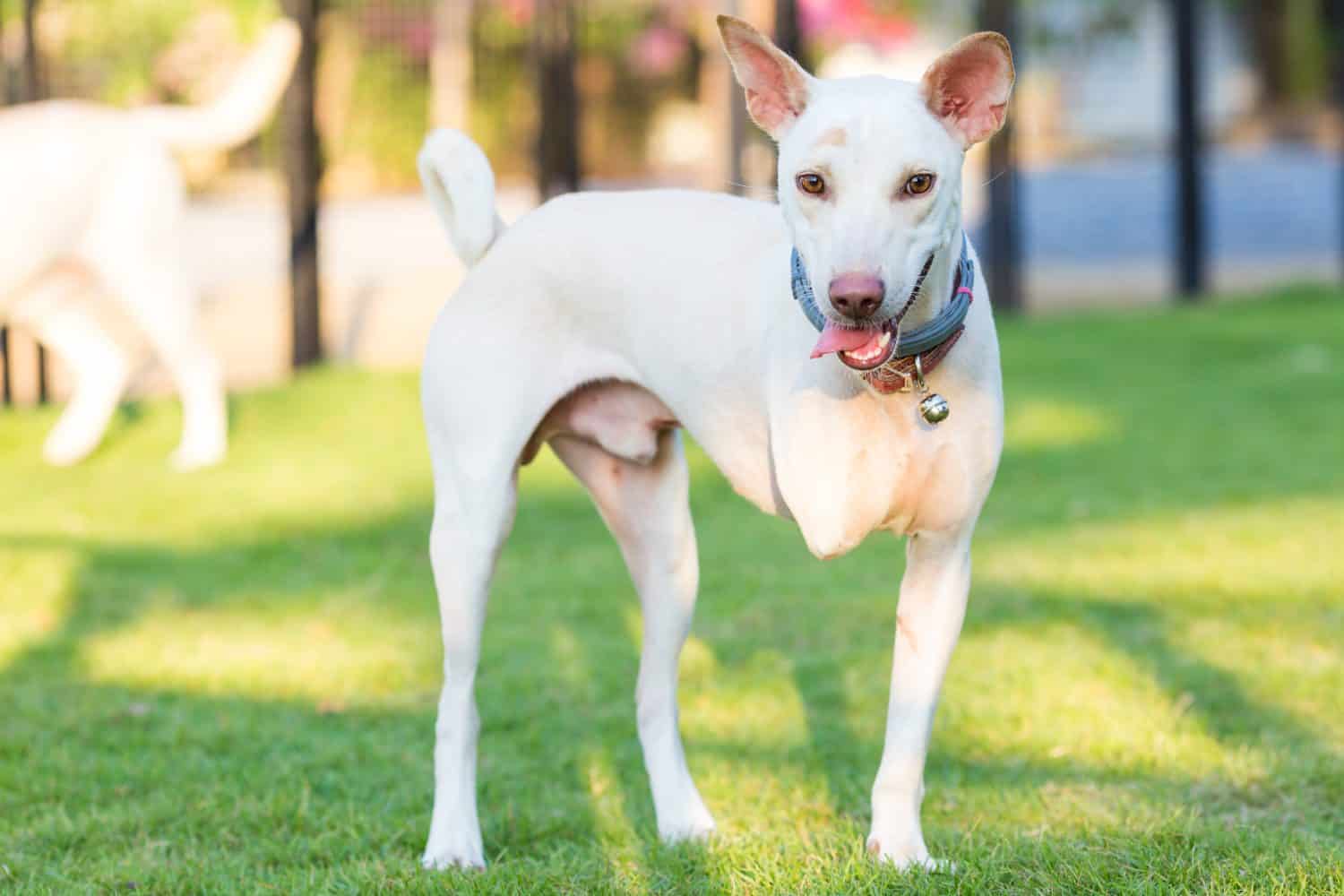
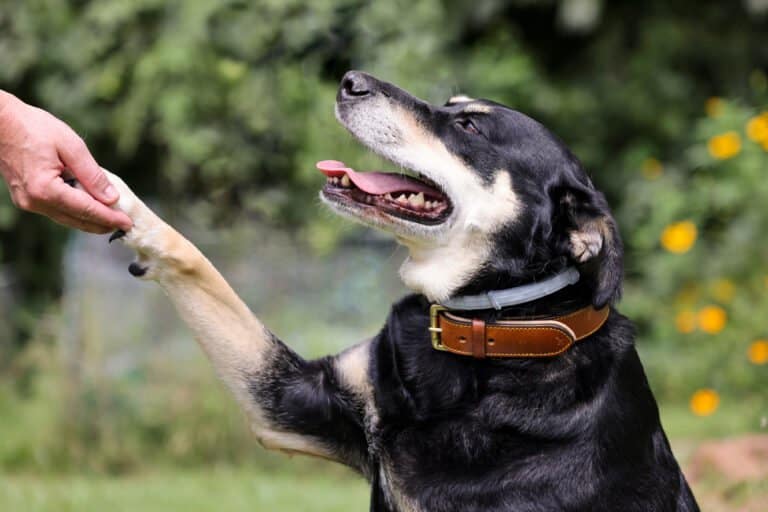
Amputation is the usual method of treatment for difficult-to-remove tumors in a dog’s leg.
©golfyinterlude/Shutterstock.com
The recommended treatment was amputation, a common veterinary solution when dogs develop tumors in their extremities that cannot be easily removed. Clarice was already experiencing significant arthritis in her right shoulder. Losing her left leg would mean living with only three legs, a challenge given her existing mobility issues. The Culps wanted a second opinion and turned to Washington State University’s (WSU) Veterinary Teaching Hospital. The family hoped there would be an alternative option available. There was.
The Alternative Treatment That Saved Clarice
When the Culps met with the vet team at WSU, they learned about a new clinical trial being completed in partnership with Seattle Children’s Hospital. The focus of the trial was to test the efficacy of injecting an immune-stimulating agent directly into tumors in difficult-to-treat locations.
The goal was to stimulate the body’s own immune system by activating T cells. These cells are responsible for physically destroying infected or cancerous cells. The injection would kick-start the body to destroy the hard-to-reach soft tissue sarcoma. The goal was to shrink the tumor enough so that other traditional cancer treatments would be more effective.
The clinical trial was only the first part of Clarice’s treatment plan. The WSU veterinary team combined the trial injection with surgery and radiation for a three-pronged approach. The goal was to eliminate the tumor without removing Clarice’s leg.
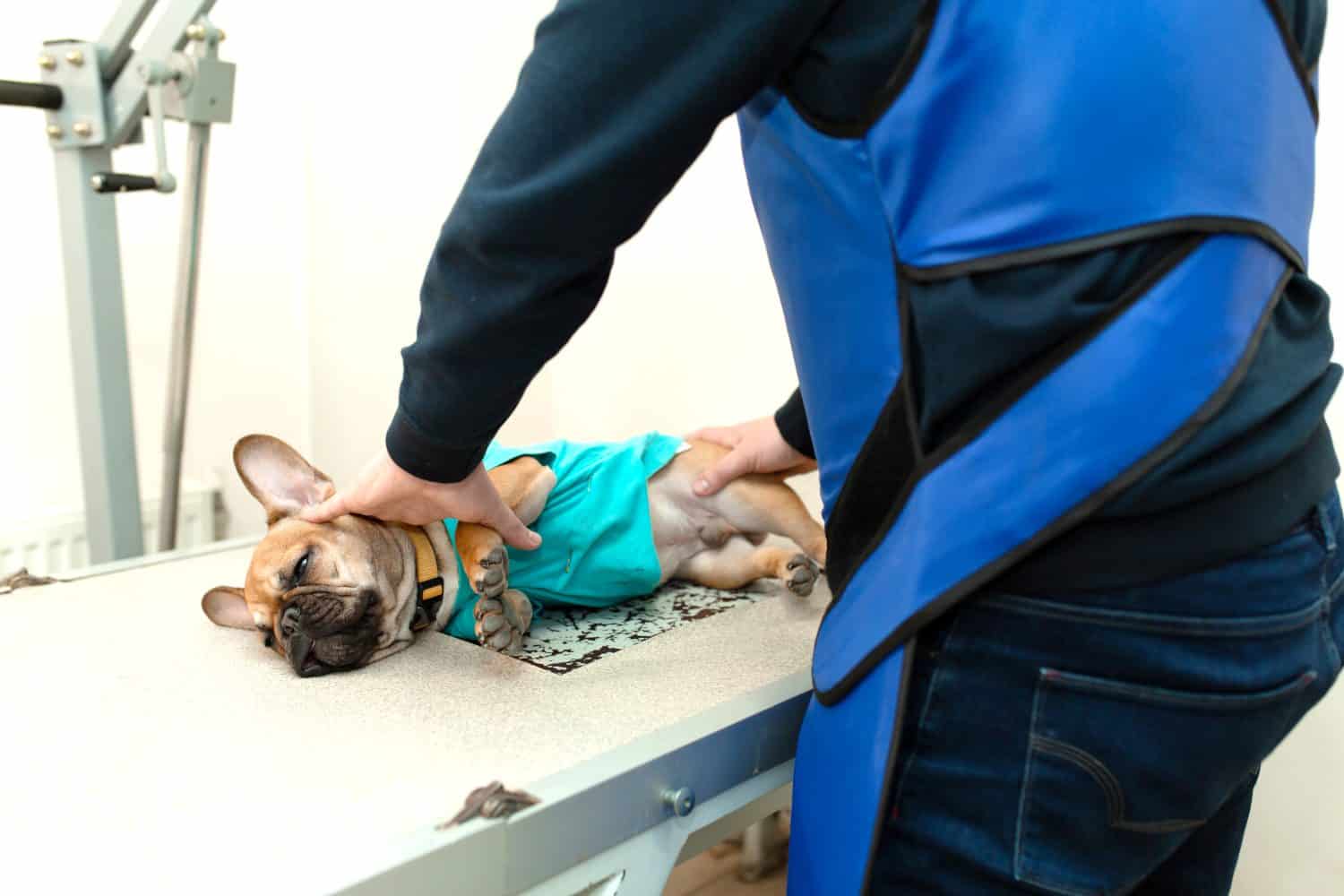
Dogs in the WSU clinical trial often undergo radiation therapy as part of their treatment.
©Try_my_best/Shutterstock.com
One week after receiving the injection, Clarice had surgery to remove most of the tumor. After that, she went through three rounds of radiation therapy to eliminate any residual cancer cells.
Dr. Janean Fidel, a WSU oncologist, oversaw Clarice’s treatment plan. She said that Clarice’s surgery went “as well as anyone expected.” When Clarice returned for her first radiation treatment, there was no tumor that could be felt. Clarice completed her three-round course of radiation therapy by early January 2026. She has since received a clean bill of health and will receive routine checkups to keep an eye on the wrist to ensure the tumor is caught early if it returns.
For the Culp family, having Clarice back home and healthy is their biggest win. They are also grateful that their own dog’s cancer treatment and participation in the clinical trial might be able to help other people and pets. As Jon Culp noted in a recent article about the WSU clinical trial, “In the end, we wanted to do everything we could for Clarice. But knowing her treatment might help someone else someday made the decision feel even more meaningful.”
How Clarice’s Success Can Help Children with Cancer
The data coming from the WSU trials is being shared with Seattle Children’s Hospital as part of a “comparative oncology” initiative. Canine tumors are biologically very similar to human pediatric brain tumors. The data from WSU’s canine trials is helping researchers design and refine the next phase of human clinical trials at Seattle Children’s Hospital.
WSU and Seattle Children’s Hospital worked together throughout 2024 and 2025 to develop the strategy to combine WSU’s veterinary expertise with the hospital’s pediatric CAR-T cell technology. That technology is being used in active clinical trials underway at the hospital.

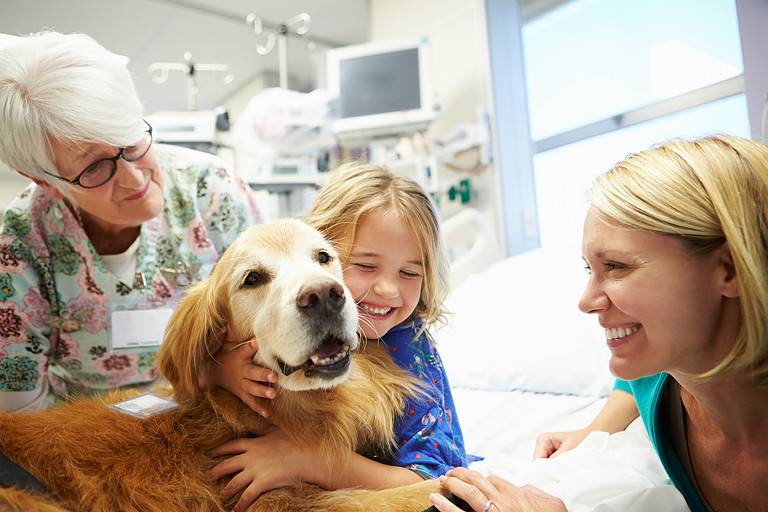
Researchers at Seattle Children’s Hospital are using data from the WSU studies in human pediatric cancer treatment trials.
©Engel Ching/Shutterstock.com
Those active trials are part of Seattle Children’s BrainChild series, overseen by Dr. Nicholas Vitanza. CAR-T studies are just one initiative the Vitanza Lab is pursuing for the treatment of children’s cancer. More information about Seattle Children’s immunotherapy work and available clinical trials can be found on the hospital’s Immunotherapy Program page.
More About the WSU Clinical Trial
The WSU clinical trial, which is ongoing, focuses on local immunotherapy for solid and brain tumors in dogs. Dog owners interested in the program are invited to contact WSU.
Dogs participating in the trial must:
- Have been diagnosed with an easily accessible soft tissue sarcoma with a minimum tumor size of 2 centimeters.
- Be a suitable surgery candidate and have undergone all diagnostics considered standard of care.
- Meet previously set parameters for bloodwork.
The long-term goal of this clinical trial is to add additional immunotherapy treatments to existing canine and human cancer care.