
Quick Take
- Three transient orcas have been spending time off the Seattle coast.
- Initially unknown, the orcas were discovered to have been previously photographed in Prince William Sound.
- The orcas were named T419, T420, and T421 because they are transient.
- The working theory is that these orcas are part of the Alaskan transient population.
In the waters off the coast of Seattle, marine life abounds. From seals and sea lions to whales and dolphins, there is always activity happening in the sea.
Additionally, orcas are known to frequent the region. But recently, a trio appeared, seemingly unknown to everyone. This led many to wonder: Why did orcas show up in Seattle?
Orcas Have Made Themselves Comfortable in Seattle
To the delight of all who see them, three orcas have made themselves known to residents of Seattle. The pod is believed to be a mother and two offspring, one of which is an adult male.
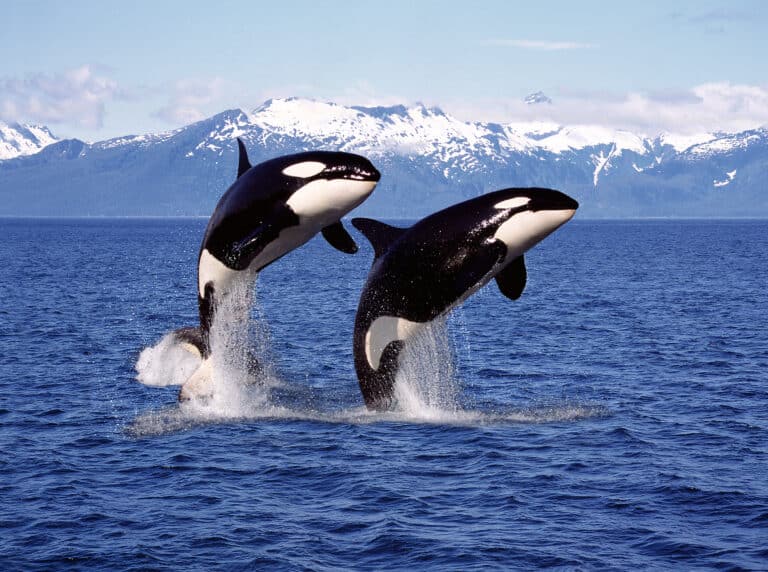
The orcas have been spotted several times since March, swimming through the Salish Sea between Vancouver, British Columbia, and Seattle. Because they are not members of any of the known resident pods, the trio was given the names T419, T420, and T421. The “T” stands for “transient.”
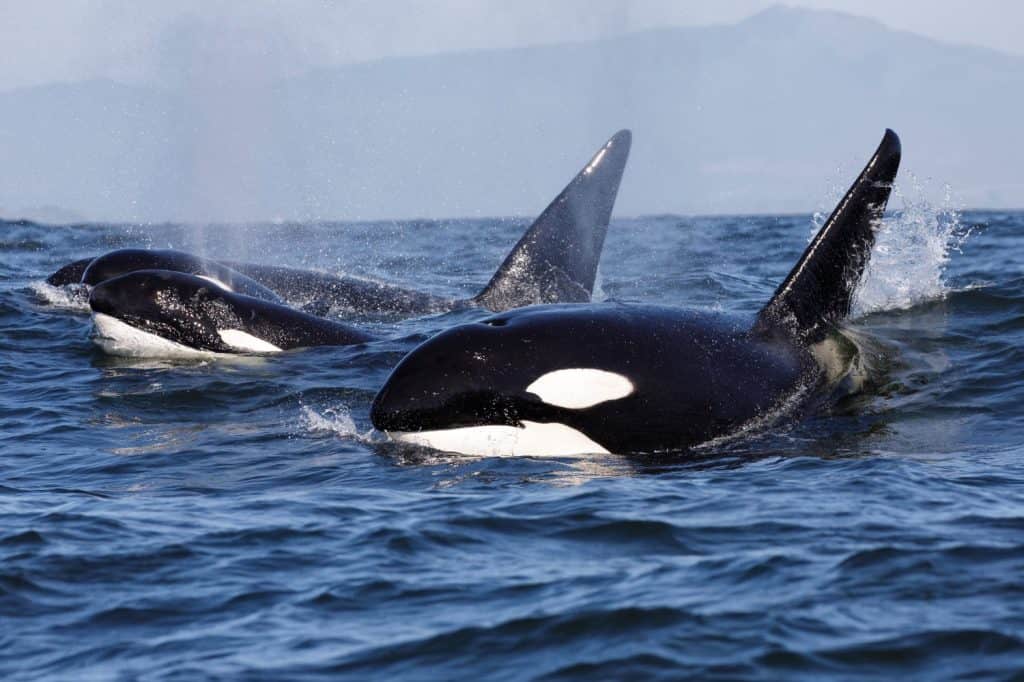
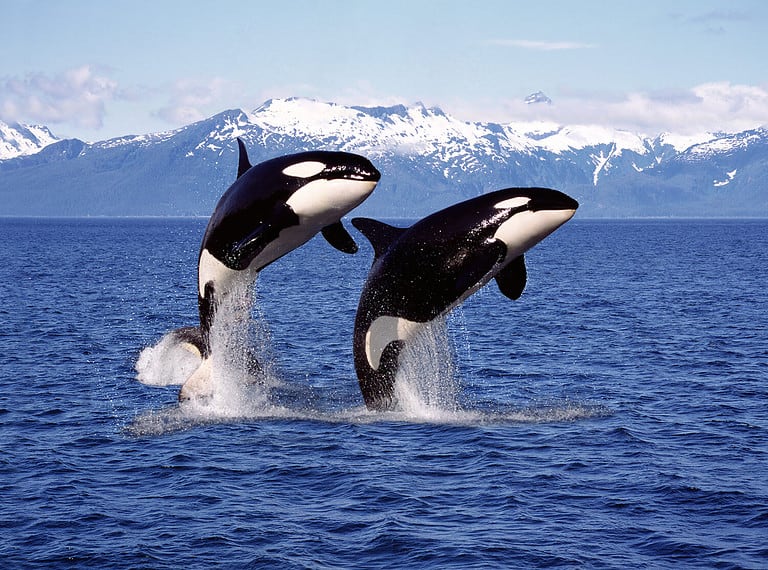
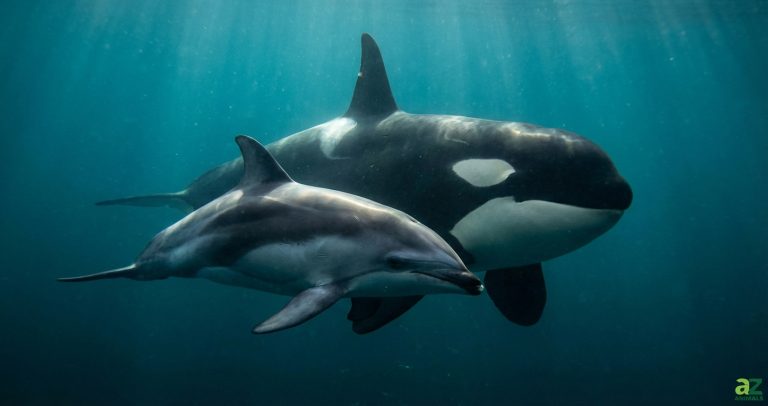
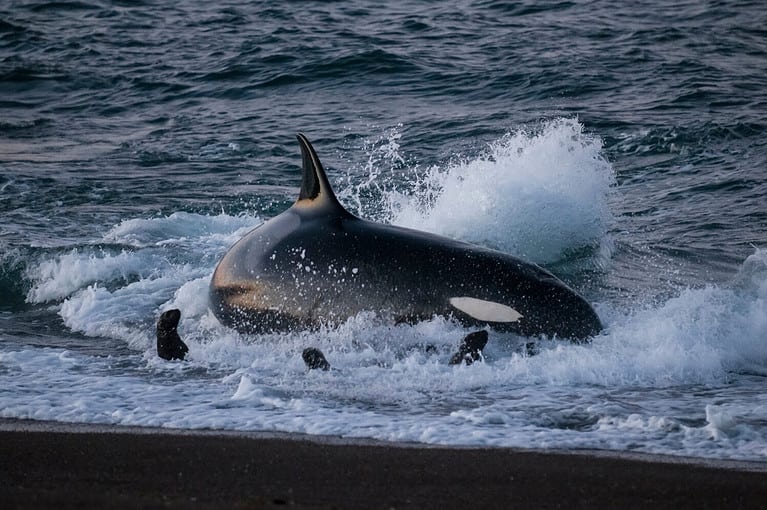
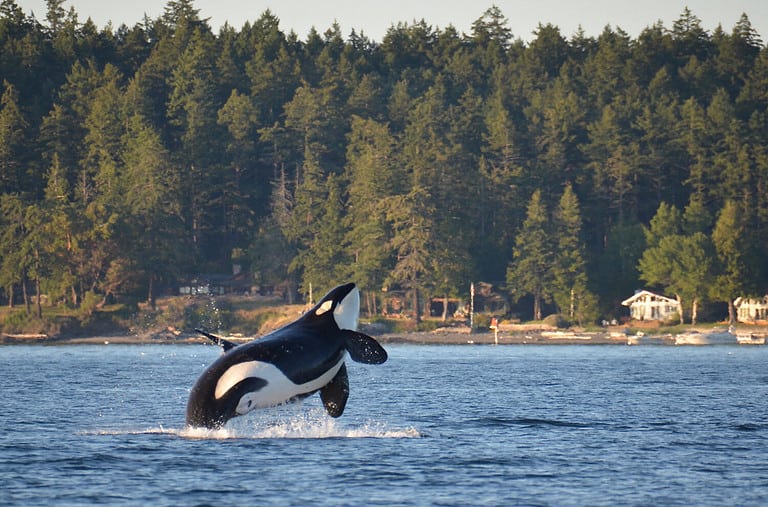
A trio of transient orcas, similar to these, has been spotted off the coast of Seattle.
©Tory Kallman/Shutterstock.com
Transient orcas differ from resident orcas because they do not necessarily return to the same location each year to feed. Transient orcas follow food sources. As Shari Tarantino of the Orca Conservancy tells CBS News, the orcas are likely in the Salish Sea on a “culinary field trip,” enjoying everything from harbor seals to sea lions, and even porpoises. This wide variety of diet makes transient orcas a heartier group than resident orcas, which eat only salmon.
“They have quickly become a crowd favorite,” Tarantino explained. “People spend a lifetime hoping to see a killer whale from shore, and these three have more than delivered.”
How Researchers Identified the Orcas
Initially, the three orcas were unidentified. Researchers painstakingly document and photograph both resident and transient orcas so that both population numbers and the orcas themselves can be tracked. The belief was that T419, T420, and T421 were part of the Alaskan transient population. But until there was proof to substantiate this, where the three orcas spent their time remained a mystery.
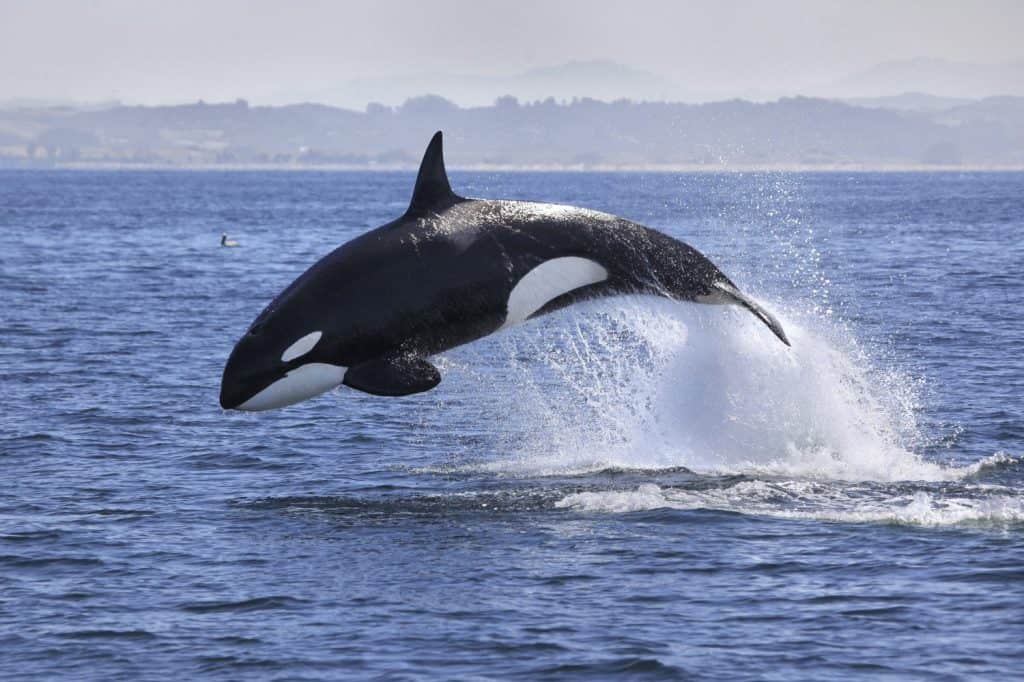
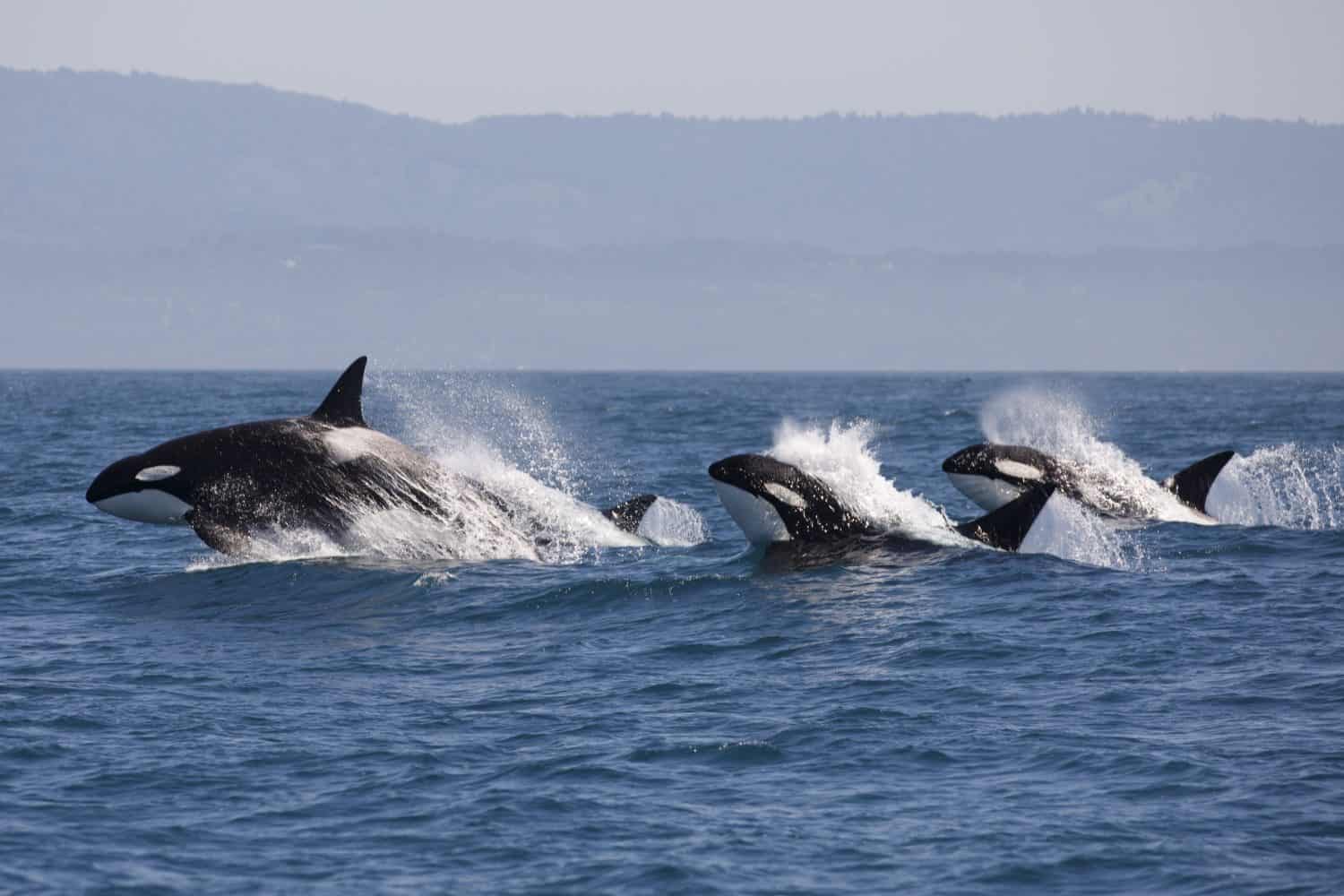
The transient orcas off the Seattle coast were photographed previously swimming through Prince William Sound.
©Tory Kallman/Shutterstock.com
As luck would have it, the three orcas were spotted and photographed in the past. Using AI technology, researchers were able to input newly taken photos of the orcas into a program that compares them with older photos of the orcas. The program, called FinWave, successfully matched the new photos with older ones, producing proof that this was not the first time the small pod had been seen. Their photos had previously been captured while they were swimming through Prince William Sound.
With this information, researchers had more evidence that the trio is likely part of the Alaskan transient population. If they appear in Alaska this year, it will confirm the origins of the three orcas.
Where the Trio of Transient Orcas Travel
Thanks to photographic evidence, it is known T419, T420, and T421 spent time in Prince William Sound before being spotted off the coast of Seattle. Prince William Sound and the Salish Sea region, including areas between Vancouver, BC, and Seattle, are the only locations with confirmed sightings of the three orcas. But it is also clear that the orcas have spent a lot of time in the open ocean, as evidenced by scars on their bodies.
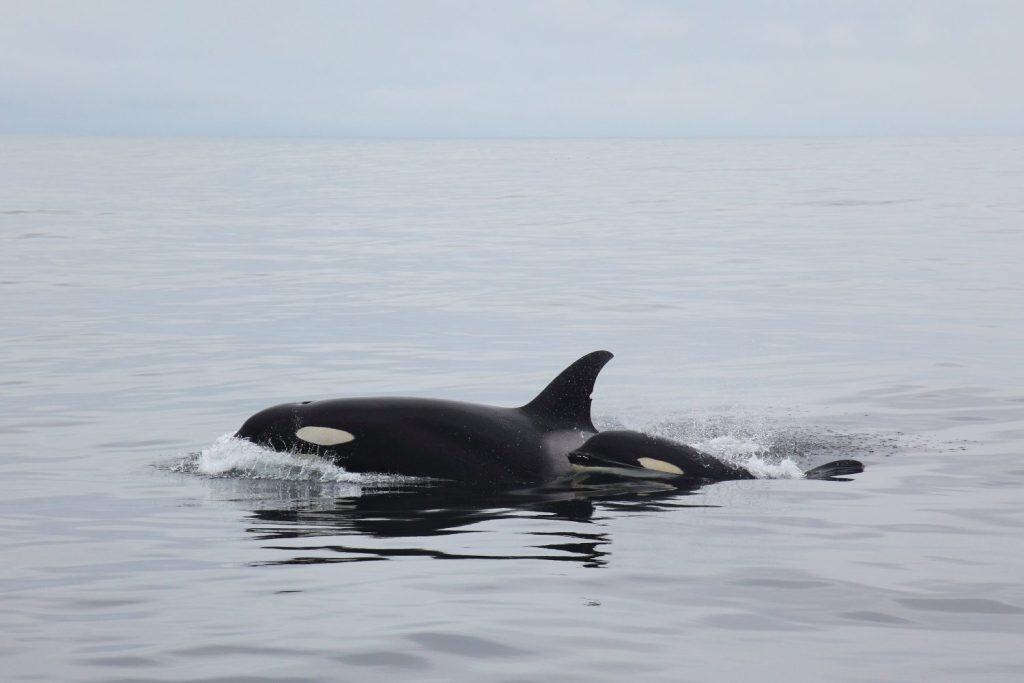
The three orcas have evidence of cookie-cutter shark scars, indicating they spend time in the open ocean.
©Tory Kallman/Shutterstock.com
Unlike other whales that make their way through the Salish Sea, these transients have distinct markings on their bodies indicating where they spend much of their time. The orcas’ bodies have circular scars. These scars indicate that the orcas have been bitten by cookie-cutter sharks. These sharks take chunks out of larger prey, leaving signature cookie-looking scars behind. Because cookie-cutter sharks live only in the open ocean, this suggests that T419, T420, and T421 spend significant time there as well.
The orcas were unknown before their appearance in Seattle. However, this is likely not the last time T419, T420, and T421 will be spotted. Given that they are transient, they will swim where there is food to sustain them. As long as the Salish Sea continues to provide food, there is no reason the pod will not return for years to come.