Because perennials typically regrow every spring, these colorful flowers are the dependable backbone of the garden. Annuals only live for one season, but most gardeners plant a combination of both. And for those growing in zone 11, some plants that are normally annuals can be treated as delicate perennials.
Zone 11 is the most tropical zone in the United States. It encompasses the southern tip of Florida, the Florida Keys, and most of the Hawaiian Mainland. Lucky gardeners can grow stunning tropical plants in this region. Check out these picks for the top eight perennial flowers for zone 11 and learn about their scents, uses, and where to plant them.
1. Canna Lily
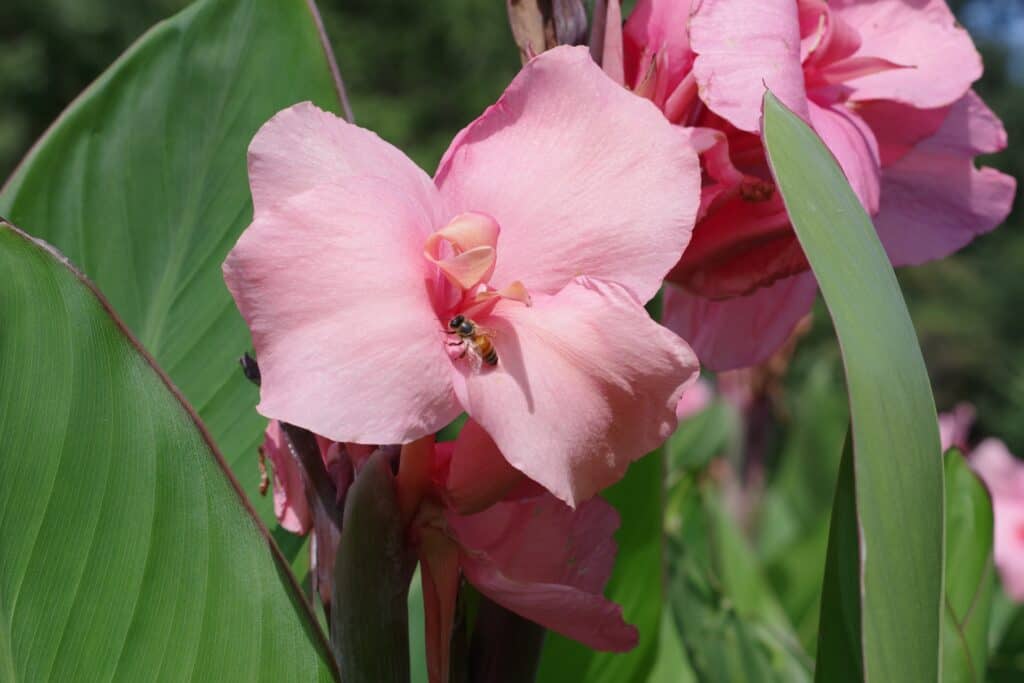
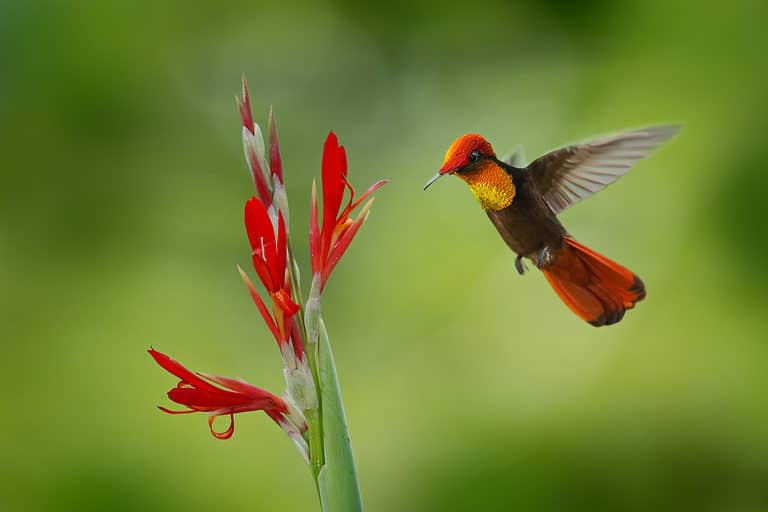
Canna lilies are some of the best perennial flowers for zone 11.
©Denise Lynne/Shutterstock.com
While normally a very sensitive plant, the canna lily becomes a tender perennial in zones eight through 11. This plant is vibrant and colorful and features banana-like leaves. Its exotic look immediately brightens any tropical garden. You can plant them as a focal plant or in large clumps to give a bold look. They bloom from mid-summer until the first frost and attract many hummingbirds. Also worth noting, if you like flowers without a strong scent, canna lilies are for you.
2. Bulbine

The bulbine flowering plant produces star-shaped flowers.
©LifeCollectionPhotography/Shutterstock.com
Bulbine flowers grow throughout the year in warm climates, producing lovely yellow and orange star-shaped blooms. These tender perennials add color and wispy character to any zone 11 garden. They are perfect in containers, flower beds, and rock gardens from zone nine to 11. Bulbine flowers are drought-tolerant and produce a sweet smell that attracts bees, hummingbirds, and butterflies.
3. Gardenia
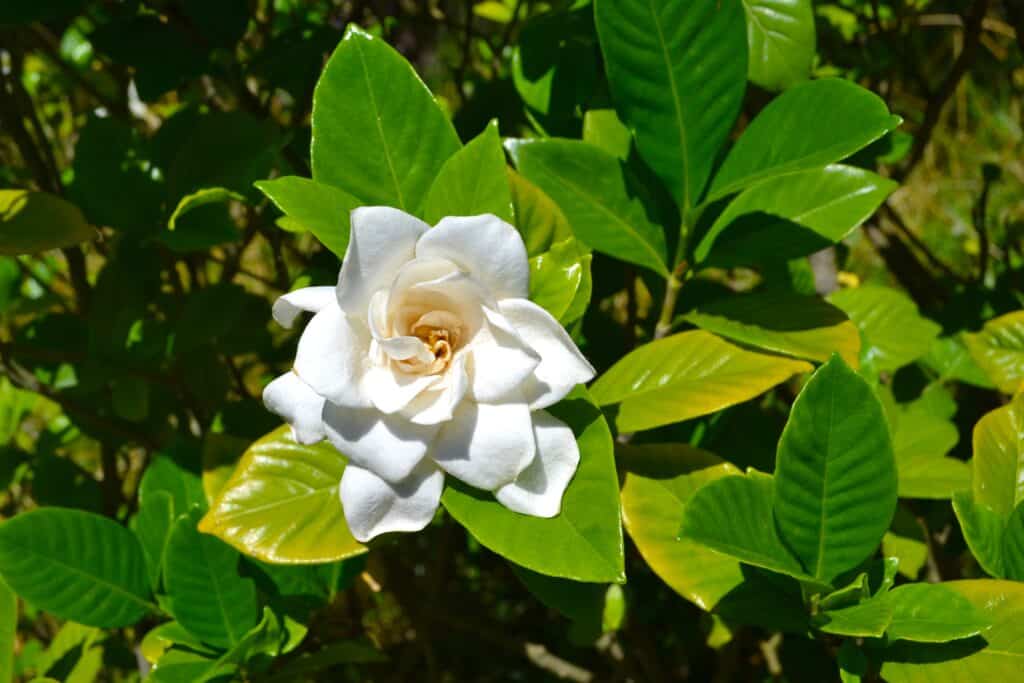
The gardenia features a zesty floral fragrance.
©NADII_art/Shutterstock.com
Gardenias produce creamy white flowers and a zesty floral fragrance reminiscent of warm summer nights. This flowering shrub is one of the most popular in southern gardens because it blooms intermittently from spring until fall. And it does well in zone seven through 11. There are many varieties to choose from, and they grow easily in warm, humid climates. These plants look great near an entranceway, under windows, or along a path.
4. Heliconia
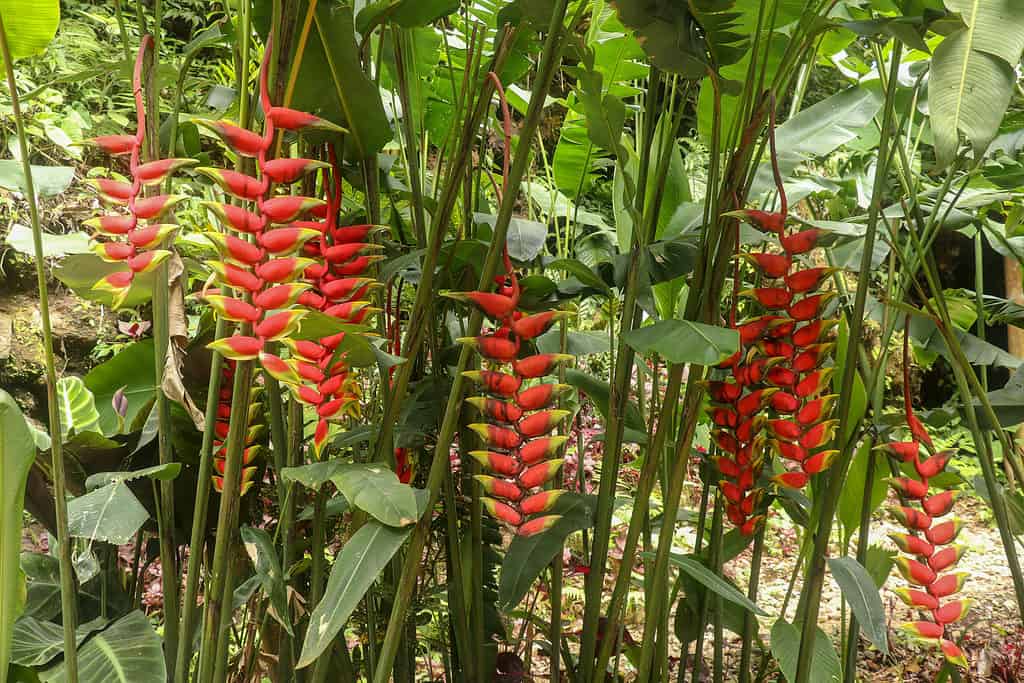
Heliconia is related to bird of paradise and is native to Bolivia, Peru, El Salvador, Costa Rica and Ecuador.
©Sanatana/Shutterstock.com
Also known as the lobster claw plant, Heliconia is a lush rainforest plant that attracts many exotic birds. These flowering plants are popular in Florida. Because they prefer hot, humid weather, they do best in zones 10B through 11. These plants produce leaves that resemble birds of paradise and they can grow over 20 feet tall! They don’t have a strong scent, but they look elegant near decks and patios.
5. Ginger
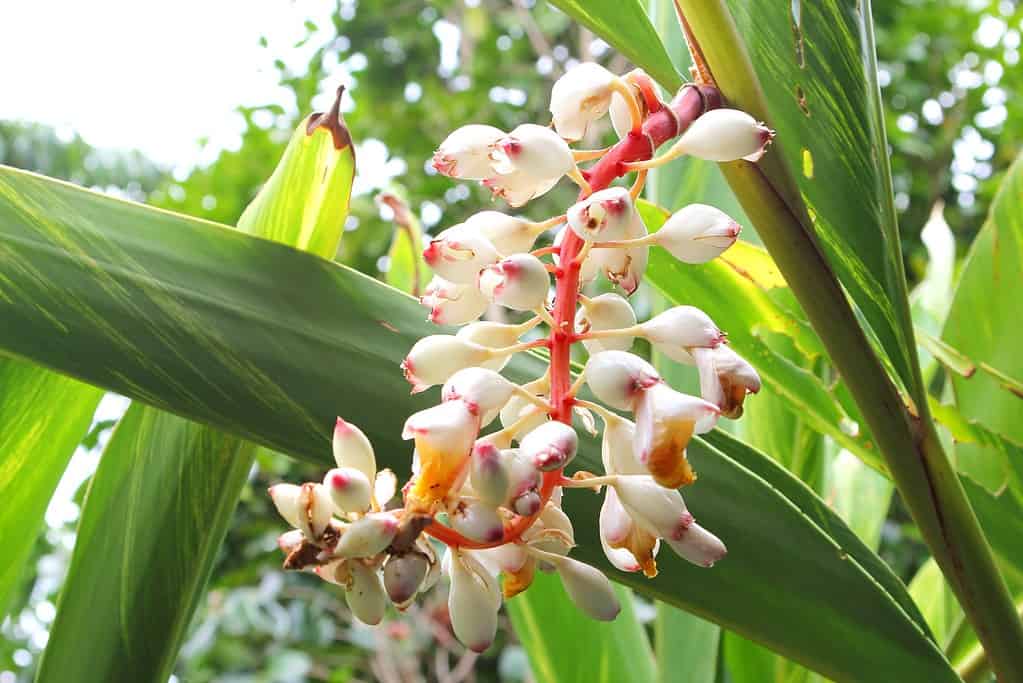
The ginger plant is a beautiful and aromatic flowering plant.
©ingehogenbijl/Shutterstock.com
This herbaceous perennial grows in zones nine through 11, growing outside in warm climates or inside in temperate regions. Ginger is a beautiful and aromatic flowering plant that adds pops of color, while producing an intense and spicy fragrance. Ginger is a great container plant for the patio and does best in partial shade. Plus, you can harvest the plants and use the roots and leaves in cooking.
6. Rosemary
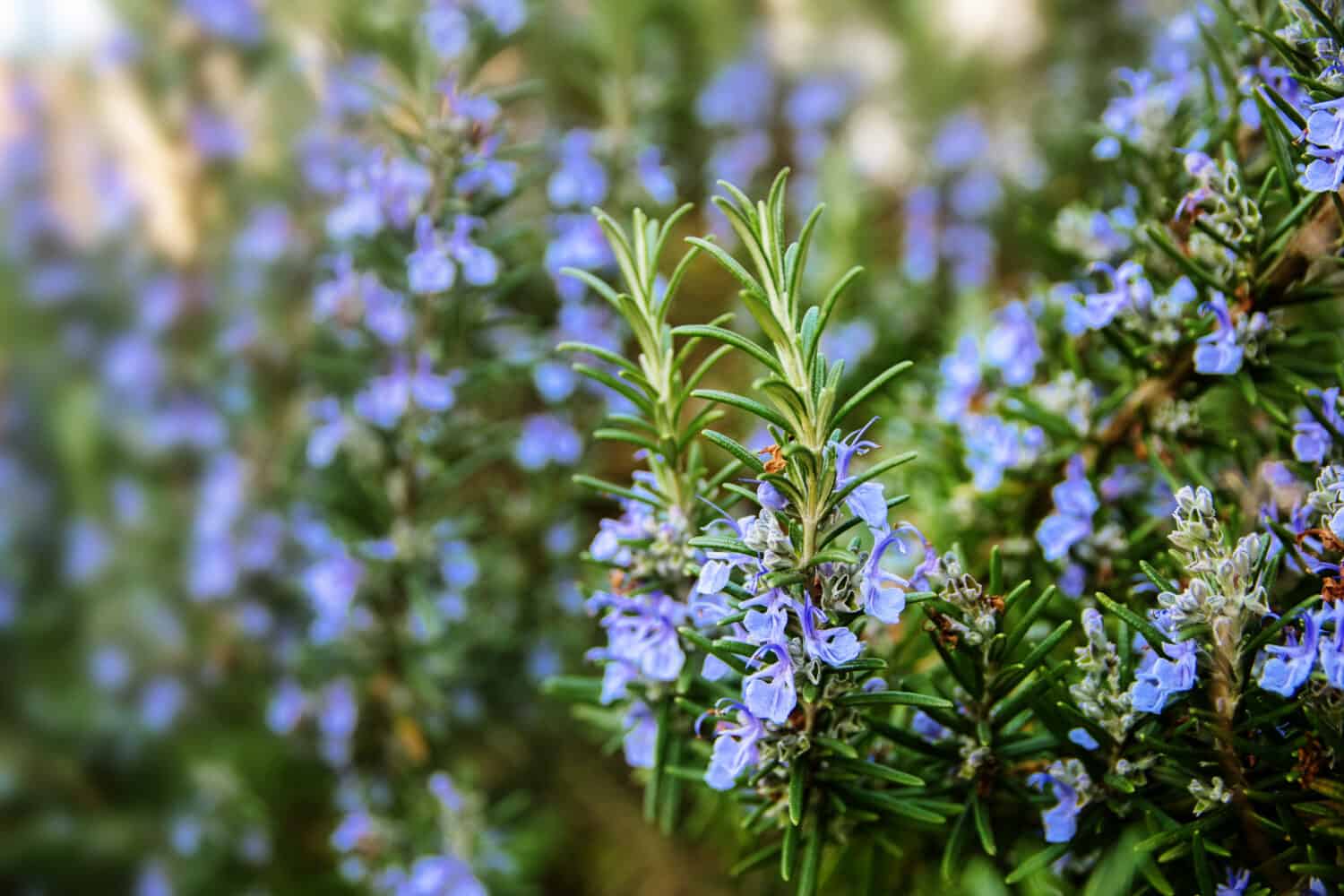
This plant is not fussy and can be harvested all year.
©Maren Winter/Shutterstock.com
Rosemary is a warm Mediterranean plant that does well in zones seven through 11. This herbaceous plant is a reliable perennial and easy to grow, often reaching heights of three feet or more. They are not fussy and don’t need much to flourish, and once established, they can be harvested all year. Rosemary does well in tubs or pots on the patio. But you can also grow them beside sage, beans, and carrots. This plant features a pungent fragrance, and you can use the leaves to sprinkle on your favorite dishes.
7. Lantana
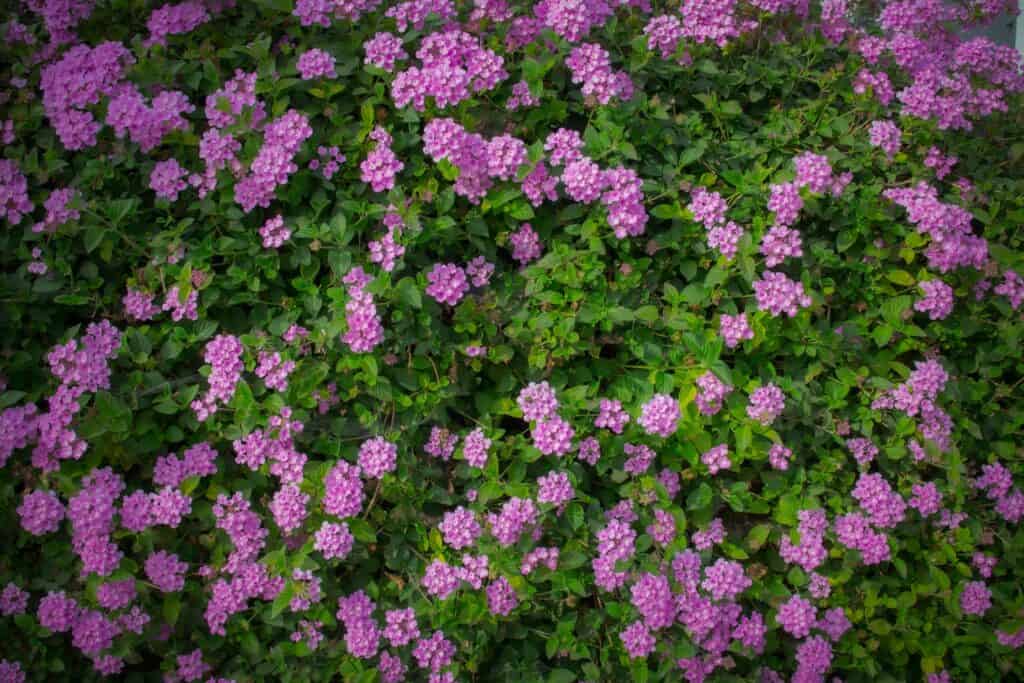
Trailing lantana is salt tolerant, so you can plant them near the beach.
©logoboom/Shutterstock.com
Growing up to 10 feet tall, lantana is a perennial flower that does well in zones eight through 11. These dense, compact shrubs bring pops of color to any southern or tropical garden, and their sharp, sweet scents attract hummingbirds, bees, and butterflies. Plant these beauties in bright, open locations. They are salt tolerant, so you can even plant them near the beach.
8. Elephant Ear
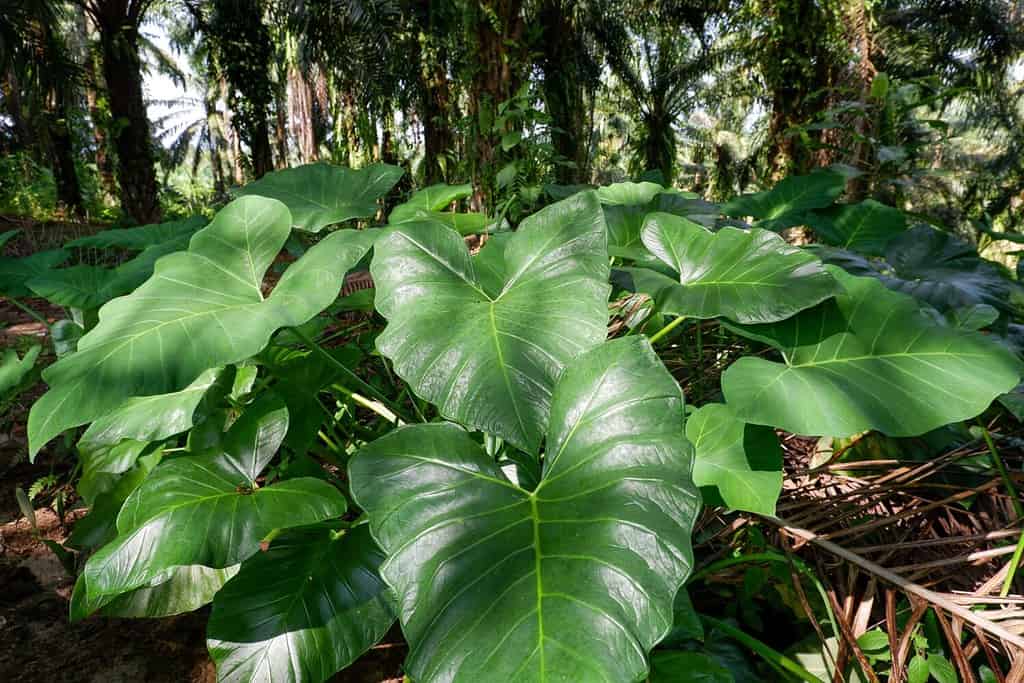
Their bold paddle-shaped leaves are lovely, and their fragrant blooms produce an intense fragrance.
©Raja Sopan Purba/Shutterstock.com
Elephant ears become hardy in zones nine through 11. These tender perennials offer dramatic ornamentals to tropical gardens, where you can plant them as focal points or in large masses to add a dense rainforest effect. Their bold paddle-shaped leaves are lovely, and their fragrant blooms produce an intense fragrance, especially at night. Plus, they are known for their air filtering qualities, ridding the surrounding area of toxins and allergens.
The Best Perennial Flowers For Zone 11: A Recap of the Top 8
| Rank | Best Perennial Flowers For Zone 11 |
|---|---|
| #1 | Canna Lily |
| #2 | Bulbine |
| #3 | Gardenia |
| #4 | Heliconia |
| #5 | Ginger |
| #6 | Rosemary |
| #7 | Lantana |
| #8 | Elephant Ear |