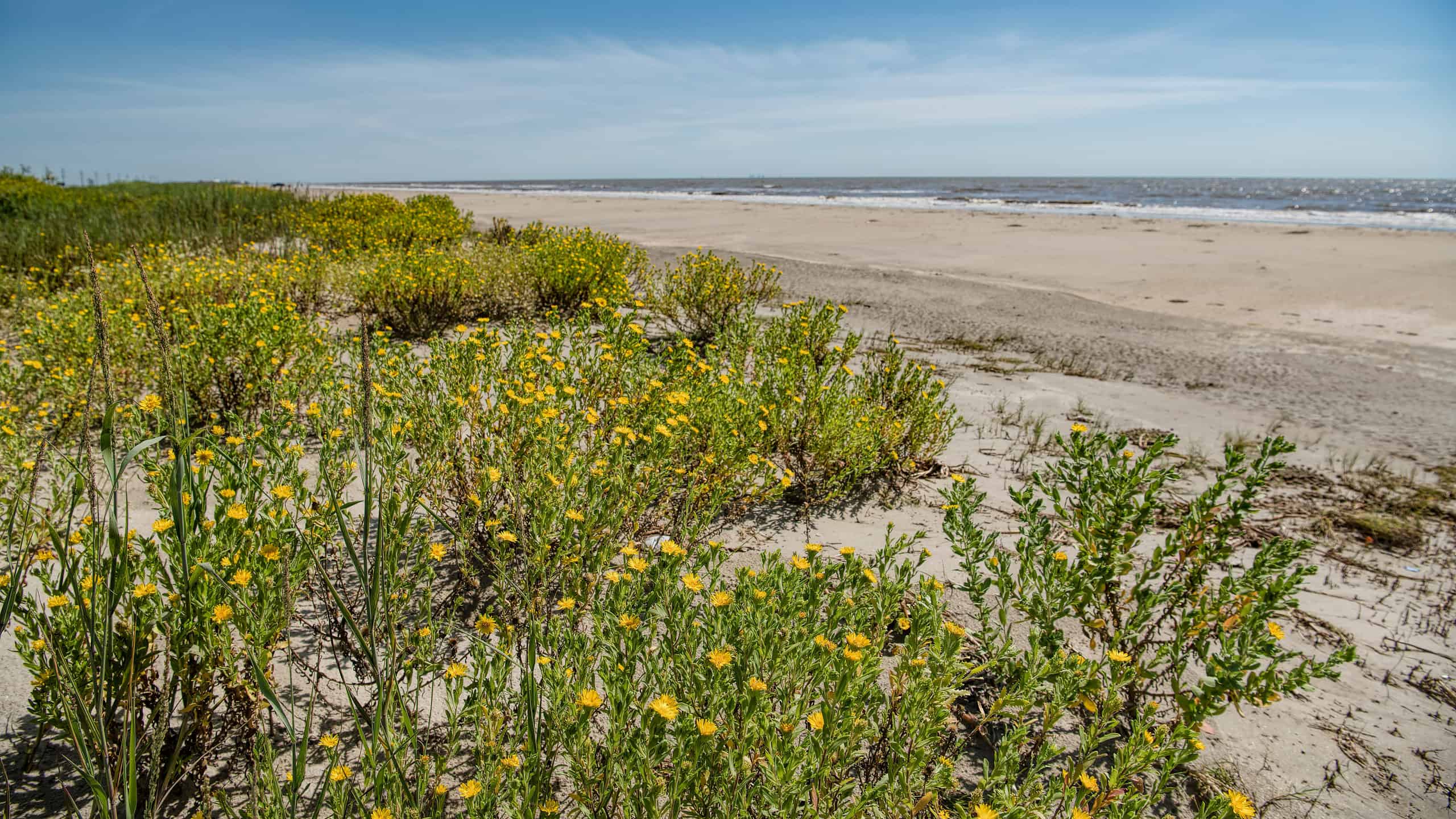

Louisiana boasts almost 400 miles of coastline, though most beachgoers do not consider the state a prime water destination. They are, however, sorely mistaken. The longest beach in Louisiana is 17 miles of tropical wonder! We’re going to fill you in on the details about this sandy paradise now.
A Tropical Wonder: What is the Longest Beach in Louisiana?
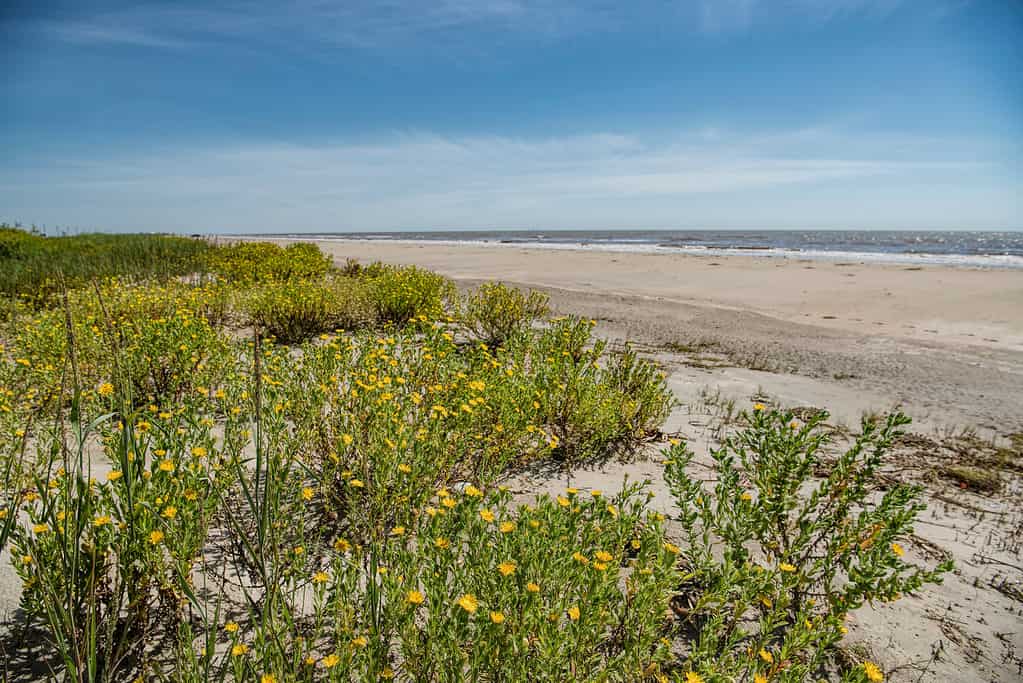
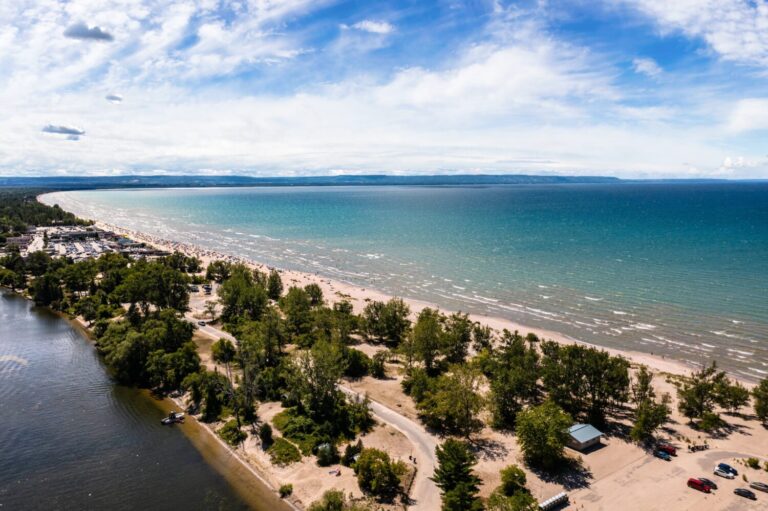
Holly Beach is located in Cameron Parish in Louisiana.
©Bonnie Taylor Barry/Shutterstock.com
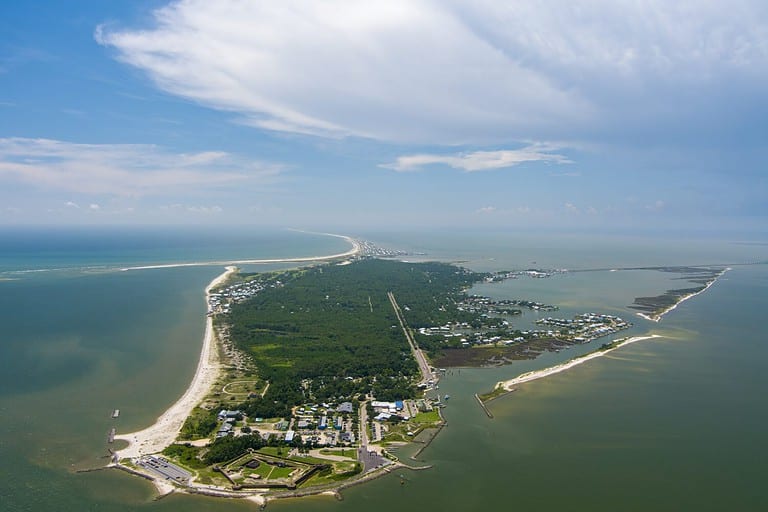
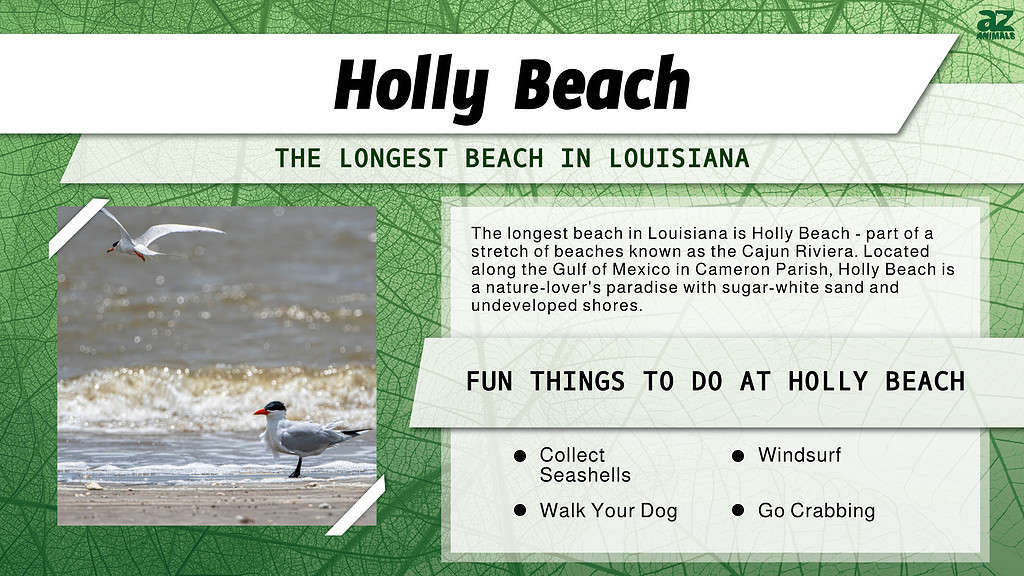
The longest beach in Louisiana is Holly Beach. A part of a stretch of beaches known as the Cajun Riviera, Holly Beach is located along the Gulf of Mexico in Cameron Parish.
Lake Charles is about an hour north of Holly Beach, and the beach town is technically a part of the Lake Charles metro area. Houston, Texas, is about 2 hours to the west, and New Orleans is about 4 hours to the east.
How Long is Holly Beach in Louisiana?
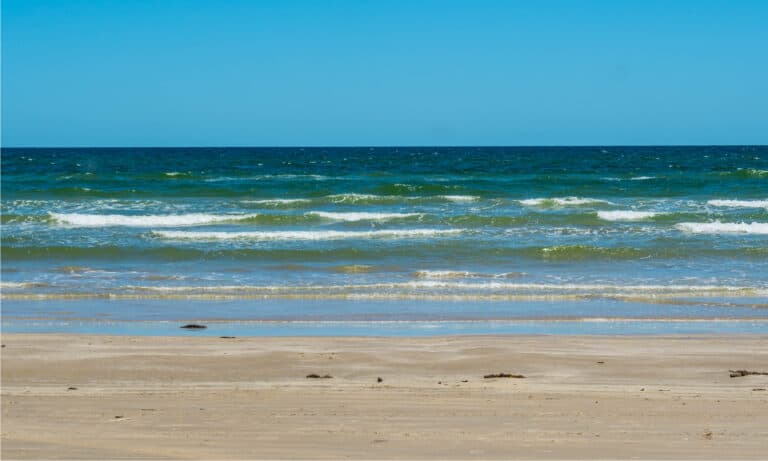
Holly Beach is 17 miles long and it plays host to the kind of light sand that sticks out in a traveler’s dreams. It’s not anywhere near a major city so it’s an ideal getaway for people looking to spend some time alone.
Things to Do at Holly Beach
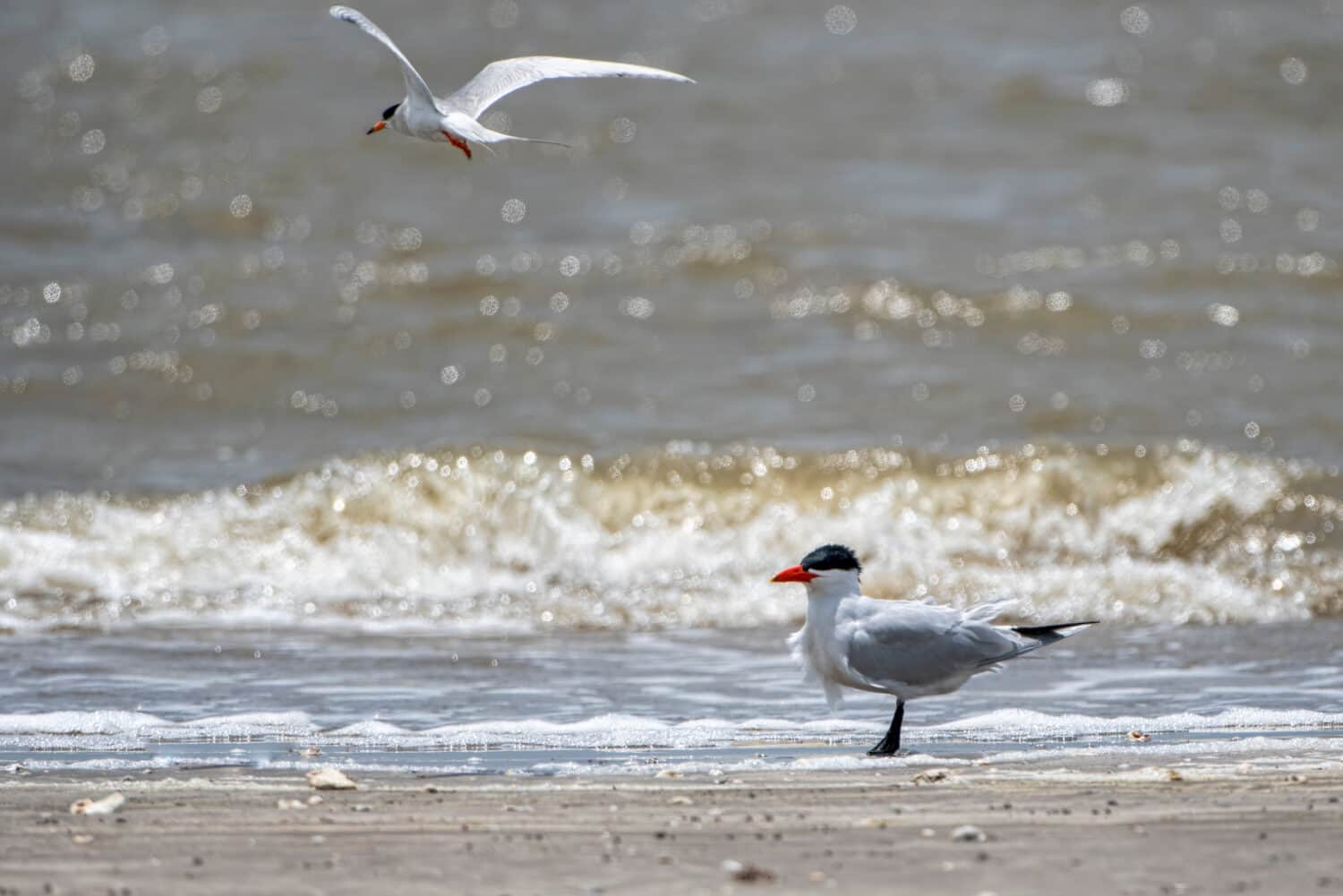
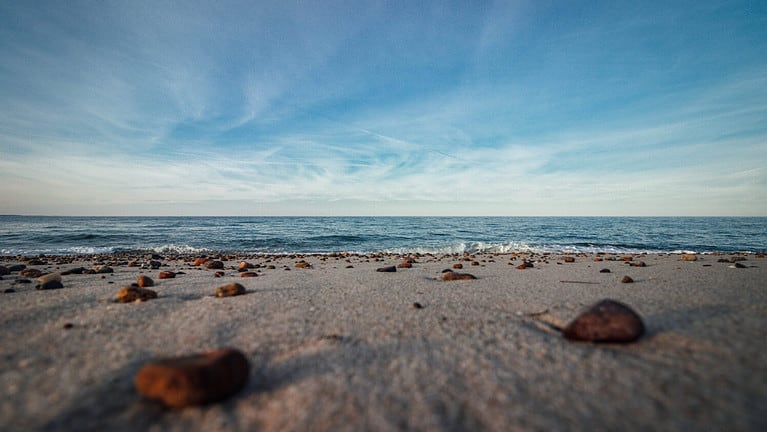
Holly Beach is a great spot for birdwatching and collecting seashells.
Image: Bonnie Taylor Barry, Shutterstock
©Bonnie Taylor Barry/Shutterstock.com
While Holly Beach is one of the prettiest beaches in Louisiana, it is also undeveloped. This means that you’ll have to bring anything you need for your beach day with you. There aren’t any amenities like public restrooms or restaurants.
Collecting shells along Holly Beach is a popular activity. The best times to go shelling are 2 days after a good storm or at low tide. The New Beach area on the eastern side of Holly Beach has the softest sand, and it also has the best shells in the area.
The water at Holly Beach is great for boating, and windsurfers love Holly Beach. However, before entering the water, make sure to check the water advisories in the area. Especially during the summer, bacterial blooms occur in the beach’s warm water which causes a wide range of health issues like UTIs and meningitis.
You’re able to drive a vehicle on Holly Beach, though proceed with caution. While some of the beach is firm enough to handle a vehicle, many spots require a 4-wheel drive. Some areas are completely impassable, and locals hang signs that say things like “won’t help you tow” as they’re sick of helping unsuspecting drivers off of the beach.
Points of Interest Near Holly Beach in Louisiana
After a few devastating hurricanes, there isn’t much development at Holly Beach. However, there are still some colorful homes on stilts in town near the water. Make sure you get a full tank of gas before approaching the area as there isn’t a gas station anywhere near the beach.
There are no hotels in Holly Beach. However, there may be a house available for a short-term rental, but this is not guaranteed. If you have an RV, there are 2 RV parks nearby.
The Creole Nature Trail runs from Holly Beach to the city of Sulphur. Unfortunately, most of the manmade amenities in the area have been destroyed by storms, but the natural landscape can still be enjoyed. There is no gas near the trail, and there are no amenities like restaurants or convenience stores nearby.
Holly Beach: Animals Found Around the Longest Beach in Louisiana
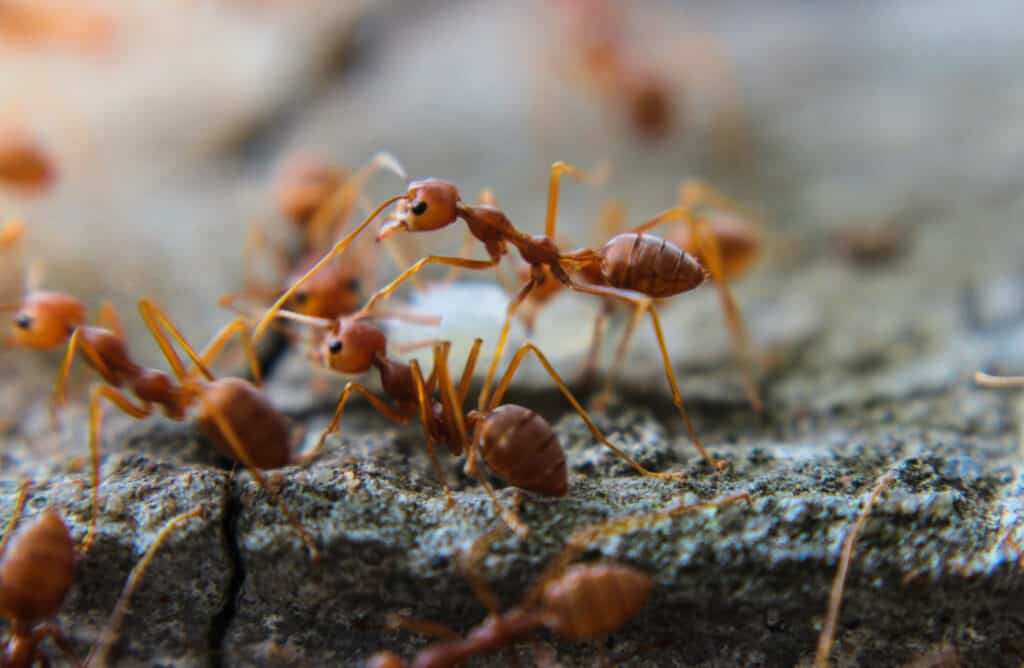
Red imported fire ants make their home on Holly Beach.
©NOTE OMG/Shutterstock.com
Holly Beach is well known for its good crabbing. Crabbing is best done up to 2 hours before high tide through 2 hours after the tide starts to recede. A saltwater fishing license is needed to go crabbing, but it’s only $15 for state residents and $60 for non-residents.
Between Lake Charles to the north and Holly Beach is the Sabine National Wildlife Refuge. This refuge plays host to a variety of species including American alligators (Alligator mississippiensis), roseate spoonbills (Platalea ajaja), lesser golden plovers (Pluvialis dominica), common moorhens (Gallinula chloropus), American avocets (Recurvirostra americana), white ibises (Eudocimus albus), cattle egrets (Bubulcus ibis), Atlantic spadefish (Chaetodipterus faber), sheepshead minnows (Cyprinodon variegatus), swamp rabbits (Sylvilagus aquaticus), nutrias (Myocastor coypus), and cedar waxwings (Bombycilla cedrorum).
If you’re planning a vacation and you’re bringing your dog, Holly Beach is a good location as there are no restrictions on which pets can come along. However, all pets must be leashed.
The RV parks have various rules about dogs including a ban on “aggressive” breeds. This ban includes chows, pit bulls, pit bull mixes, rottweilers, and Dobermans. Check with your beach accommodations provider before showing up with your dog.
Red imported fire ants (Solenopsis Invicta) are found on Holly Beach. Due to an increase in storm activity, and the challenges coastal fire ants face, the red imported fire ants on the beach are more aggressive than their inland counterparts. Be on the lookout for colonies of these ants as their bites are painful.
Plants Found Around Louisiana’s Holly Beach
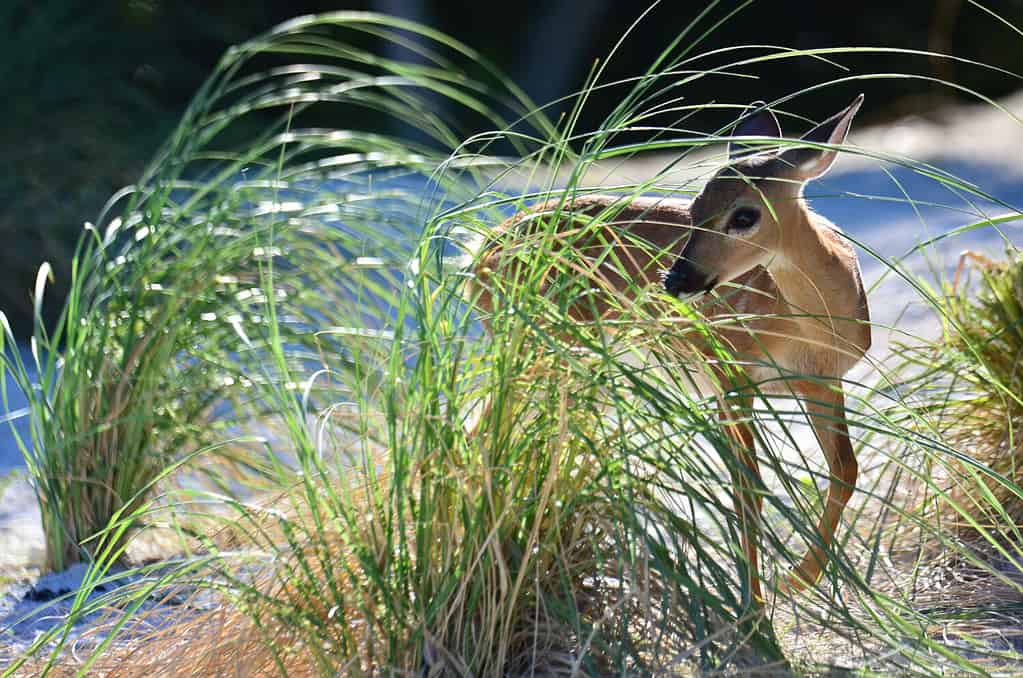
Sea oats are a type of native dune grass on the Gulf Coast.
©Virginia Blount/Shutterstock.com
The Sabine National Wildlife Refuge between Holly Beach and Lake Charles is a wetland habitat with numerous plant species. A couple of popular flowering species include the fragrant flatsedge (Cyperus odoratus), and the Virginia saltmarsh mallow (Kosteletzkya pentacarpos).
Louisiana beaches are prone to erosion due to an increase in storms and the lack of deposited sediment from the altered rivers in the area. Such alterations that stop the accumulation of sediment include dams, channeling, and levee systems.
As a result of the manmade restrictions put on the rivers and streams that provide needed sediment, projects are underway to introduce plant species that help anchor sand and sediment. This is done in an attempt to reverse the processes taking place that are sweeping away Louisiana’s beaches and marshes.
Sea oats are a type of native dune grass found along the Gulf Coast. At Holly Beach, sea oats (Uniola paniculata) are harvested and nurtured in greenhouses so they can be replanted where natural grass stands have been devastated. This gives professionals the tools to spread sea oats along a larger range and at a faster rate than what occurs naturally.