Eating the same veggies night after night is a quick way to zap your interest in healthy food. The next time you’re in the produce aisle staring at the familiar onions and carrots, use this list of vegetables that start with “W” for culinary inspiration. You may find your new favorite veggie.
1. Wasabi (Eutrema japonicum)
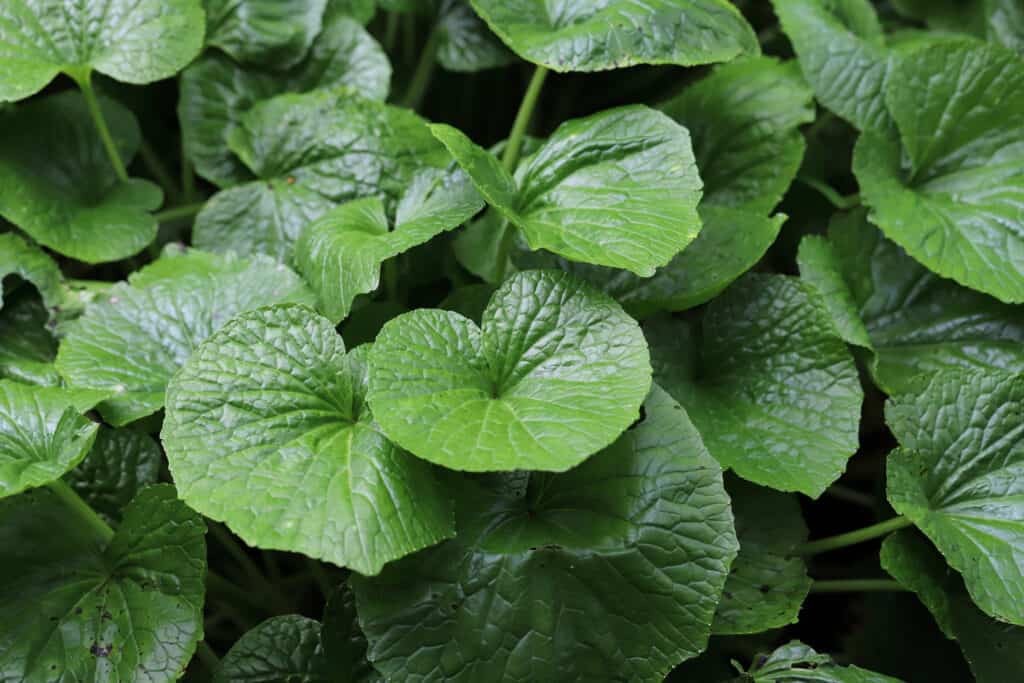
You can grind wasabi into a spicy paste.
©iStock.com/Queserasera99
If you love sushi, there’s a good chance you like wasabi, too. Wasabi is a root vegetable with a strong flavor that’s perfect for spicy marinades and sauces. It’s widespread in Japanese cuisine and is often paired with fish and meat.
To make your wasabi paste, grind wasabi roots as fine as possible. Whole wasabi roots can be sliced and tossed with a salad.
2. Water Spinach (Ipomoea aquatic)
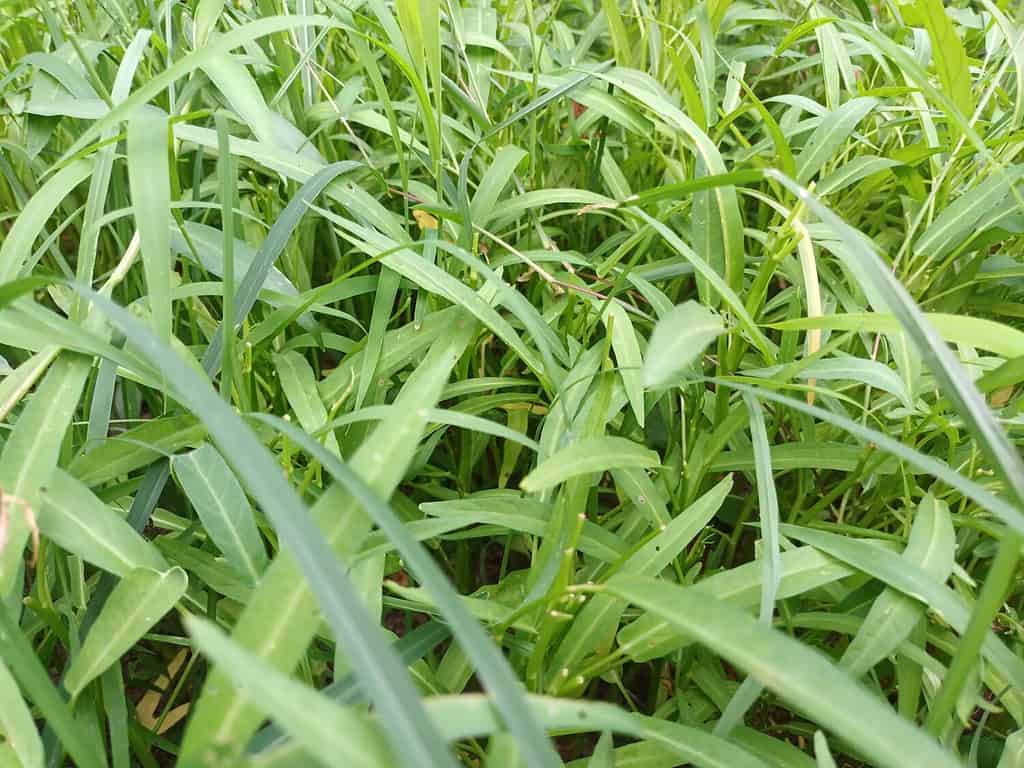
Some people eat water spinach because of the health benefits associated with its high water content.
©spndpatty/Shutterstock.com
Trouble with your gut? Add some water spinach to your diet. It’s full of fiber and water, so it promotes healthy digestion. You may need to travel to find it, however, because growing water spinach is illegal in many states.
The problem is that it’s considered an invasive species. It’s also a delicious vegetable loaded with health benefits, so foodies and chefs are trying to fight the bans. In 2022, Georgia updated its laws so restaurants could serve water spinach.
3. Wax Beans (Phaseolus vulgaris)

Green beans and wax beans look almost identical.
©barmalini/Shutterstock.com
Wax beans are a yellow variety of green beans. They’re often added to nutritious soups and salads.
The beans lack the vibrant color of green beans, but they share a similar taste. You can use wax beans instead of green beans in your recipes, and you likely won’t notice a big difference.
4. Winged Beans (Psophocarpus tetragonolobus)
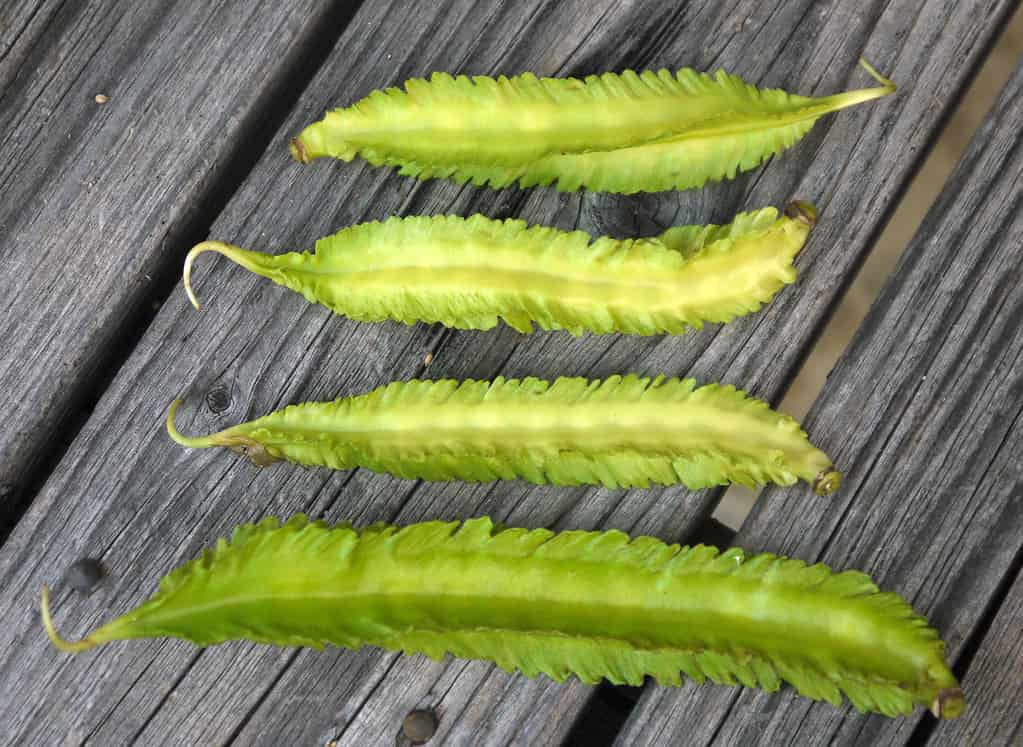
Winged beans flourish in hot, tropical climates in places like Thailand and Malaysia. Every bit of the plant is edible, but it’s the bean pods that get the most attention. The pods look like thin strips of lettuce.
Cooked winged beans are more commonly consumed, but feel free to eat them raw and enjoy the satisfying crunch.
5. Welsh Onions (Allium fistulosum)
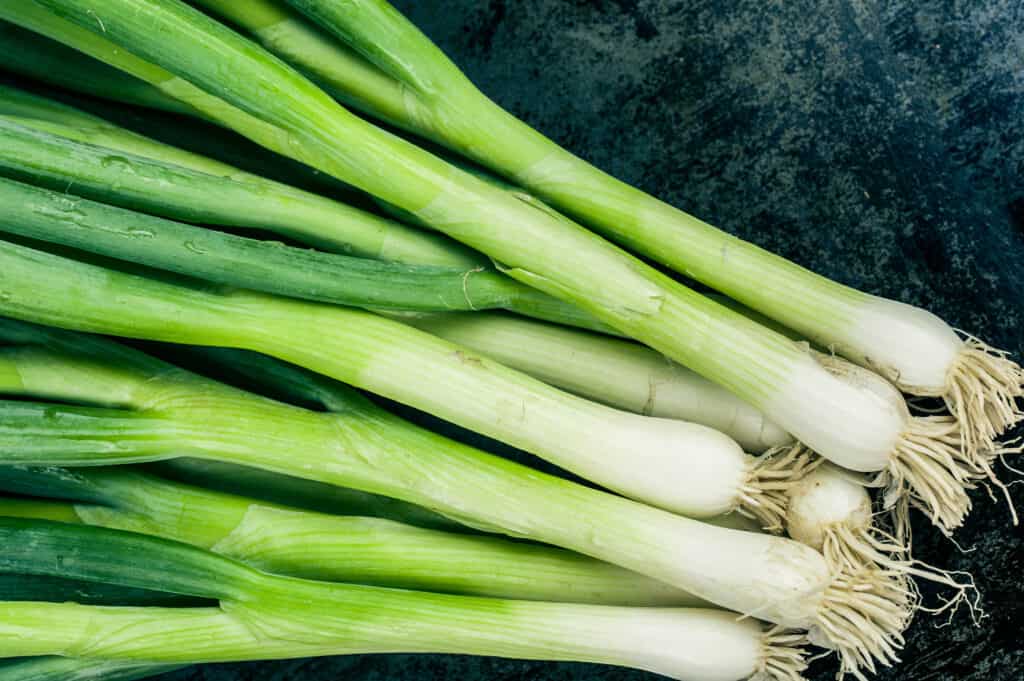
Many people know Welsh onions as scallions or green onions.
©Stephan Schlachter/Shutterstock.com
Welsh onions may be an unfamiliar term, but how about green onions or scallions? Most scallions in the U.S. are the Welsh onion variety, although it’s possible to run into other types.
Welsh onions grow small bulbs and long, tube-shaped leaves that are delicious sprinkled over savory dishes. The taste is mild and similar to chives, another member of the Allium genus. There’s no need to cook the delicate greens, but feel free to slice and stir-fry the bulb.
If you’re concerned about health, Welsh Onions are a good idea for pregnant women because they contain folic acid.
6. White Radishes (Raphanus sativus var. Longipinnatus)
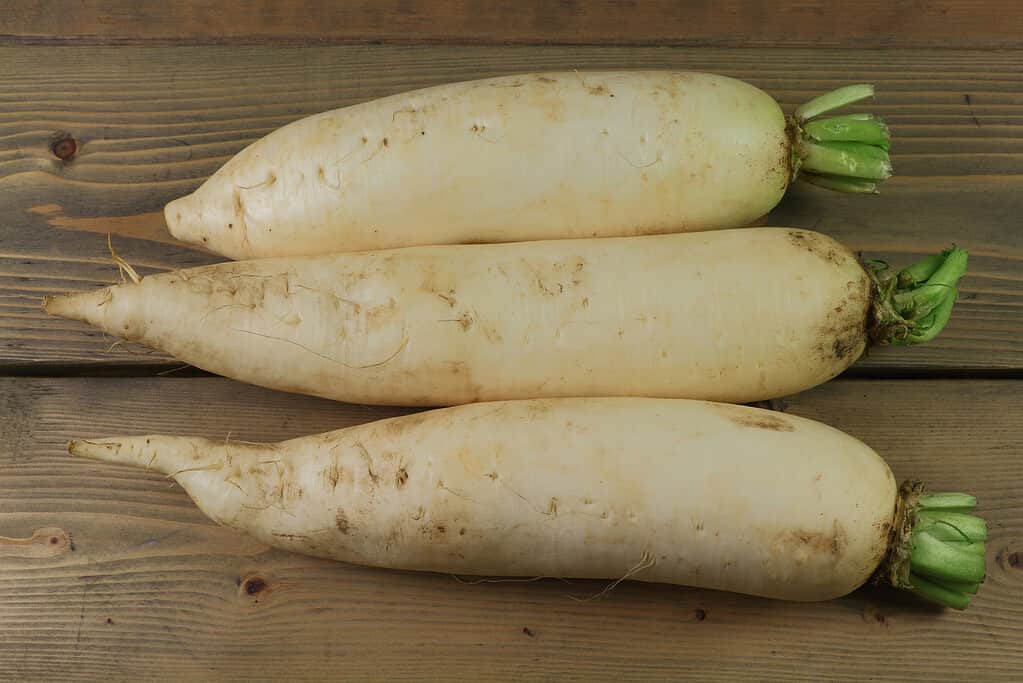
White radish leaves can give flavor to salads and soups.
©alex5248/iStock via Getty Images
Try chopping up some young white radish leaves when you’re in the mood for a salad. They have a nice crunchy texture.
White radish roots are edible, too. Eat them raw if you want a biter bite to accent other flavors, cooked if you prefer a peppery twang.
The first white radish plants grew in China, but they’re now cultivated worldwide. They need cool temperatures and are ready to harvest within a month of planting.
7. White Asparagus (Asparagus officinalis)
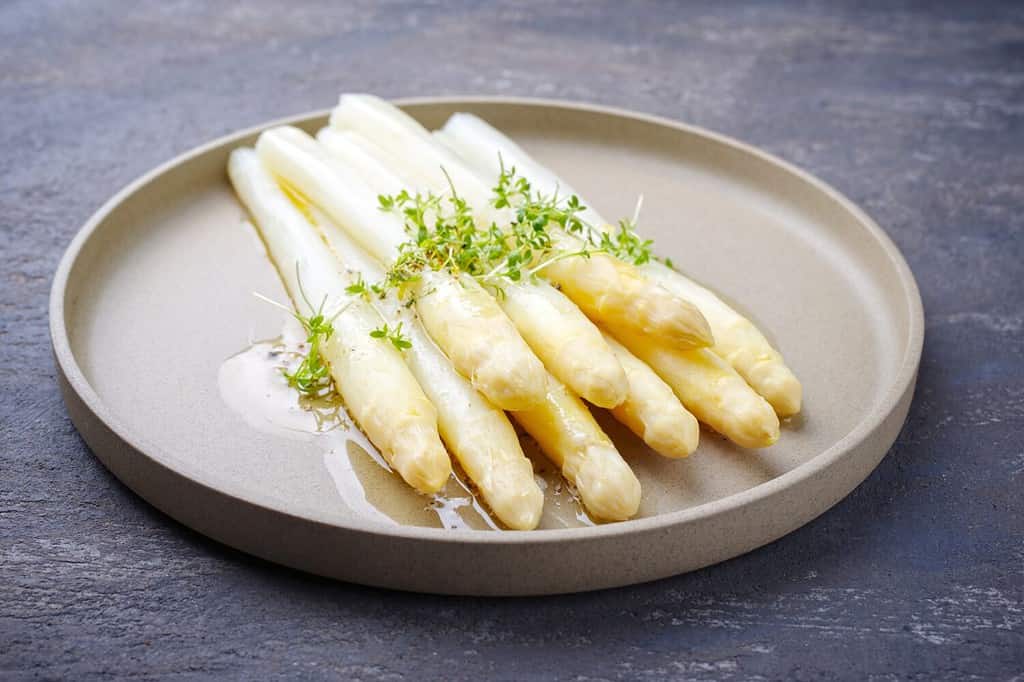
Farmers grow white asparagus underground, so it never turns green.
©hlphoto/Shutterstock.com
In some countries, white asparagus is considered a delicacy. It’s especially popular in Germany and Switzerland.
Most asparagus is picked after the spears sprout from the ground. Exposure to sunlight encourages chlorophyll production, so the asparagus turns a recognizable green color. White asparagus is grown entirely underground, so it never produces chlorophyll and keeps its original pale shade.
8. Water Caltrops (Trapa)

Raw water caltrops are considered unsafe to eat.
©hecke61/Shutterstock.com
Water caltrops, also called water chestnuts, are aquatic plants often found in lakes and flooded fields. Don’t eat them straight from the water, however. Raw water caltrops are toxic.
Many people can describe what water caltrops look like, but nailing their taste is more difficult. They’re very mild and have a light crunch. Many chefs add water caltrops as a contrast to softer textures like stir-fried noodles.
9. Wheatgrass (Thinopyrum intermedium)
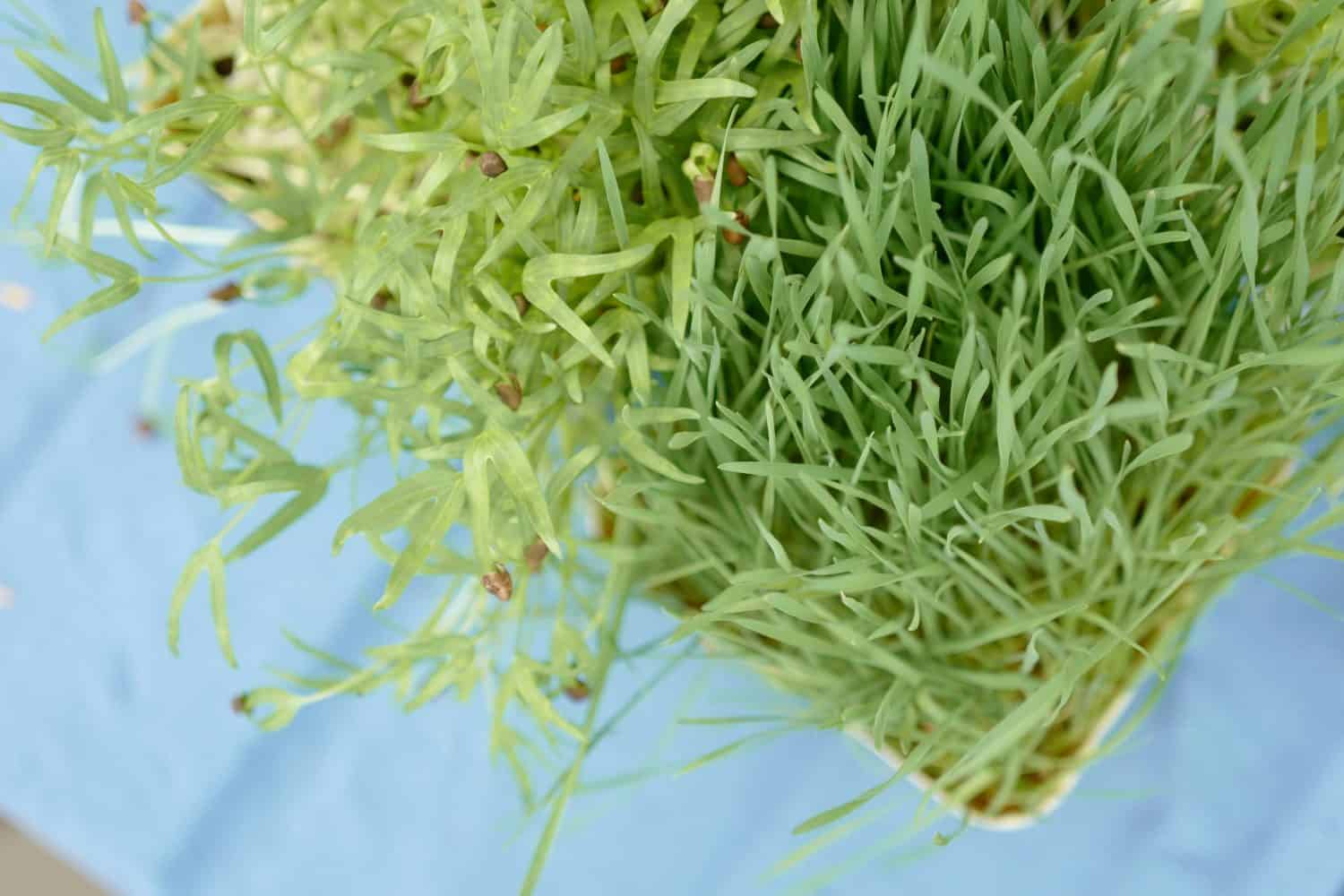
Fresh wheatgrass has a light to medium green color but a very strong taste.
©Pavaphon Supanantananont/Shutterstock.com
Wheatgrass can have an intense, bitter flavor when grown indoors or harvested late. However, even bitter-tasting wheatgrass is beneficial because it’s often pulverized and taken as a shot or dehydrated and used as a powder.
You might add powdered wheatgrass to soup, a smoothie, a sauce, etc. The taste is milder when you can control the potency. Wheatgrass is a solid addition to your diet because it houses calcium, 17 amino acids, enzymes, iron, and vitamins A, C, E, K, and B complex.
10. Wild Leeks (Allium tricoccum)
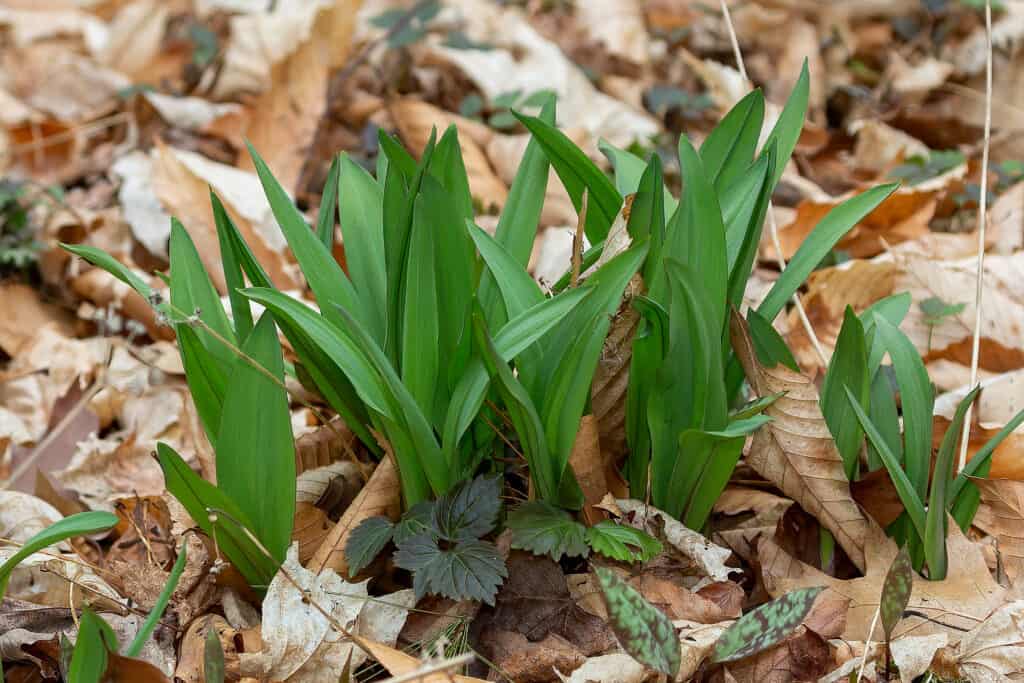
Eating wild leeks may benefit your eyes.
©Karel Bock/Shutterstock.com
Today, you can spot wild leeks growing in America’s moist, wet forests, although the plants are native to Europe and Asia.
Wild leeks taste similar to garlic but have the scent of an onion. The leeks are slightly sweeter than both vegetables, however. Many people love the flavor, and small towns and cities across the U.S. hold wild leek festivals, although they usually call them “ramps.”
Wild leeks are full of Vitamin K and carotenoids, organic pigments that can make your eyes healthier.
11. Wild Endives (Cichorium intybus)

Pulverized wild endive roots can be used as a coffee substitute.
©marina_eno1/Shutterstock.com
The food industry uses crushed wild endives as an additive and coffee substitute. That may sound surprising unless you know that wild endives are also called chicory in America.
The entire plant is edible raw but has a bitter taste that may be off-putting. The leaves lose some of that sting when they’re cooked.
Wild endives are commonly grown as food for livestock as well.
12. Wax Gourds (Benincasa hispida)
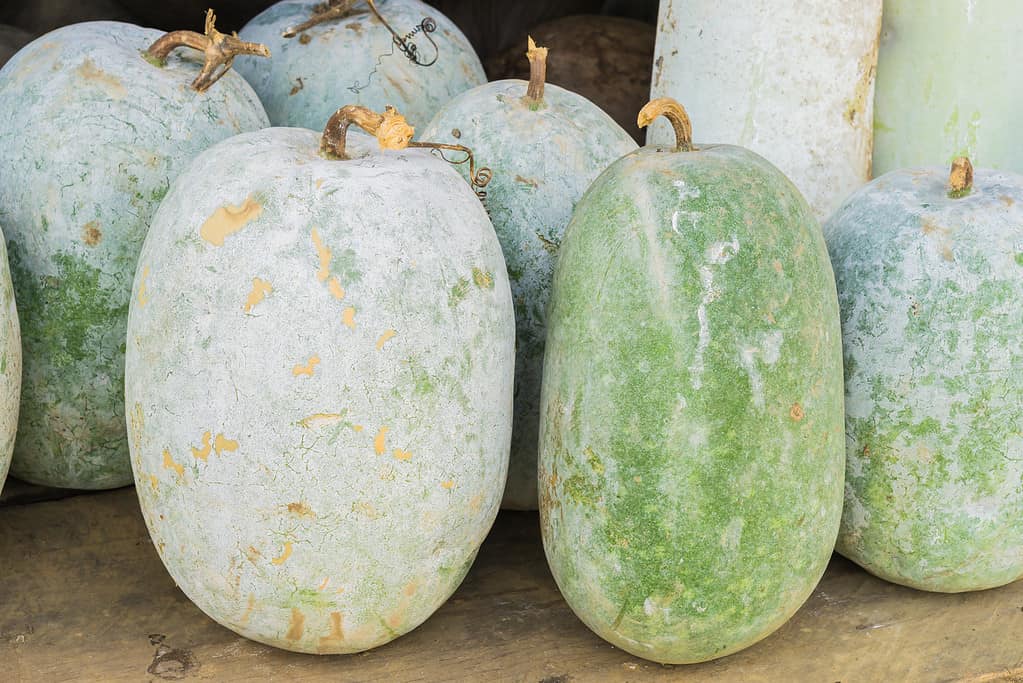
Large wax gourds can be cooked in many different ways.
©Have a nice day Photo/Shutterstock.com
Wax gourds are technically fruits, but they’re used as vegetables in many recipes because they bring depth to savory dishes. They taste delicious when grilled, fried, roasted, steamed, and eaten raw.
The gourds have a high water content, so they can help your gut feel better if you have digestion problems.
13. Wild Garlic (Allium ursinum)

Cooks appreciate wild garlic leaves.
©encierro/Shutterstock.com
Unlike the clove garlic you typically find, wild garlic is usually consumed for its leaves. The bulbs and flowers are edible, too, however.
Wild garlic has a mild taste, perfect for those who like just a touch of garlic. At restaurants, you might find wild garlic in dishes like pasta, pesto, and savory pastries. For a more robust flavor, rub it as a paste on a piece of meat.
14. Walla Walla Onion (Allium cepa)
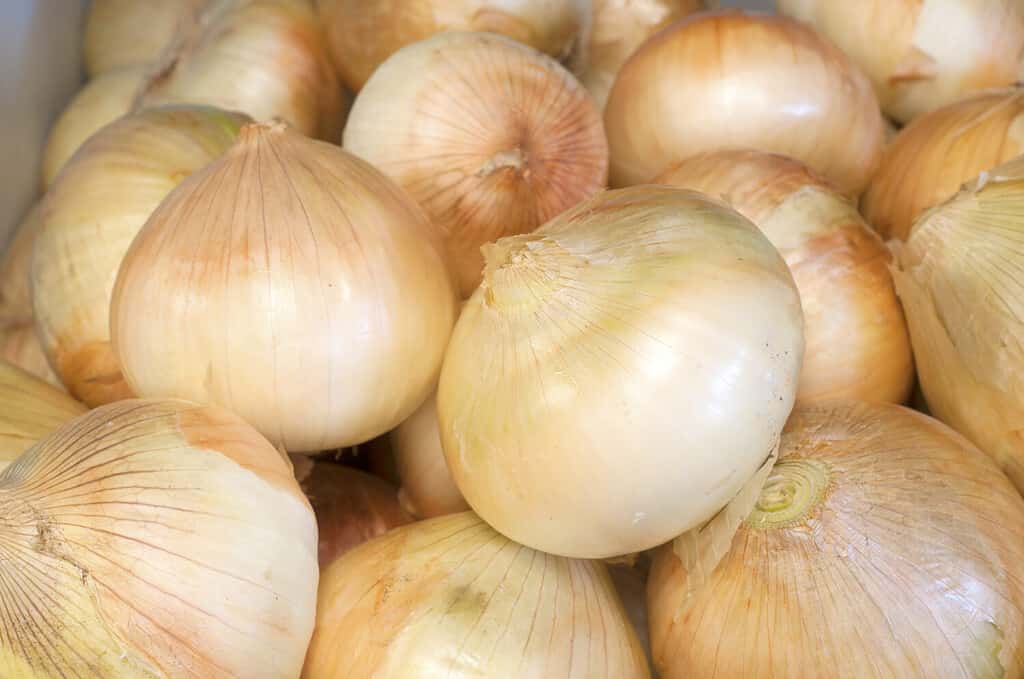
Walla Walla onions are a sweet variety.
©Candace Hartley/Shutterstock.com
To be considered a Walla Walla onion, it must be grown in Walla Walla, Washington. The first plant was brought to the community in 1900 by a French soldier.
Today, Walla Walla onions are famous for their sweetness and mildness. You can buy them in Washington markets during the summer months. You’ll know you’re buying the right variety because all Walla Walla onions are labeled with an official sticker.
15. Wawa Choy (Brassica rapa subsp. pekinensis)
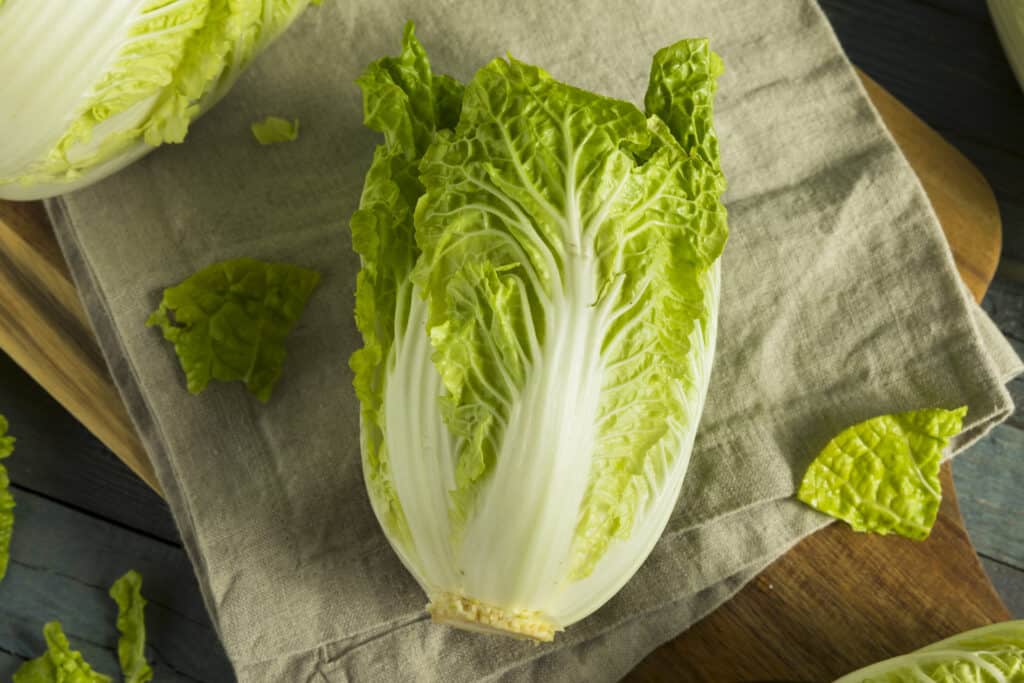
Napa Cabbage and wawa choy are the same vegetables in different stages.
©Brent Hofacker/Shutterstock.com
Wawa choy is Napa cabbage that’s harvested when the plant is still young. Early harvesting leads to incredibly tender leaves and a noticeably sweet taste.
You’ll see these veggies on Asian-inspired menus. If you enjoy napa cabbage, you’ll almost certainly like wawa choy. However, they aren’t entirely interchangeable. Mature napa cabbage may not have the delicacy for recipes requiring wawa choy.
Additional Vegetables That Start With “W”
- Walnut lettuce
- Wakkerstroom onion
- Wakame seaweed
- Wandoo tomato
- Wasata Bok choy
- Walcheren winter lettuce
- Waldmann’s green lettuce
- Watercress
- Waltham butternut squash
- Wando pea
- Ware onion
- Warner lettuce
- Wan Shoukong cucumber
- Warba potato
- Warabi
- Wenatchee onion’
- White celery
- Willow herb
- Ward’s Romaine lettuce
- White lady cucumber
- Wangenheim cabbage
- Warner cauliflower
- Weeping blue atlas cedar shoots
- Wax pepper
- Wee bee little pumpkin
- White Brussels sprouts
- White habanero pepper
- White icicle radish
- White yarrow
- Wizard radish
- Windstar lettuce
- Winter beetroot
- Wu hur cucumber
- Wendy lettuce
- White carrot
- Wood sorrel
- White mustard
- White Tama maize
- Westphalian onion
- Wright cucumber
- Wood violet
- White potato
- White beetroot
Summary of Vegetables That Start With “W”
| Vegetables | Culinary Facts |
|---|---|
| Wasabi | Perfect condiment |
| Water Spinach | High water content for improved digestion |
| Wax Beans | Taste like green beans |
| Winged Beans | Have crunchy, lettuce-like pods |
| Welsh Onions | Also called scallions or green onions |
| White Radishes | Offer a peppery flavor |
| White Asparagus | Considered a delicacy by many |
| Water Caltrops | Add crunch to stir-frys |
| Wheatgrass | Often consumed as a powder |
| Wild Leeks | Smell like onions |
| Wild Endives | It pairs well with meat |
| Wax Gourds | Pairs well with meat |
| Wild Garlic | Less pungent than common garlic |
| Walla Walla Onion | Famously sweet and mild |
| Wawa Choy | Tender leaves with a lightly sweet flavor |