
What’s your favorite potato dish? It is home fries? Baked potatoes? Latkes? Hash browns? Something else? Whatever it may be, we’re sure that most people can agree that potatoes are a pretty amazing food. They are versatile and found in the cultural cuisine of civilizations throughout the entire world.
Potatoes are an incredibly important crop that constitutes a lot of monetary and nutritional value around the world. In addition to their natural sources of carbohydrates and calories, they also have a lot of nutrients that are extremely healthy to eat. Potatoes are easy to grow and often reproduce through tuber cuttings.
Many states devote a large amount of land, resources, and money towards potato-based agriculture. According to recent statistics, around 22% of growing land is set aside for potato production. Some states are even famous for their deep-rooted connection with potatoes (pun intended)!
Without any further ado, let’s take a look at 11 states that grow the most potatoes.
How Are Potatoes Grown?
As mentioned, most potatoes are grown through propagation. “Seed Potatoes” are essentially small cuttings of old potato tubers that are used to grow new plants. Most states use specialized equipment to produce seed potatoes so that plants in the field are roughly identical.
Potatoes are usually in a monoculture, meaning only one variety is grown in an area. This can have many issues biologically, however, it can also greatly increase yields and reduce the amount of energy needed to harvest!
During their growths, potatoes like to be pretty moist, so they do well in places with a mild climate that doesn’t get too hot. They are fairly susceptible to pests and disease, so they require a lot of work and resources in the form of pesticides and fungicides.
After a full growing season, the harvest begins, and potatoes are distributed across the country for use in countless dishes!
Texas: 7 Million cwt
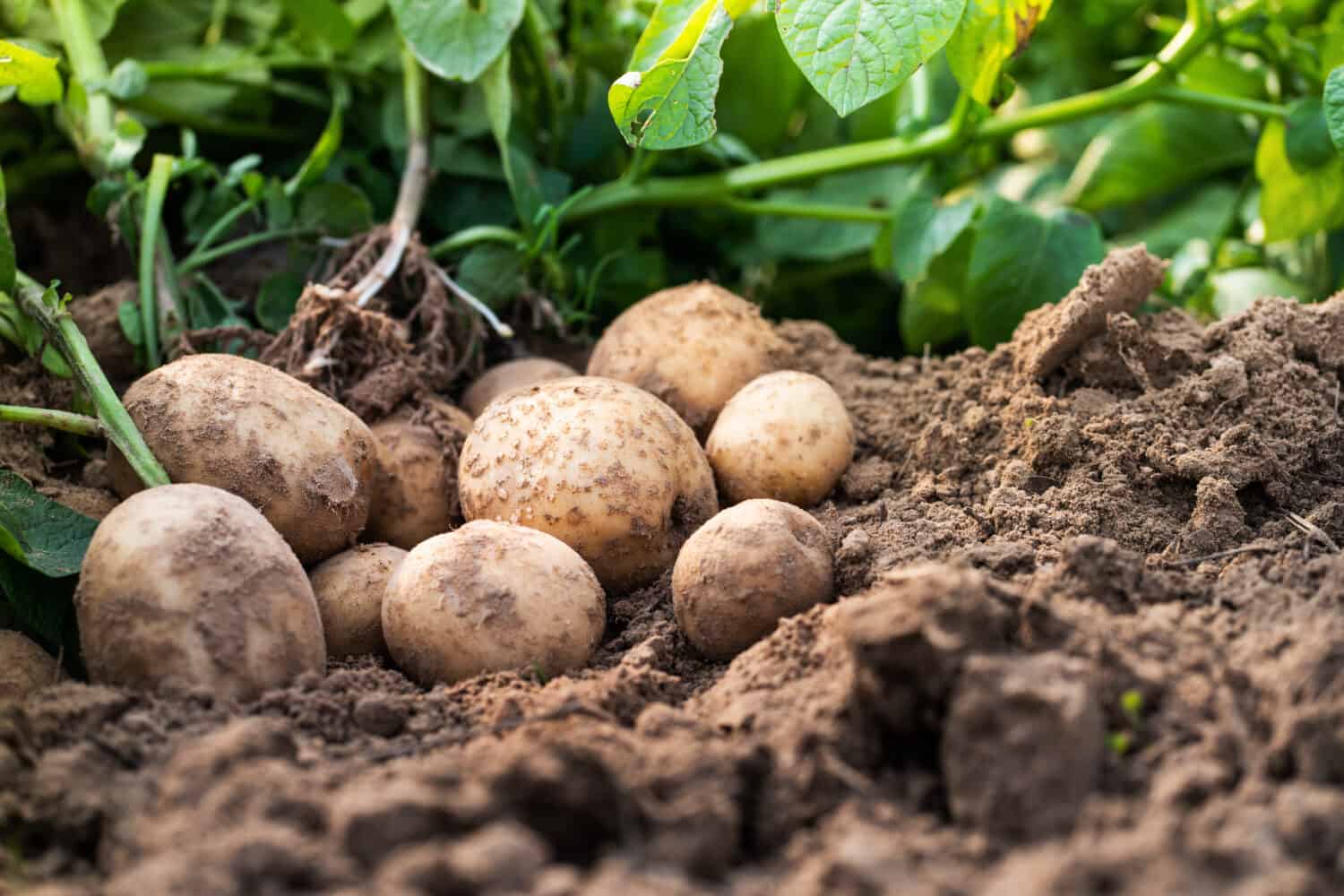
In addition to potatoes, Texas grows other cash crops like cotton and tobacco.
©nednapa/Shutterstock.com
Texas may not be one of the first states that comes to mind when you think of potatoes. While they don’t produce a lot as compared to crops like corn, cotton, and tobacco, Texas does produce a large amount of potatoes each year. Most of the state’s potatoes are grown in river-valley regions such as the Rio Grande River Valley. The silt and hydrated soils are typically perfect for growing potatoes. Potatoes are so prominent in Texas that many agricultural universities have created standard growing charts for farmers to use throughout the state.
California: 8 Million cwt
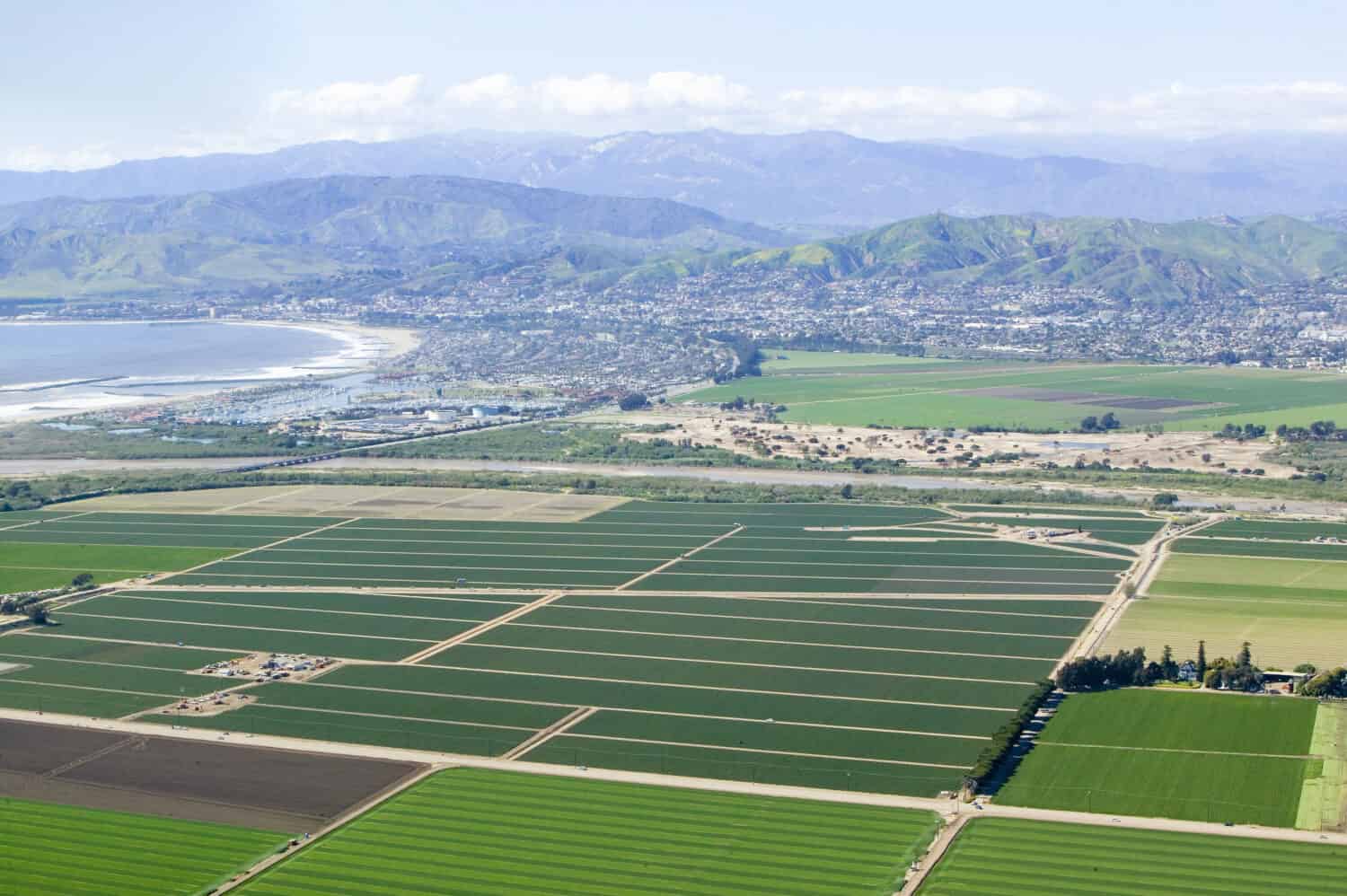
California is so large and diverse in climate that potatoes can be grown throughout the state year-round!
©Joseph Sohm/Shutterstock.com
Although the usually hot weather of California would not necessarily be suited for growing mild-weather potatoes, the state does produce a fair amount every year. As compared to other states that grow standard Russets, California opts to grow niche varieties, such as red, yellow, and blue potatoes. Another interesting thing about California is that potatoes can generally be grown almost year-round throughout the state. This is in part due to its favorable weather, the presence of adaptable microclimates, and the use of newfound irrigation techniques!
Nebraska: 10 Million cwt
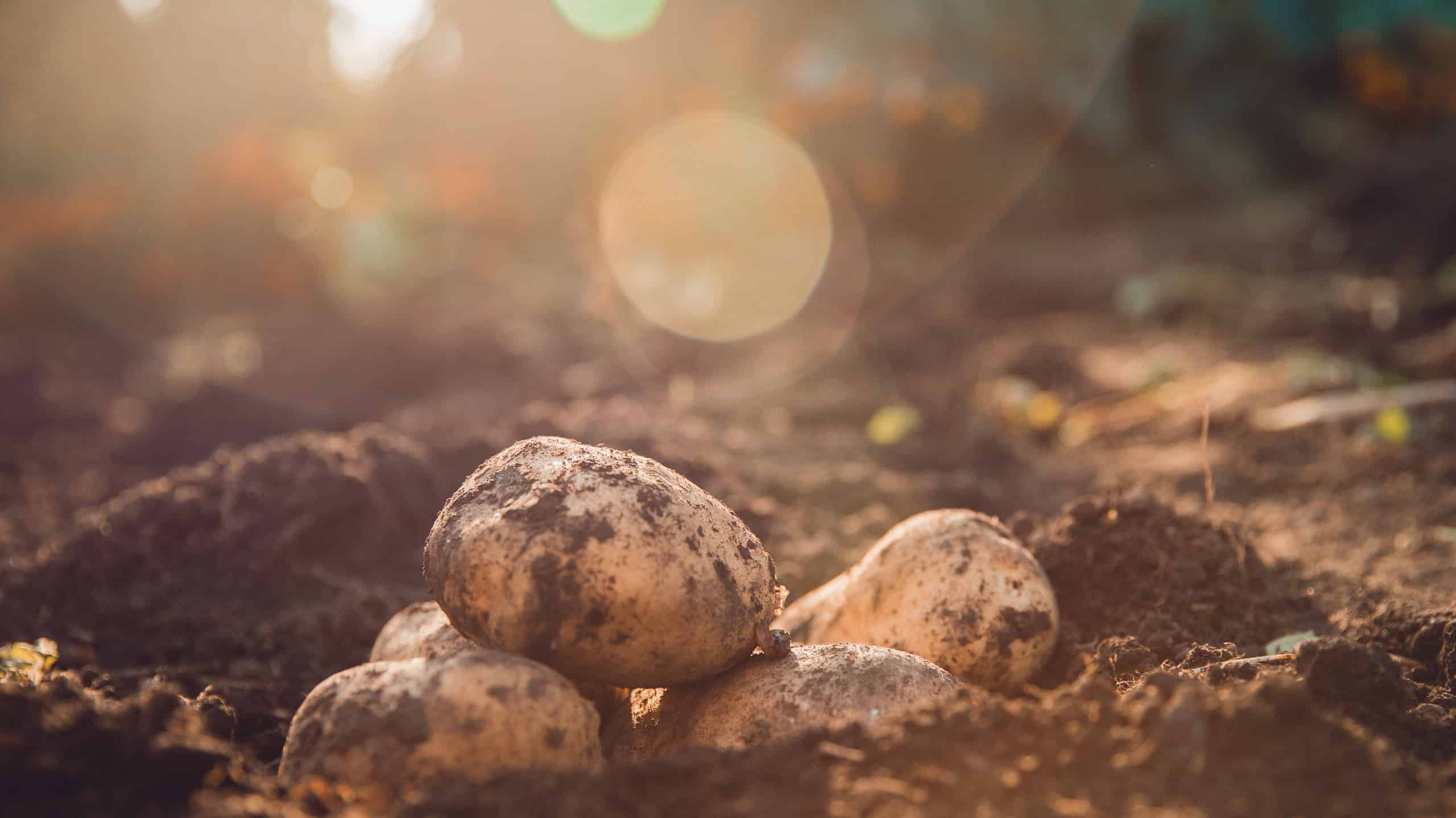
In the face of climate change, potatoes are one of the only crops succeeding in Nebraska.
©Parilov/Shutterstock.com
Nebraska is typically known for its production of standard crops such as corn, however, it has recently started to grow a sizable amount of potatoes. In the face of issues like drought, potatoes are easier to keep alive and produce as compared to other crops. This means that with the increasing effects of climate change, Nebraska has been increasing its reliance on potato production.
Most of the potatoes from Nebraska are grown in valleys like the North Platte Valley, mostly because valleys are typically nutrient hotspots. Likewise, many growers in Nebraskan valleys have been using “smart irrigation” systems, which increase their yield in both healthy and drought-growing conditions!
Michigan: 16 Million cwt
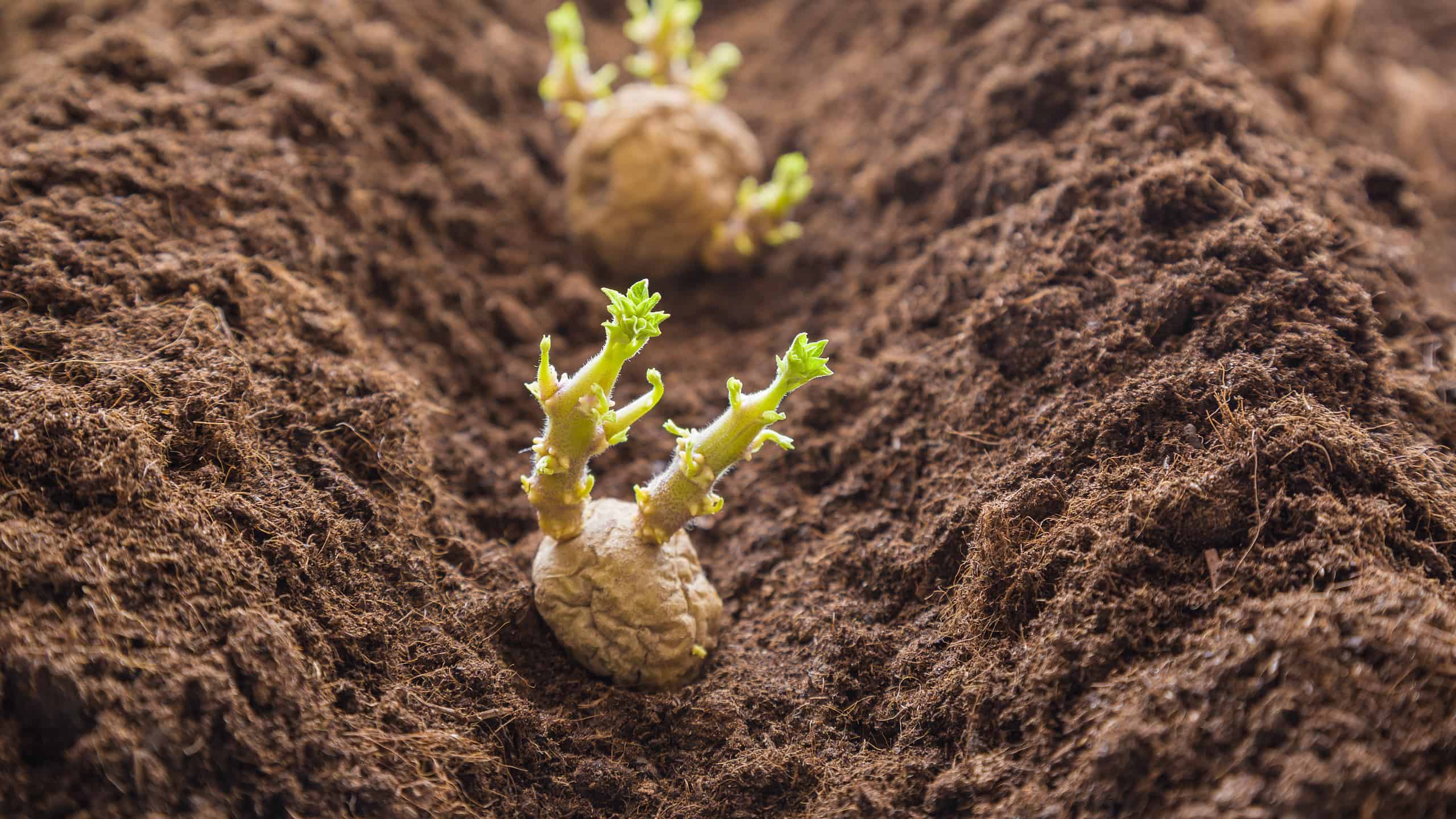
Chipping potatoes tend to be more dry and have less sugar, making them easier to process.
©FotoDuets/Shutterstock.com
Michigan is one of the top potato producers in the country. Around 47,000 acres are set aside for potato production in the state. More specifically, the vast majority of potatoes from Michigan are used for chipping. In fact, the state fills around one in every four bags of potato chips produced in the country!
The cold winters and moderate summers in Michigan are perfect for growing potatoes that are specifically low in sugar content. Potatoes such as this are ideal for processing into products like potato chips, which explains the state’s growing trends.
Minnesota: 20 Million cwt
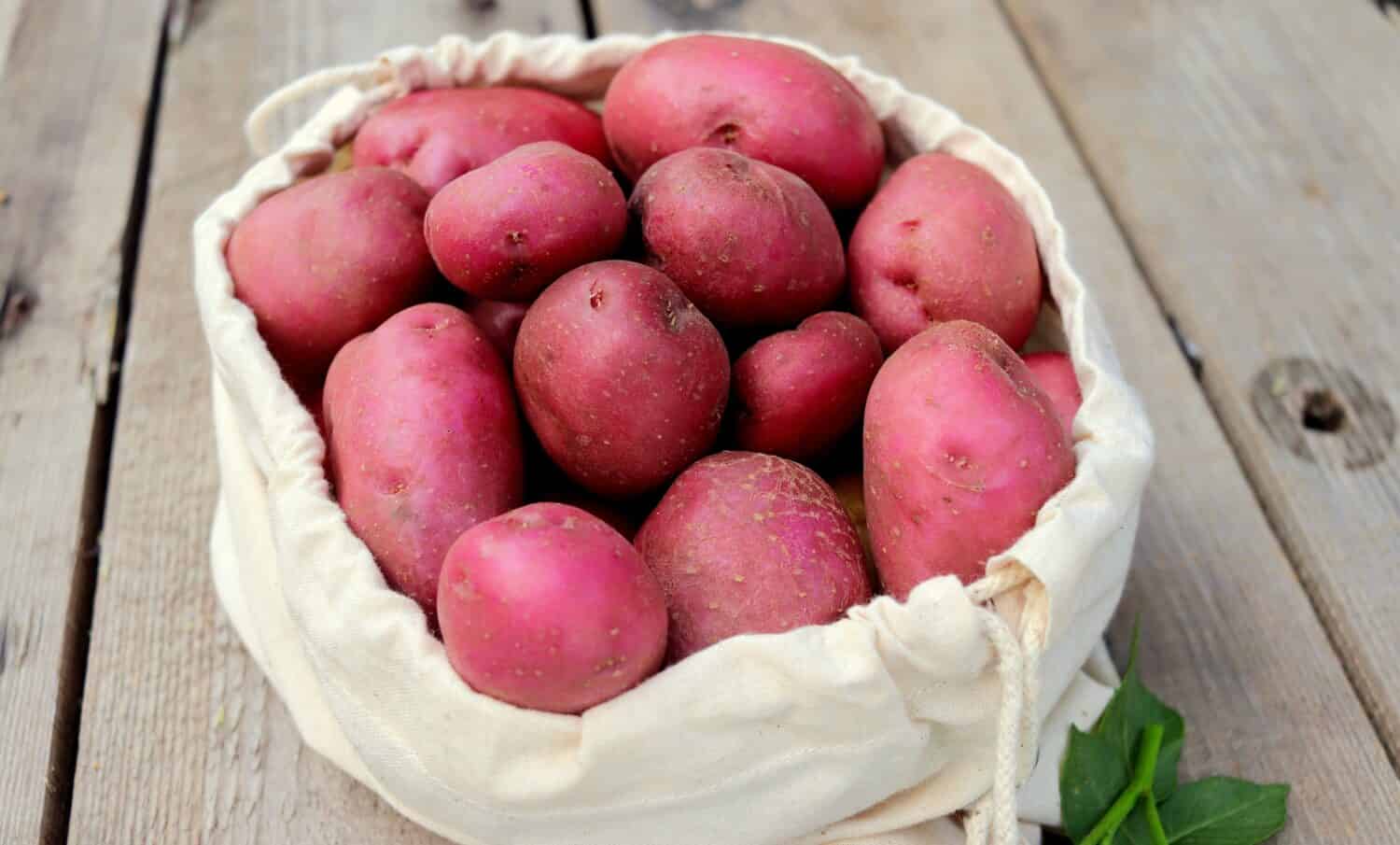
Red potatoes were first cultivated in the mountains of Peru.
©Olga Bondas/Shutterstock.com
While Minnesota isn’t the largest producer of potatoes in the United States, it is well known for the unique varieties grown. Some of the most charming are the dark red Norland and Burbank russet varieties. Minnesota is a hot spot for agricultural education and research, which means they are usually leading the pack in terms of sustainable and high-yield agriculture. Most of the potatoes are grown in the Red River Valley, which is an area known for its good growing conditions and high fertility.
Colorado: 21 Million cwt
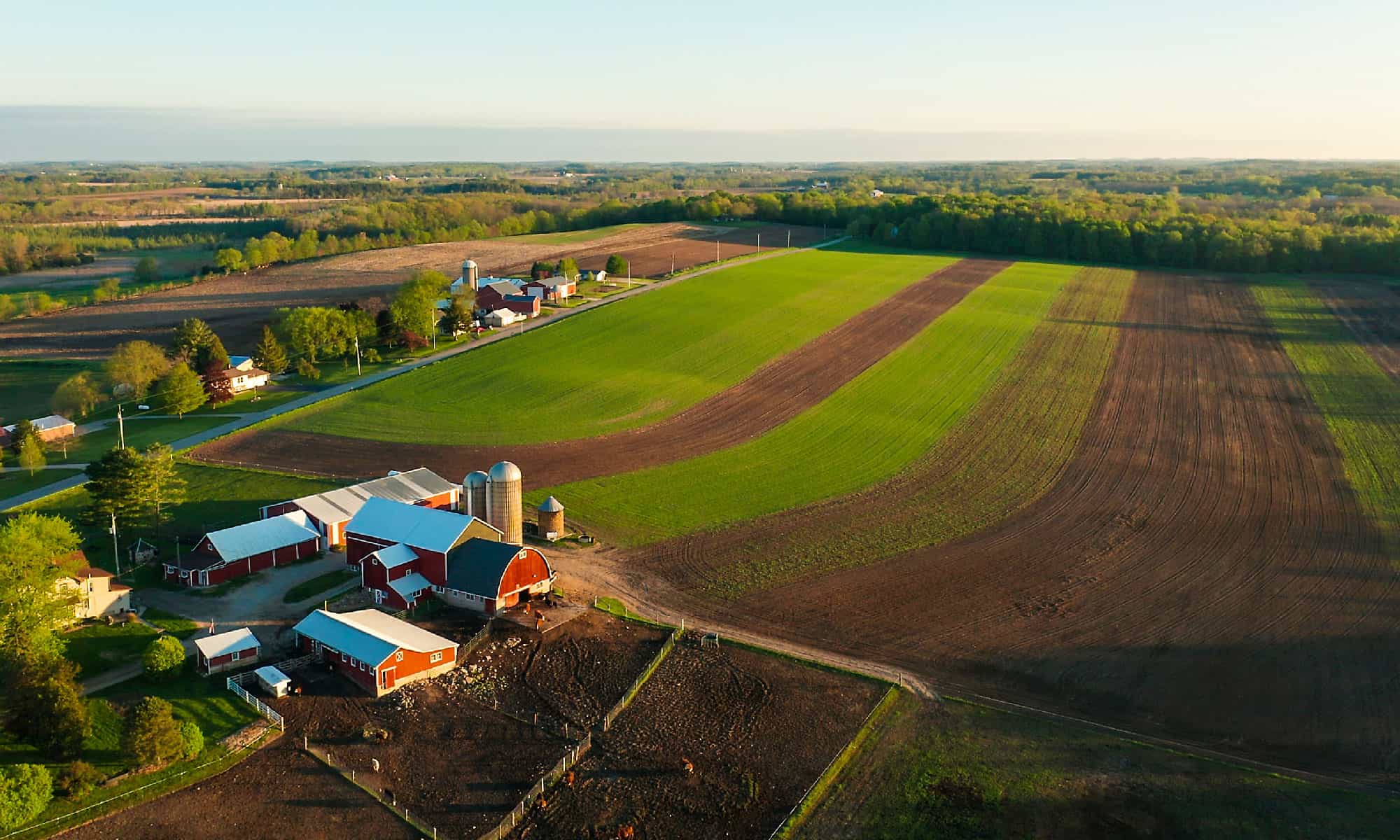
Most crops grow well in volcanic soils.
©Alena Mozhjer/Shutterstock.com
Another state which boasts a high yield of potatoes is Colorado. According to sources within the state, they are the second largest producer of fresh potatoes in the country. Most of the potatoes from Colorado are grown within the San Luis Valley. The valley has volcanic soils, which are rich in minerals and nutrients that potatoes thrive on.
Another interesting fact about Colorado is that a large proportion of its potatoes are grown in Greenley, which is very close to Denver. Maybe next time you pay a visit to the state’s capital you can stop by one of the many thriving potato farms!
North Dakota: 23 Million cwt
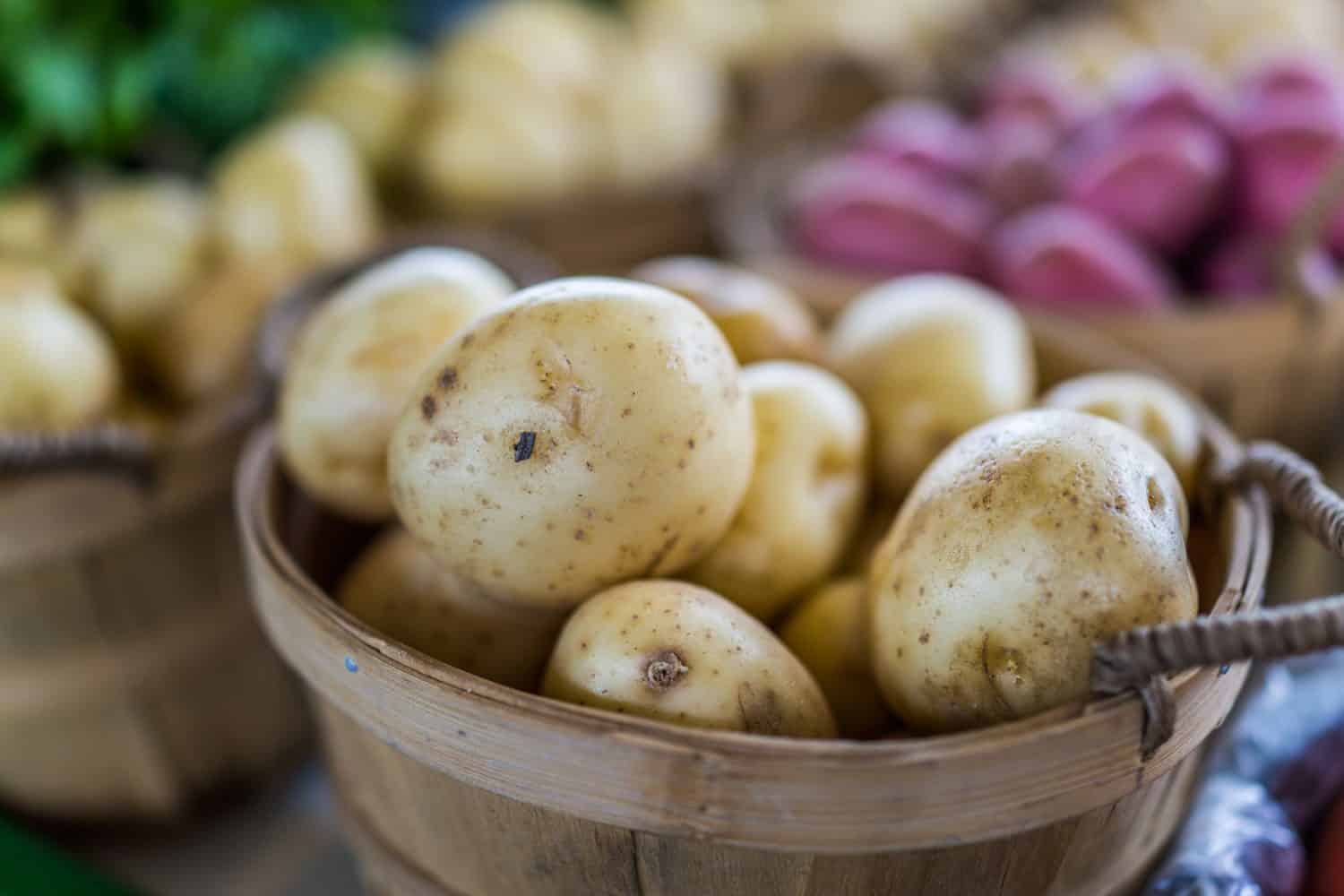
North Dakota is known for its production of many different potato varieties!
©Kristi Blokhin/Shutterstock.com
Around 70,000 acres of cropland are devoted to potato production alone! The state grows a lot of different varieties, including Russet Burbanks, Prospects, Umatillas, Dakota Pearls, Bannocks, and Russet Rangers. With the multiple varieties of russet and pearl potatoes, North Dakota produces a lot of chips and fries! The state is among the top five potato producers in the country.
Oregon: 24 Million cwt
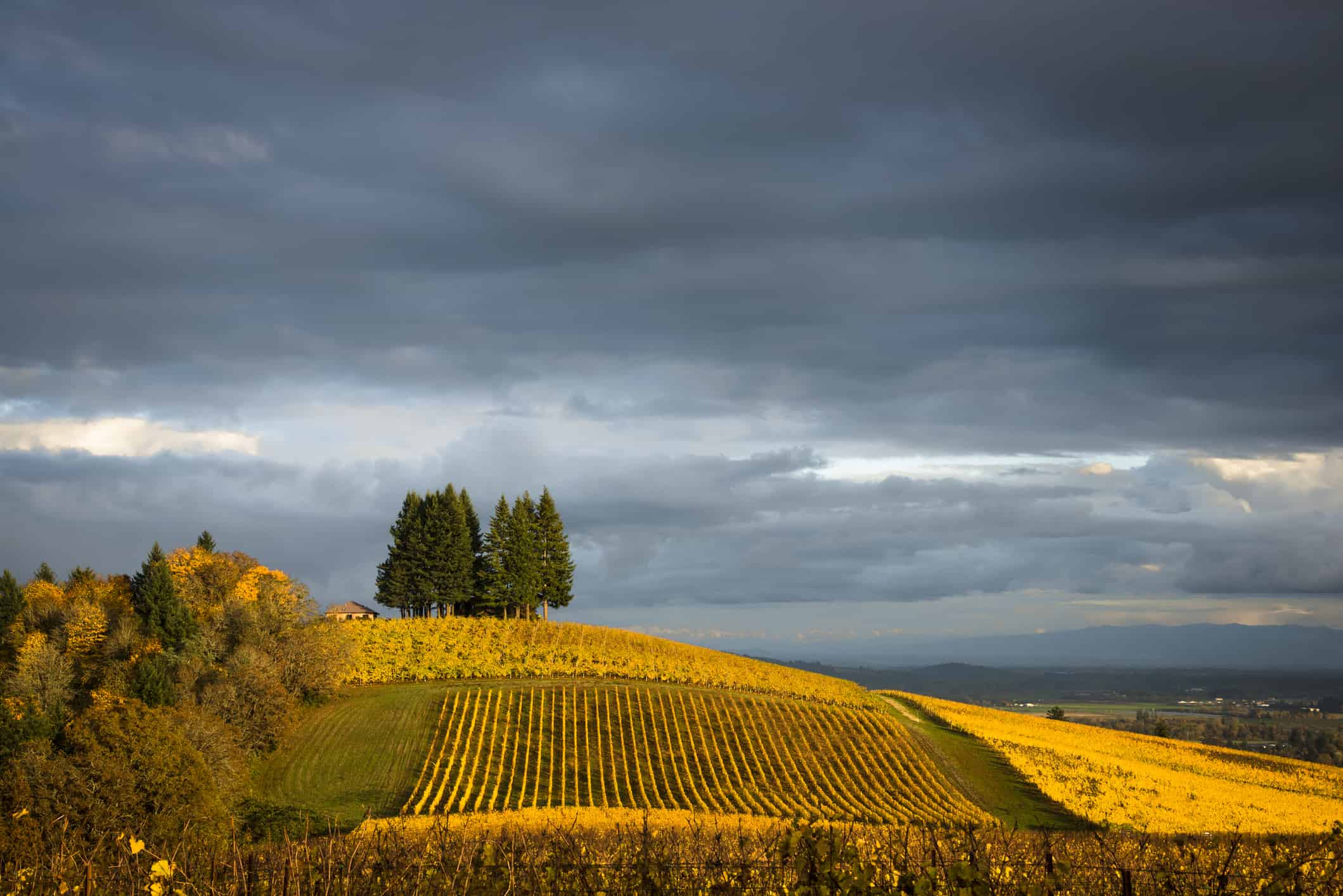
In addition to potatoes, Oregon is also known for its substantial wine production.
©RobertCrum/ via Getty Images
Oregon is one of many states in the Pacific Northwest that grows a lot of potatoes. Current estimates from the state report that roughly 25% of the potatoes exported for french fry production come from Oregon. The state also produces a few types of niche potatoes, such as the Russian Banana variety.
As you will see more on this list, many states in the Pacific Northwest tend to grow potatoes. For most areas, the mild climate, rich soils, and moderate rainfall are perfect for potato plants.
Wisconsin: 28 Million cwt
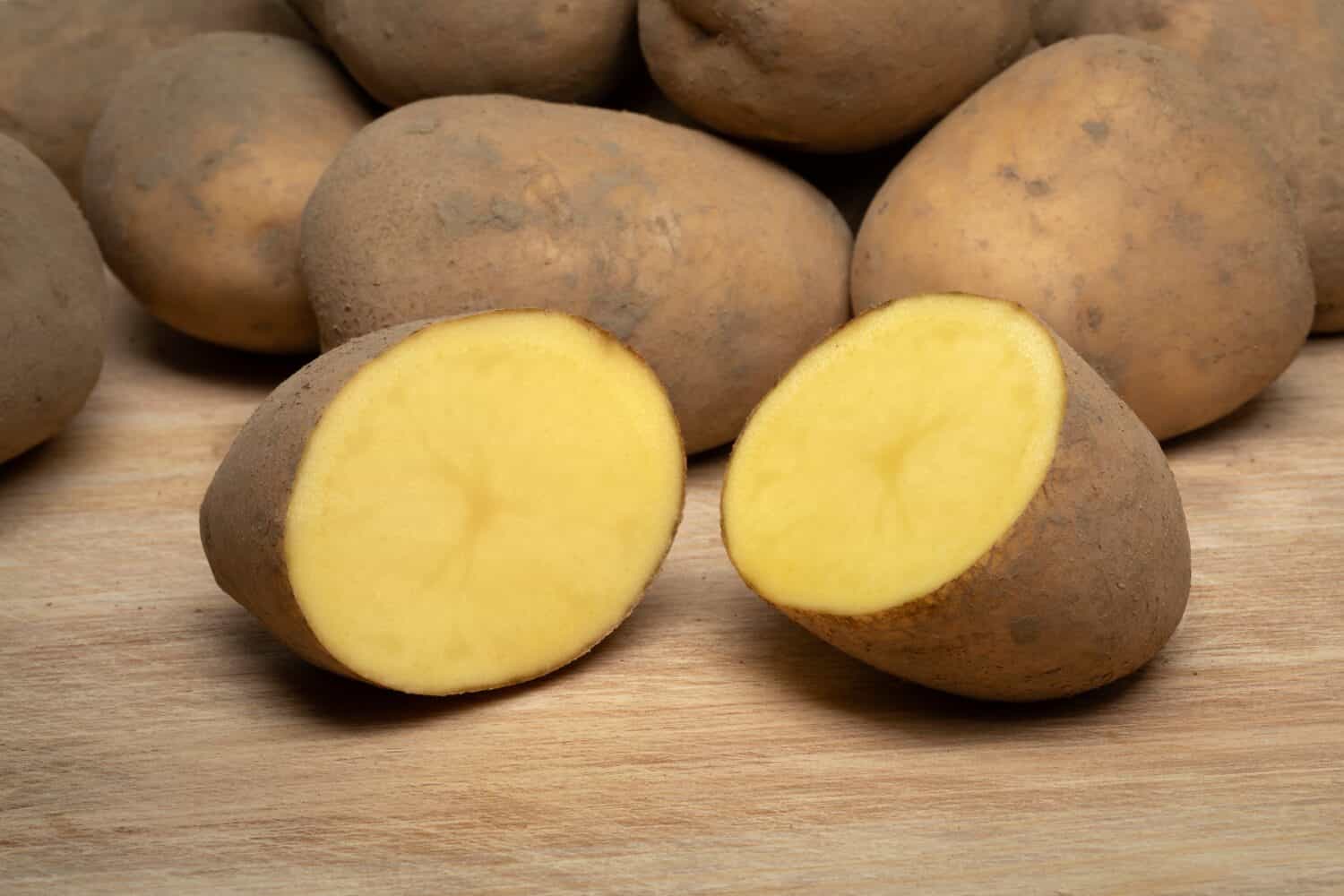
Vodka production relies on fermentation and other processes that turn the starch from potatoes into sugar.
©Picture Partners/Shutterstock.com
Wisconsin is cited to be the country’s third-largest potato producer. The state tends to have fairly cold winters followed by warm and sunny summers. These conditions allow them to grow a wide variety of potatoes. This allows them to export crops for the creation of many products ranging from chips to vodka.
Washington: 90 Million cwt
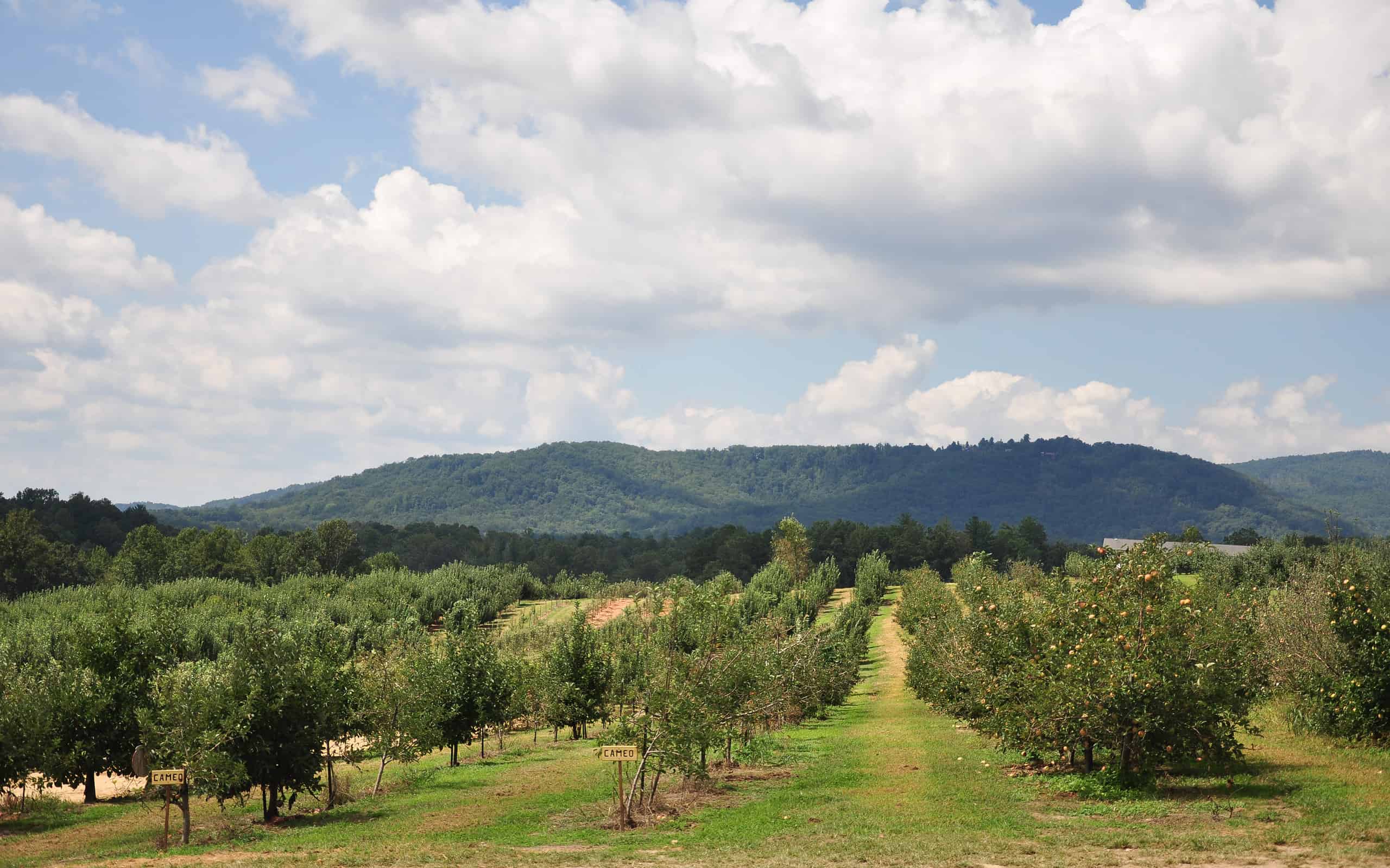
Washington produces many important crops, such as apples, onions, and of course, potatoes.
©ejkrouse/ via Getty Images
Known for being the second-largest producer of potatoes in the country, Washington is a uniquely productive state! Over 160,000 acres of land in the state have been set aside for potato production. Like the other Pacific Northwest states on this list, Washington has a climate that is well-suited for the growth of many mild-weather plants, including potatoes!
The long warm summer days and cool, mild nights are perfect for the production of potatoes that are high in starch. Most of the potatoes in the state are grown for processing, whether it be into pre-made meals, fries, or chips.
Idaho: 121 Million cwt
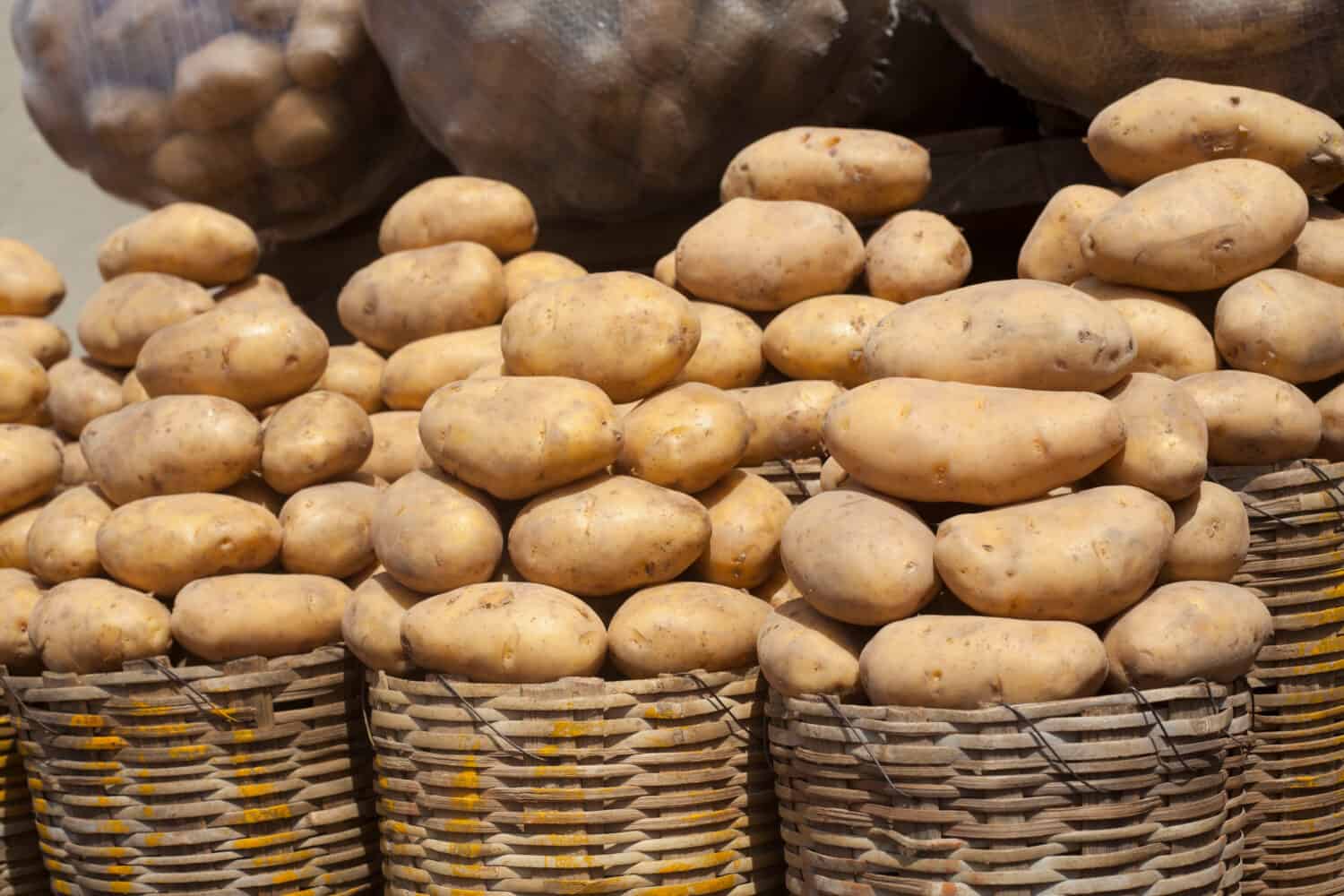
More than 300,000 acres of land are used for growing potatoes in Idaho!
©Tayvay/Shutterstock.com
Last but not least, Idaho is the country’s largest producer of potatoes. The state grows around one-third of the country’s potatoes, which makes it an incredibly large player in the economy. The state typically has weather conditions that are optimal for potatoes, which makes them an agricultural landmark for the crop. In addition to yield, the state also produces a wide variety of potatoes. From major farmers, at least 30 different varieties of popular potatoes are grown in the state. Idaho is so linked to potatoes that they are jokingly referred to as the “gem” in the state’s nickname, “the gem state.”
Summary of the States that Produce the Most Potatoes
| States With the Most Potatoes | Rank in Potato Production | How Many Potatoes Produced |
|---|---|---|
| Texas | 11 | 7 Million cwt |
| California | 10 | 8 Million cwt |
| Nebraska | 9 | 10 Million cwt |
| Michigan | 8 | 16 Million cwt |
| Minnesota | 7 | 20 Million cwt |
| Colorado | 6 | 21 Million cwt |
| North Dakota | 5 | 23 Million cwt |
| Oregon | 4 | 24 Million cwt |
| Wisconsin | 3 | 28 Million cwt |
| Washington | 2 | 90 Million cwt |
| Idaho | 1 | 121 Million cwt |