
Quick Take
- Scientists had surveyed this exact cave for decades, and somehow they missed a fish hiding in plain sight the entire time. See the overlooked discovery →
- This fish isn't just a new species. It's something far rarer, and the genetic evidence that proved it surprised even the experts. Explore the genetic evidence →
- One researcher had been quietly preparing for this naming moment for years before the fish was ever found. Behind the dramatic name →
- Protecting this fish means doing something conservationists rarely demand, and understanding the reason behind it will change how you think about cave ecosystems. Understand the conservation demands →
People who haven’t been to Alabama don’t realize just how many caves the state contains. Over 4,200 caves of varying sizes and depths dot the Alabama landscape. Many of these caves contain strange creatures, ones still unknown to science. Even caves that have been extensively studied still harbor hidden life. Recently, Matthew Niemiller, an associate professor of Biological Sciences at the University of Alabama in Huntsville, noticed something in Bobcat Cave. He discovered a pale, eyeless fish that looked unlike any others.
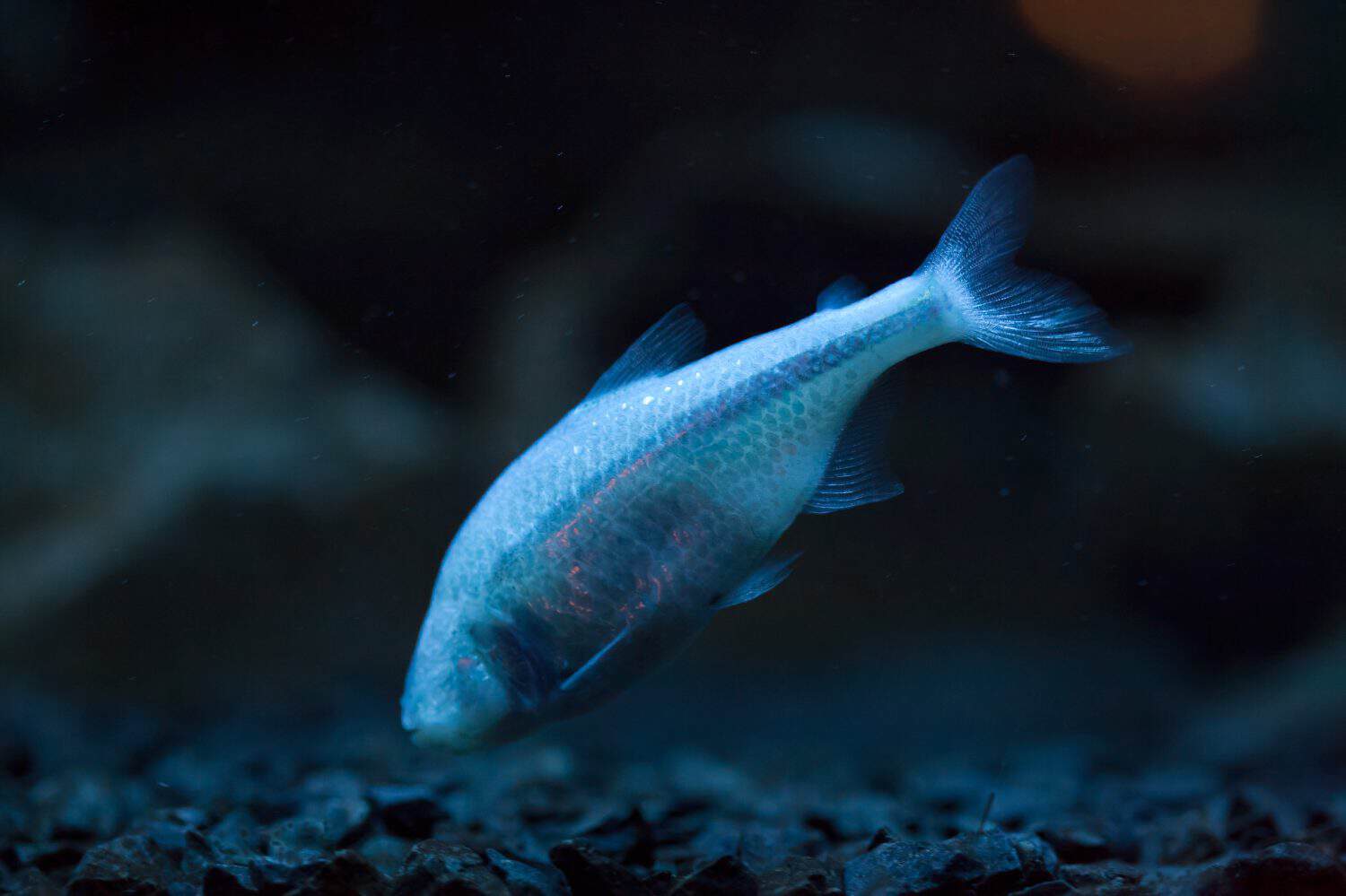
This fish turned out to be a completely new species, belonging to its own distinct genus. Meet the Demogorgonichthys arcanus, otherwise known as the Demon Cavefish. Unlike the Southern Cavefish, this newly identified species lacks coloration and also has a unique body and snout shape. As it represents a brand new lineage, the Demon Cavefish might be one of the rarest fishes in the world. Let’s explore more about this unusual new species, how Matthew Niemiller discovered it, how it was named, and what efforts might be needed to protect it in the future.
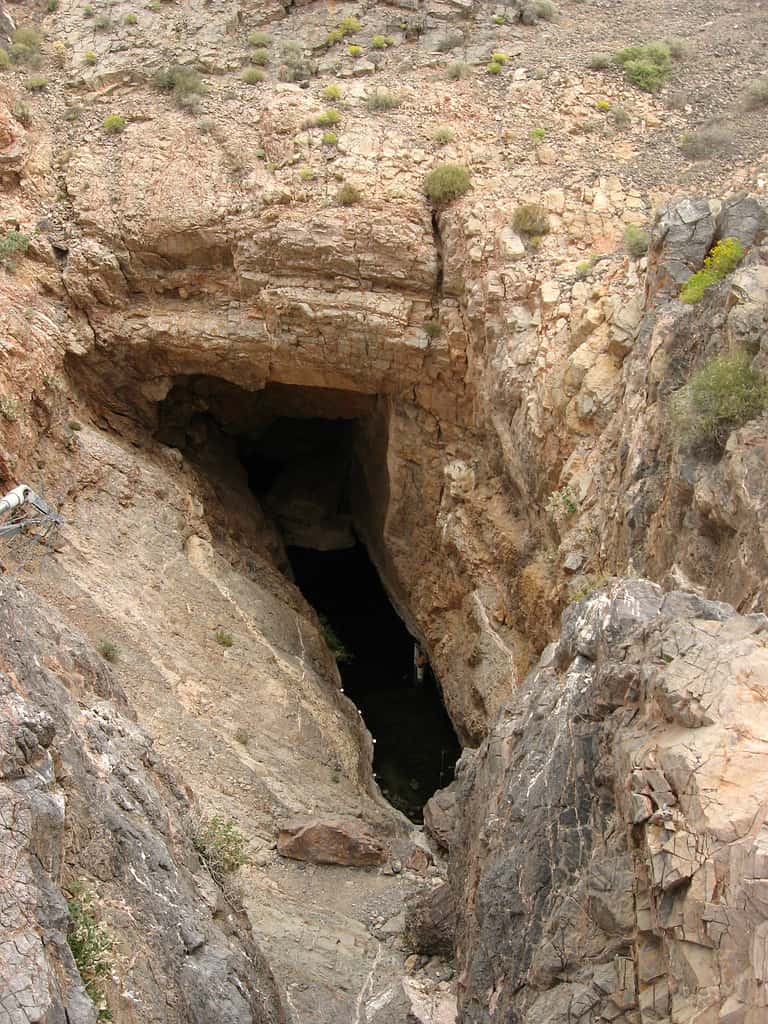
Bobcat Cave
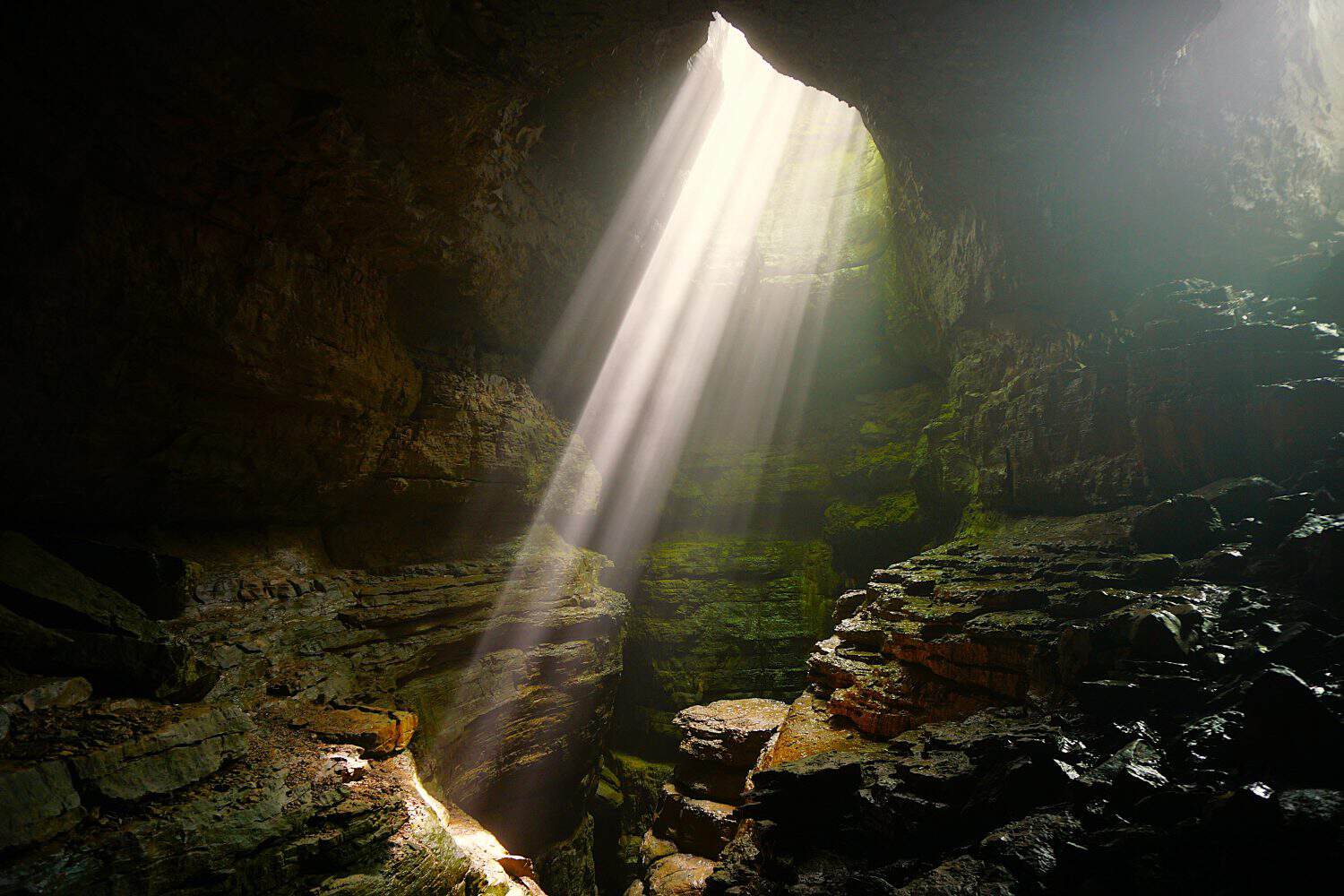
Even though Bobcat Cave has been studied for decades, one newly identified species was only noticed last year.
©David Radzieta/Shutterstock.com
If you have heard the name Redstone Arsenal before, it is probably because of its association with various government agencies. There is an Army base there, and it contains one of the largest NASA field centers. Redstone Arsenal also contains Bobcat Cave. This rocky, winding cavern is home to the endangered Alabama Cave Shrimp. As such, it is one of the most closely studied cave systems in Alabama. For decades, scientists have navigated its rugged interior to observe creatures like the Alabama Cave Shrimp. However, during all this time, an unidentified species had been lurking within the cave.
While on one of these field surveys, Professor Matthew Niemiller noticed a creature unlike the others. It was a pale fish without eyes. It appeared so different and unique that it prompted him to take a closer look. Niemiller took some specimens of the fish and sent them to the Auburn University Museum of Natural History. Professor Jonathan Armbruster, the museum’s Curator of Fishes, told Auburn Today that the fish was unique. He said, “I’ve seen plenty of things that looked different before. They all turned out to be exactly the same. But when I looked at these, I thought, ‘No, these are different’.”
A New Species
Armbruster examined the specimens’ morphology. He noticed that this fish lacked the coloration of Southern Cavefish. It also had a distinct body and snout shape, aspects confirmed by a CT scan at the Auburn University Center for Polymers and Advanced Composites. Genetic analysis further suggested this fish was entirely different. While Southern Cavefish possess a gene called rhodopsin that is connected to light sensitivity, the new specimens lacked part of this gene.
As Armbruster explained to Auburn Today, “Most of the time when we discover new species, we are finding differences within organisms we already knew were there. This was different. This was a new discovery that had not been seen before, and that is truly rare.”
Thus, a new species with its own distinct genus was identified: Demogorgonichthys arcanus, or the Demon Cavefish.
Preparation Meets Opportunity
The dramatic name of this newly identified species originated from a conversation between Armbruster and his co-author Pamela Hart at the University of Alabama. Interestingly, Hart had been slowly adding to a list of names derived from underground entities and mythological figures just in case she ever got the chance to name a cave species.
For this strange, sightless fish, Armbruster suggested ‘Demogorgon,’ an ancient deity of the underworld. They added ‘arcanus,’ which means hidden or secret. Hart’s list of names finally got a chance to be used, resulting in the curious, dramatic name of the Demon Cavefish.
Cave Secrets
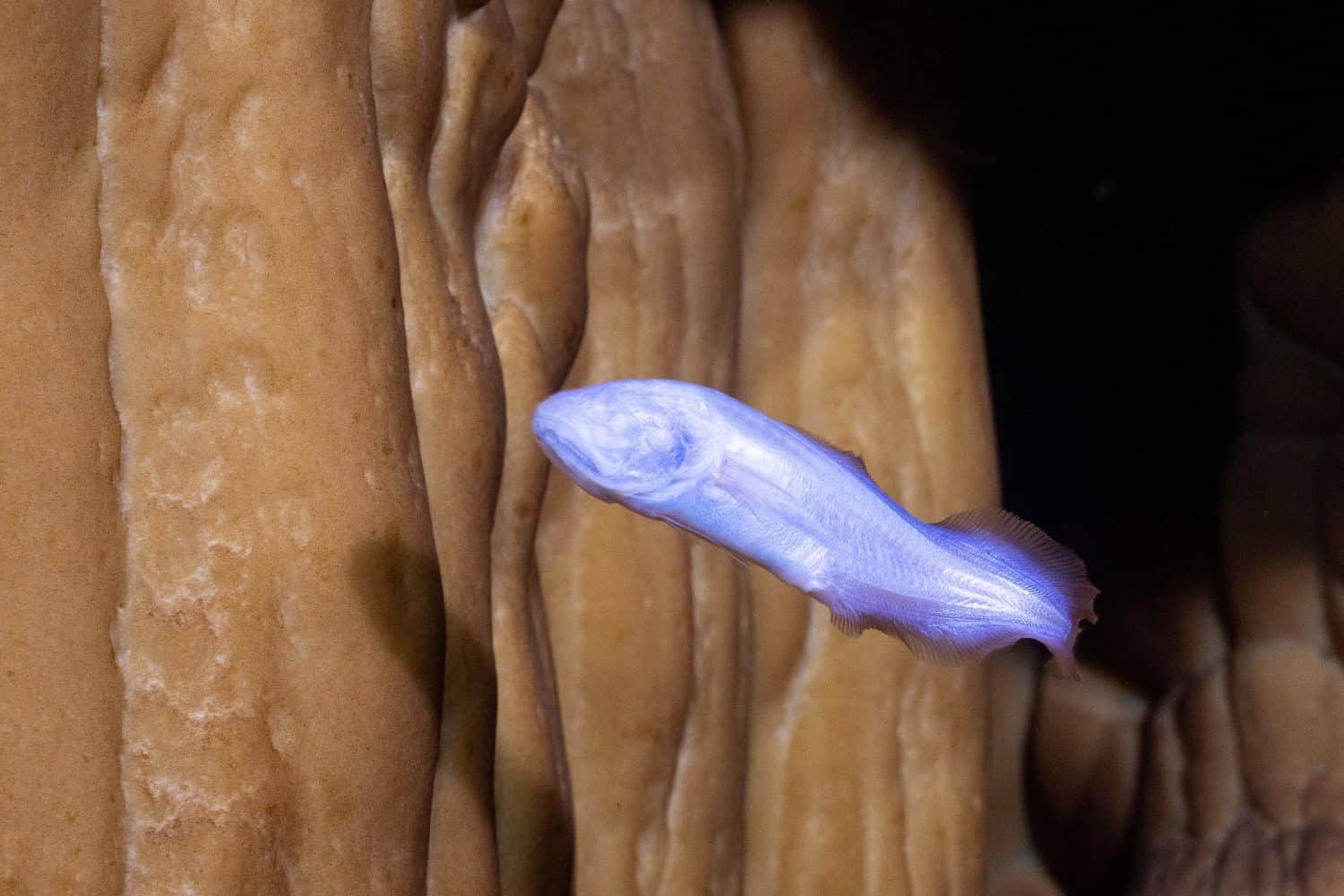
The discovery of the Demon Cavefish suggests there are more undiscovered species hiding deep within Alabama’s caves.
©Griffin Gillespie/Shutterstock.com
Even in its natural environment, the Demon Cavefish is elusive. Researchers have documented only a handful of specimens, with some surveys recording as few as nine confirmed individuals. Armbruster suggests that the fish may spend most of its life deep within the cave’s aquifer, out of sight of researchers. As he told Auburn Today, “It may have been living down in the aquifer and only recently made its way up. Or it may have been there before, and we just never saw it.”
Redstone Arsenal is filled with government installations, which have limited development in some areas. These environmental restrictions may have helped protect this rare fish. However, the uncertainty surrounding the Demon Cavefish and its origins presents an opportunity for conservation. As Armbruster explains, “When we think about conserving a species like this, it is not enough to protect the cave. We have to protect the land around it, because that land is the recharge basin for the cave and the aquifer.”
This chance discovery also demonstrates how much life can thrive even under the close observation of scientists. The presence of the Demon Cavefish in Bobcat Cave suggests there is still much to learn about the region and the rare, unknown creatures it may harbor.