
Quick Take
- An animal's body and an animal's mind may give two very different answers to the same question, and the gap between them turns out to be stranger than you'd expect. See how biology and awareness diverge →
- Elephants, primates, and dolphins may experience pregnancy in a way that defies the 'just instinct' assumption, and scientists have a specific reason for singling these animals out. Explore which species stand out →
- When you watch a pregnant animal nest or seek comfort, your instinct to empathize might be doing something scientists actually warn against. Understand the risks of empathizing →
- Labor adds a whole new layer to the question: what an animal's body does during birth and what it may 'understand' are not the same thing, and the difference matters more than most people realize. See what labor reveals →
A recent Reddit post asked a surprisingly tricky question: Do animals know they’re pregnant? It’s the kind of question that sounds simple at first, then gets more fascinating the longer you sit with it. Humans can describe pregnancy in words. We can compare symptoms, name emotions, and tell stories about anticipation, discomfort, and labor. Animals can’t explain any of that to us. So how much do they actually understand about what’s happening in their bodies?
The honest answer is: we don’t fully know. But scientists do know quite a bit about how animal bodies respond to pregnancy, how different species behave during pregnancy, and how social animals may support one another during birth and caregiving.
“There are data reflecting when an animal’s body physiologically recognizes, or ‘knows,’ it is pregnant,” says Katie Moore, Senior Director of Animal Rescue at IFAW. “But there is no way for us as scientists to know what an animal may ‘know’ or understand.”
That is in an important distinction. A body can register pregnancy through hormonal changes, behavioral shifts, or physical changes long before we can make any claims about conscious awareness. In other words, biology and self-awareness are not the same thing.

As the Senior Director of Animal Rescue, Katie, with her wealth of past experience, helps plan the future of IFAW’s rescue and rehabilitation efforts.
©Katie Moore Senior Director – Animal Rescue, IFAW – Original / License
Biology Knows Before the Brain Can Tell Us
In mammals, pregnancy triggers dramatic internal changes: hormone levels rise, appetite may shift, energy changes, and behavior can look different. Some animals become more protective or less social. Others seek nesting spaces, reduce activity, or stick closer to trusted group members.
But whether that means an animal is thinking, I am pregnant, is another question entirely.
“The ability to understand the changes in one’s body likely varies by species and by brain complexity,” Moore says.
That means a mouse, a dog, an elephant, and a dolphin may not experience pregnancy in remotely the same way. Some species may respond mostly through instinct and physiology. Others, especially highly social and cognitively complex animals, may have a richer awareness of bodily change.

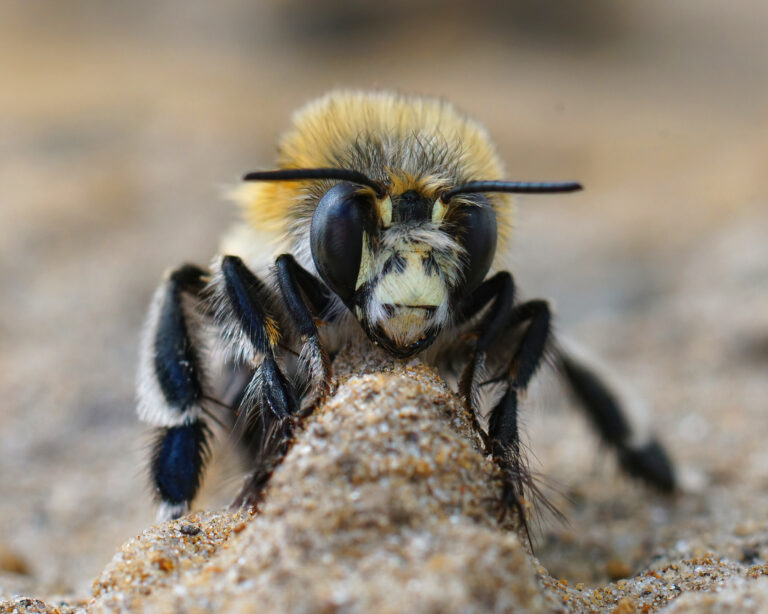
A kangaroo’s pregnancy will differ from an elephant’s, yet both female animals may have similar pregnancy behaviors.
©IntoTheWorld/Shutterstock.com
Yes, It Likely Differs by Species
If there’s one clear takeaway, it’s that this probably varies greatly across different animals. “Yes,” Moore says when asked whether it varies by species. “The most forthright answer would be that this varies by species.”
That makes sense. Animal cognition exists on a spectrum: species differ in brain complexity, social structure, memory, communication, and what scientists sometimes describe as sentience. That means we should be careful about making sweeping claims that apply to all animals.
“In matriarchal species, including elephants, other females assist pregnant ones during labor and serve as ‘aunties’ to the young,” Moore explains. “Evidence shows that elephant cultures pass knowledge from one generation to the next, which adds to the complexity of their social structure.”
Senior Director – Animal Rescue, Katie Moore
When we consider animals with especially complex social lives, the question gets even more compelling.
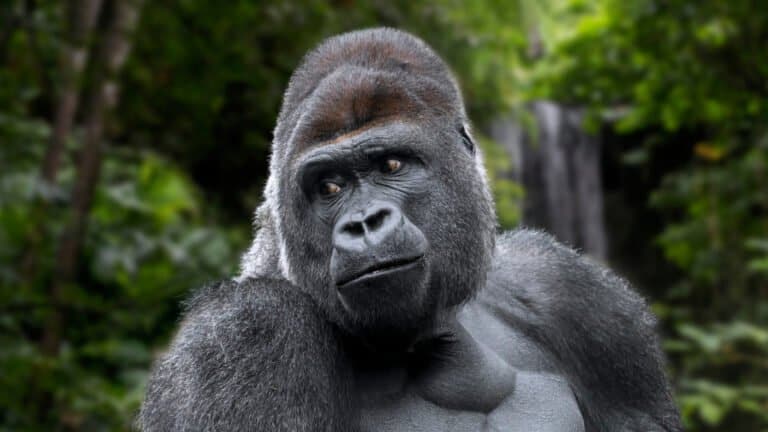
“When one considers sentience and animal cultures, we can expect animals such as elephants, primates, and marine mammals likely do ‘sense’ a pregnancy at some point,” Moore says.
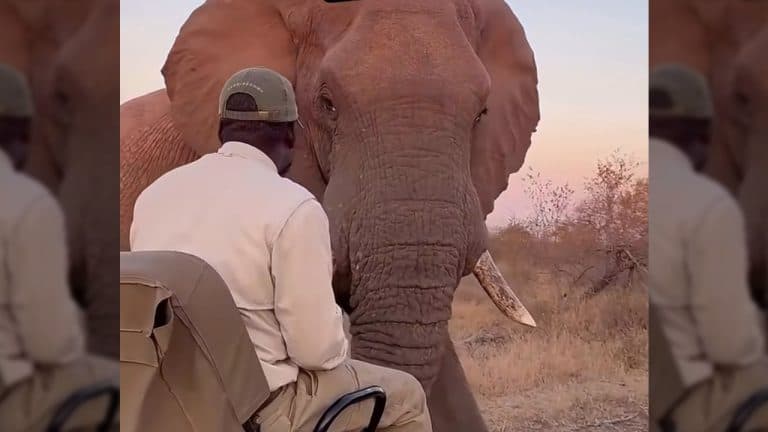
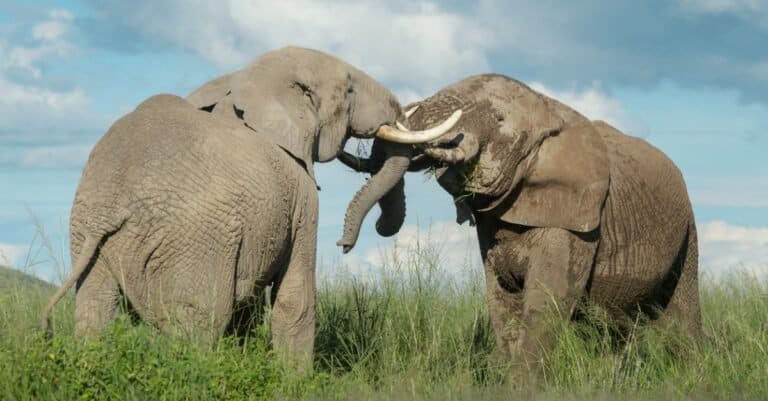
Elephants are a powerful example. In elephant societies, females often support pregnant herd members during labor and help care for calves afterward. These social dynamics suggest that pregnancy and birth are not isolated events but part of a larger web of shared behavior and learned experience.
“In matriarchal species, including elephants, other females assist pregnant ones during labor and serve as ‘aunties’ to the young,” Moore explains. “Evidence shows that elephant cultures pass knowledge from one generation to the next, which adds to the complexity of their social structure.”
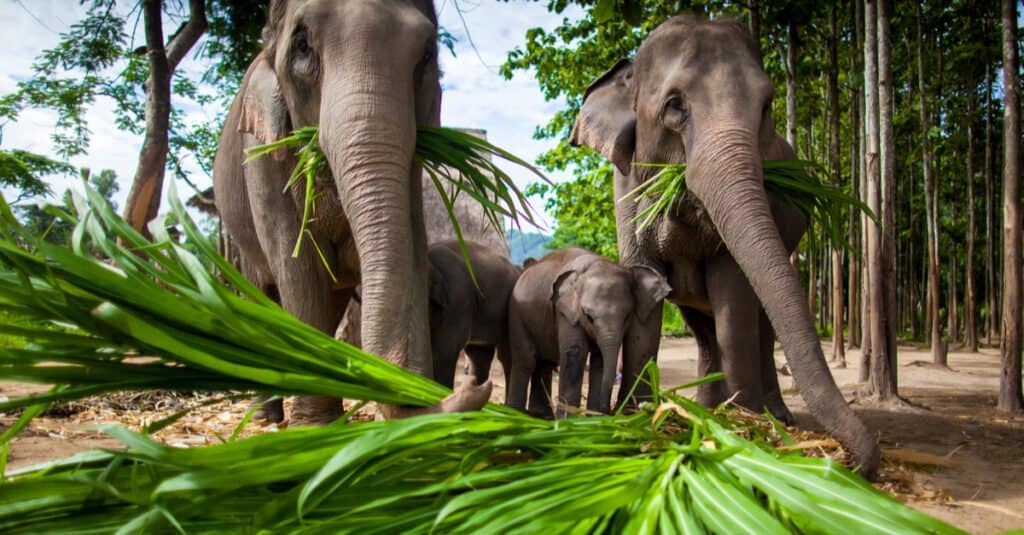
Elephants often take a communal approach to caring for calves.
©hangingpixels/Shutterstock.com
That doesn’t prove an elephant reflects on pregnancy the way a human would. But it does suggest that some animals may experience pregnancy within a social and behavioral framework far more sophisticated than simple instinct alone.
What About Labor?
Another part of the question is even harder: Do animals know what’s happening when they go into labor? Again, science can observe the physical process. It can document behavioral changes — contractions, vocalizations, protective behavior, restlessness, and withdrawal — as well as maternal responses after birth. But thought itself remains inaccessible.
“There is no way to know what an animal may think,” Moore says. That may be frustrating, but it is also important — it keeps us honest. Too often, people either assume animals experience everything exactly as humans do, or swing too far in the other direction and assume animals feel nothing meaningful at all. Reality is likely somewhere in between.
“It is not far-fetched to surmise that the experience of pregnancy between people and animals may share many points of similarity,” Moore says. “However, the many differences across species cannot be ignored.”
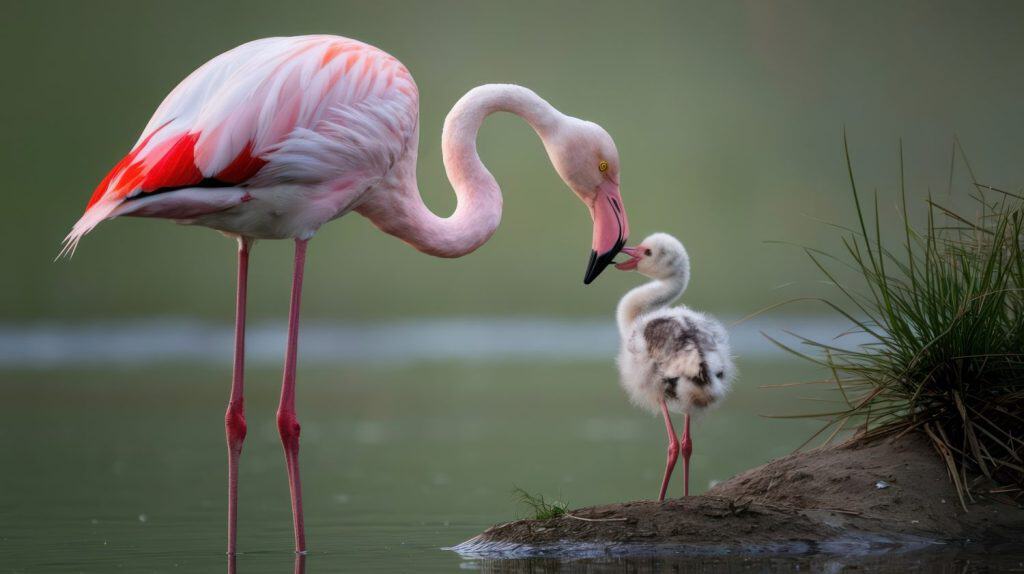
Fundamental differences in each species’ labor and delivery process must also be taken into account when addressing the topic of whether animals know if they’re pregnant.
©dewa syah putra/Shutterstock.com
One of those differences is how young are born. Some species give birth to precocial young — babies that are relatively mature and mobile soon after birth. Others give birth to offspring requiring prolonged care and intense maternal investment.
“For example, is the labor and delivery process different for species that give birth to precocial young versus those that require significant and long-term maternal investment?” Moore asks. “These are fundamental differences that must be taken into account.” So while labor may share broad biological features across mammals, the lived reality of that process could differ dramatically by species.
Are We Just Anthropomorphizing?
Probably, at least sometimes.
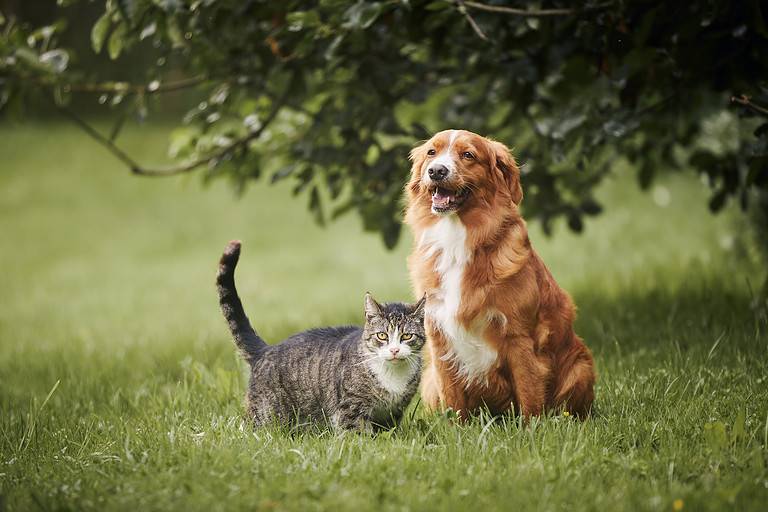
When people watch a pregnant dog nest, an elephant pause during labor, or a dolphin stay close to its companions, it’s natural to read human emotions into those moments. We want to interpret what we see through our own experience. “Since we cannot communicate with animals as effectively as we can with humans with the goal of asking them what they think and feel, unfortunately, it is likely that they are indeed anthropomorphized,” Moore says.
That doesn’t mean empathy is wrong. It just means we should be careful. “As humans, as scientists, and as conservationists, we strive to understand the world around us,” Moore says. “We are innately compassionate and often feel a connection to the animals and planet around us. So in some ways, we cannot help but use our own experiences to try to understand similar experiences — like labor and delivery — in other species.”
In other words, anthropomorphism is both a risk and a reflection of something deeply human, the urge to connect.
How Do We Know What We Know?
This may be the most important question of all.
“What we do know comes from science,” Moore says. “Extensive science. Every observation, every research study, every data point helps us learn and understand more.” That includes field observation, veterinary science, reproductive biology, endocrinology, behavioral research, and rescue work. Scientists study changes in hormones, nesting behavior, social interactions, maternal care, and stress responses. Over time, those patterns help build a more grounded understanding of animal pregnancy and birth.
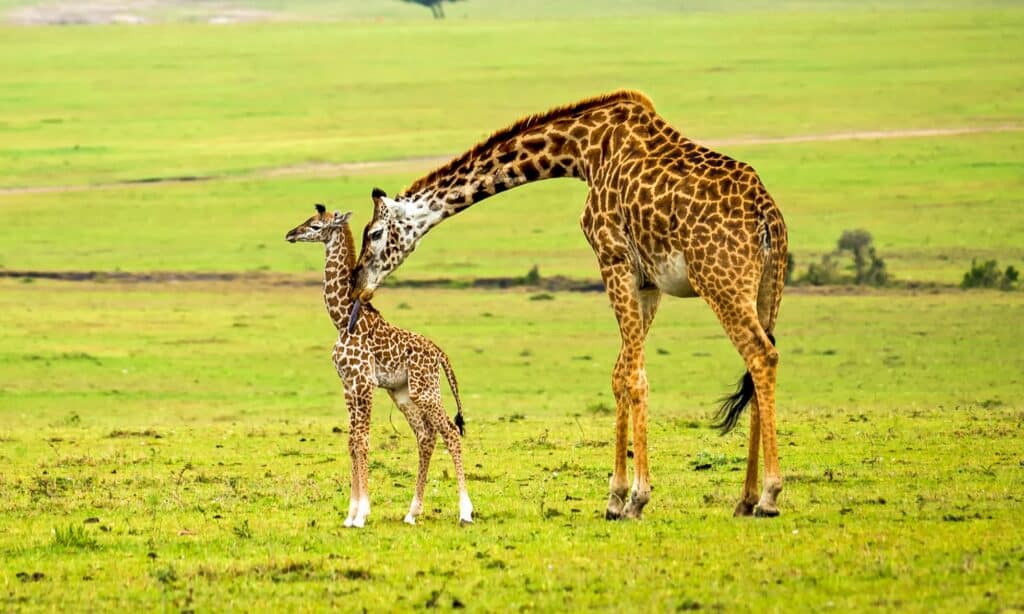
“We are innately compassionate and often feel a connection to the animals and planet around us. So in some ways, we cannot help but use our own experiences to try to understand similar experiences — like labor and delivery — in other species,” says Katie Moore, Senior Director of Animal Rescue at IFAW.
©iStock.com/miroslav_1
“For a stranded dolphin, we collect data on morphometrics, analyze blood samples, and observe behavior. What we learn drives the development of new rescue protocols and veterinary treatments to increase the survival of animals released back to the wild,” Moore says.
That kind of work does not tell us exactly what an animal is thinking, but it does help us understand what animals experience physically, how they respond behaviorally, and how those patterns differ from species to species.
Just as important, science also teaches humility. “I think it is just as important to recognize what we do not yet know and to realize that there is still so much left to learn,” Moore says.
So, Do Animals Know They’re Pregnant?
The best answer is: their bodies do, and some species may also sense or understand it in ways we can only partially grasp.
We know pregnancy changes an animal’s body and behavior. We know some species, especially highly social and cognitively complex ones, may have a deeper awareness of those changes than others. We know labor and maternal behavior are shaped by both biology and species-specific differences.
And we know that humans often project our own feelings into these gaps. What we don’t know is exactly what pregnancy means from the inside of an animal’s mind. Still, the question is worth asking. Not because it gives us easy answers, but because it pushes us to think more carefully about animal minds, animal bodies, and the limits of scientific certainty.