
Quick Take
- A phone call put one park on a very short list. Why did it get the call?
- The barn's ceiling had to clear the tallest land animal, and that's only the start of the checklist.
- A giraffe mother stakes a lot on a single calf. What goes wrong when nursing fails?
- Hand-raised doesn't guarantee harmless. Here's the risk that follows a bottle-fed giraffe into adulthood.
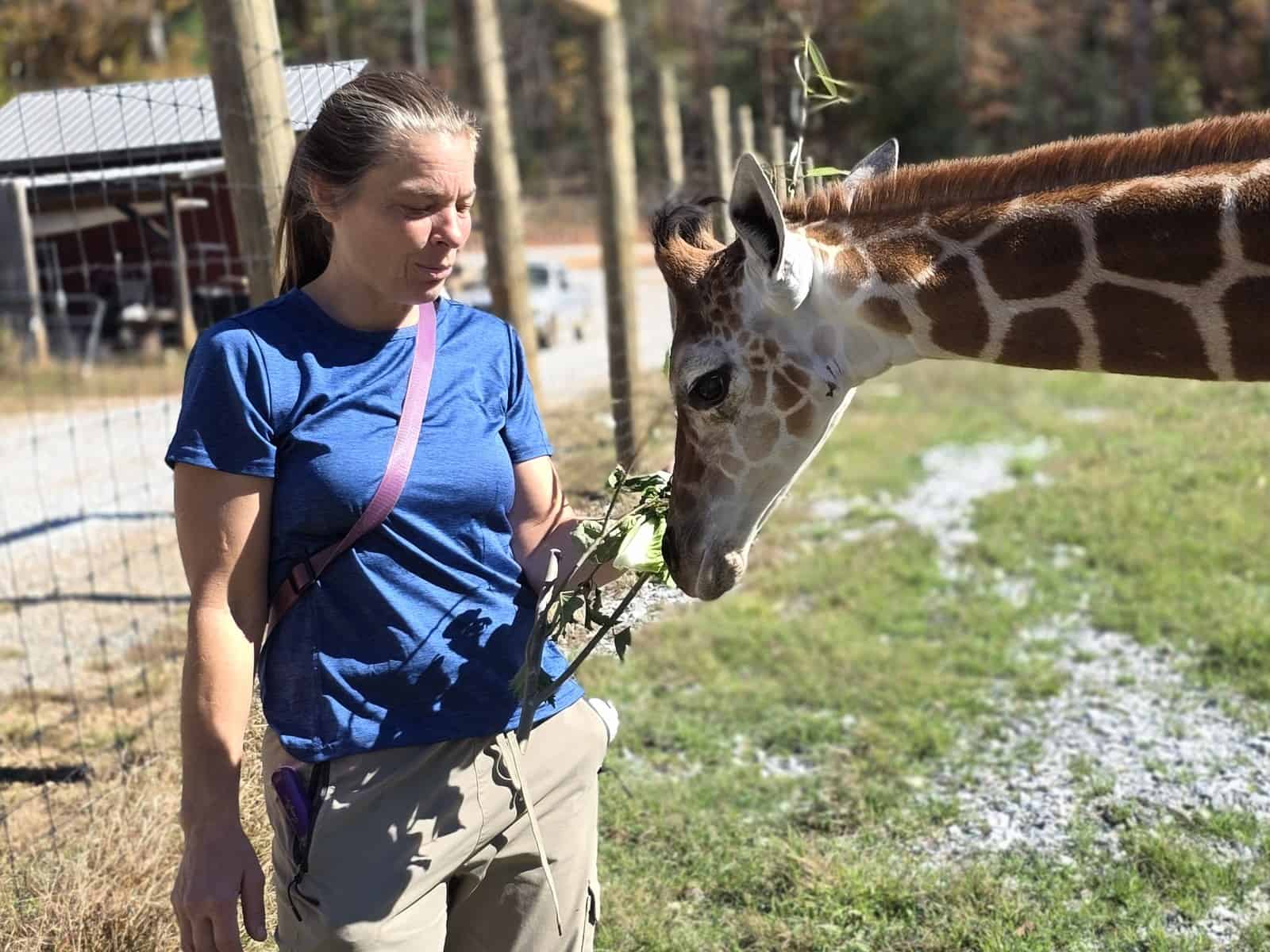
North Georgia Wildlife & Safari Park in Cleveland, Georgia, has welcomed its first giraffe, a three-month-old male named Joshua, WSB-TV reported. The park, which goes by NOGAWILD, said he was born July 22 and stands more than 7 feet tall. Animal care staff are raising him by hand.
His arrival fulfills a seven-year goal for Hope Bennett, the park’s founder and director, to bring giraffes to the facility, the organization said. Bennett’s first reaction to the phone call asking whether the park would accept a young, bottle-fed calf was “Yes!”, WSB-TV reported.
Why did Joshua need a bottle?
NOGAWILD said Joshua’s arrival was tied directly to the circumstances surrounding his birth. Newborn calves sometimes need human help because of nursing difficulties, insufficient milk production or underlying health concerns, according to WSB-TV.
A giraffe mother has a lot riding on one baby. She carries a single calf for 15 months, and twins are rare. The calf is born about 5 to 6 feet tall.
It then nurses for a long time. A giraffe calf is weaned when it is just over a year old. The mother often keeps her calf away from the rest of the herd for an average of 15 days after birth. When nursing fails or milk runs short, some calves need human help to thrive, WSB-TV reported.
Why did the call go to this park?
NOGAWILD has extensive experience bottle-feeding animals, WSB-TV reported. That put the park on a list of facilities willing and prepared to give a home to baby giraffes that need hand-raising.
Preliminary veterinary checks indicate Joshua is healthy, thriving and exceeding expectations, according to WSB-TV.
Why build a barn before the giraffe?
Getting ready to house giraffes meant working through lengthy regulatory and infrastructure hurdles, WSB-TV reported. Park officials secured the licenses and permits while constructing a climate-controlled giraffe barn with an adequate ceiling height.
The ceiling has to clear the tallest land animal. Adult giraffes stand about 14 to 19 feet tall, depending on species and sex. The legs alone are 6 feet long, and the 6-foot neck weighs about 600 pounds, according to San Diego Zoo Wildlife Alliance.
The barn is one item on a longer list. Housing standards call for sufficient indoor and outdoor space, large quantities of browse and hay, specialized nutrition and a team of experienced animal care professionals, WSB-TV reported.
“Large quantities” has a number behind it. A giraffe may eat up to 75 pounds of food per day and spend 16 to 20 hours a day eating, according to San Diego Zoo Wildlife Alliance. Giraffes live 20 to 25 years under professional human care, WSB-TV reported, so the park has signed on for decades.
Will a hand-raised giraffe stay gentle?
Hand-raised giraffes may get used to people, but adults stay strong and can be unpredictable. Their fore and hind legs deliver powerful kicks that can cause severe blunt-force trauma, especially when someone approaches too closely.
San Diego Zoo Wildlife Alliance describes that defensive kick as deadly. Giraffe housing standards call for a dedicated team of experienced animal care professionals, WSB-TV reported.
Can visitors meet Joshua?
A full launch of the park’s Giraffe Experience won’t be ready for a long time, according to the organization. Until then, guests can meet Joshua through a Private VIP Experience.
Those encounters are by request only, require a phone call to book and have limited spots, WSB-TV reported.