
Quick Take
- Dwarf rabbits typically do not weigh over five pounds.
- Most dwarf rabbit breeds have been selectively bred to be small.
- Though not a true dwarf, the Columbia Basin pygmy rabbit is the smallest North American rabbit breed, weighing no more than one pound.
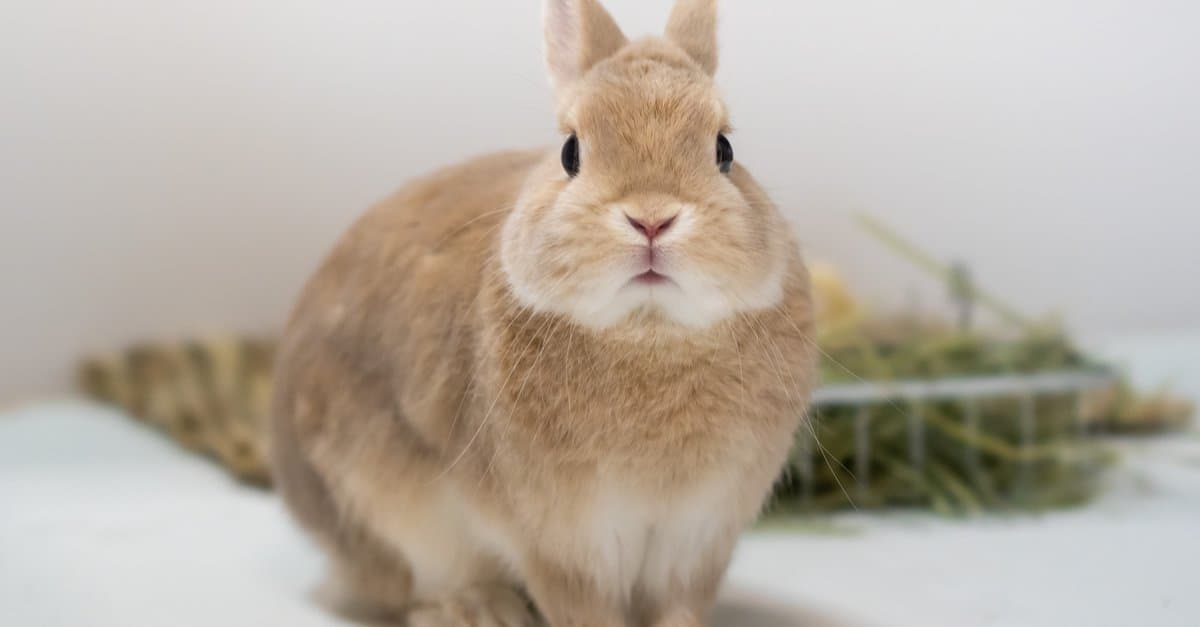
A dwarf rabbit (Oryctolagus cuniculus domesticus) is a small rabbit weighing under five pounds that carries a specific dwarf gene, which results in a compact body, rounded head, and short ears. Dwarf rabbits have been selectively bred since the early 20th century, specifically in the Netherlands. The original selectively bred dwarf rabbit, the Netherland Dwarf, was created by crossing small Polish rabbits with smaller wild rabbits. Since then, breeders have extensively developed several other recognized dwarf rabbit breeds. Continue reading to learn more about these petite bunnies and how big dwarf rabbits get.
How Big Dwarf Rabbits Get?
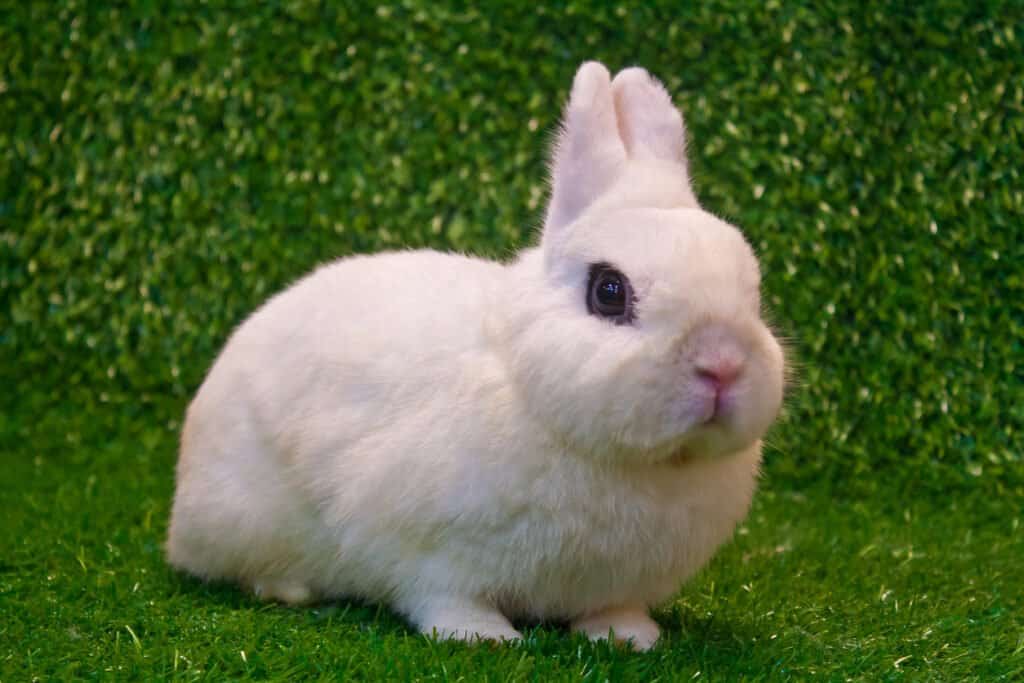
Despite their small stature, dwarf rabbits have big personalities.
©iStock.com/Naruden
Dwarf rabbits are a group of small, compact, energetic breeds that are popular pets. True dwarf rabbits possess a specific dwarf gene, which results in a short neck, round head, and small, erect ears. True dwarf rabbits typically weigh between 1.5 and 2.5 pounds. Small rabbits that do not possess the dwarf gene can sometimes weigh more than five pounds, depending on the breed.
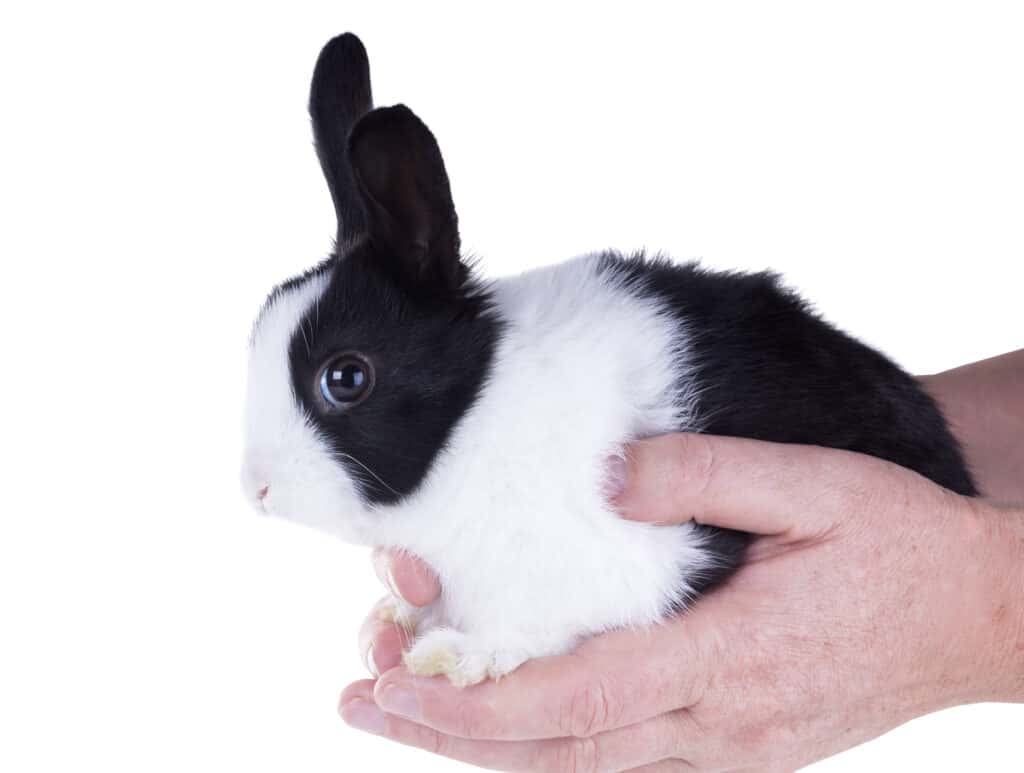
According to many breed standards, true dwarf rabbits typically should not weigh over 2.5 pounds, though some recognized dwarf breeds may have higher maximum weights.
©IrinaK/Shutterstock.com
Dwarf rabbits that inherit two copies of the dwarf gene are called peanuts. Peanuts all share a condition that is medically defined as lethal dwarfism. Because they have two dwarf genes instead of one, their pituitary glands do not function correctly, meaning they cannot produce enough growth hormones to survive. The condition is 100% fatal. Most peanuts die within 2 to 3 days of birth.
Different Dwarf Rabbit Breeds and their Sizes
Netherland Dwarf
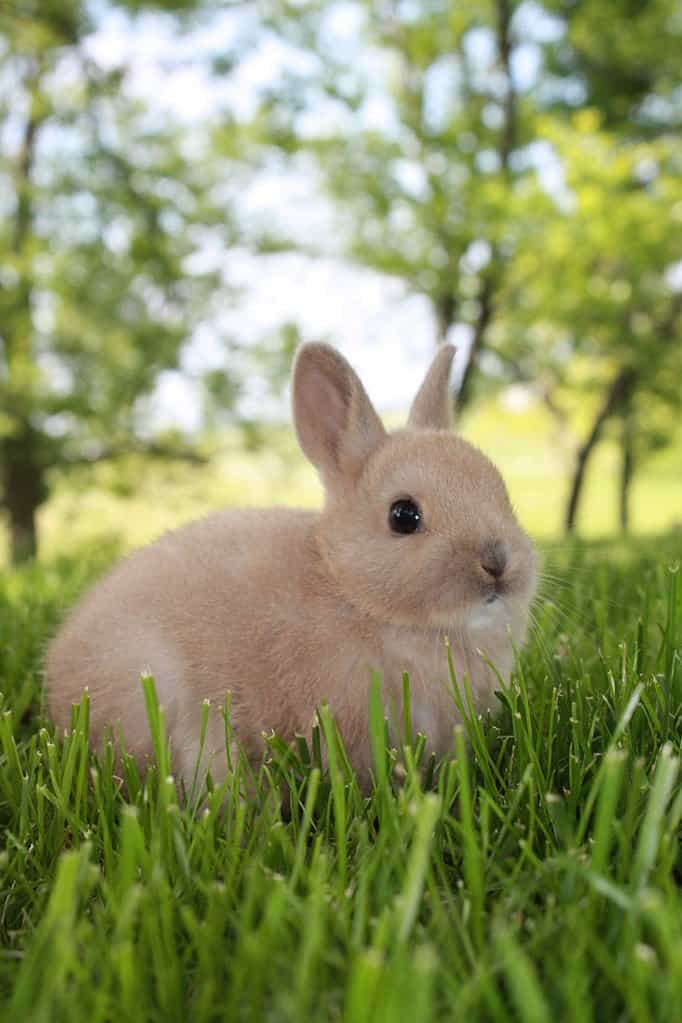
The smallest dwarf rabbit breed, the Netherland dwarf, typically weighs under 2.5 pounds.
The smallest selectively bred dwarf rabbit species is the Netherland dwarf. Netherland dwarfs are curious and energetic. While they can be affectionate, they do not like being held, making this breed more suitable for families that do not have young children.
Jersey Wooly Rabbit
The Jersey wooly is a small rabbit breed developed in the 1970s by Bonnie Seeley in New Jersey. Seeley developed the breed by crossing Netherland Dwarfs with French Angoras. Jersey woolies are recognized for their gentle nature. Mature Jersey woolies weigh between 2.5 and 3.5 pounds.
Jersey wooly rabbits have short ears and a soft coat. This breed is an excellent choice for first-time rabbit owners.
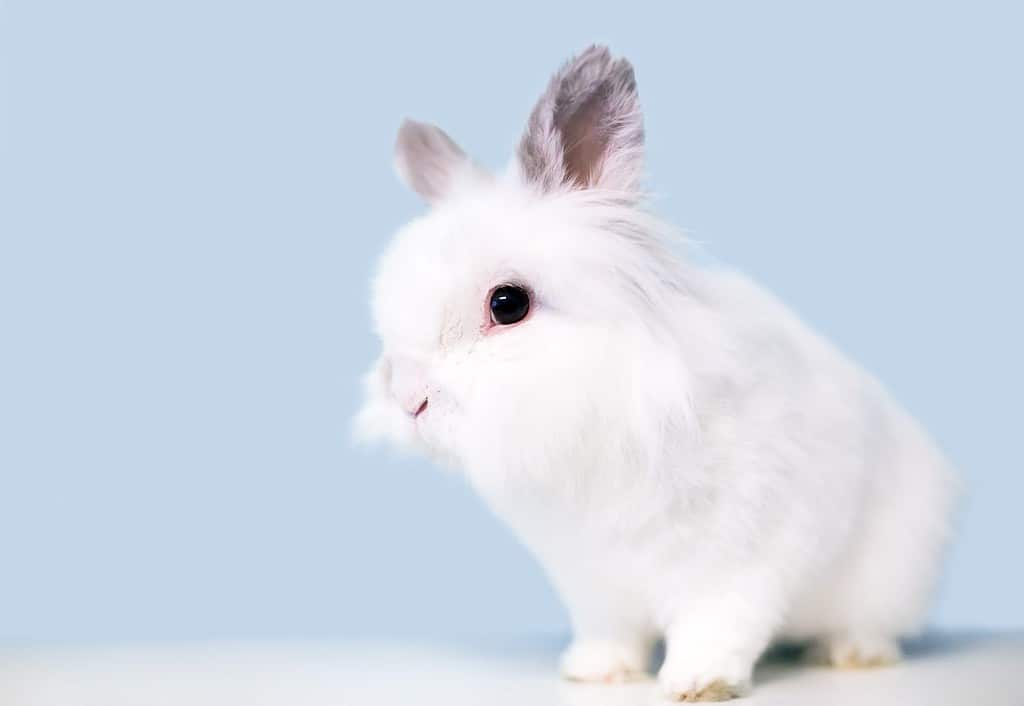
Jersey wooly rabbits make splendid pets
©Mary Swift/Shutterstock.com
Britannia Petite Rabbit
Britannia Petite rabbits are well-suited to small spaces because they are very energetic. Developed in Britain in the 19th century from wild rabbits, this breed is known for being highly energetic. Because of their spirited nature, Britannia petite rabbits are generally not recommended as pets for families with young children or first-time owners.
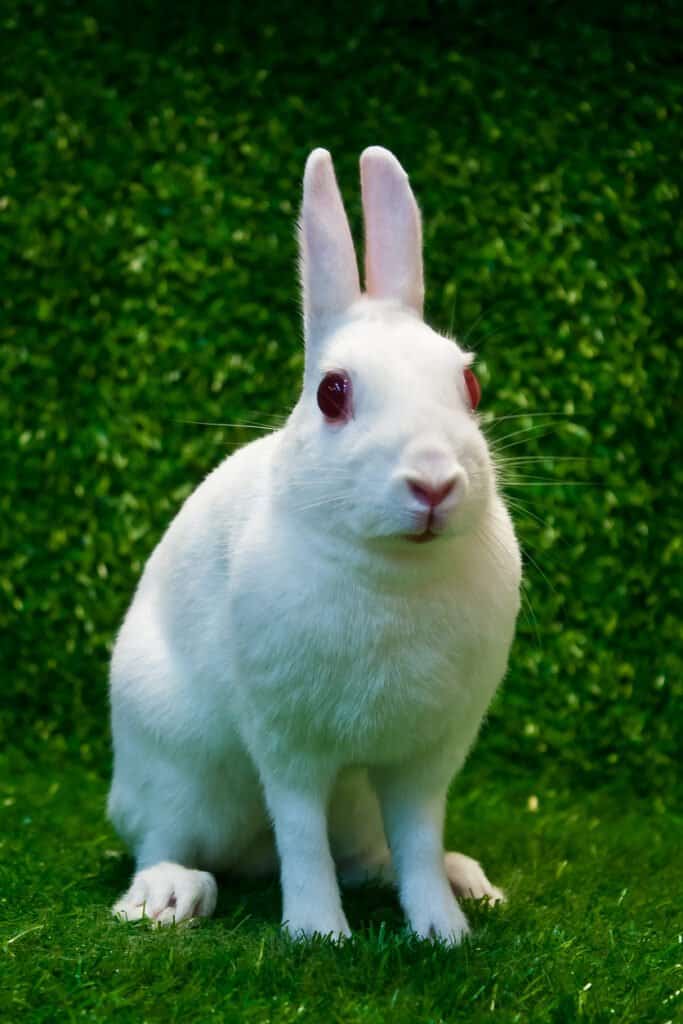
Britannia petite rabbits are now available in a variety of colors, including the original ruby-eyed white.
©iStock.com/Naruden
Dwarf Hotot Rabbit
Dwarf Hotot rabbits were developed in Germany during the 1970s by breeders seeking to create a miniature version of the large Blanc de Hotot rabbit. Like the Blanc de Hotot, dwarf Hotots are pure white, with a short coat and a distinct, narrow black band of fur around each eye.
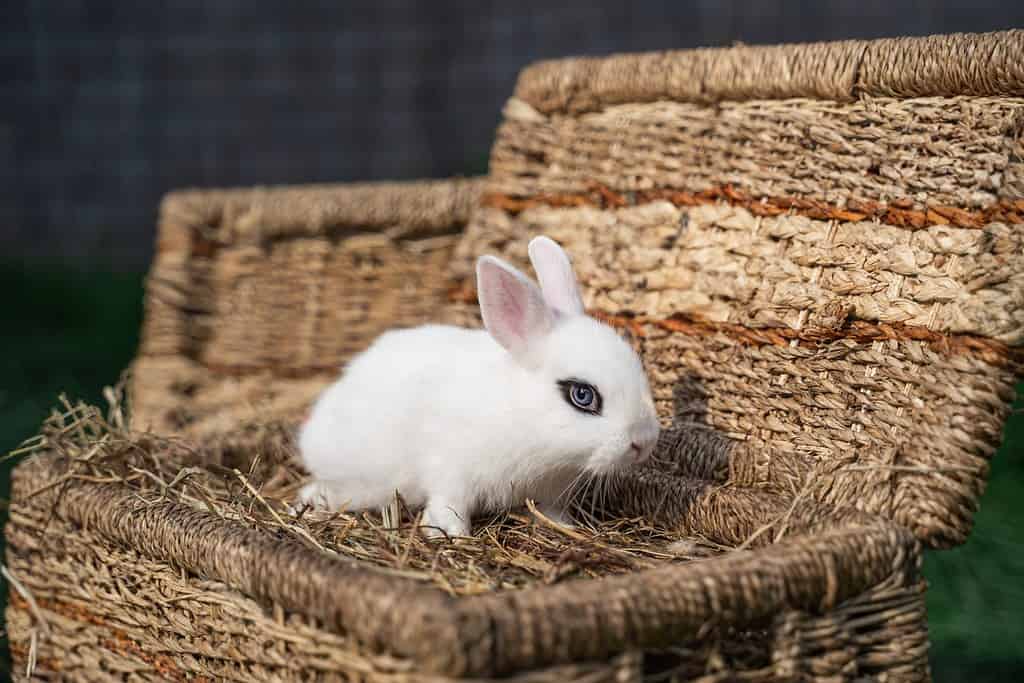
Dwarf hotot rabbits weigh about three pounds.
©Valentina Covalli/Shutterstock.com
Dwarf Hotot rabbits generally make good pets, as they are playful and inquisitive. However, they are prone to significant health issues, including dental malocclusion, respiratory infections due to their flat faces, and eye/tear duct maladies. So, while they are affectionate and playful, they are high-maintenance pets that require daily care and specialized diets.
Miniature Cashmere Lop Rabbit
Originating in the UK during the latter part of the 20th century as a smaller version of the cashmere lop, the miniature cashmere lop rabbit is known for its thick, silky coat and affectionate nature. A mature miniature cashmere lop can weigh up to 3.5 pounds. This breed is often confused with the mini-lop, a North American breed of rabbit that can weigh up to 6.5 pounds.
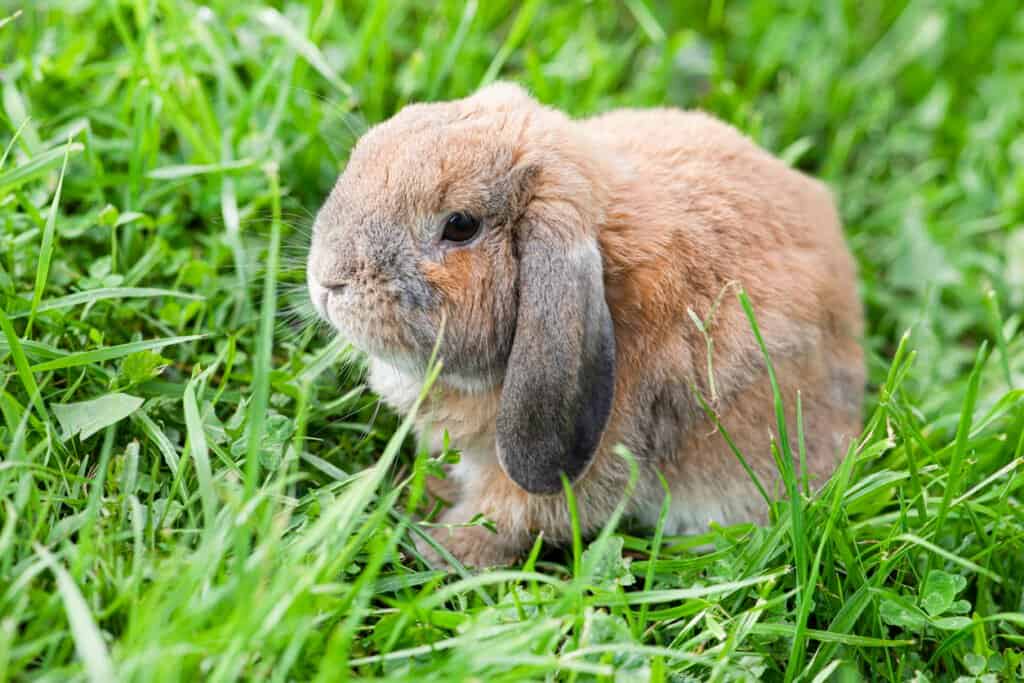
The miniature cashmere lop rabbit requires several hours of exercise every day.
©iStock.com/NIKITA ARMYAGOV
Without frequent grooming to remove mats, tangles, and dead fur, their long coat can quickly become severely matted. Miniature Cashmere Lops are generally energetic, playful, and intelligent, but they are not ideal for young children due to their high-maintenance, long fur, and fragile nature. While friendly and affectionate, they require frequent grooming and need at least 3-4 hours of supervised exercise daily.
Adult miniature cashmere lops weigh around 3.75 to 5 pounds. They tend to lose much of their fur when they reach adulthood.
Columbia Basin Pygmy Rabbit
Although it is not a domesticated rabbit that is bred as a pet, the Columbia Basin pygmy rabbit (Brachylagus idahoensis) is the smallest wild rabbit species in North America. These gray-brown, short-eared, small-tailed rabbits are between 9 and 12 inches long and weigh less than one pound.
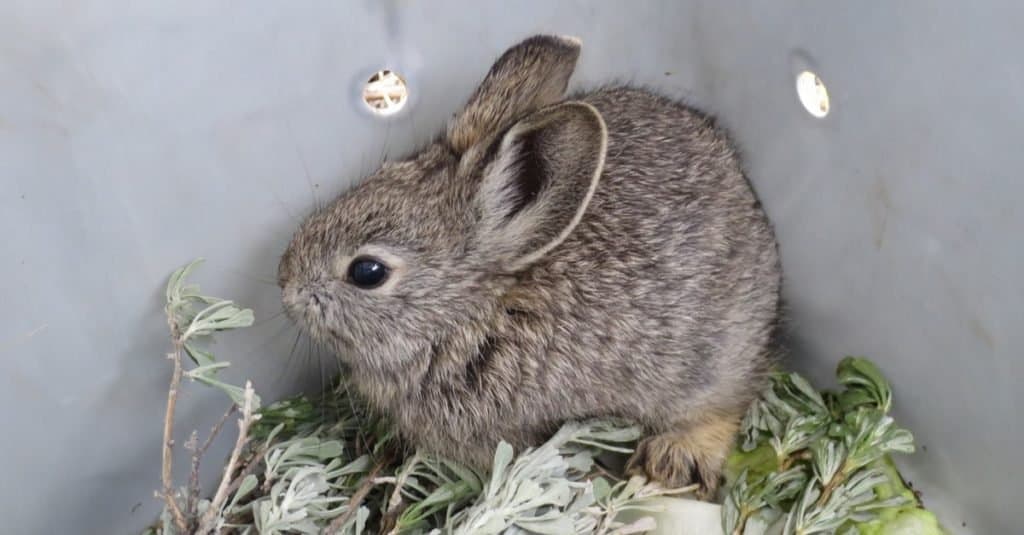
Columbia Basin Pygmy Rabbits are a wild rabbit species that is indigenous to the Columbia River basin in Washington state.
©Randy Bjorklund/Shutterstock.com
Following the near-extinction of their wild population in 2001, captive breeding programs were established that released thousands of hybrid rabbits back into their native shrub-steppe habitat in Washington state.
These hybrid rabbits are crossbred descendants of the last remaining, inbred Washington-native pygmy rabbits and the more genetically diverse Idaho pygmy rabbits (Brachylagus idahoensis).