
Suffice it to say that there are plenty of odd pairings in the natural world. The most unlikely creatures team up to tackle obstacles, hunt for food, or provide each other with shelter. Examples include coyotes and badgers hunting prairie dogs together, goby fish and shrimp becoming roommates, or crabs using sea anemones as boxing gloves. There are plenty of symbiotic relationships, but there are just as many odd couples in nature.
The interesting thing about these different odd couples is not only how they met, but what keeps them working together despite their differences. Dotted humming frogs and tarantulas in South America, for example, could be seen as mortal enemies. Yet, they work together closely and without violence. While some of these couples benefit each other mutually, others are more ambiguous.
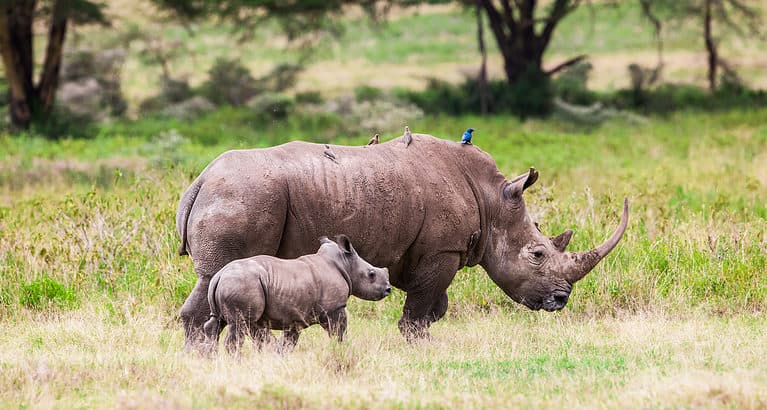
Turtles probably don’t need butterflies to drink their tears. Plus, Oxpecker birds were originally thought to be helpful tick eaters, but modern research suggests they function more like parasites or vampires, feasting upon large mammals. Whatever the relationship style, nature features plenty of odd couples who find a careful balance between contention and collaboration. Let’s explore some of the most interesting examples.
Coyotes and Badgers
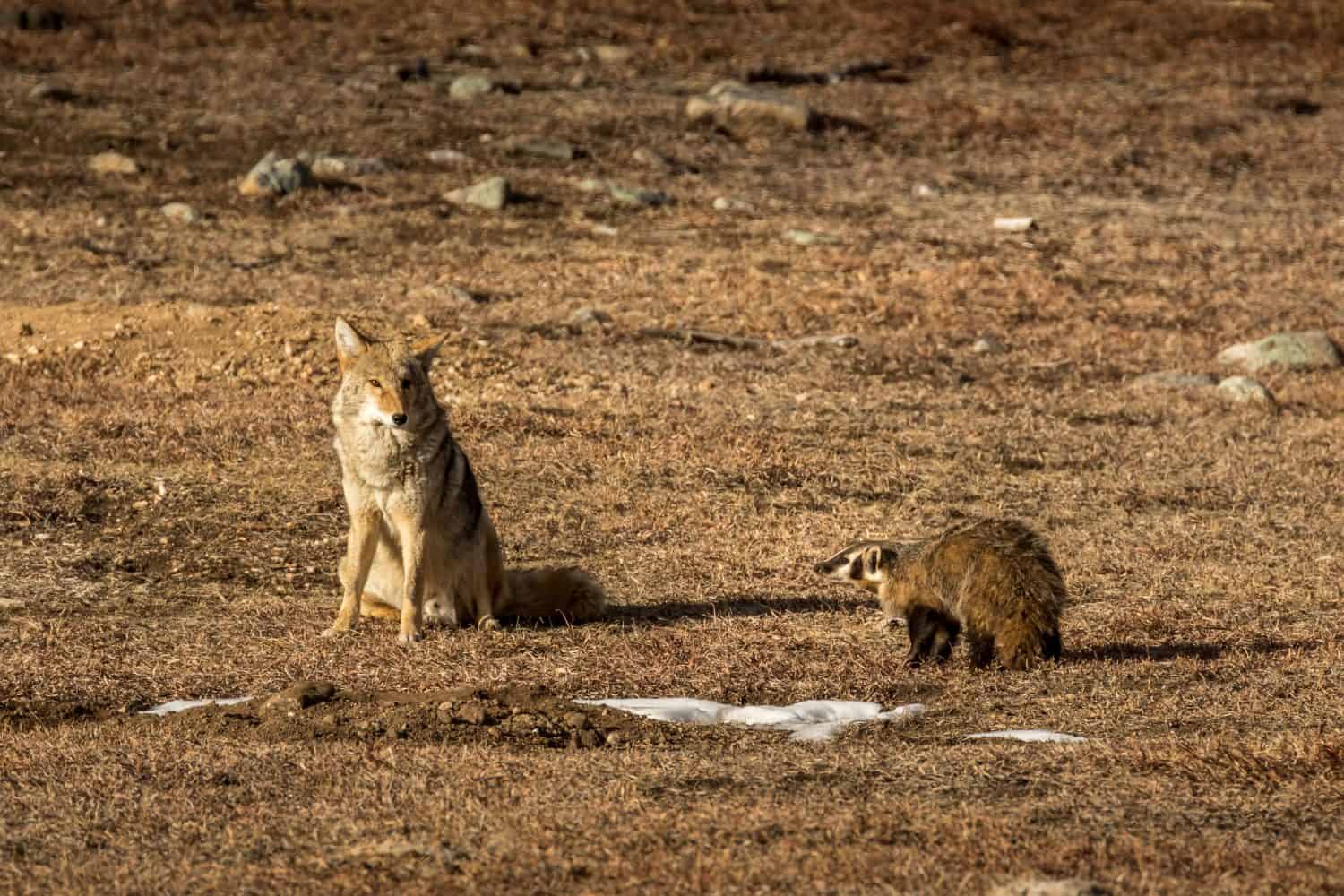
Coyotes and Badgers are known to hunt prairie dogs together, with coyotes chasing fleeing prey and badgers digging them out of their burrows.
©Dennis Laughlin/Shutterstock.com
They couldn’t be more different, but coyotes and badgers find common ground when it comes to hunting. Both of these creatures are known to team up when hunting prairie dogs. It makes sense when you think about it. The coyote is fast and capable of chasing down fleeing prey like prairie dogs. If the prairie dogs escape by burrowing underground, the badger can dig them out. It’s a mutually beneficial relationship, where two hunters are better than one for getting as much prey as possible.
Like any good symbiotic animal relationship, this hunting pair complements each other and brings a skill the other lacks. If you’re going to see this odd couple hunt, it will likely be in the warmer months. In winter, badgers can easily dig up hibernating creatures in the burrow before they can run into the clutches of a coyote.
While this relationship has been attested to for centuries, be it by indigenous Americans or early colonial settlers, not much is known about it. Some motivated researchers will have to explore the circumstances that bring these two creatures together in more detail because the relationship is quite interesting, considering the differences between coyotes and badgers. As with many creatures on this list, how they originally paired up remains a mystery.
Boxer Crabs and Sea Anemones
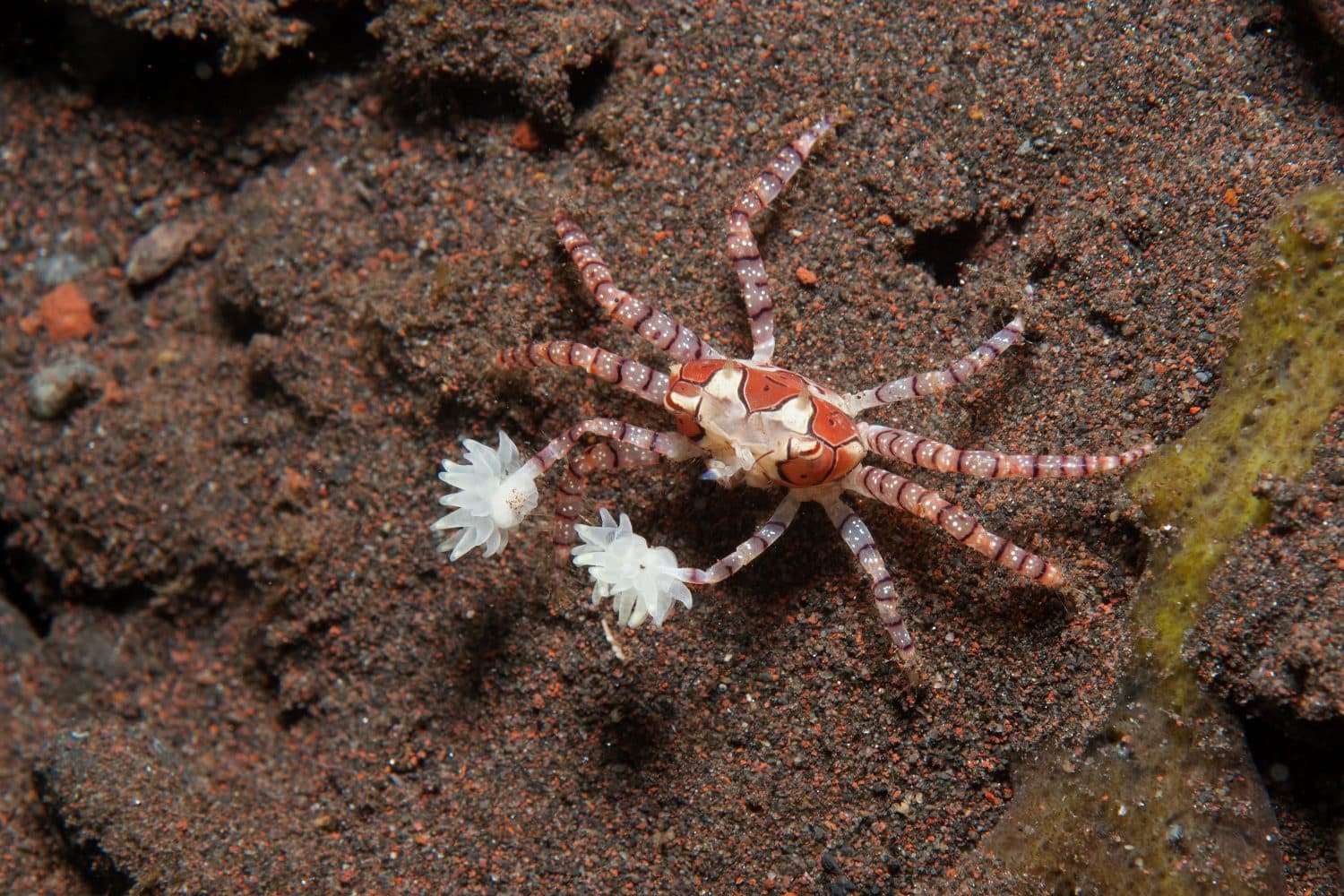
Boxing crabs use anemones as boxing gloves and provide food for the stinging plants in return.
©Simagart/Shutterstock.com
Boxer crabs rely on their symbiotic relationship with anemones to such an extent that it gives them their name. That’s because boxer crabs (or pom-pom crabs) have a habit of carrying around sea anemones in their claws and using them to box. As they walk through the sea, boxer crabs hold out their anemone boxing gloves and move them in horizontal motions to ward off any approaching predator. If truly threatened, boxing crabs will start punching foes with their anemone hands. They hurt, too; anemones are covered in stinging cells called cnidocytes.
It may seem like the boxing crabs are taking advantage of the anemones, but the odd couple form a symbiotic relationship. The anemones protect the crab from predators, and the crabs feed the anemones in return. The boxing crabs use the anemone’s tiny tentacles to collect food from the water, digest it, and provide food back to the anemone. It’s a funny-looking relationship of different proportions, but it sure seems to work for the boxer crab and its anemone boxing gloves.
Tarantulas and Toads
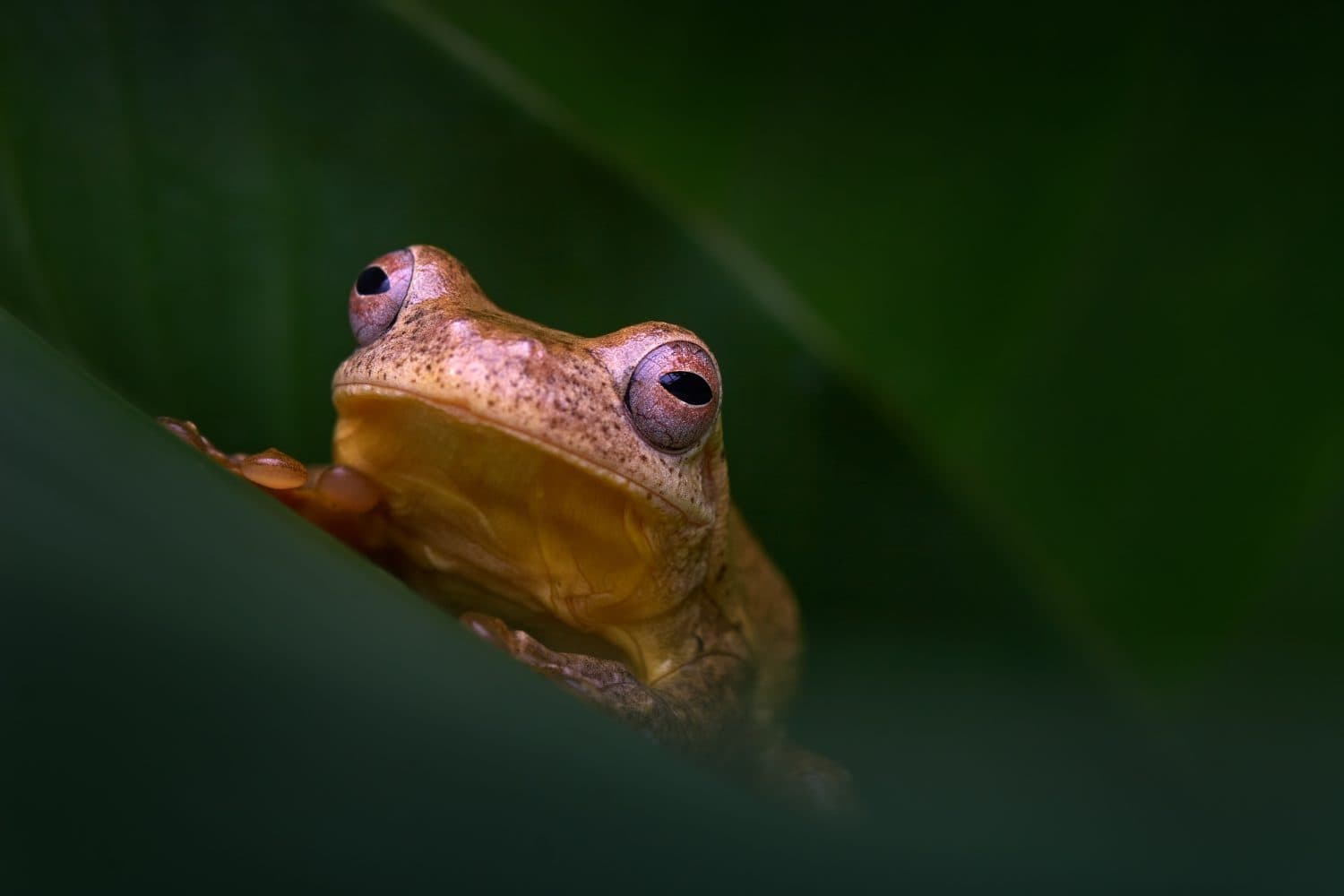
Dotted humming frogs have a peculiar relationship with their would-be predators: tarantulas.
©Ondrej Prosicky/Shutterstock.com
The dotted humming frog (Chiasmocleis ventrimaculata) is a small, nocturnal, foraging frog found in Western South America. It forms an odd couple with a type of burrowing tarantula found in the same region. At first, scientists thought the spider was the Colombian lesser black tarantula (Xenesthis immanis), but research has shifted. Now, scientists believe that the spider is a member of the Pamphobeteus genus of tarantulas. To make matters more confusing, the jury is still out on whether this odd coupling is mutually beneficial or commensal.
Whatever the case, the dotted humming frog and tarantula seem to work together. The frogs live in and around the tarantula burrows, protecting the spider’s eggs from ants. In turn, the frogs use the burrows as shelter and feed on the remnants of the spider’s prey. The frogs also rely on them for protection from predators.
Oddly enough, tarantulas are known to attack frog species quite similar to dotted humming frogs, but never the Chiasmocleis ventrimaculata. It’s been theorized that an unknown chemical on the dotted humming frog’s skin signals to the spider that it is not prey. It’s an odd couple, the spider and frog, and their relationship dynamic demands further study.
Hornbills and Mongooses
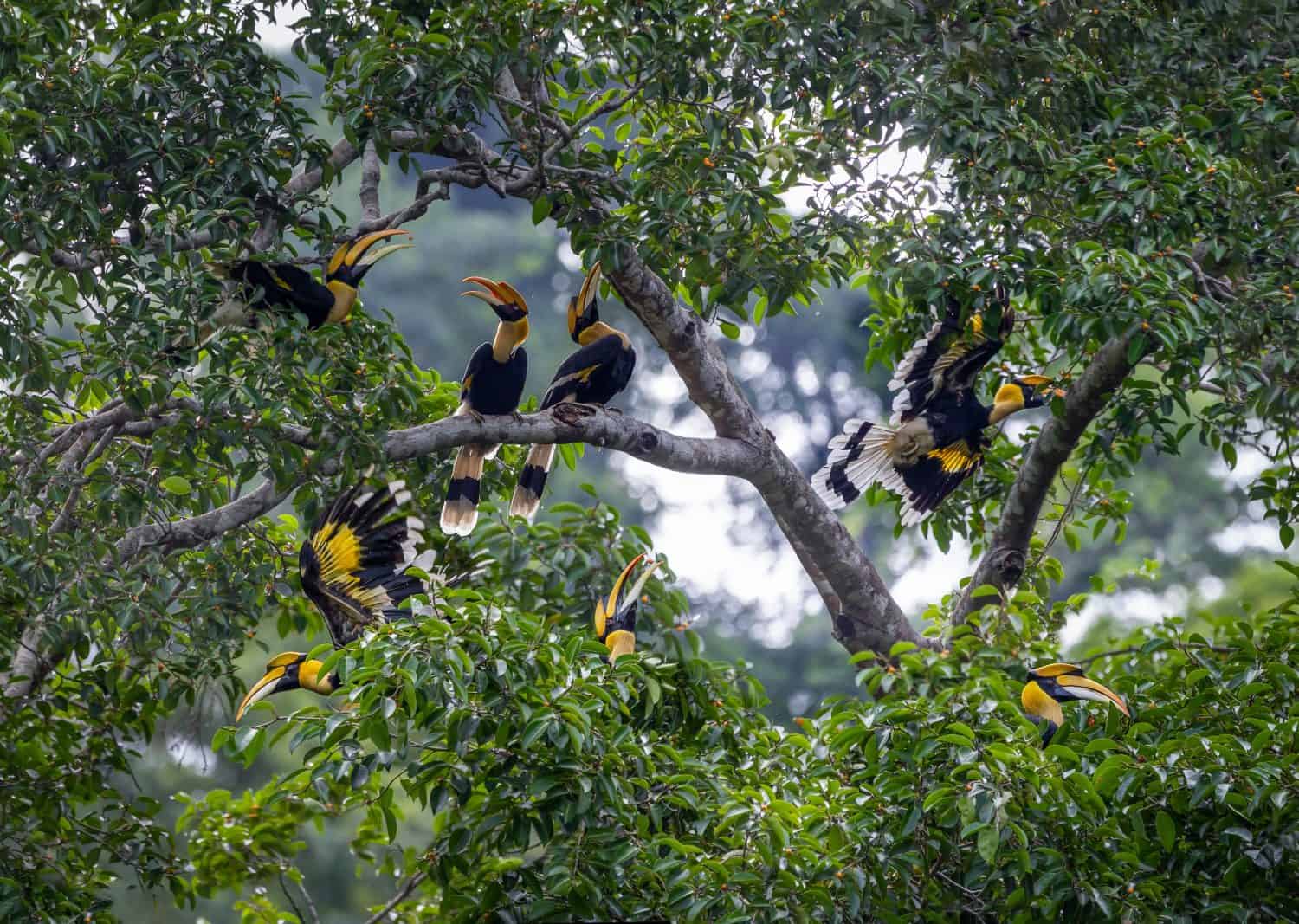
Hornbills and Mongooses work in lockstep to forage for food and warn each other about predators.
©Visual Storyteller/Shutterstock.com
Another one of nature’s odd couples is the dwarf mongoose and the greater hornbill. It’s one of those “enemy of my enemy is my friend” type vibes, because both creatures eat the same types of prey. Whereas other odd couples are more conditional, the relationship between dwarf mongooses and greater hornbills is pretty tight. The birds are known to wait around the mongoose mounds for them to wake up in the morning. Some hornbill species, like von der Decken’s hornbill (Tockus deckeni) and eastern yellow-billed hornbill (Tockus flavirostris), will even sound out calls as a sort of mongoose alarm clock. Once everybody is ready, they get to foraging.
While out on foraging missions, both creatures clue the other in on potential threats from raptors. While the hornbills are more likely to sound the alarm, even for raptors that only hunt mongooses, the mongooses also help by warning hornbills of approaching threats.
This is one of those symbiotic relationships that is so well-connected, one wonders how long ago it began. Whatever the case, the high degree of compensatory behavior by both the mongoose and the hornbill is unique in the world of vertebrates. The closest parallel is probably the relationship between ants and aphids.
Oxpeckers and (Large) Mammals
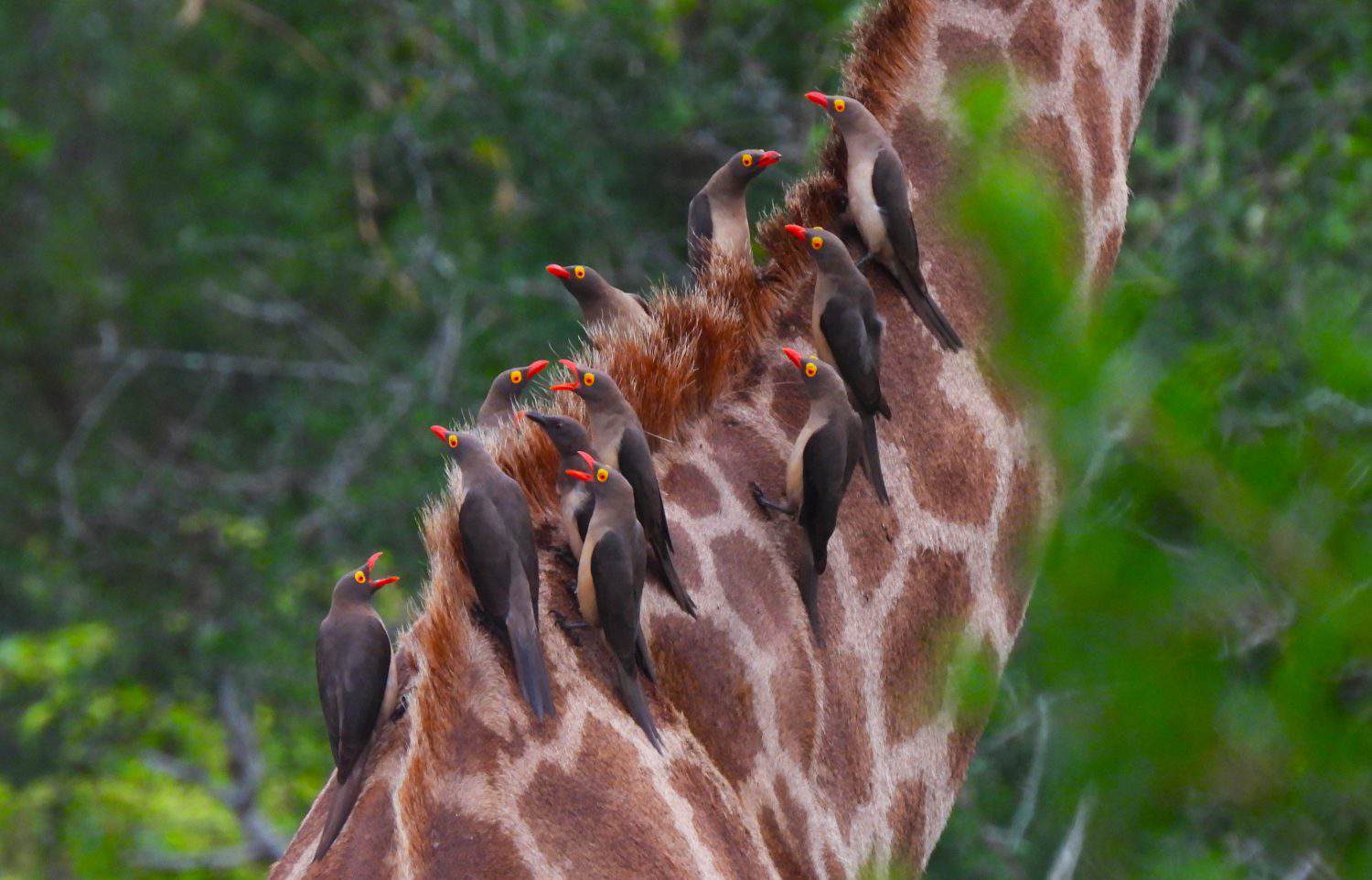
Once thought to be beneficial partners, recent research suggests that oxpeckers are more akin to parasites.
©Brian Stuart Nel/Shutterstock.com
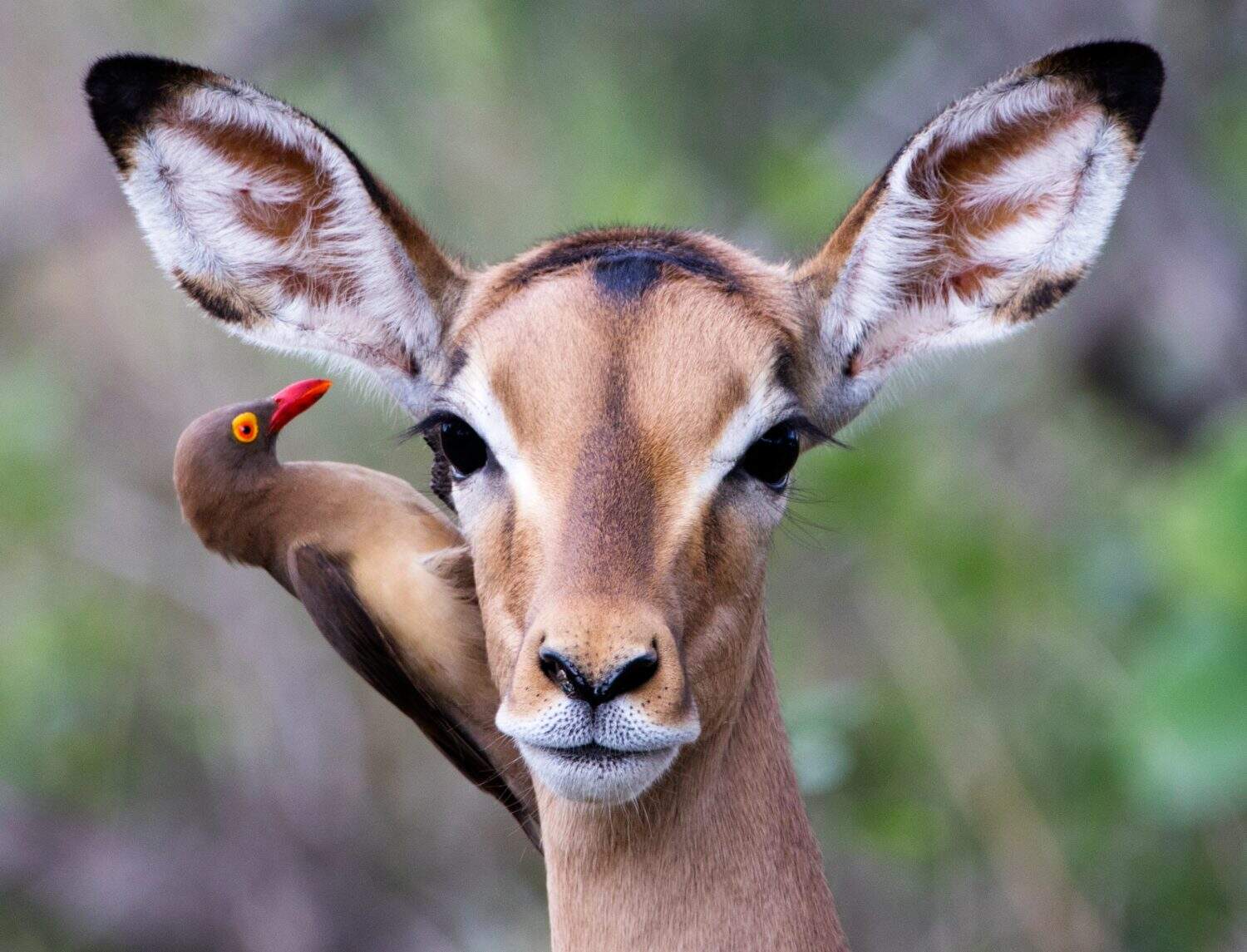
Much like boxing crabs, oxpeckers live most of their lives working in tandem with other animals. Their name should tell you everything; they have a habit of perching on large mammals and eating ticks, flies, and other grubs from the mammals’ fur. This symbiotic relationship, however, might be more toxic. Originally believed to be mutually beneficial, recent research suggests that oxpeckers do more harm than good with their back-perching and tick-eating.
While they eat ticks off the mammals’ backs, often in great quantities, all that eating doesn’t necessarily reduce the tick load for the hosts. These birds have also been seen both picking new wounds on their host’s skin/fur and reopening old wounds to feed on blood. They also feed on earwax and dandruff, but this seems to do as much harm as good.
While some mammals tolerate the presence of oxpeckers on their backs, others are less patient. Elephants and several types of antelope will actively shoo away oxpeckers when they try to land. It seems that, like any relationship, there is more than meets the eye when it comes to oxpeckers and their mammalian hosts.
Bottlenose Dolphins and False Killer Whales
©Ballygally View Images/Shutterstock.com
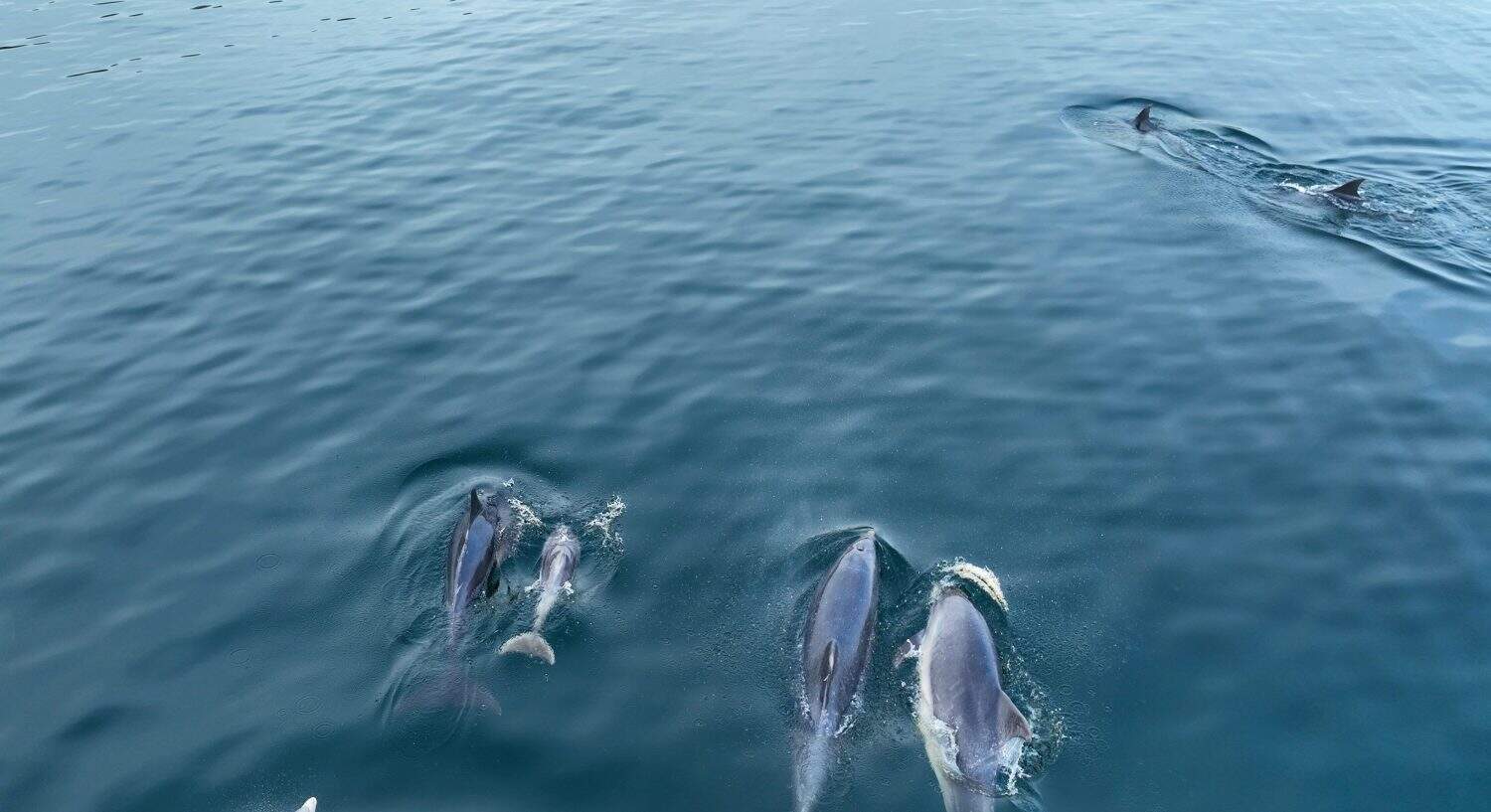
Suffice it to say that false killer whales are the black sheep of the dolphin species. Though technically a type of oceanic dolphin, they are the only member of the genus Pseudorca. They are so named because false killer whales have skull shapes eerily reminiscent of orcas. Despite their orca appearance, however, false killer whales seem to get along well with other dolphins, like bottlenose dolphins. So much so, in fact, that they can even mate, producing fertile offspring called “wholphins.“
Given their ability to mate with bottlenose dolphins, false killer whales engage in a lot of mutually beneficial activities with them. They will hunt together, for one. Furthermore, false killer whales have been observed to respond to distress calls from other similar species and protect them from predators.
They are also known to help in the bottlenose dolphin birthing process, sometimes helping to remove the afterbirth. Yet, the relationship between false killer whales and their relatives is not always black and white. False killer whales are known to live peacefully with orcas but eat smaller dolphins.
Tuataras and Petrels
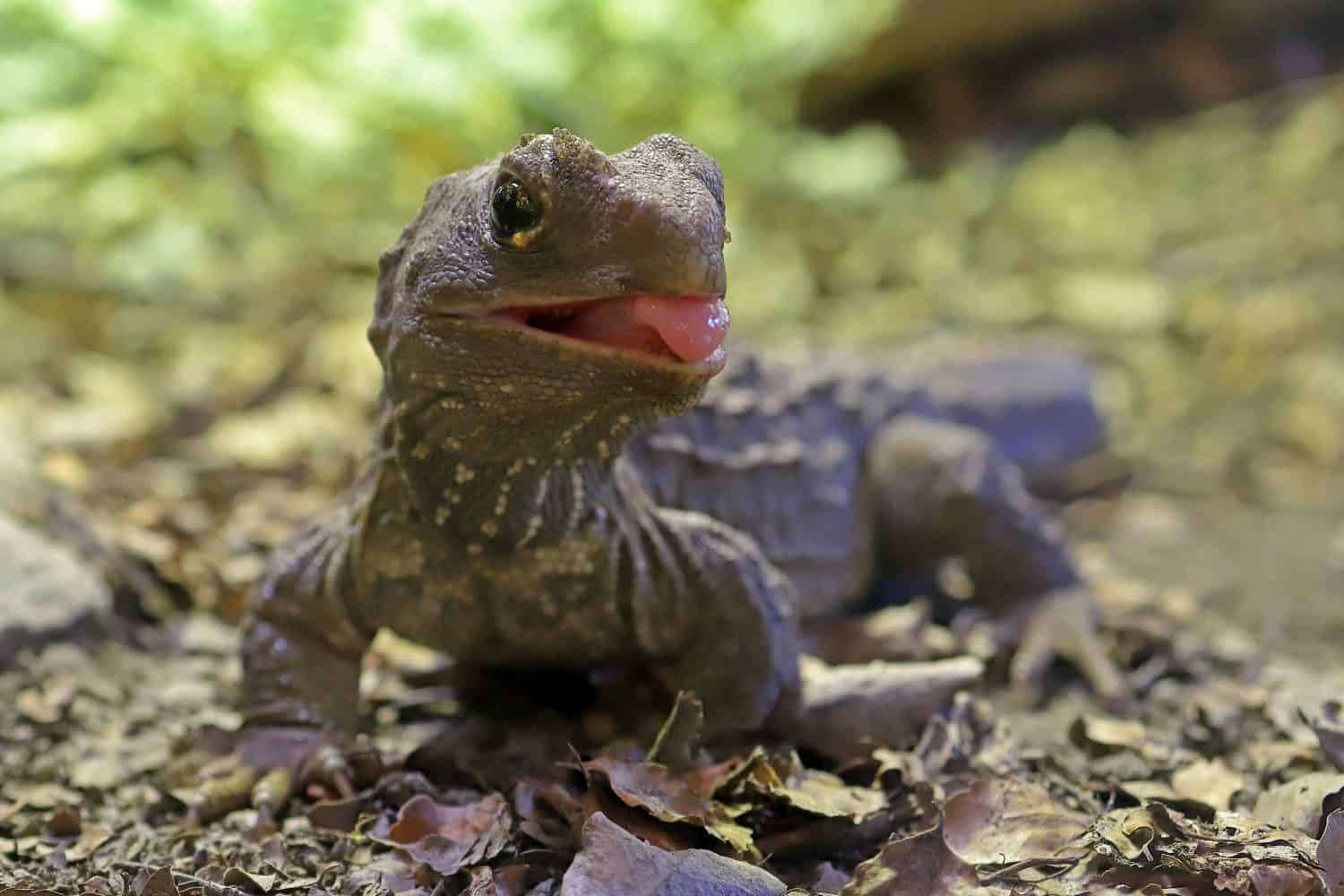
Tuataras use petrel burrows for shelter, and petrel guano feeds the invertebrates tuataras eat.
©Ken Griffiths/Shutterstock.com
If the relationship between New Zealand’s odd couple is symbiotic, it’s an uneasy mutualism. The tuatara is a reptile endemic to New Zealand. Though it looks like a lizard, it’s the only remaining member of a distinct reptile lineage. They are large (up to 24 inches long), have two rows of teeth, and possess other unique features in their skeleton. They may seem like they have the lay of the land, but during certain times of the year, they (sort of) collaborate with burrowing seabirds.
If this odd couple’s relationship is symbiotic, it’s of a “look the other way” benefit. Burrowing seabirds like petrels or prions share the reptile’s habitat during nesting season. When their burrows are empty, tuataras will use them for shelter. In turn, the guano dropped by the birds feeds the island’s diverse invertebrate population, on which the tuataras feed. However, these two creatures maintain an uneasy peace. Tuataras will defend their territory and are known to eat prions and their eggs during the summertime.
Shrimps and Gobies
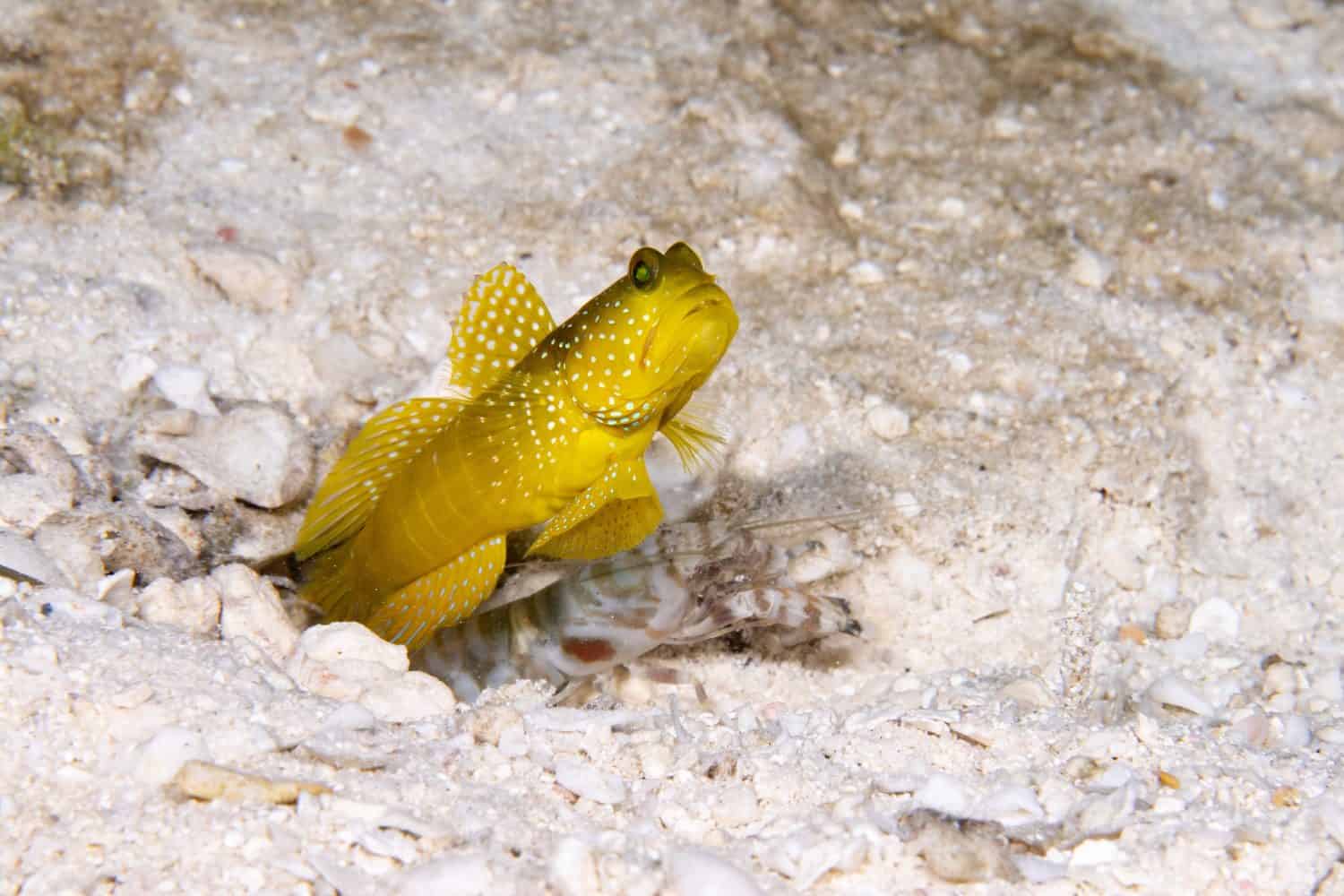
Goby and Shrimp share a house, warn each other of predators, and more.
©John Thorogood/Shutterstock.com
Under the sea near the Bahamas, shrimp are really team players. That’s because they dig burrows in the sand big enough for both them and goby fish. At first glance, it may seem like the goby is taking advantage of the industrious shrimp, but something mutually beneficial behavior is going on; this odd couple works together on several levels. For one, the shrimp’s burrows allow gobies to forage for food with a safe place nearby to quickly escape into when faced with predators.
In turn, the goby will warn its shrimp roommate when it should stay inside because predators are out and about. To make matters grosser, the shrimps will often forgo foraging to dine exclusively on the goby’s waste matter. Not one to deprive its helpful roommate, the goby will then exclusively defecate inside the house so the shrimp has all the food it can eat. It’s a highly codependent relationship, but one that benefits both parties considerably.
Butterflies and Turtles
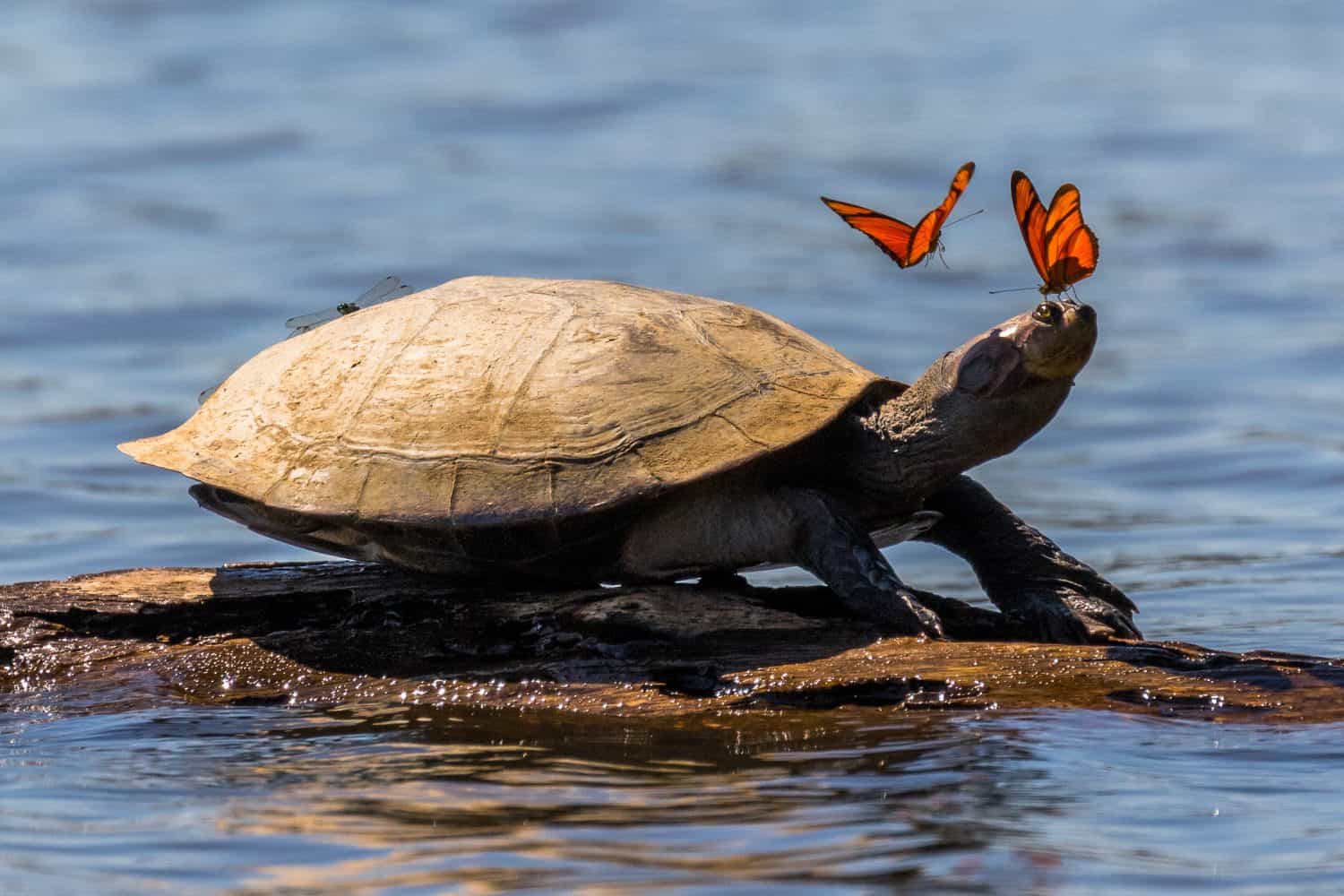
Turtles produce tears to rid their bodies of excess sodium, and butterflies drink it to get said sodium.
©bchyla/Shutterstock.com
Perhaps one of the oddest couples in the natural world is turtles and butterflies. That’s because butterflies drink turtle tears. While this may seem like a very rare behavior, it’s common enough to have a word for it: lachryphagy. This means, simply, “to feed on tears.” It looks unpleasant from a human perspective, but it serves a very important purpose. Turtles, especially freshwater turtles in the Amazon rainforest, produce abundant tears.
This crying sheds excess sodium from their bodies. In turn, butterflies arrive to drink it because they need these nutrients, but can’t get them from meat. Experts also speculate that butterflies get amino acids from the turtle tears.
Ultimately, it’s hard to say if this odd couple works together or if only one party is reaping all the rewards. At most, the turtles are getting something of a spa day every time the butterflies land to drink their tears, and possibly, an exfoliation in the process. Butterflies are also known to drink the tears of other creatures, including crocodiles and other reptiles.
Humans and Dogs

Dogs and Humans don’t seem like an odd couple, but that’s the benefit of hindsight over thousands of years.
©boytsov/Shutterstock.com
You may be asking yourself, What’s so odd about the relationship between dogs and humans? They are man’s best friend after all, and function as surrogate children for many people. They work in our airports, they make life livable for both the indigent, disabled, and able, and serve as the most popular pet on earth. The relationship between dogs and humans may seem utterly normal from a modern perspective, but it took 15,000 years of steady, daily work to transform this relationship from odd and frightening to normal and loving. Even that number, however, doesn’t tell the full story. It’s often trotted out because the first verifiable fossil found that matches the domesticated dog came from at least 20,000 years ago.
The timing likely goes back even farther, as the earliest remains of what could be described as dogs or Paleolithic dogs are dated to 30,000 years ago. Whatever the case, dogs were probably the first species to be domesticated by hunter-gatherers, predating agriculture. They come from wolves, a canine that’s not against killing human beings even in the modern day.
As far as scientists can tell, the modern dog took advantage of hunter-gatherer indifference to become domesticated. It’s likely that wolves ate the scraps outside of human camps without bothering or threatening people too much. Over time, however, this relationship of indifference slowly but surely became an everlasting bond. It helps that wolves function in packs, which requires social cognition, communication, and communal trust.
In time, dogs became utterly necessary companions. They worked the fields, they helped humans hunt, they protected them from bigger, scarier predators, and more. The odd couple of wolves and early humans took serious practice and thousands of years to become the unshakeable bond seen today between people and dogs.