
Quick Take
- Penguin mouths look nothing like what you'd expect from one of nature's cutest animals, and the reason behind it is genuinely unsettling. See the unsettling anatomy →
- Adélie penguins are bold enough to attack something much larger than themselves, and that something is not a predator. Explore their bold behavior →
- Their mouths are built like a trap, and seeing one open is proof that cute animals should not be underestimated. See the trap-like mouth →
- Adélie penguins steal from each other, and they are surprisingly calculating about it. Discover their sneaky habits →
Penguins are some of the cutest animals in nature. Their funny walks and cute faces make them absolutely adorable to look at. They are also pretty funny when interacting with objects they’re not used to, like a camera. This Instagram reel by @oceansnation shows an adélie penguin walking up to a camera and trying to eat it. Read on to learn more about this fascinating penguin species.
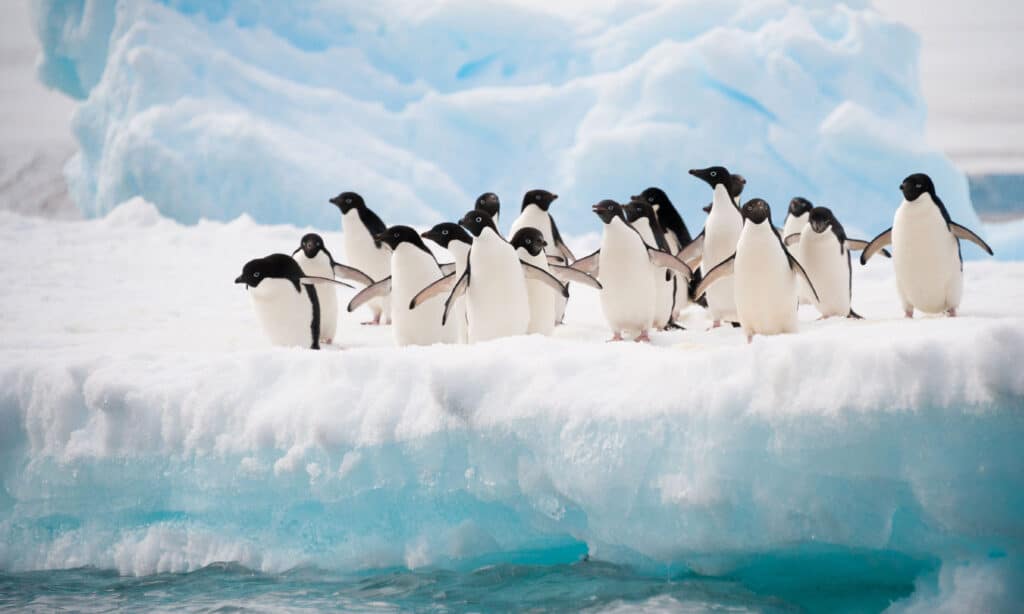
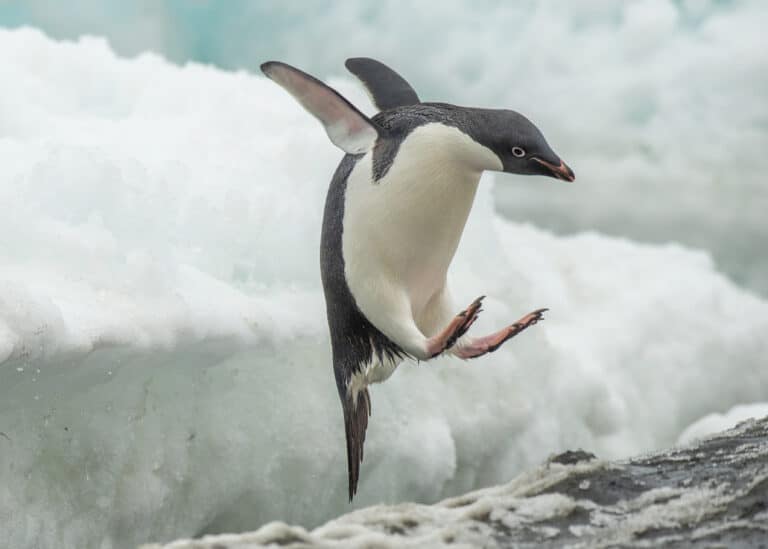
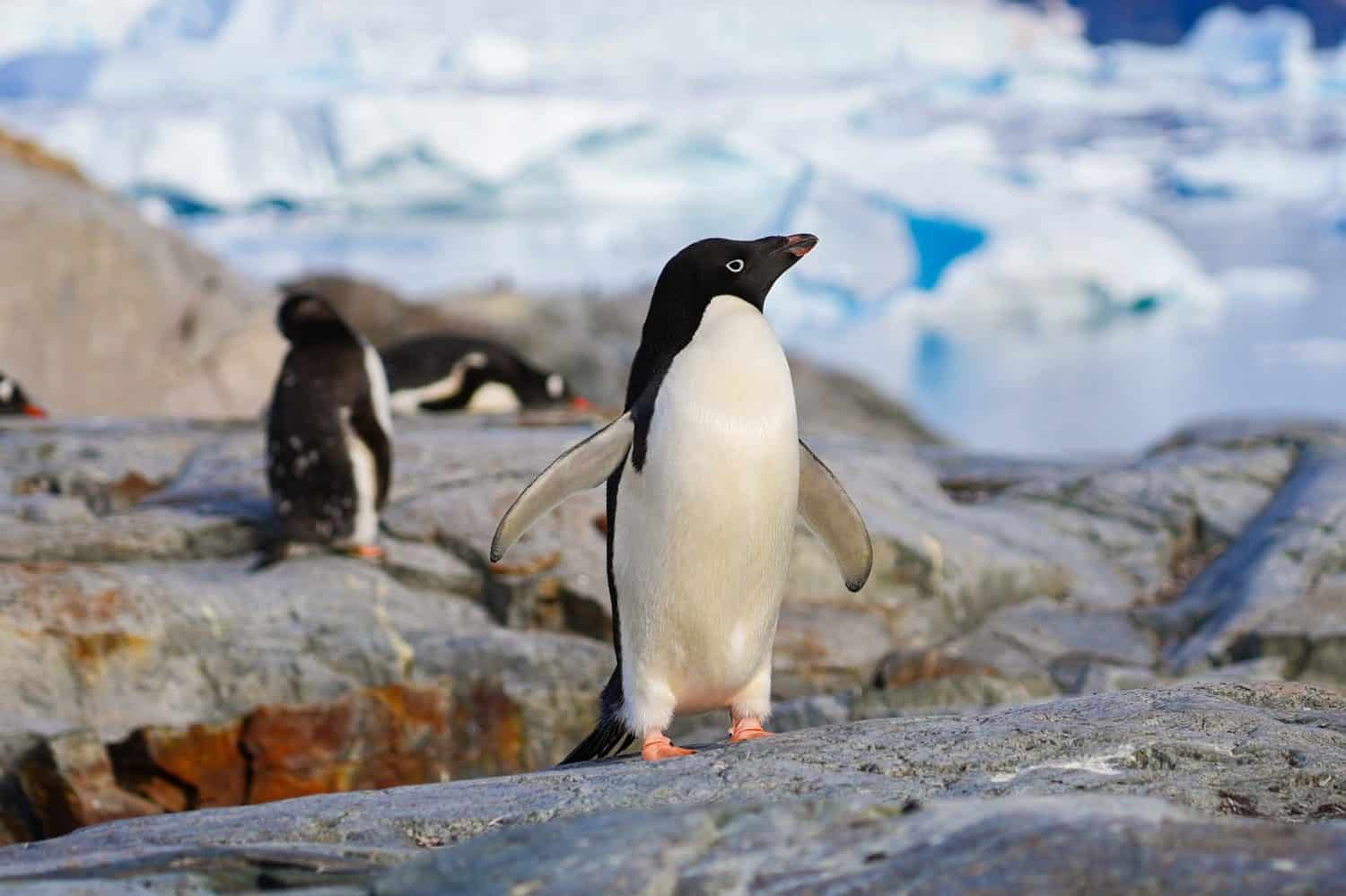
Adélie penguins are one of two species that inhabit Antarctica’s cold climate year-round.
©iStock.com/axily
About Adélie Penguins
Adélie penguins are an adorable species of penguin with an amazing sense of curiosity. As seen in the video above, they are not shy to run up to and interact with unfamiliar objects. This adds to their whimsy and charm. Adélie penguins are native to Antarctica and are found exclusively here as well. They inhabit the rocky coastlines that span nearly the entire continent.
Being among the medium-sized penguin species, they grow to around 70 cm tall and weigh about 3 to 6 kg. In the winter, they can get significantly heavier due to fat reserves that keep them warm. Not only are these penguins extremely curious when approaching cameras and researchers, but they can also be surprisingly aggressive when defending their nests. Given their energetic nature, it is not surprising to see them quarrel with each other, especially when stealing pebbles and nest supplies from neighbors.
Penguin Mouths
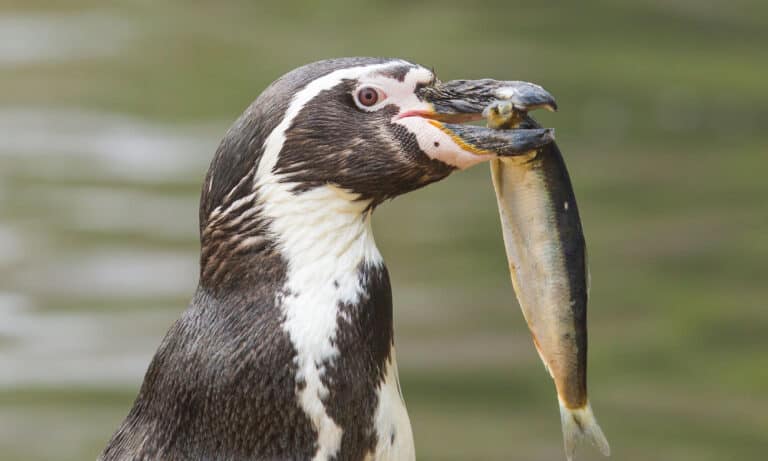
Penguins’ mouths are a bit terrifying when you compare them to their cute faces. Instead of teeth, penguins have backward-facing keratin spines, or papillae. These spines cover their tongues, the roofs of their mouths, and even their throats. Papillae help to grip onto slippery prey like fish and prevent them from escaping. When the penguin in the video above opens its mouth, it gives a pretty clear view of this trap-like biology. While scary to look at, this adaptation allows penguins to feed on krill, squid, and small fish with great effectiveness.