
What started off as a regular biology field trip for a teacher and his class has ended up with a significant biological discovery worthy of a submission to a scientific journal. In September 2025, a Tri-C biology class made an extraordinary discovery at the Chagrin River in Cleveland, Ohio. Read on to discover what they found.
Crayfish in the Chagrin River
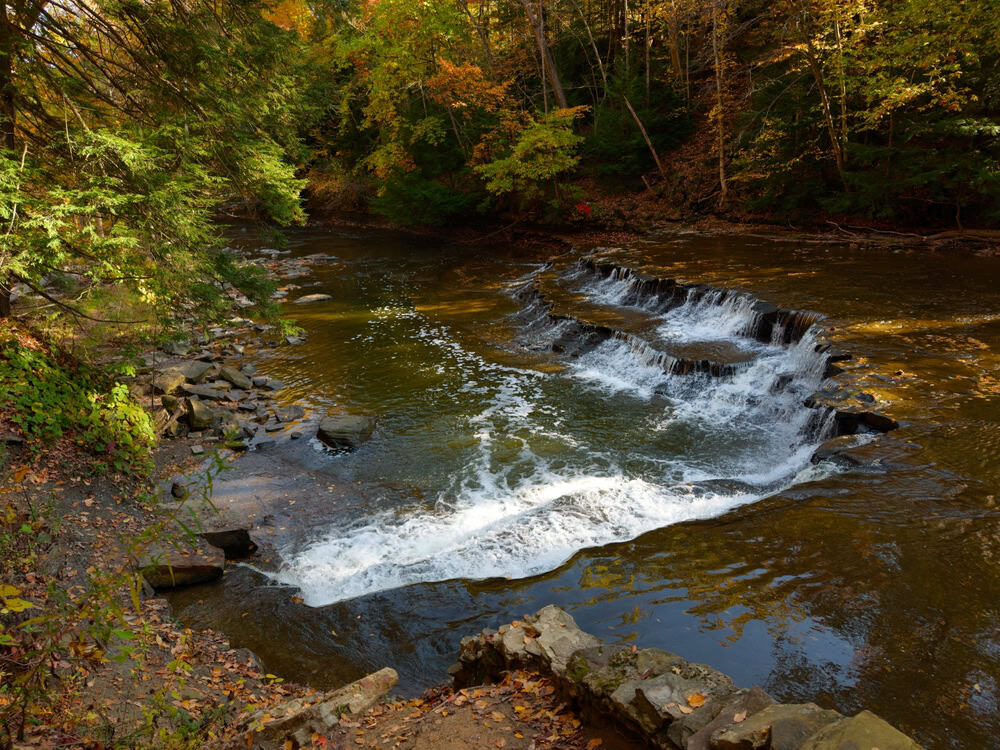
The Chagrin River is home to many crayfish.
©Kenneth Sponsler/Shutterstock.com
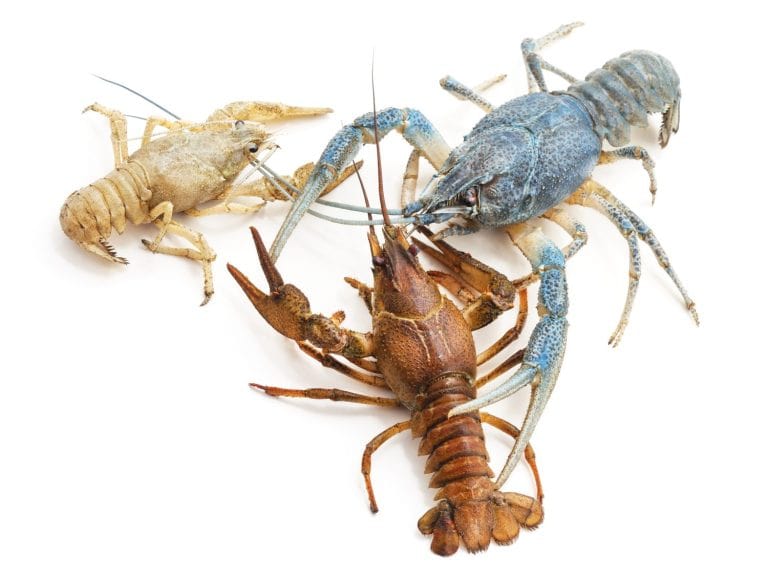
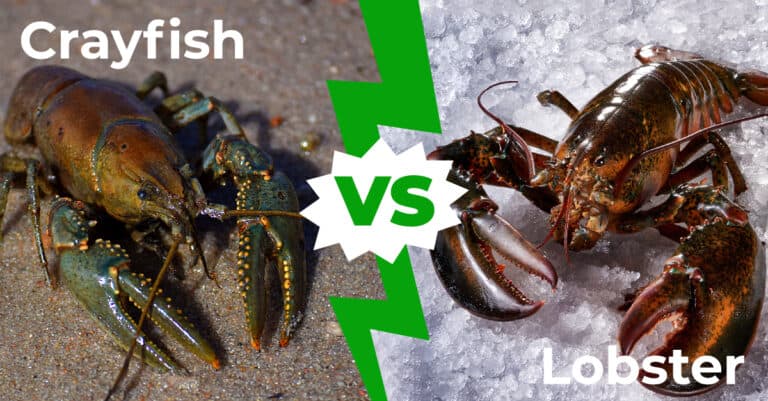
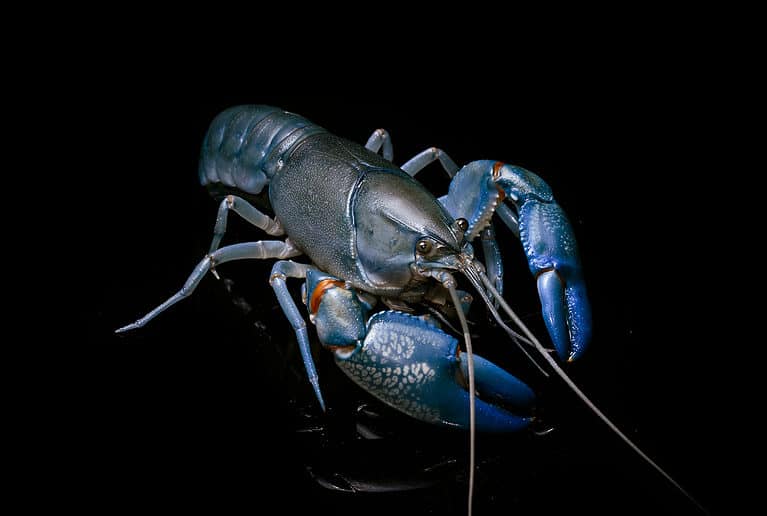
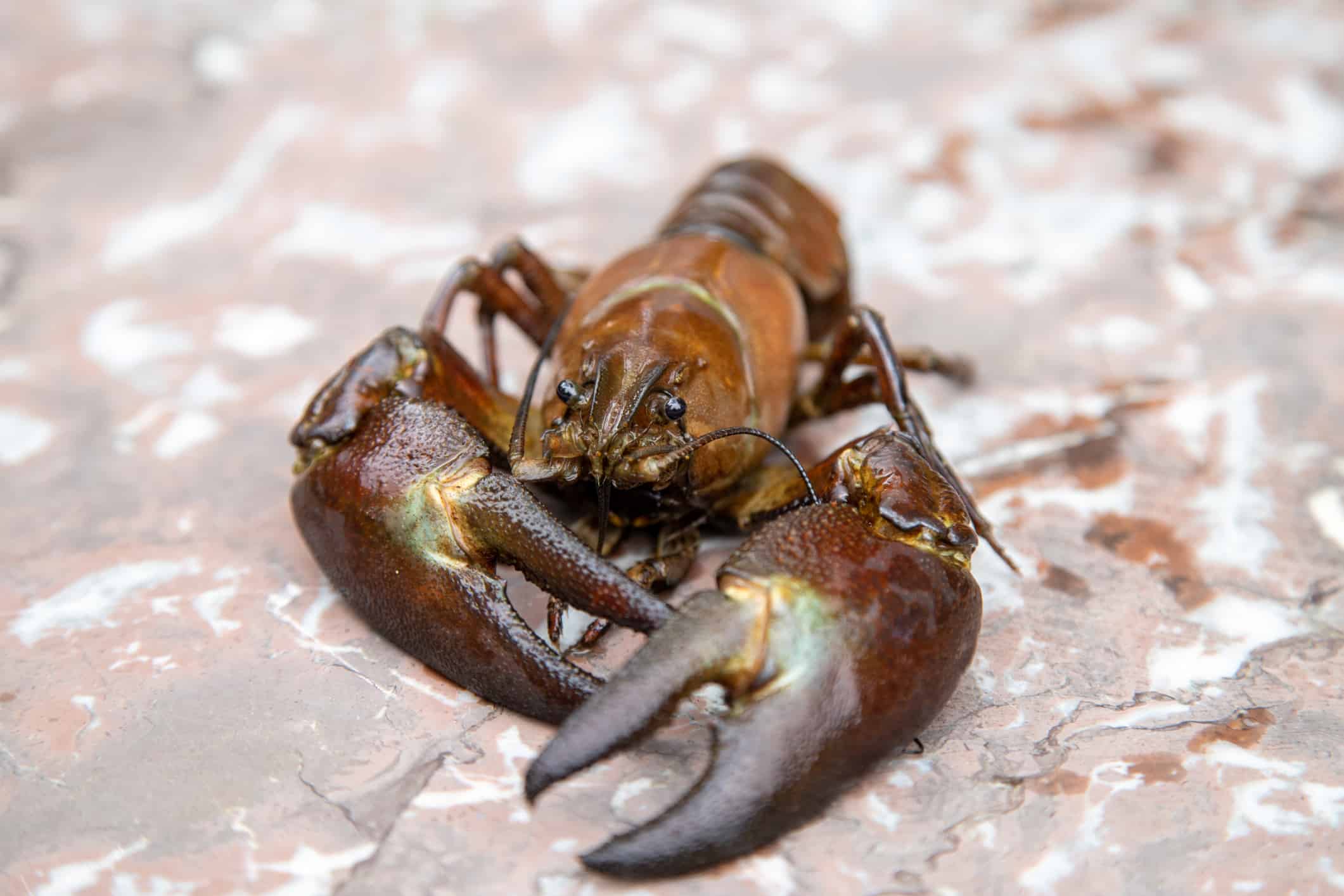
The waters in Cleveland are home to dozens of species of crayfish. These are a type of crustacean in the Decapoda order. They resemble lobsters, have 10 legs and a pair of pincers (chelipeds), and can only survive in clean, unpolluted freshwater. Crayfish feed on just about anything they can find, including detritus and insects. Crayfish can range in color from dark brown to blue-green, with color variations within a species often caused by genetic differences. Finding a crayfish in the Chagrin River is not remarkable. These students were expecting to find them along with flatworms and insect larvae.
An Extraordinary Find
In an interview with Cleveland.com News, teacher Sean Williams described how student Maykala Hooper moved a rock about the size of a table and discovered a crayfish hiding underneath. Once revealed, it was obvious that the crayfish was half brown and half orange, with a distinct line dividing the two colors down the middle. This phenomenon is known as bilateral color variation. While it has been observed in other animals, such as lobsters, it remains rare.
The crayfish was later examined by Zackary Graham, an assistant biology professor and crayfish expert at West Liberty University in West Virginia. Graham knows of fewer than ten reports of this type of bi-colored crayfish. The first was documented in Germany in 1666, while the others have been found in Australia or the United States. In the article, Williams explains, “The mutation was caused by two rare occurrences, the first being a developmental anomaly where the egg cell had two nuclei instead of one. That would mean it had two sets of genes, and each was fertilized by a different sperm cell. Following that, within one of those sets of genes, a rare color mutation occurred.” This is a field trip these students will never forget!