
Pheasants can be found in the majority of states across the nation. These birds have been a part of hunting culture for generations. Pheasants have become so integrated into American hunting culture that many people mistakenly believe they are native to the United States.
As it turns out, the colorful birds were brought to the U.S. intentionally to be game birds. While the early attempts to transport pheasants to the country were not entirely successful, by the 1880s, the pheasant population had taken hold. By the 1890s, a cultural history of pheasant hunting in America had begun, and hunters have not looked back since.
The Origins of Pheasant Hunting
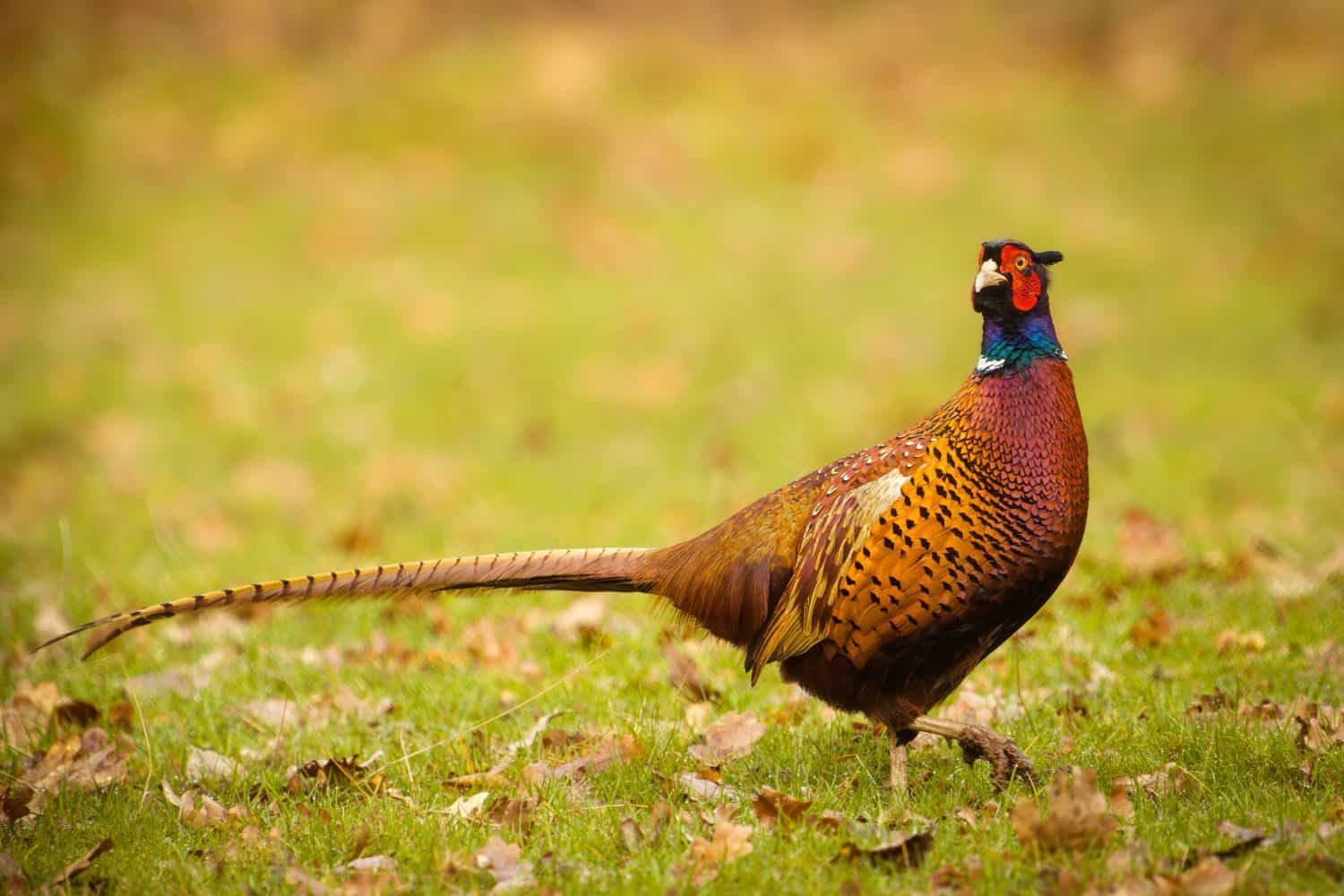
Pheasant hunting began in China during the Tang Dynasty.
©Wirestock Creators/Shutterstock.com
Pheasant hunting in the United States is relatively new compared to when the sport first began. This is because the United Compared to its ancient origins, pheasant hunting is a relatively recent tradition in the United States, where it has existed for only a couple of centuries rather than thousands of years.
Pheasants are beautiful birds, male or female. While females do not have the striking dark green and red feathers on their heads like male pheasants, both sexes are attractive birds that hunters seek.
The sport of hunting pheasants started in China. During the Tang Dynasty (from 618 to 907 AD), pheasant hunting was an activity that was reserved for the wealthiest and most noble in society. Instead of using dogs, which is common today, the Chinese would use falcons to help them hunt pheasants. Between the falcons locating and striking the pheasants, falconers ensuring the birds returned after the hunt, and the use of horseback riding, a great deal of technical skill was involved in hunting.
In addition to using falcons, hunters began to include things like nets and decoys to entice the falcons to come to one spot, according to On the Outside.co, where they would then be flushed out as part of the hunt. Without the weapons or gear available today, those who hunted pheasants had much to boast about if they returned home with a trophy.
How Pheasant Hunting Came to America
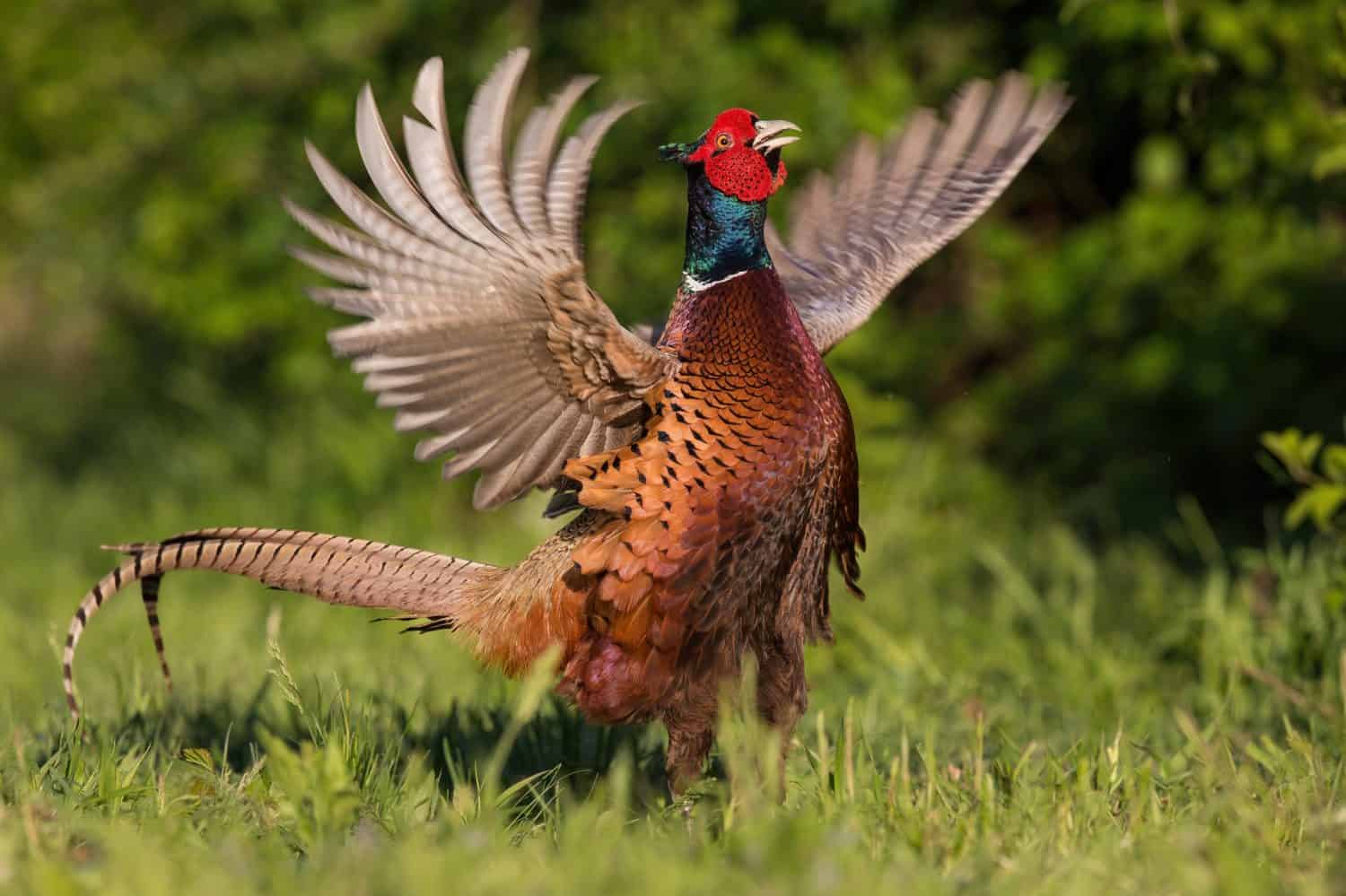
Pheasants were brought to the United States in 1773, but did not propagate until the 1880s.
©Wild Carpathians/Shutterstock.com
The history of pheasants in the United States may not be as long-lived as it is in Europe or China, but the birds have been a part of the culture of the nation for over 200 years. Pheasants were first brought to the U.S. in 1773. The breed of pheasants, the Old English Blackneck, did not prove to be strong enough to survive the winters in New York or New Jersey. Consequently, these pheasants were not able to propagate and increase the population of these birds.
It was not until the Chinese Ringneck was introduced to the Willamette Valley in Oregon in 1881 that some progress was made in securing a permanent home for pheasants. Brought to the state by Owen Denny from Shanghai, the birds survived the ocean crossing from China to Washington. But, according to HistoryLink.org, during the drive from Washington to Oregon, many birds were lost. Those who lived were released near the Columbia River.
Over the next several years, more birds were brought to the U.S. and released in the Willamette Valley, where they began to flourish. By the time the first pheasant hunting season opened in 1892, 50,000 pheasants were successfully bagged on the first day.
Given how well the pheasants did in Oregon in the 1880s and how quickly they spread into Washington less than a decade later, attempts were made to introduce pheasants to other states in the U.S. This proved to be so successful that North Dakota eventually made the pheasant its state bird, given the millions of pheasants that have called and continue to call the state home.
Why Pheasant Hunting Became a Celebrated Tradition
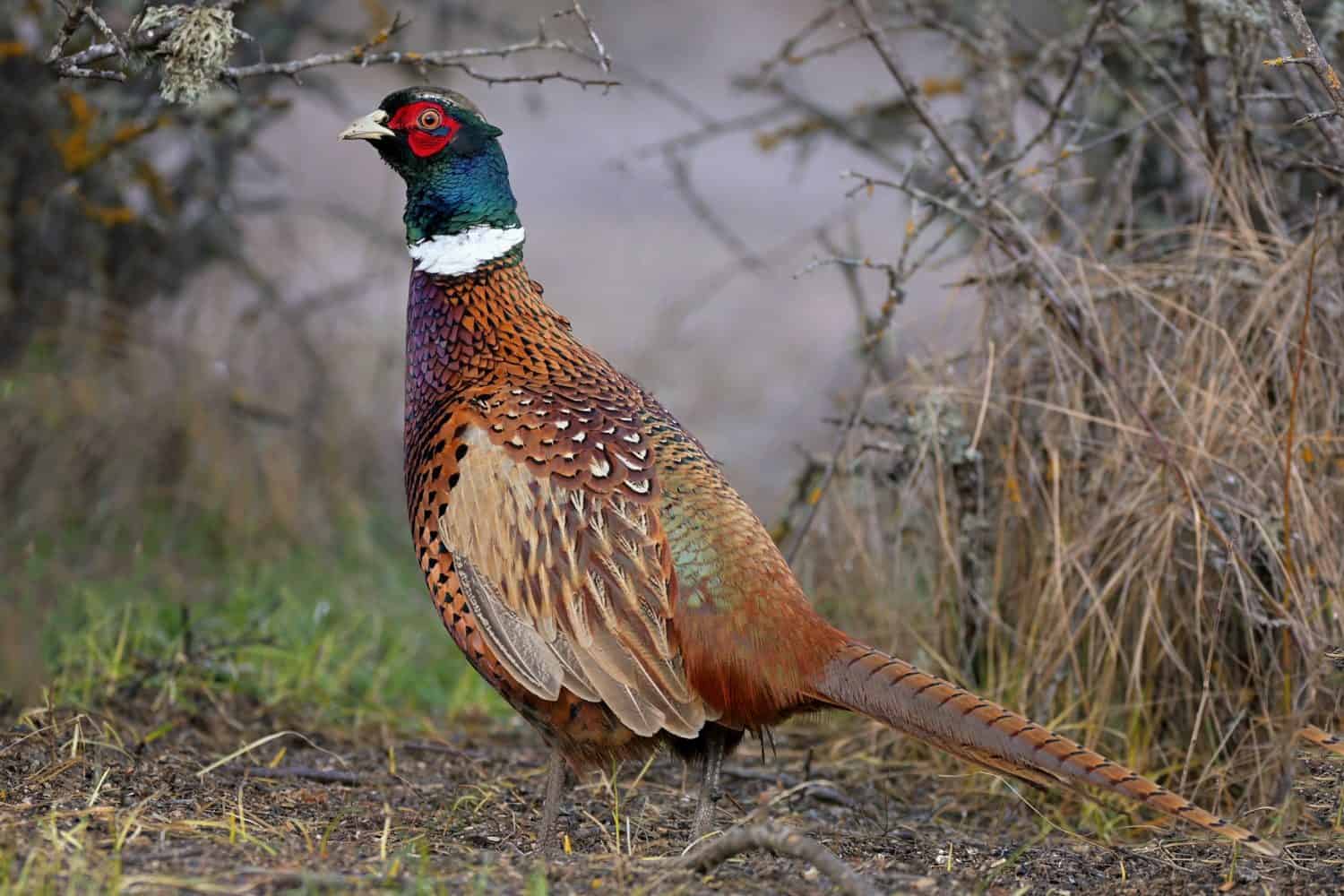
Pheasant hunting has been a celebrated tradition since Ancient China.
©WildlifeWorld/Shutterstock.com
Pheasant hunting became a celebrated tradition centuries ago. When the birds were hunted initially in China during the Tang Dynasty, it was the aristocrats and elite who were allowed to participate. Those who successfully hunted and brought home a pheasant or two were seen to have the utmost hunting prowess.
As pheasant hunting was introduced to Europe during the Medieval period, it was again the elite and royals who participated in the hunt. Although only the upper echelon was permitted to participate, bonds were formed between the men who hunted pheasants. This bond created a tradition that continued for generations.
When pheasant hunting was brought to the United States, it was no longer just the rich who were able to hunt the birds. Game hunters who liked the thrill of the hunt came out in droves. Multigenerational hunters worked together to successfully bring home a pheasant. Bonds were formed in wetlands, brushy fields, and grasslands that could not be matched. This is why, 150 years later, pheasant hunting remains a popular tradition in many regions.
How Pheasant Hunting Has Evolved
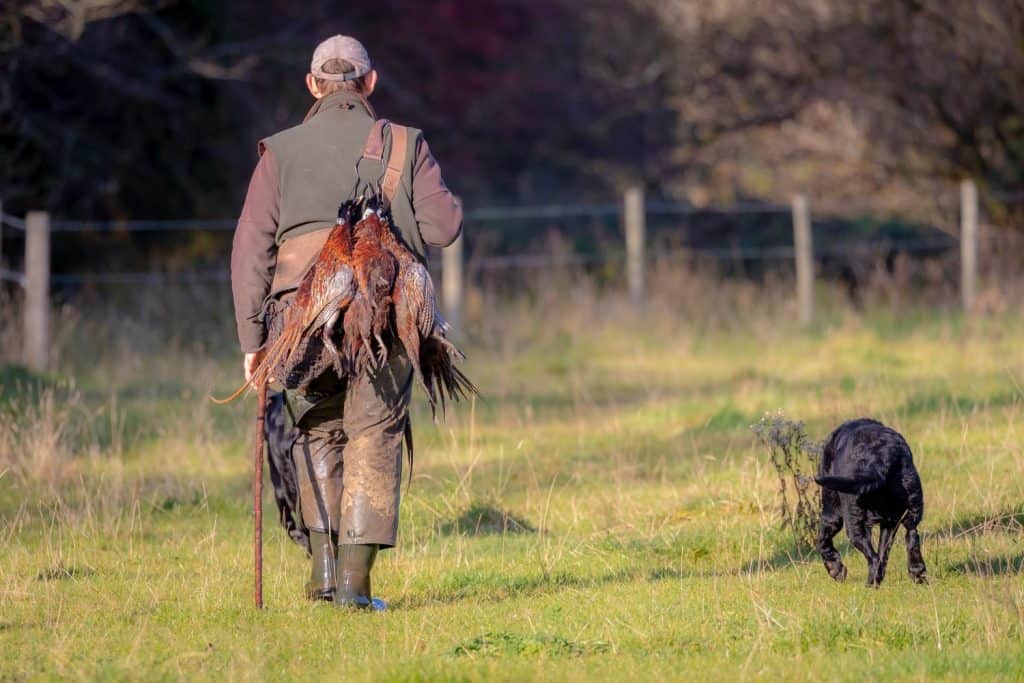
Pheasant hunting has changed and become more sophisticated to keep up with the wily nature of the birds.
©Dale Towers/Shutterstock.com
Pheasants have evolved since they were first brought to the United States in the 1800s. Now, every sound, dog bark, and similar disturbance is a cause for alarm for pheasants. Therefore, the colorful birds are harder to hunt than ever.
While shotguns have become more effective and ammunition has become non-toxic for the environment, there are still recommendations for hunters to have the best chance at having a successful day of hunting. Some recommendations for pheasant hunters today that are quite different than the early days of yelling and screaming to scare the birds or driving vehicles into hunting grounds include:
- Wear camouflage
- Use signals versus talking
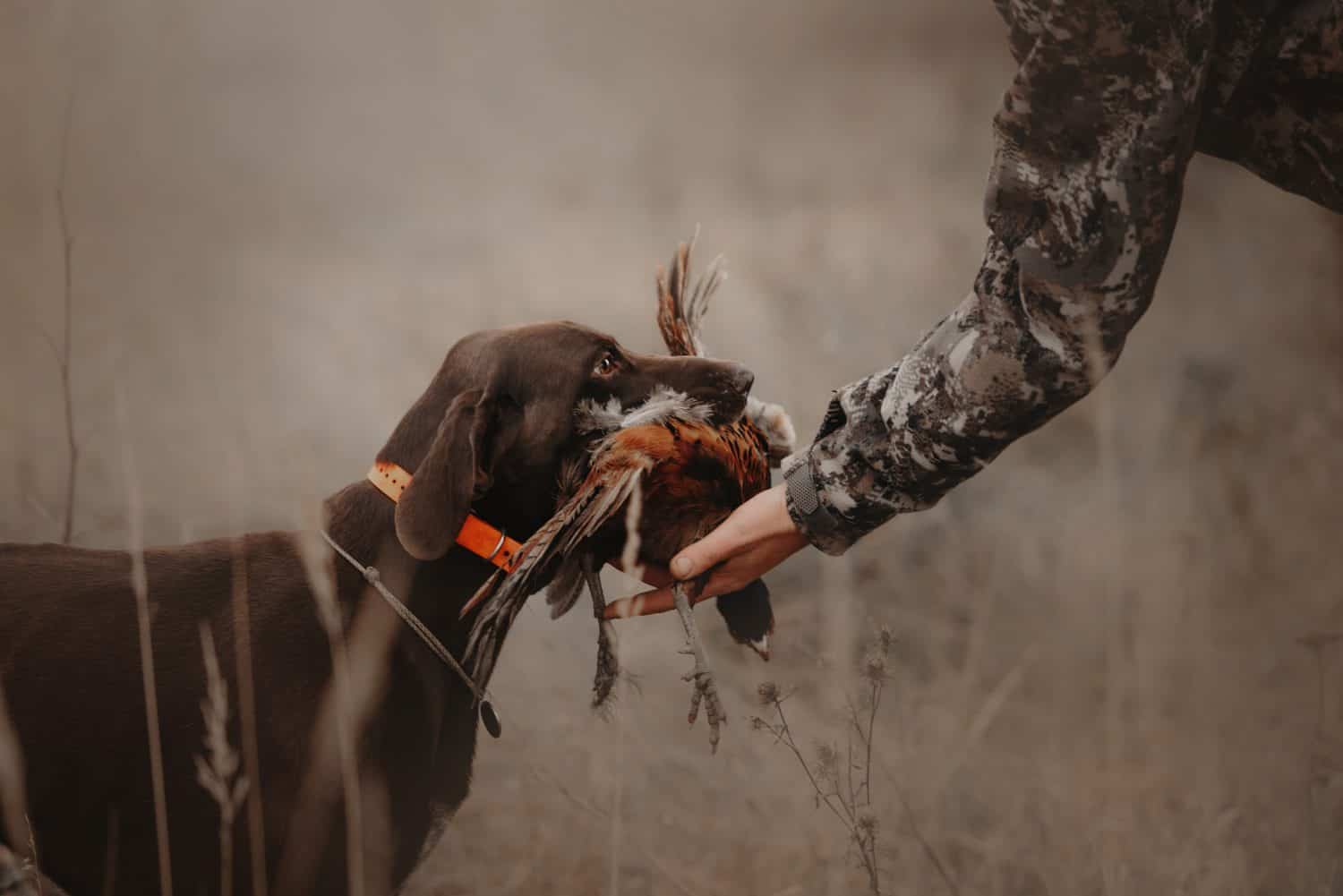
- Only bring dogs who can remain quiet on the hunt
- Walk into hunting sites rather than driving in
- More seasoned hunters should do the rooting if marksmanship is no longer their forte
At the end of the day, pheasant hunting is not an easy sport. This is why so many generations have participated in it. However, it is only because of conservation efforts that pheasant hunting remains alive and well today.
Conservation Efforts Have Turned Pheasant Hunting Into a Sustainable Practice
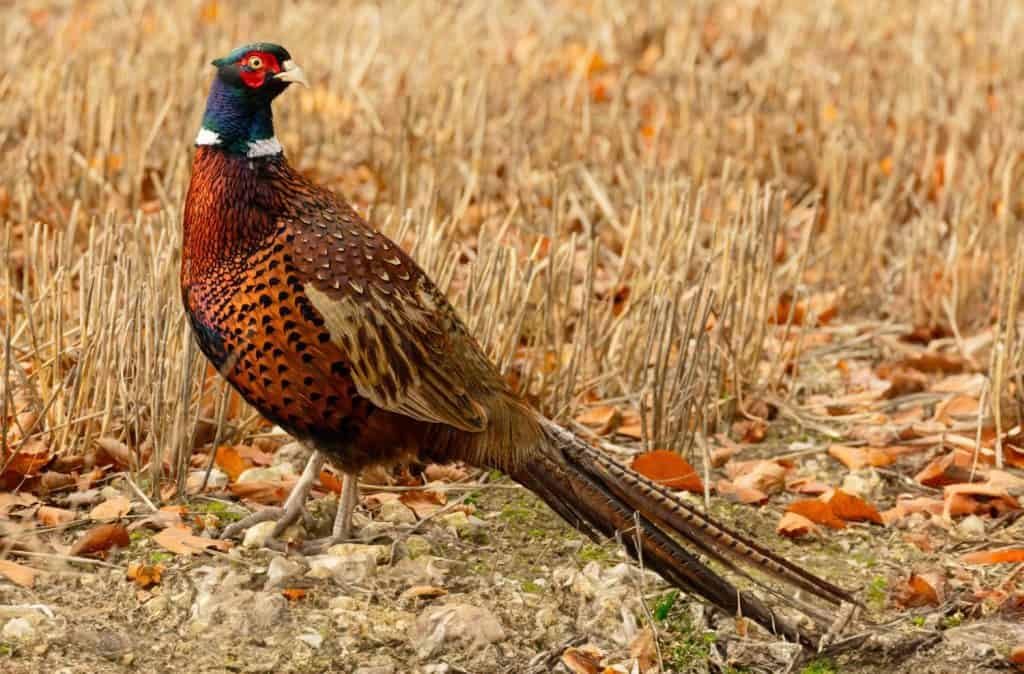
To ensure pheasant hunting is available for future generations, regulations and sustainable practices are in place.
©Serenity Images23/Shutterstock.com
With pheasant hunting remaining a popular sport today, sustainable practices have been implemented to prevent harm to pheasant populations. Consequently, each state has its own regulations regarding when, where, and how many pheasants can be taken each hunting season.
There are 30 states that offer pheasant hunting during the year. The states, how they rank, and the tier for pheasant hunting (best opportunities for hunting) are as follows:
| State Where Pheasant Hunting Is Allowed | Ranking Of State For Pheasant Hunting | Tier Ranking For Hunting |
| South Dakota | 1 | Top Tier |
| North Dakota | 2 | Top Tier |
| Kansas | 3 | Top Tier |
| Nebraska | 4 | Top Tier |
| Iowa | 5 | Top Tier |
| Minnesota | 6 | Second Tier |
| Montana | 7 | Second Tier |
| Colorado | 8 | Second Tier |
| Wisconsin | 9 | Second Tier |
| Illinois | 10 | Second Tier |
| Ohio | 11 | Third Tier |
| Pennsylvania | 12 | Third Tier |
| Michigan | 13 | Third Tier |
| Indiana | 14 | Third Tier |
| California | 15 | Third Tier |
| Washington | 16 | Third Tier |
| Oregon | 17 | Third Tier |
| Idaho | 18 | Third Tier |
| Wyoming | 19 | Third Tier |
| Missouri | 20 | Third Tier |
| New York | 21 | Fourth Tier |
| New Jersey | 22 | Fourth Tier |
| Maryland | 23 | Fourth Tier |
| Utah | 24 | Fourth Tier |
| Nevada | 25 | Fourth Tier |
| Texas | 26 | Fourth Tier |
| Oklahoma | 27 | Fourth Tier |
| Arizona | 28 | Fourth Tier |
| South Carolina | 29 | Fourth Tier |
| Virginia | 30 | Fourth Tier |
The further down the tier, the fewer opportunities there are for good hunting. However, all of these states have a pheasant season, and for many, just being able to participate is most of the fun.
While these rankings provide a general overview, it is important to check each state’s specific laws regarding daily and seasonal limits on pheasant hunting, including which sex of pheasant may be hunted. By following regulations, the pheasant population can continue to thrive in the United States, rather than becoming depleted. This will ensure the time-honored tradition of pheasant hunting can continue for generations to come.