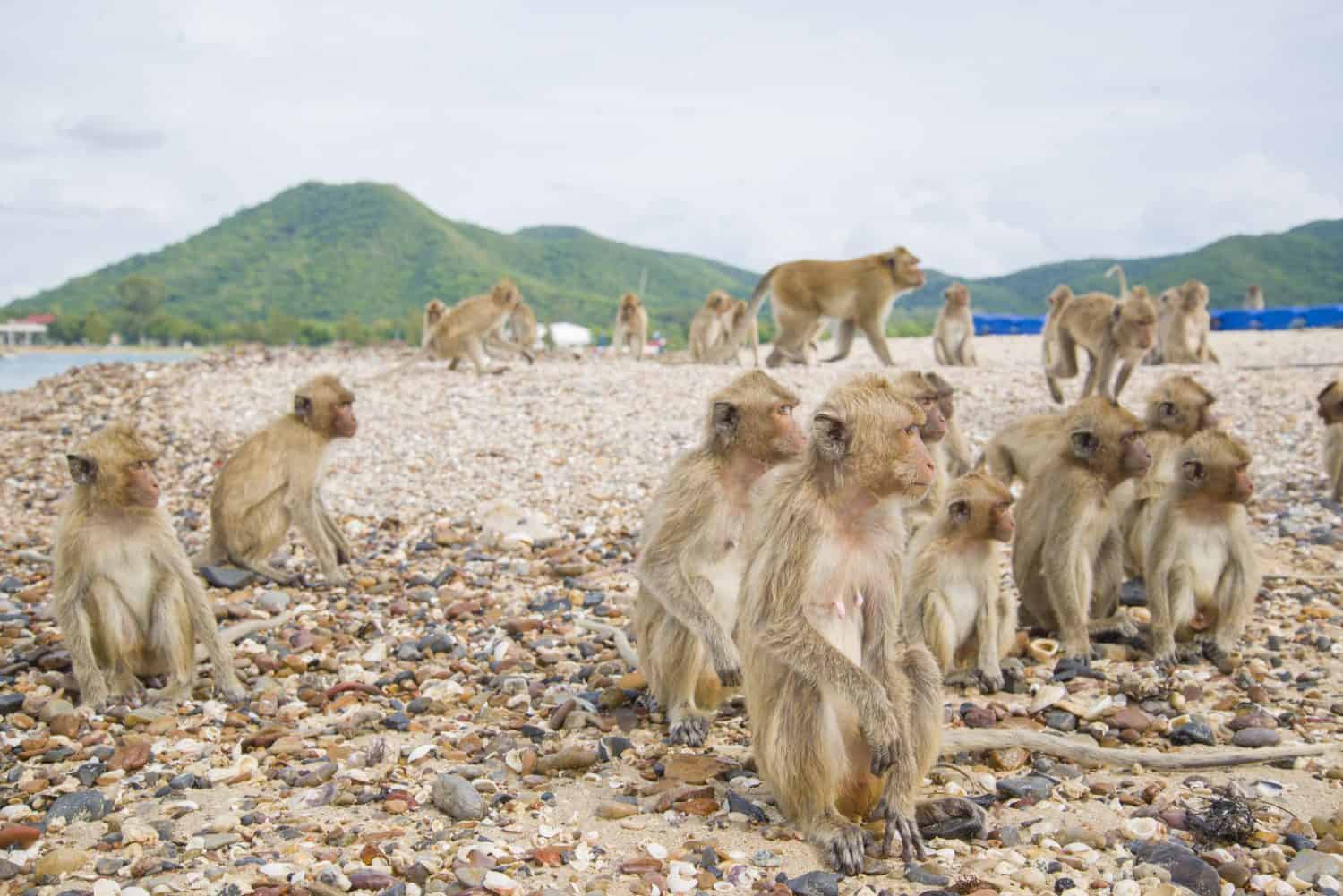

Morgan Island sits just several miles off the coast of South Carolina. From the water, it looks pretty nondescript. It has the same unassuming appearance as many of the marshlike sea islands that dot the South Carolina coast. However, there is something special about Morgan Island that makes it different from its neighbors: it’s home to a monkey colony. Indeed, the island, comprising nearly 5,000 acres, features one of the largest managed monkey colonies in the contiguous United States. The story behind the formation of this monkey colony is, by turns, surprising, disturbing, and utterly fascinating.
There are animal sanctuaries all across North America. Some even have animals from faraway exotic places, but all of them roughly share space with human beings. All of them except Morgan Island, which is quite literally run by monkeys. Wildlife officials and researchers occasionally visit the island to check up on the burgeoning monkey population. The rest of the time, the island is in the hands of monkeys. Wild and relatively secluded, Morgan Island contains a little-known story in American history. A blend of a prison colony, animal sanctuary, and Three Mile Island, Morgan Island is one of the most prominent monkey islands in North America. Let’s learn more about this obscure island, its primate population, and how such an anomaly came to be.
Where Is Morgan Island?
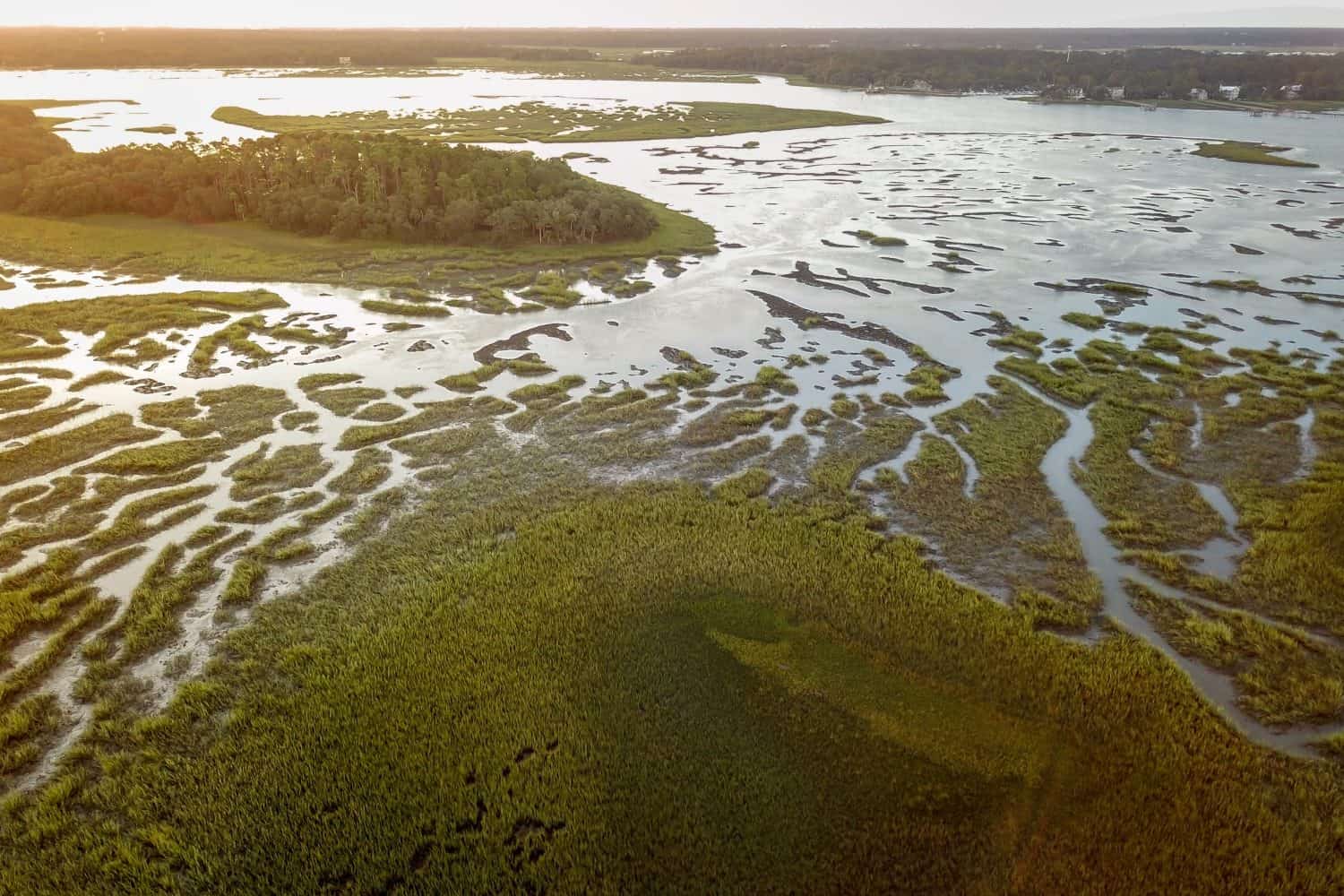
The island sits about 15 miles southeast of Beaufort, South Carolina.
©Evan Austen/Shutterstock.com
Morgan Island sits about two and a half miles east of St. Helena Island, which itself is connected to the South Carolina mainland by various bridges. More specifically, Morgan Island is about 15 miles southeast of the city of Beaufort. It may be pretty close to the mainland, but it’s hidden within the maze of rivers and salt marshes that comprise South Carolina’s Lowcountry. It is not fully in the ocean, nor fully on the mainland. Morgan Island exists as an almost liminal space between water and land. It takes about 15–20 minutes to get there by boat from neighboring St. Helena Island.
History of the Area
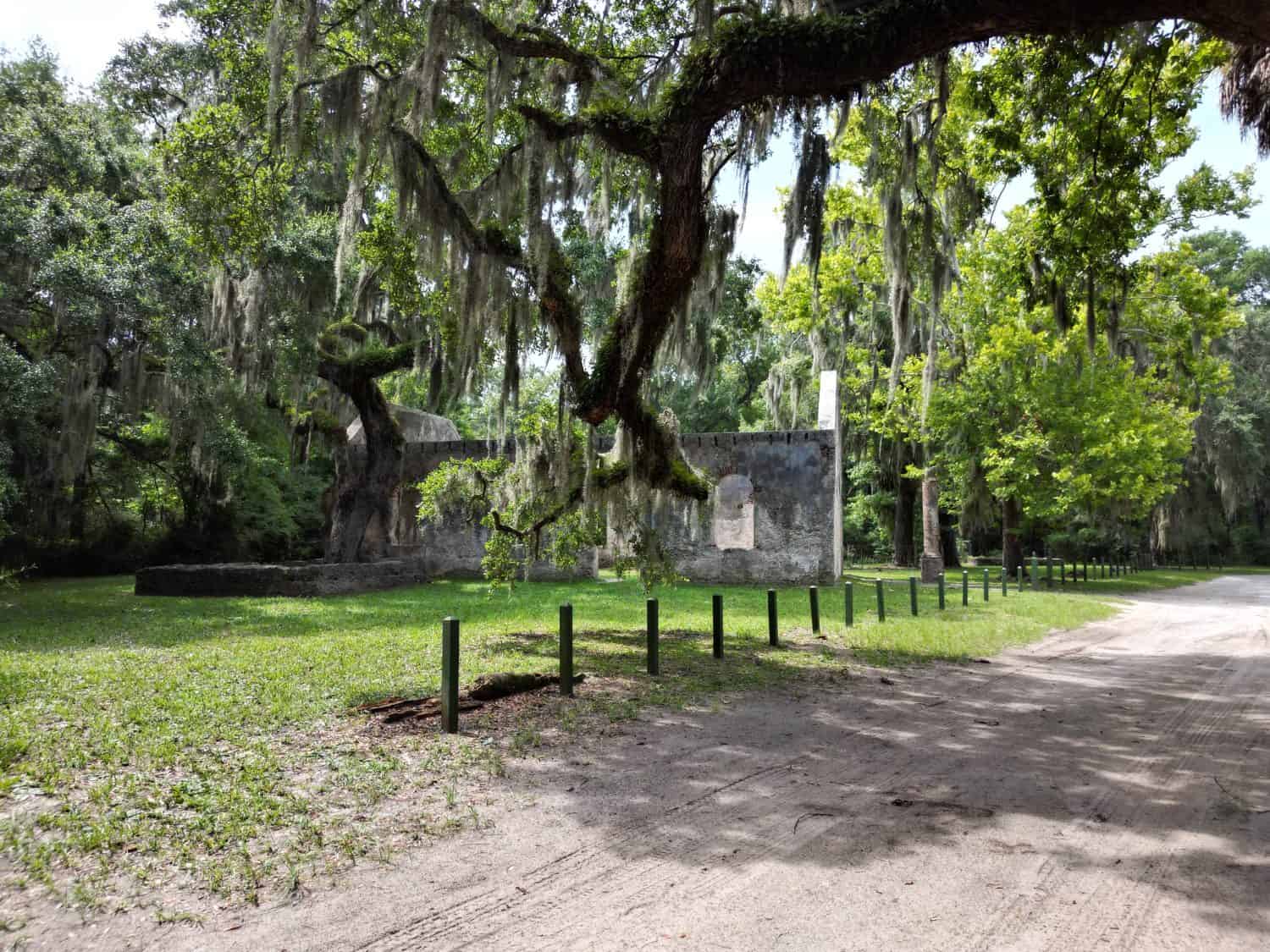
Neighboring St. Helena Island is home to the unique Gullah Culture. It also featured in several wars, including the War of 1812 and the American Civil War.
©WhiteHotRanch/Shutterstock.com
St. Helena Island is the one that gets featured in all the history books. It was a place of importance for Indigenous people dating back to at least 1400 AD. However, the island was likely ‘discovered’ by the Spanish explorer Lucas Vázquez de Ayllón around 1520. Over the following centuries, St. Helena Island passed between different countries and appeared in several wars. First, the French took it, then the British occupied it until the American Revolution.
During the War of 1812, the British staged some boats there. Due to its similarity to rice-growing regions of West Africa, it eventually became an important center for agriculture and slavery. St. Helena Island hosted various plantations with slaves growing crops including rice, indigo, cotton, and spices. Due to its relative isolation from the mainland, the island developed the distinct Gullah culture. It was even involved in several notable battles during the American Civil War, including Fort Sumter and the Battle of Port Royal.
Neighboring Morgan Island, however, hardly made the headlines. It’s not so different from St. Helena Island. Morgan Island is also comprised of maritime forests and tidal creeks. It was never developed enough to attract significant human settlement or exploitation. However, all that changed in the 1970s when escaped research monkeys started causing problems on the island of Puerto Rico.
The Colony Begins
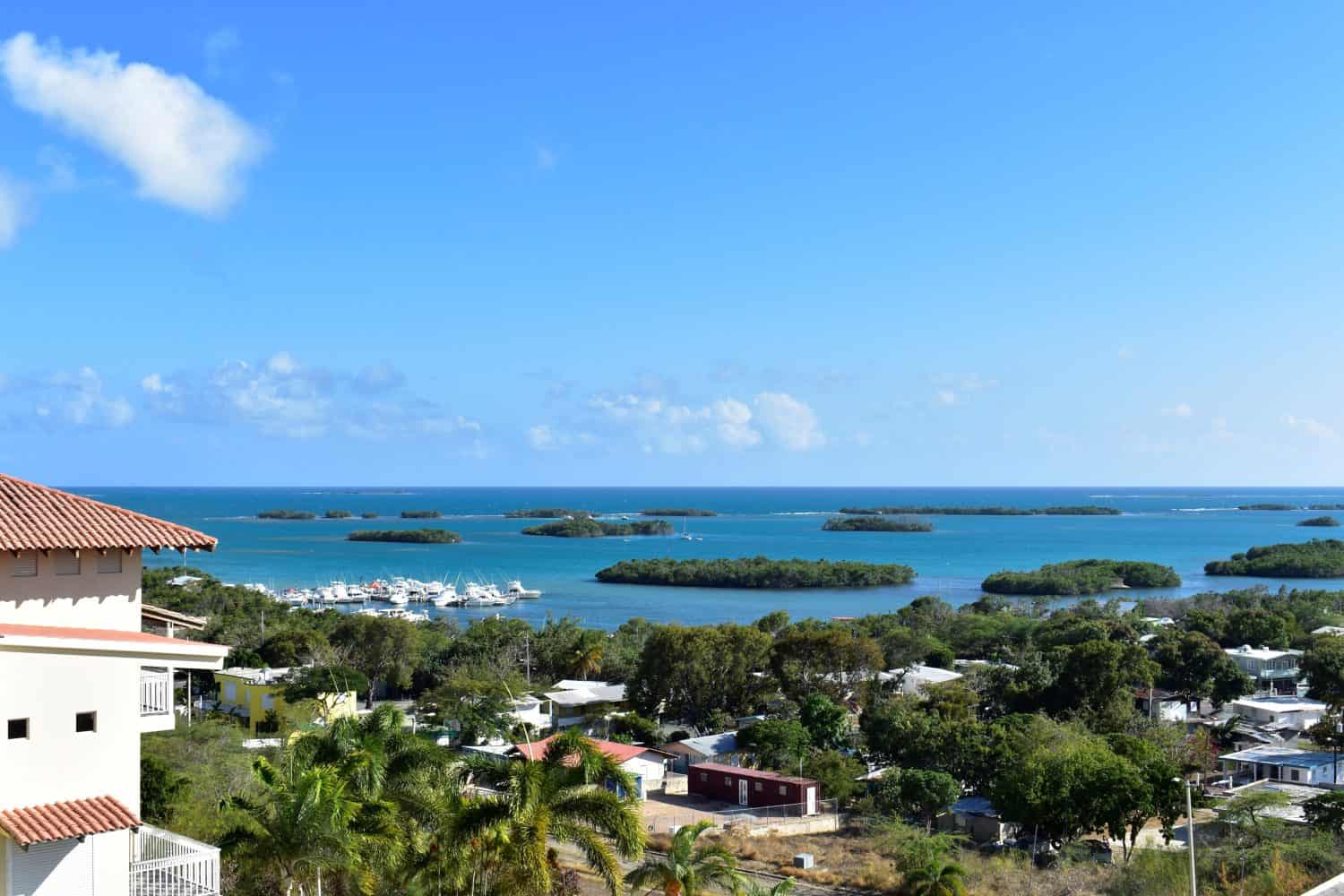
The Morgan Island monkeys once lived in Puerto Rico, but herpes-infected individuals were causing outbreaks in the local population.
©Pat Marais/Shutterstock.com
The monkeys that now call Morgan Island home once lived at the Caribbean Primate Research Center in La Parguera, Puerto Rico. It seems that those monkeys were causing problems for the residents of the island. According to the Centers for Disease Control and Prevention, at least several monkeys carrying viral herpes B infections escaped the facility. This led to outbreaks of the infection in the local population. Concerned about the growing problem, Puerto Rican officials sought help. South Carolina answered, offering to host the monkeys on an island off its shore where they couldn’t so easily escape.
The Palmetto State made good on its promise. It welcomed 1,400 Rhesus macaque monkeys to the island between 1979 and 1980. The operation, in part, occurred under the joint oversight of the South Carolina Department of Natural Resources (SCDNR) and the National Institute of Allergy and Infectious Diseases (NIAID). Initially, the island was part of a polio-vaccine certification program. Over time, however, the focus has shifted towards supplying primates for biomedical research purposes. While this has allowed the monkeys to basically run free on Morgan Island, it has also resulted in some disturbing allegations.
Back to Eden
The monkeys seem to have fully adapted to the habitat that Morgan Island offers.
©Storm Is Me/Shutterstock.com
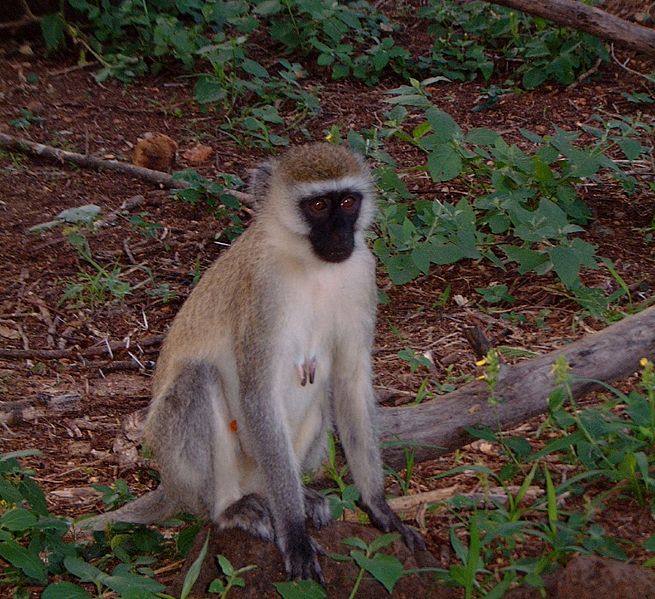
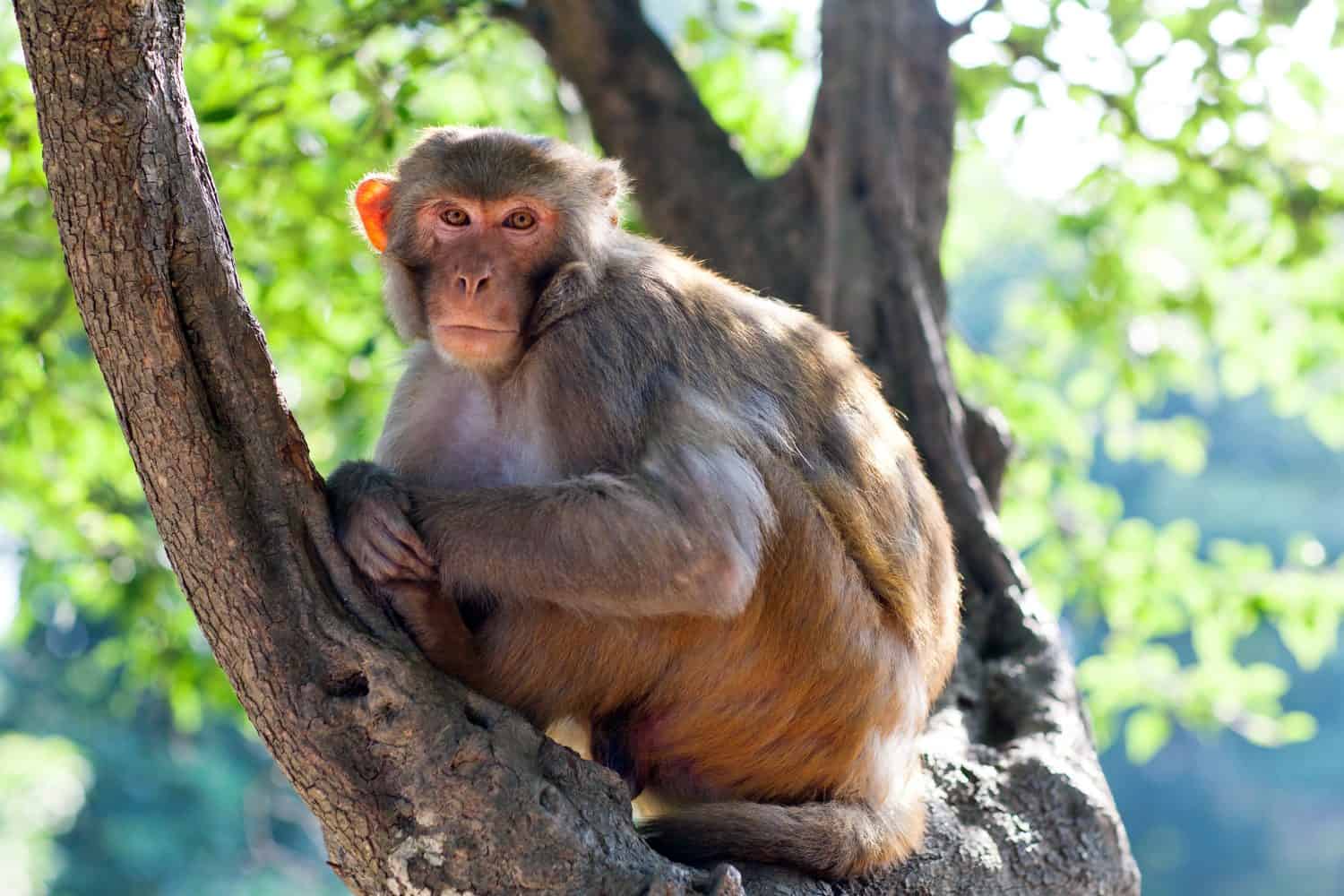
Since they arrived on the island in the late 1970s, the Rhesus macaque population has grown to at least 3,000 individuals, and maybe even 4,000. The hands-off approach and restricted entry by humans to the island have allowed these monkeys to revert to a relatively natural state. The monkeys, now classified as the species Macaca mulatta, can move about the land as they please. They forage in the forests and marshes and have established classic social hierarchies. No one is quite sure how long they can keep growing on the island since it’s not a natural habitat. The native plant species are bound to incur some damage from this invasive species of monkeys. In the meantime, however, the monkeys seem to enjoy their own slice of paradise.
As reported a decade ago in the Charleston Post and Courier, the monkeys have reverted to a natural state. A reporter who witnessed the island attested to this fact. They said, “The monkeys emerge from a primeval Eden of live oaks, families grappling down the branches, ‘troops’ strutting in the underbrush like little lions, mothers carrying yearlings on their backs. In the mist and rain, eerie as ghosts, they surround a human visitor. They whistle like birds and screech and hiss with a sharp intake of breath. Their eyes stare with intelligence and curiosity.”
It seems like heaven for these monkeys. There is trouble in paradise, however, as a recent monkey escape in South Carolina cast an unfavorable light on the Morgan Island Monkey Colony. The situation has led to allegations of abuse, exploitation, neglect, and shadowy government oversight.
The Monkey’s Paw
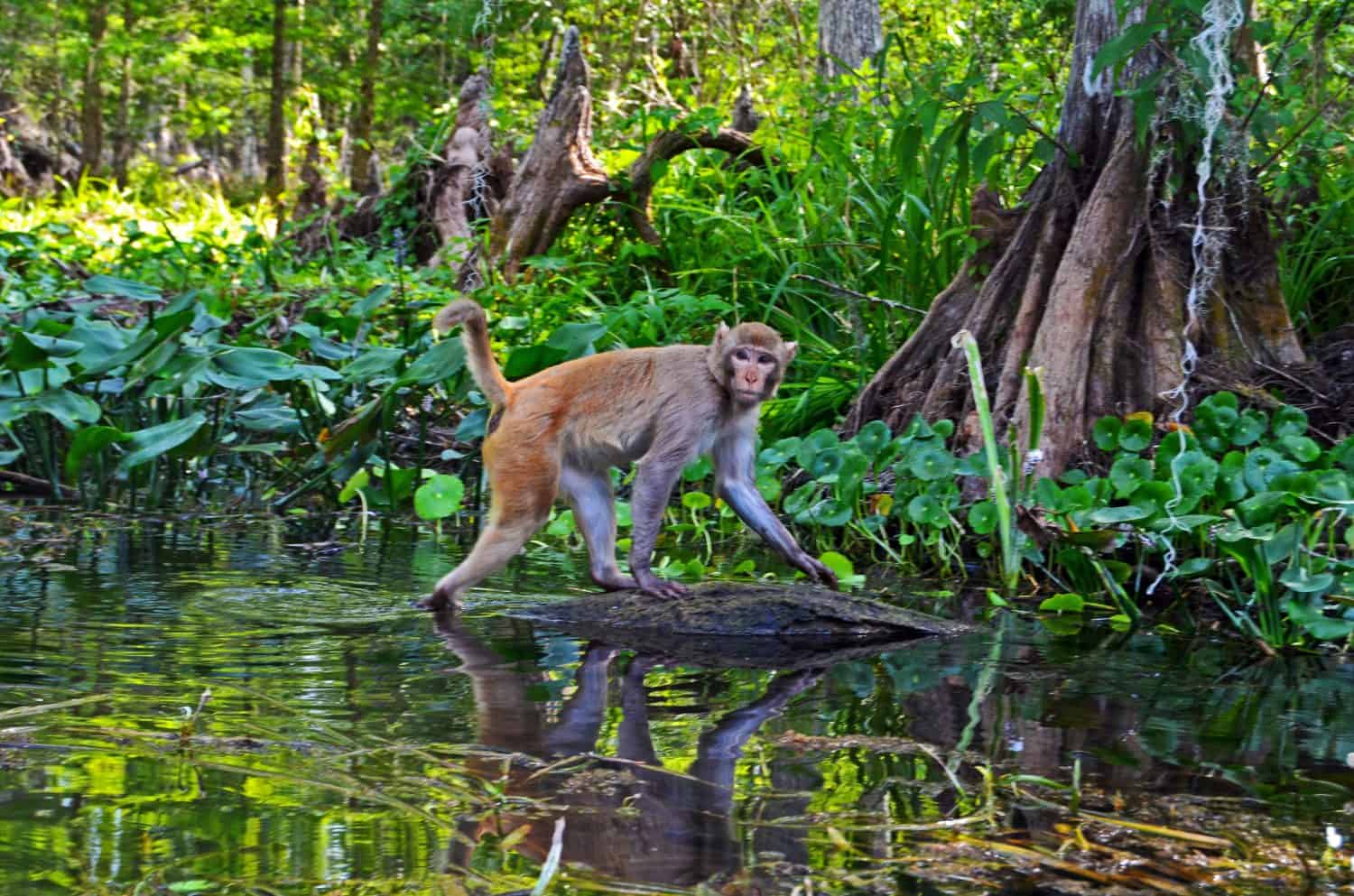
A massive monkey escape on the mainland highlighted concerns over animal welfare for the Morgan Island monkeys.
©Vraie Nature/Shutterstock.com
The Morgan Island monkeys may get to roam free like they would in their native habitat most of the time. This privilege, however, comes at a price. In 2024, 43 monkeys escaped from a research facility owned by Alpha Genesis in nearby Yemassee, South Carolina. While these monkeys were eventually recaptured, it came to light that Alpha Genesis also took over the management of Morgan Island in 2023. This suggested that monkeys were being transferred from the relatively natural environment of the island to the harsher conditions of medical testing facilities on the mainland. The much-publicized monkey escape also raised questions about animal welfare and oversight.
These concerns, along with the island’s restricted access to the public, highlight its ambiguous legal status. While USDA regulations apply to Morgan Island, the specifics of their oversight are not widely discussed. Aside from the rare poachers or curious kids who have snuck onto the island in years past, the place remains a mystery. One can only wonder what happens to some of those monkeys in the transition from wild primates to laboratory test subjects.
Can You See the Monkeys?
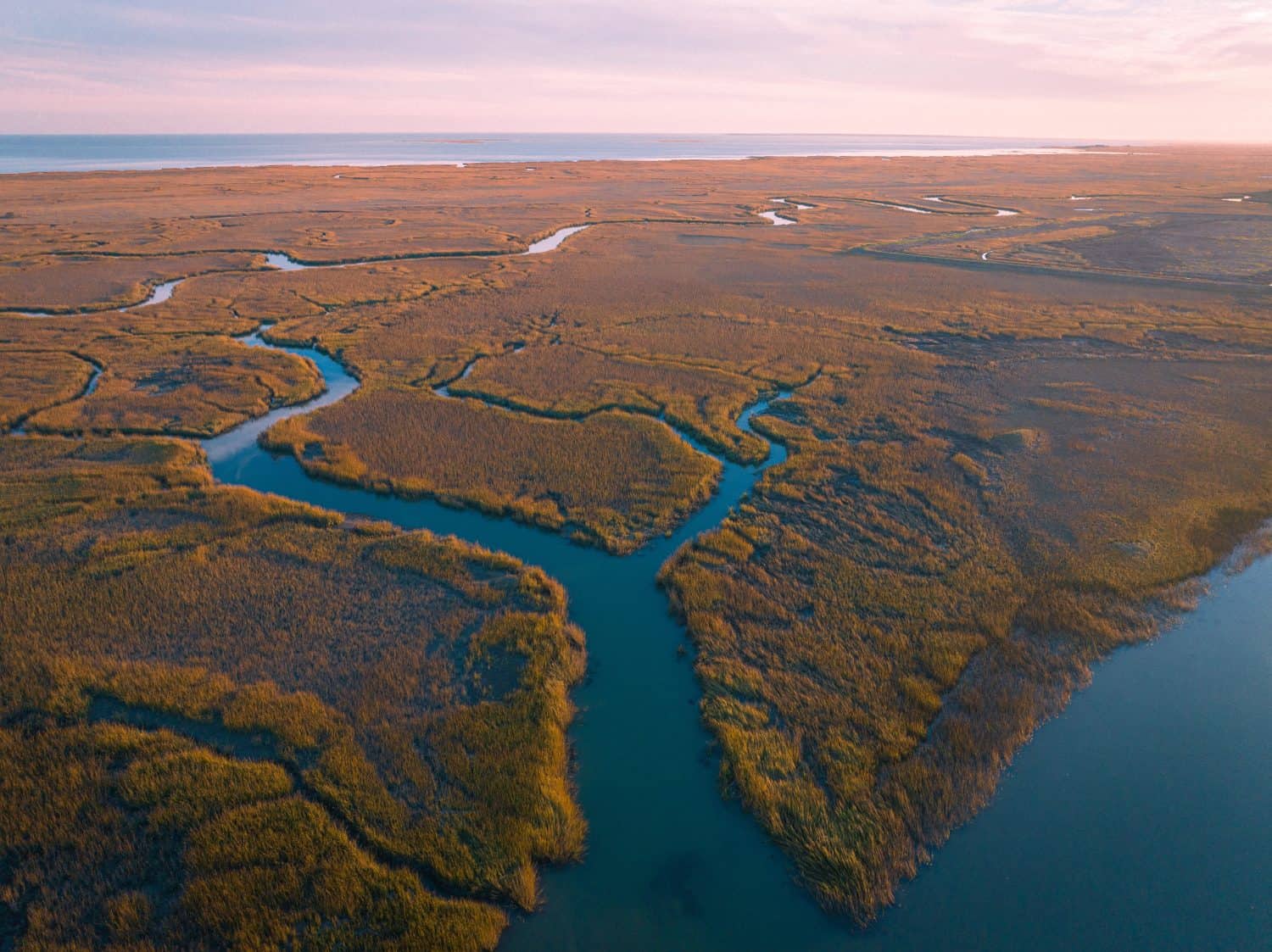
Guided tour boat rides offer glimpses of Morgan Island from afar.
©Sam Reynold/Shutterstock.com
Morgan Island may be closed to the public, but that doesn’t mean the curious visitor can’t take a peek. Several local travel companies offer guided boat tours of the nearby area between the Lowcountry waters and St. Helena Sound. This allows people to get a glimpse of the infamous Monkey Island from afar. While these trips can’t guarantee any monkey sightings, it’s the best chance the public has of confirming a story that still seems hard to believe.