In the fall, ducks in colder regions all over the world begin their distinctive migration journeys to find warmer temperatures where food is more abundant, sometimes traveling thousands of miles. There are over 130 species of ducks, differing in their own unique size, color pattern, bill shape, mechanism of eating, habitat and even behavior. However, all ducks share similar characteristics, from their webbed feet to their waterproof feathers and streamlined bodies designed for swimming, they are highly recognizable and adaptable waterfowl.
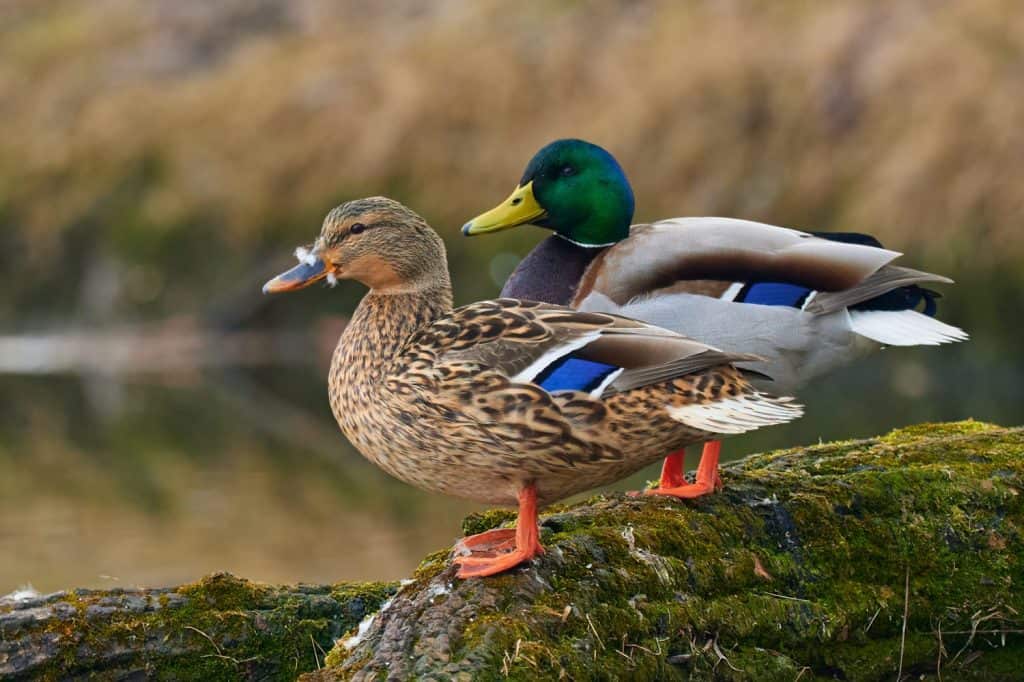
©Robert Adami/Shutterstock.com
In our duck unit plan, students will delve deeper into learning more about various types of ducks, their habitats and omnivorous diets, the life cycle of a duck, and their migration journeys. Included are five days’ worth of engaging, comprehensive lesson plans, instructional resources, free printable classroom resources, graphic organizers, comprehension questions, book suggestions, research project ideas, and more!

©