
Quick Take
- A thermal drone finally revealed why Jacob is still alive, and scientists were not prepared for what it showed. See the drone discovery →
- He doesn't hunt like a lion anymore, and the animal he now mimics is the last one experts would have predicted. Watch his new hunting style →
- The prey Jacob now targets is something lions almost never go after, and the reason why tells you everything about how desperate his situation became. Discover his unusual prey →
- Jacob's one-lion workaround to survival might carry a survival blueprint for an entire species under pressure. Explore the survival lessons →
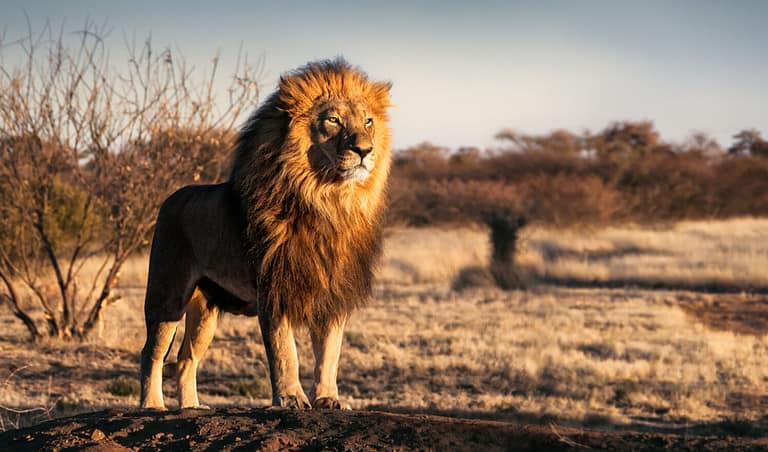
In Uganda’s Queen Elizabeth National Park, a lion named Jacob has been rewriting everything biologists thought they knew about survival. Jacob, now 11, has endured hardships that would foreshadow the end for most carnivores. Instead, he continues to defy explanation, and new footage is showing the world how.
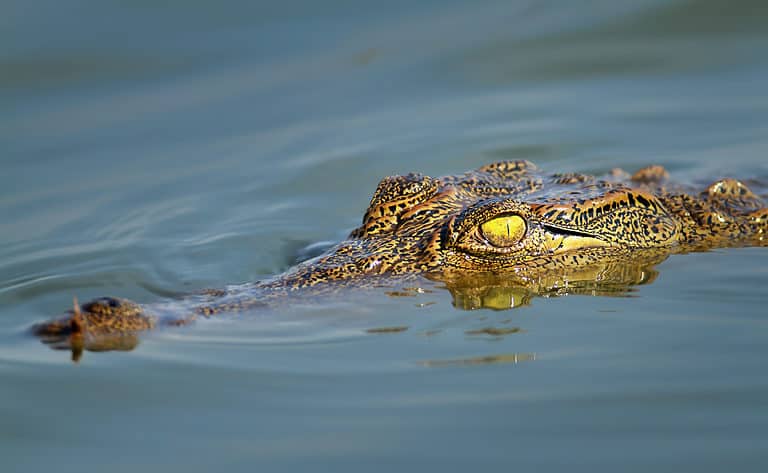
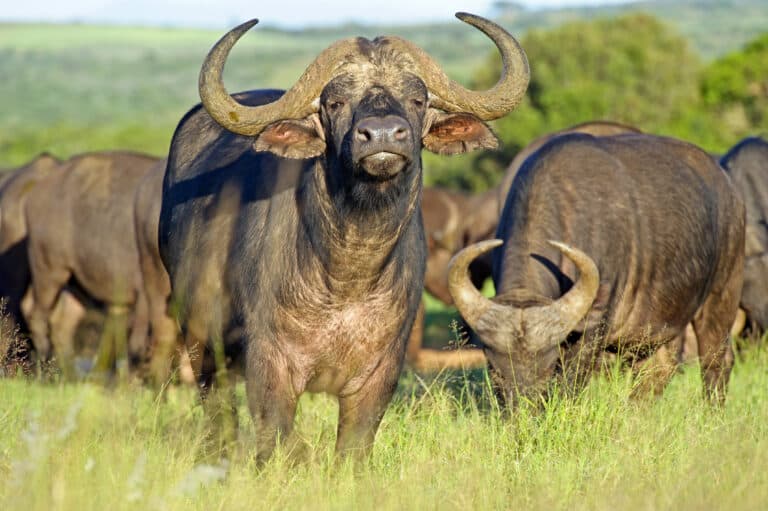
Jacob’s story isn’t new to those tracking lions in the park. He first caught the world’s attention last year after swimming a mile-and-a-half across crocodile-infested waters with his brother, Tibu, a feat practically unheard of for lions. But long before that, tragedy struck. In 2020, Jacob was caught in a poacher’s snare and lost his left hind leg. Later, a confrontation with a water buffalo left him blind in one eye.
The Odds Stacked Against Survival
Researchers familiar with Jacob’s tale were in agreement: there was little hope for him. Typically, lions with such severe disabilities are forced to scavenge, rely on livestock, or at most try their luck with a buffalo herd. Most survive only with the protection and support of a pride. Jacob had only one companion, his brother Tibu.
“Instead of giving up, he refuses to surrender,” Alexander Braczkowski, from the Kyambura Lion Monitoring Project, commented. He’s been tracking Jacob since 2017. For a long time, Jacob’s continued existence seemed like a mystery verging on a miracle, until a thermal drone finally revealed the truth of his survival.
New Tactics Emerge in the Night
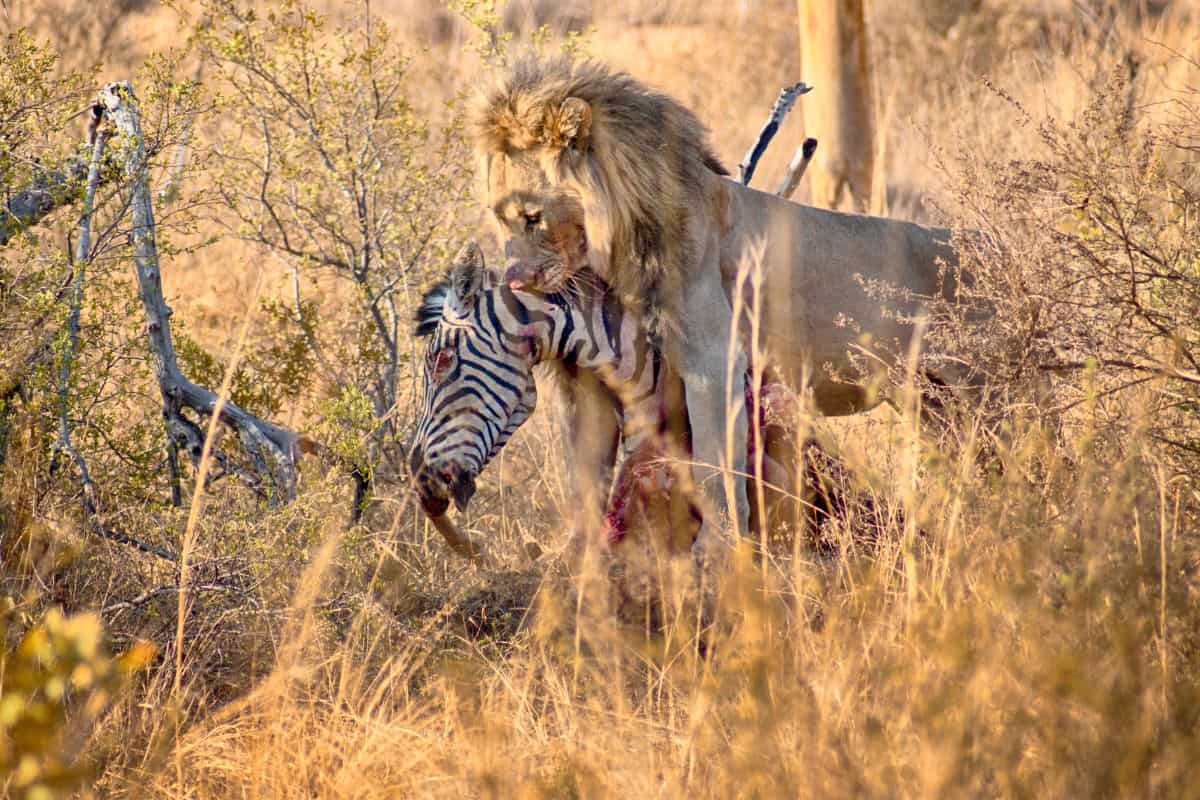
The new images stunned scientists. They captured Jacob abandoning the classic lion hunting style, which relies on bursts of speed and brute force. Instead, he’d adopted the strategy of a leopard: stalking through dense undergrowth, launching ambushes at extremely close range, and sometimes even digging out his prey. Without the speed or control needed for a chase, he had reinvented himself as an ambush predator.
His menu changed too. Night vision cameras from Daniel Snyders and the Kyambura Lion Project documented Jacob, sometimes with Tibu, hunting giant bushpigs, weighing around 440 pounds, prey rarely targeted by lions.
“Jacob doesn’t stand a chance at a pursuit hunt,” Braczkowski explained. “The fact that he selects these particular animals shows he’s changed his diet. He’s taking huge risks, behaving more like a leopard. But he has no choice, and it works.”
Not Just an Outlier, But a Revelation
For Andrew Loveridge of Panthera, an organization focused on big cat conservation, Jacob’s injuries aren’t rare; many African felines lose limbs to snares. Craig Packer from the University of Minnesota speculates these kinds of adaptations could arise in other lions in the area. But observations in this corner of Uganda rarely bear that out. Local lions typically chase down fast-moving prey such as buffalo or antelope. Even the park’s famous tree-climbing lions have their own distinctive, but still lion-like, hunting habits.
As conservationist George Schaller notes, so-called “tripod lions”, those missing a limb, usually persist only thanks to their pride. Jacob’s case, facing challenges mostly alone, breaks that mold entirely.
Pushing Boundaries, And Possibilities
Despite his injuries, Jacob is still startlingly mobile. He crosses the Kazinga Channel frequently, making the journey up to 20 times over the past two years. On land, he averages over a mile each day, a remarkable distance for a severely wounded lion. Researchers suggest this could be a sign of scarce prey or a search for potential mates.
But the implications may run deeper than one lion’s determination. This kind of bold innovation could be more than individual ingenuity. In a region where climate change, shrinking habitat, and expanding agriculture all raise the stakes, Jacob’s techniques might offer a roadmap for other lions. As pressures mount, flexibility and learning to adapt could shape not only which individuals persevere, but how the entire population navigates an uncertain future.