
At a certain point in every young person’s life, they leave home to begin their own independent journey — whether by going off to college, starting a new job, moving into a new apartment, getting married, or pursuing another adventure. A similar transition occurs in lion prides, though with a rather striking difference. When male lion cubs reach maturity, they too must strike out on their own. However, as this YouTube video vividly illustrates, their departure is far from a gentle send-off. Instead of receiving encouragement and parental pride, male lions are fiercely — and sometimes violently — banished from the pride.
Lion Family Dynamics
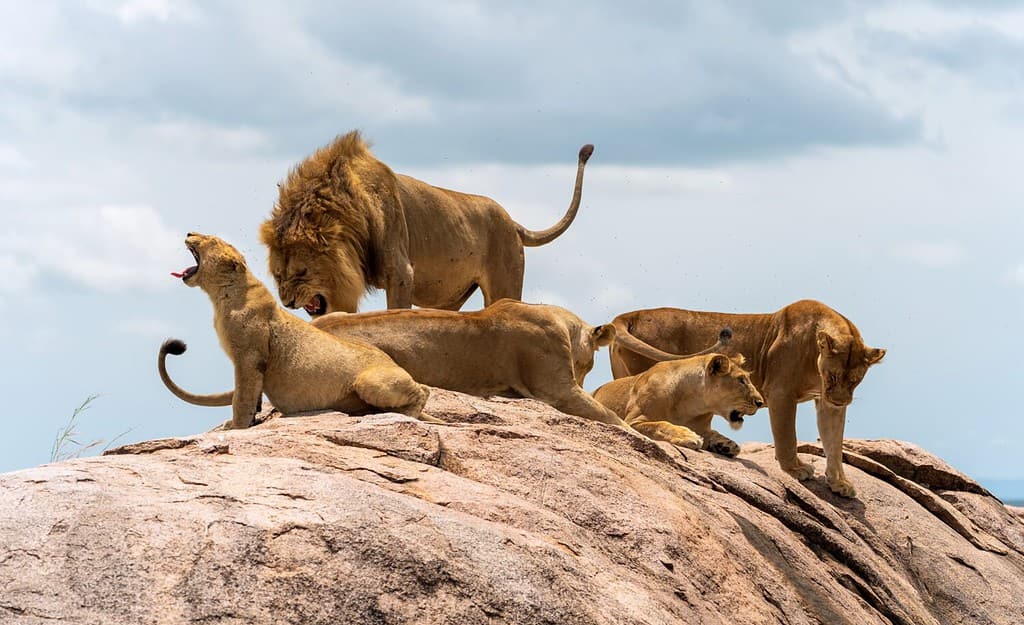
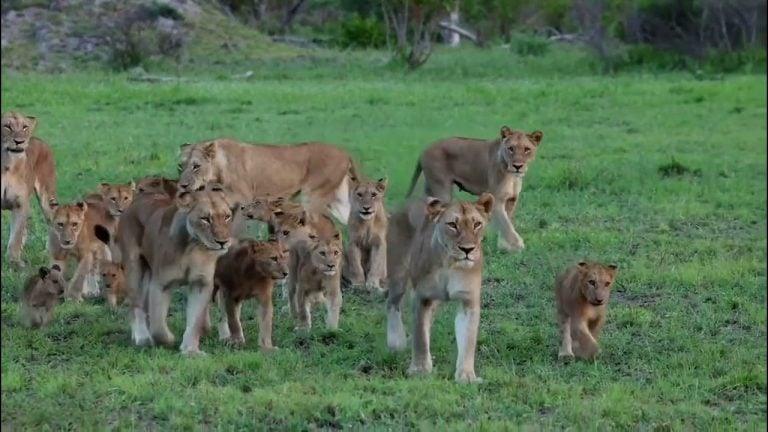
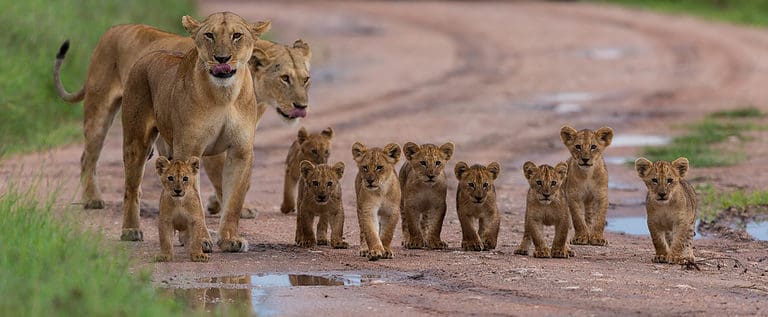
Both male and female lions help to raise their cubs.
©Howard Darby/Shutterstock.com
Unlike many other big cat species, lions are highly social and live in groups called prides. A typical pride usually ranges from 10 to 15 lions, consisting of related female lionesses and a handful of males. The lionesses — often sisters, mothers, and daughters, or cousins — form the backbone of the pride as they hunt, provide food, and nurture cubs.
Lionesses are tightly knit and often synchronize their breeding, giving birth around the same time so they can raise their cubs together as a group. Sharing this responsibility helps to drastically increase the survival rate of vulnerable young cubs, who are entirely dependent on their mothers.
Lion cubs stay with their mothers and are protected by the pride for their first two to three years. During this time, they grow, develop, and learn essential survival skills. The safety of the pride allows them to practice hunting techniques and develop crucial social skills.
Male Dominance In Lion Society
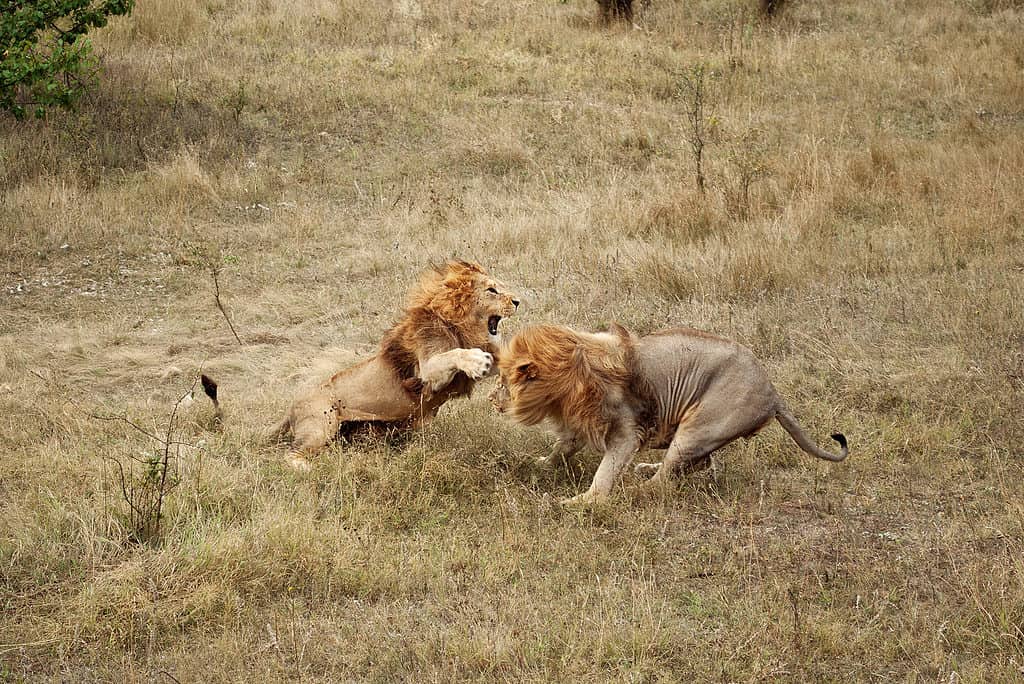
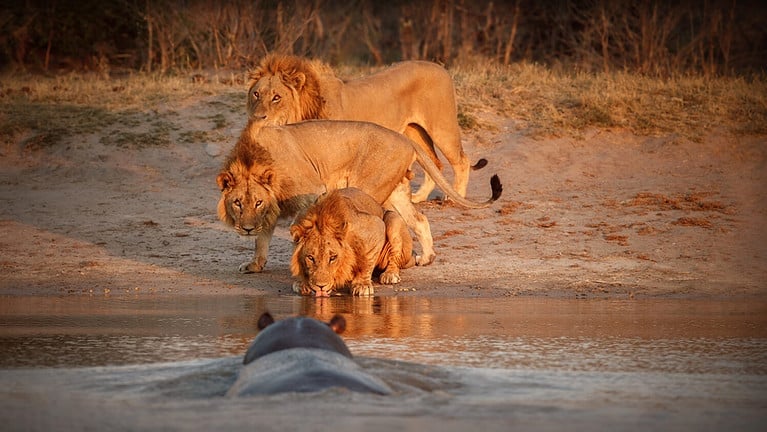
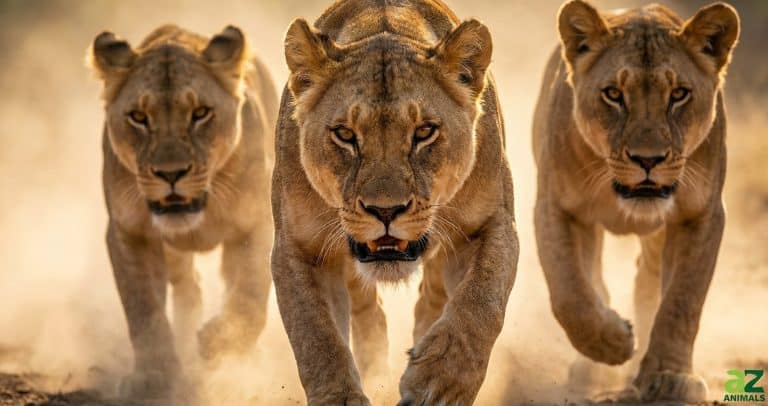
Male lions can fight to the death for territory and a dominant position within a pride.
©Elagina/Shutterstock.com
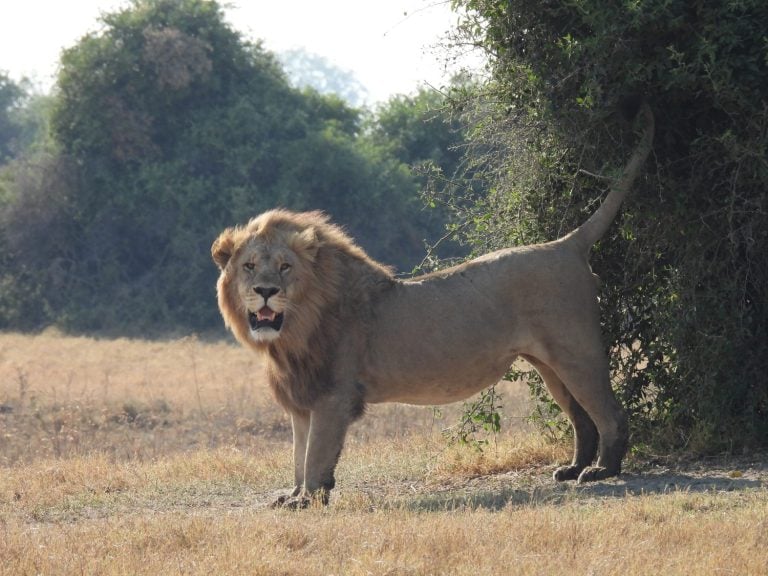
Lion prides are led by male lions, commonly a coalition of males. These coalitions often consist of brothers, cousins, or even unrelated males. Coalitions of brothers tend to be the strongest leaders because of their lifelong bonds and shared upbringing.
The primary responsibility of a male lion is to protect the pride and its territory. They patrol boundaries, using scent markings and urine to warn off rival males and potential predators. While female lionesses typically do most of the hunting, males often assist when hunting large prey such as buffalo or giraffes. Male lions also play a critical role in safeguarding the pride’s young cubs.
While female lion cubs usually stay with their birth pride for life, male cubs face a very different fate. When they are two to three years old, they must leave the pride and either seek a new one to join or form a coalition with other males. As seen in the YouTube video, if the young males are reluctant to venture out alone, the pride’s dominant male(s) will eventually turn on them and force them out. Although it may seem harsh, banishing the young males is crucial for the survival of the pride.
When Fathers Turn on Sons

Older lions often bear the scars of battles waged by younger rivals.
©Mike Bottom/Shutterstock.com
One of the primary reasons young male lions must leave their birth pride is to ensure genetic diversity. This is essential for the long-term health and survival of the species. Male lions reach sexual maturity between two and four years old. If they were to remain in their original pride, they would mate with closely related females — their mothers, sisters, aunts, or cousins. This inbreeding drastically reduces genetic diversity, making the pride more vulnerable to abnormalities and diseases. By leaving, young males find new prides and mate with unrelated females, promoting a more resilient gene pool and healthier offspring.
Beyond genetics, young male lions can threaten the pride’s existing hierarchy. Dominant males view these growing males as potential rivals and often aggressively drive them out. Ejecting subadult males also helps protect the pride’s resources, ensuring there is enough food for the lionesses and their younger, dependent cubs.
What Happens to Male Lions After Exile
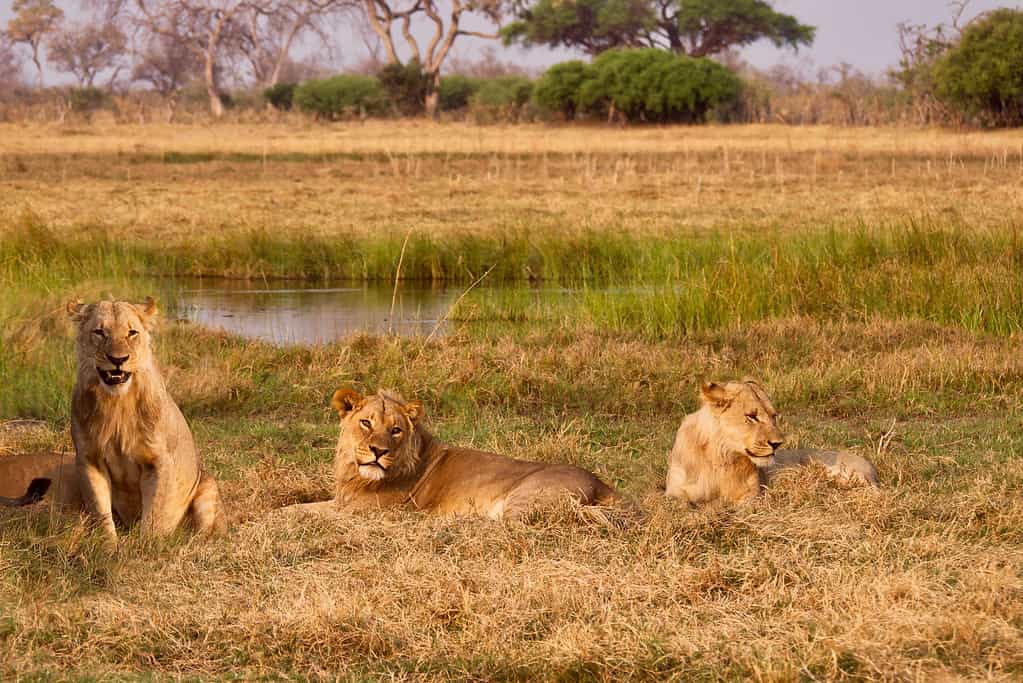
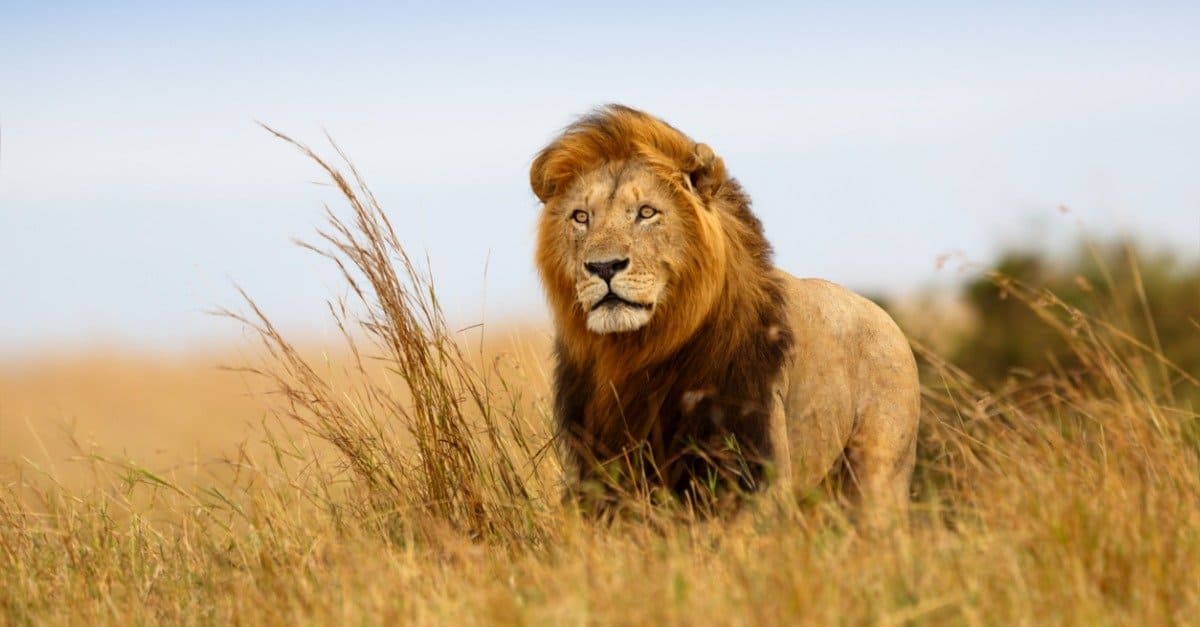
Male lions begin growing manes when they are around two years old, but it takes a while for them to fully develop.
©Cheryl Ramalho/iStock via Getty Images
After young male lions are expelled, they either wander alone or attempt to find a new pride. Many form coalitions with other young males (often brothers or cousins), which provides better protection and increases their hunting success. Stronger coalitions may even take over another pride.
However, joining or taking over a pride is dangerous. Dominant males rarely allow newcomers, and such attempts can result in a battle to the death. Takeovers are more likely when the reigning males are older and weaker, making them vulnerable, but the transition is never peaceful. Challengers must fight fiercely, and many younger males do not succeed. Others fight so ferociously that they injure or kill the older male to gain control. This violent process ensures that the pride is always led by the strongest lions with the healthiest genes.
When a new male takes over a pride, he may attempt to kill any young cubs already present, as this can bring the lionesses back into estrus and ensure his own genes are passed on. However, this behavior is not universal—sometimes lionesses defend their cubs successfully, and not all new males kill all cubs