
Children and prisoners who rely on the government for their nutrition do not have a say in what they are being served. However, there is the expectation that what is being served is healthy and nutritious, even if it is not pleasing to the taste buds.
In Brazil, prisons and schools have been covertly serving shark meat, according to an investigation by Mongabay. Because underprivileged children often lack access to protein, and prisoners require large quantities of balanced meals, serving shark appeared to be an ideal solution. However, there was no transparency as to what children or prisoners were being served. Consequently, when served “cação” several times per month, the Brazilian government was putting a large swath of the population at risk, with no one being the wiser.
Why Brazil Is Serving Shark Meat To Schools And Prisons
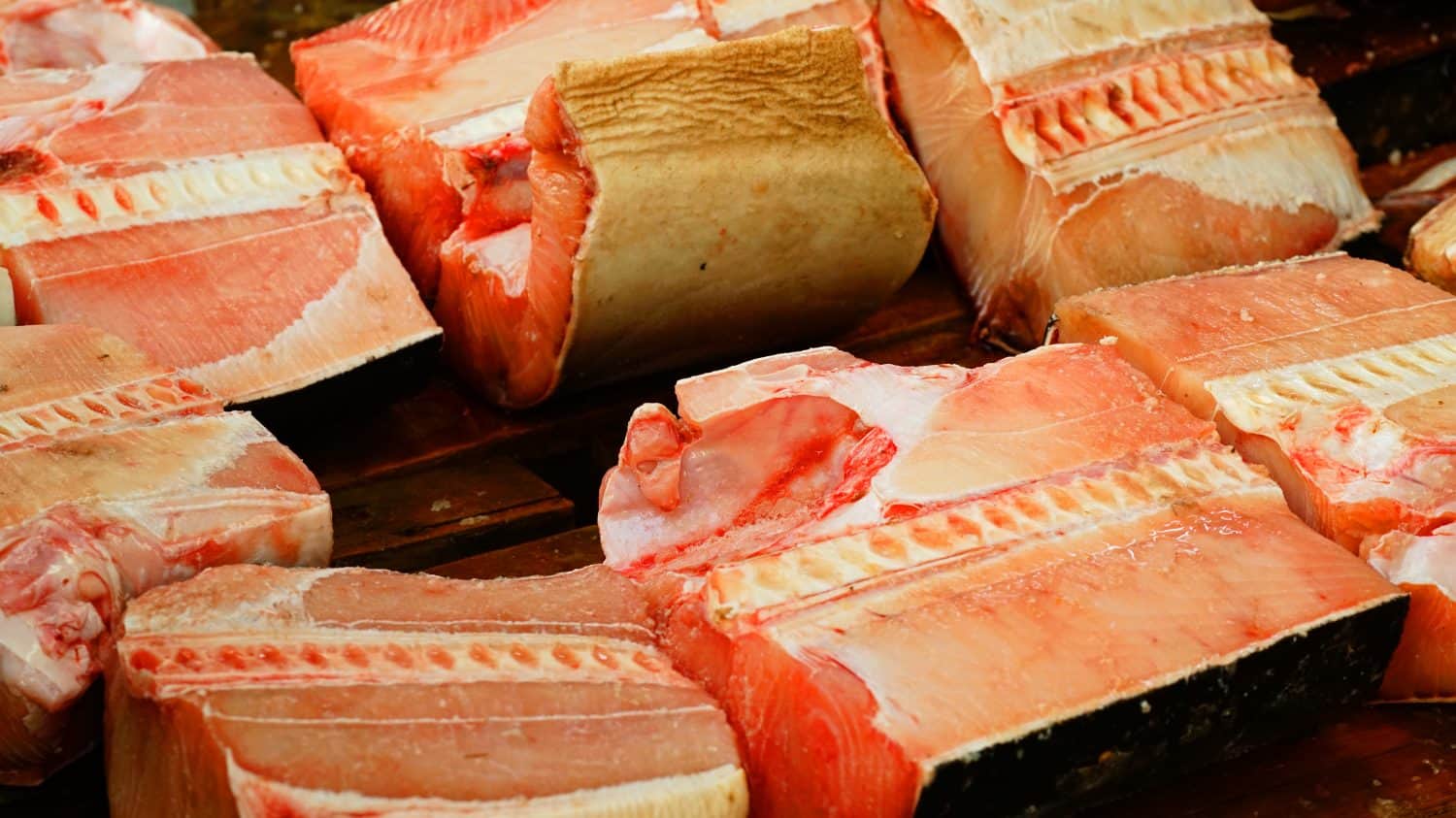
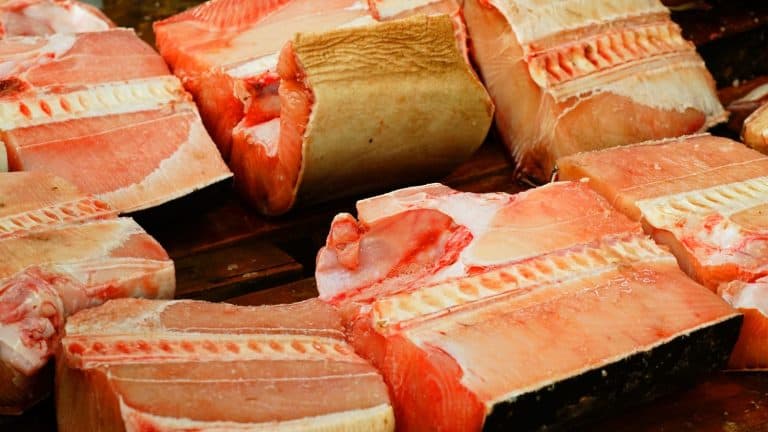
Brazil has been serving shark meat to millions in the country under the name of cação.
©Busan Oppa/Shutterstock.com
Brazil is a country that is long familiar with consuming shark meat. For decades, the coastal communities of the country were the biggest consumers, eating what was caught in the waters around Brazil. But in more recent years, the appetite for shark has been insatiable, to the point where Brazil now imports sharks from around the globe.
The shark meat is not only sold widely in markets around Brazil labeled as “cação,” but reporting by Mongabay reveals that it has been served en masse to those who are part of government programs or work for the government. The problem comes from the fact that people do not know what they are eating. Consequently, parents of millions of children who participate in Brazil’s National School Feeding Program did not know their infants and toddlers were eating shark when attending one of the over 1,000 daycare facilities or preschools in the country. Patients at hospitals and inmates at all 92 prisons in Brazil have been served shark, as have members of the military police force.
Cação is served because it is a cheap source of protein. Additionally, nutritionists became proponents for cação given its lack of bones, according to Jeanice de Azevedo Aguiar, an adviser to the Regional Council of Nutritionists. This became a big selling point for schools with younger kids who are more prone to choking, as well as schools where choking was already a problem.
“Just imagine a child in day care, or even an older child, choking on bones — it’s a situation no colleague wants to go through,” Aguiar explains to Mongabay. “Depending on the severity of the choking, the child might have to be hospitalized.”
Rodrigo Agostinho, the head of IBAMA in Brazil, who was once mayor of Bauru, echoed this sentiment.
“The procurement processes only reach the mayor for signature once everything is already done,” Agostinho explains to the publication. “You try to say no, and the nutritionist responds, ‘So it’s the mayor who decides what I’m going to serve the children?’ … They would say, ‘No, you can’t put children’s lives at risk.’ … ‘I’m going to give children meat that doesn’t have bones,’ as if it’s not safe otherwise.”
Unfortunately, due to a lack of transparency, many never understood that they were eating shark and eating it consistently. Not only is this bad from a health standpoint, but from an environmental one as well.
Most Brazilians Do Not Know What Cação Is

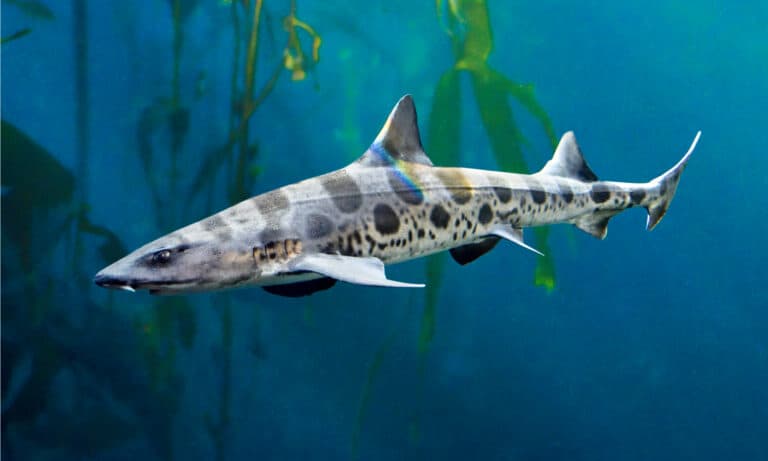
Brazilians know that cação is protein, but just what it is, is a mystery to most.
©Wirestock Creators/Shutterstock.com
Look up what the meaning of cação is, and there are a variety of answers, all of which are very different from one another. Therefore, it is not surprising that many Brazilians do not know what the word means, when there is not even a definition that can be agreed upon.
In Brazil, cação is a catch-all term used for sharks and rays that do not have a label when sent to market. What is surprising is that Brazilians have not been more inquisitive as to what the fish they are eating is. Instead, they have been happy to eat the unknown fish labeled as cação, as it is a cheap marine animal protein.
The problem with the term cação is that not only is it shark, which a minority of people know, but it is not one specific shark. Instead, according to Chris Mull of Dalhousie University, it can be any species of shark, including those that are threatened.
“If it’s just ‘cação,’ we don’t really know what it is,” Mull explains to Mongabay. “So, it’s almost impossible to say A) whether it’s legal or illegal, or B) whether it’s sustainable or unsustainable.”
By labeling it cação, fishermen and women who catch the shark as bycatch or as part of their finning operation do not face fines for killing a threatened and protected shark. This means any species of shark is up for grabs when fishing. Consequently, “83% of the shark and ray species” sold in the country are classified as threatened.
With the public being unaware that they are eating shark, they are unknowingly subjecting themselves to dangerous substances. While the side effects may not show up immediately, when they do, they are debilitating and can even lead to death.
Dangers of Eating Shark Meat
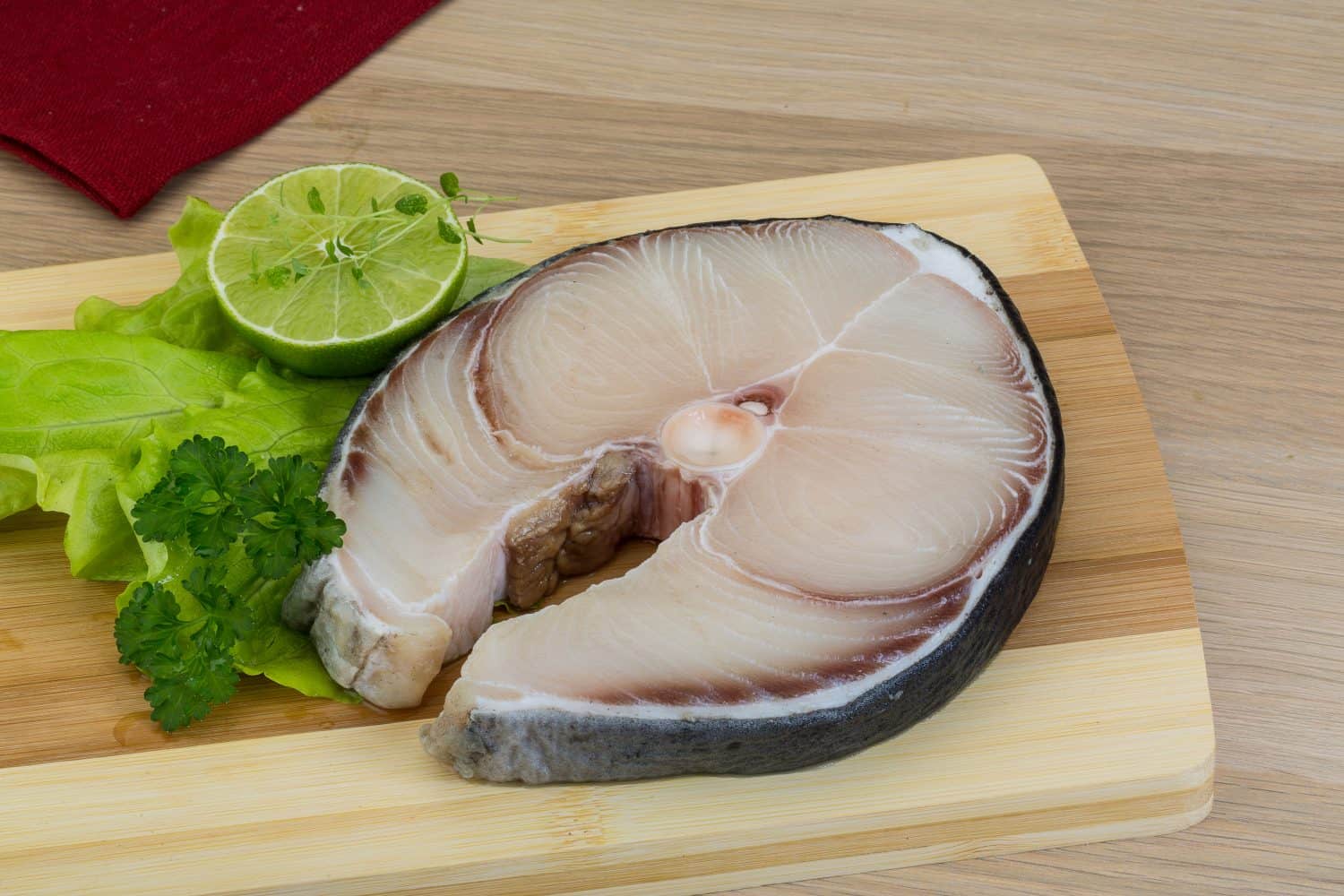
Shark meat is high in mercury, arsenic, and lead, making it dangerous for people to eat in large amounts.
©Andrey Starostin/Shutterstock.com
As the oceans and other waterways have gotten polluted over the years, marine animals have been absorbing toxins in their bodies. Those animals that eat other animals absorb additional toxins from their prey. With sharks being apex predators, they consume toxins with every meal they have.
Today, marine animals absorb mercury, arsenic, and even lead from the ocean water. While some of this can occur naturally, the amount found in the ocean would not produce the pollution found in the sea. It is all from decades of pollution.
Sharks have high levels of not only these toxins but also urea in their bodies. This is what causes the meat to smell like ammonia as it begins to decompose. Consequently, eating shark can be dangerous. Some of the health issues caused by consuming mercury, arsenic, and lead include:
| Metal/Metalloid Consumed | Associated Health Problems |
| Mercury | Tremors, memory loss, changes in mood, muscle weakness, fatigue, headaches, nausea, vomiting, kidney disfunction |
| Arsenic | Nausea, vomiting, shortness of breath, chest pain, low blood pressure, confusion, “pins and needles” feeling in the extremities, heart disease, diabetes, various cancers, multiple skin conditions |
| Lead | Headaches, joint pain, hypertension, kidney damage, abdominal pain, cramps, vomiting, problems concentrating, problems making decisions, loss of appetite, weight loss, coma, death |
With shark meat being fed to so many in Brazil and other countries knowingly and unknowingly, people are being exposed to metals and metalloids that can prove to have devastating results, specifically for the at-risk populations. Unfortunately, these at-risk populations are the ones consuming the most shark in Brazil.
Populations Most Affected By Eating Shark Meat

Pregnant women, young children, and the elderly are most at risk when consuming shark meat.
©Prostock-studio/Shutterstock.com
While eating shark meat in anything other than moderation is not healthy for anyone, there are some populations that it is worse for than others. Because of this, groups of people have been warned not to eat shark meat. Yet, because of a lack of information about what they are eating or education about the dangers of shark meat, these very populations are eating it most in Brazil. The populations that are most at risk of eating shark meat because of the mercury and arsenic levels are children, the elderly, and pregnant women. The effects of this metal and metalloid include:
| Population | Effects of Arsenic and Mercury |
| Children | Blood, lung, skin cancers, neurodevelopmental disorders, developmental delays, learning disabilities, and behavioral issues. |
| Pregnant Women | Low birth weight, congenital abnormalities, and adverse birth outcomes, such as late-term spontaneous abortion or stillbirth. |
| Elderly | Cognitive impairments, neurodevelopmental disorders, Alzheimer’s, Parkinson’s, and dementia |
In Brazil, children, pregnant women, and the elderly are at particular risk from mercury and arsenic exposure due to shark meat consumption, and health experts warn that these groups should avoid eating shark altogether. The fallout from the exposure may not be seen now, but it will be seen in the future.
Overfishing Has Caused Shark Species to Become Endangered
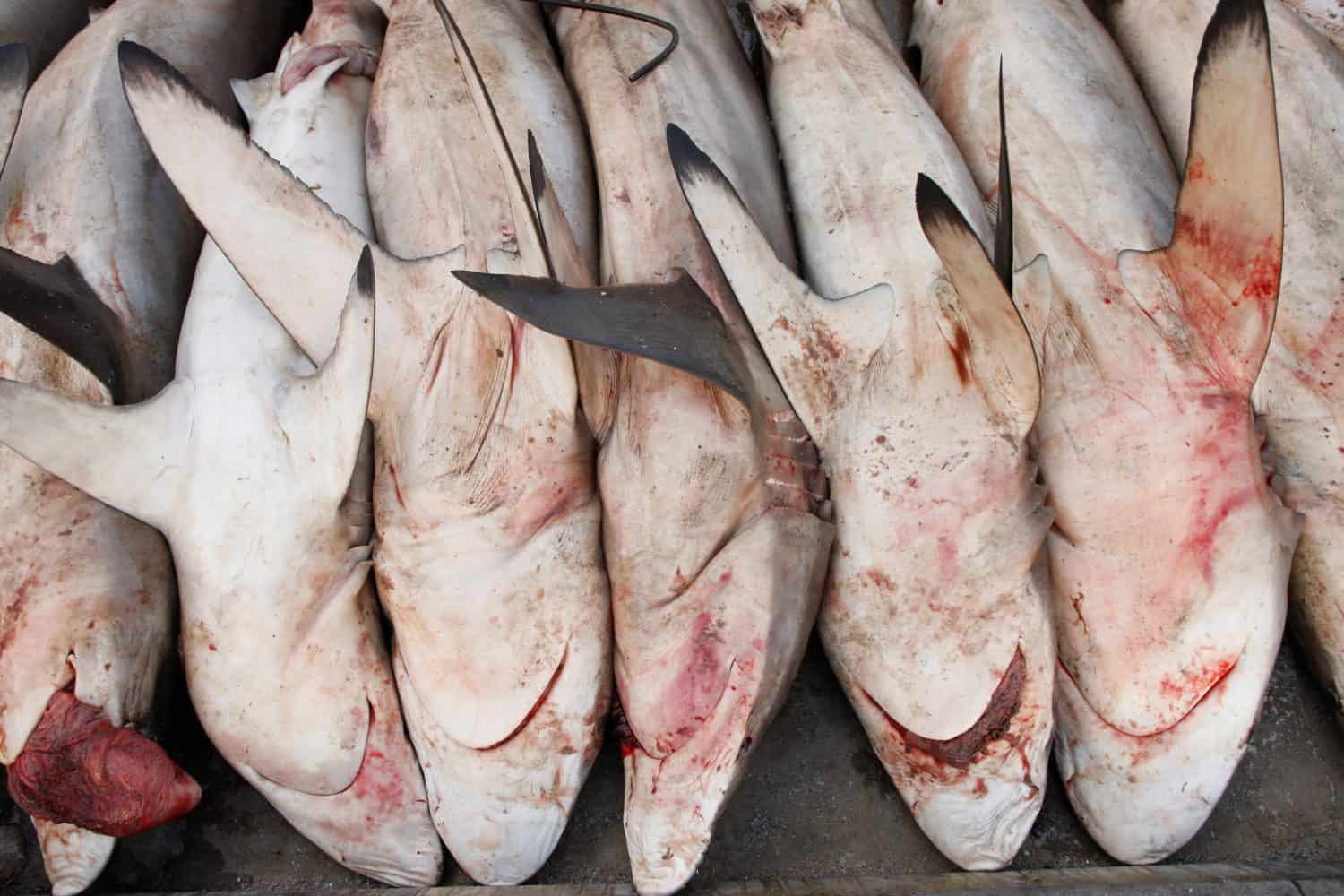
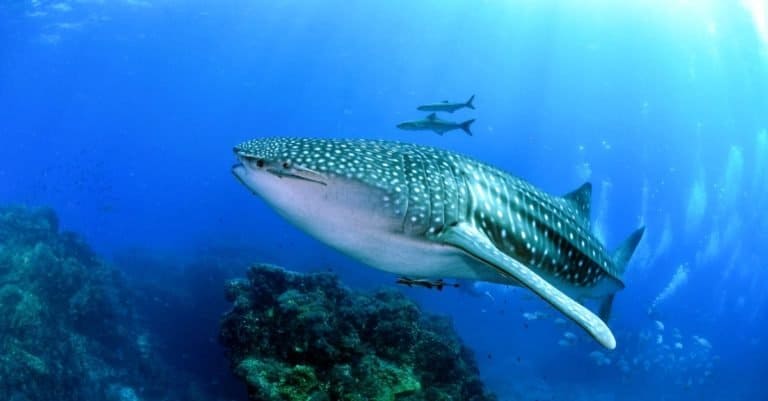
Overfishing to meet the demand for shark meat has led many species of sharks to become threatened or endangered.
©godongphoto/Shutterstock.com
In addition to shark meat being high in mercury and arsenic, the overfishing that has occurred as the demand for shark meat has increased has led to multiple species of shark becoming endangered. A decrease in shark populations was once blamed on harvesting shark fins alone. This led to the enactment of legislation to ban finning in the United States, Canada, Taiwan, and the European Union. Other countries have not made the practice illegal, but have banned shark fin soup for high-profile events.
However, it has been speculated that the ban actually caused an increase in sharks being killed. If the entire shark was being harvested for the fins, that technically meant finning was not happening. Countries like Brazil jumped at the opportunity to purchase tons of shark meat, oil, and cartilage, spawning markets that previously never existed.
Species of sharks that were not considered endangered had their populations decrease due to overfishing. Both once-abundant species and those that were threatened or endangered continued to decline in population due to bycatch. Consequently, there are now at least 114 species of sharks that are considered threatened.
| IUCN Category | Number Of Sharks | Meaning Of IUCN Category |
| Vulnerable | 41 | At risk of becoming endangered |
| Endangered | 50 | At risk of going extinct |
| Critically Endangered | 23 | At extreme risk of extinction |
The most vulnerable sharks to date include:
- Great Hammerhead Shark
- Scalloped Hammerhead Shark
- Oceanic Whitetip Shark
- Shortfin Mako Shark
- Longfin Mako Shark
Because much of the shark meat sold is under a generic name, be it cação in Brazil, cazón in Spain, spinarolo in Italy, Schillerlocke in Germany, or rock fish in England, there is no telling what species is being eaten. However, data shows that at least some of the meat in the shark trade is from endangered species. Consequently, as long as the shark meat trade is not fully regulated, species at risk of going extinct will suffer, all in the name of providing a cheap protein to vulnerable populations that will not be aware of any adverse health effects until it is too late.