
Quick Take
- Wealthy pet owners are reshaping the industry through spending on food, health care, services, and technology.
- Pets are widely viewed as family, raising expectations for care and lifestyle.
- Premium trends influence middle income households and shift buying habits.
- Industry growth brings benefits for pets but also creates cost pressure and access concerns.
Walk through many affluent neighborhoods today and you can see the signs of a new kind of pet culture. Dogs ride in strollers past coffee shops, cats eat meals prepared from fresh ingredients, and boutique pet stores sell clothing and accessories designed for comfort and style. These scenes reflect a broader economic shift in how Americans care for their animals.
Higher-income households have helped reshape the pet industry through strong spending on food, health care, travel services, and technology. Their choices influence what companies produce and how products are marketed. Social media spreads those ideas to millions of viewers, who watch how other pet owners care for their animals and are drawn to mimic them.
This pattern does more than create luxury products; It changes expectations across the entire market. As premium items become more visible, many owners begin to think about pet care in new ways. What once counted as adequate care may now feel minimal compared to other options available in stores and online.
Pets Viewed as Family Members
Many Americans now describe their pets as full members of the household. Recent surveys show that between 51% and 90% of American pet owners consider their pets as part of the family, often using terms such as “family member” or “companion” for their animal. This emotional connection influences spending habits.
Owners who view pets as family often try to provide their pets with similar comforts and protections that people receive. That may include higher quality food, regular health checkups, and products designed for comfort or safety. Affluent households can pursue these goals more easily because they have greater disposable income.
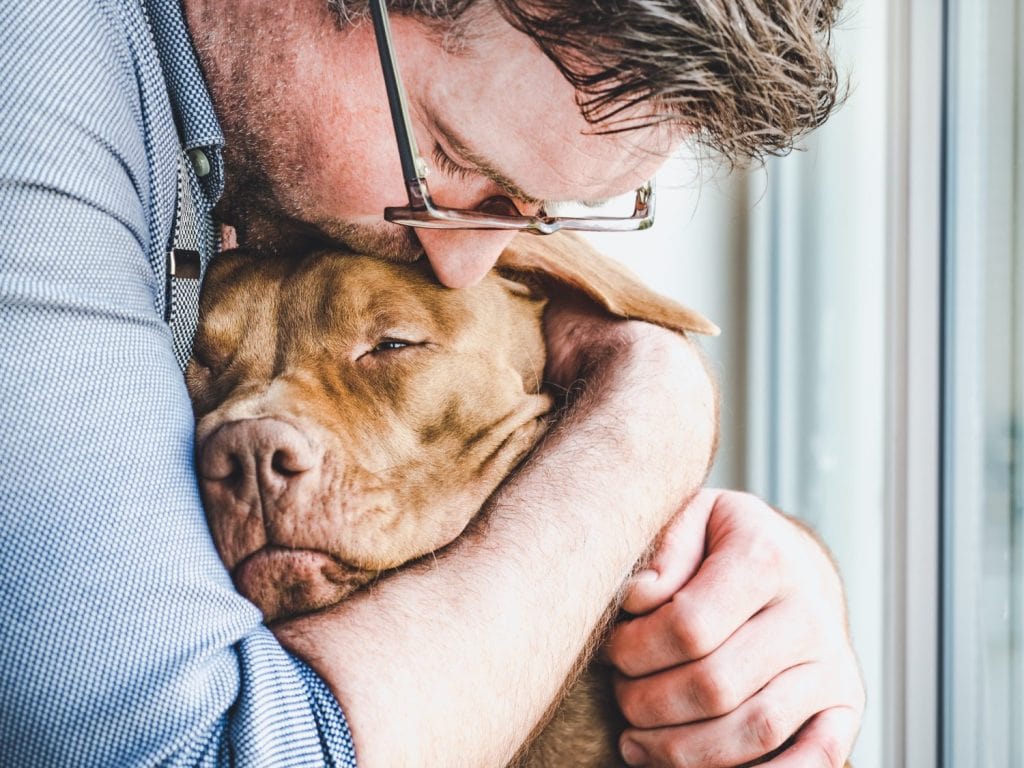
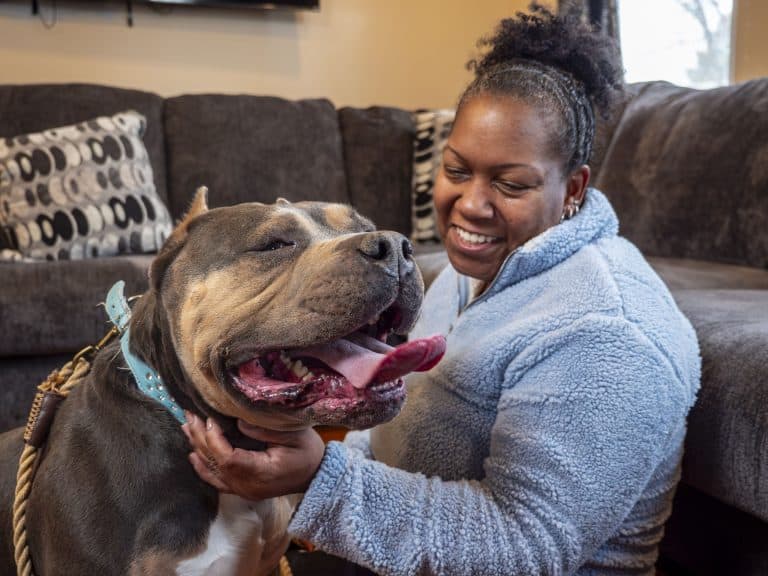
Americans increasingly see pets as full members of the household.
©SvetikovaV/Shutterstock.com
These choices gradually shape cultural expectations. Advertisements, television programs, and social media posts reinforce the idea that thoughtful pet care includes careful nutrition, preventive medicine, and enrichment activities. Middle-income families may adopt some of these practices over time, even if they cannot match the highest level of spending.
Premium Pet Food and Customized Diets
Food represents one of the fastest growing segments of the luxury pet market. Many premium brands now promote human-grade ingredients, emphasizing components similar to those found in human diets. Packages highlight fresh meats, vegetables, and limited ingredient formulas designed to support digestion or weight control.
Some companies prepare refrigerated or frozen meals that resemble human dishes. These products often arrive through subscription delivery services. Owners store the meals in household refrigerators and serve them in measured portions based on the animal’s age, size, and health condition.
Personalized nutrition plans are now increasingly common in the pet sector, allowing diets to be tailored to a pet’s breed, age, and health needs. Customers answer questions about their pet’s activity level and medical history, then receive food formulated for those needs. These meals cost more than standard dry food, yet they appeal to owners who believe diet can influence longevity and health. As these premium products grow more visible, many consumers who once bought the least expensive brands move toward mid-range formulas that promise improved ingredients or targeted nutrition.
Veterinary Care and Preventive Health
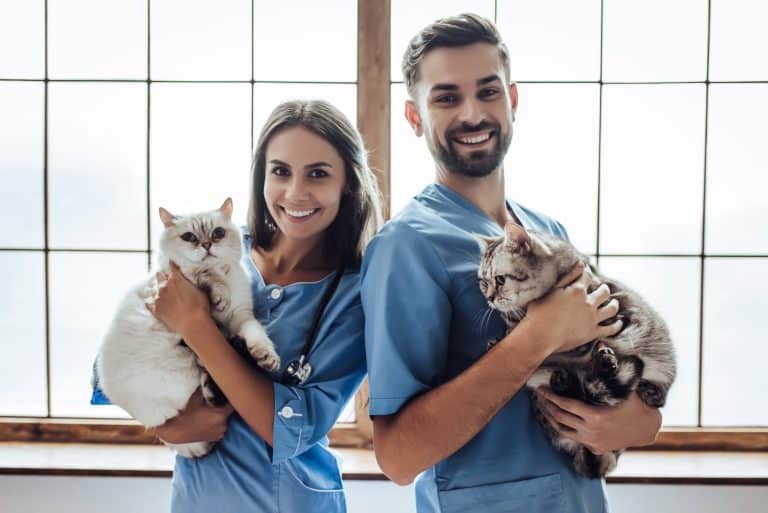
Another major change in the pet economy involves health care. Veterinary clinics now widely offer services that were uncommon decades ago, including advanced imaging modalities such as CT and digital radiography, specialized surgery, and detailed laboratory testing. Preventive medicine has become a central theme in modern veterinary practice. Instead of waiting for illness, many clinics encourage routine screenings such as dental examinations, blood tests, and nutritional evaluations. Early detection allows veterinarians to identify conditions before they become severe.
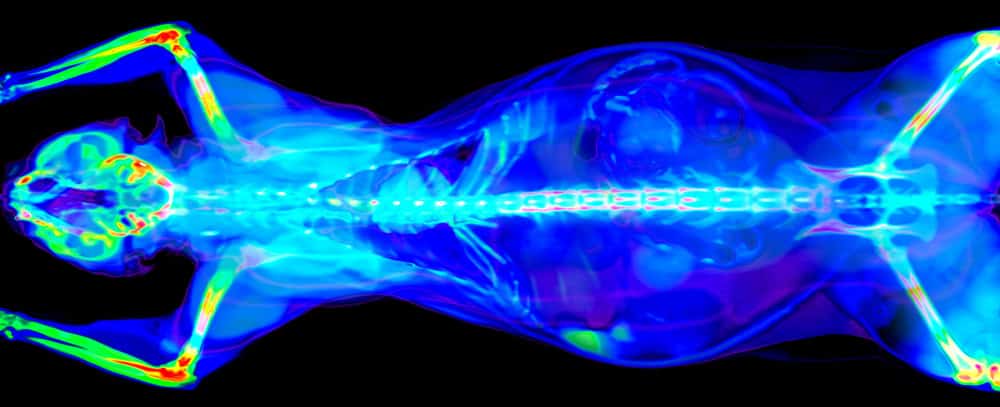
Veterinarians are offering advanced imaging for pet health, such as this scan of a cat.
©Benny Marty/Shutterstock.com
Affluent owners often support these services through wellness plans or pet insurance policies. Insurance helps spread costs over time and makes complex treatment more accessible. The result is more frequent veterinary visits and earlier treatment for chronic conditions. Veterinary care now accounts for about one-third of pet-related expenditures in the United States, making it one of the largest areas of pet spending. This expansion reflects growing expectations that animals deserve the same level of medical attention that people seek for themselves.
Grooming Services and Pet Appearance
Professional grooming has expanded far beyond simple bathing and nail trimming. Many grooming salons now offer specialized treatments designed to maintain coat condition and skin health. These may include conditioning baths, de-shedding treatments, and careful trimming for breeds with complex coats. Owners schedule regular appointments that keep their pets clean and comfortable year-round. As demand grows, grooming businesses adapt by offering a wider range of products and services. Mid-priced salons now offer natural, eco-friendly, and wellness-focused shampoos, coat treatments, and styling options that were once limited to high-end locations.
Fashion has also become a high-revenue area of the pet market. Stores sell coats, sweaters, collars, and harnesses designed to match seasonal weather or personal style. These items may also provide practical benefits such as warmth during cold months or reflective materials that increase visibility during evening walks. Owners often use their pets’ clothing as a means of their own self-expression, whether that is a way of conveying their own personality and interests or a way to showcase conspicuous consumption by dressing their animal in name brands.
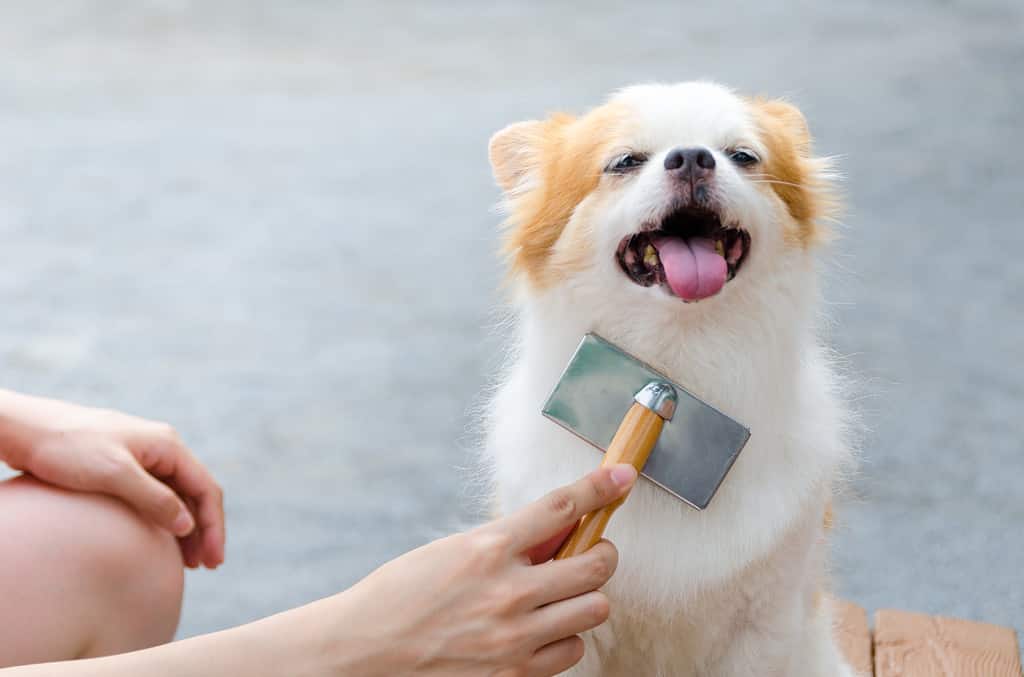
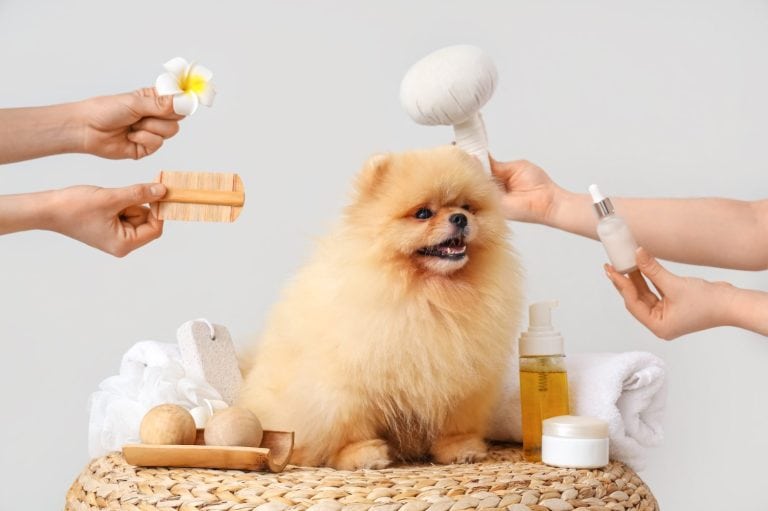
Professional dog grooming with all the amenities is a significant part of the pet industry.
©LFO62/iStock via Getty Images
Boarding, Daycare, and Pet Hospitality
Travel and work schedules often require temporary care for pets. In response, many companies have developed boarding and daycare facilities that resemble hospitality businesses rather than traditional kennels. Modern pet boarding centers often provide spacious sleeping areas, supervised playtime, and climate-controlled environments. Some locations include outdoor exercise areas, training sessions, and enrichment activities designed to keep animals active and mentally engaged. Pets may have their own “hotel” rooms complete with t.v. and in some facilities owners can view their pet remotely to see what it is doing.
Daycare programs have also become common in urban areas. Dogs spend the day interacting with other animals under staff supervision while their owners are at work. These programs help prevent boredom and reduce destructive behavior at home. Affluent households frequently select premium facilities that offer private sleeping rooms, regular updates through cameras or messages, and personalized care routines. These services appeal to owners who want reassurance that their pets remain comfortable during travel or long workdays.
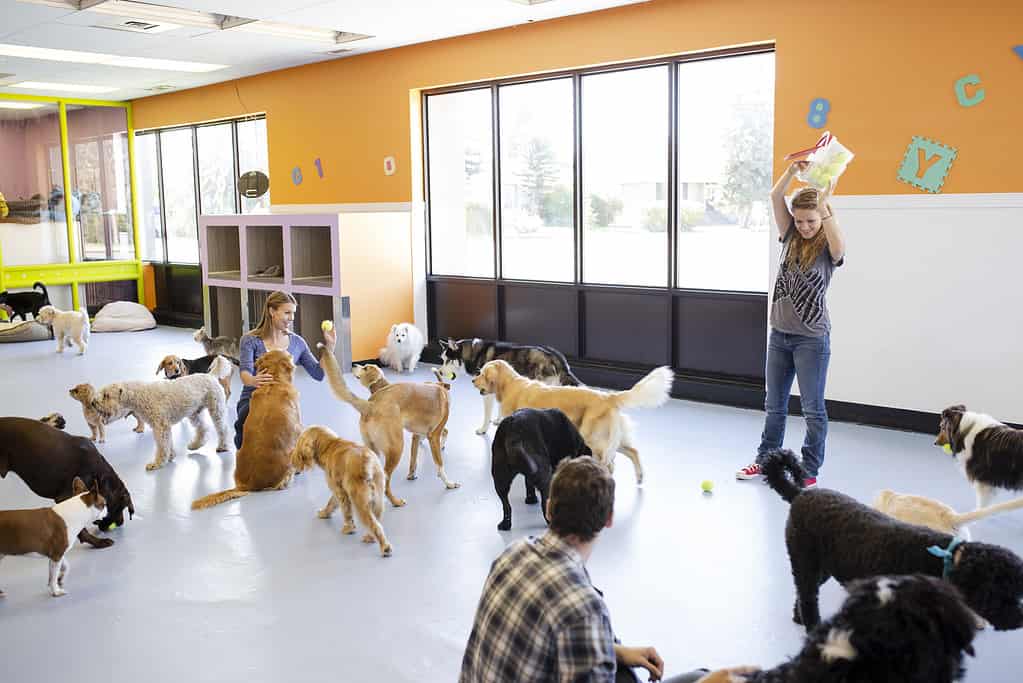
Dog daycare owners playing with dogs.
©iStock.com/Hero Images
Technology and Connected Pet Devices
Technology companies have entered the pet market with devices designed to monitor and assist animal care. Smart feeders allow owners to schedule meals through mobile phone applications. These devices measure portions automatically and can dispense food at specific times.
Camera systems enable owners to watch their pets while away from home. Some models include microphones that allow people to speak to their animals remotely. This technology can reduce anxiety for owners and provide reassurance about a pet’s safety.
Wearable devices attached to collars track movement and location. Activity monitors measure steps and rest patterns, while GPS trackers help locate animals if they wander away from home. These tools mirror fitness trackers used by many people. Affluent consumers in North America often adopt these technologies early, and as production expands, prices gradually fall, making similar tools available to a wider range of households.
Social Media and Changing Expectations
Social media platforms play a powerful role in spreading new ideas about pet care. Millions of photos and videos show animals celebrating birthdays, visiting pet friendly restaurants, or wearing costumes during holidays. These images reinforce the idea that pets participate fully in family life. Influencers who specialize in pet content often partner with brands that promote premium food, toys, and services. Their posts reach large audiences—63% of pet owners follow influencers and engage with pet content—and shape purchasing habits among followers.

Social media posts raise expectations of how pet owners are “supposed” to care for and interact with their pets.
©Suthida Phensri/Shutterstock.com
These images also introduce new language into everyday conversation. Terms such as “dog parent” and “cat parent” reflect the emotional connection many people feel toward their animals. This language reinforces the idea that caring for pets, like caring for children, involves thoughtful planning and financial commitment. While these images inspire many owners, they can also create subtle pressure. Some families feel that they should spend more on pet products in order to meet perceived social expectations. With young people using social media more than their parents, children may pressure the family to spend more on pets than parents would choose on their own.
Conversely, there is also a growing risk that some people will treat pets as short-term lifestyle content rather than long-term companions, especially in a culture driven by social media attention. A puppy or kitten can attract views and engagement, but real care requires steady time, money, and commitment long after the novelty fades. When attention shifts to the next trend, animals may receive less attention, fewer vet visits, or inadequate daily care. In more serious cases, pets may be neglected or re-homed because they no longer serve a visible purpose. This pattern highlights a gap between performative pet ownership and responsible stewardship, where the needs of the animal should come before the desire for online attention
Effects on Middle Income Pet Owners
Luxury trends rarely remain limited to wealthy households. As new products enter the market, companies often release mid-priced versions aimed at a wider audience. These items use similar branding and ingredients while remaining more affordable. Middle income pet owners often respond by adjusting their spending patterns. Some shift from the lowest priced food toward mid-range brands that promise improved nutrition. Others choose occasional premium services such as additional coat treatments during professional grooming or upgraded boarding during vacations.
At the same time, financial and time constraints mean many owners continue to focus on DIY practical care that keeps pets healthy and comfortable. For example, with grooming costing $100 or more a session, some pet owners make the practical choice of buying a set of clippers and shaving Fido in the garage. Veterinary checkups, vaccinations, balanced nutrition, and regular exercise remain the most important elements of responsible ownership, even if the owner decides to forego extravagance. The luxury pet economy therefore influences behavior without completely replacing traditional approaches to pet care.
Opportunities and Concerns in the Luxury Pet Market

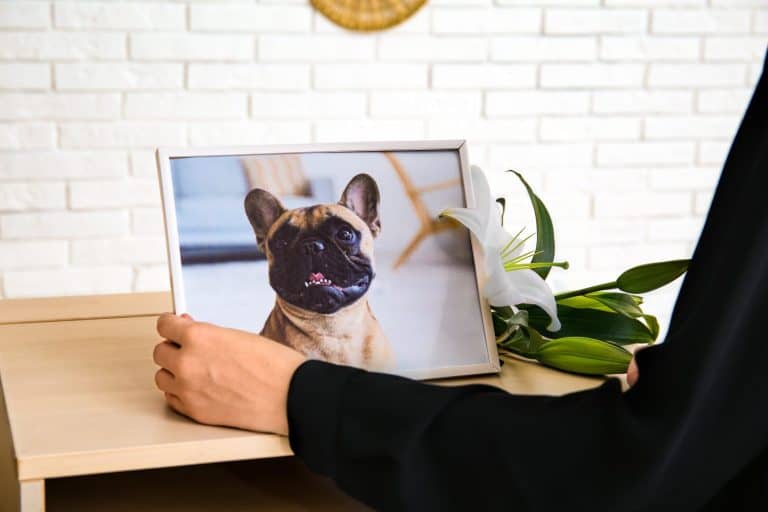
Pets can benefit from the new trends in animal care as better quality products become available to more consumers.
©Elizabett/Shutterstock.com
The rapid growth of premium products creates economic opportunities across the pet industry. Companies that produce specialized food, technology devices, and grooming services often pursue higher profit margins through premiumization, though industry reports note that margins are under pressure in 2026. Many pets benefit from these innovations. Improved nutrition, better veterinary treatment, and enriched living environments can contribute to longer and healthier lives for companion animals.
However, rising prices also create challenges. Some owners worry that basic care may appear inadequate compared with luxury services promoted online. Animal welfare groups emphasize that love, attention, and consistent care remain far more important than expensive accessories. To address these concerns, national and state programs, as well as nonprofit organizations, currently promote and provide affordable veterinary services, vaccination clinics, and food assistance for families facing financial hardship.
The Future of Pet Care and Spending
The luxury pet economy reflects a deeper cultural change in how people view animals in their homes. Dogs and cats now occupy a role closer to companions than working animals. This shift encourages owners to invest more time and resources into the well-being of their beloved pets. Innovation will likely continue across the pet industry. Advances in nutrition science, veterinary medicine, and connected devices may introduce new products designed to improve animal health and comfort.
At the same time, responsible ownership will remain rooted in simple principles. Regular veterinary care, balanced nutrition, exercise, and social interaction support a pet’s quality of life more than expensive accessories.
As the industry evolves, the challenge will be maintaining accessibility while encouraging better standards of care. When companies balance innovation with affordability, the changing pet economy can benefit animals, as well as owners across many income levels.