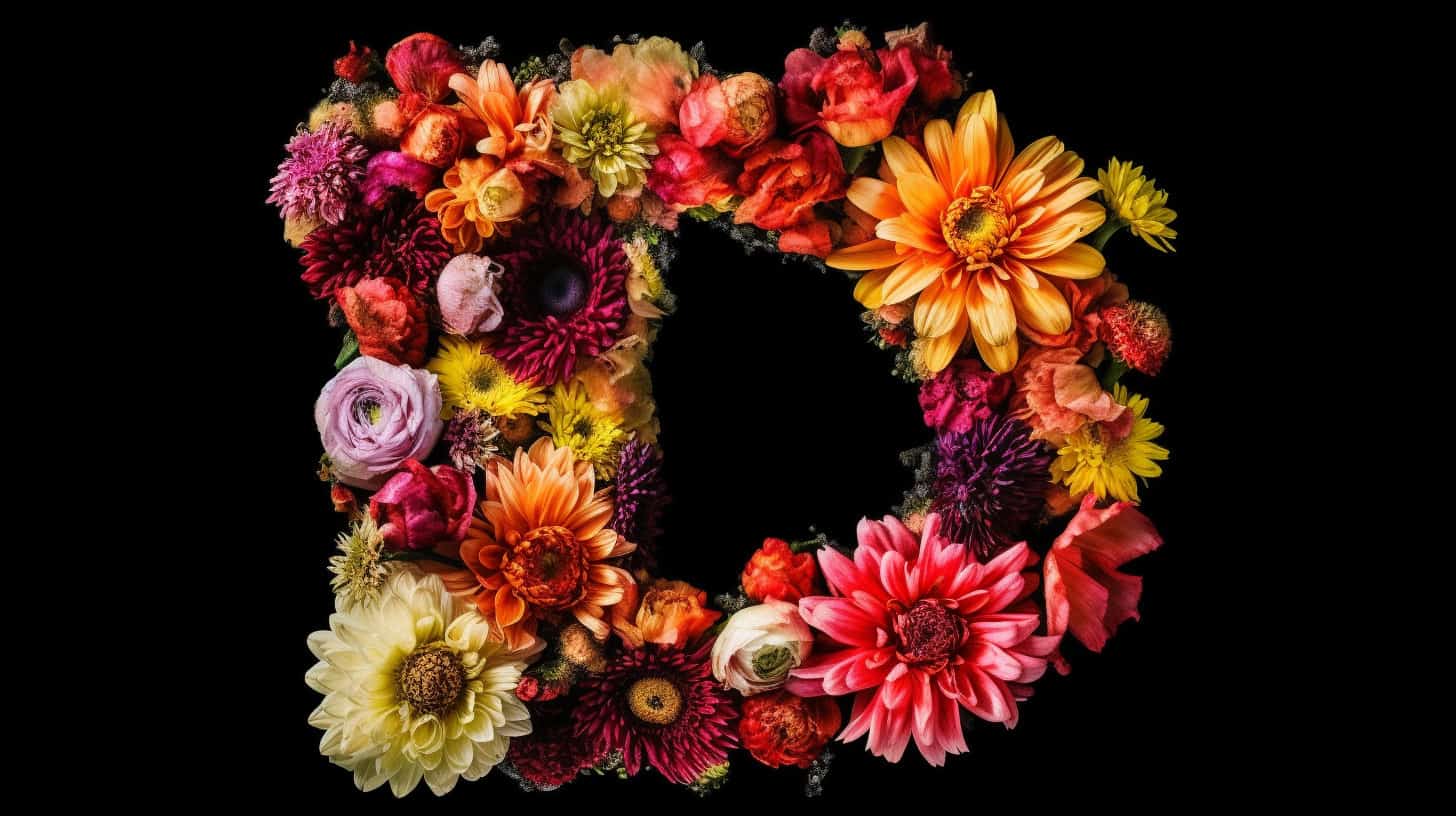

The world is full of vibrant flowers blooming across the planet in a variety of shapes, colors, and sizes. There are a multitude of flowers that start with the letter D which include desert rose, deutzia, Dianella, dittany, Dutch iris, dahlia, daisy, dandelion, Daphne, daylily, delphinium, and devil-in-a-bush. Many produce delightful scents, some are edible or can be made into tea and other drinks, and others have special cultural or religious meanings. To help you learn about some popular and beloved flowers while discovering others that are less well known, this article lists 25 flowers whose common names start with the letter D. However, for a longer list, scroll to the end to find more flowers whose names start with D!
Daffodil
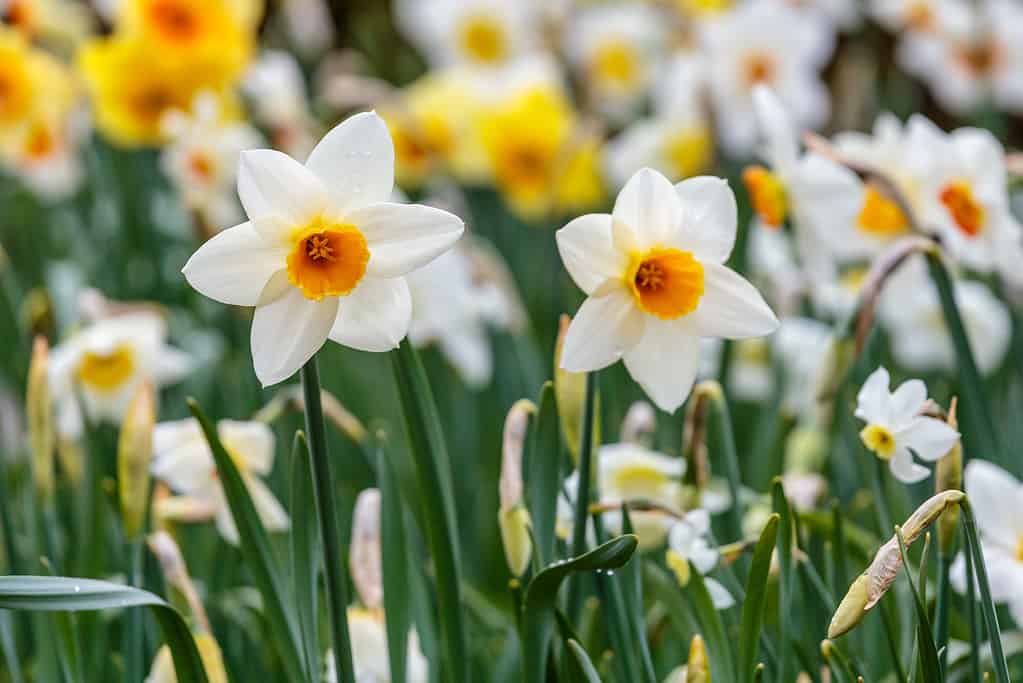
These trumpet-shaped blooms come in a range of colors, including white, yellow, orange, and pink.
©Balazovic Lubos/Shutterstock.com
Daffodils are flowers in the Narcissus genus. The more than 50 species in the genus are easy-to-grow bulb flowers first from Europe and North Africa. As one of the most popular garden flowers, daffodils can be found growing each spring in a range of varieties. Depending on which species or variety, daffodils grow between 6 and 30 inches tall and can appear individually or in clusters. These trumpet-shaped blooms come in a range of colors, including white, yellow, orange, and pink. Daffodils typically blossom in March or April and grow best in USDA growing zones 4 to 8 in conditions of full sun to partial shade.
Dahlia
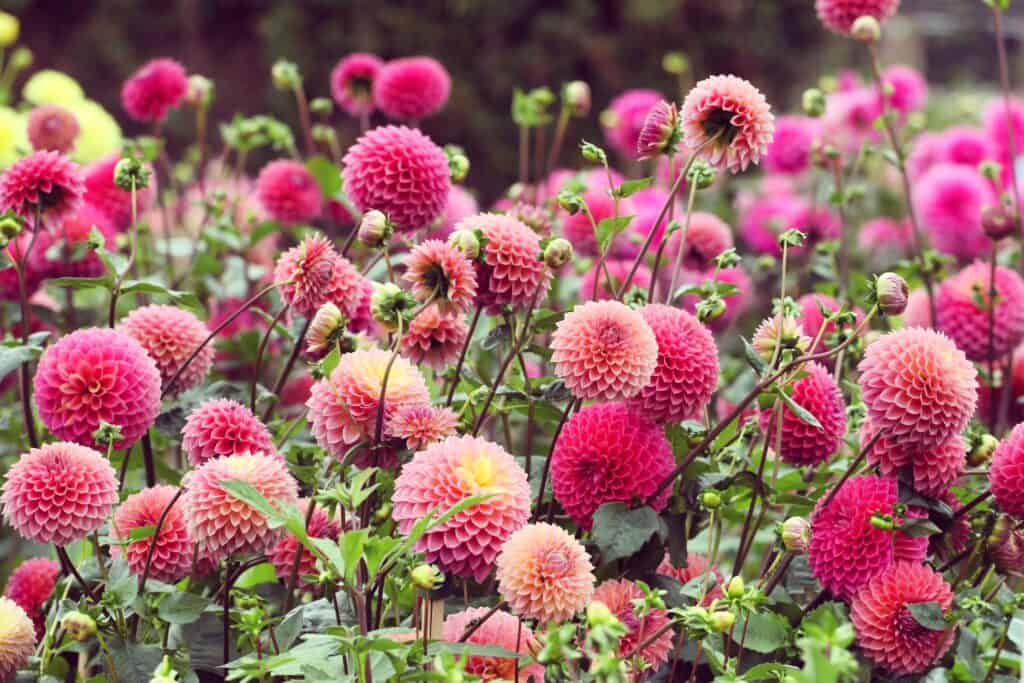
Dahlias are a favorite of late summer to early fall gardeners and florists.
©Alex Manders/Shutterstock.com
Dahlias (Dahlia) are a group of plants that come in many species and varieties in the Dahlia genus of the Aster family. These gorgeous flowers have deep cultural significance in parts of Central America, including Mexico, where they come from originally. However, their popularity for gardens and cut flower bouquets means that they now grow across a geographic range, thriving in USDA growing zones 7 to 10. Dahlias produce flowers in colors including red, pink, purple, orange, yellow, and white, and come in a range of shapes and sizes. Dahlias are a favorite of late summer to early fall gardeners and florists. Additionally, the showy blossoms attract butterflies and are a staple of garden shows and floral competitions.
Dahlberg Daisy
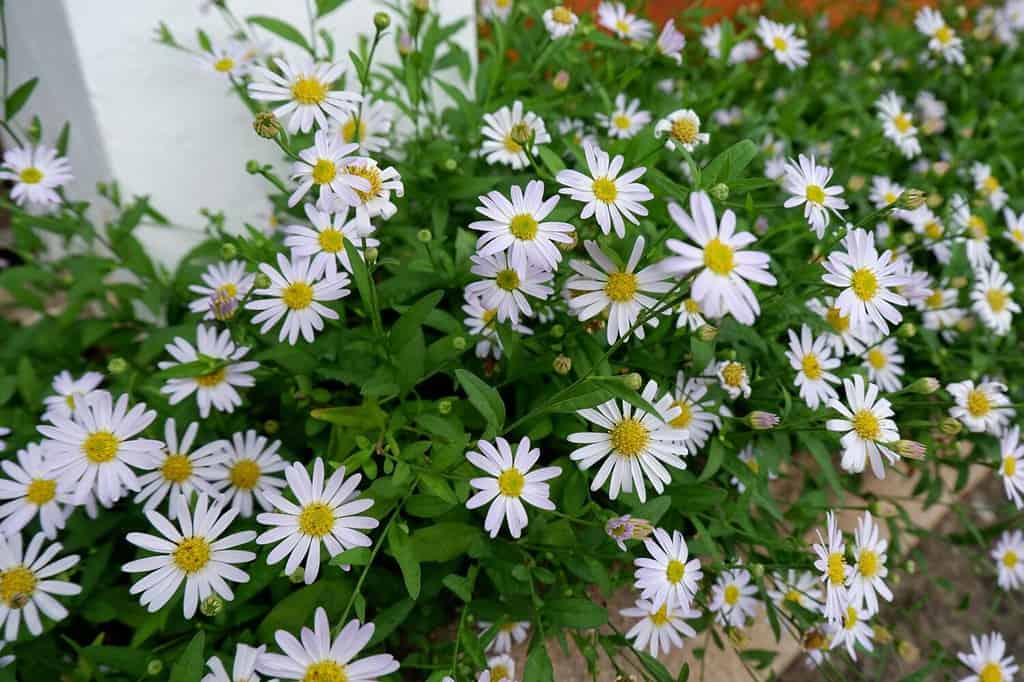
At full maturity, the Dahlberg daisy reaches heights between 6 and 12 inches tall.
©NATTANAN KLOENPRATHOM/Shutterstock.com
The Dahlberg daisy (Thymophylla tenuiloba) is an annual flower with bright yellow, fragrant blossoms. At full maturity, the Dahlberg daisy reaches heights between 6 and 12 inches tall. These flowers thrive in USDA hardiness zones 9 to 10, prefer full sun, and are tolerant of drought.
Dalmation Iris
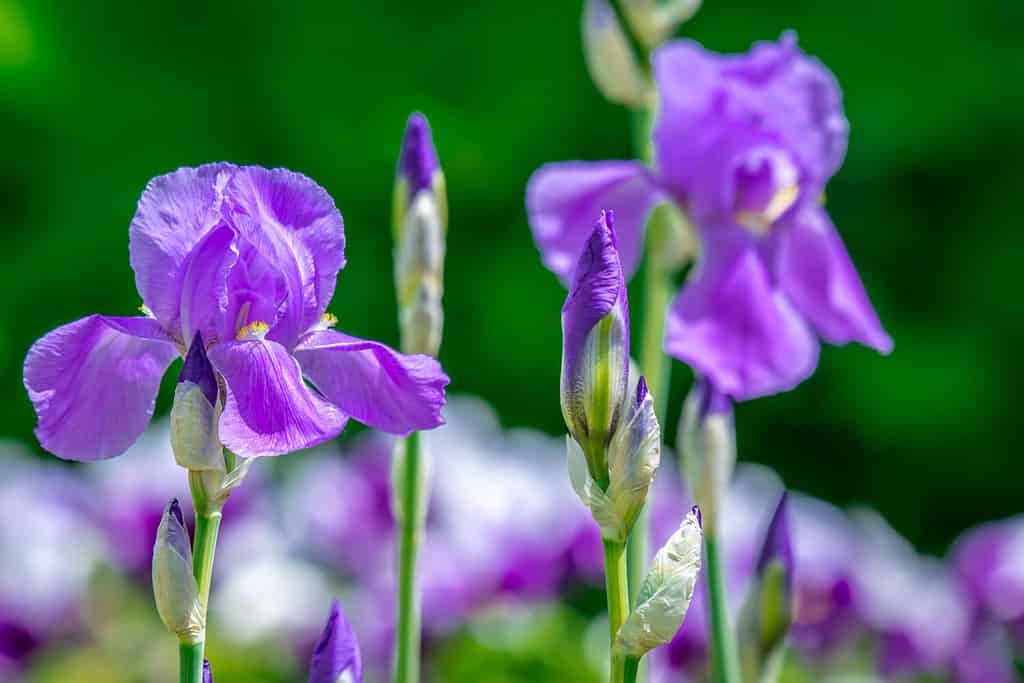
The Dalmatian iris thrives in USDA hardiness zones 5 to 9, and prefers full sun to part shade.
©Mark Byer/Shutterstock.com
The Dalmatian iris (Iris pallida) is a perennial flower with pale blue or purple-colored blossoms. At full maturity, the Dalmatian iris reaches heights of 24 to 36 inches tall. These flowers thrive in USDA hardiness zones 5 to 9, prefer full sun to part shade, and need relatively moderate moisture to flourish.
Dame’s Rocket
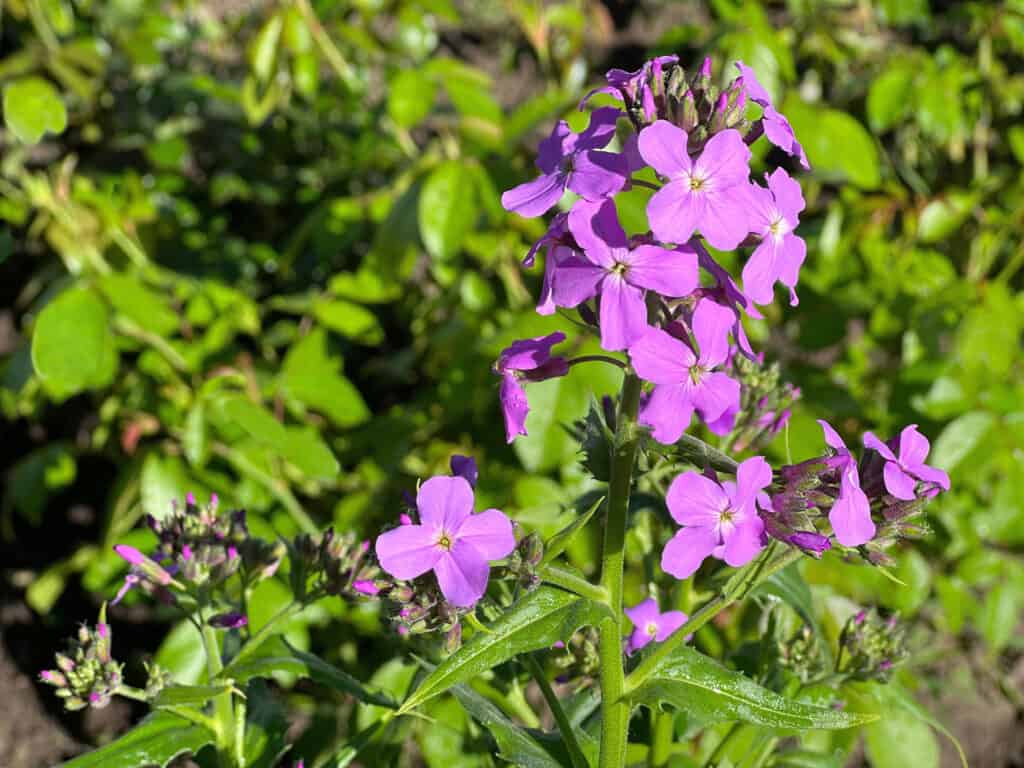
In the evenings, the scent of dame’s rocket (Hesperis matronalis) flowers becomes stronger.
©iStock.com/Olena Lialina
Dame’s rocket (Hesperis matronalis) is an herbaceous perennial that produces white or purple blossoms. At full maturity, the plants reach between 12 and 36 inches tall and grow best in conditions of full sun to part shade in USDA hardiness zones 3 to 8. These plants produce fragrant, beautiful flowers and dark green foliage. However, proceed with caution! In many states, dame’s rocket is considered a noxious weed.
Dandelion
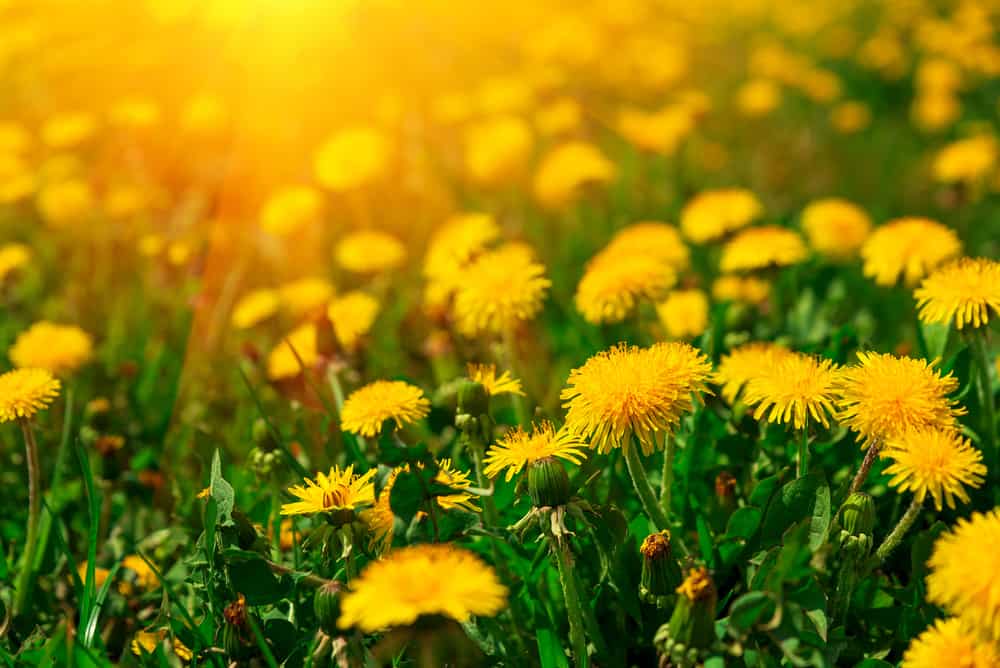
Dandelions have bright yellow ray flowers and leaves that can be toothed, smooth, or cut.
©Tetiana Shumbasova/Shutterstock.com
The dandelion (Taraxacum) is a genus of flowering plants commonly thought of as weeds. These flowering herbaceous perennial plants are native to Eurasia but have spread more broadly, including across North America. The most common dandelion is Taraxacum officinale. These plants have bright yellow ray flowers and leaves that can be toothed, smooth, or cut.
Daphne
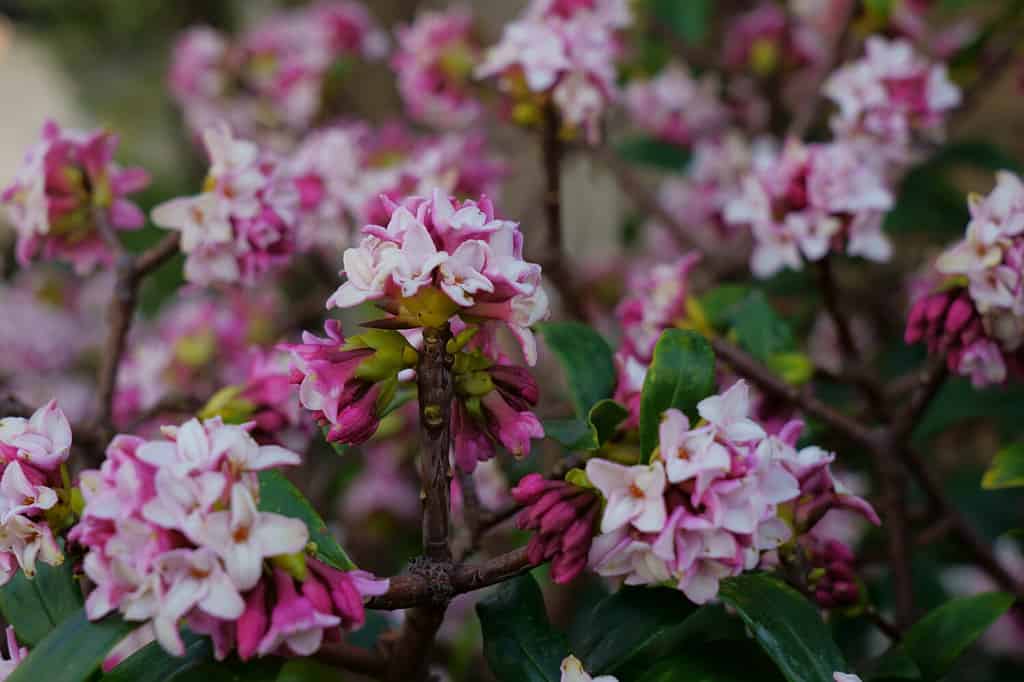
Daphne flowers are fragrant showy blossoms that are typically pinkish purple with white on the inside.
©High Mountain/Shutterstock.com
Daphne (Daphne odora) is a broadleaf evergreen plant originally from Asia, particularly China and Japan. Daphne flowers are fragrant showy blossoms that are typically pinkish purple with white on the inside. They grow best in USDA hardiness zones 7 to 9 in conditions of part shade. The plants typically grow to 3 to 4 feet tall.
Datura
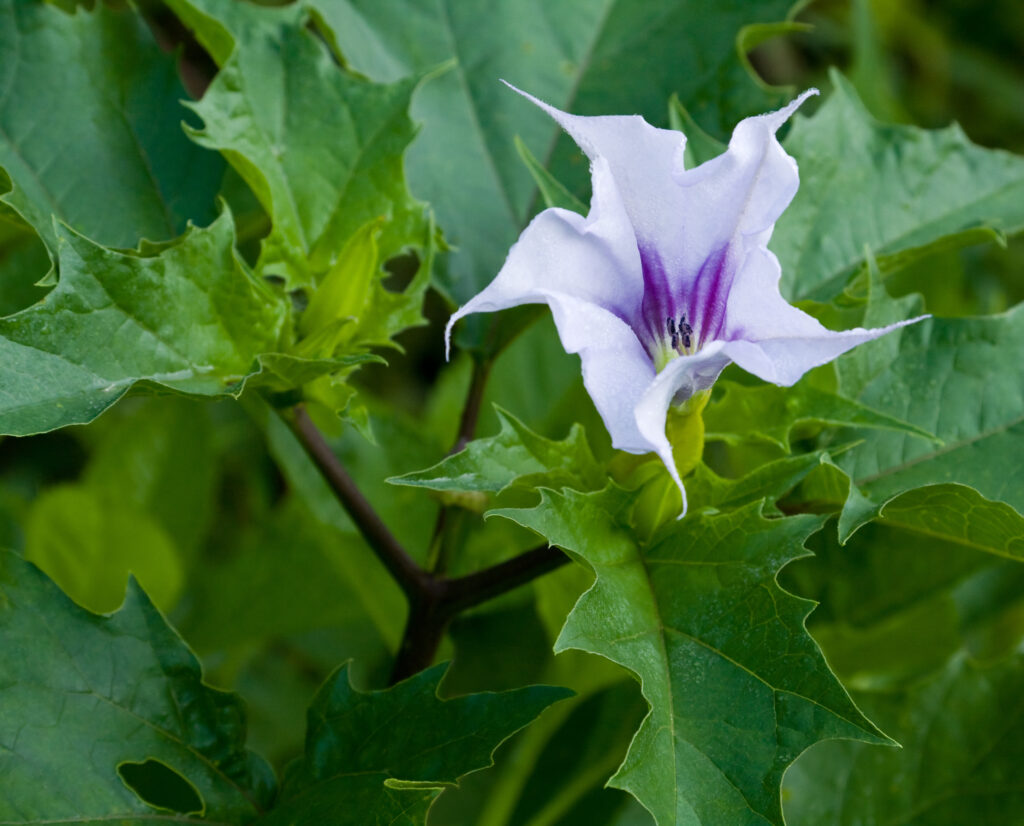
Although death is uncommon, devil’s weed intoxication produces bizarre behaviors, insomnia, nausea, hallucinations, urinary retention, and amnesia.
©Melinda Fawver/Shutterstock.com
The datura (Datura stramonium) is an herbaceous perennial that produces purple or lavender blossoms which produce an unpleasant scent. The plants are hardy in USDA zones 9 to 11 in full sun and can tolerate drought. Datura flowers open up at night, at which time they feed nocturnal moths. If you look, you may find datura flowers growing by the side of the road, in pastures, or as a weed in garden landscapes. However, you should beware! Datura is also poisonous to humans.
Daylily
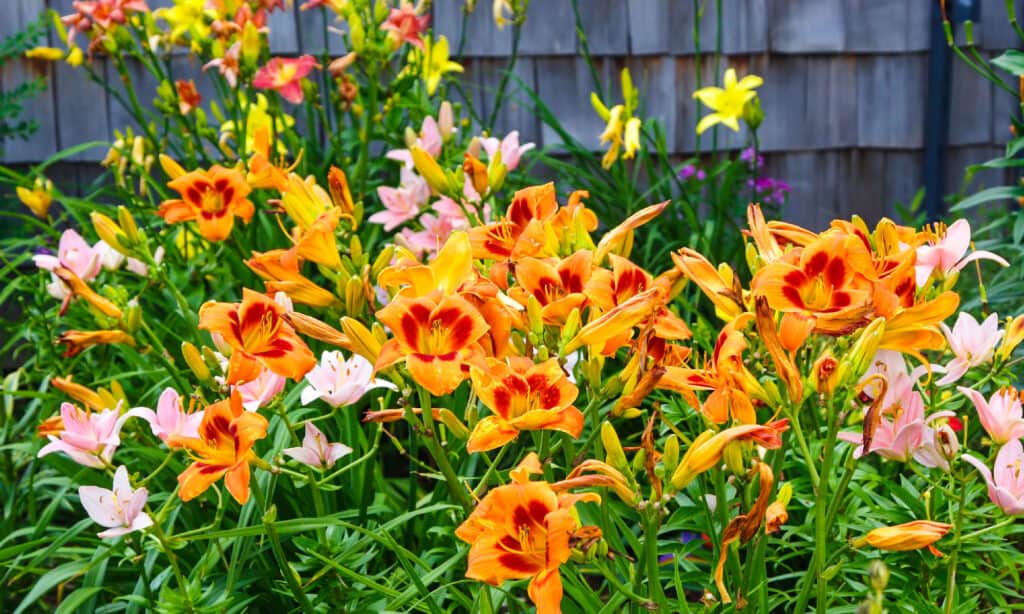
Daylilies attract butterflies.
©iStock.com/onepony
The daylily (Hemerocallis) is a perennial flower, with many varieties in the Hemerocallis genus. Some of the popular Daylily varieties include Hemerocallis ‘Autumn Red’, Hemerocallis ‘Apricot’, Hemerocallis ‘Apricot Beauty’, Hemerocallis ‘Green Tarantula’, Hemerocallis ‘Prairie Blue Eyes’, Hemerocallis ‘Lady Emily’, and numerous others. At maturity, they reach heights of 24 to 30 inches tall. These flowers thrive in USDA hardiness zones 3 to 9, grow best with the sun to part shade, and need moderate moisture levels. Additionally, daylilies attract butterflies. Because of that, many people love daylilies as an addition to a butterfly garden. Aside from their gorgeous appearance, daylilies are relatively easy to grow.
Delosperma
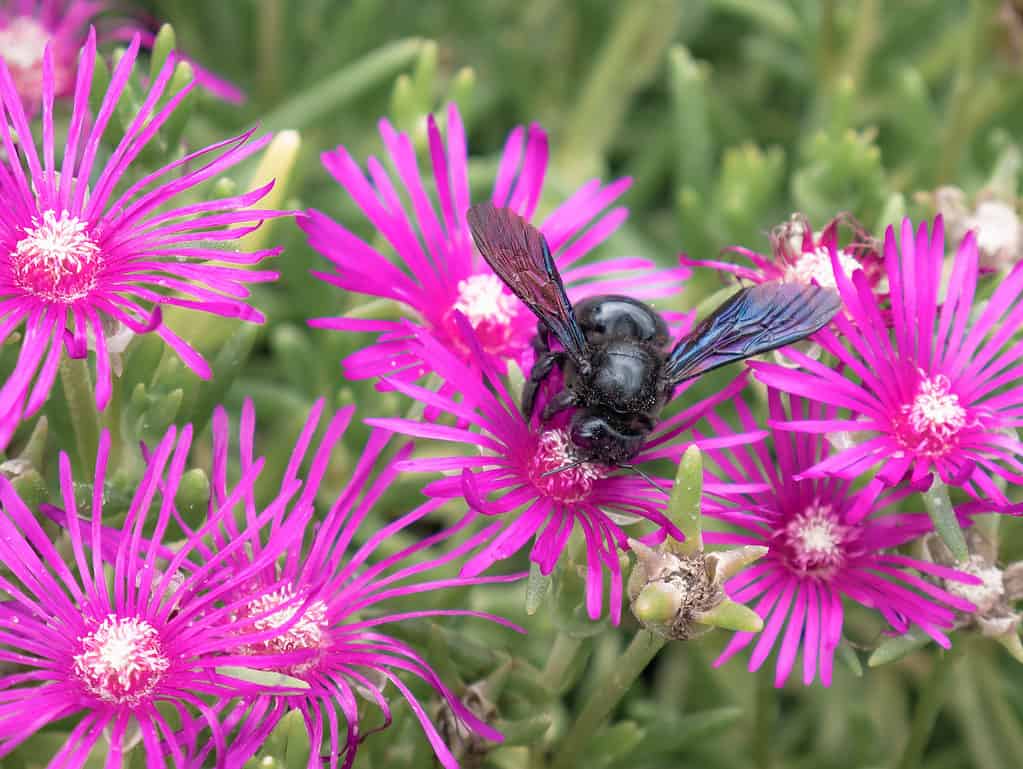
The ice plant produces glossy, red, or purple-colored blossoms.
©iStock.com/Dudbrain
Delosperma (Delosperma cooperi), also known as “ice plant,” is an herbaceous perennial originally from southern Africa. The ice plant produces glossy, red, or purple-colored blossoms. The plants reach heights of 4 to 6 inches tall and grow best in full sun in USDA hardiness zones 6 to 10. If you want to plant delosperma, you may find that it fits well in desert gardens or rock gardens where the vibrant purple color can add a splash of color. These are a great choice for desert landscaping!
Delphinium
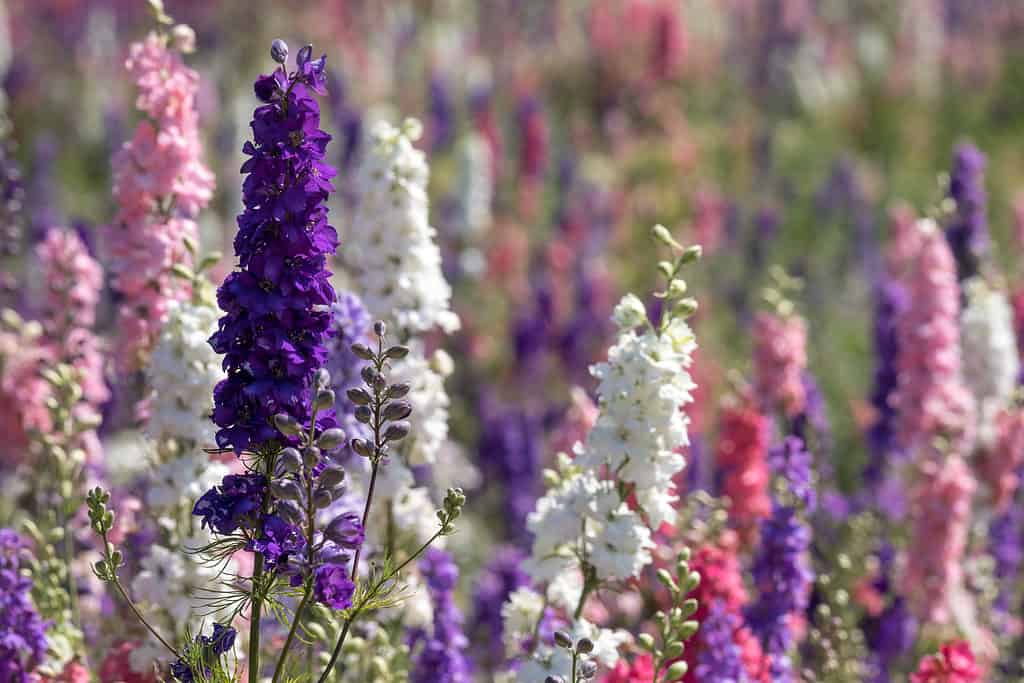
Delphinium flowers, also commonly known as larkspur, attract hummingbirds and butterflies and can be a great addition to a cut flower bouquet or table arrangement.
©Lois GoBe/Shutterstock.com
Delphinium flowers, also commonly known as larkspur, are herbaceous perennial plants in the Delphinium genus of the Ranunculaceae family. Larkspur plants can grow to heights of 4 to 6 feet tall with a spread of 2 to 3 feet across and thrive in USDA hardiness zones 3 to 7. These plants produce blossoms that can range from white to pink to blue or violet. The showy blossoms attract hummingbirds and butterflies and can be a great addition to a cut flower bouquet or table arrangement. In total, the Delphinium genus includes over 300 species of annual, biennial, and perennial plants. Additionally, some of the most popular plants sold are complex hybrids.
Desert Rose
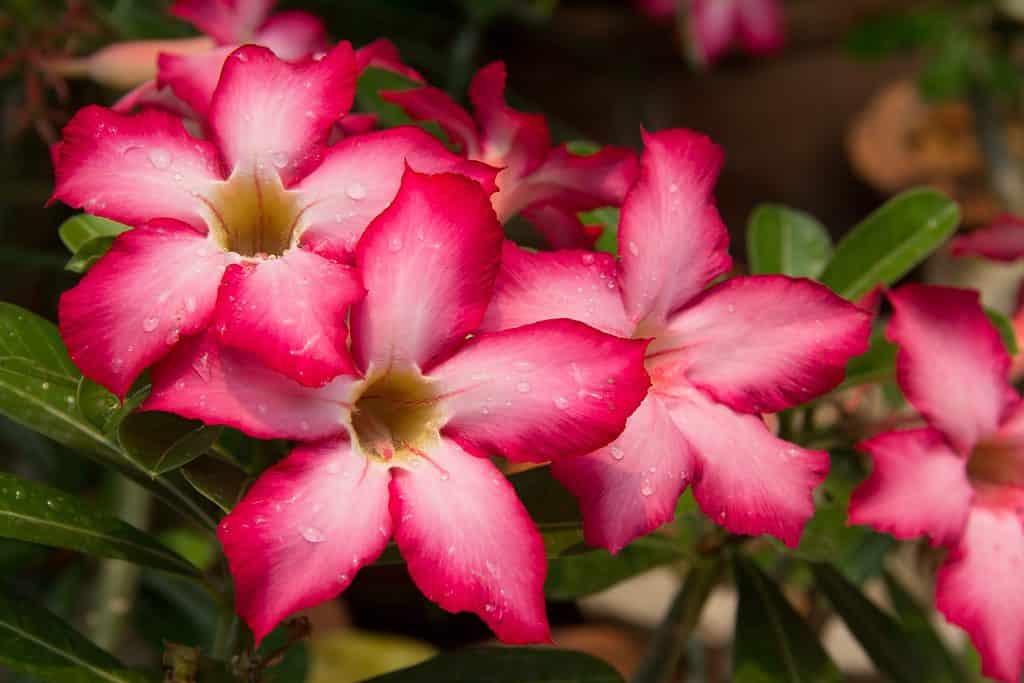
Since they can tolerate heat and drought well, gardeners may plant desert roses in containers with gravelly, well-draining soil.
©Noypb/Shutterstock.com
The desert rose (Adenium obesum) is a broadleaf evergreen plant originally from parts of tropical Africa and the Arabian Peninsula. Because of this, the plants grow best in full sun in USDA hardiness zones 11 to 12 and are tolerant of drought conditions. These flowers bloom seasonally in hues of red or pink with cream-colored throats. The plants reach heights ranging from 3 to 9 feet tall with spreads of 3 to 5 feet across. Since they can tolerate heat and drought well, gardeners may plant desert roses in containers with gravelly, well-draining soil.
Desert Sand Verbena
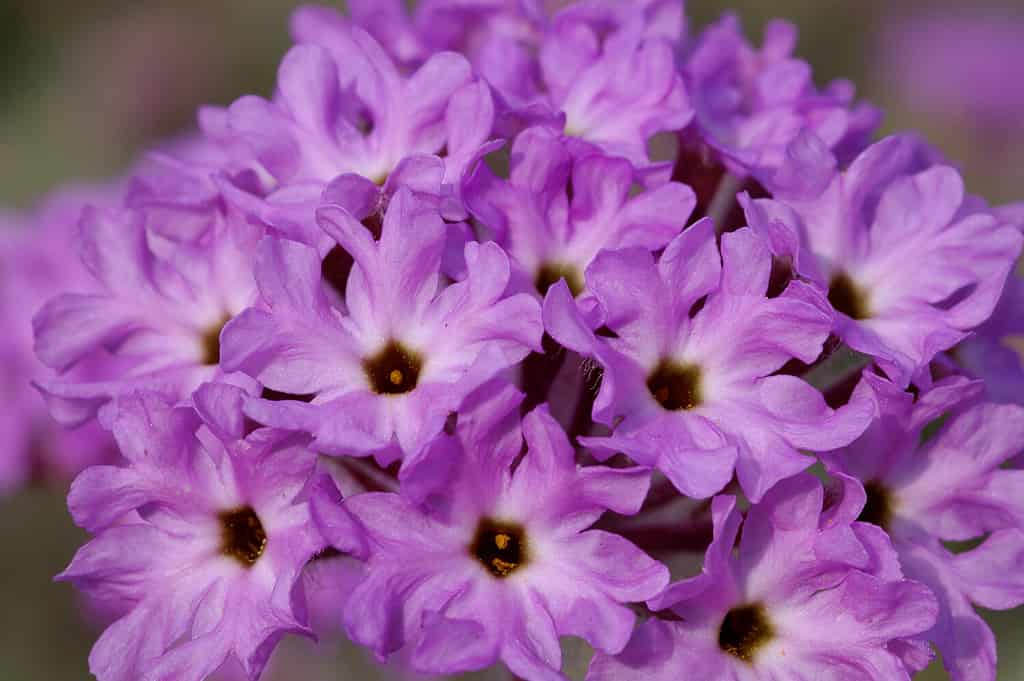
Desert sand verbena flowers tolerate drought and grow well in hot, desert conditions.
©T.W./Shutterstock.com
The desert sand verbena (Abronia villosa) is an herbaceous annual plant that grows to be up to 6 inches tall. These plants produce bright, trumpet-shaped flowers that pop up in the desert landscape, carpeting the ground with purple or pink blossoms. Desert sand verbena flowers tolerate drought and grow well in hot, desert conditions.
Deutzia
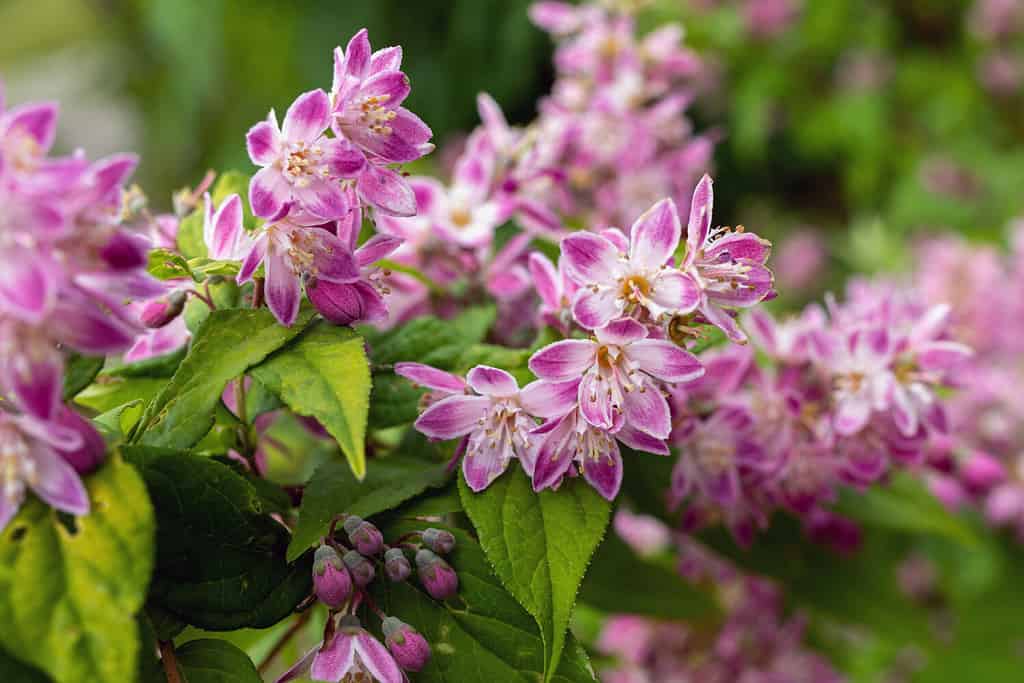
The deutzia shrubsattract both birds and butterflies, so could be a great addition to a garden.
©Olya Maximenko/Shutterstock.com
The deutzia (Deutzia pulchra) is a shrub that blossoms with white flowers. The shrub reaches heights of 48 to 72 inches tall. The shrubs these flowers thrive in USDA zones 5 to 8. They prefer partial to full shade and need medium water to flourish. These shrubs attract both birds and butterflies, so could be a great addition to a garden for those who enjoy birdwatching or seeing beautiful butterflies during the spring and summer.
Dew Flower
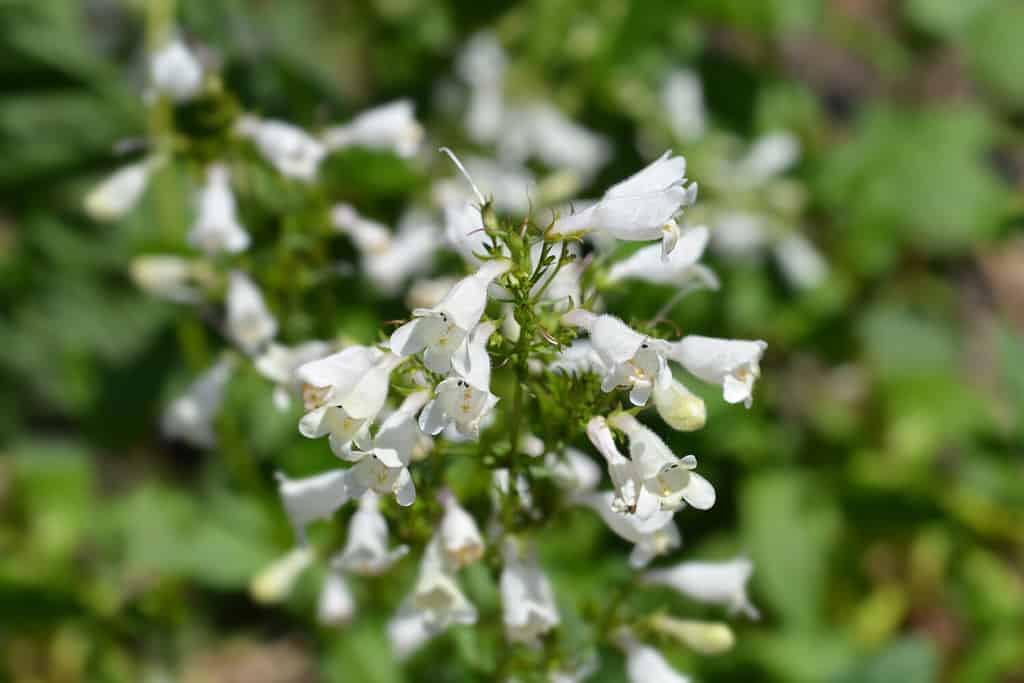
The dew flower grows best in USDA zones 5 to 8, need full sun, and is drought-tolerant.
©Nahhana/Shutterstock.com
The dew flower (Penstemon cobaea) is a perennial that produces white, pink, or purple flowers that are showy and attractive to butterflies. Dew flowers tend to reach 12 to 24 inches tall at maturity. These flowers grow best in USDA zones 5 to 8, need full sun, and are drought-tolerant.
Dianella
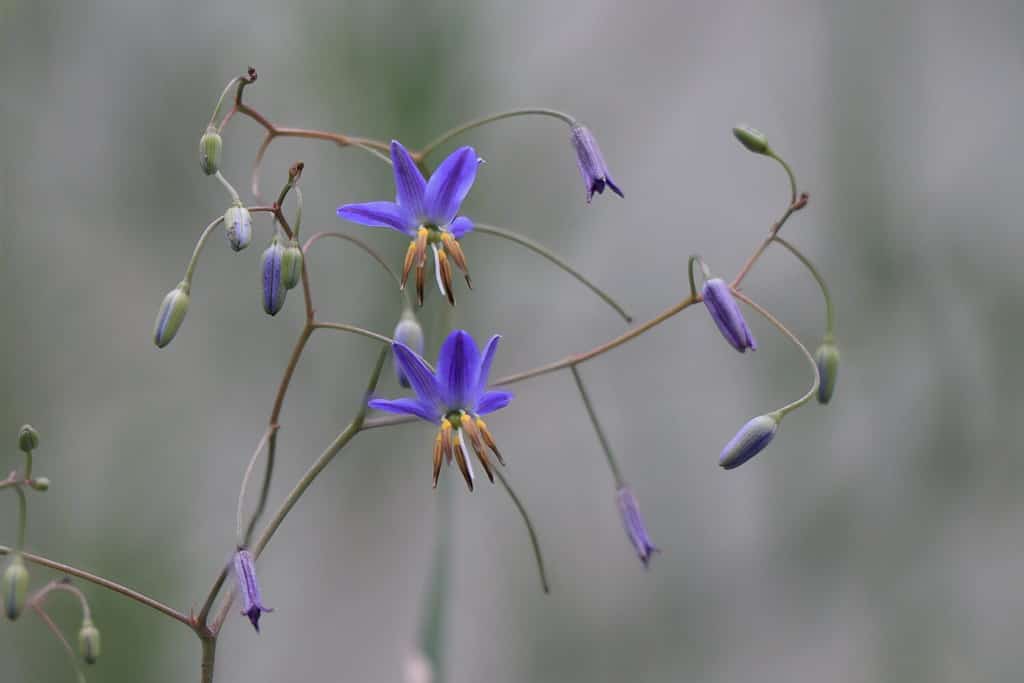
Dianella flowers produce blue blossoms that appear in late winter to early spring in dry, shady areas.
©Antoniya Kadiyska/Shutterstock.com
Dianella (Dianella tasmanica ‘variegata’) is on our list of flowers that start with D. However, it is more commonly known as the flax lily. This plant is an herbaceous perennial that thrives in USDA hardiness zones 9 to 11. These flowers produce blue blossoms that appear in late winter to early spring in dry, shady areas. This plant is originally from Tasmania and southeastern Australia, where the plants would have long, thin leaves reaching 3 feet across, with plants growing between 18 and 24 inches tall. This origin is part of what gave the flower its scientific name.
Diascia
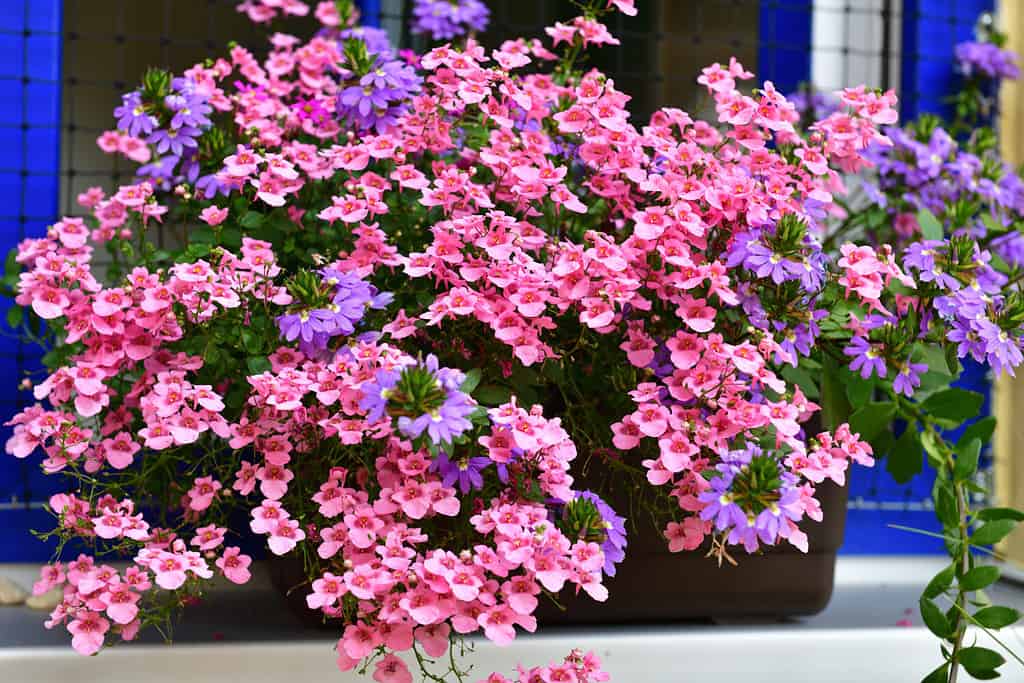
Originally, diascia grew in parts of temperate southern Africa.
©NagyG/Shutterstock.com
Diascia (Diascia barberae) is an herbaceous perennial commonly known as twinspur. These plants grow well in USDA hardiness zones 8 to 11, reaching heights between 8 and 12 inches tall. Each spring, the plant produces showy, bright pink flowers with yellow throats. Originally, diascia grew in parts of temperate southern Africa. Because of these origins, diascia grows well in full sun and temperate conditions.
Dittany
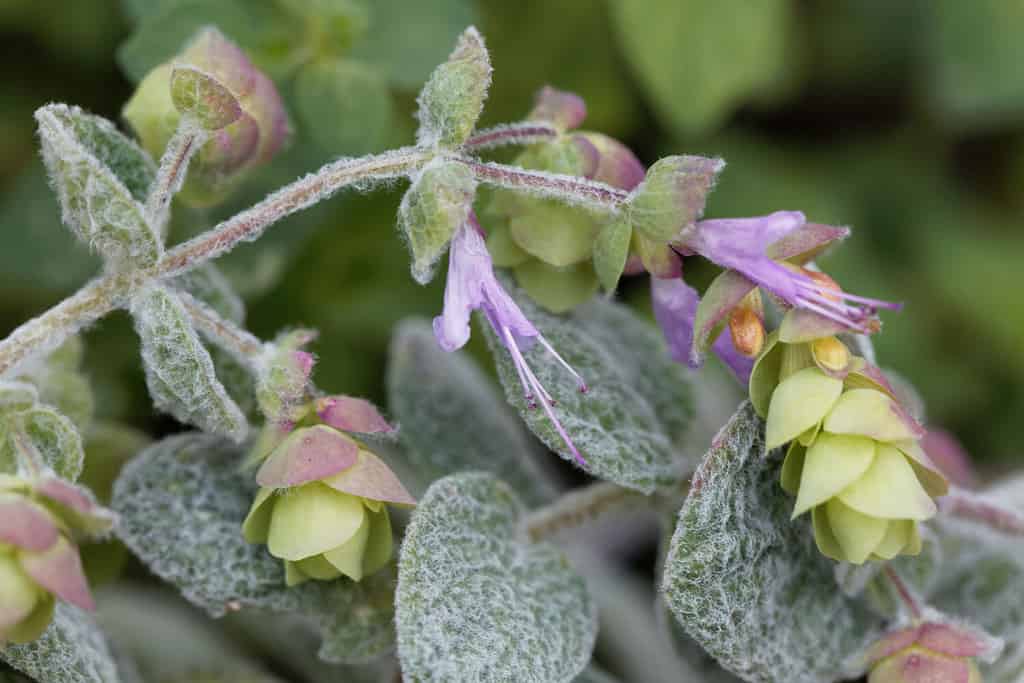
Dittany is an easy-to-grow flower that is fragrant and a great cut flower for your bouquet or flower arrangement.
©ChWeiss/Shutterstock.com
Dittany (Dictamnus albus) is a perennial with pale purple, pink, or white flowers, which are distinctive for their dark veins on the petals. These easy-to-grow flowers are fragrant and make great cut flowers for your bouquet or flower arrangement. Dittany tends to grow to 24 to 36 inches tall at maturity and thrives in USDA hardiness zones 3 to 8. They need full sun and moderate levels of moisture.
Dodder

Although they are parasitic vines, dodder can produce pretty blossoms.
©EVGEIIA/Shutterstock.com
Dodder is an annual flowering parasitic vine in the Dodder family. There are over 50 species that occur throughout North America, growing in tropical and warm-temperate areas. However, although they are parasitic vines, dodder can produce pretty blossoms. The yellow strands of dodder produce vibrant white, yellow, pink, purple, or red flowers. These usually grow in bell-shaped clusters from spring to early fall.
Dog Rose

Dog rose, a scrambling species, escaped gardens and became invasive and detrimental to native species.
©Iva Vagnerova/Shutterstock.com
Dog rose (Rosa canina) is a resilient deciduous shrub that produces serrated green leaves and lightly fragrant pink or white flowers. These plants can grow as tall as 15 feet tall and thrive in full sun. This plant is native to Europe, North Africa, and parts of Asia. Though dog rose has been planted in U.S. landscapes, this scrambling species escaped gardens and became invasive and detrimental to native species. Because of that, many plant experts recommend choosing an alternative.
Dogwood
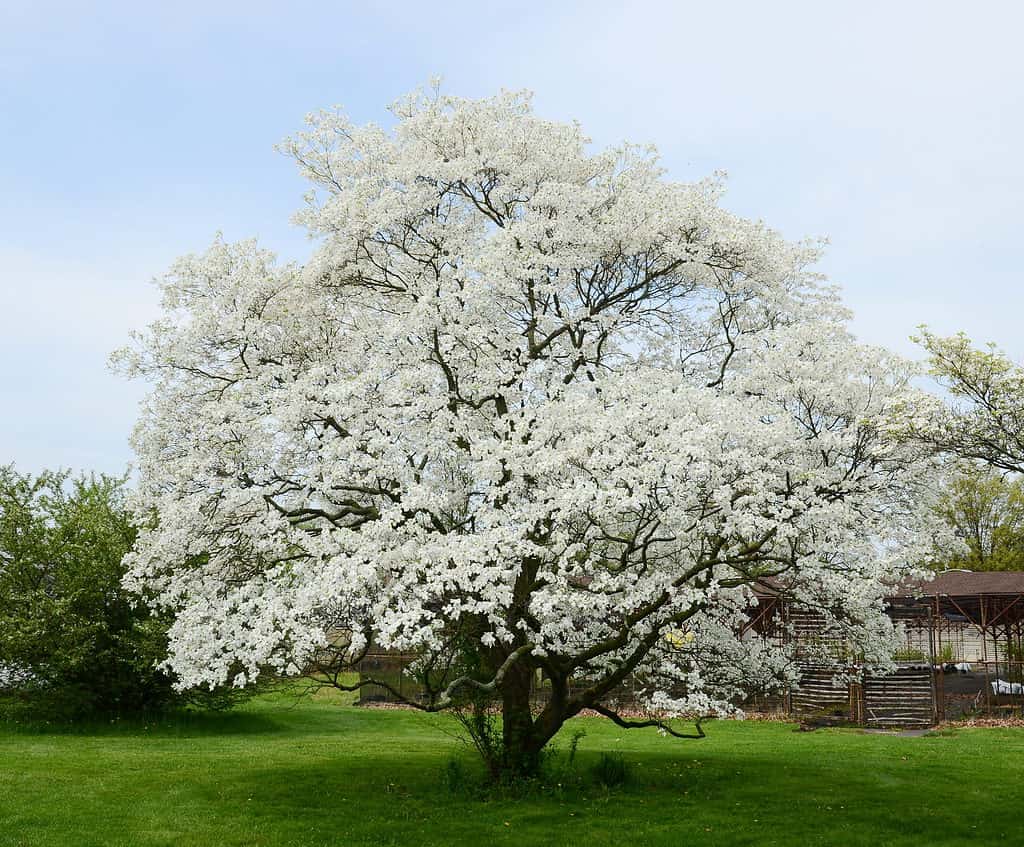
Dogwood trees are seen as a symbol of the south, where many dogwoods grow.
©Virunja/Shutterstock.com
Dogwood (Cornus florida) trees, also known as flowering dogwood, are small trees native to Eastern North America. The trees typically grow between 15 and 30 feet tall, with a spread of 15 to 30 feet across. Each spring, dogwood trees produce white flowers that attract birds and butterflies. This tree is a favorite among all of North America’s native flowering trees. Dogwood trees are seen as a symbol of the south, where many dogwoods grow. They grow relatively easily and produce oval, dark green leaves that turn red in the fall.
Dutch Iris
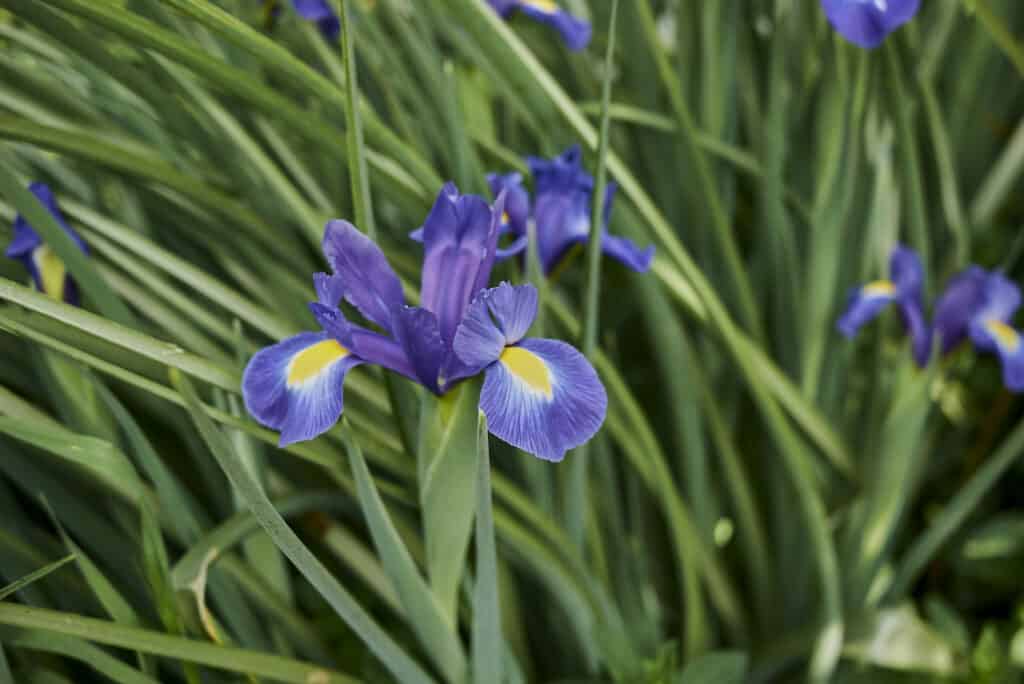
Iris blossoms appear in May or June each year, producing blue, yellow, or white flowers.
©iStock.com/seven75
Dutch iris is part of the Iris Dutch Hybrid Group in the Iridaceae family. This herbaceous perennial grows in USDA hardiness zones 6 to 9, where it thrives in full sun. Iris blossoms appear in May or June each year, producing blue, yellow, or white flowers. These flowers were developed by Dutch growers, and most of the Dutch hybrids grow between 15 and 24 inches tall with colorful flowers and narrow green leaves. Additionally, irises are popular choices for cut flower bouquets and a favorite of florists.
Dutchman’s Breeches
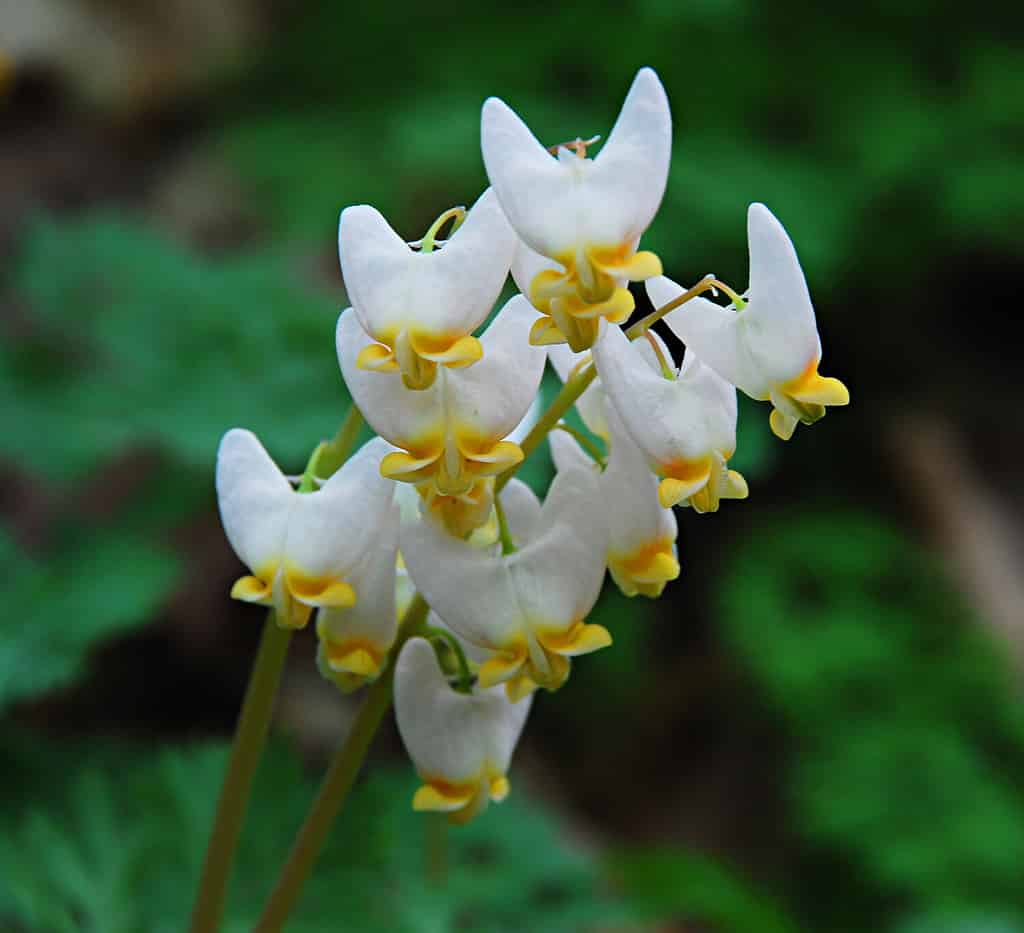
Dutchman’s breeches typically grow in the eastern part of North America in forest floors, valleys, along streams, and in ravines.
©Elyse Clark Tse/Shutterstock.com
Dutchman’s breeches (Dicentra cucullaria) is a perennial that produces white or pink showy flowers. These plants typically reach between 6 and 12 inches tall and grow best in USDA hardiness zones 3 to 7 with part to full shade. Dutchman’s breeches typically grow in the Eastern part of North America in forest floors, valleys, along streams, and in ravines. These plants have fern-like leaves and waxy, white, or pink flowers shaped like upside-down pants. This appearance is part of what inspired the name ”breeches.”
Dwarf Crested Iris
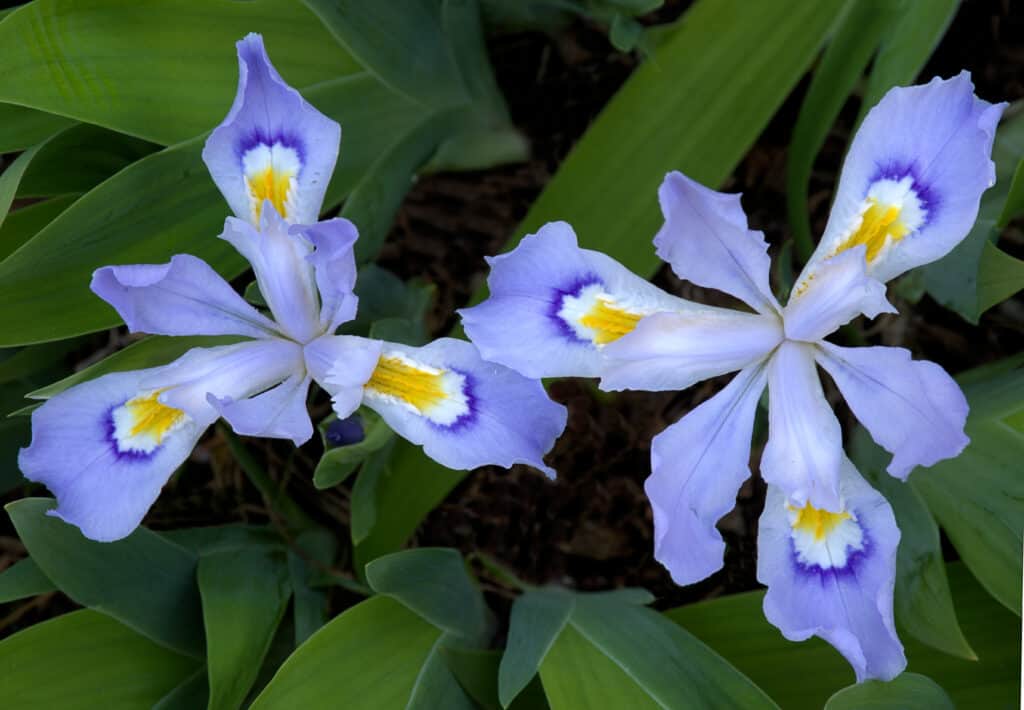
Crested Iris flowers are considered “endangered” in Pennsylvania and Maryland.
©iStock.com/Gerald G Gantar
Dwarf crested iris (Iris cristata) is an herbaceous perennial that produces pale blue flowers with yellow-crested falls. These plants usually grow to be between 6 and 10 inches tall and thrive in USDA hardiness zones 3 to 9 in full sun to part shade. Dwarf-crested iris plants usually grow in the Northeastern region of the United States, along with other parts of the Southeastern United States. If you look, you may find these flowers growing in wooded areas and along riverbeds, with short stems, sword-shaped green leaves, and gorgeous blue or lavender flowers.
Dyer’s Chamomile
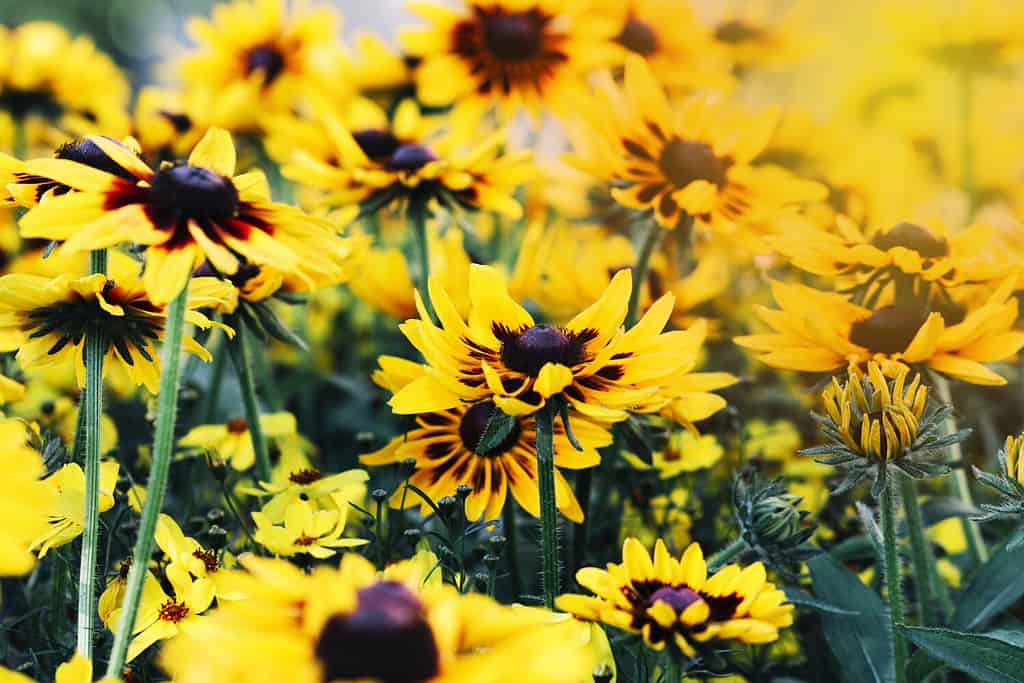
Dyer’s chamomile typically grows well in somewhat arid conditions.
©LenaProkopenko/Shutterstock.com
Last on the list of flowers that start with D is Dyer’s chamomile (Anthemis tinctoria ‘Kelwayi’). This plant is an herbaceous perennial that blooms with yellow flowers that look daisy-like. The plant also has aromatic, fern-like green leaves that have white-colored, woolly undersides. These plants usually grow to be between 24 and 36 inches tall, with a spread of 12 to 18 inches. They thrive in full sun and can tolerate some drought, growing best in USDA hardiness zones 3 to 7. Dyer’s chamomile typically grows well in somewhat arid conditions, and will not thrive in parts of the southeast with heavy clay soil and high levels of heat and humidity.
As a recap, here are all of the plants included in this article, all of which are flowers that start with D. However, these are not all of the flowers that start with D! Look at the end of this article for a long list of common flowers whose names begin with the letter D. Additionally, do not be afraid to do your research. There are thousands of flowering plants to explore! You will likely find many other flowers that start with D.
Summary of 25 Flowers that Start with the Letter D
| Number | Common Name | Scientific Name |
|---|---|---|
| 1 | Daffodil | Narcissus (genus) |
| 2 | Dahlia | Dahlia (genus) |
| 3 | Dahlberg Daisy | Thymophylla tenuiloba |
| 4 | Dalmation Iris | Iris pallida |
| 5 | Dame’s Rocket | Hesperis matronalis |
| 6 | Dandelion | Taraxacum officinale |
| 7 | Daphne | Daphne odora |
| 8 | Datura | Datura stramonium |
| 9 | Daylily | Hemerocallis (genus) |
| 10 | Delosperma | Delosperma cooperi |
| 11 | Delphinium | Delphinium (genus) |
| 12 | Desert Rose | Adenium obesum |
| 13 | Desert Sand Verbena | Abronia villosa |
| 14 | Deutzia | Deutzia pulchra |
| 15 | Dew Flower | Penstemon cobaea |
| 16 | Dianella | Dianella tasmanica ‘variegata’ |
| 17 | Diascia | Diascia barberae |
| 18 | Dittany | Dictamnus albus |
| 19 | Dodder | Dodder (family) |
| 20 | Dog Rose | Rosa canina |
| 21 | Dogwood | Cornus florida) |
| 22 | Dutch Iris | Iris |
| 23 | Dutchman’s Breeches | Dicentra cucullaria |
| 24 | Dwarf Crested Iris | Iris cristata |
| 25 | Dyer’s Chamomile | Anthemis tinctoria ‘Kelwayi’ |
Longer List of Flowers that Start with D
- Daffodil
- Dahlia
- Daisy
- Dalmation Bellflower
- Dalmation Iris
- Dame’s Rocket
- Dandelion
- Daphne
- Datura
- Daylily
- Dead Nettle
- Delosperma
- Delphinium
- Dendrobium
- Desert Rose
- Desert Sand Verbena
- Deutzia
- Devil-in-a-Bush
- Dew Flower
- Dianella
- Dianthus
- Diascia
- Dichondria
- Dicentra
- Dietes
- Digitalis
- Dipladenia
- Dittany
- Dock
- Dodder
- Dog Rose
- Dogwood
- Dracula
- Dragon Flower
- Drummond’s Phlox
- Drumstick Flower
- Dusty Miller
- Dutch Iris
- Dutchman’s Breeches
- Dutchman’s Pipe Cactus
- Dwarf Crested Iris
- Dryas
- Dyer’s Chamomile