
Ohio has 36 freight railroads running along approximately 5,000 miles of track. Farm products, coal, chemicals, scrap, sand, gravel, stone, and metal products are some common kinds of freight that these cargo trains haul. In a state with a freight rail network as extensive as this, the sound of distant train whistles and the constant chugging and “choo chooing” are only familiar sounds. However, on February 3, 2023, the village of East Palestine in Ohio, woke up to a different sound. A horrific, mighty clamor of screeching steel and clashing metals. A Norfolk Southern freight train had derailed in the small town, located on the state’s border with Pennslyvania. Months after the Ohio train derailment, town residents are languishing in limbo. Here’s a recap of what happened and how it has impacted the residents, plants, and wildlife species of East Palestine.
How the Ohio Train Derailment Unfolded
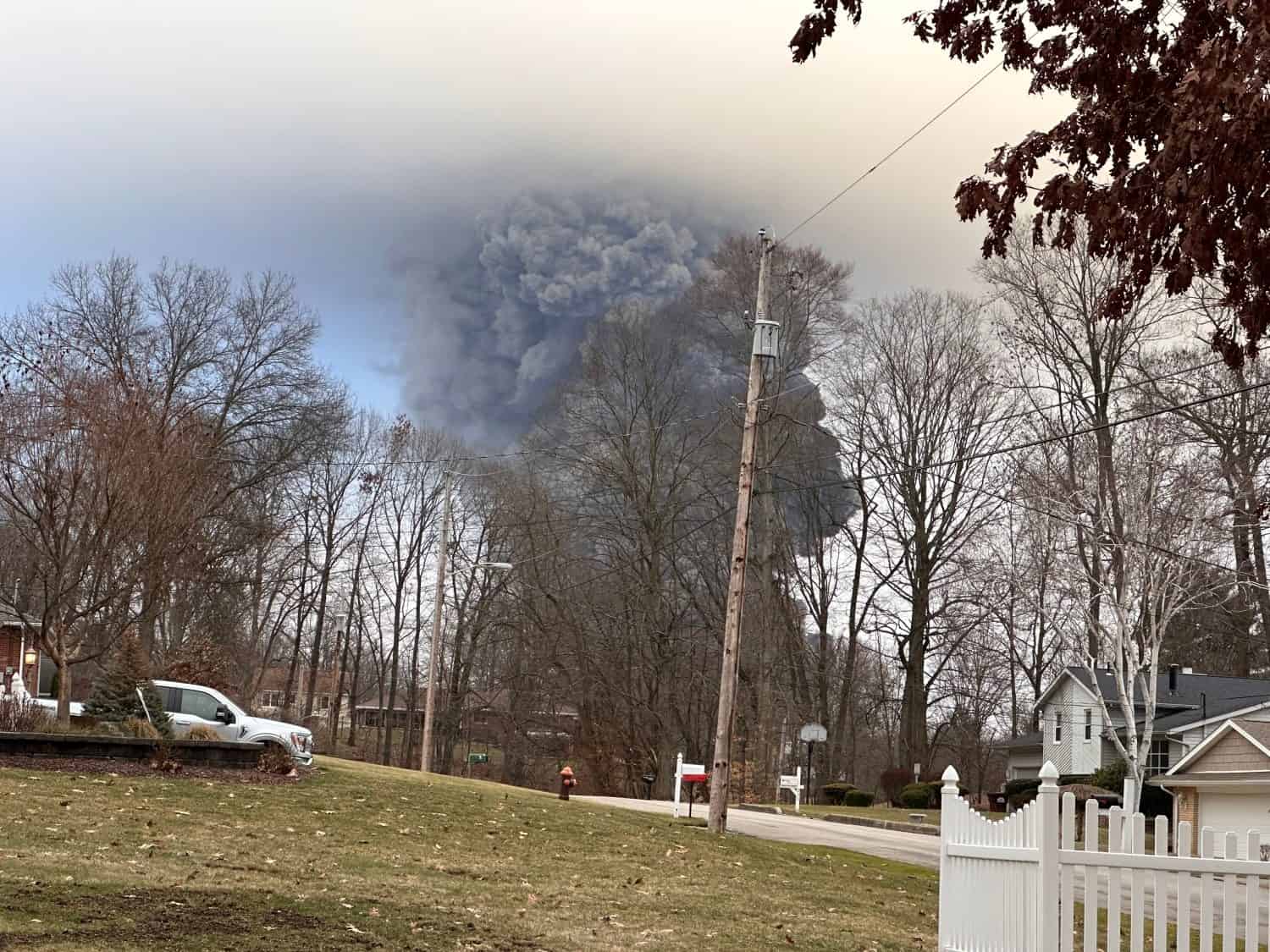
The East Palestine train derailment was a toxic disaster scene due to the industrial chemicals that about 20 railroad cars were carrying.
©Orlowski Designs LLC/Shutterstock.com
On February 3, 2023, at around 8:55 p.m., a 150-car Norfolk Southern freight train derailed in East Palestine, Ohio. The train crash is believed to have been triggered by an overheated wheel bearing. In the aftermath of the deadly train crash, 38 railcars of the eastbound freight train derailed. About 20 rail cars of the impacted train were carrying industrial chemicals such as vinyl chloride, butyl acrylate, ethylene glycol, isobutylene, and Ethylhexyl acrylate.
As some of the cars with flammable industrial fuels ruptured, the train caught fire. The ensuing fire resulted in the damage of an additional 12 cars. The disaster site was now a mangled mess of crushed rail cars and twisted tracks. Responders had barely mitigated the fire before they were struck with the next problem. Chemicals were spilling into the nearby Sulphur Run, a 3.5-mile stream that empties into the Ohio River.
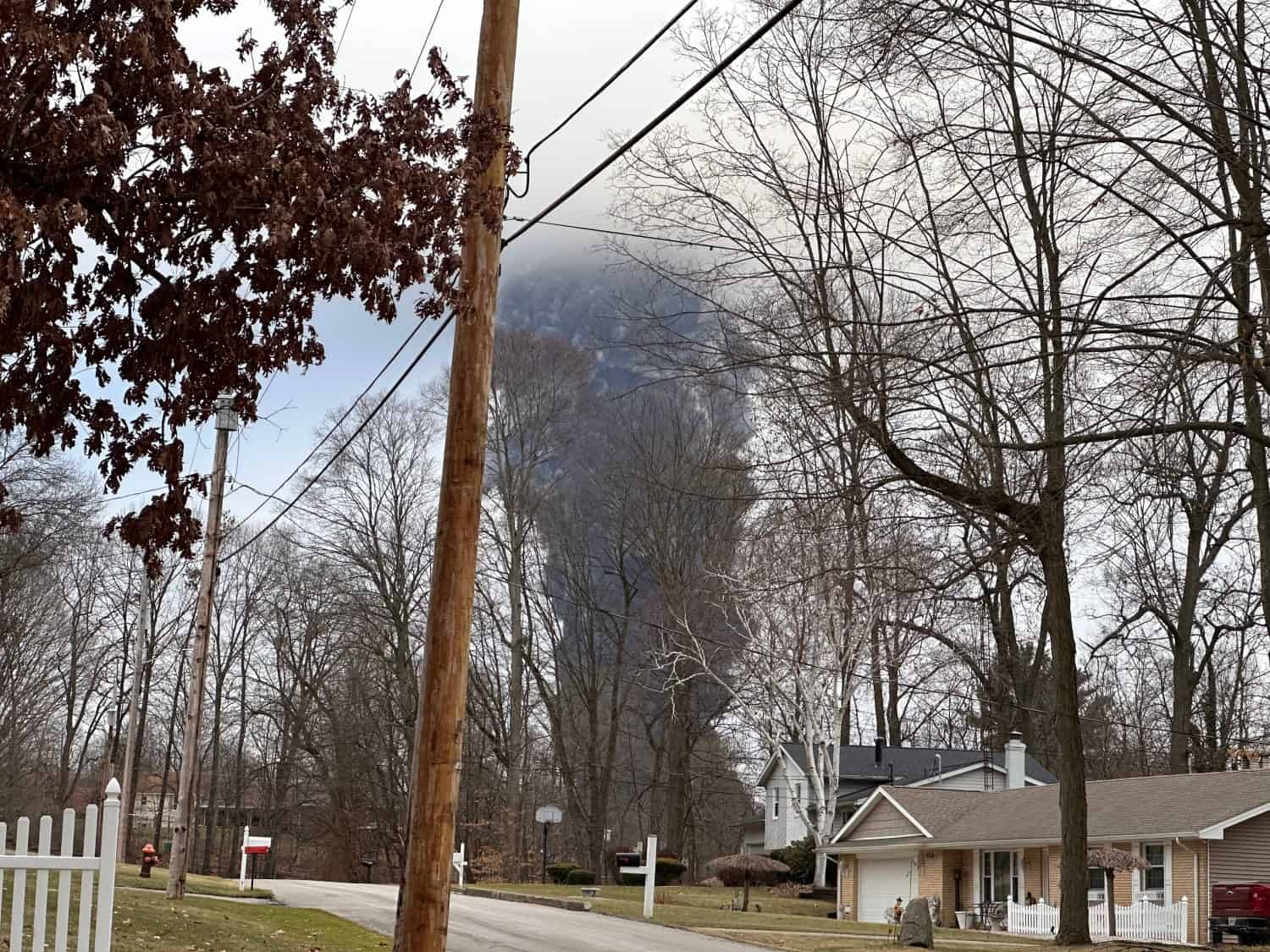
Over the next few days, concerns continued to mount over five derailed tank cars that were carrying a deadly toxic chemical called vinyl chloride. These tank cars were carrying as much as 115, 580 gallons of vinyl chloride. As the temperature inside one of these tank cars continued to rise, responders feared an explosion. To reduce the risk of a dangerous explosion, authorities decided to initiate a ‘controlled release and burn’ of the toxic flammable gas. The controlled fire unleashed a fiery plume of thick, black smoke, turning the small village into a less-than-ideal habitable area.
Norfolk Southern: Who They Are?
Norfolk Southern is a railroad company that operates in the Eastern United States. It has its headquarters in Atlanta, GA, and was founded in the year 1883. As per the Encyclopedia of North Carolina, the company which was never financially strong is known to have gone into receivership on several occasions. It currently operates as a part of the Norfolk Southern Cooperation, after its merger with the Southern Railway in the year 1982. The railroad company faces several lawsuits today over the toxic train derailment in Ohio.
What Are the Toxic Chemicals That Spilled, and What Are Their Potential Health Impacts?
The U.S. Environmental Protection Agency (EPA) found 5 chemicals at the site of the train crash. Here’s a brief rundown of these chemicals and their potential health impacts:
1. Vinyl Chloride
This is the most toxic of the chemicals that were found at the Ohio train derailment site. The industrial chemical is a common ingredient in the manufacture of polyvinyl chloride (PVC) pipes, packaging, and construction materials.
Vinyl Chloride is a known carcinogen. Short-term exposure to this chemical can result in dizziness, headaches, and irritation of the eyes, nose, throat, and lungs. People may also suffer from nausea, drowsiness, and tingling in the arms and legs. Chronic exposure to this toxic chemical has more severe implications such as brain and lung cancers, lymphoma, leukemia, and certain liver cancers. Burning of vinyl chloride can further produce toxic and corrosive gases such as hydrogen chloride, carbon dioxide, carbon monoxide, and phosgene as it decomposes.
According to National Public Radio, there have been several scattered reports of East Palestine residents complaining of headaches and rashes, the most common symptoms associated with exposure to these chemicals. However, the EPA after testing more than 480 homes for vinyl chloride and hydrogen chloride reported that it did not detect these chemicals in any of them.
2. Butyl Acrylate
Butyl acrylate is a colorless liquid that finds use in paint formulations and the manufacture of polymers and resins. Exposure to this hazardous substance can cause symptoms such as headache, nausea, dizziness, and vomiting. The highly reactive substance is also a dangerous fire and explosion hazard.
The train derailment in Ohio released large amounts of this chemical into the village of East Palestine. Traces of the chemical have also been detected in the Ohio River by the Ohio River Valley Water Sanitation Commission. However, the highest concentration of butyl acrylate found is only four parts per billion, which is below the exposure limit determined by the EPA.
3. Ethylene Glycol
Detergents, coolants, paints, adhesives, cosmetics, lacquers, and pharmaceuticals are some common substances that use this industrial compound. According to the Centers for Disease Control and Prevention (CDC), chronic or repeated exposure to this toxic chemical can result in symptoms such as mild headaches, lower back pain, irritation of the throat, loss of consciousness, and nystagmus. Symptoms will resolve if you remove a person’s exposure completely.
4. Isobutylene
The primary industrial use of isobutylene, a colorless gas (or liquid under pressure), is to produce plastics, packaging, aviation gasoline, resins, etc. Headaches, fatigue, lightheadedness, and dizziness are some of the possible symptoms that could manifest after exposure to this chemical. While isobutylene was one of the chemicals being transported on the train, most reports have been reassuring that there was no leak or exposure to this chemical.
5. Ethylhexyl Acrylate
This colorless liquid is reactive and is an explosion hazard. It generally finds use as a raw material to make construction materials, adhesives, coatings, emulsions, and acrylic rubber. Breathing in high levels of Ethylhexyl acrylate can affect the nervous system and cause symptoms such as headache, and nausea. drowsiness, and dizziness. Skin allergies are also common.
Apart from these 5 chemicals, benzene is another chemical that was found at the incident site. However, according to the PBS, this chemical was not being transported on the train. Traces of the chemical that were found were residue from previous shipments that remained on the car.
How Did the Toxic Train Wreck Impact Plants and Animals?

The toxic spill in Ohio killed roughly 38,222 minnow fish.
©iStock.com/y-studio
Ohio is home to a large and diverse population of animals, birds, plants, fungi, and fish. While the full impact of the spilled hazardous materials on the plants and animals of the state remains to be seen, around 43,700 animals were killed directly as a result of the chemical spill. Most of these were small aquatic animals that were lurking in the nearby streams. Minnows, a small freshwater fish was impacted the most by the chemical spill according to the ODNR (Ohio Department of Natural Resources). Other aquatic life that were killed include crayfish, small fish, amphibians, and macroinvertebrates.
Some livestock that grazed the land after the Ohio train derailment, died as a result of the chemicals that have seeped into the air, water, and soil. Anecdotes from veterinarians indicate that a few companion animals that lived within the East Palestine area also experienced symptoms such as gastrointestinal distress, inappetence, and respiratory irritation due to the toxic spill.
Is East Palestine Safe After the Ohio Train Derailment?
Officials consider the town of East Palestine to be ‘safe’ today. News reports, however, have a different story to tell and project that the town isn’t doing as well as it seems. Many residents have decided to permanently flee the area to safer places. The thriving wildlife and human population in East Palestine, Ohio remain anxious and uneasy about the potential long-term risks of the lingering toxic chemicals in the air, water, and soil.
Hazardous pollutants generally remain below levels that would induce any acute illnesses. However, residents continue to worry about food safety and the impact of the toxic spill on their crops and livestock. Ohio has around 75,000 farms and a large majority of these are run by families and individuals. As a top producer of Swiss cheese, eggs, tomatoes, pumpkins, bell peppers, and sweet corn etc, farm growers, producers, and consumers are growing increasingly concerned about dioxins that may have contaminated the soil.
Murray McBride, an environmental toxicologist, reveals that dioxins can concentrate in the fat of animals or livestock grazing in the area and may have negative health implications for humans consuming meat, dairy products, or eggs produced by these animals. Dioxins can also easily contaminate root vegetables such as carrots. Testing the soil for dioxins is, therefore, extremely important. With that said, trying to parse the full impact of the toxic spill remains a mammoth challenge and is now the chief concern.
How Have Federal Agencies Responded To the OH Train Crash?
Several US federal agencies quickly pivoted to take control of the Ohio train crash. The Environmental Protection Agency (EPA) took control of clean-up efforts and environmental remediation in East Palestine. The National Transportation Safety Board (NTSB) is investigating the cause of the derailment. The Pipeline and Hazardous Materials Safety Administration, the Federal Railroad Administration, and Ohio State Highway Patrol are some other agencies that are party to the investigating efforts.
A team of medical personnel and toxicologists from the Department of Health and Human Services (HHS) and the Centers for Disease Control and Prevention (CDC) are also present at the site to help with public health testing in the community. Apart from these efforts, Norfolk Southern has pledged financial assistance and support to impacted areas with the resources they need to recover from the event. But to definitively ascertain the full impacts of this chemical fallout, federal agencies will have to continue to dig deeper.