
Quick Take
- Odesa recently saved multiple birds from a sunflower oil spill.
- Stabilization requirements and time constraints mean specific care plans for hypothermic birds.
- The biodegradable nature of sunflower oil doesn’t mean birds can immediately return to the water.
- A dedicated intake point full of professional cleaners was necessary to navigate the winter timeline during this wildlife rehabilitation.
The Black Sea recently experienced an oil spill event, one that has rescuers in nearby Odesa racing to save multiple bird species. Strikes ultimately damaged sunflower oil infrastructure near the region’s vital port, leading to an oil spill that’s harming wildlife in the vicinity of Odesa and the Pivdennyi port.
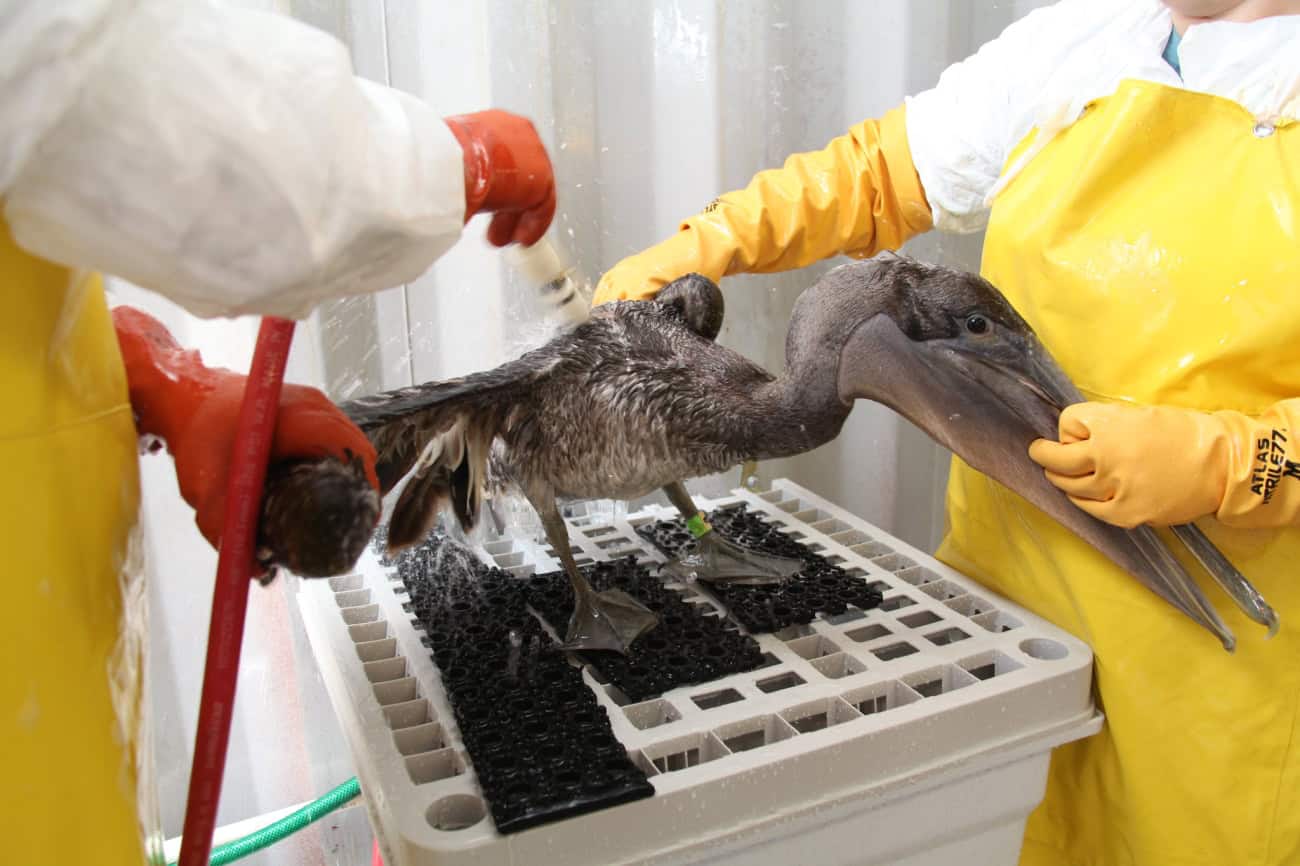
According to a recent Reuters report on Odesa Zoo’s rescue effort, volunteers and zoo staff set up an intake point to treat birds coated in vegetable oil after attacks on the Pivdennyi port area. The birds reportedly can’t fly or swim, even after brief exposure, which proves how quickly birds lose mobility and begin to freeze in winter conditions during any oil spill.
What is the Odesa Zoo doing to save these animals, and why are they so impacted by a non-lethal type of oil spill? How are birds devastated by these events, and what can be done to prevent these accidents moving forward? Here’s what’s happening to bird populations around the Black Sea and how Odesa Zoo is attempting to repair the damage.
What Happened to Birds Near Odesa?
A recent spill was linked to damage at sunflower oil storage tanks near the Pivdennyi port, with oil moving beyond port territory into its surrounding waters and even out toward the sea. Emergency crews deployed floating barriers and specialized vessels to contain the leak, and port operations were temporarily disrupted because of the issue. But how did this affect birds?
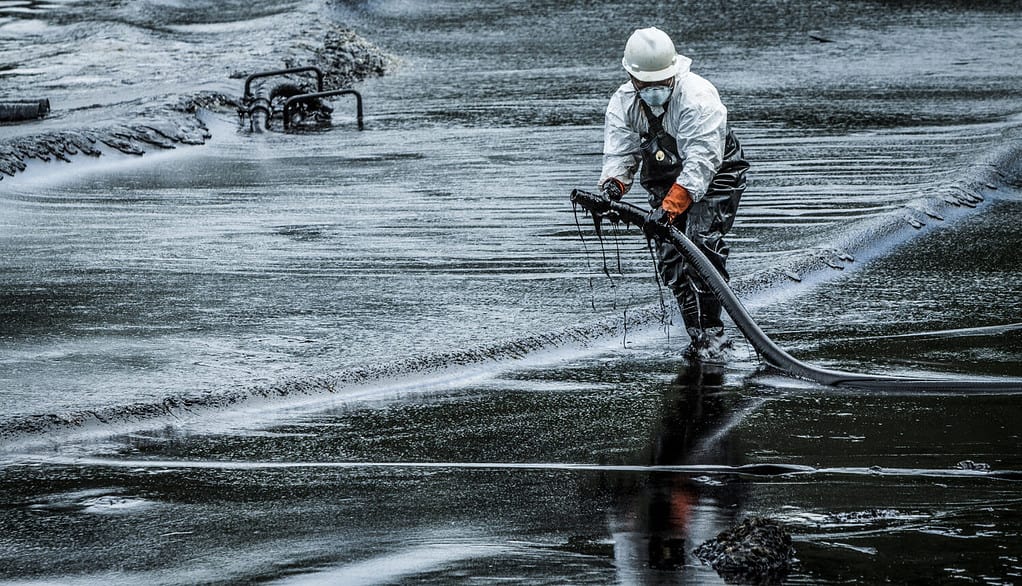
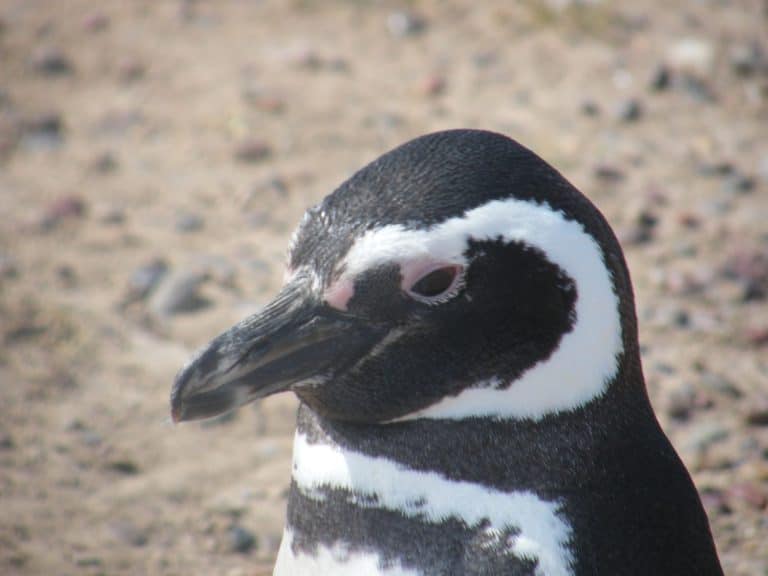
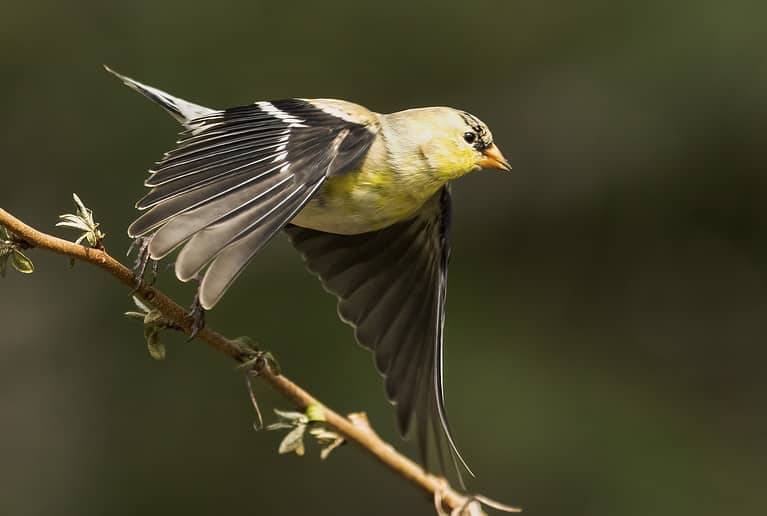
While not as harmful an oil as others, sunflower oil can still be incredibly dangerous for birds to swim through.
©Tigergallery/Shutterstock.com
Even though sunflower oil is edible and technically biodegradable, it can still spread into a thin surface film that clings to anything moving through it, especially diving birds that hunt and rest atop the water. According to reports from Ukrainian news outlets, various waterbirds, including grebes, were among those brought in for care. The Odesa Zoo quickly established a reception point to clean, dry, heal, and rehabilitate affected birds. And there’s a reason they acted quickly; any oil can be extremely damaging to birds.
Why Oil Is So Dangerous for Birds
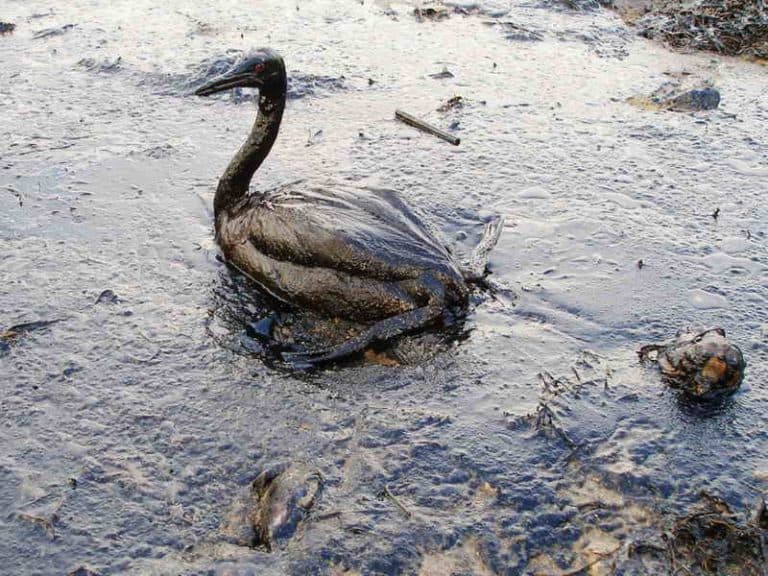
No matter what type it is, oil wrecks the structure of feathers for nearly every type of bird. International Bird Rescue explains in its overview of how oil affects birds: contaminants mat feathers and completely destroy a bird’s ability to both waterproof its body and insulate itself.
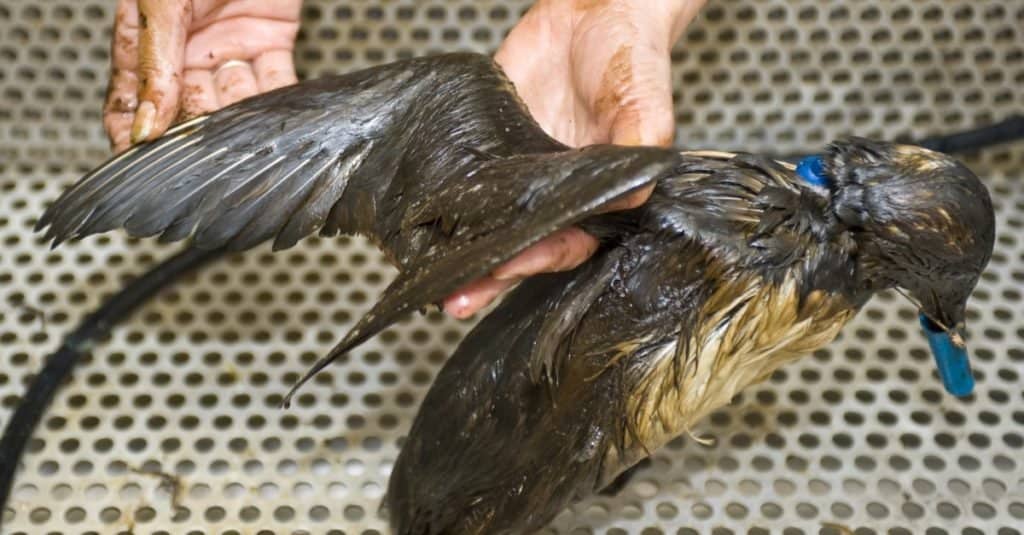
Birds need specific care after an oil spill, including time to rest and recover.
©Corepics VOF/Shutterstock.com
That means their fragile skin interacts with cold water and winter air without its normal protection, which is just one reason why hypothermia can set in quickly. The second problem is what birds do next: they are highly likely to preen. While attempting to clean themselves, they can ingest oil, which can harm internal organs, even if it seems like a harmless oil type.
For species like great crested grebes and horned grebes, this is an especially dangerous situation. Grebes are built for life on the water; if their abilities to live on the water are compromised, they are unlikely to survive.
Inside the Odesa Zoo Rescue Operation
The Odesa Zoo response was swift and efficient following the sunflower oil spill. They prioritized the birds’ intake, assessment, stabilization, washing, drying, and recovery, and it was all done while the broader situation around the port remained volatile.
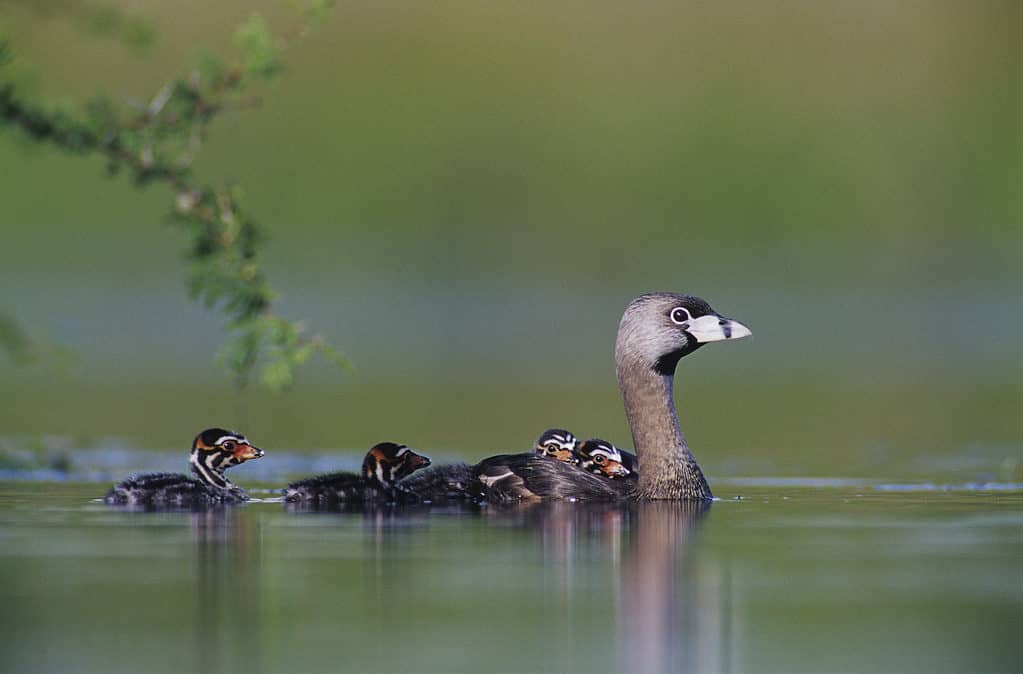
Grebes live their entire lives on the water, making them typical victims of oil spills.
©Danita Delimont/Shutterstock.com
Residents also brought birds to the zoo, where staff were responsible for coordinating their care. Locals understood the potential impact of the spill on birds, particularly during the coldest part of the year. Without their contributions, many more bird lives could have been lost. Even just getting these birds dry and warm was vital, since cleaning cannot always happen immediately.
Stabilization of Oil Spill Birds
While it may seem necessary to clean oiled birds first and foremost, experienced bird rehab professionals will tell you that’s not the first step at all. In most professional guidance following oil spills, washing them too soon can actually kill an oiled bird. Birds often need hydration, nutrition, medical stabilization, and time before they’re strong enough to endure the stress of handling and washing. That stabilization phase can take a day or longer, especially if the bird arrived hypothermic, exhausted, or injured, like most of the birds from the Odesa spill.
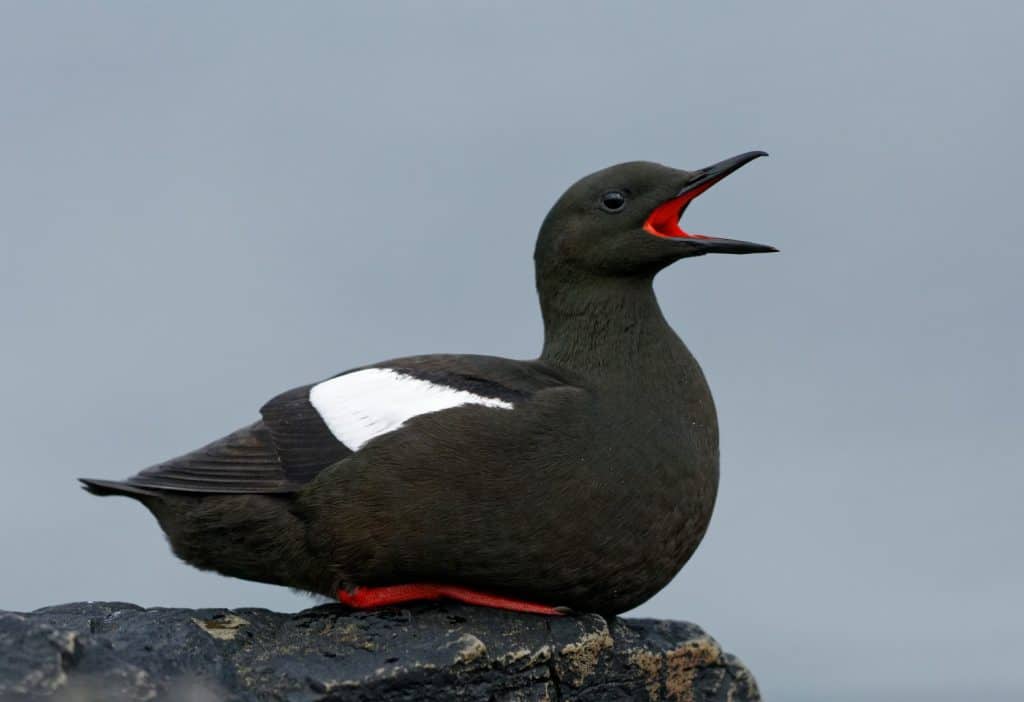
The cold water surrounding Odesa made this oil spill rescue all the more harrowing.
©Alamin-Khan/Shutterstock.com
Ultimately, if a bird can’t regulate its body temperature, every hour left in cold water can mean life or death. However, if the bird is too weak to tolerate a cleaning, rushing the cleaning process can also backfire. This is why treating a bird’s injuries and getting them stabilized is a vital first step.
Washing and Drying Birds After an Oil Spill
Once a bird is stable, washing becomes a technical process aimed at restoring feather function. Oiled-feather rehab typically relies on warm water and carefully selected detergents. Additionally, a professional is needed to ensure that the bird’s skin is protected and that it does not inhale further oil or chemicals.
After washing, birds still need time in controlled conditions to preen and realign their feathers so that water beads off of them again. Many rehab centers note this as a critical, monitored stage before release, because a bird that looks clean but isn’t fully waterproof can still perish after it returns to open water.
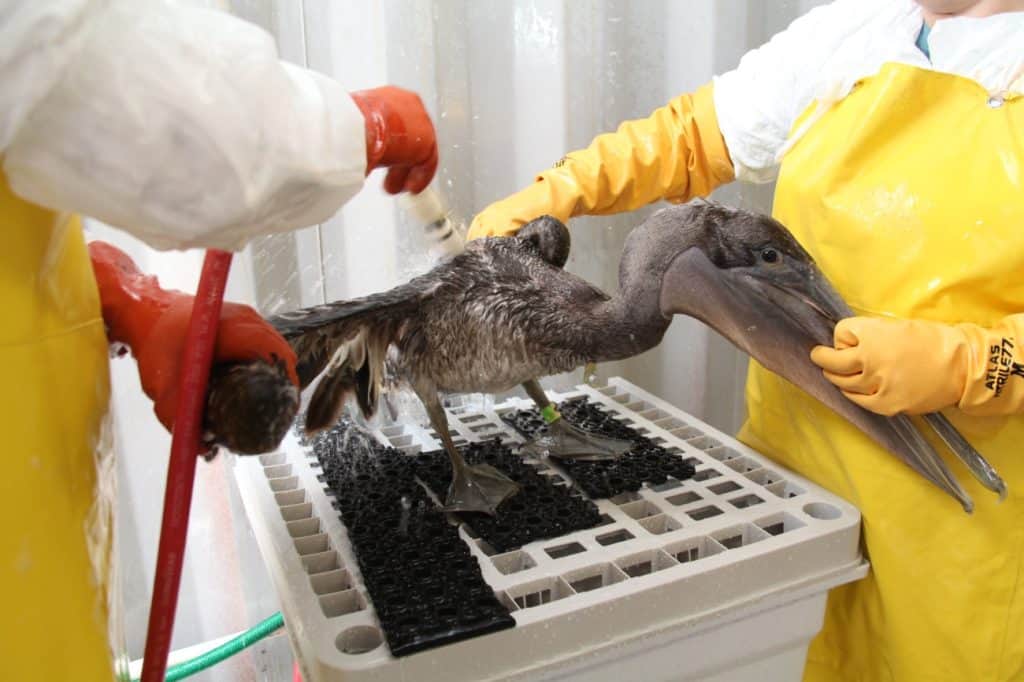
Warming up and stabilizing birds after an oil spill is vital before cleaning can even occur.
This is also why spill response is so labor-intensive and time-consuming. A single bird can require multiple people across multiple shifts, plus warmed spaces, fresh water, food, and veterinary oversight. This is why having trained experts working on a coordinated schedule is essential to properly save birds affected by oil spills.
Cleaning Up After Containment
Even when an oil spill is contained, wildlife can continue to be exposed to it through lingering surface films and other patches hiding where birds frequent. With vegetable oil, its biodegradable nature doesn’t mean that it’s harmless and gone shortly after spilling; it means the substance can break down over time.
Birds still have to survive the hours and days before that breakdown happens, risking further damage or exposure. That’s why responders focus on both ends of the crisis at once: environmental containment on the water and medical containment at the rehab site. Timing is crucial to ensure that birds are not released back into contaminated waters.
What to Do If You Find an Oiled Bird
Multiple rehab organizations warn against well-meaning DIY cleaning of oil spill victims, as it isn’t a simple process. If you’re seeking guidance on what to do if you find birds that have encountered an oil spill, here are some ideas.
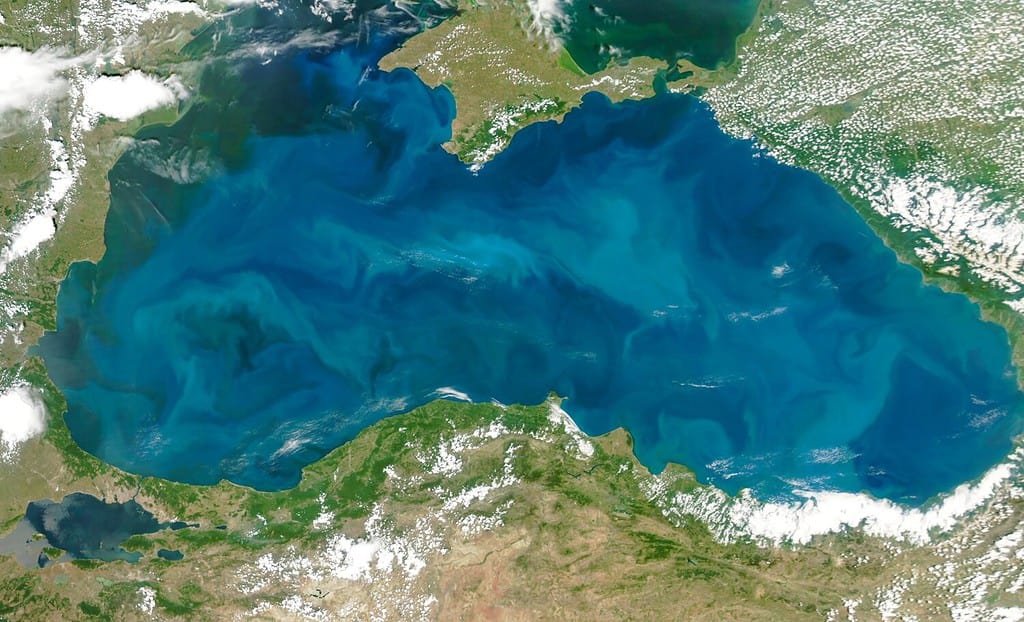
The Black Sea can get frigid, making oil spills dangerous for birds that can’t insulate themselves.
©GizemG/Shutterstock.com
For example, the Tri-State Bird Rescue & Research’s oil spill guidance urges people not to attempt bathing an oiled bird, as improper cleaning can cause more harm than good. The better move is to contact local and trained wildlife rehabilitators so that they can arrive to collect the animal. In addition, you can keep the animal warm and minimize stress and handling as much as possible. In Odesa, residents reportedly collected birds and brought them to the rehab facility rather than attempting to clean birds themselves.
Wildlife Rescue in a War Zone
Oil spills are hard under normal circumstances, but Odesa faced additional issues. In a war or conflict-heavy zone, the cleanup crew faced other factors: disrupted supply chains, safety risks for responders, limited facilities, and the emotional weight of knowing this wasn’t an accident. Still, they persevered to save the affected waterfowl.

Despite the situation in Ukraine, rescue efforts proceeded smoothly following the oil spill.
©hyotographics/Shutterstock.com
While the zoo staff didn’t get to choose the timing, weather, scale of the mess, or availability of help, they chose to show up anyway. Their dedication in the face of so much upheaval and uncertainty ensured the affected birds were saved in a timely, comprehensive way.
Oil Spill Rescues Require Planning and Preparedness
Not every bird survives an oiling event. However, the existence of a response like what occurred in Odesa changes the odds for the birds that do survive long enough to be found. Even during a time of great strife, the Odesa Zoo ensured its local bird population survived the oil spill. We should look to them as prime examples of the wildlife advocacy needed in the world today.