
Quick Take
- These ponies aren't actually from Chincoteague, and where they really live explains everything about why they look the way they do. See where they really live →
- A disaster that nearly destroyed a community is the real reason this swim happens every year. Discover the founding disaster →
- The exact moment the ponies enter the water is not random at all. It is calculated to the minute for a reason most visitors never consider. See the slack tide timing →
- The auction that follows the swim is more than a spectacle. It quietly solves a problem that would otherwise threaten the herd's survival. Explore the auction's purpose →
Have you ever heard of the Chincoteague ponies? These horses have one of the most unusual yet amazing wildlife traditions in the country. This annual tradition, known as the Chincoteague Pony Swim, involves the horses migrating by swimming across a body of water. This Instagram post by @nbcwashington shows this year’s crossing.
Continue reading

The Chincoteague Pony Swim happens every July, and just had its 101st event!
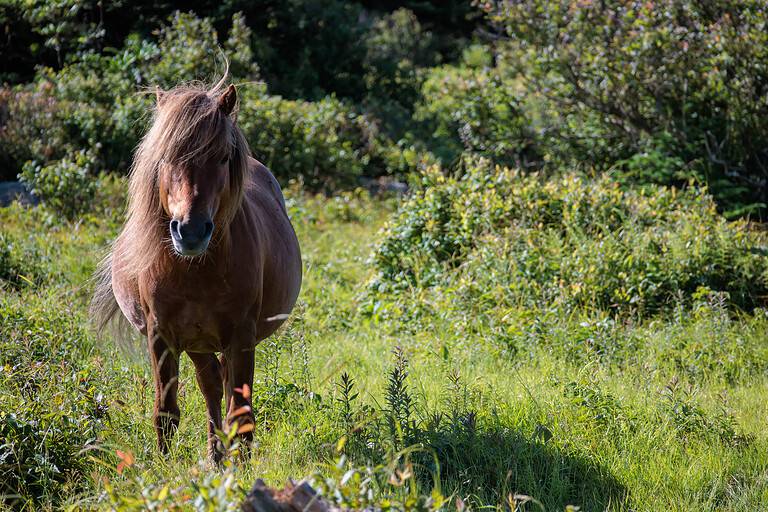
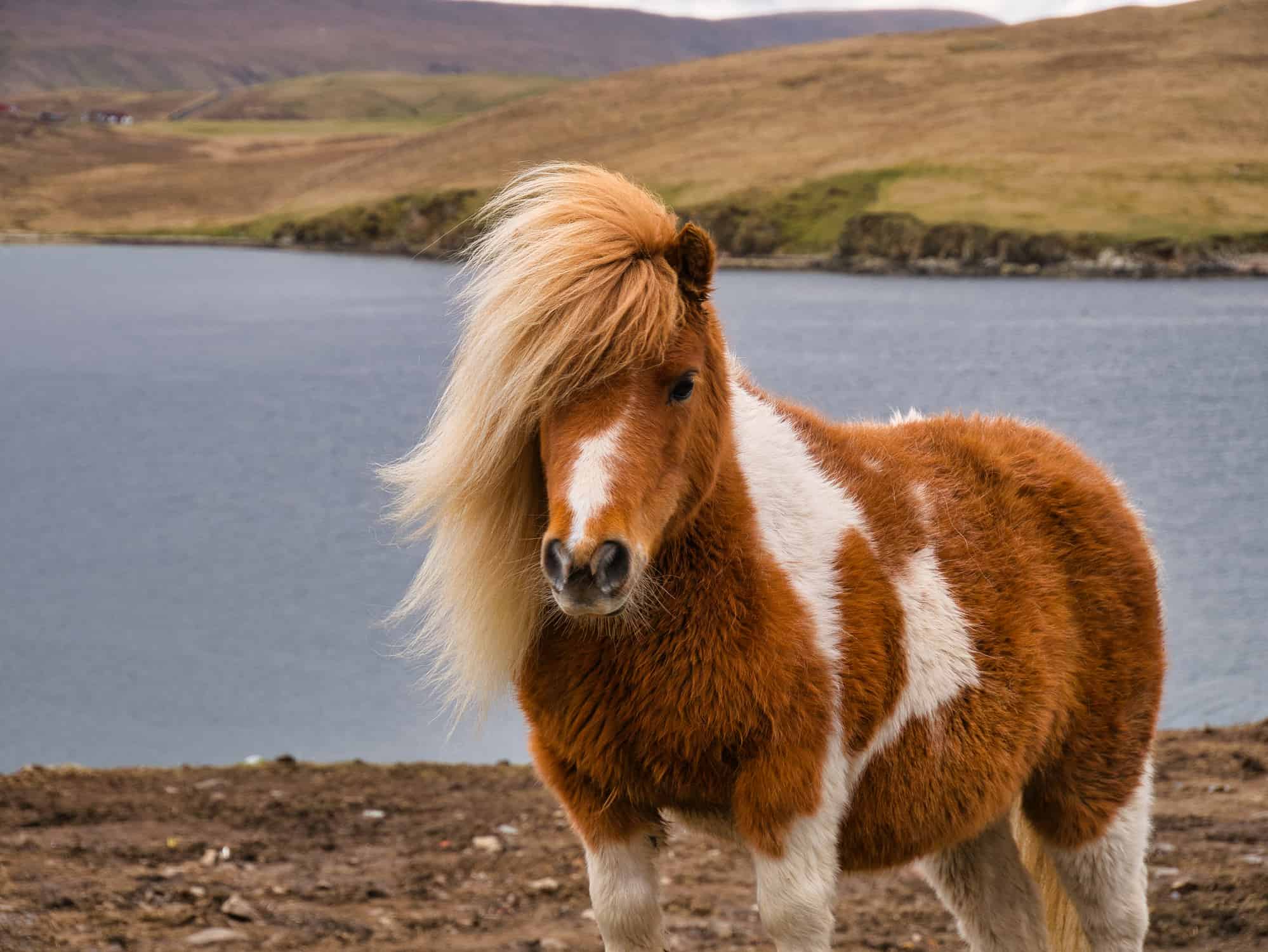
©Juanita Layne/Shutterstock.com
What Is the Chincoteague Pony Swim?
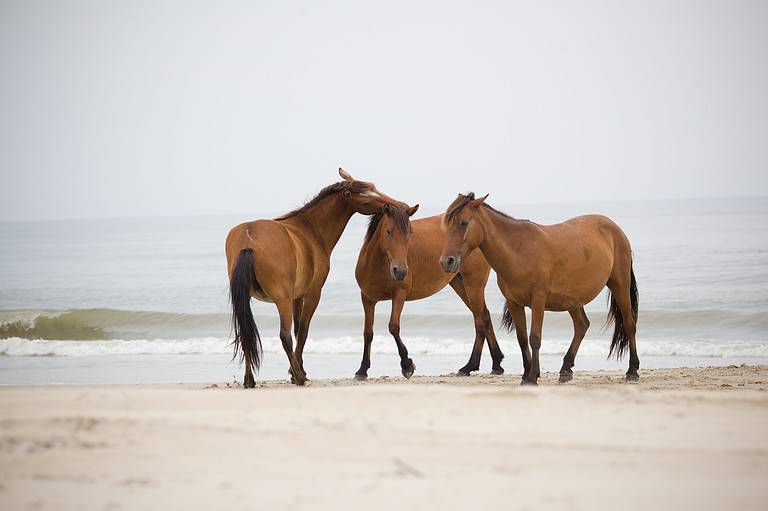
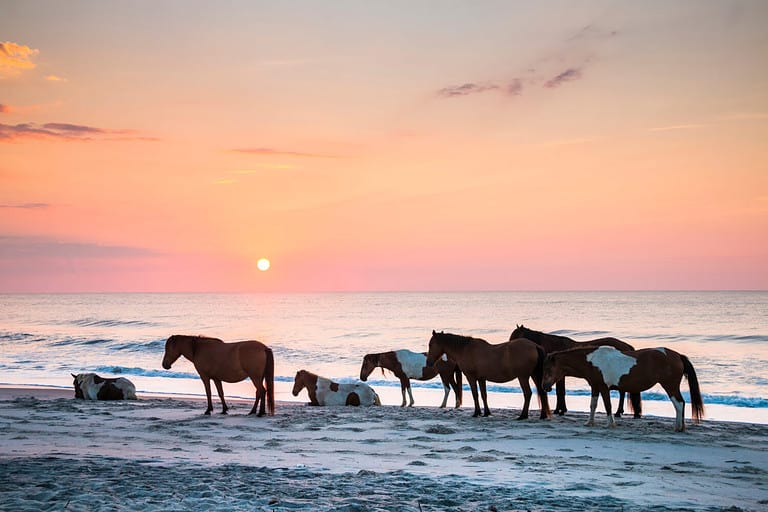
Despite their name, Chincoteague ponies actually spend most of their time on Assateague Island. This is a barrier island off the coast of Virginia and Maryland. These horses are smaller in size, which is why they are called ponies. Their size is partly an adaptation to their environment. The small island presents challenges due to limited vegetation for grazing and the salty, windy coastline. On the island, there are two separate herds. The National Park Service manages the Maryland herd, while the Chincoteague Volunteer Fire Company manages the Virginia herd. People commonly know the Virginia herd as the Chincoteague ponies, and these are the ponies that make their famous annual swim.
Once a year, members of the Virginia herd are rounded up by riders known as the “Saltwater Cowboys”. The cowboys guide the ponies from the island across the Assateague Channel to Chincoteague Island. The migration happens during a slack tide. This is a period when tidal movement is the weakest, making the crossing safest for the ponies. The swim is relatively short, taking about five to ten minutes, and is an annual event that locals eagerly anticipate. So how did this tradition begin?
Why Do Ponies Cross the Channel?
The crossing, historically known as Pony Penning, dates back to as early as 1835. The modern version of this crossing looks very different from that of the past, having evolved significantly over the decades. Originally, pony penning allowed local residents to round up loose herds in the area. The modern version we see today started in 1924. After a devastating fire left Chincoteague Island in need of better firefighting equipment, the Chincoteague Volunteer Fire Company held the first official Pony Penning Day that year and began the iconic pony swim in 1925 as an opportunity to fundraise. As the ponies were brought across the channel, they were auctioned off to buyers.
After the swim, the ponies are kept in holding pens. The foals that are auctioned off go to their new homes, while the remaining ponies eventually swim back to Assateague Island. The auction isn’t just a spectacle; it also helps manage the size of the pony population. Overall, the event supports both the animals and the local community. Tens of thousands of people travel each year to witness the event. Typically held on a Wednesday in late July to coincide with slack tide, it is an amazing sight and definitely worth the trip.