
Rabbits vary widely in size, with some species weighing less than one pound, while giant breeds can reach 15 to 25 pounds or more. However, few modern rabbits can compete with the massive Nuralagus rex. Nuralagus rex is a genus of rabbit represented by a single species, which was described in 2011. It lived during the Late Neogene era between 3 and 5 million years ago. The name roughly translates as “Rabbit King of Minorca,” which refers to the island where the rabbit was discovered. Find out how this rabbit grew so large and how it compares to modern rabbits.
The Discovery
Minorca is an island in the western Mediterranean. Located south of Spain, it was once home to unique wildlife. Isolation allowed animals such as Nuralagus rex to evolve in novel ways. The fossils of this giant rabbit are known from fissure-fill deposits from the northwest part of the island. The fossil was first described by scientists in 1981. However, it wasn’t until 2011 that the first complete description was published, establishing the genus and species.
Paleontologists painstakingly dissolved the red limestone rocks around the fossilized bones with acetic acid. They were able to recover the skull and parts of the post-cranial skeleton. These fragments provided researchers with a picture of how this massive bunny might have looked.
What Did This Gigantic Rabbit Look Like?
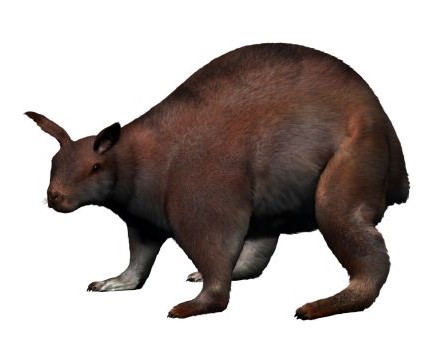
Nuralagus rex lived during the Late Neogene era between 3 and 5 million years ago.
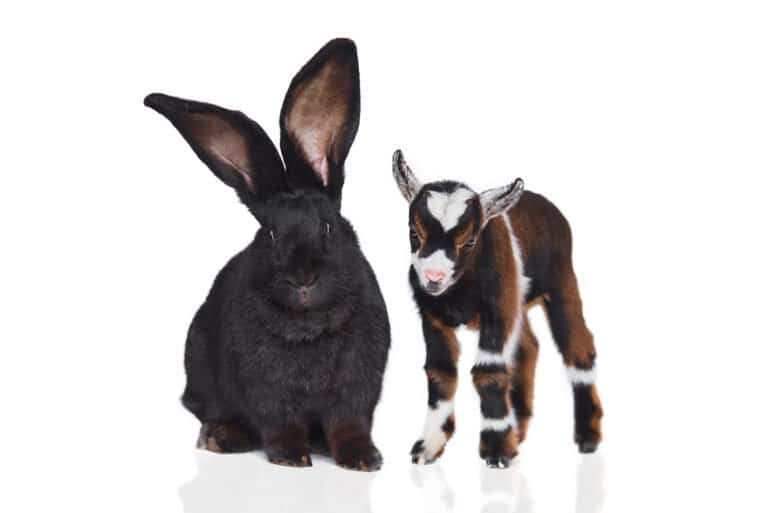
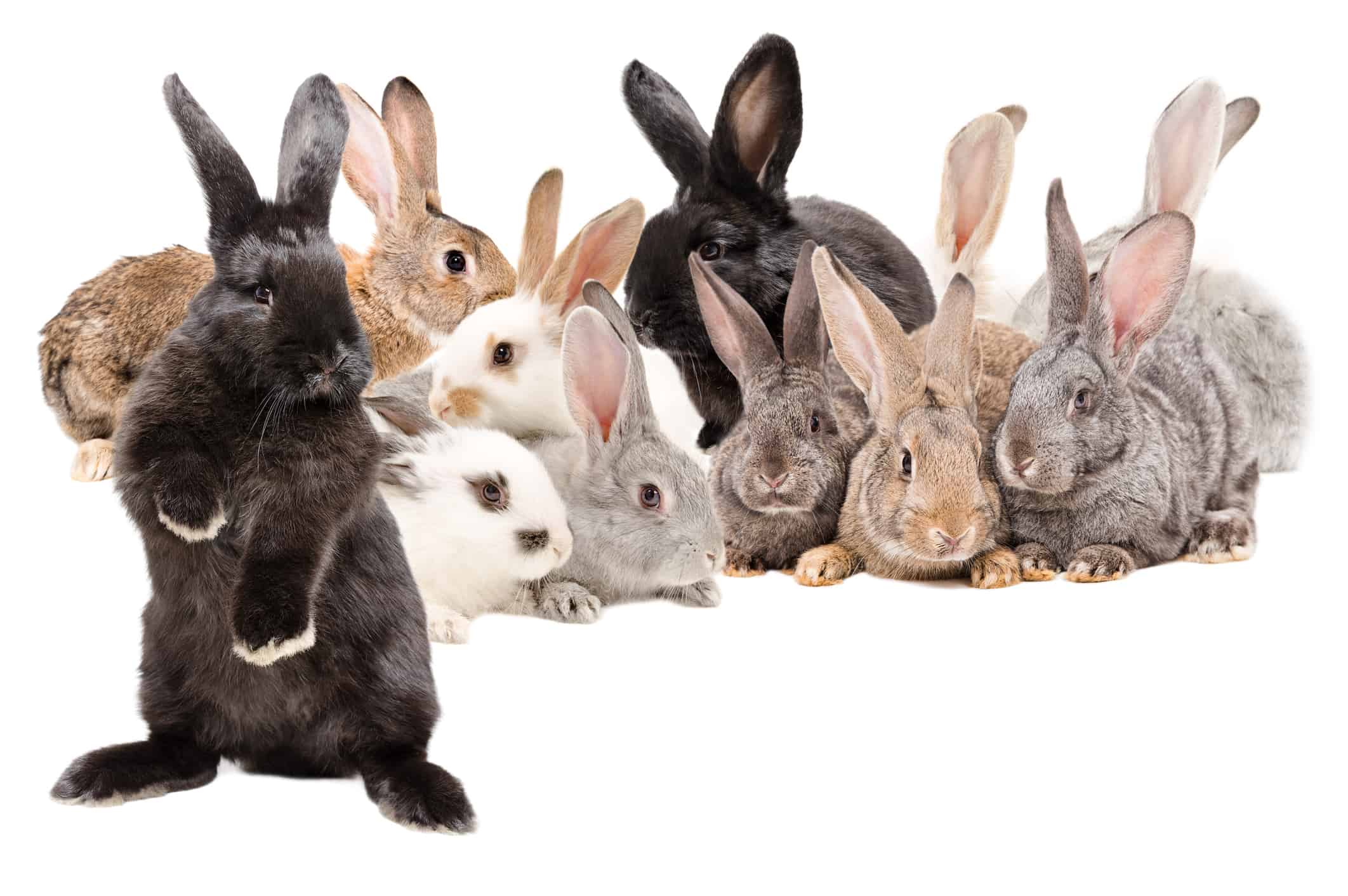
Of course, the massive size of Nuralagus rex was the most astounding discovery. According to estimates, it weighed an average of 26.4 pounds and stood around 1.6 feet tall. This would make the Nuralagus rex about six times the weight of its living cousin, the common European rabbit (Oryctolagus cuniculus). The Flemish giant rabbit and other giant breeds are the only living rabbits comparable in size to Nuralagus rex. For example, the Flemish giant has an average weight of around 15 pounds, but some individuals have been recorded at weights exceeding 25 pounds.
Nuralagus rex could not hop like present-day rabbits. It had short legs and relatively short and stiff lumbar vertebrae, which would have made it difficult to hop. Nuralagus rex also had splayed forelimbs and hindlimbs. This arrangement was necessary to spread the rabbit’s bulk over a larger area to reduce pressure on its joints. The structure of the lower arm bones of this rabbit would have allowed the entire forefoot, instead of just the tips of the toes, to make contact with the ground. Researchers believe the rabbit was probably a digger and foraged underground for roots and tubers. Nuralagus rex also had reduced sensory areas in the brain, suggesting it had smaller eyes and ears relative to its size.
How Nuralagus Rex Grew So Large
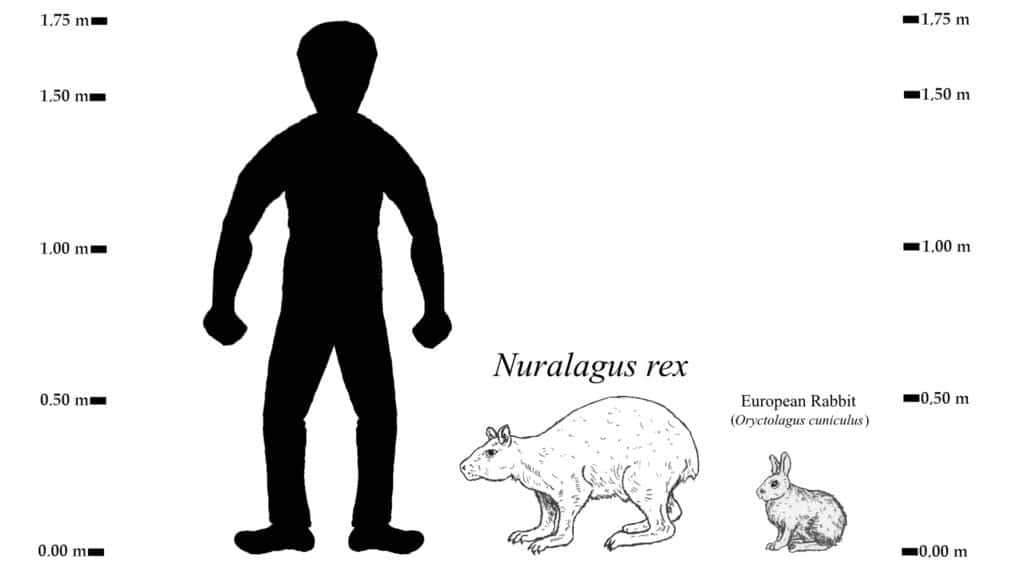
Nuralagus rex would have been about six times the size of the European rabbit, which is the ancestor of modern domesticated rabbits.
Scientists believe that the king rabbit’s massive size is one of the oldest examples of island gigantism in mammals. According to the island rule, when restricted to living on an island, big animals are likely to evolve into smaller sizes, while smaller animals are likely to become bigger. This tendency to evolve into smaller and larger sizes is due to two major factors: reduced availability of food and the lack of predators, respectively.
Living on an isolated island, Nuralagus rex did not have large predators, which is why these rabbits grew so large. Aside from its size, another major clue that this rabbit did not have predators was that the sense-related areas in the skull were relatively small. This suggests that the rabbit was not adapted to detect predators. As mentioned above, it could not hop. Reduced mobility also implies there was a lack of predation on the island.
When Did This Gigantic Rabbit Become Extinct?
Nuralagus rex is believed to have lived and flourished on Minorca island for around 2 million years. They probably became extinct towards the end of the Pliocene epoch, about 3 million years ago. That was when Minorca became united with Mallorca as a single island. Low sea levels as a result of glaciation connected these two islands. This allowed the migration of other mammals to Minorca. The invading species, which included the goat-antelope Myotragus, Nesiotites, (a type of shrew), and the dormouse Hypnomys, outcompeted the giant rabbits and eventually drove them to extinction.