Quick Take
- The Exxon Valdez spilled approximately 11 million gallons of crude oil into Prince William Sound on March 24, 1989, contaminating about 1,300 miles of coastline.
- An estimated 250,000 seabirds, 2,800 sea otters, 300 harbor seals, and up to 22 killer whales died as a result of the spill.
- The disaster led to major environmental reforms, including the 1990 Oil Pollution Act and the requirement for double-hulled oil tankers in U.S. waters.
On March 24, 1989, just after midnight, a massive oil tanker ran aground in one of the most pristine marine environments in North America. Within hours, black crude oil was spreading across the icy waters of Alaska’s Prince William Sound. Television screens across the country, including mine, soon filled with heartbreaking images of oil-soaked ducks, sea otters struggling to move, and miles of once-beautiful shoreline stained dark.
I was in middle school at the time, but I remember it vividly. All these years later, those images are still burned into my head. The Exxon Valdez oil spill was the moment I—and probably millions of other Americans—first understood how fragile ocean ecosystems really are.
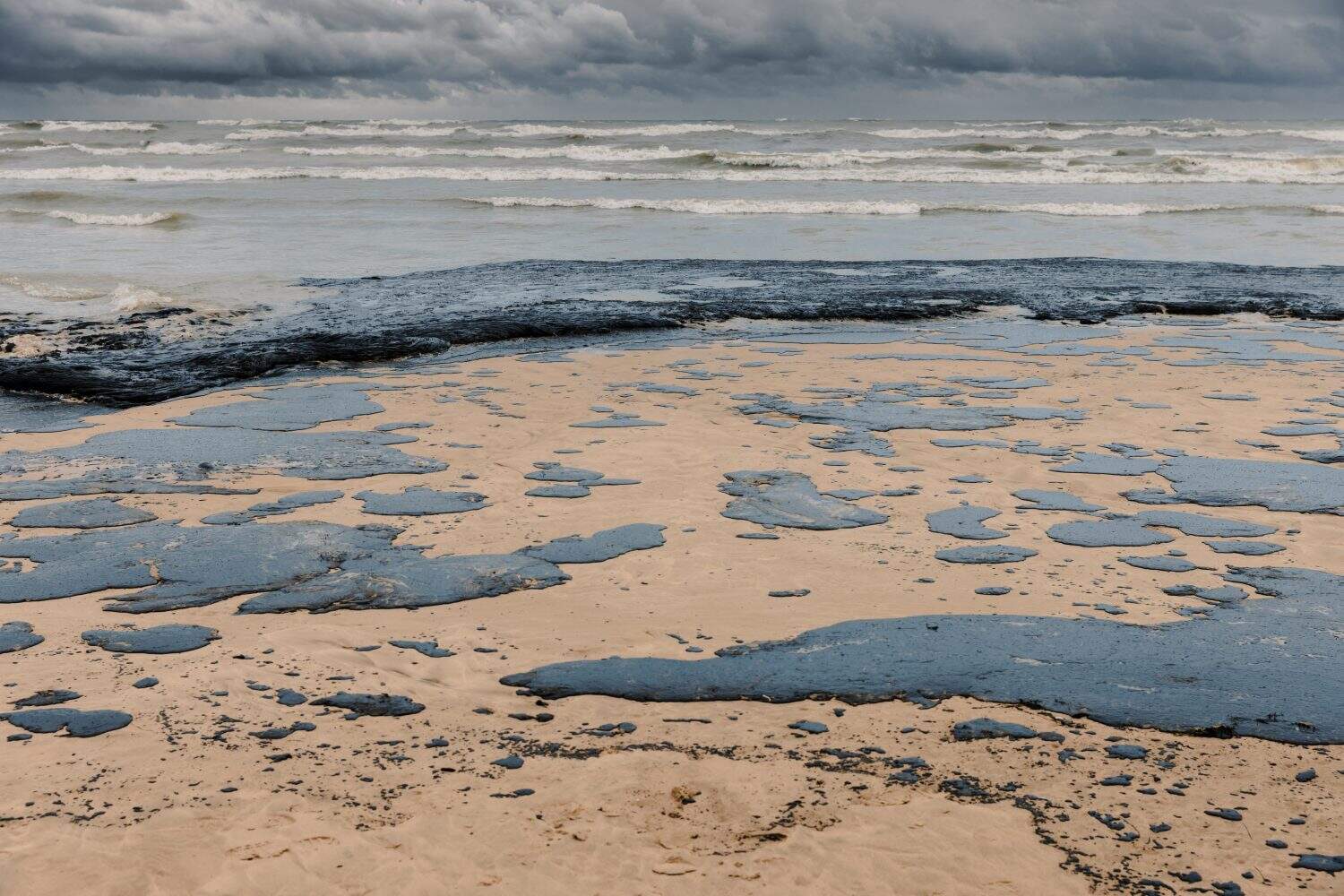
The Exxon Valdez spilled roughly 11 million gallons of crude oil after striking Bligh Reef, contaminating about 1,300 miles of Alaska coastline.
©Wonderful Nature/Shutterstock.com
What Happened on March 24, 1989
The oil tanker Exxon Valdez departed the Valdez Marine Terminal in Alaska on the evening of March 23, 1989, carrying roughly 53 million gallons of crude oil bound for refineries in California. Shortly after midnight, the tanker struck Bligh Reef in Prince William Sound. The collision ripped open the hull. Within hours, an estimated 11 million gallons of North Slope crude oil poured into the water.
The oil didn’t stay put. Winds and currents carried it across approximately 1,300 miles of coastline. Beaches, rocky shores, sheltered coves, and open waters were all affected. Some areas were heavily coated. Others were lightly contaminated but still damaged.
What made this spill especially devastating was its location. Prince William Sound is cold, biologically rich, and home to dense populations of seabirds, marine mammals, fish, and invertebrates. And while there’s never a good time for something like this to happen, the timing of this spill was particularly terrible, occurring just as spring migration and breeding season were beginning.
How Oil Harms Wildlife
Crude oil is toxic. That part seems fairly obvious. But its damage actually goes far beyond poisoning. For many animals, oil destroys the very features that help them survive.
Seabirds depend on perfectly layered feathers to trap air and stay waterproof. When oil coats their plumage, those feathers lose their structure. Birds become soaked with icy water, lose insulation, and can die from hypothermia. Many also ingest oil while trying to preen themselves clean, which leads to organ damage.
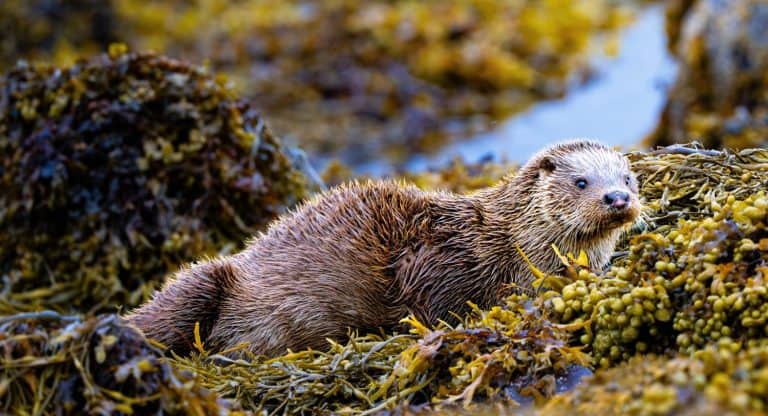
Marine mammals face similar problems. Sea otters rely on thick fur rather than blubber for warmth. When oil seeps into their fur, it eliminates the insulating air layer. Otters can quickly lose body heat in 40-degree water. They also ingest oil while grooming.
For fish and invertebrates, oil can coat spawning grounds and contaminate eggs. Even when adults survive, exposure can reduce reproduction and cause long-term population declines.
The Estimated Wildlife Toll
One of the most difficult aspects of the Exxon Valdez spill is estimating how many animals died. Not every carcass is recovered. Some sink, drift offshore, or are scavenged. However, scientists have produced widely cited estimates based on field surveys and modeling. The numbers are beyond tragic. According to federal and state studies, the spill is believed to have killed:
- Approximately 250,000 seabirds
- About 2,800 sea otters
- Around 300 harbor seals
- Roughly 250 bald eagles
- Up to 22 killer whales
- Billions of salmon and herring eggs
Some species were hit harder than others. The local herring population collapsed in the years following the spill and took decades to show signs of recovery. Certain pods of killer whales experienced losses so severe that scientists believe some groups may never fully rebound.
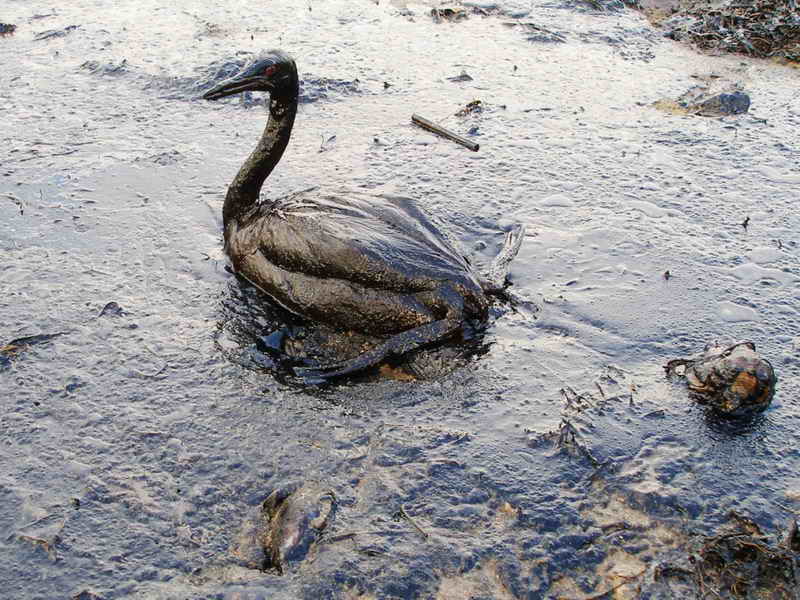
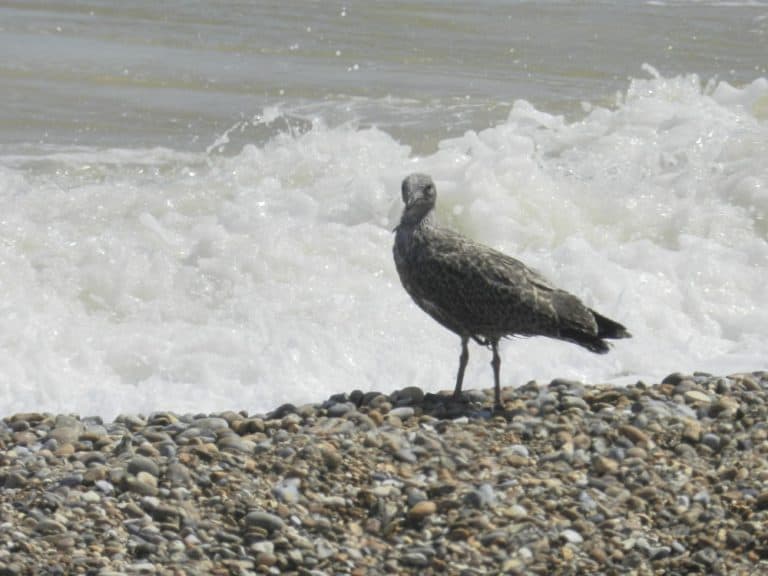
Photographs of oil-soaked seabirds became lasting symbols of environmental disaster in the late 1980s.
©Photos by Igor GOLUBENKOV (NGO: Saving Taman), CC BY 2.0 – Original / License
Oil-Covered Ducks and the Images That Shocked the Nation
In the days after the spill, photographers documented scenes that were impossible to ignore. Common murres, cormorants, and other seabirds sat helpless on oil-darkened rocks. Sea otters struggled to swim. Bald eagles perched on contaminated shorelines.
These images quickly became symbolic of environmental disaster. The sight of birds coated in thick black crude was especially powerful. They looked heavy, defeated, and unable to move freely.
For many Americans, this was the first time they’d seen the direct impact of oil on wildlife in such graphic detail. It changed public perception about offshore drilling and oil transportation overnight.
The Wildlife Rescue Effort
Rescuing oiled wildlife in 1989 was a massive and unprecedented challenge. There was no large-scale blueprint. Organizations and volunteers had to build systems almost from scratch. Wildlife response teams set up rehabilitation centers in and around Prince William Sound. The International Bird Rescue and other groups worked alongside federal and state agencies. The rescue process was meticulous and stressful for both animals and workers.
First, animals were captured using nets and other humane methods. Then they were transported to cleaning facilities. Before washing, they had to be stabilized. Oiled animals are often cold, dehydrated, and in shock. They were given fluids, warmth, and in some cases tube feeding to build strength before cleaning.
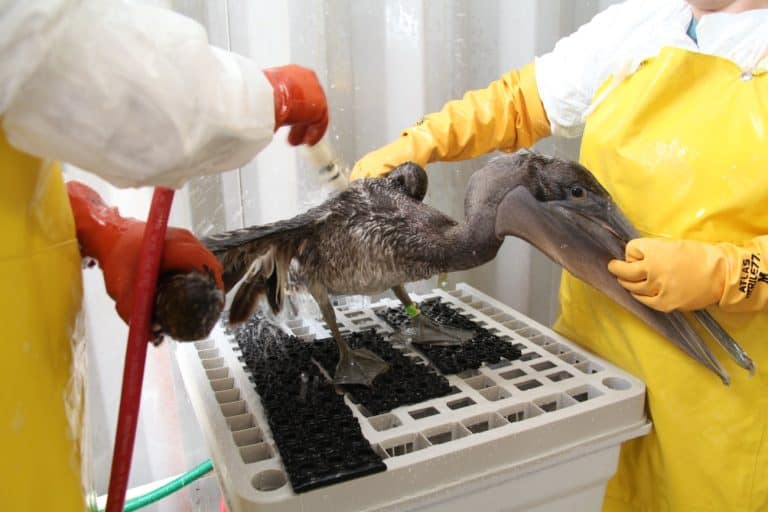
Once veterinarians determined they were stable enough, washing began. That’s when an unexpected hero emerged: Dawn dish soap.
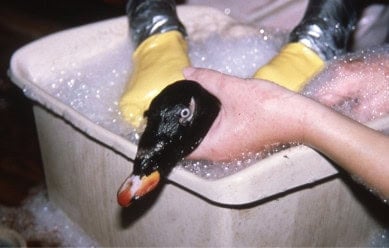
Wildlife responders washed oiled birds with diluted Dawn dish soap to remove crude oil without destroying feather structure.
©David Churchman, CC0, via Wikimedia Commons – Original / License
Dawn is effective at cutting grease while being relatively gentle. Wildlife experts found it could break down crude oil without stripping too much natural oil from feathers and fur. The soap was diluted and used in multiple wash cycles.
Cleaning a single bird could take 30 to 45 minutes and require several tubs of warm water. Otters often required even more time and handling.
After washing, animals were rinsed thoroughly to remove soap residue. Then came drying. Birds were placed in warm, quiet areas to regain waterproofing. They had to preen and realign their feathers properly before being released.
The process was labor-intensive. Thousands of volunteers participated. In total, roughly 35,000 birds were recovered dead during surveys. About 1,600-2,000 were captured alive and treated. Survival rates after release varied, and not all rehabilitated animals lived long-term.
Even so, the rescue effort marked a turning point in wildlife response. Techniques refined after Exxon Valdez have been used in later spills.
Long-Term Ecological Effects
The visible oil gradually faded, but the spill’s effects lingered. Oil can persist in cold environments much longer than in warm waters. Studies found pockets of crude buried beneath gravel beaches years after the accident. In some areas, oil remained detectable more than two decades later.
Populations of sea otters in heavily oiled regions took years to recover. Some seabird colonies experienced long-term declines. Pacific herring suffered a dramatic collapse in the early 1990s, though scientists debate how much of that was directly linked to the spill versus other environmental factors.
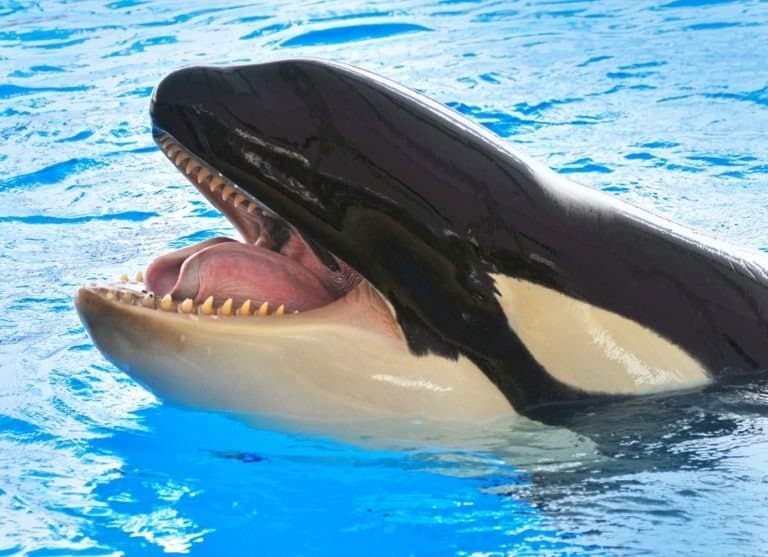
Killer whale pods known as AT1 and AB were heavily affected. The AT1 group lost so many individuals that it has never produced offspring since the spill and is considered functionally extinct.
The Exxon Valdez oil spill became a case study in how environmental damage can echo for decades.
Silver Linings?
It’s hard to look at a disaster like this and think any good could possibly come from it, but the tragedy did set into motion preventative regulations that may not have happened otherwise.
The spill led to sweeping legal battles and regulatory changes. In 1990, Congress passed the Oil Pollution Act, which strengthened federal authority to prevent and respond to oil spills. The law required double-hulled tankers in U.S. waters and improved contingency planning.
The disaster also changed corporate environmental policies and public expectations. Oil companies faced greater scrutiny, and response readiness improved nationwide.
As for Exxon, they spent billions on cleanup and settlements.
A Lasting Memory
More than three decades later, the Exxon Valdez spill remains a defining moment in American environmental history. I’ll never forget those images. Seeing wild creatures struggle because of human error… I was just a kid at the time, but I remember feeling so ashamed. So guilty.
But I also remember the human volunteers flooding into Alaska to help with the cleanup effort. The news footage of everyday people scrubbing those poor, oil-soaked birds with Dawn soap made me feel a little better. But only a little. Because protecting wildlife shouldn’t be about cleaning up after disaster, it should be about making sure it doesn’t happen in the first place.