
Quick Take
- Two rescue operations have failed to move Bukangi, and the reason it keeps swimming back to the same spot has surprised even the experts leading the effort. See the failed rescues →
- The shark navigated a 50-meter net, crossed over it, and returned to its favorite stretch of canal, seemingly preferring captivity over the open sea. How Bukangi evaded the net →
- Something is happening off South Korea's coast that makes Bukangi's arrival far less random than it looks. Surge in coastal sightings →
- Officials say the rescue only counts as a success under one very specific condition, and that condition has not been met yet. What counts as success →
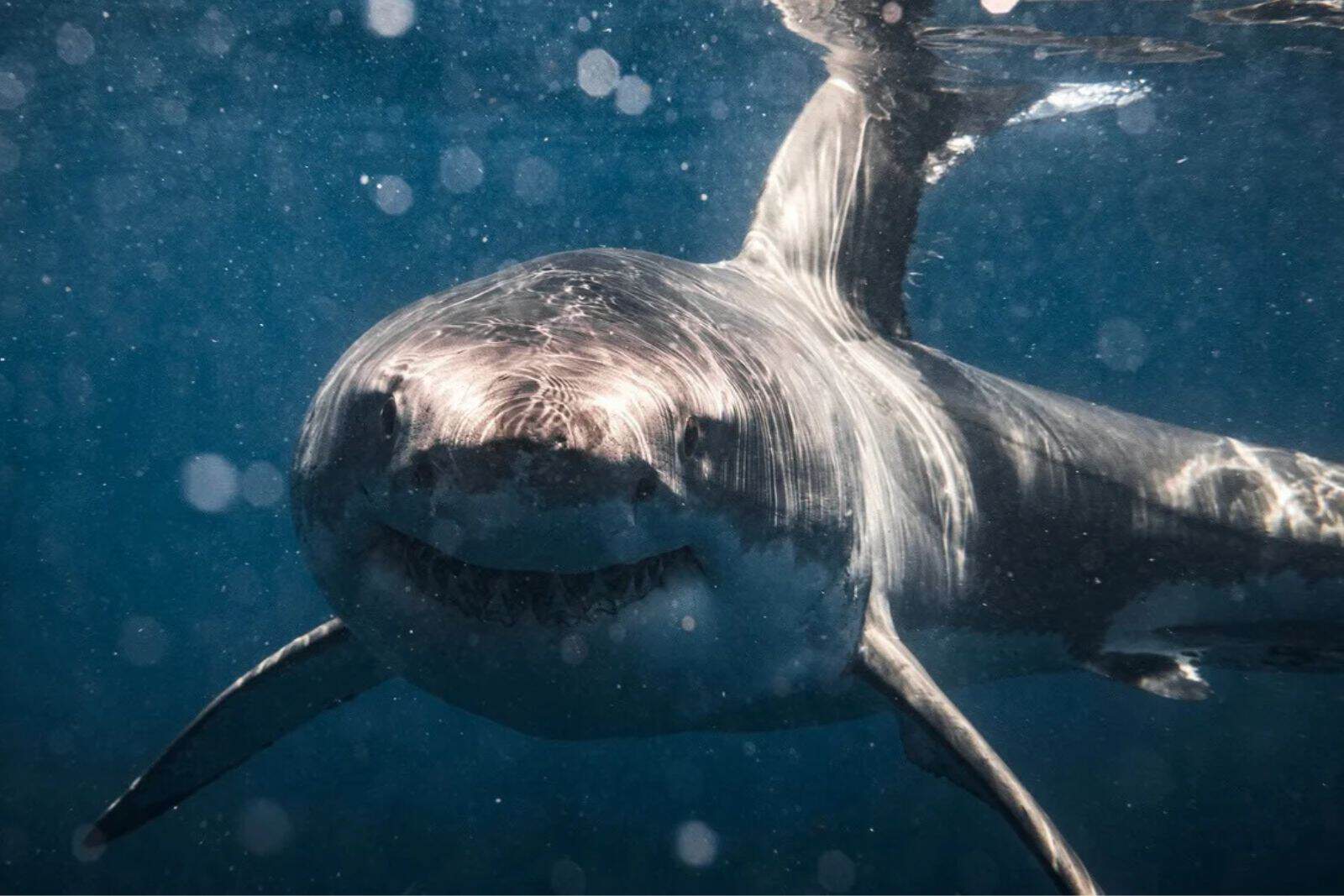
On September 18, a large shark swam into a narrow artificial canal at North Port in Busan, South Korea, and never swam back out. Three weeks later, it is still there, and the crowds keep growing. Local authorities say more than 700,000 people have visited North Port Waterfront Park to see it since it arrived, according to the Korea Herald.
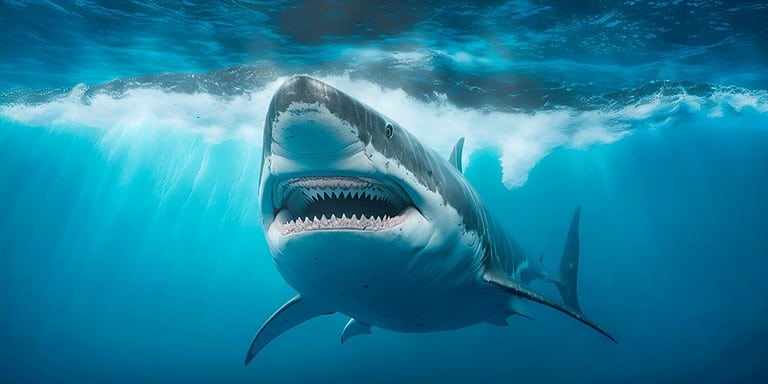
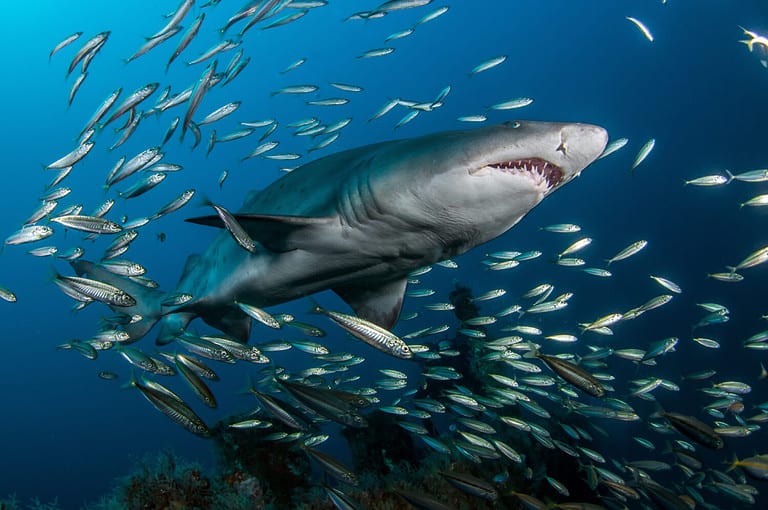
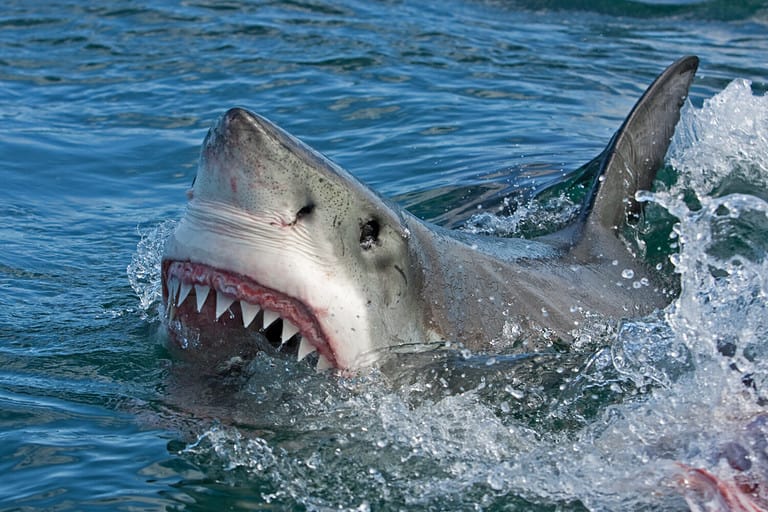
Residents have given the shark a name: Bukangi, built from “Buk Hang,” the Korean name for the port, plus a friendly suffix. Experts say it is likely a bronze whaler, a species that grows close to 12 feet long and is usually found in warmer waters off South Korea’s coast.
Two Rescue Attempts, Two Failures
Freeing the shark has proven harder than naming it. In the first attempt, crews sent out vessels equipped with water jets, spraying streams behind the shark to push it toward open water. It swam away from the jets and stayed in the canal, according to Reuters.
On October 2, rescuers tried again with a 50-meter-long, 6.8-meter-high net, moving it along the waterfront while a vessel pulled the center toward the sea. The plan was to use the net to guide Bukangi closer to the exit. Instead, the net caught on the bottom of the channel, and the operation was suspended that Friday evening. The shark circled the net for a day, crossed over it around noon on Saturday, then swam straight back to the stretch of canal between the park’s fourth and fifth pedestrian bridges, the spot it seems to prefer. Officials now plan to simply monitor Bukangi through the weekend to see whether it leaves on its own before deciding on a next step.
Why Bukangi Won’t Leave
Nobody is certain why a shark that appears otherwise healthy keeps turning back from an open exit. Kim Hyun-woo, a senior researcher at the National Institute of Fisheries Science who is leading the operation, points to the sheer amount of noise, light and electrical interference crowding in on the canal from every direction. “There are too many external physical stimuli coming from different directions,” he said, adding that shifting water levels and currents may eventually help the shark find its own way out.
Some experts warn the longer Bukangi stays confined to the shallow, narrow waterway, the more its survival could be at risk, even though officials have reported no clear signs of declining health so far. Kim has said the rescue will only count as a success once the shark has fully left the canal and reached open sea.
A Rise in Large Shark Sightings Along the Coast
Bukangi’s unplanned residency has drawn attention to something bigger happening offshore. The National Institute of Fisheries Science recorded 46 sightings of large sharks along South Korea’s east coast in the first half of 2026, compared with just 12 over the same months last year. Experts point to warming sea temperatures as one likely factor behind the jump.
For now, Bukangi remains Busan’s most unlikely celebrity, caught between a city that has grown fond of it and a sea it can’t quite find its way back to. Crowds kept returning to the waterfront over the weekend, split between hoping it swims free soon and admitting they will miss it when it finally goes.