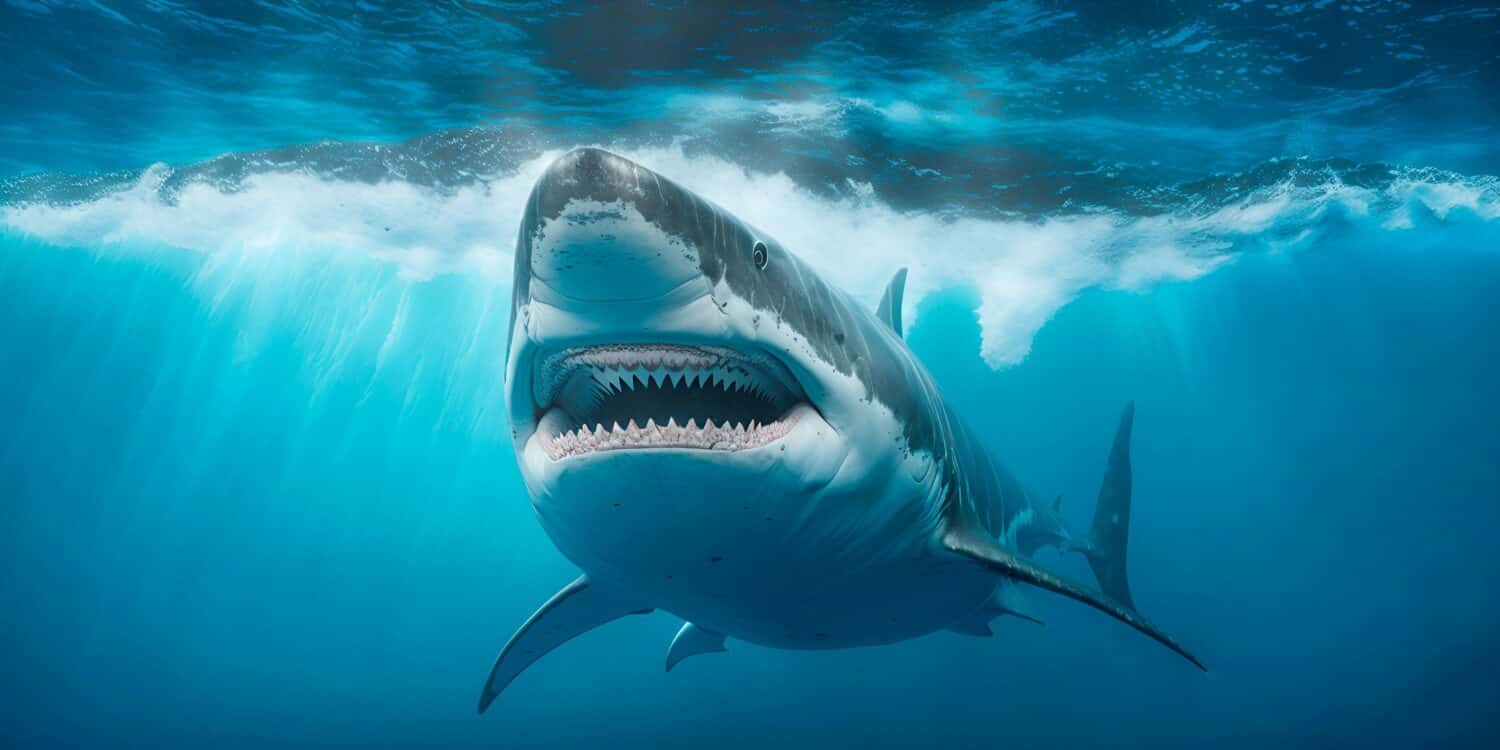

Quick Take
- Shark-attack hotspots are concentrated in the United States, Australia, and South Africa.
- The United States leads in documented attacks, with Florida accounting for nearly half of U.S. incidents.
- Australia ranks second in total attacks but tops fatal encounters with great whites.
Sharks have occupied our collective imagination for generations: majestic, powerful, and often misunderstood. While the likelihood of a shark encounter remains extremely low, certain regions around the world see more activity than others. This article explores where shark attacks are most common, why some areas see more incidents than others, which species are typically involved, and how beachgoers can stay safe.
Where Do Sharks Happen Most Around the World?
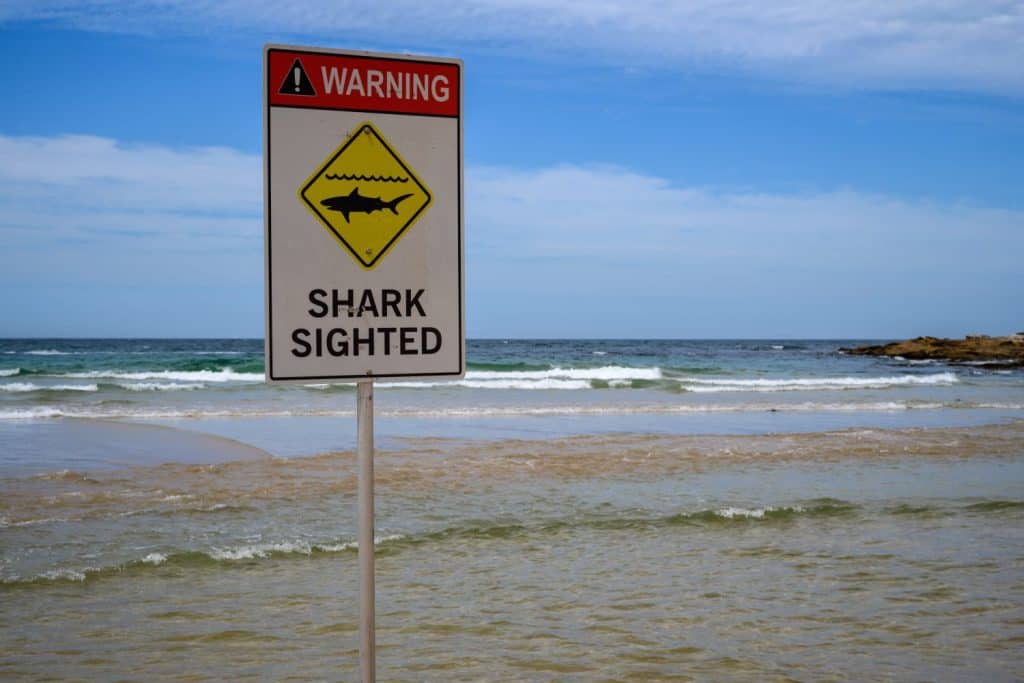
©A Periam Photography/Shutterstock.com
Below, we break down the world’s most significant shark-attack hotspots, the conditions that make these areas high-risk, and what you need to know before stepping into the surf.
Although sharks inhabit nearly every ocean, shark attacks have historically been concentrated in a few specific regions. According to Tideschart’s survey, three countries dominate the global statistics:
- United States – 2,473 recorded attacks since 1642 (with just over 1,600 recorded unprovoked attacks since 1837)
- Australia – 1,453 recorded attacks (with ‘around 700-800 recorded unprovoked attacks)
- South Africa – 593 recorded attacks (with approximately 250-300 recorded unprovoked attacks)
Together, these nations account for more than half of all recorded shark attacks worldwide. Yet surprisingly, the highest numbers don’t always correspond to the places most commonly associated with fearsome sharks.
United States
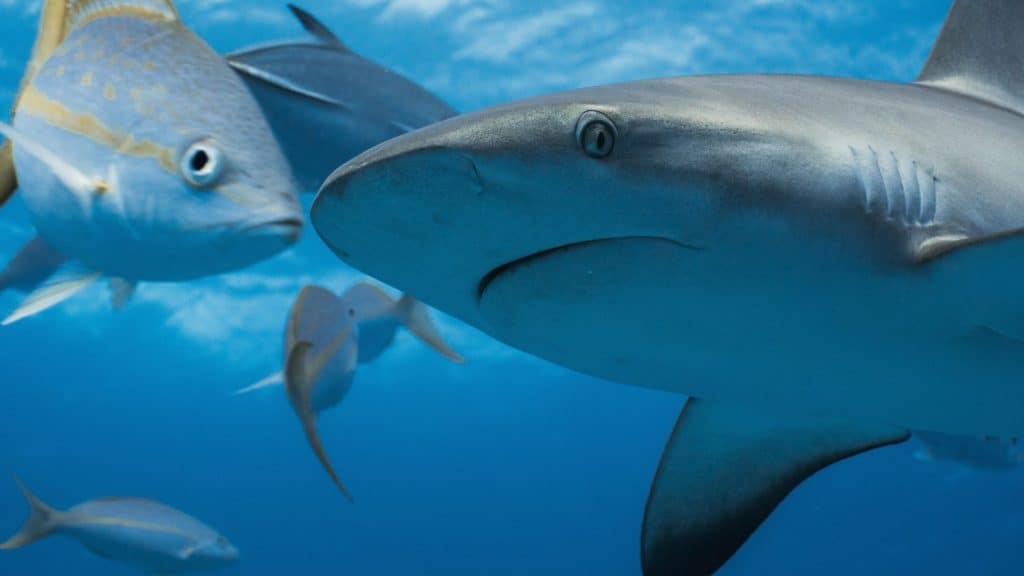
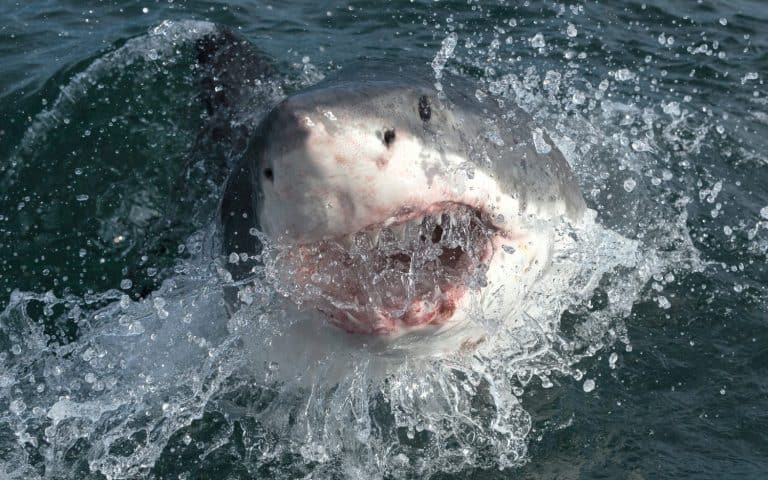
Shark attacks are dramatic and highly publicized incidents, but in reality, they are exceedingly rare.
©Jed kenny/Shutterstock.com
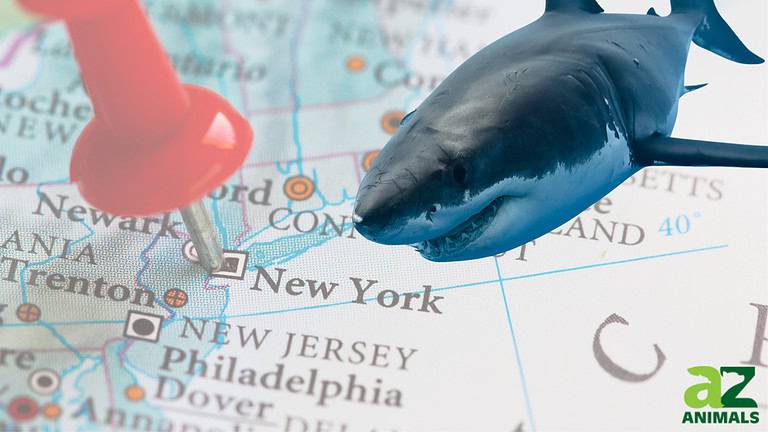
While the U.S. is not typically portrayed as a “shark capital” in pop culture, it leads the world in documented attacks, nearly double that of Australia. So, where do most shark attacks occur in the U.S.?
Here are the states that account for the overwhelming majority:
- Florida – 1,151 attacks (with just over 900 unprovoked attacks)
- Hawaii – 328 attacks (with around 140-150 unprovoked attacks)
- California – 316 attacks (with around 135-140 unprovoked attacks)
Florida alone accounts for nearly half of all U.S. shark-attack incidents, making it the unofficial epicenter of shark attacks in America.
Why Florida?
Areas with higher rates of unprovoked shark attacks tend to share three main characteristics: warm, nutrient-rich waters that attract marine life (and thus sharks), consistent surf zones that serve as natural feeding areas, and popular beaches that draw large numbers of people, increasing the chances of encounters. Florida meets all these criteria. Its shallow sandy shores, bustling tourism industry, and warm waters attract both sharks and swimmers year-round.
Common Species
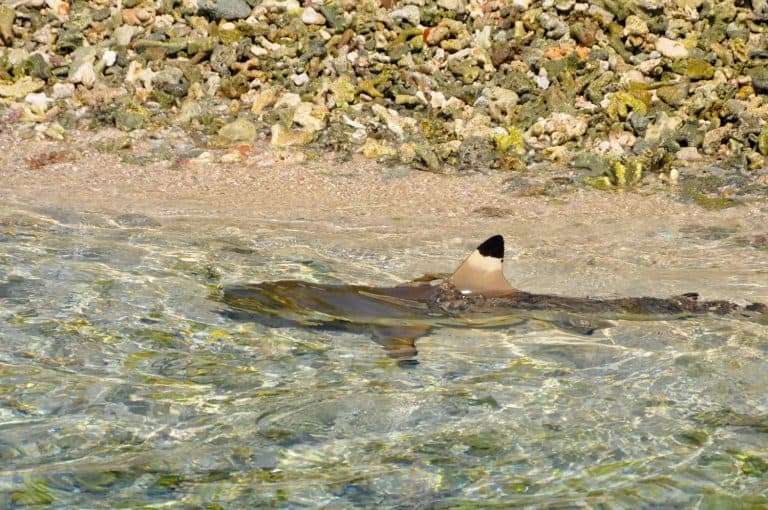
- Blacktip sharks (responsible for many minor bites)
- Bull sharks
- Tiger sharks
- Great white sharks (more commonly in California)
When Do Attacks Happen?
- Florida’s peak activity typically occurs from late summer into early fall, mirroring increased human activity and baitfish migration.
- Hawaii sees more bites during fall and winter when tiger sharks migrate toward islands to give birth.
Australia
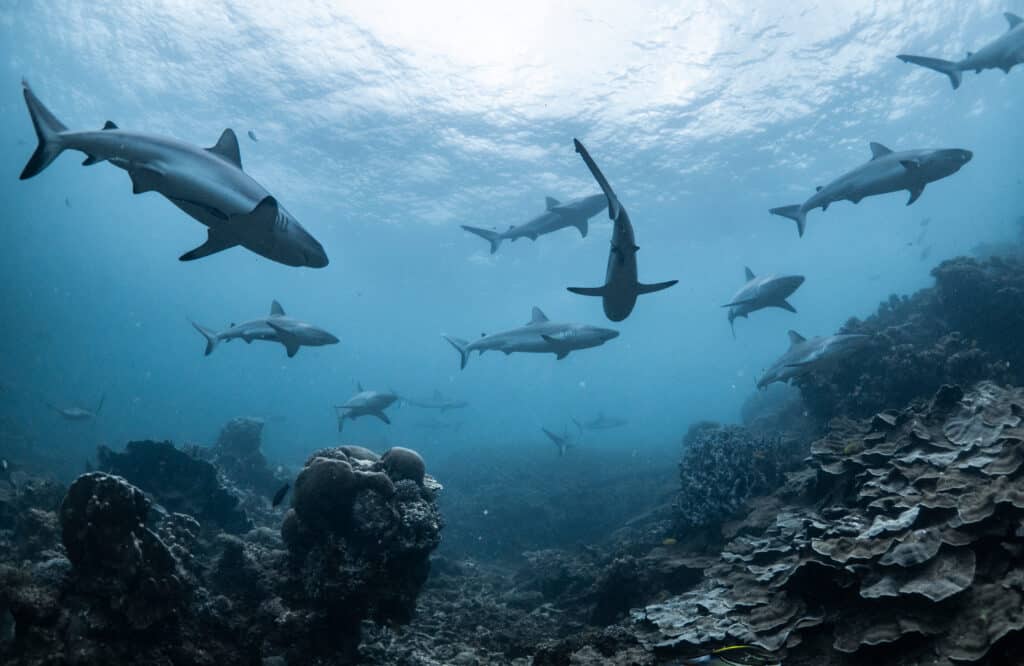
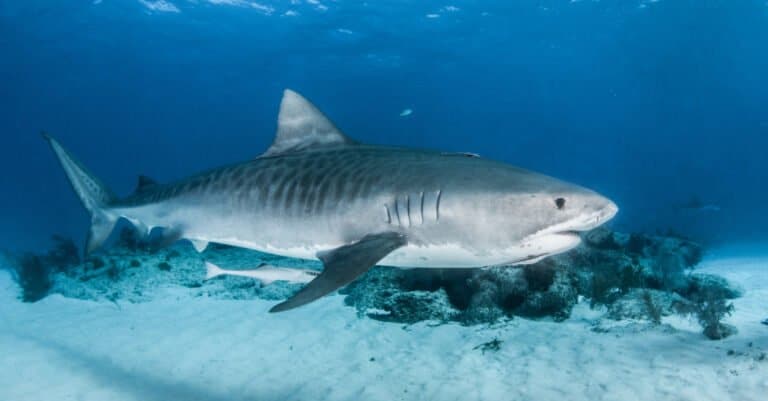
Australia consistently records some of the highest numbers of unprovoked shark attacks each year.
©Lewis Burnett/Shutterstock.com
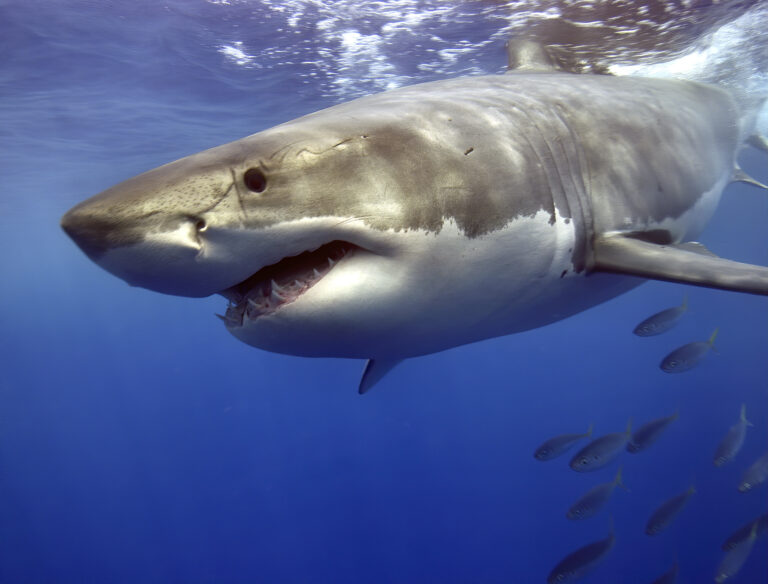
Australia is often perceived as the shark-attack capital, but surprisingly, it’s second to the U.S. in total recorded attacks. Still, the country leads the world in specific categories, including fatal encounters with large apex predators such as great whites.
Where in Australia?
- New South Wales accounts for the majority of the nation’s attacks.
- Other hotspots include Western Australia and Queensland, though they were not the focus of this specific survey.
Why Australia’s Numbers Are High
- Coastal culture: surfing, diving, and swimming are deeply woven into Australian life.
- Productive marine ecosystems are rich in prey species.
- Deep coastal shelves bring large sharks closer to shore.
Common Species
- Great white sharks (the most frequently implicated in fatal attacks)
- Tiger sharks
- Bull sharks
Seasonal Patterns
- Increased activity during the austral summer (December–February)
- Spikes often occur during whale migration seasons, when sharks follow carcasses or prey.
South Africa
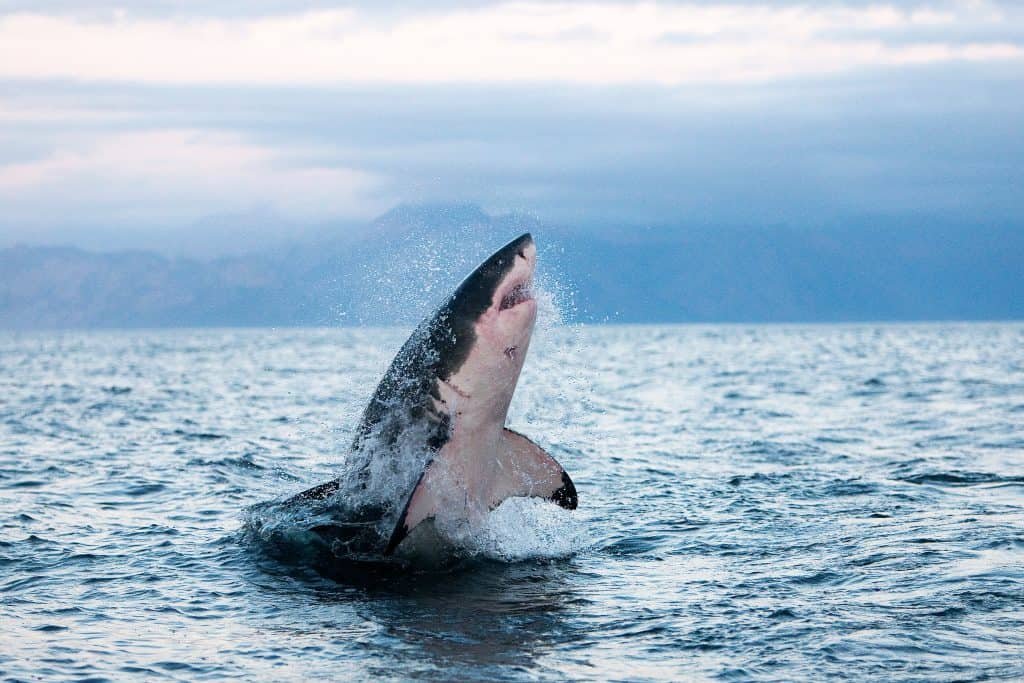
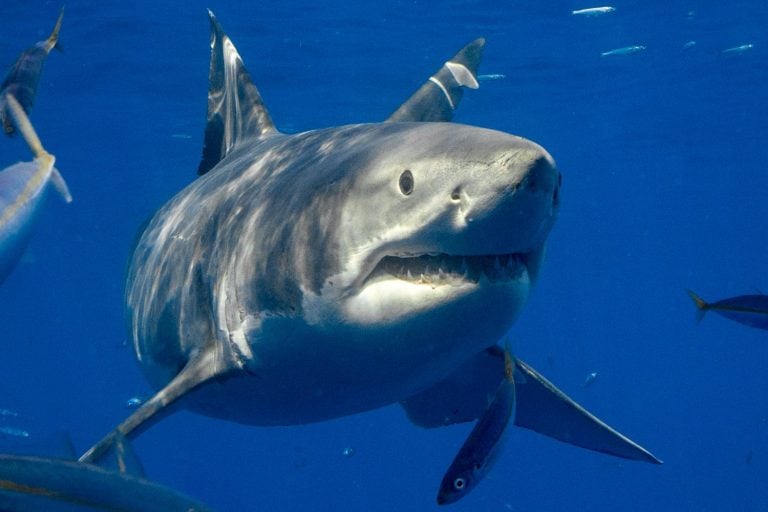
South Africa is famous for its rich marine biodiversity, including several large predatory shark species.
©slowmotiongli/Shutterstock.com
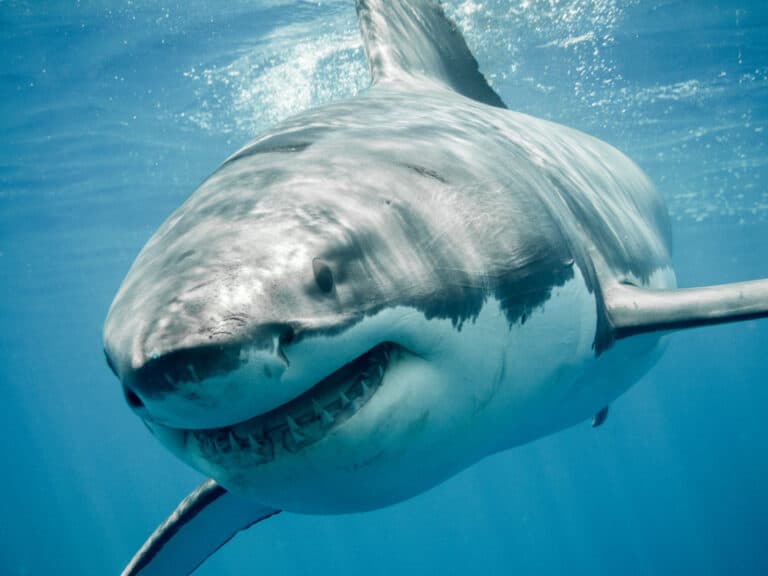
South Africa is associated with great white sharks, particularly around Seal Island, Mossel Bay, and Gansbaai, often nicknamed “Shark Alley.” Yet, Tideschart’s data shows the country ranks third in total attacks, well behind Australia.
Where in South Africa?
- KwaZulu-Natal accounts for over a third of the nation’s recorded attacks.
- This region’s warm waters and heavy surf activity create ideal conditions for shark–human interactions.
Common Species
- Great white sharks (famous but less frequently involved in non-fatal bites)
- Zambezi (bull) sharks
- Tiger sharks
- Ragged-tooth sharks (less dangerous)
Why Aren’t There More Attacks Despite the Presence of Great Whites?
Several factors keep numbers lower than expected:
- The region has effective shark management programs, including nets and drumlines along popular beaches.
- Water visibility and colder temperatures may deter swimmers at certain times of year.
- Many great white-dense areas are not heavily touristy beaches.
Seasonality
- Encounters tend to cluster in summer, especially around holidays when more people enter the water.
Why Are These Regions Hotspots?
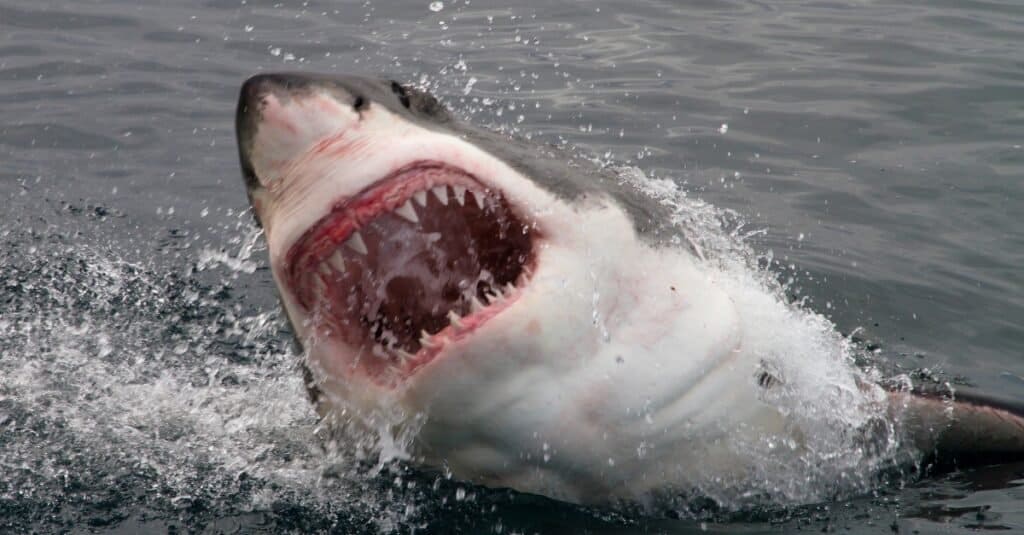
Although shark attacks do happen, scientists believe that sharks often mistake humans for seals.
©iStock.com/Peter_Nile
While sharks are found everywhere, the world’s deadliest hotspots share a few unmistakable characteristics:
- Warm, productive waters – Sharks thrive where food is abundant. Warm currents bring prey species close to shore.
- High human activity – Simply put, more swimmers mean more opportunities for accidental contact.
- Surf conditions – Breaking waves stir baitfish and create murky water, conditions where sharks may mistake limbs for prey.
- Coastal geography – Shallow drop-offs, estuaries, and channels naturally funnel sharks into near-shore waters.
Do Certain Times of Year See More Attacks?
Yes, seasonality plays a significant role in most hotspots.
- Summer and early fall are peak seasons.
- Holiday periods (such as the U.S. July 4th weekend or Australia’s Christmas break) increase the odds simply because more people are in the water.
- Migration seasons, whales, seals, and baitfish can temporarily attract large sharks closer to shore.
However, shark presence itself is not strictly tied to a single season; many species live year-round in the regions listed above.
Staying Safe with Sharks
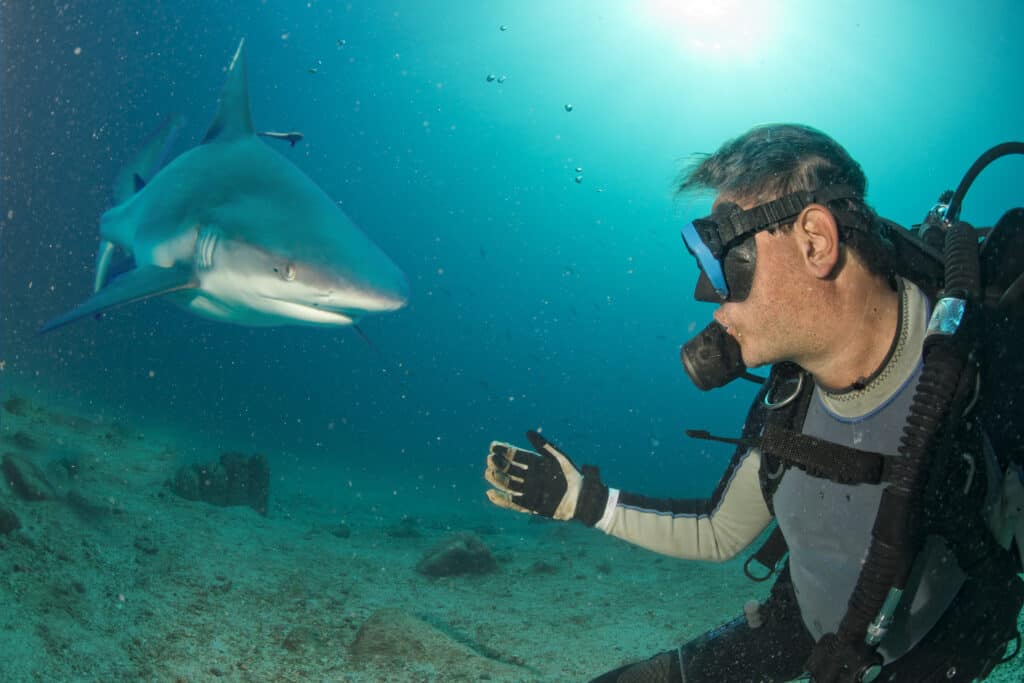
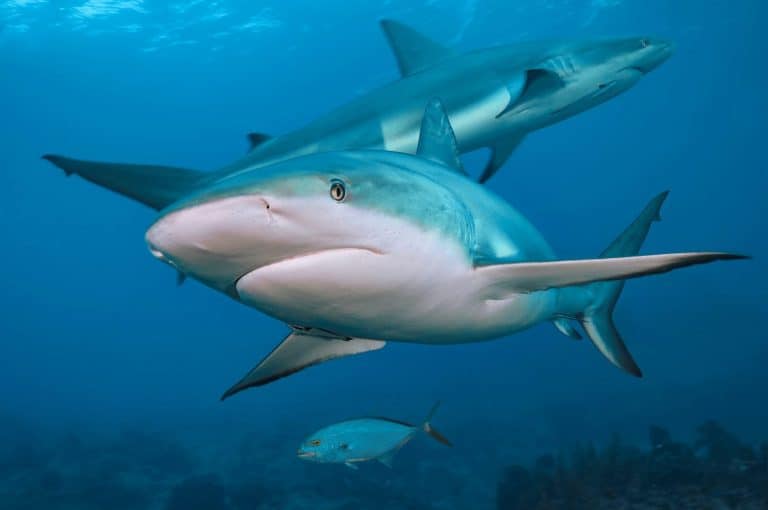
Grey shark ready to attack a scuba diver
©Andrea Izzotti/Shutterstock.com
Even in hotspot areas, fatal shark attacks remain extremely rare. With the proper precautions, risks become even smaller. Here are some tips to keep you safe.
Avoid Swimming at Dawn, Dusk, or Night
Sharks, especially predatory species like great whites, tiger sharks, and bull sharks, are more active during low-light periods.
- Lower visibility
- More feeding activity
- Higher chance of mistaken identity
Stay Out of Murky or Turbulent Water
Sharks rely on contrast and movement. Murky water, river mouths, and choppy surf make it harder for sharks to distinguish humans from prey. These are places to avoid.
- Brown or silty water
- Areas right after storms
- River outlets (bull shark habitat)
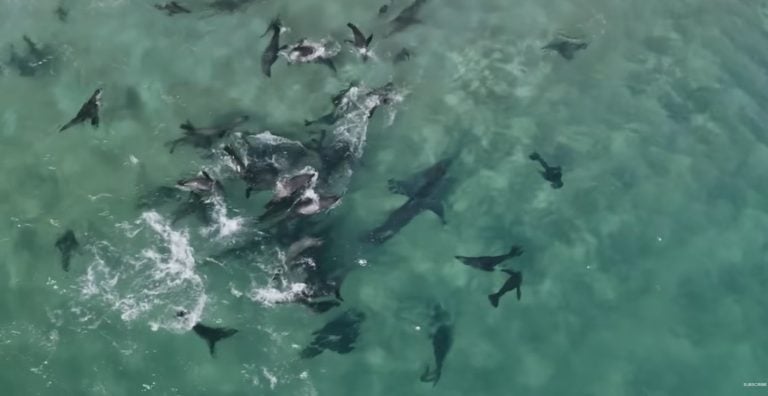
Avoid Swimming Near Baitfish, Seals, or Birds
These are feeding zones, and sharks follow their prey. Look for signs of a feeding zone, and if you see any of these, move to a different area.
- Splashing schools of fish
- Diving seabirds
- Nearby seal/sea lion colonies
- Strong fishy smell
- Frequent surface activity
Don’t Wear Shiny Jewelry
- Shiny objects can mimic the flash of fish scales, a natural food cue for sharks.
Swim in Groups
- Sharks are far less likely to approach multiple people. Solitary swimmers, divers, and surfers statistically have the highest risk of encounters.
Avoid Excessive Splashing
Erratic movement can attract sharks out of curiosity. This advice is especially important for children, injured swimmers, and dogs.
- Children
- Injured swimmers
- Dogs in the water
Stay Close to Shore
Most bites happen relatively close to shore, but staying within a reasonable distance allows you to exit the water quickly and remain visible to lifeguards.
- To get out quickly
- To stay visible
- To remain within the lifeguard monitoring zones
Obey Local Warnings and Closures
Many beaches now use modern detection tools. Some of those include the following.
- Drones
- Aerial patrols
- SMART drumlines
- Acoustic receivers
- Shark-spotting towers
If authorities close a beach or issue a shark warning, please take it seriously.
Be Extra Careful When Surfing
Surfers account for most shark bites, primarily for the following reasons.
- Silhouettes resembling prey
- Being farther offshore
- Spending time in surf zones
- Use of boards that mimic sea turtles or seals in profile
To reduce risk:
- Use a brightly colored board bottom
- Consider shark deterrents (electronic or magnetic devices)
- Avoid seal-rich surf zones
Manage Blood, Fish, and Food
Sharks are attracted to biological cues, so there are things to avoid.
- Spearfishing (highest-risk activity)
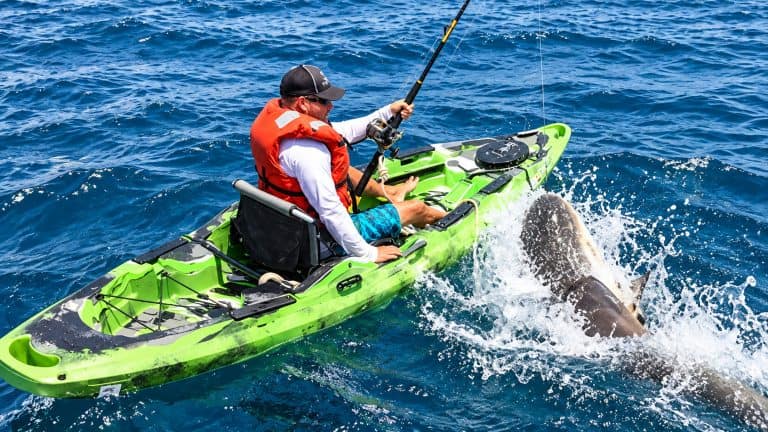
- Carrying fish on your belt or kayak
- Swimming with bleeding wounds
- Fishing from the beach and swimming nearby
Stay Calm and Maintain Eye Contact
If you do see a shark:
- Maintain eye contact
- Keep the shark in sight
- Back away slowly toward the shore or the boat
- Do not thrash, run, or turn your back
- If needed, place a solid object between you and the shark
Most sharks will simply pass by.
Know the Lowest-Risk Conditions
Your risk of a shark encounter is lowest under the following conditions:
- Water is clear
- Visibility is high
- Midday sun
- You’re near other swimmers
- No feeding activity is present
- Lifeguards are on duty
These environments make mistaken identity much less likely.
Understanding the Reality Behind the Numbers
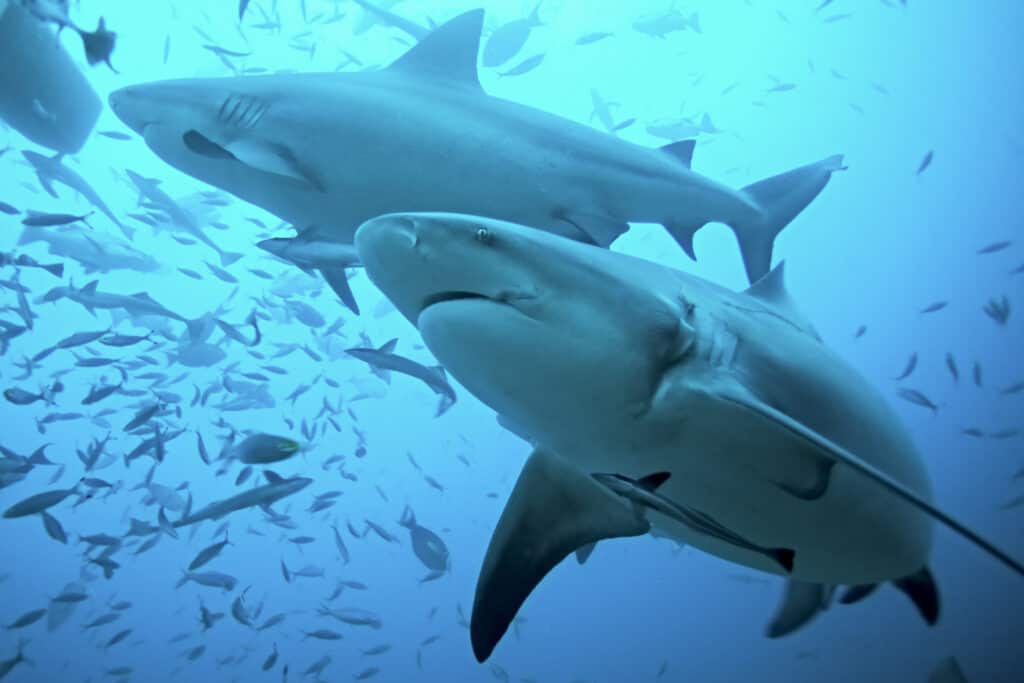
Learn about bull sharks on Shark Week.
©Martin Prochazkacz/Shutterstock.com
While the statistics may seem alarming at first glance, context definitely matters. The United States, Australia, and South Africa have high numbers not because their waters are uniquely dangerous, but because they combine ideal ocean conditions with high numbers of ocean-goers.
Ultimately, the data underscore the importance of coexistence and respect, reminding us that we share these waters with some of Earth’s most remarkable creatures.