
Quick Take
- Cottonmouths are turning up somewhere biologists never expected, a discovery that would have gone unnoticed without a 20-year-old survey. See the survey results →
- The same trap, the same spots, two researchers. Yet the results couldn't be more different. Compare the two researchers' catches →
- Something humans did to the land may be rewriting where a venomous snake chooses to live. Explore the land use connection →
- Most people near Florida waterways confidently identify cottonmouths, but most of them are wrong. Learn to spot the difference →
Every morning at Tall Timbers Research Station in north Florida, biologists walk out to check a line of wooden trap boxes scattered across the property. It’s the same routine researchers ran here in 2005, down to the trap design and the exact locations. Twenty years later, something in the results has shifted, and cottonmouths are at the center of it.
The early pattern is clear enough to notice, even before the full survey wraps up: cottonmouths are turning up in dry upland habitat far more than they used to, not just in the wet bottomlands the species is best known for.
Repeating a 20-Year-Old Survey
The project uses 21 traps placed in the same spots as the original 2005 survey, built to match that study’s design so the two datasets can be compared directly. Tall Timbers’ biological monitoring coordinator Kim Sash, who worked on the earlier survey, is now running the rerun alongside master’s student Ashlynn Canode.
The contrast between what each of them is finding has become one of the clearest signals in the new data. “I caught them significantly more in the bottomlands where you expect them to be, and where you think, like, this is their habitat type,” Sash said, describing her results from years ago. “And I think Ashlynn’s actually catching them significantly more in the uplands than the bottomlands, so it’s been like a whole transition of habitat.”
A Shift Toward Dry Ground
Tall Timbers itself hasn’t stayed the same since 2005. Researchers have removed some hardwoods from the property and adjusted how often different sections get prescribed burns, both changes that reshape which plants and habitat structures are available where, consistent with the station’s long history of fire ecology research. Either shift could plausibly push a species like the cottonmouth to spend more time in habitat it would have avoided two decades ago.
Because of that, the researchers are treating the upland shift as preliminary rather than settled. A change in where a station places its hardwoods or runs its fire program isn’t the same as a change in the species’ statewide range, and sorting out how much of the pattern comes from local land management versus something broader will take the rest of the survey, and likely follow-up work after it.
How To Tell a Cottonmouth From a Harmless Water Snake
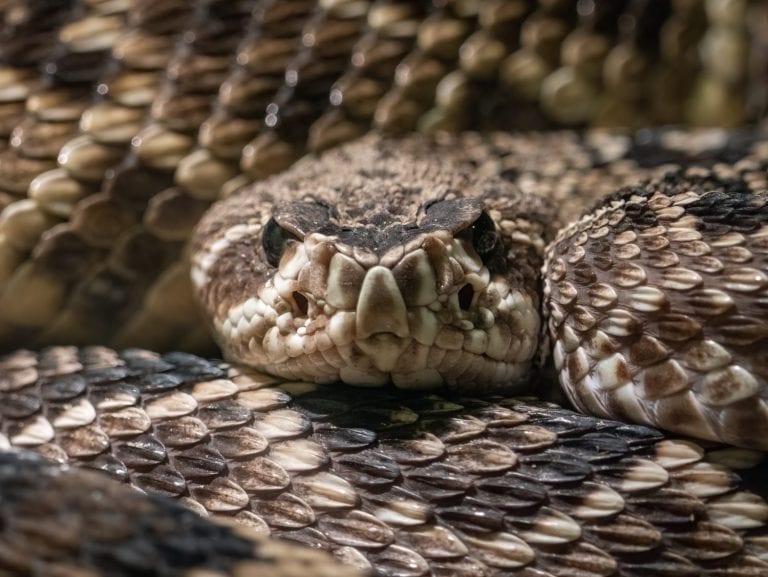
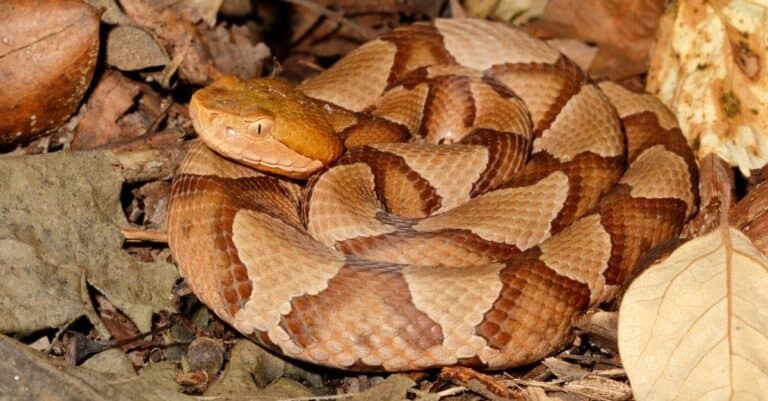
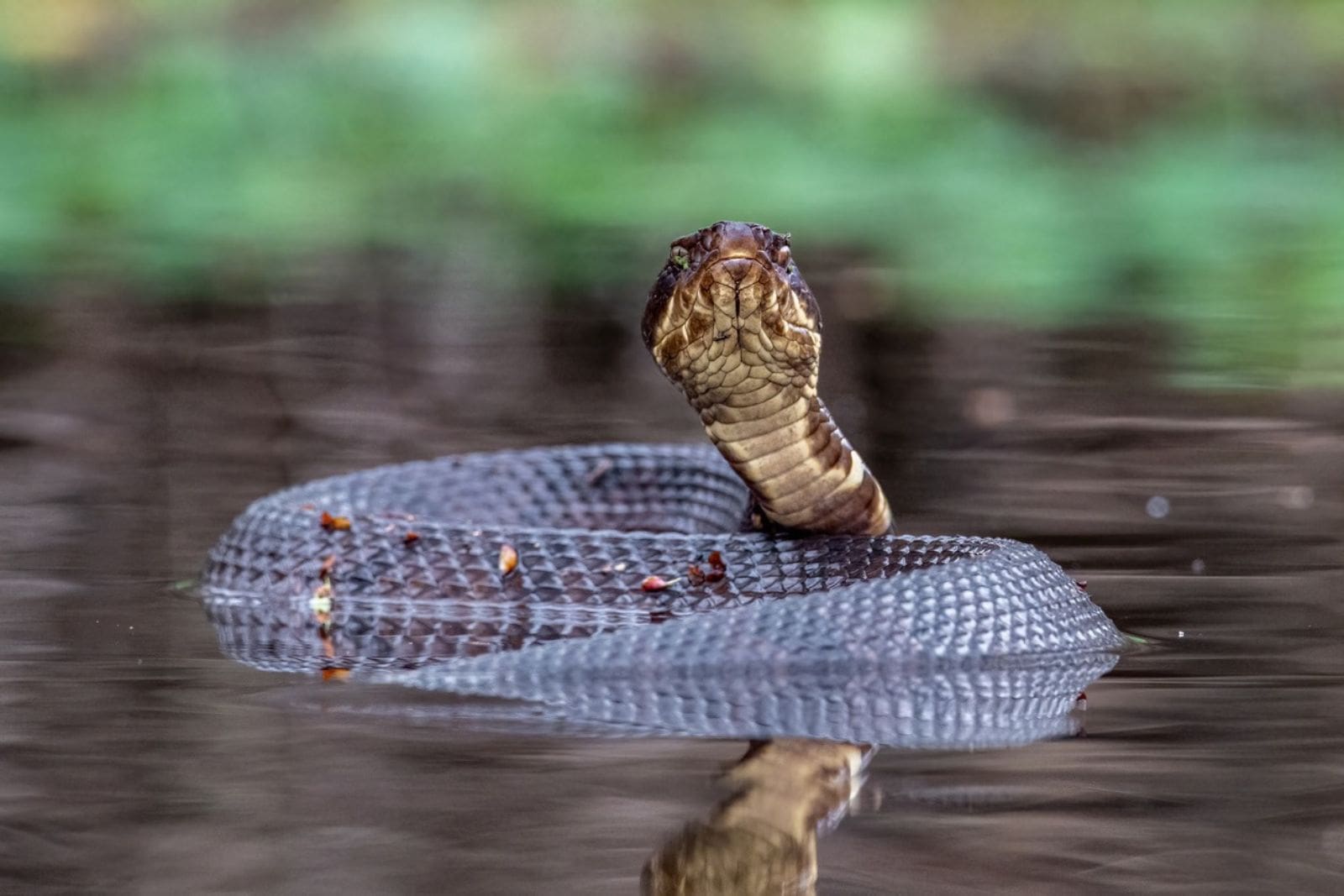
Cottonmouths are easy to confuse with several harmless water snakes that share the same ponds and creeks, a mix-up that gets a lot of innocent snakes killed every year. A cottonmouth’s head is wide, blocky and distinctly triangular, noticeably broader than its neck, while most harmless water snakes have narrower, more rounded heads. (For more detail, see our full guide to telling cottonmouths and water snakes apart.) When threatened, a cottonmouth will often gape its mouth open to show the bright white interior that gives it its name.
Swimming style offers another clue: cottonmouths tend to float with their head and most of their body visible on the surface of the water, while many harmless water snakes swim mostly submerged, showing only their head. None of these signs is perfectly reliable on its own. Non-venomous water snakes can flatten their heads defensively to look more triangular, so the safest rule, in Florida or anywhere else, is to treat any snake near water as one to watch from a distance rather than one to identify up close.