
Quick Take
- Winter sends city squirrels to the trash, and researchers tracked exactly what they grab. The menu may explain this doughnut heist.
- A police lot should rattle any thief. Research on suburban squirrels suggests this one wasn't sweating.
- The doughnut is probably not where you'd expect by now. The article explains where evidence might lead investigators.
- Squirrels can't sleep through the hungry months. So how do they survive them?
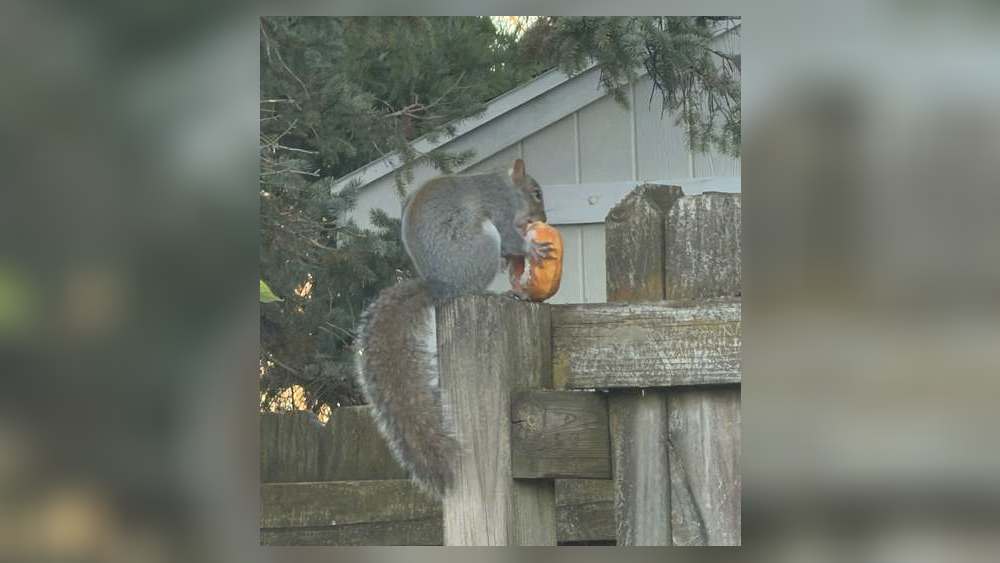
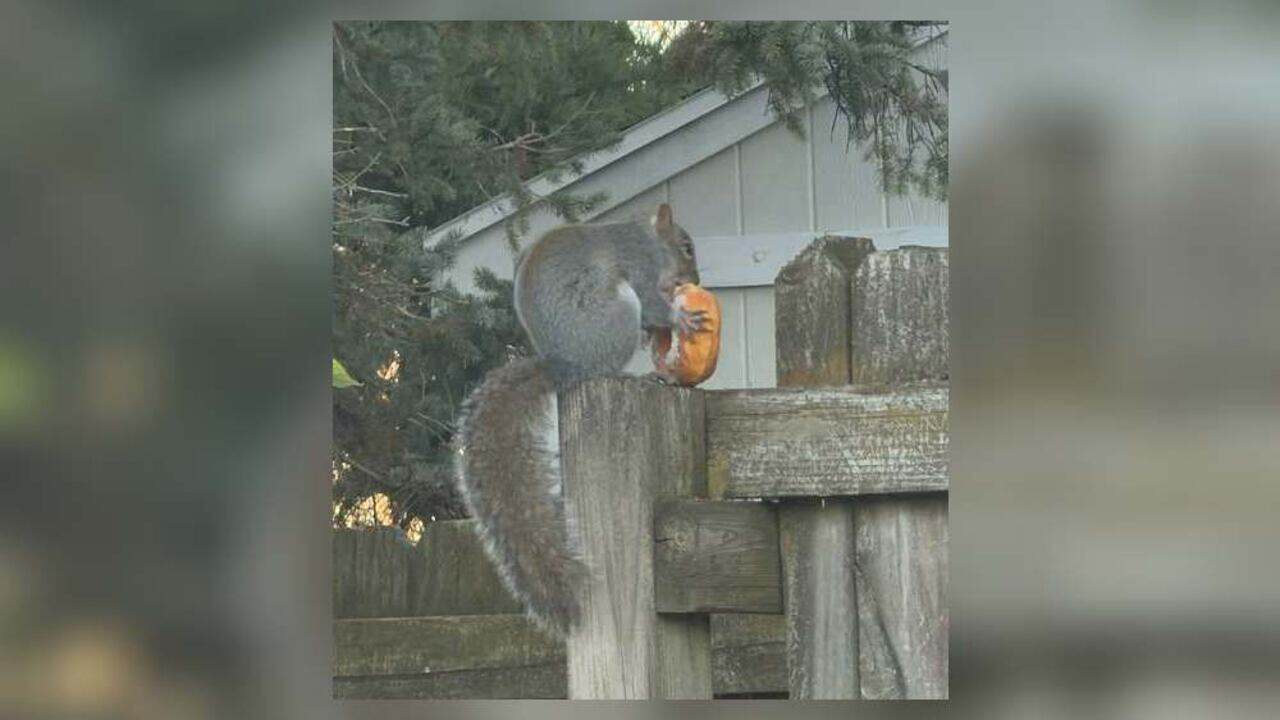
Someone at the Huber Heights police station in Ohio left a doughnut sitting unattended in the back lot. A squirrel helped itself.
The Huber Heights Police Division posted about the theft on social media, and WHIO reported it on November 18, 2026. “Instances of theft are taken very seriously. Especially when a squirrel steals an unattended doughnut from the Police Division’s back lot,” the division wrote. Officers said they’re looking for the squirrel for questioning. The post ended with some advice: “Happy Tuesday, let this be a reminder to protect your valuables and lock your doors!”
Starch Season
Cold weather sends city squirrels into the trash. A team of researchers watched five trash bins on a university campus at four different times of year, keeping track of what the squirrels pulled out and when. Most of the food came out during the coldest stretch, and most of it was starchy stuff like bread and French fries. When the weather warmed up, the squirrels spent less time in the bins. The researchers’ takeaway was that winter may be easier on squirrels in cities than in wilder places, probably because people leave so much food lying around.
Huber Heights is in eastern gray squirrel country. These squirrels are native across the eastern and midwestern states, and they’re as much at home in parks and backyards as in the woods. Come winter, a gray squirrel lives partly off nuts it hid away during late summer and fall. Gray squirrels don’t hibernate, so they can’t sleep through the hungry months. A doughnut is the same kind of starchy find the campus squirrels kept carrying out of the bins.
Being surrounded by police officers probably didn’t worry the thief much. In one study of suburban gray squirrels, the ones living where people were busiest let humans walk closer before they went on alert. A police back lot, with officers coming and going all day, is that kind of busy place.
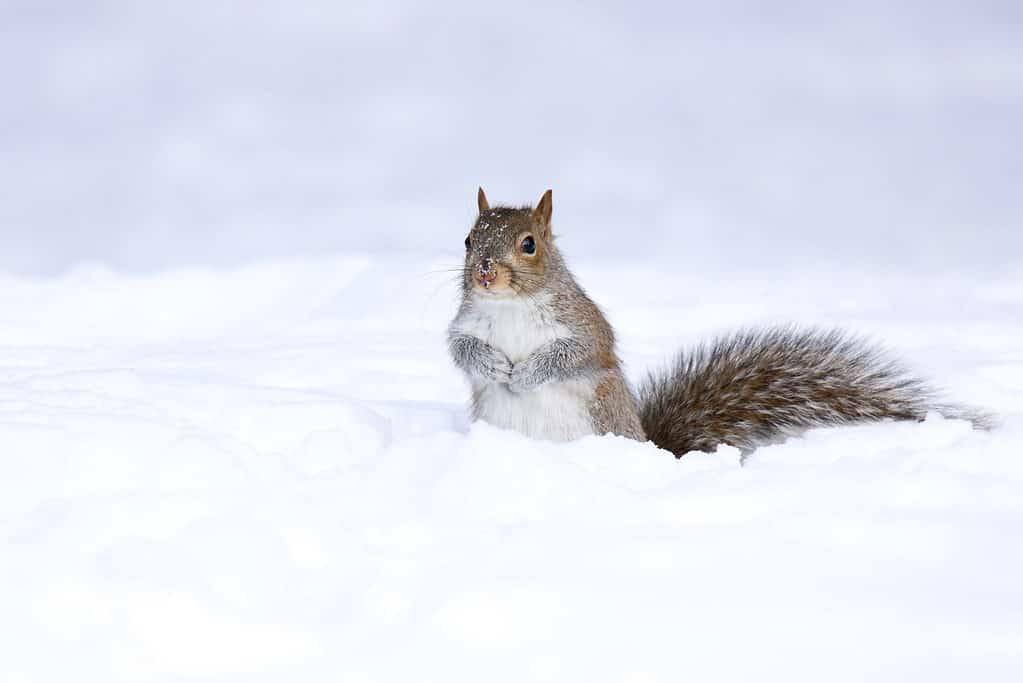
Eastern gray squirrels do not hibernate, so they keep foraging and storing food straight through the winter.
©iStock.com/suefeldberg
Where the Doughnut Went
When a gray squirrel finds more food than it can eat on the spot, it tends to hide the rest, tucked into one of the many little hiding spots it keeps around its home turf. It doesn’t travel far to do it. Each gray squirrel sticks to a home area of several acres, and in a whole year it rarely wanders more than 200 yards from its den.
The doughnut sat out in the open once. Whatever’s left of it has probably been put away much more carefully since.