
Hinduism is one of the world’s oldest religions. It adheres to an interconnected worldview where the divine and the material interact on multiple levels. An enduring feature of Hinduism is its decentralization. It has no central doctrinal authority, and many Hindus do not consider themselves to belong to any denomination. At its most basic level, however, all believers share several beliefs: ahimsa or nonviolence, dharma or cosmic order, and karma or the influence of fate on future actions. Its polytheistic collection of gods often takes the form of animals. Cows, elephants, and monkeys all hold sacred status in Hinduism, their divinity intertwined with centuries of ritual and practice, mythology, and even modern ethical norms.
Though certain texts portray Hinduism as having existed for thousands of years, experts believe that modern Hinduism is a synthesis of Brahmanism and several Indian cultures. It emerged as a synthesis of Brahmanism and several Indian cultures after the Vedic period, with its formative stages occurring between roughly 500 BCE and 300 CE. After Buddhism declined in India during the medieval period, Hinduism took hold. Since then, it has only grown. It has also taken hold in the West via its most popular exports, like Yoga and Transcendental Meditation. Hinduism is the world’s third-largest religion with an estimated 1.2 billion followers. Perhaps more than any other world religion, Hinduism places animals on a divine pedestal. Let’s explore the sacred status of animals like monkeys, cows, and elephants, and how they fit into the rich Hindu tapestry of myth, ethics, and culture.
The Hallowed Cow
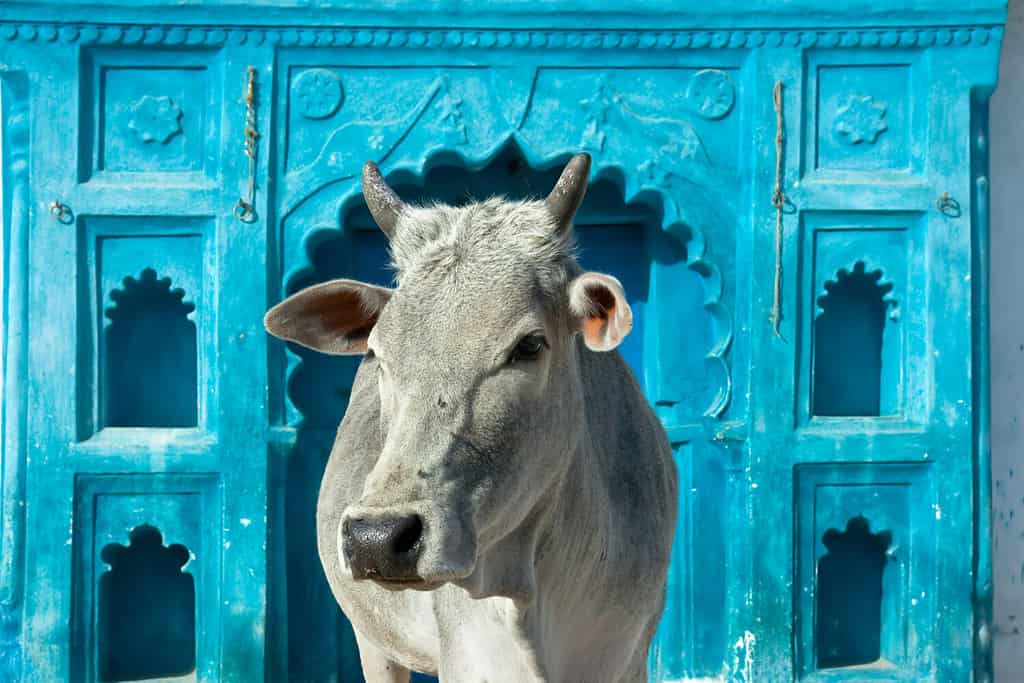
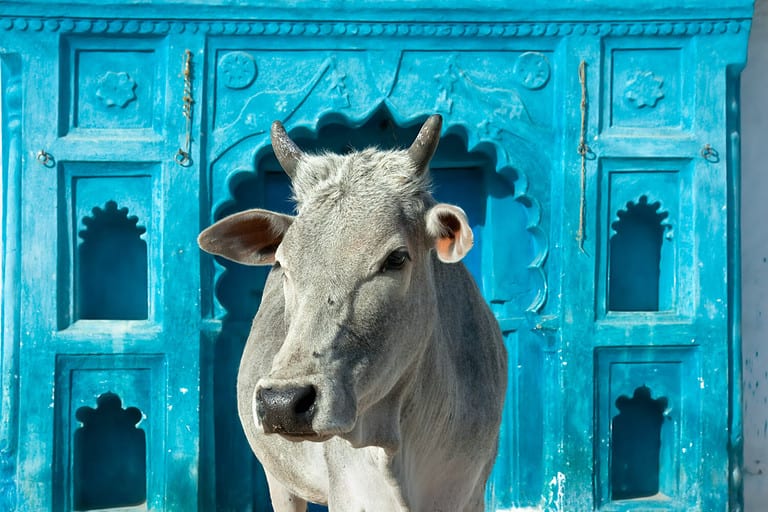
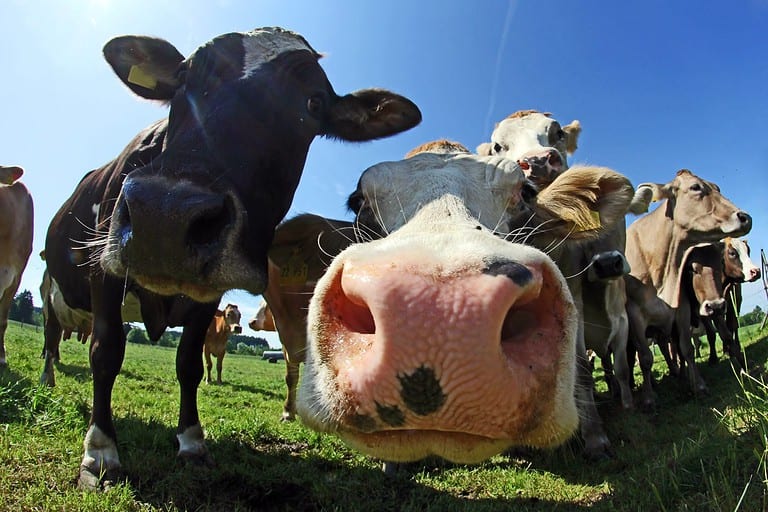
Hindus associate cows with peace, wealth, generosity, and the divine’s living presence in the world.
©Aleksandar Todorovic/Shutterstock.com
Perhaps more than any other animal, Hinduism reveres cows. Called “gau mata” or mother cow, the Vedas consider the mother cow not only a source of wealth and nourishment, but also as having a special connection with the divine. Hindus don’t necessarily worship cows in a literal sense, but they do place special symbolic importance on this creature. They see cows as a symbol of life and generosity, much like a mother who offers unconditional love. The cow’s connection with wealth, however, cannot be overstated.
Vedic culture considered cattle to be a serious gauge of economic wealth. Cows provide milk, ghee, and dung for fire fuel. They are a linchpin of agricultural life, and this anchoring economic status slowly merged with the divine. As most people know, cows are generally peaceful animals. This attribute eventually infused with their sacred status. Over the centuries, cows became something akin to living vessels of the divine presence in the material world. The majority of Hindus believe that their religion’s constellation of deities symbolically resides in the cow.
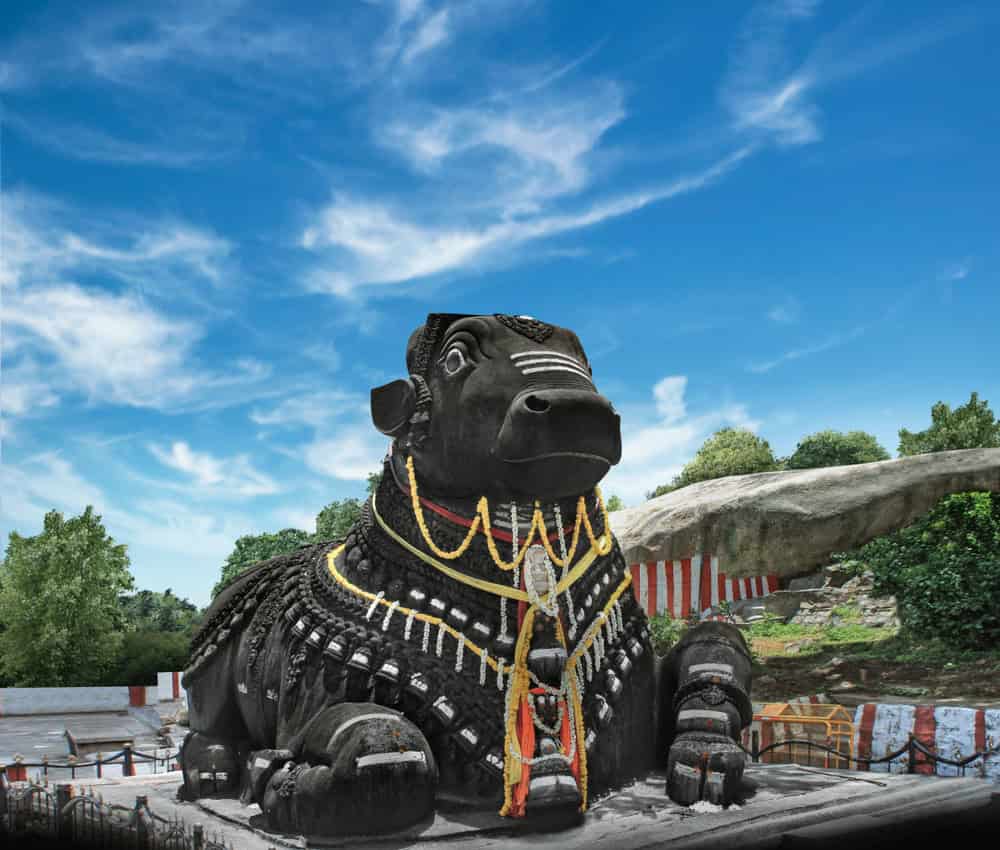
Over the centuries, cows have become associated with several Hindu deities. These include Shiva, who has a bull steed named Nandi; Indra, who has long been associated with Kamadhenu, the wish-granting cow; and Krishna, who was a cowherder as a child. More generally, cows are associated with goddesses because of their maternal attributes.
Festivals

Festivals like Govardhan Puja result in cows being decorated with beautiful colors.
©YouTube/PadmanabhS – Original
Their divine status results in several Hindu rituals and festivals dedicated to cattle. There is Gopashtami, a day for cows and their caretakers. There is Mattu Pongal, a festival celebrated specifically in the South Indian state of Tamil Nadu that honors cattle’s value to agricultural prosperity. Govardhan Puja is another day when cows are decorated with beautiful colors in honor of the cowherd deity Krishna.
Temple Life and Culture
Cows are often kept in specialized shelters called goshalas.
©Sagittarius Pro/Shutterstock.com
Most foreign visitors remark at how common a sight cattle are in the streets of India. They are afforded perhaps the highest status of any animal, and are treated with a reverence similar to that given to house pets in the West. In temple life, in particular, cows are often kept in special shelters called goshalas. There, they are fed, groomed, and sustained for symbolic, ritualistic purposes. These shelters also function as quasi-orphanages or foster homes for abandoned or elderly cows.
Laws
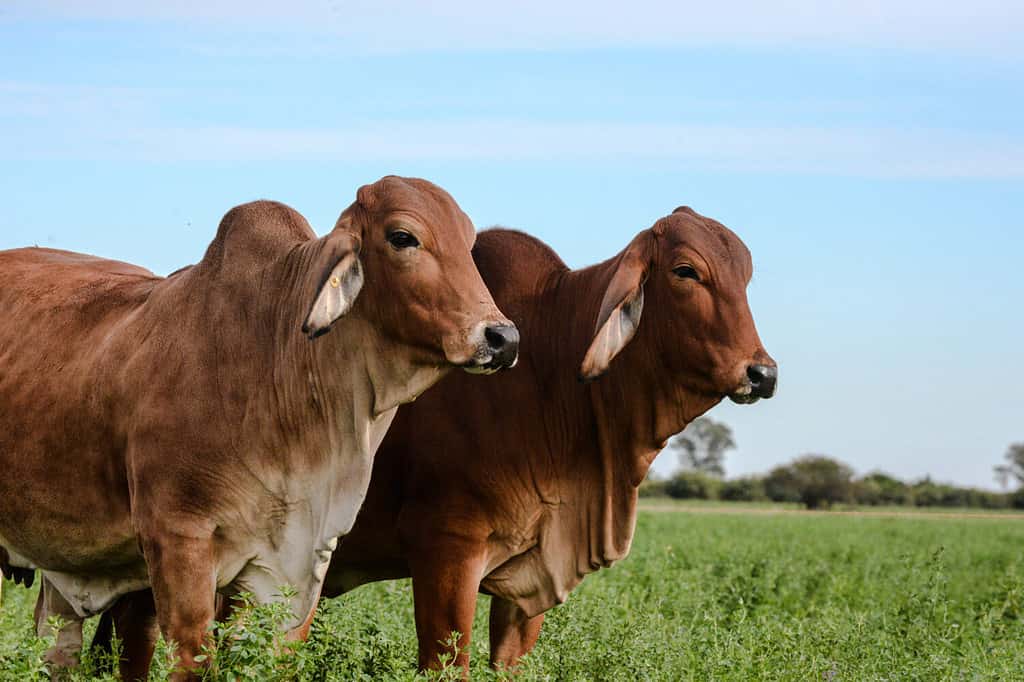
Some Indian states ban the slaughter of cows completely.
©mifotodigital.club/Shutterstock.com
Cows have incredible protections under Indian law. States like Gujarat, Rajasthan, and Haryana restrict cow slaughter almost completely. States like Kerala and West Bengal allow their killing under certain conditions. National Indian law, however, as per the Prevention of Cruelty to Animals Act (1960), restricts cattle abuse and maintains treatment standards.
Temple Elephants and Divine Symbolism
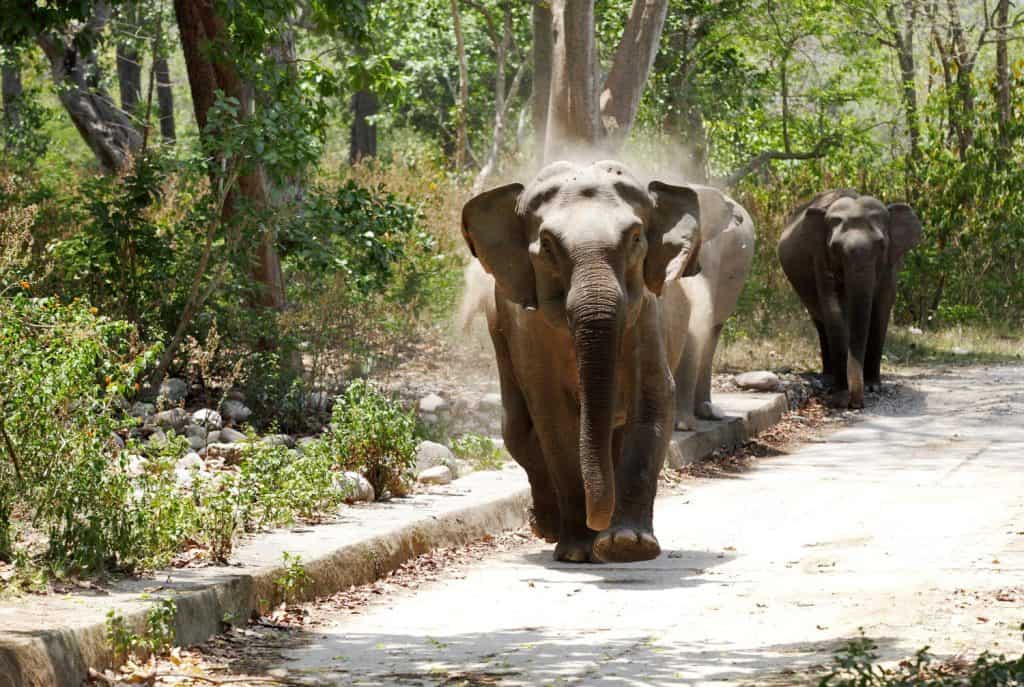
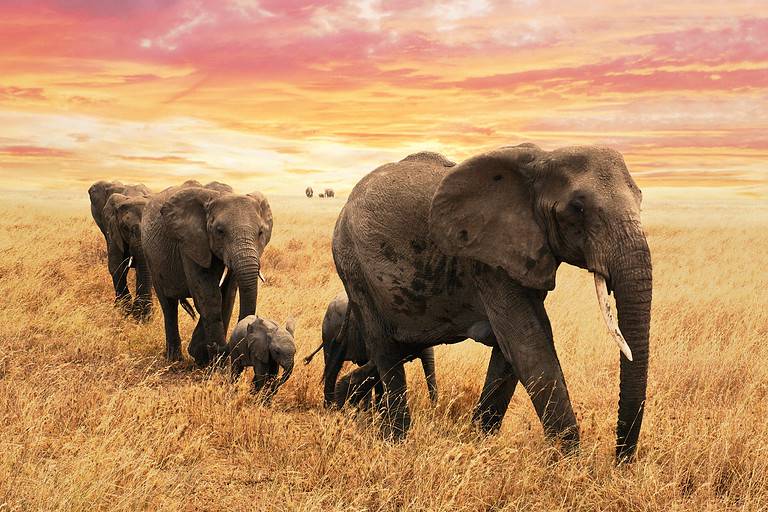
Elephants are both vehicles for Hindu gods and deities themselves.
©Dr Ajay Kumar Singh/Shutterstock.com
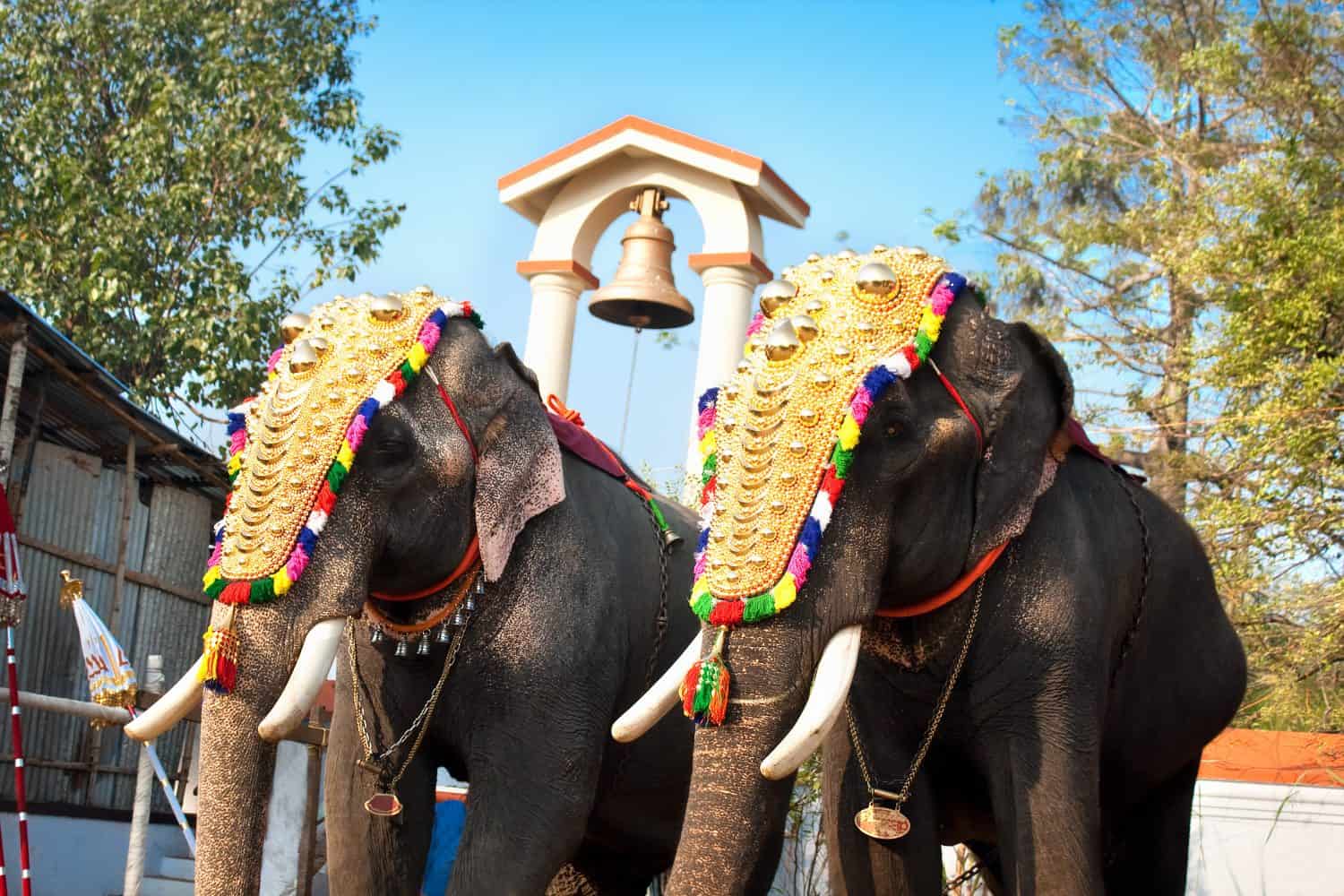
Like cows, elephants also hold significant symbolic power in Hinduism. They represent attributes such as wisdom and memory, and serve as divine vessels for deities. In the Vedic period, elephants acted as vehicles for gods and kings. For example, scriptures such as the Purana speak of the god of lightning and storms, Indra, riding a celestial elephant named Airavata. Elephants have a status equivalent to royal authority in Hinduism. As we will soon see, they are also associated with prosperity and new beginnings through Lord Ganesha.
Lord Ganesha: Writer and Remover of Obstacles

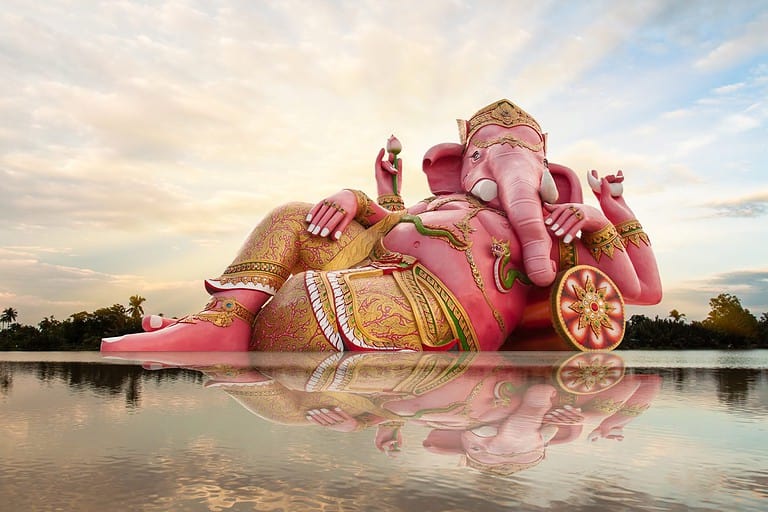
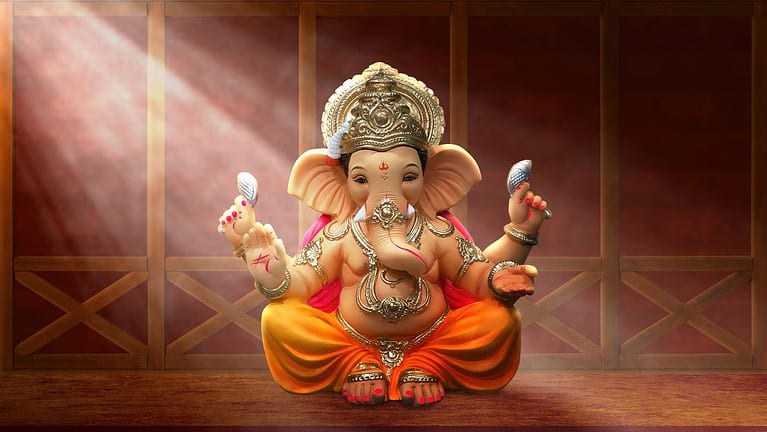
Lord Ganesha, the Indian deity with an elephant head and four arms, symbolizes wisdom, strength, new beginnings, and the breaking of obstacles.
©son Photo/Shutterstock.com
While cows are associated with certain Hindu deities, the elephant takes the literal form of the God Ganesha. He is the son of the deities Shiva and Parvati. As the myth describes, his mother, Parvati, formed Ganesha out of clay or turmeric paste, breathed life into him, and instructed him to stand guard while she bathed. When Shiva tried to enter, and Ganesha refused him, Shiva grew furious and beheaded the boy. Parvati was so stricken with grief that she threatened to destroy the universe, so Shiva revived the boy with the head of the first living creature found facing north.
Over time, Ganesha came to be associated strongly with several ideas. He symbolizes intelligence and memory, as well as the power to overcome obstacles. Lord Ganesha is also regarded as the patron of new beginnings and the remover of obstacles. His careful balance of strength and compassion mirrors the living elephant, a powerful yet gentle creature.
Eventually, Ganesha came to be associated with writing. Hindus consider him the patron of art and letters. In addition to his four arms, Ganesha is often depicted with a single tusk, while holding the broken tusk in one of his hands. The most notable explanation for this appears in the Mahabharata, which states that Ganesha broke off his tusk to continue writing the epic after his quill broke. While there are other explanations for the broken tusk, they all symbolize sacrifice, beauty in imperfection, and overcoming the ego.
Worship and Rituals

Ganesha is celebrated in a yearly festival called Ganesh Chaturthi.
©Denis Moskvinov/Shutterstock.com
Besides being invoked at the beginning of writing sessions, Ganesha is also worshipped before any major undertaking because he is the Vighnaharta, or the remover of obstacles. Lord Ganesha is such an integral facet of Hinduism that he has his own festival. Called Ganesh Chaturthi, it is celebrated all over India each year and features music, dancing, ceremonies, and the invocation of beautiful, elaborate statues of Ganesha.
Temple Life and Culture
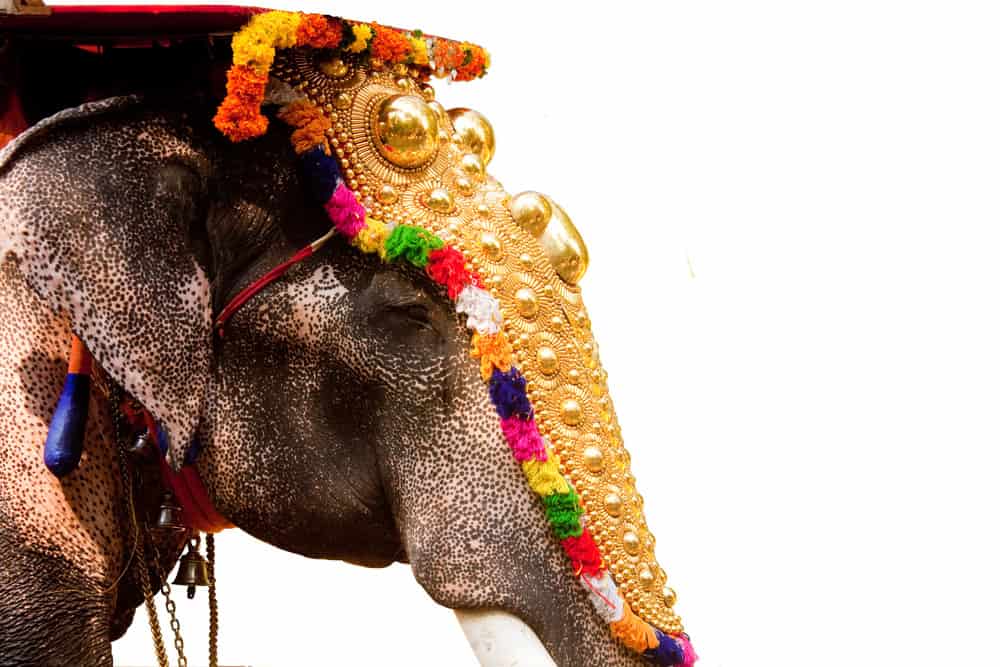
One Temple in Tamil Nadu features elephants that bless worshippers with their trunks.
©RobinsonThomas/Shutterstock.com
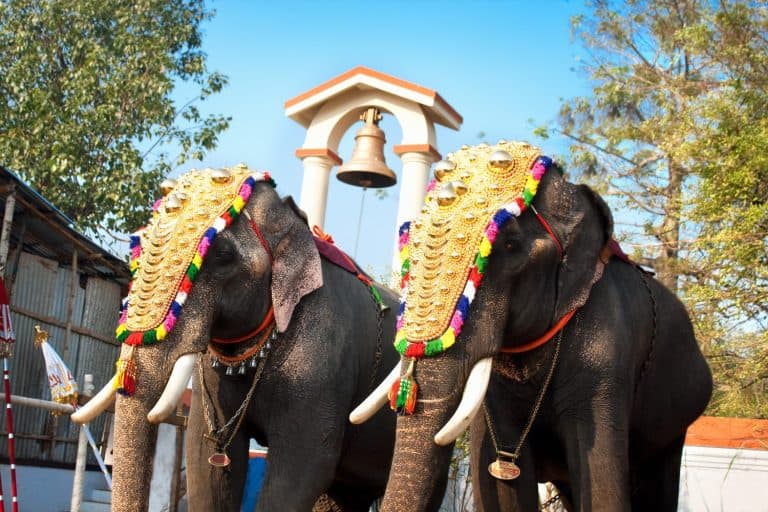
Elephants remain a common fixture of Hindu temples, especially in South India. In fact, there are several temples where elephants are common. There is the Guruvayur Temple in Kerala, which contains a sizable population of temple elephants. The Kapaleeshwarar Temple in Tamil Nadu also features elephants that bless worshippers by gently touching their heads with their trunks. Regardless of temple or station, Hinduism treats elephants as living, breathing symbols of devotion.
Laws
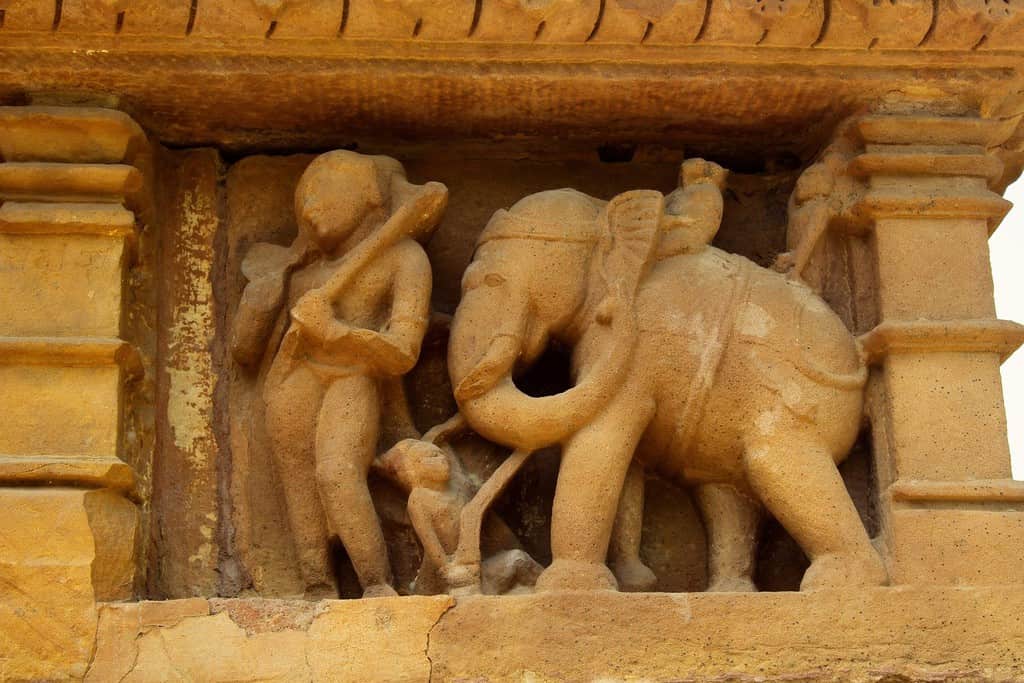
The Wildlife Protection Act of 1972 provides Indian elephants with the highest level of protection.
©Maximillian cabinet/Shutterstock.com
There are several laws on the books in India concerning the welfare and treatment of elephants. Specifically, the Wildlife Protection Act of 1972 provides elephants with the highest level of protection, requires permits for keeping elephants in captivity, and heavily restricts their capture and commercial trade.
Temple Monkeys and the Sacred
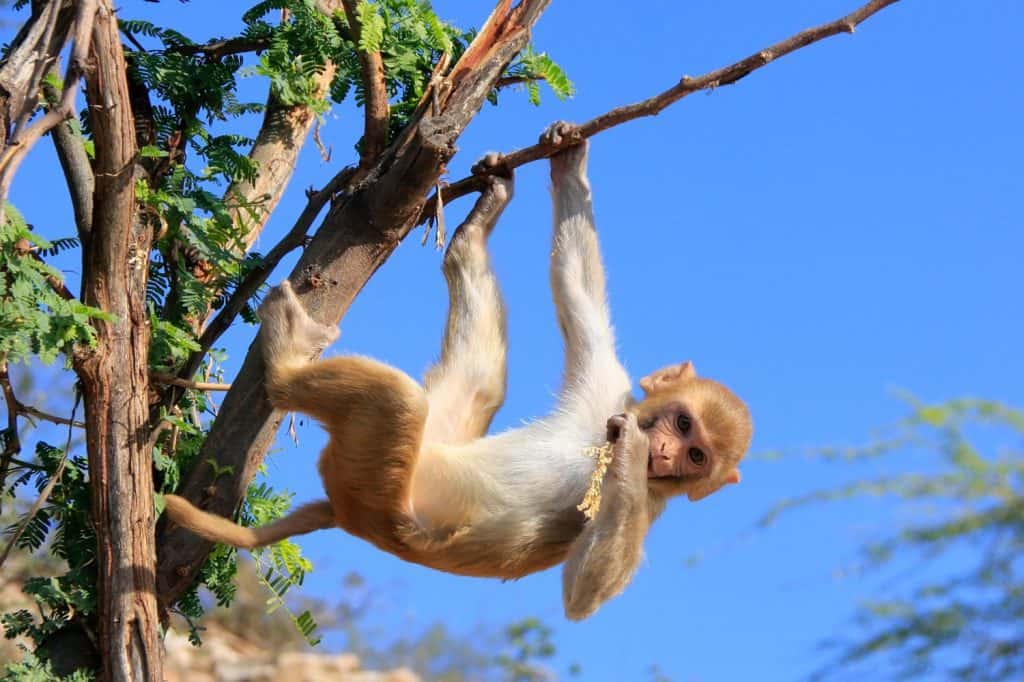
Monkeys are strongly associated with the Hindu deity Lord Hanuman.
©Don Mammoser/Shutterstock.com
Monkeys are a common sight in India, so it makes sense that they factor heavily into Hinduism. They are most closely associated with Lord Hanuman, the monkey god best known for his unfaltering devotion to Rama in the epic Ramayana. This has provided monkeys with both protection under the law and shelter in the form of temples and sacred groves. Let’s learn more about Lord Hanuman before talking about the laws and forms of worship that touch upon monkeys.
Lord Hanuman

Lord Hanuman is a monkey-faced deity in Hinduism, best known for his unwavering devotion to god Rama.
©Roop_Dey/Shutterstock.com
Several traditional stories describe the origins and offices of Lord Hanuman. Considered a divine vanara, a race of human-like beings, Hanuman is also a companion of fellow deity Rama. A truly loyal friend, Hanuman is utterly devoted to Rama. He was originally believed to be the offspring of the wind deity Vayu, though some Hindu traditions consider him an incarnation of Shiva. A relatively minor god at the outset of Hinduism, Lord Hanuman gained prestige and followers during the second millennium CE.
Over time, stories about Hanuman attributed to him impressive feats, such as making incredible leaps and displaying great strength by lifting mountains. His supernatural devotion to Rama, among other feats, has made Lord Hanuman a symbol of strength, resilience, discipline, protection from evil, and devotion. He is also traditionally considered to be celibate.
The worship of Lord Hanuman is widespread in modern India. Every Tuesday and Saturday is associated with Lord Hanuman worship, and his temples consistently attract millions of followers. The reverence for Lord Hanuman has also contributed to generally positive public attitudes toward wild monkeys, as Hanuman is considered the ideal devotee.
Temple Monkeys and Culture
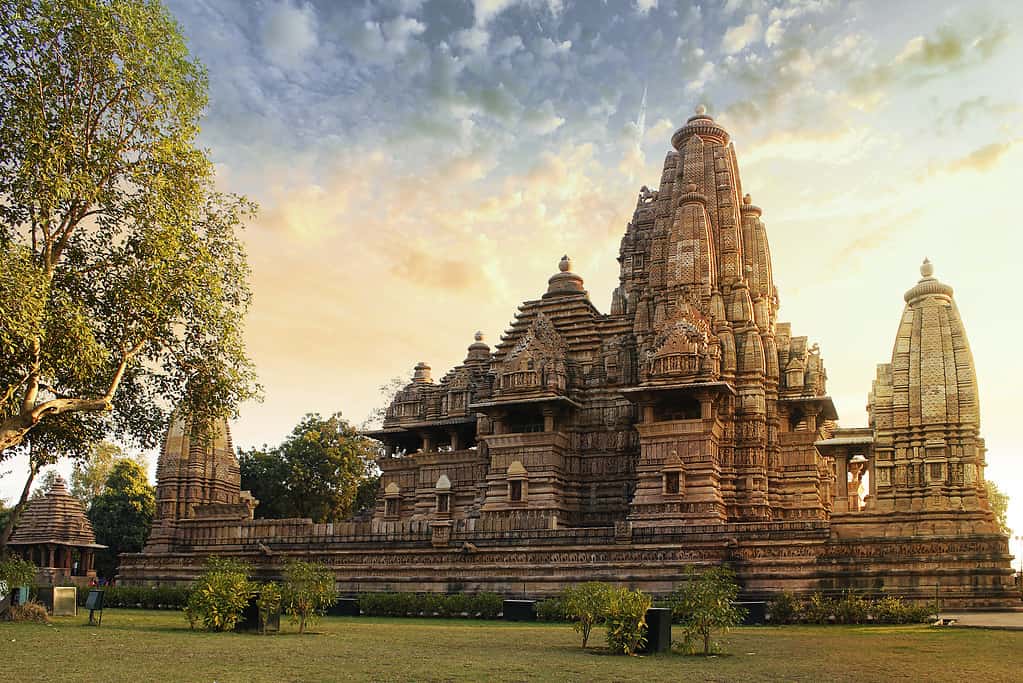
The Monkey Temple in Jaipur features troops of monkeys that have lived there for hundreds of years.
©ShutterBug/iStock via Getty Images
Many temples across India have sizable populations of monkeys living in their vicinity. Hampi in Karnataka has large monkey groups connected to temples. There is also Varanasi’s Sankat Mochan Hanuman Temple, where live monkeys act as living, sacred companions of the monkey deity. The most famous monkey temple, however, is likely the Galta Ji Temple in Jaipur. Often called the “Monkey Temple,” this site of worship features large troops of monkeys that have lived there for centuries.
While interactions between humans and monkeys can be tense in some parts of India, temples provide a sanctuary where this interspecies pressure is alleviated. The strong association between monkeys and Hanuman also provides monkeys with religiously ordained protection. In fact, feeding monkeys is considered a form of religious merit in Hinduism.
Protection and Management Laws
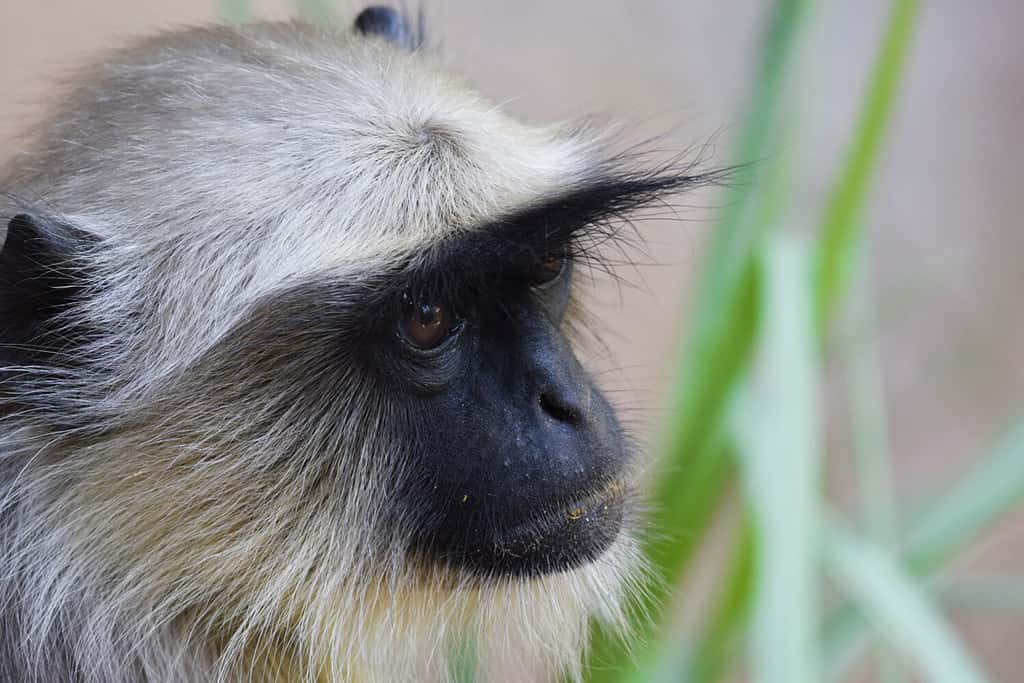
Monkeys are protected under India’s Wildlife Protection Act of 1972.
©Rainbow_dazzle/Shutterstock.com
Like other wildlife creatures in India, monkeys are protected under the Wildlife Protection Act of 1972. This not only prohibits the hunting of monkeys, but also requires specific permits for scientific or conservation purposes. The aforementioned pressure between humans and monkeys in urban locales, however, has led to both relocation and sterilization programs for monkeys living in certain cities. Like all the animals mentioned in this article, monkeys hold a special place in Hinduism. This reverence allows Indian culture and the Hindu religion to balance safety, compassion, and coexistence with wild animals.