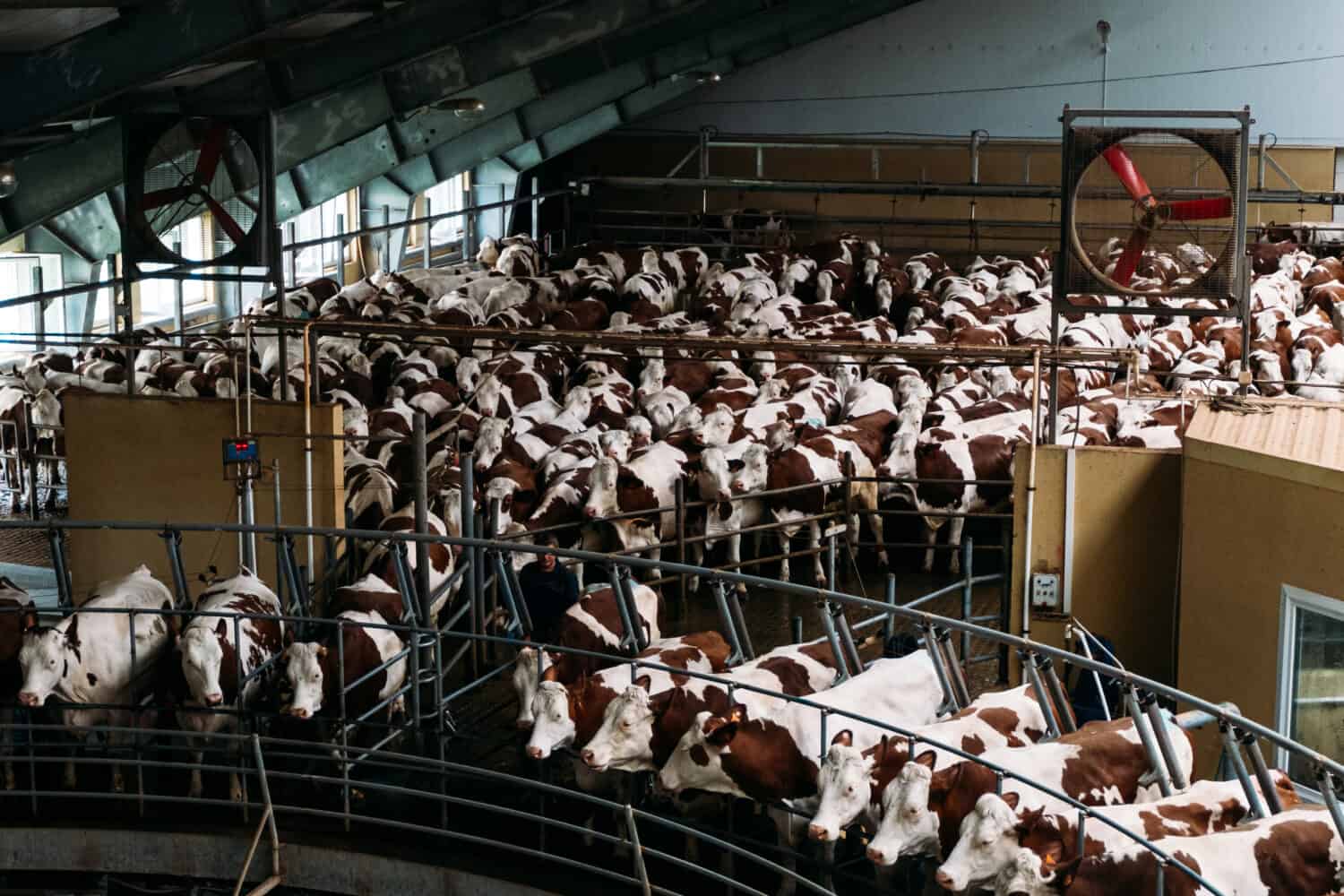

Factory farming is a common yet controversial practice that allows for the large-scale production of meat products. However, the system often involves the inhumane raising and handling of animals. While it’s a highly debatable topic, many animal advocacy groups have pointed out the dangers and risks of factory farming. Its impact on both animals and consumers is detrimental.
“The term ‘factory farming’ was popularized—though not originally coined—by British writer Ruth Harrison in her 1964 book Animal Machines, which exposed the rise of intensive animal agriculture in the UK,” says Dr. Crystal Heath, a Los Angeles-based veterinarian and the Executive Director of Our Honor, a non-profit veterinary advocacy organization. “Harrison’s 1964 book is the moment when ‘factory farming’ took on its modern meaning: an ethically troubling, industrialized system of producing animals as units of output.”
Looking to learn more about factory farming and its dangerous effects? Here’s what you should know about factory farming.
What Is Factory Farming?
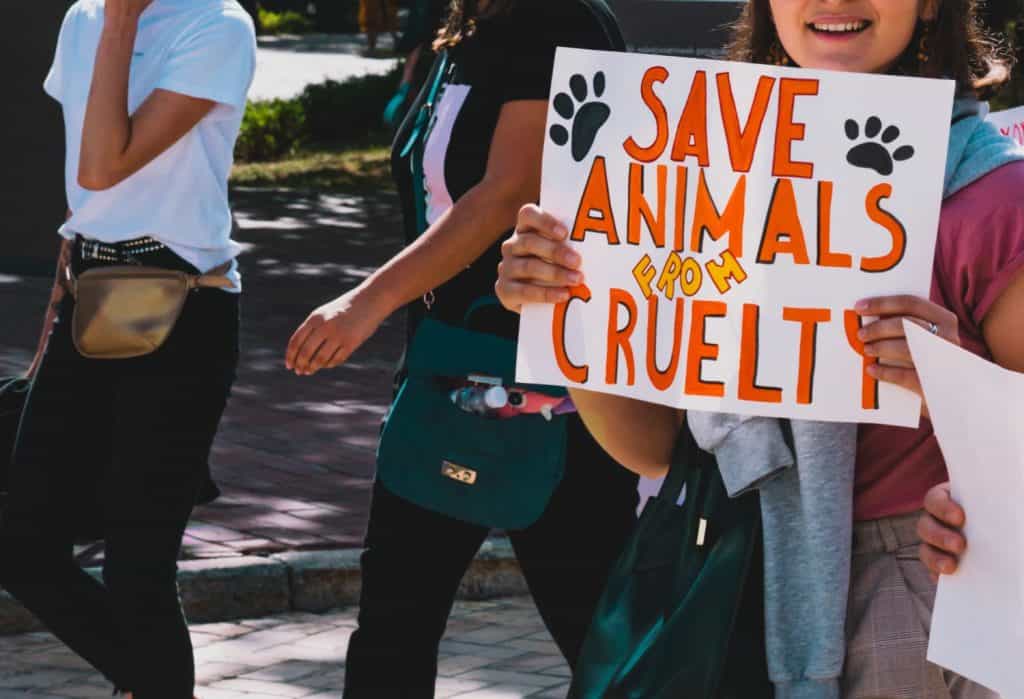
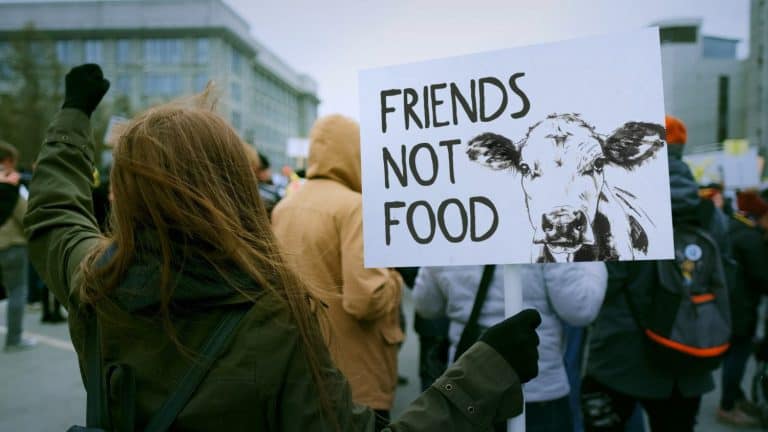
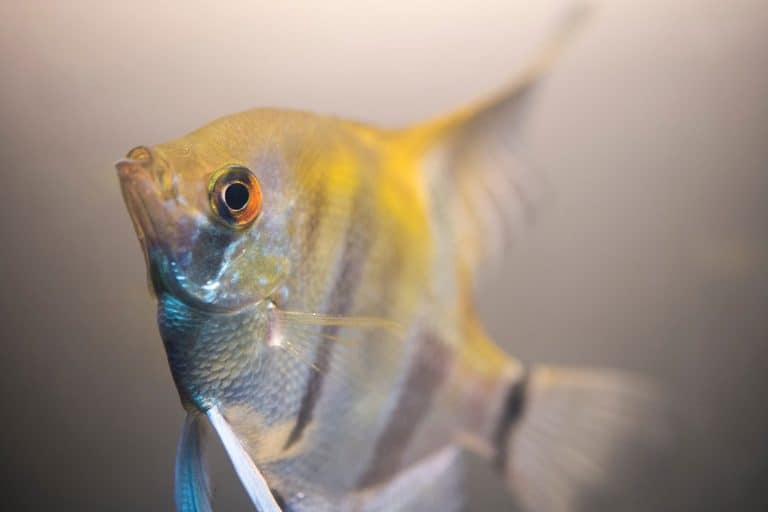
Many animal rights activists fight against factory farming for its contribution to animal cruelty.
©AndriiKoval/Shutterstock.com
According to Dr. Heath, “Factory farming refers to the industrialized production of animals in high-density, tightly controlled environments designed to maximize output at the lowest possible cost.”
This normalized practice might be “efficient,” but it can also have harmful impacts on both animals and consumers.
“These systems rely on confinement, genetic selection for rapid growth or high yield, mechanization, and a high degree of standardization,” Heath continues. “The preferred industry term is modern intensive animal agriculture. Those in the industry usually dismiss the term ‘factory farming’ as manipulative animal rights activist language. Although I prefer to stay away from calling it ‘factory farming,’ because most Americans have positive views about both ‘factories’ and ‘farms,’ and the industry can portray their systematized animal production practices as orderly, structured, efficient, rule-following, highly regulated, and ‘good.’”
In many cases, these systems are quite the opposite. In fact, experts have raised concerns regarding animal welfare, public health, and environmental impact. Many overlook and critically minimize the effects of factory farming, including the risk of zoonotic diseases, concentrated sources of gas emissions, and profound animal suffering.
Why Is Factory Farming So Common?
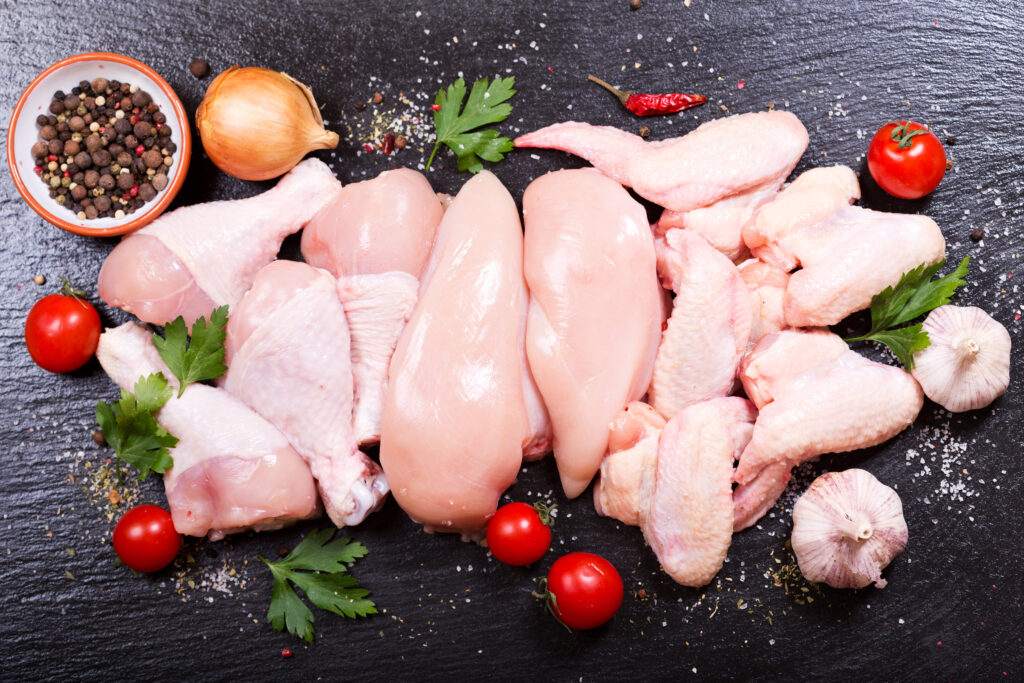
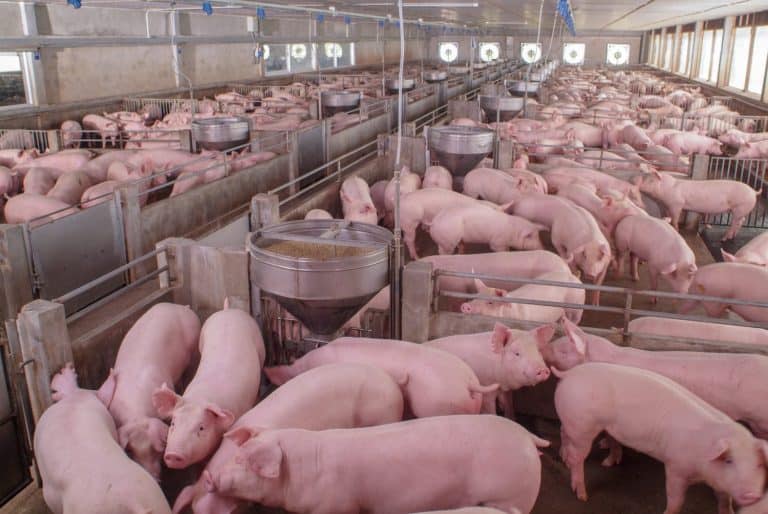
Because meat is in such high demand, many view factory farming as an efficient system.
©Nitr/Shutterstock.com
To put it bluntly, factory farming is common because it’s a low-cost, efficient, and profitable system. There’s also a high consumer demand for animal products, as well as the expectation (or rather necessity) of cheaper foods.
However, the animals—and, ultimately, the environment as a whole—pay the cost.
“By minimizing labor, space, and time while externalizing environmental and public-health costs, companies can produce animal protein cheaply,” says Heath. “The model is built around efficiency metrics, not animal well-being … Corporate interests found they could make more money feeding animals for human consumption than they could by directly feeding crops to humans.”
This is why many people opt for plant-based diets or simply attempt to eat fewer animal products. Of course, this isn’t an accessible or even healthy choice for everyone, as animal products are typically higher in protein, and plant-based alternatives can be expensive.
Is Factory Farming Ethical?
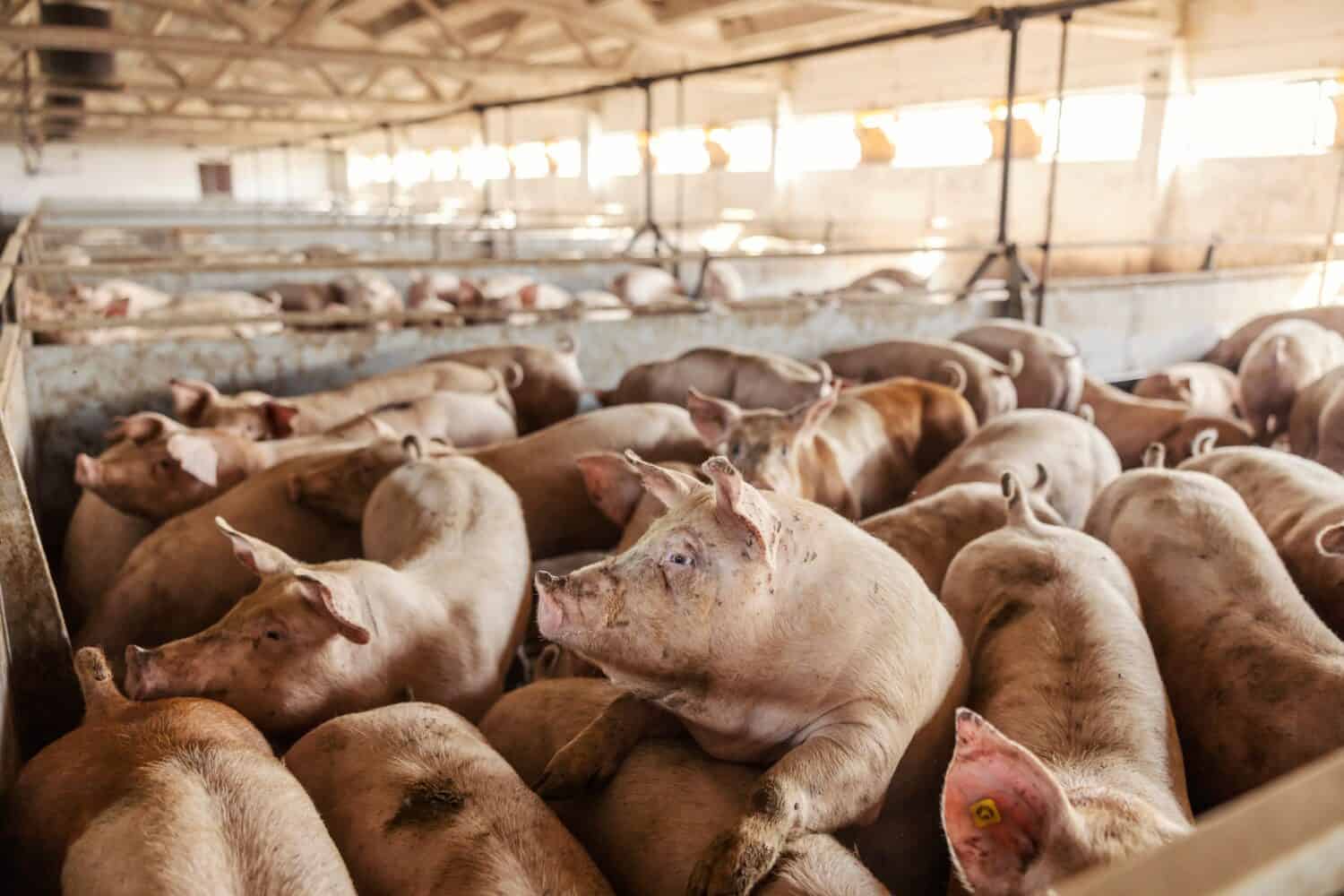
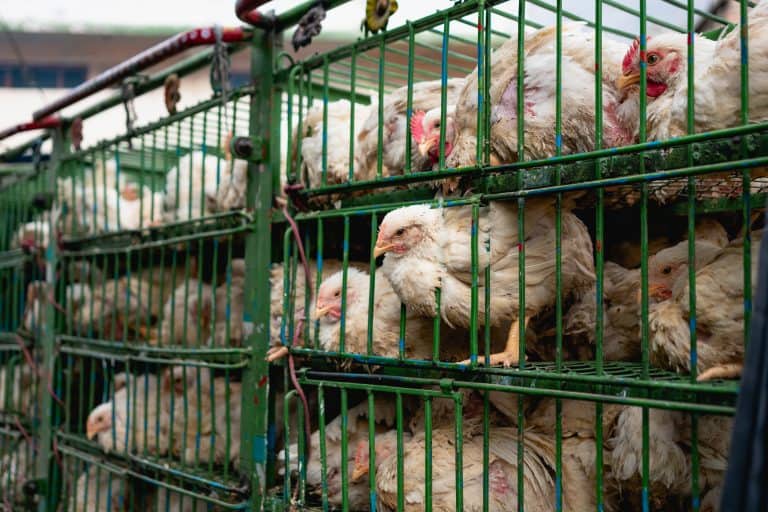
Animals are often forced into overcrowded, confined spaces.
©Dusan Petkovic/Shutterstock.com
Whether factory farming is an ethical practice is a highly debated topic. Given the variety of negative consequences, many animal advocacy groups and individuals speak out against the system. However, some believe it’s the best option available to us. Especially when it comes to a stable and affordable food supply and economic benefits, factory farming offers convenience.
“Just because a practice is done at scale does not mean it is inherently better or worse on the individual animal than someone raising animals in a homesteading situation for their own consumption,” Heath points out. “A large facility, in theory, is able to have more resources at its disposal, veterinarians set protocols, more worker animal handling training, and access to modern medicines for the animals. However, these large companies often resort to some of the worst animal welfare practices, such as mass killing using VSD+, confining animals to gestation crates, and confinement systems that result in massive and devastating barn fires.”
Alternatives to Factory Farming
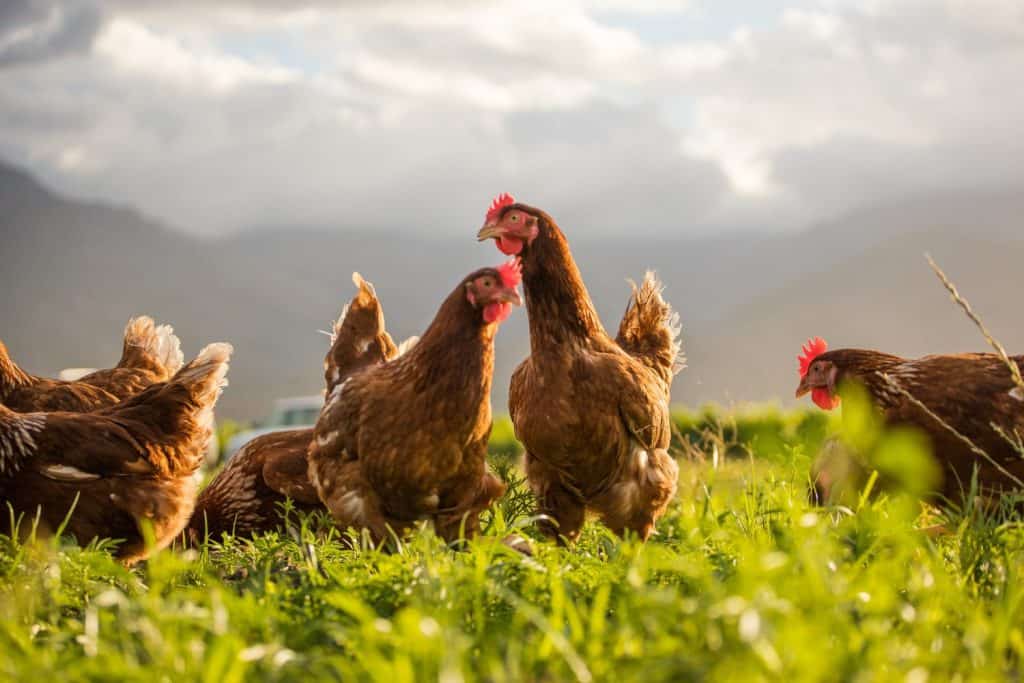
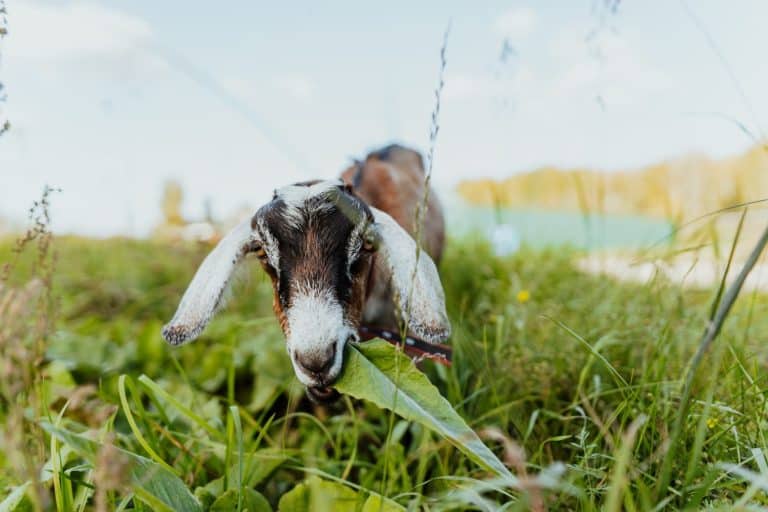
Purchasing free-range is a great alternative to supporting factory farming.
©Dewald Kirsten/Shutterstock.com
Heath notes that factory farming, with its large-scale confining and killing of animals, has various detrimental effects on our environment. Still, it remains a widely accepted, dominant practice. This is why so many individuals advocate for reducing meat consumption, supporting local farmers, and buying free-range. These alternative practices can make a massive difference.
“We have embraced technology in the form of milking robots, genetic selection, building gas chambers, modern feed, methane digesters, medications, antibiotics, and hormone injections,” Heath adds. “One has to ask, why are we investing all these resources and this technology in making protein from animals more efficiently instead of just removing the animal from the equation altogether? We can now produce mycoprotein efficiently and make animal protein without animals using precision fermentation. Why aren’t companies pivoting in that direction? Because our current economic structure and system of subsidies do not incentivize that shift.”
Our growing dependence on animal-based protein threatens our public health and food security.
Dr. Crystal Heath, veterinarian and the Executive Director of Our Honor
Impacts of Factory Farming
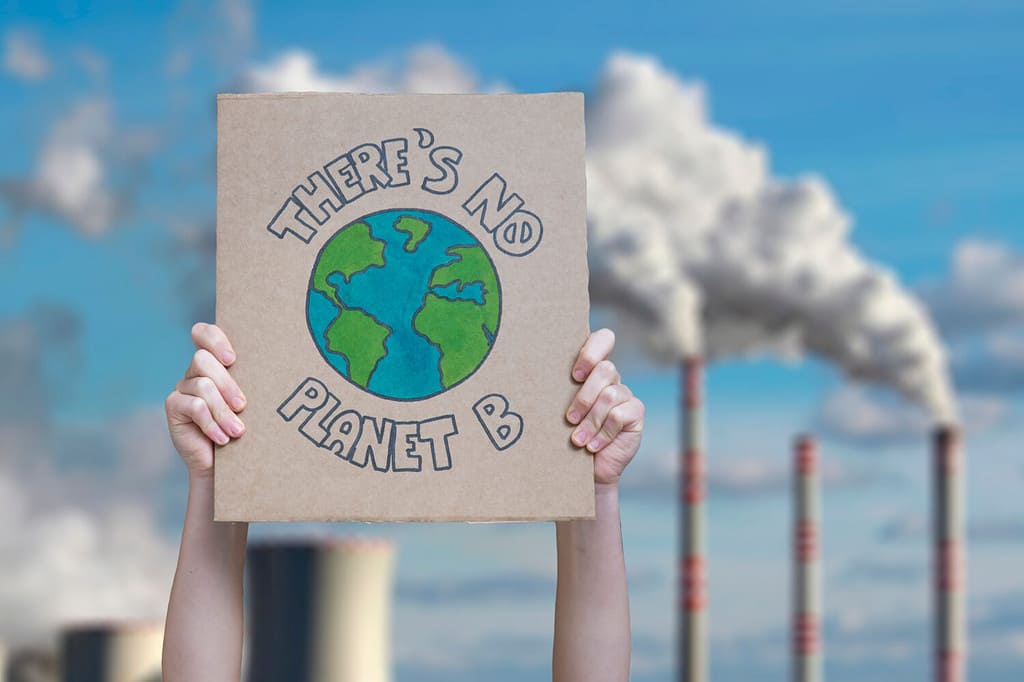
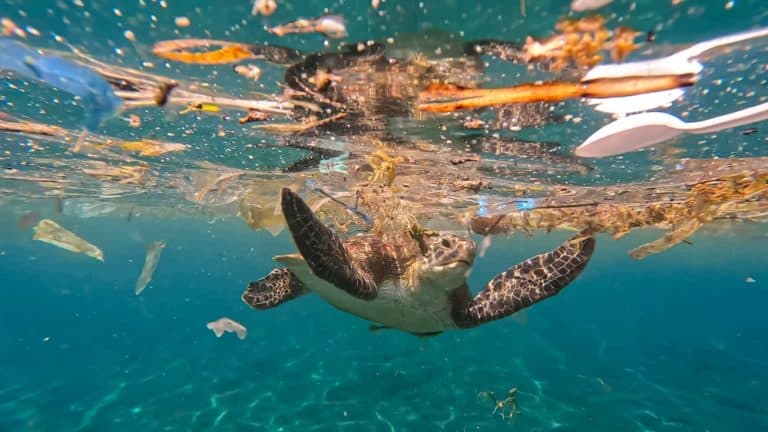
Factory farming is a major contributor to climate change.
©Nico.Stock/Shutterstock.com
Here are three major impacts of factory farming.
Public Health Risks
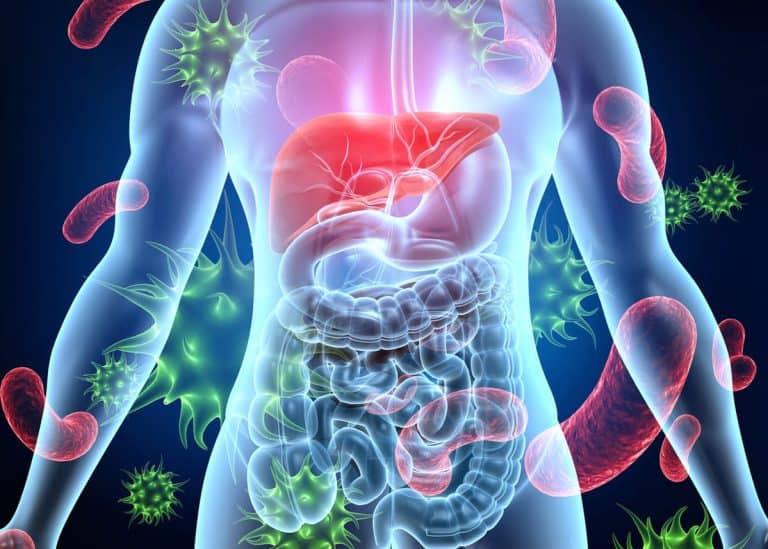
From antibiotic resistance to the increased risk of zoonotic diseases, public health is a major concern regarding factory farming. Just today, I opened my phone’s news app and saw reports of yet another massive Salmonella outbreak.
“Our growing dependence on animal-based protein threatens our public health and food security,” Heath says. “The overuse of antibiotics in pork production worsens this crisis … This contributes directly to the rise of antimicrobial resistance—a threat the World Health Organization estimates is responsible for 700,000 deaths each year.”
Animal Welfare Concerns
While we might be becoming more aware as a society, animal welfare is still a massive concern. In fact, according to Heath, the situation is actually getting worse, thanks to systems like factory farming.
“Before 2016, we did not exterminate thousands of poultry birds and pigs in response to emergencies and infectious disease outbreaks using ventilation shutdown plus (VSD+), in which buildings are sealed up, and heat and steam are pumped in to kill the animals inside over many hours,” she explains. “There are no incentives for companies to put plans in place to use less cruel methods, like nitrogen gas or high-expansion nitrogen foam, that render birds unconscious within a few seconds.”
Of course, there are other concerning features of factory farming. These include extreme confinement, mutilations, inhumane handling, and genetic manipulation. Heath describes her personal experience investigating two dairies, where she documented various instances of alleged animal abuse. She says she witnessed a worker hitting cows, as well as multiple cows that were sick, emaciated, and limping. Although she filed complaints with the appropriate authorities, nothing changed. The only response was to place a fence around the facility to prevent the public from witnessing the alleged behavior.
“The industry claims that these facilities are highly regulated and follow third-party auditing, but many of these auditing systems … are run by the industry, and it’s a public relations strategy,” she says.
Environmental Impact
According to Pace University, factory farming contributes to water pollution, air pollution, and deforestation, among other negative impacts. These animals produce over 1 million tons of waste per day, much of which contains undigested antibiotics. This can lead to contaminated water and harmful, concentrated sources of gas emissions.
Additionally, the ASPCA reports that on a global scale, “animal agriculture represents 14.5% of all human-caused greenhouse gas emissions.” Overall, factory farming contributes to climate change on a large scale. It can also lead to habitat destruction and biodiversity loss, among other issues.