
Religious texts stem from the natural world — no matter the theology, these religions remain rooted in Earth’s various lands, seas, and skies. When it comes to the most commonly mentioned animals in the Bible, lambs, lions, and snakes remain some of the top picks. However, there’s another massive religious text featuring animals with very different imagery.
The Quran is the sacred scripture of the Islamic religion. Muslims will begin to read the Quran as early as a few years old. Made up of 114 unique chapters, the Quran contains “verses” for how to live life as a good human. AZ Animals consulted with two readers of the Quran — Gabriella, a marketing professional whose interest stems from her husband’s Islamic faith, and Sohaib Hasan, the founder of OhMyClassroom and a lifelong Muslim — who discussed their own interpretations of the animals mentioned in the Quran.
Hasan excitedly shared that animals often carry metaphorical significance, representing virtues, traits, or lessons that are easily relatable. The Quran utilizes these symbols to convey deeper spiritual meanings. So, are you interested in learning which animals the Quran mentions most? Keep reading to find out.
Cows/Cattle
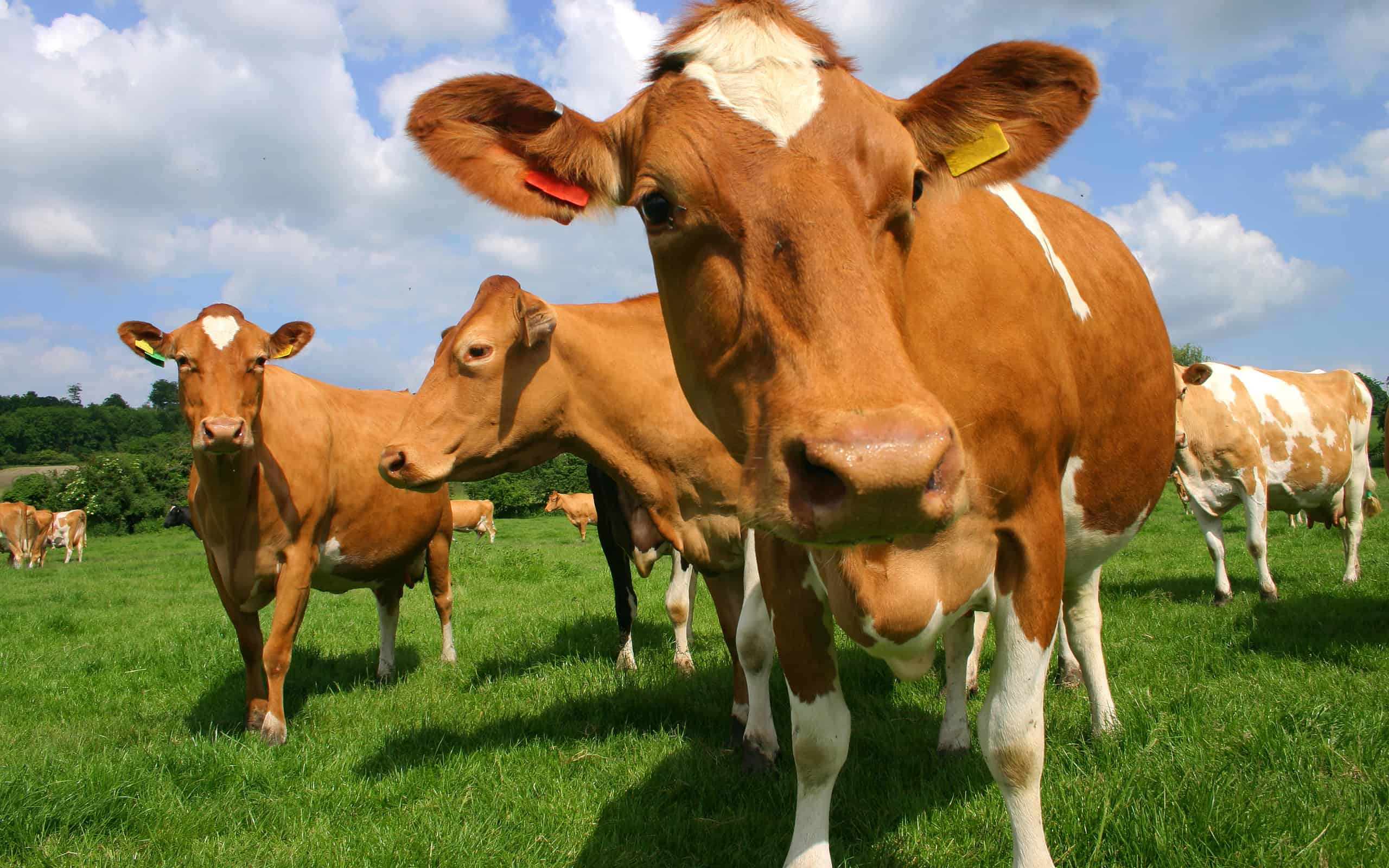
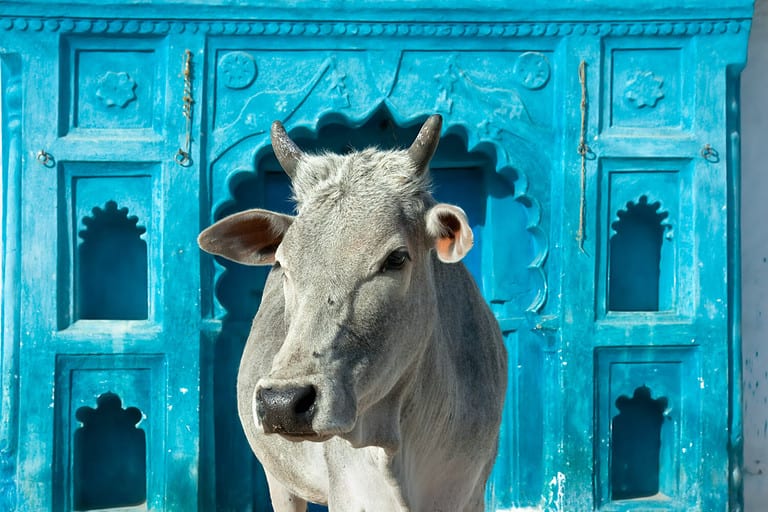
Both cows and cattle have their own chapters in the Quran.
©pelvidge/iStock via Getty Images
The Quran names several chapters after specific animals. Two are Surah Al Baqarah, or “The Cow” and Surah Al Anaam, “The Cattle.” Cattle and cows appear in more than those two chapters, though. Readers can find the animal throughout the Quran as a resource for many of the figures mentioned.
“In my observation, cattle typically do not carry significant symbolism or deeper meaning,” said Gabriella. “Their frequent mention likely reflects their status as the most common domestic animal during the period and region in which the Quran was revealed. [The Quran references them] in the context of agricultural and pastoral life, which [remained] central to the society at that time.”
Birds
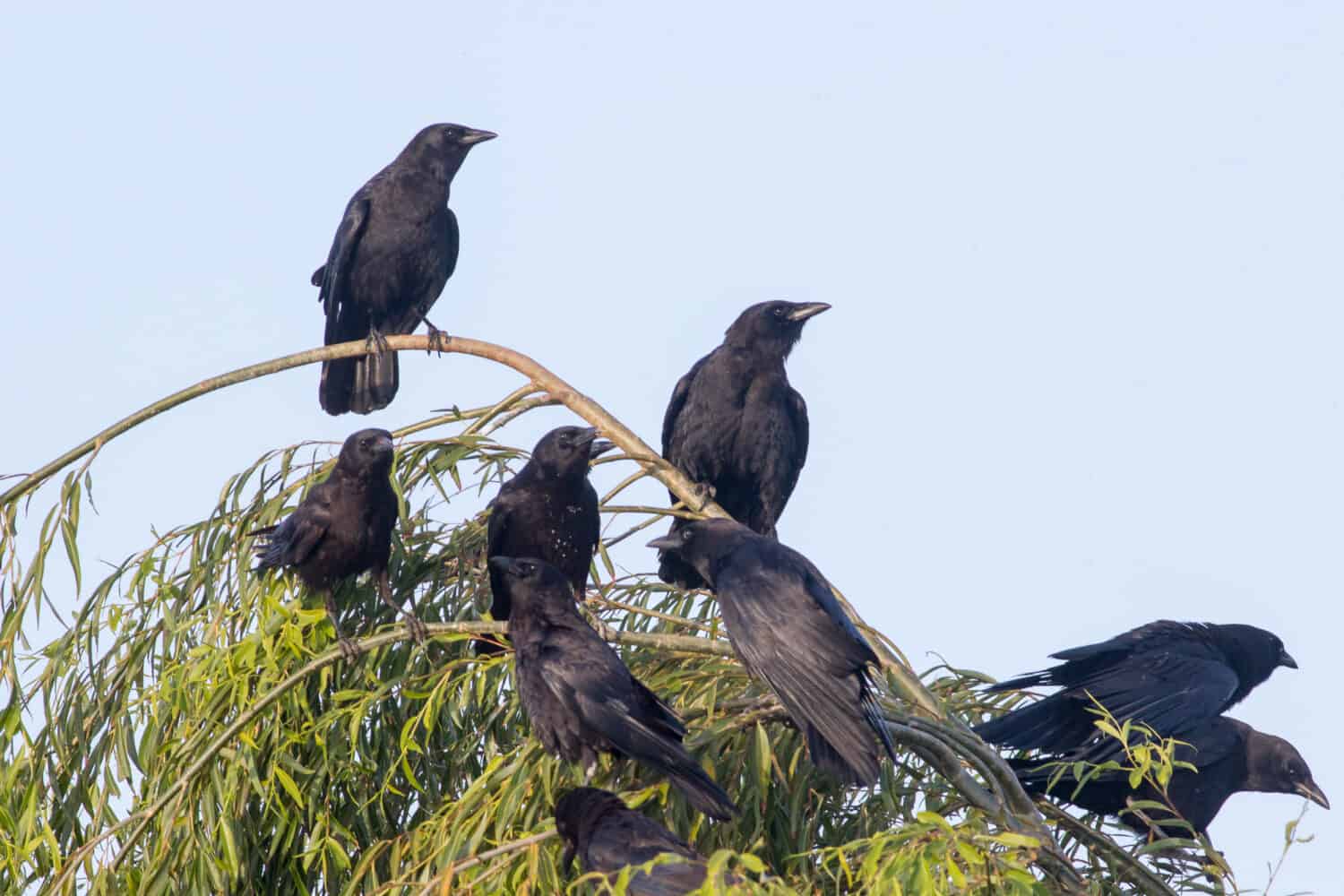
Crows and pigeons are two species of birds mentioned in the Quran.
©Elliotte Rusty Harold/Shutterstock.com
Mentioned as much as cattle and carrying more significance is birds. Specifically, the holy scripture mentions pigeons and crows in various contexts. As Hasan points out, “the story of Prophet Ibrahim (Abraham) and the birds is a powerful symbol of divine protection and trust in Allah’s plan.”
Gabriella also chimed in, adding that birds “embody freedom, existing between the earth and the divine realm.” To Gabriella, the passage that translates to “None holds birds up except Allah” captures the interpretation of bird symbolism in the Quran most beautifully.
“This line serves as a powerful reminder of divine power and care, illustrating the belief that it is Allah who sustains all life, including the flight of birds,” she asserted.
Sheep
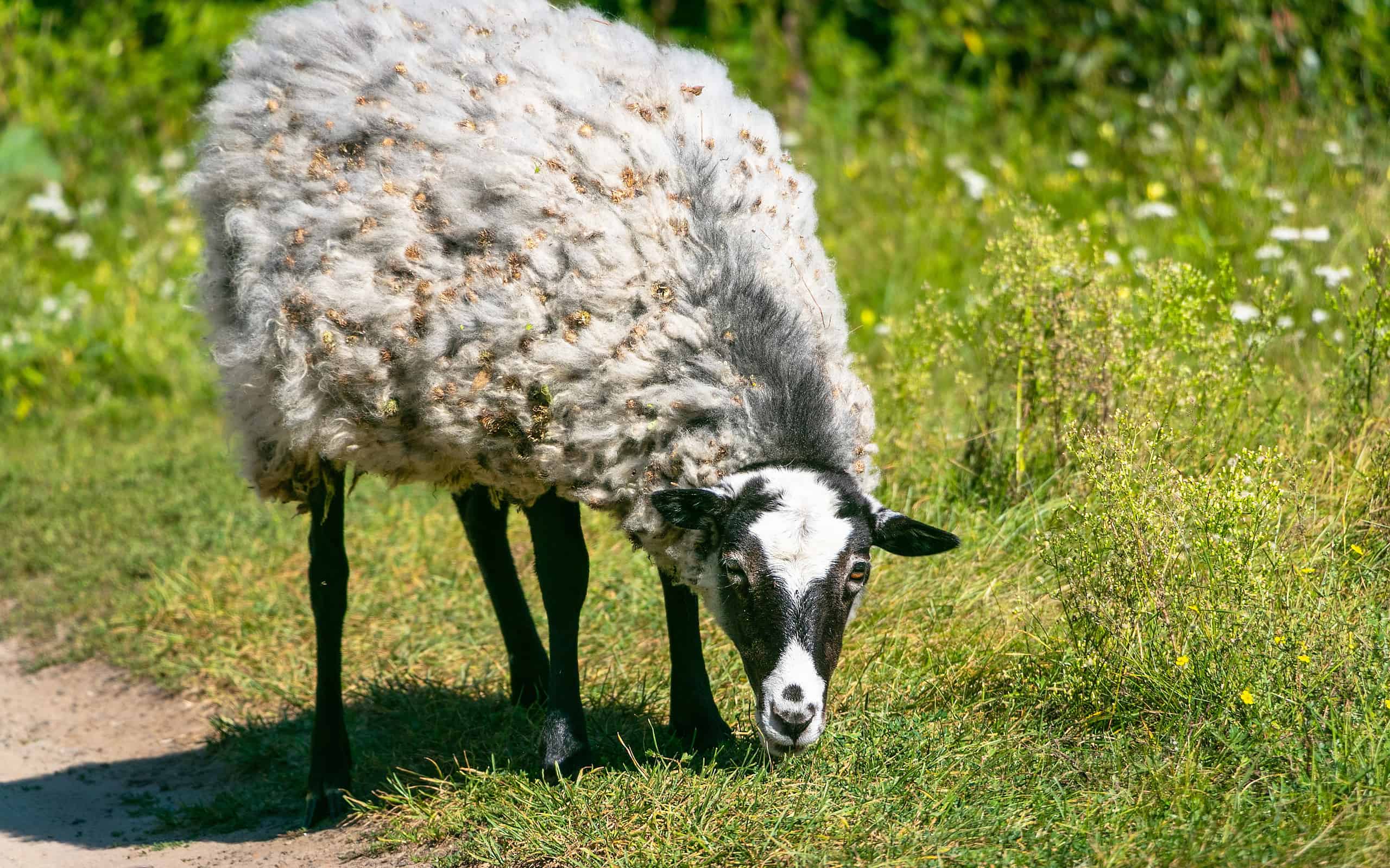
Instead of a “lamb,” sheep and goats play a role in the Quran’s chapters.
©Wirestock/iStock via Getty Images
Similar to the Judeo-Christian scripture in which lambs played a role, the Holy Quran has a place for both sheep and goats within its passages.
In regards to sheep’s symbolism in the Quran, Hasan mentioned that “These animals often reference the context of sacrifices and offerings. The symbolism lies in submission and obedience, aligning with the broader theme of submission to the will of Allah.”
Camels
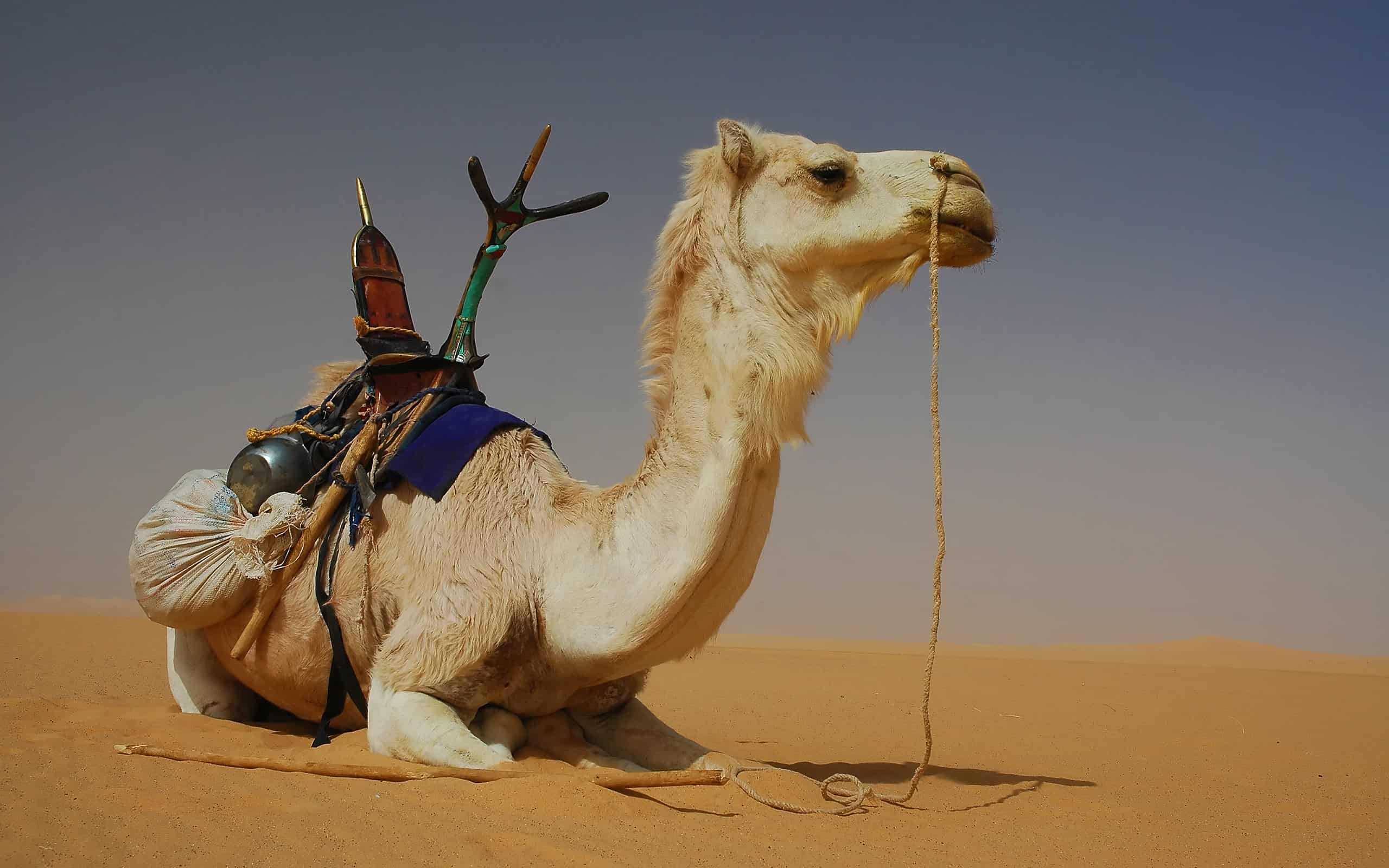
Camels offer a transportation method through the hot, sandy expanses of the Middle East.
©Trevor Kittelty/iStock via Getty Images
According to Hasan’s interpretation, “Camels hold significance in the Quran, often in the context of trade, travel, and sustenance. Their endurance in harsh conditions serves as a metaphor for resilience and the ability to endure challenges.”
Camels are mentioned multiple times in different facets — some for metaphors (“you will drink … like thirsty camels do”), methods of travel, guides, or even ways to weigh payments (“And whoever brings it will be awarded a camel-load… [of grain]”).
Elephants
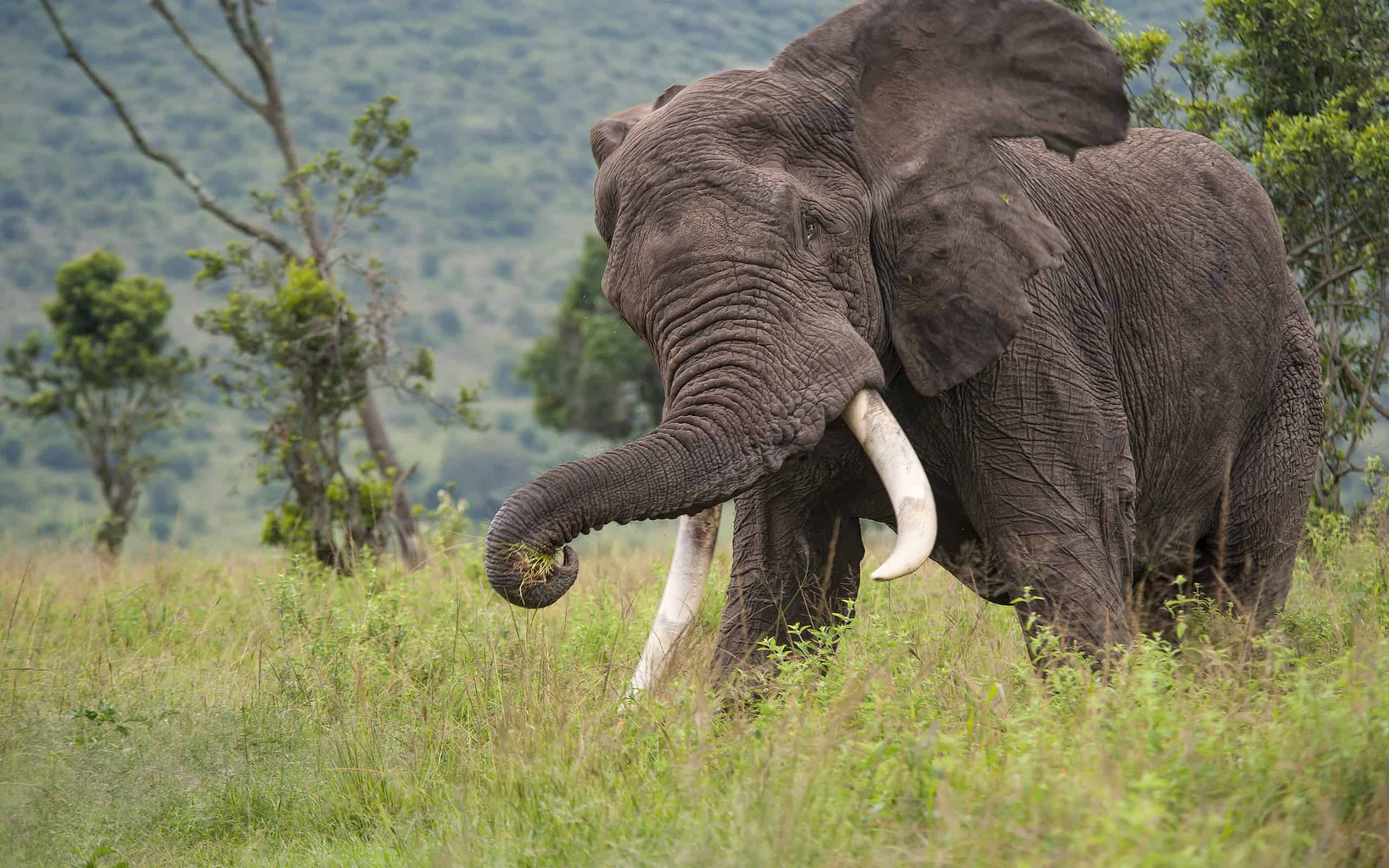
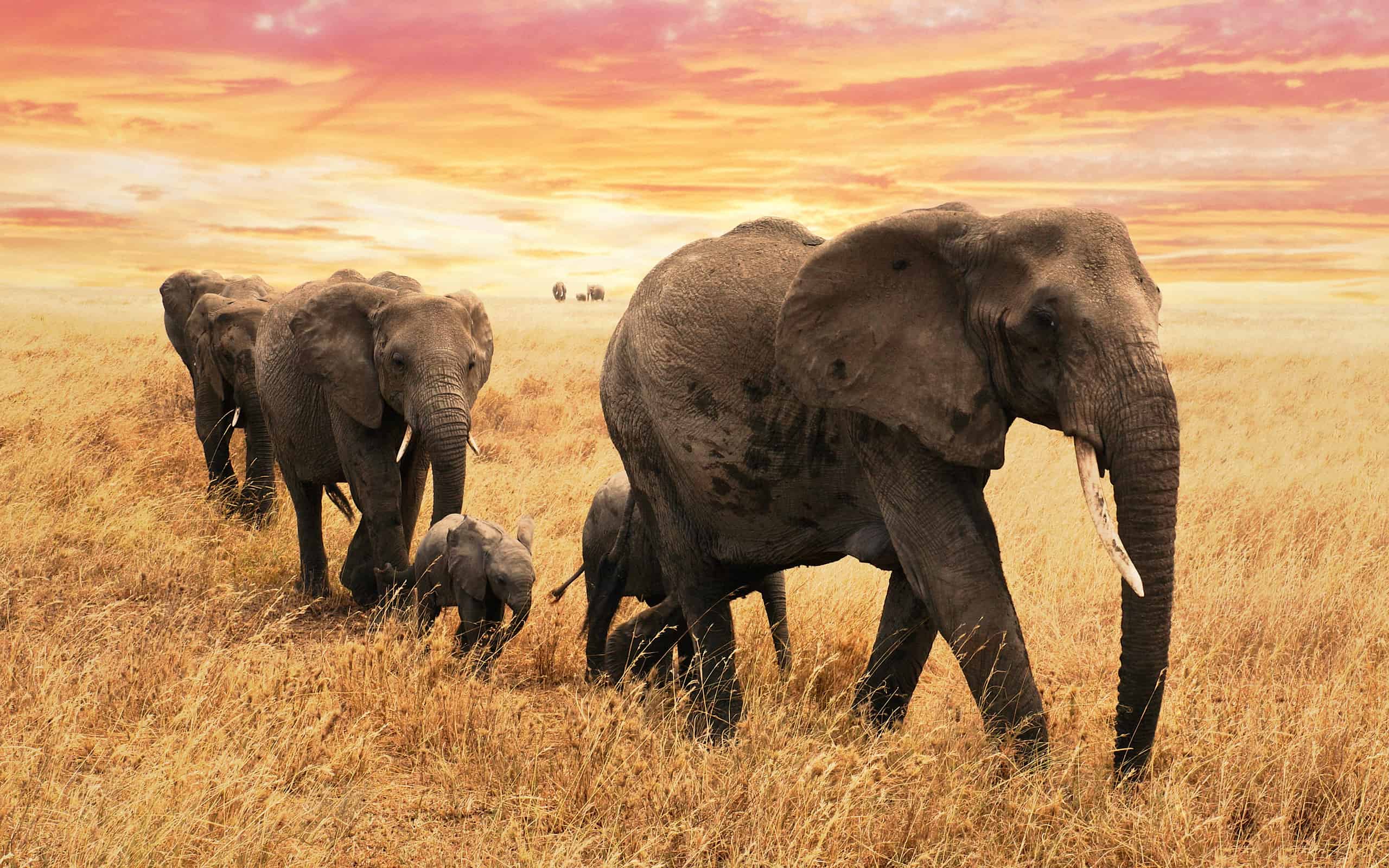
Elephants symbolize strength and power.
©Guenter Guni/iStock via Getty Images
A chapter named after elephants exists called Surah Al Fil, or “The Elephant.” It begins with the line, “Have you not seen O Prophet how your Lord dealt with the Army of the Elephant?”
Known for their strength, community, and wisdom, elephants play an integral role in the Quran based on the power and ability to protect they possess.
Ants
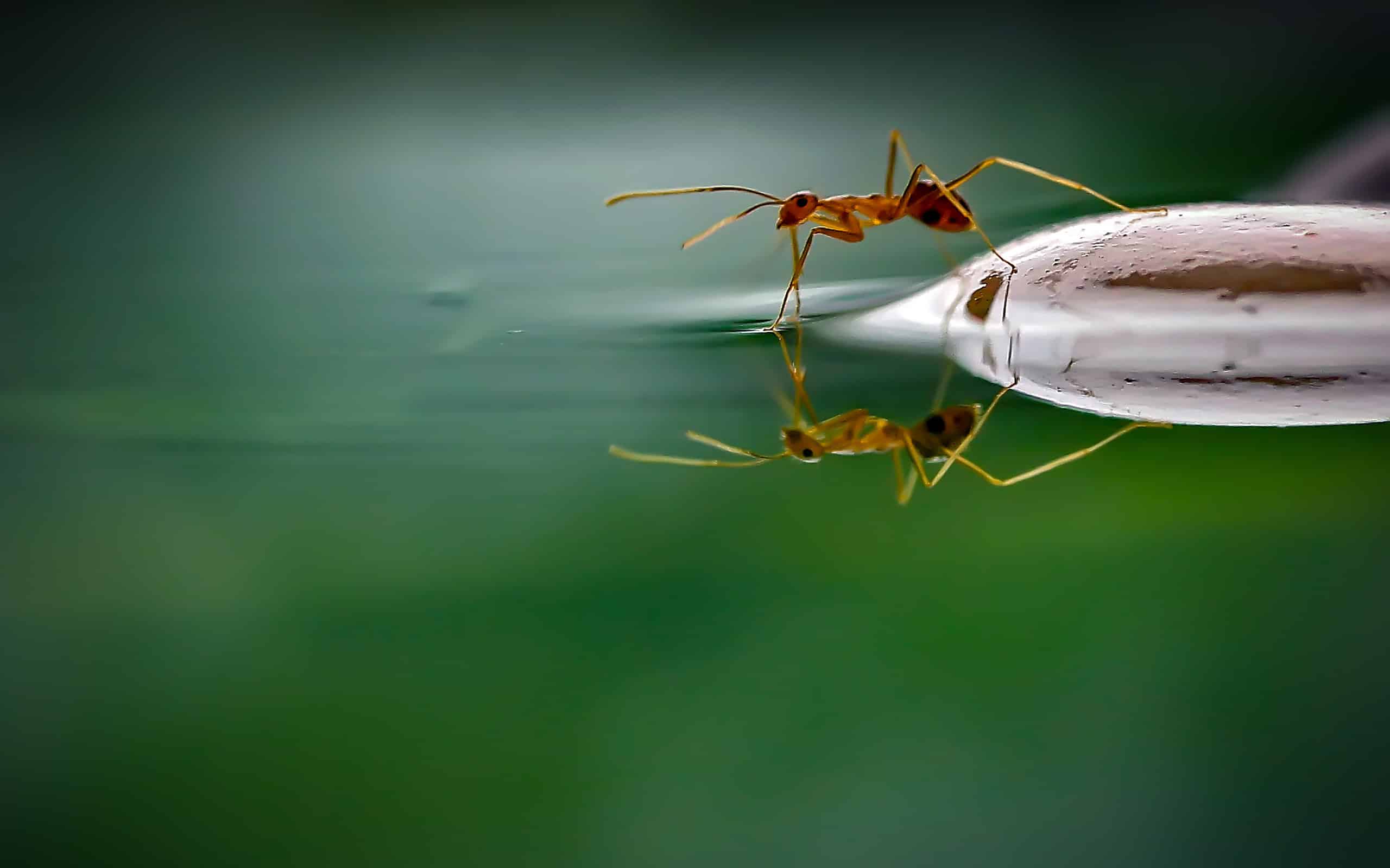
Ants get a special mention in a Quran chapter and several verses.
©teguh santosa kedua/Shutterstock.com
A chapter named after ants exists, called Surah Al Naml, or “The Ants.”
One story in particular in the Quran of the prophet Sulaiman discusses the role of ants in detail. The passage from the Quran includes:
“Solomon’s forces of jinn, humans, and birds were rallied for him, perfectly organized. And when they came across a valley of ants, an ant warned, “O ants! Go quickly into your homes so Solomon and his armies do not crush you, unknowingly.” (Surah Al Naml 27:17-18)
Bees
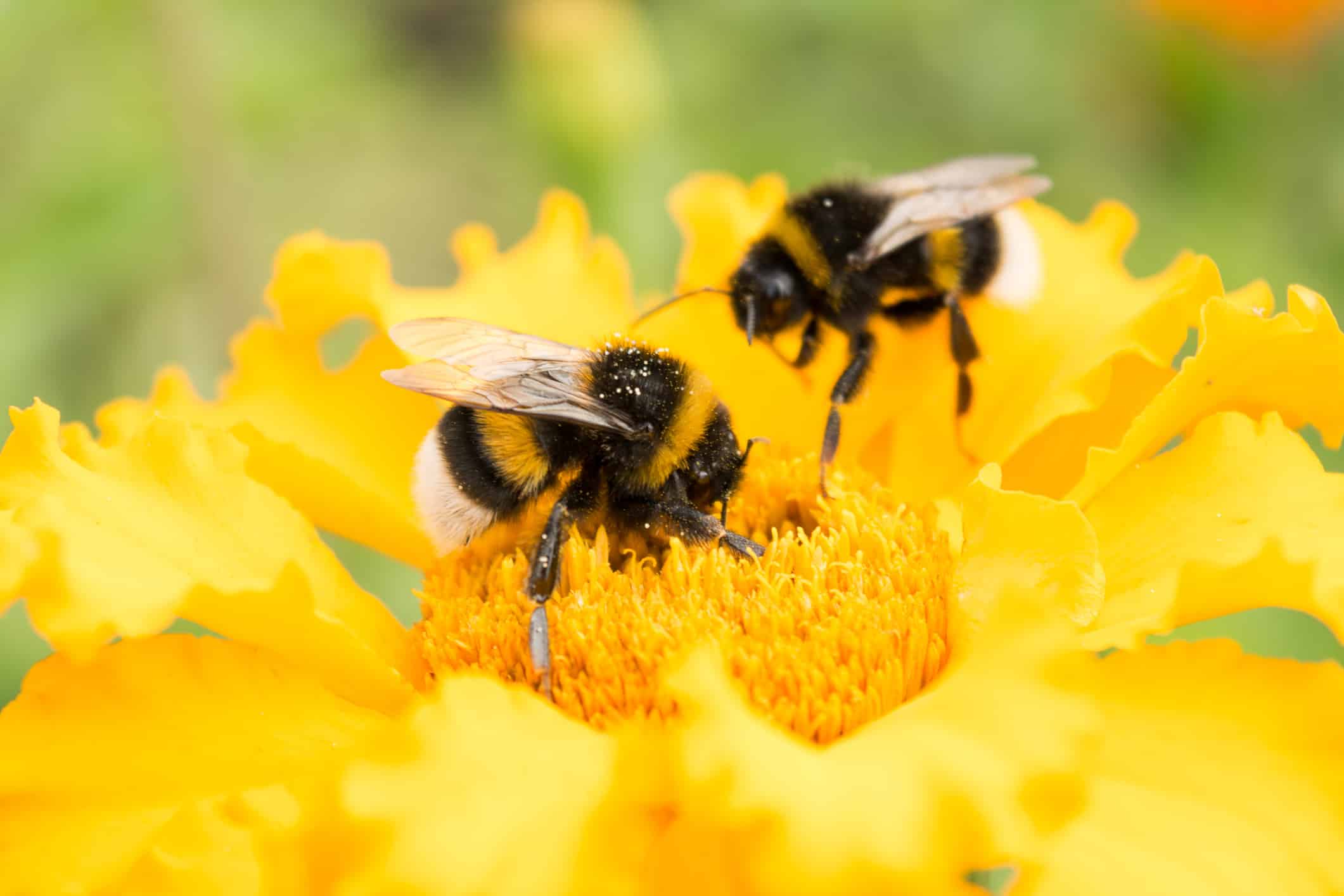
Interestingly, bees play a significant role in the symbolism of the Quran’s narratives.
©nnorozoff/iStock via Getty Images
A chapter after bees exists in the Quran, called Surah Al Nahl, or “The Bees.”
“The Quran mentions bees, emphasizing the concept of community, order, and the divine significance of honey,” said Hasan. “The organization and industry of bees serve as a metaphor for harmonious societal living.”
Some experts and faithful assert bees as “Allah’s miracles.” Writers of the Quran took storytelling a step further when including bees — as compared to other animals — because the Quran specifically mentions the colonies, roles, and practices of the bee. The celebrated insect serves as both a reminder and an example of how to live according to Allah’s wishes: to think and reflect on the traits used to live a helpful and good life.
Fish
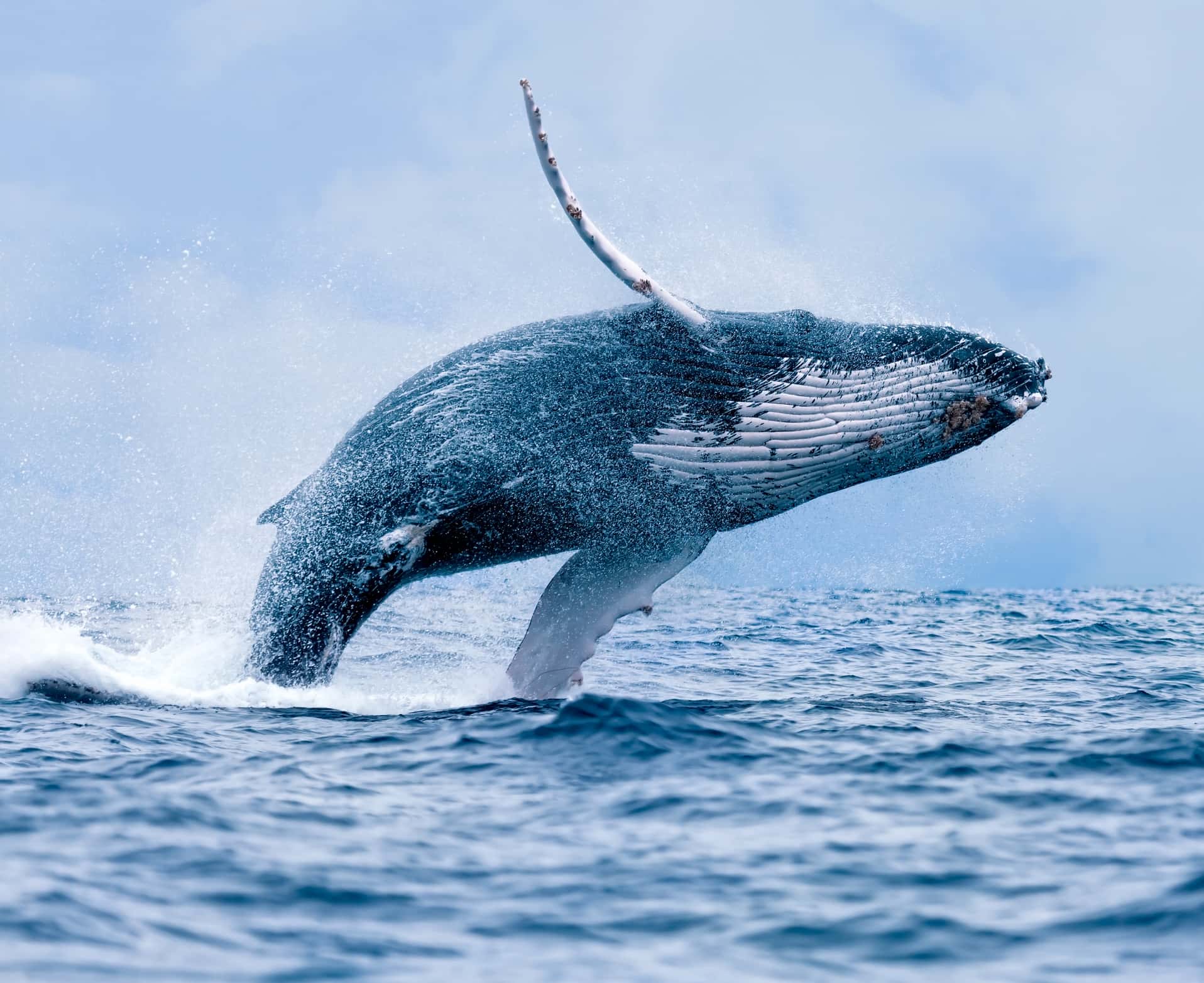
The prophet Yunus is swallowed by a whale in one verse in the Quran.
©PaulWolf/iStock via Getty Images
Fish, or more specifically whales, garner several mentions in the Quran. Most notably in the story of the prophet Yunus — which mirrors the Judeo-Christian story of Jonah and the Whale — the verse describes a large fish or whale engulfing the prophet after he falls overboard from a ship. The narrative paints a picture of repentance, with the whale as the metaphor for the consequences that follow when you stray from the mission of living a good and purposeful life.