
Quick Take
- Your pup deserves an experienced dog walker who specializes in their breed.
- Understand insurance coverage and your liabilities as the owner.
- Consider scheduling a pre-service trial walk before committing to a dog walker.
Owning a dog is a major commitment. When life gets busy, people outsource some of their caretaking to friends or dog walkers. Dog walking apps are increasingly popular for those who work full-time or travel, with the market for these services continuing to grow.
Dog walking apps aren’t necessarily a bad option for our furry friends. However, you should conduct extensive research and vetting before trusting someone else with your pup. Here are six factors to consider before using a dog walking app.
1. Experience and Specializations
Our dogs are part of our family, and naturally, you want to protect them as best as you can. Invest in a professional you trust to take good care of your pup, even if it’s just for dog-walking.
When selecting a dog walker, you’re essentially putting your dog’s safety in someone else’s hands. If they’re not equipped with the proper knowledge and experience, you risk your dog’s health and well-being. Look for real-world experience when vetting dog walkers and dog walking apps. Don’t settle until you know the individual is capable of providing quality care.
Additionally, dog breeds differ in the type and level of care required. For example, a small Chihuahua is bound to have different needs than a large Husky. Look for a dog walker who specializes in your pup’s breed—or at least has experience handling similar breeds.
2. Clarity on Liability

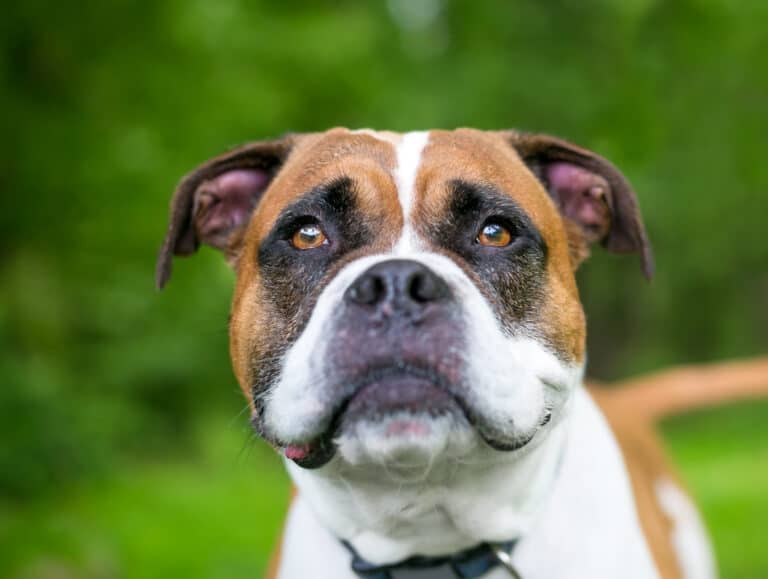
Should your dog bite or attack while with a dog walker, understand your liability as its owner.
©Fedunets Yuliia/Shutterstock.com
It’s uncomfortable to think about anything negative happening to your dog or to someone else because of your dog, especially when left in another person’s care. However, dismissing the risk could leave you financially and even legally vulnerable.
“These companies tend to act as nothing more than matchmaking services, so liability can transfer in a matter of moments if someone gets hurt or escapes, or property is damaged,” says Joe Zdrilich, the lead attorney at Zdrilich Injury Law. “Owners often are surprised to learn that the walker is an independent contractor, not an employee, which can leave the owner vulnerable if a dog bites or otherwise damages something while under the walker’s care.”
When considering a dog walker, review the specific terms and conditions of the dog walking app. Make sure you understand your risks and liabilities before committing.
“App terms often contain sweeping liability releases that transfer risk for the owner and restrict what the platform shoulders as responsibility,” Zdrilich says. “The moment a dog steps out of the home, control is implicitly given to the walker, and bad leash handling, directions not heard or ignored, or ignorance about how the dog behaves can give rise to serious accidents.”
3. Insurance Coverage
Building on the previous point about liability, review the details of insurance coverage to understand your responsibilities compared to those of the company.
“Insurance is another key factor to keep in mind,” Zdrilich says. “The app would have to clearly explain insurance coverage, including which party pays if a dog is hurt or causes harm. Search for live tracking, comprehensive visit reports, and direct lines of communication so that issues can be dealt with then and there.”
Additionally, be aware of any potential loopholes in contracts. You might assume you won’t be liable if you weren’t present during an incident, but this is often not the case.
“Coverage can still be denied if the dog has a proven behavioral issue or if policy guidelines were not followed,” says Zdrilich. “I know of cases where the owner’s insurance was the only or main source of recovery, yet the owner wasn’t there when it happened.”
Be sure to confirm these details in writing before moving forward with a dog walker. That way, you’re not left in the dark if something happens.
These companies tend to act as nothing more than matchmaking services, so liability can transfer in a matter of moments if someone gets hurt or escapes, or property is damaged.
Joe Zdrilich, personal injury attorney
4. Communication and Reporting Habits
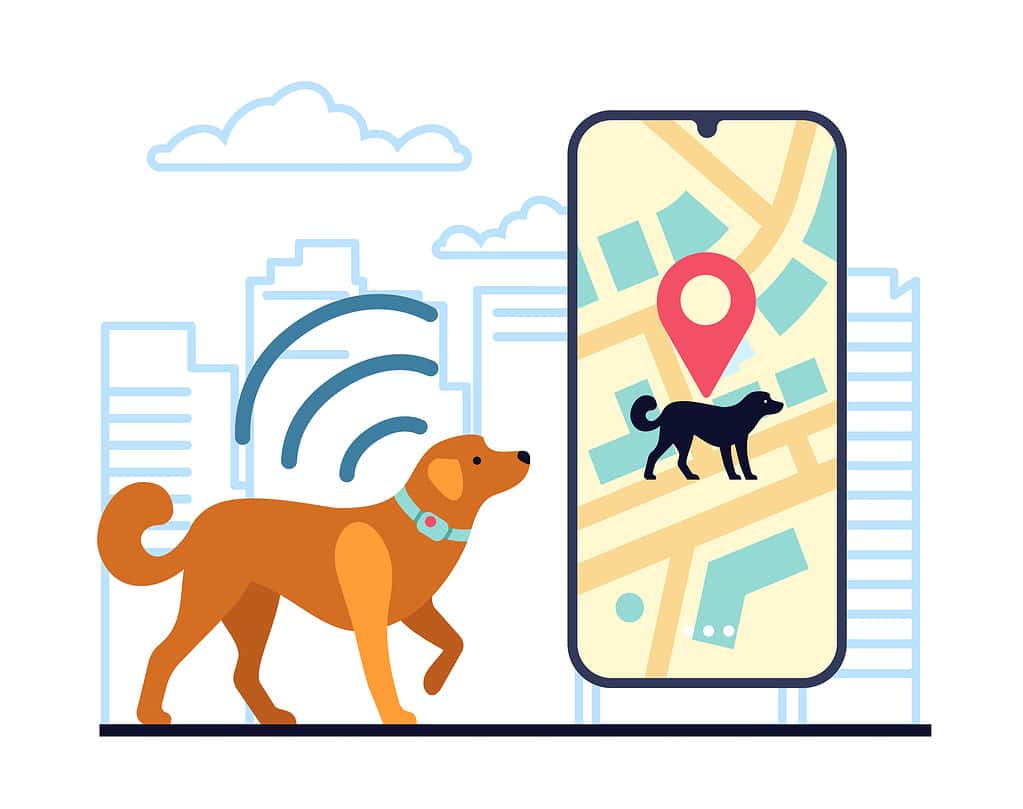
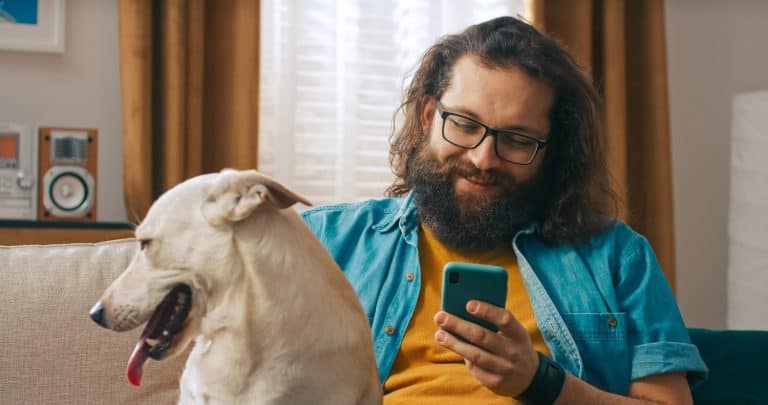
Some dog walking apps allow you to track your pup’s location and receive photo updates from walkers.
©Nadezhda Kurbatova/iStock via Getty Images
No one wants to enter into a dog-walking contract without reassurance of their dog’s safety. If you’ve done your vetting and found a dog walker you trust, inquire about their communication and reporting habits so that you can stay updated on your pup’s whereabouts and care.
“Policies on cancellations, emergencies, and incident reporting should be clear and defined,” Zdrilich explains.
5. Emergency Preparedness
Emergency preparedness is another crucial factor to consider before using a dog walking app. Explore whether the listed dog walkers know how to handle distressing or high-risk situations. This includes incidents like heat stress, breathing/choking issues, sudden injuries, and even seizures. If a dog walker isn’t trained or experienced in these areas, they might not be the right choice for your pup.
6. Trial Walks
Some dog walking apps allow trial walks before you commit. This means you can meet the dog walker and join them for a stroll as part of your vetting process. Think of it as a brief, in-person interview that can help ease your concerns before trusting the professional with your beloved dog.