
Quick Take
- The dog you see behind shelter bars is almost never the dog you actually get, and there is a measurable biological reason why this is the case. See the cortisol science →
- A 'dog aggressive' label nearly sent one husky to euthanasia, but a single environmental change revealed an entirely different animal. Read Rocky's turnaround →
- Most rescue organizations swear by a structured three-step timeline, and skipping even one phase can derail the entire adoption. Explore the 3-3-3 rule →
- Most adopters go in thinking they're saving a dog. Ask them afterward, and they'll tell you something completely different happened. See how adopters transform →
Celebrated on May 20, National Rescue Dog Day shines a light on the millions of dogs in shelters and foster homes waiting for a second chance. Some come from neglect or abuse. Others are surrendered because an owner moved, became ill, divorced, or simply could no longer care for them. Many were once beloved family pets whose lives completely changed overnight through no fault of their own.
Yet behind every kennel door lies more than simply a story of loss. There is the possibility of healing, trust, and transformation — not only for the dog, but often for the people who welcome them home.
Looking closely at a rescue dog’s journey reveals that they are not “broken” remnants of human neglect. Instead, they are profound teachers of resilience, forgiveness, and compassion. When we understand the reality of shelter life and honor the process of decompression and rehabilitation, we witness incredible triumphs of survival. Ultimately, that is the true beauty of adoption: in saving a companion, we often find they are the ones saving us.
That truth becomes even more powerful when viewed through the eyes of the people doing the work every day. To better understand the realities of rescue, rehabilitation, and second chances, A-Z Animals spoke with volunteers and board members from Arctic Rescue, a Utah-based nonprofit dedicated to northern breed dogs like huskies and Malamutes.
Rescue Dogs Are Not “Broken”
A widespread and very damaging misconception is that “rescue dogs are broken” or that “all rescue dogs have issues.” In reality, the vast majority of dogs end up in shelters due to their humans’ circumstances — things such as moving, divorce, financial constraints, or an owner’s lack of understanding about a specific breed’s needs — rather than any inherent flaw in the dog itself.
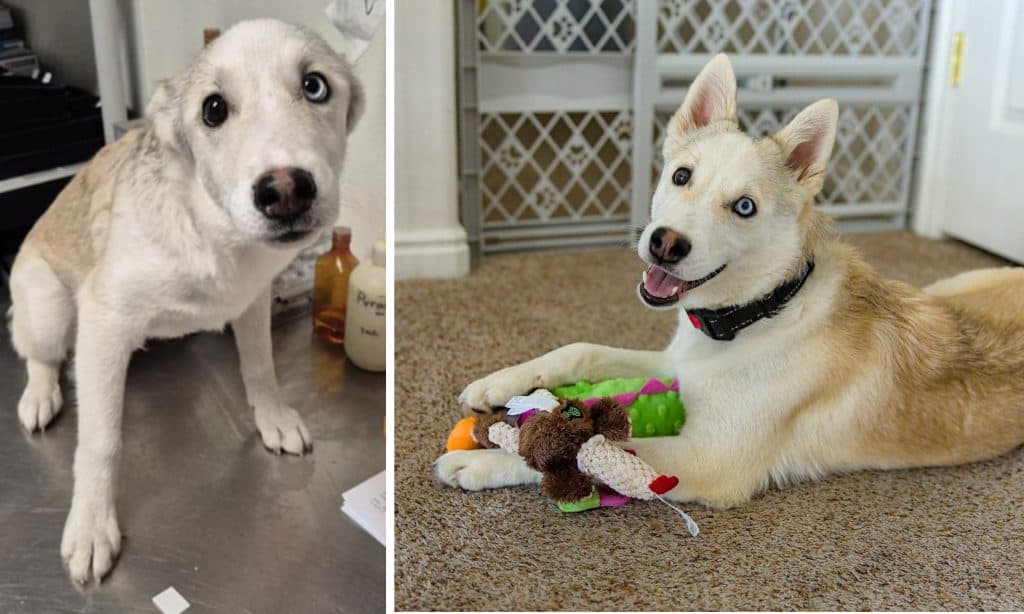
Arctic Rescue saved Elton and his siblings, Joni and Bowie, from a crowded shelter in California. Now in the safety of a foster home, Elton shows just how happy and loving he really is.
©
Rescue dogs often carry the heavy weight of instability and uncertainty. Some have survived abuse or neglect, while others are grieving the abrupt loss of the only home they’ve ever known. Even the transition into a shelter or foster environment can trigger intense fear and anxiety. In fact, within their first three days in a shelter, a dog’s cortisol levels skyrocket to three times higher than normal.
That stress manifests in very different ways. Some dogs bark relentlessly, pace, chew destructively, or display barrier aggression in kennels. Others completely shut down, hiding under beds or retreating to the backs of their runs, too frightened to engage with people or other dogs.
Imagine if your own stress levels spiked that drastically: would you act like yourself? Would you be on your best behavior, showing your truest, kindest side? It’s very likely that you would also be exhausted, frustrated, anxious, or completely shut down.
Understanding What Rescue Dogs Overcome
Whether they come from backgrounds of abuse and neglect or are simply traumatized by losing their previous home and family, rescue dogs can experience intense fear in unfamiliar situations. This can lead to severe separation anxiety — causing them to pace, bark excessively, or become destructive when left alone. Out of fear, some may even display defensive aggression toward people, objects, or other animals.
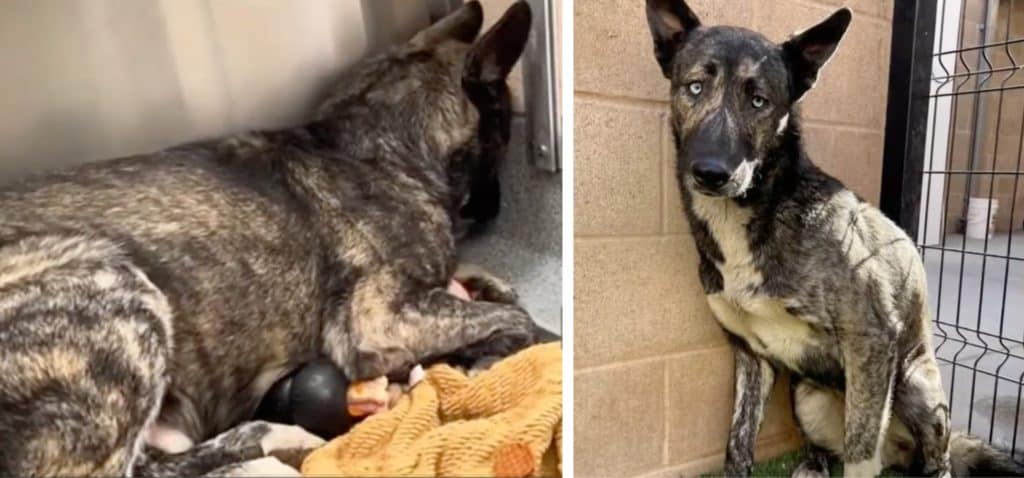
At just a year old, Takoda was completely terrified and shut down in the shelter before coming to Arctic Rescue.
©
Some rescue dogs also lack proper socialization. Dogs from backyard breeders or puppy mills may have had little positive interaction with humans, other animals, or new environments. Others never learned basic obedience or household routines. Rescue organizations commonly work through issues like separation anxiety, leash reactivity, excessive barking, resource guarding, house-training regression, noise sensitivity, car anxiety, and fear of handling.
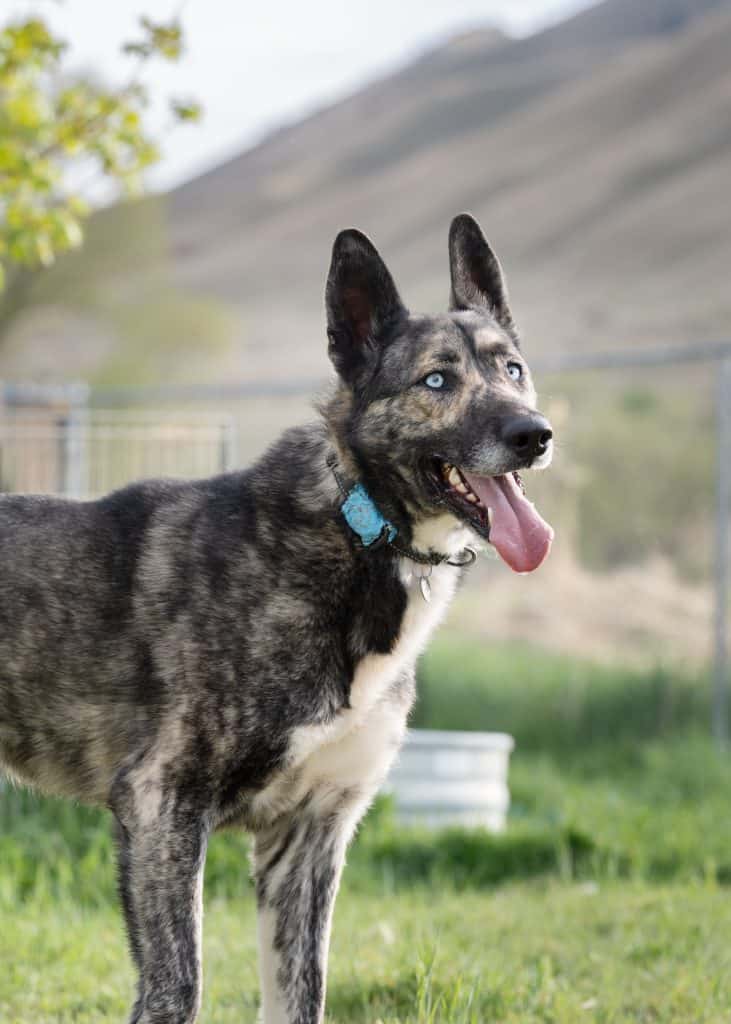
Now in a foster home through Arctic Rescue, Takoda is learning how to feel safe and trust humans again.
©
However, when a rescue dog feels safe, they transform in remarkable ways. “Their natural instinct is to bond for survival and companionship,” Sara Capone, Arctic Rescue’s treasurer, explains. “For northern breeds specifically, that ‘pack’ mentality is so strong that once they accept you as their person, their loyalty is absolute. They rebuild trust by learning to associate humans with safety rather than fear, rewarding patience with unconditional love and loyalty.”
Three Days, Three Weeks, Three Months
Every dog is an individual, and no two will react to their past or a new situation in exactly the same way. It is a mistake to assume you can’t find a dog that fits your lifestyle at a shelter. Many rescue dogs are already well-mannered and house-trained, surrendered only because an owner passed away or had to move. These dogs are not broken. They are resilient, complex individuals who just need a safe environment and a little patience to step out of survival and into their true selves.
Rescuers emphasize that these behaviors are rarely fixed personality traits. “It is critical that a dog has time to decompress and for us humans not to take things personally,” Capone says. “This also helps manage expectations and keep resident pets safe.”
That is why many rescues teach adopters the “Rule of Three” or the “3-3-3 Rule.” When bringing a new dog into your home, they need at least:
- Three days to decompress
- Three weeks to learn routines
- Three months to build trust and feel secure
Beyond the Shelter Bars
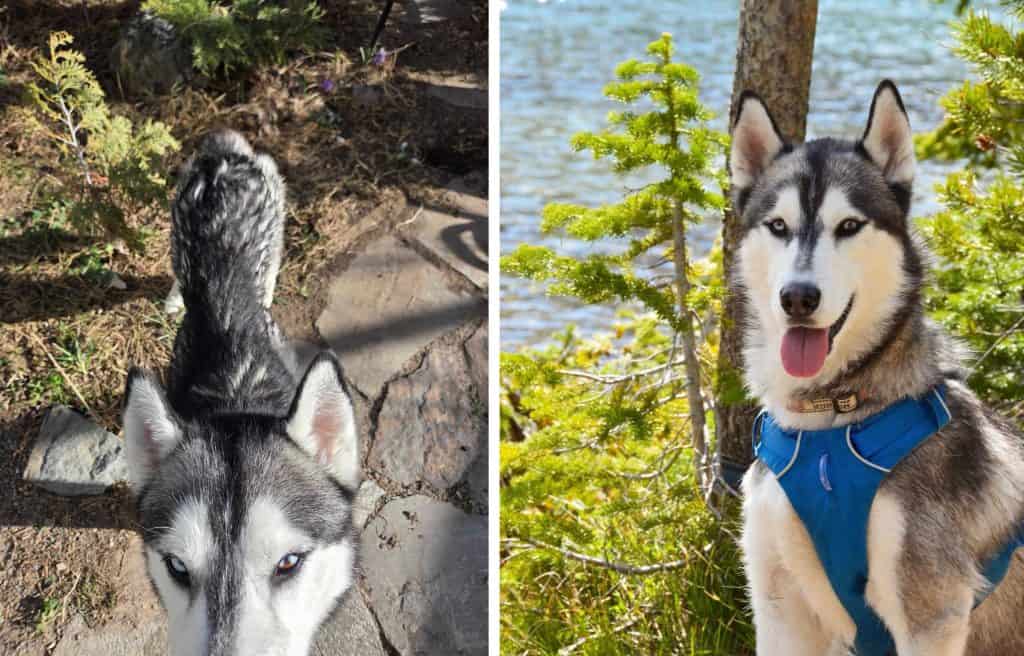
In the shelter, Lumi was temperamental and dangerously thin. Now he is a sweet companion who loves going on adventures with his family.
©
The dog you see behind shelter bars is rarely the dog they will become once they finally feel safe. More than anything, they just need time, patience, and a safe space. Lauren Posey, president of Arctic Rescue, explains that shelters can unintentionally misread behaviors caused by stress. “Many shelters label dogs as ‘not dog-friendly’ because they growl through a fence at a dog or correct a dog if they are uncomfortable,” she says. “This is not necessarily a reflection of the dog’s personality, but a dog under extreme stress.”
Posey also notes that calm, structured environments often reveal entirely different dogs. “A dog that is truly not ‘dog-friendly’ is rare,” she explains. “But stressed dogs need a calm and structured environment to do their best with dog-to-dog interactions.”
Rescue Dogs Are Not “Broken”
One of the most persistent misconceptions about shelter animals is that rescue dogs are somehow damaged beyond repair. “In reality,” Capone explains, “most dogs end up in rescues due to ‘human problems’ — divorce, moving, or a lack of understanding of the breed’s needs — not because of the dog’s character.”
Posey agrees, saying, “The most difficult misconception is not thinking that there is a dog at a rescue or in a shelter that will fit your family’s needs. There are.”
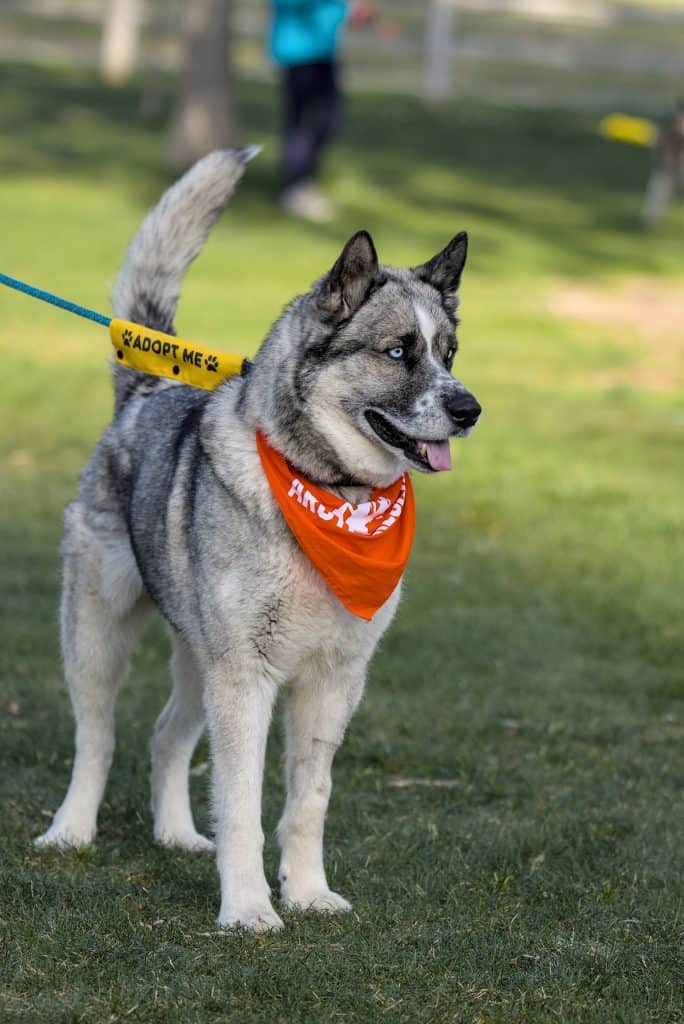
When choosing a dog, potential adopters must honestly assess their own lifestyle and expectations to ensure they align with the breed’s specific needs.
©
For northern breeds like huskies and Malamutes, misunderstanding often plays a major role in surrender and abandonment. These dogs are intelligent, vocal, energetic, and highly independent. They require structure, enrichment, and an owner prepared for the commitment. “To anyone considering a husky or a northern breed,” Capone says. “Be prepared for a lifestyle, not just a pet. They are independent, vocal, and incredibly intelligent. They will challenge you, but they will also make you laugh more than any other breed.”
Rescue organizations work carefully to match dogs with adopters who can meet those needs. Applications, home checks, and questions about schedules or fencing are not meant to discourage people; they are designed to ensure successful, lasting placements. “Reputable rescue groups act as the ultimate matchmakers,” Capone explains. “The goal is to verify that the dog’s specific needs and temperament are a true match for the adopter’s lifestyle, helping to prevent the heartbreak of a ‘failed’ adoption.”
A Story of Survival and Second Chances
In the fall of 2022, a nameless dog wandered Utah’s Logan Valley for six weeks. Severely underweight and surviving on garbage scraps, the Malamute-husky mix drifted from farm to farm as winter temperatures grew dangerously cold. At one point, he became trapped in an illegal hunting trap that badly injured his leg.
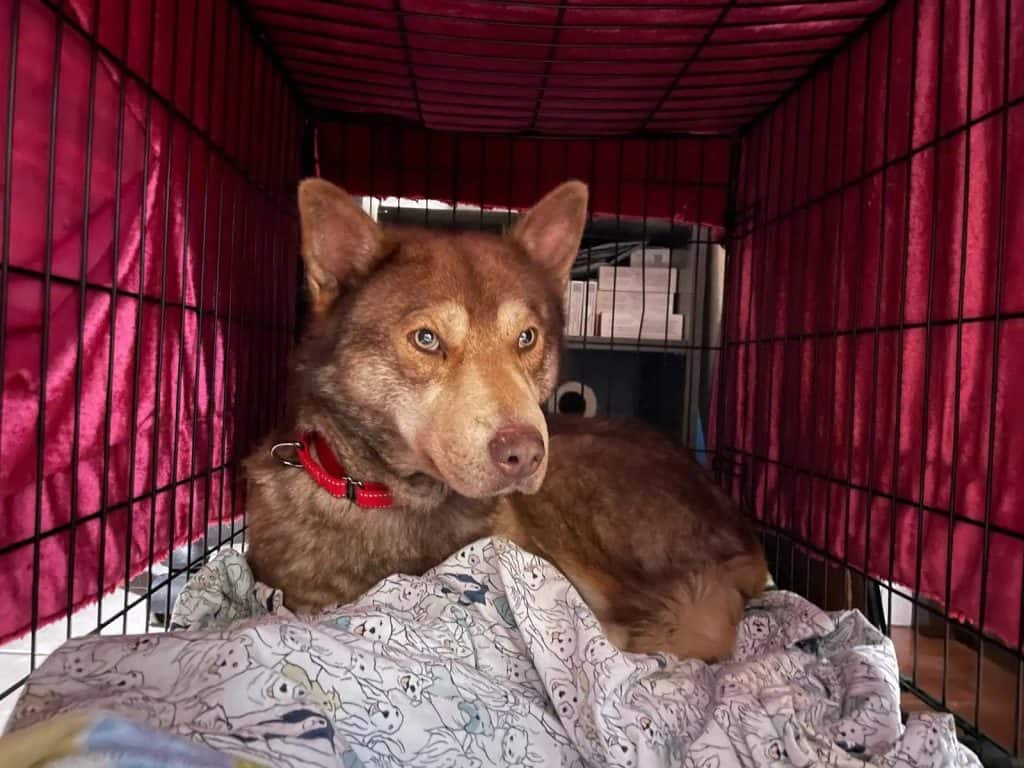
Odin was so scared of humans that he barely ate or drank anything at first.
©
Terrified of people and desperate to survive, the dog hid wherever he could. When Smithfield Police Officer Penrod found him in December, the dog was cowering in someone’s yard, trying to hide. The officer placed him in temporary shelter housing and searched desperately for an owner, but no one came forward. The dog was emaciated, frightened, and barely eating. Other shelter dogs bullied him, and he was at risk of euthanasia. Despite this, Officer Penrod named him Odin, hoping that someone would step up to help.
The Long Road to the Land of the Living
Through Arctic Rescue, the Capone family learned about the dog and drove through a snowstorm to save him. When they arrived, Odin was so fearful that he silently curled into a tight ball on the backseat floor and refused to move for several hours. At his new foster home, he immediately retreated into a crate and barely moved for the next 10 hours. He refused food and water, and for weeks, the family used a syringe dropper to help keep him hydrated.
Slowly, over the course of months, Odin began learning what safety felt like. He discovered other safe spots in the house and began to bond with the family’s other dogs. His foster family realized that while confinement had once made him feel secure, he became deeply distressed when left alone. They adjusted their routines, learned his triggers, and worked patiently to help him trust. By July, they decided to make Odin an official member of their family and adopt him.
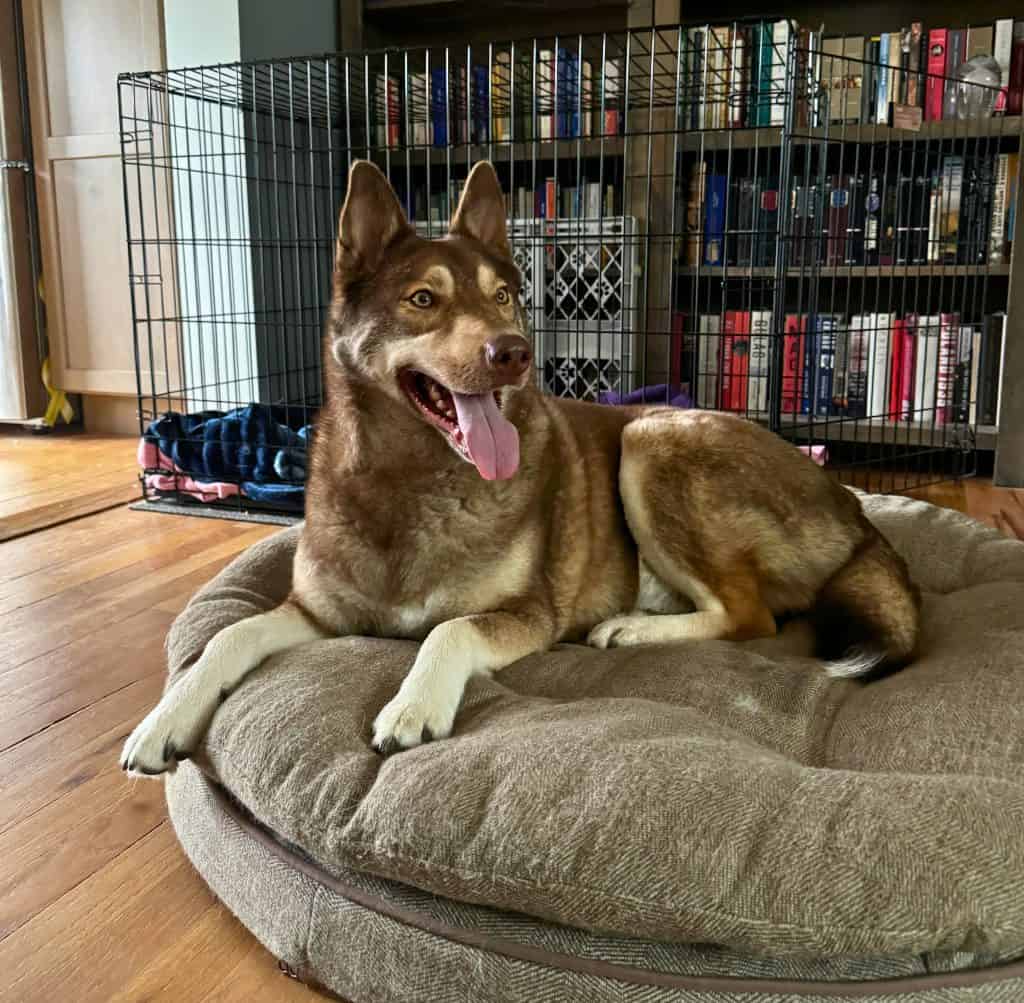
Odin now lives happily with the Capone family and will never have to worry about being alone again.
©
Eighteen months after being rescued, Odin had transformed into a healthy, confident dog. He gained forty pounds, received treatment for a thyroid condition, and finally found his voice. He now barks, howls, seeks eye contact, and moves comfortably through much of the home.
“He’s a healthy, happy dog,” his foster-turned-forever-family shared. “Living up to his name in many ways, Odin has returned from the world of the dead and now explores the land of the living. He is loved.”
From the Euthanasia List to Couch Cuddles
Rocky’s story reveals just how dramatically the environment can shape behavior. The three-year-old Siberian husky was found as a stray in Idaho and brought to the local shelter. After only two weeks without adoption interest, he was placed on a due-out list to be euthanized. Shelter staff were also concerned about his ability to climb fencing, and a reported altercation with an off-leash dog that led to him being labeled “dog-aggressive.”
Humans have so much they could learn from rescue dogs about resilience, forgiveness, and learning to trust again.
Lauren Posey, president of Arctic Rescue
Arctic Rescue stepped in and placed Rocky in foster care. Once out of the shelter environment, Rocky quickly revealed his true colors. “He is a friendly, social, and active dog who gets along well with other dogs and thrives with proper structure, enrichment, and exercise,” Posey explains. “His behavior in foster care has been consistent with that of a typical Siberian husky.”
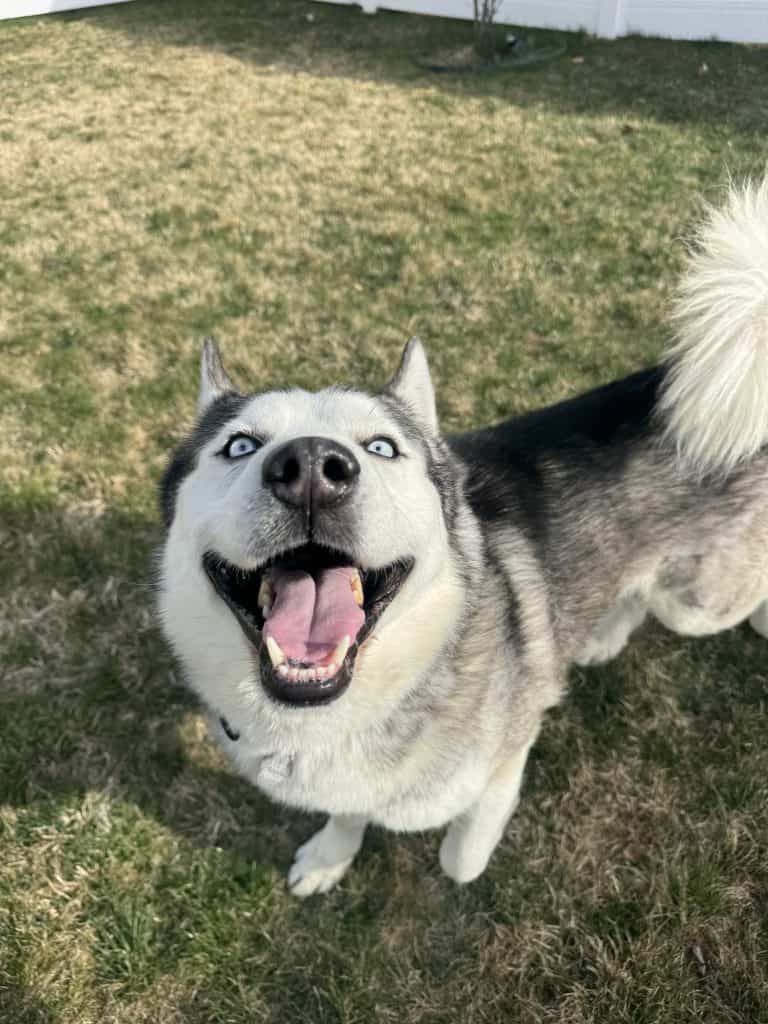
Rocky transformed from being a tense and terrified dog in the shelter to a fun-loving snuggle bug in his foster home.
©
Rocky now thrives in foster care while waiting for the right adopter, having been fully vetted, neutered, and having received all his core vaccinations. His story is a powerful reminder that stress can dramatically distort behavior — and that patience and understanding can completely change a dog’s future.
The Ripple Effect of Adoption
When someone adopts from a rescue organization, the impact extends far beyond a single dog. “The ripple effect of choosing a rescue dog over a breeder is immense because you are buying that dog time and space,” Capone explains. “When you adopt from a foster-based rescue, you aren’t just saving one life; you are physically opening up a spot in a foster home for the next husky sitting in a high-kill shelter.” Every adoption creates another opportunity for rescue.
While she supports ethical breeding, Posey further points out that many dogs entering shelters today are the result of irresponsible breeding and overproduction. “The dogs we rescue are often purebred or the result of someone trying to earn money by selling puppies,” she explains. At the same time, rescue dogs are typically medically and behaviorally evaluated before adoption, giving adopters support and transparency throughout the process. Posey says, “I think if adopters understood that the dogs we rescue most likely come from these breeders they find online or in their neighborhood, they will realize that by patronizing these breeders, they are continuing the current shelter crisis.”
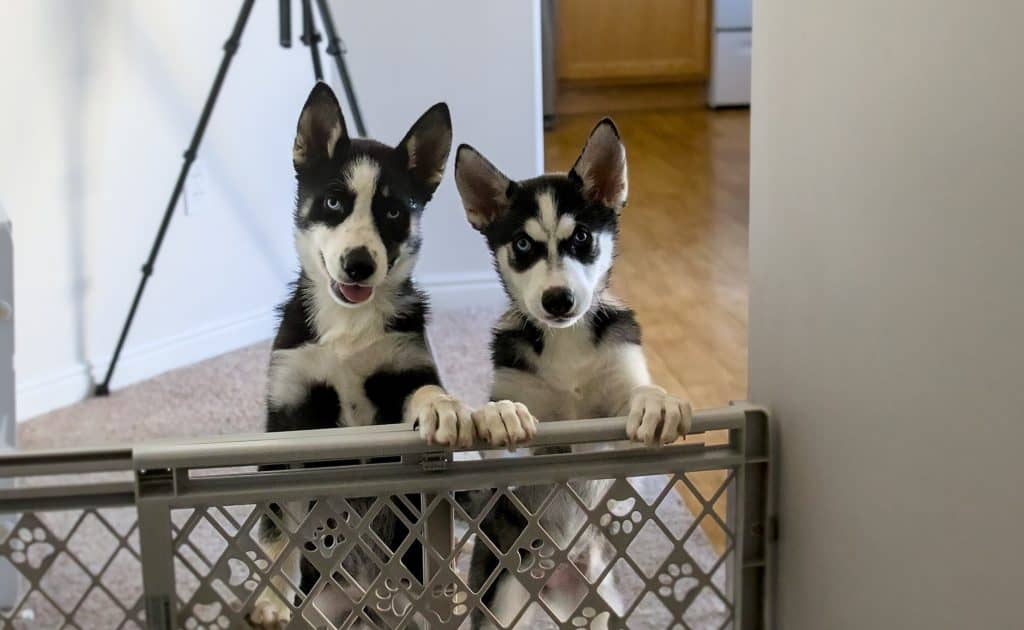
Shelters are full of both adult dogs and puppies like Lucy and Ethel.
©
For hesitant adopters, she encourages fostering as a first step. “Most rescues or shelters are in desperate need of a weekend foster or a short-term foster if you are hesitant to jump straight into adoption,” Posey says. “There is no replacement for experience, and especially experience with support. You are saving a life and learning. Best of both worlds.”
How Rescue Dogs Change People
The transformation that occurs through rescue rarely affects only the dog; it often changes the person as well. Capone explains that she has seen rescue dogs help people battling depression, addiction, and loneliness simply by giving them purpose, routine, and companionship. “While the goal is to save the dog,” she says. “Most adopters will tell you that the dog truly saved them right back.”
“All of the effort and care you put into your dog comes back tenfold,” Posey adds. “They want nothing more than to spend time with you, go on adventures, and of course receive some pets.”
She shares the story of a foster volunteer who initially felt overwhelmed by a dog with significant behavioral challenges. The foster sought guidance, enrolled in training courses, and worked patiently with the dog.
“A couple of months later, the foster ended up adopting the dog,” Posey says. “I look back at this very grateful for all of the work the foster did with the dog — it changed the dog’s life. But now I see how different the foster is, how they are paying it forward with other dogs in our rescue, and how confident they are. THAT is a changed person!”
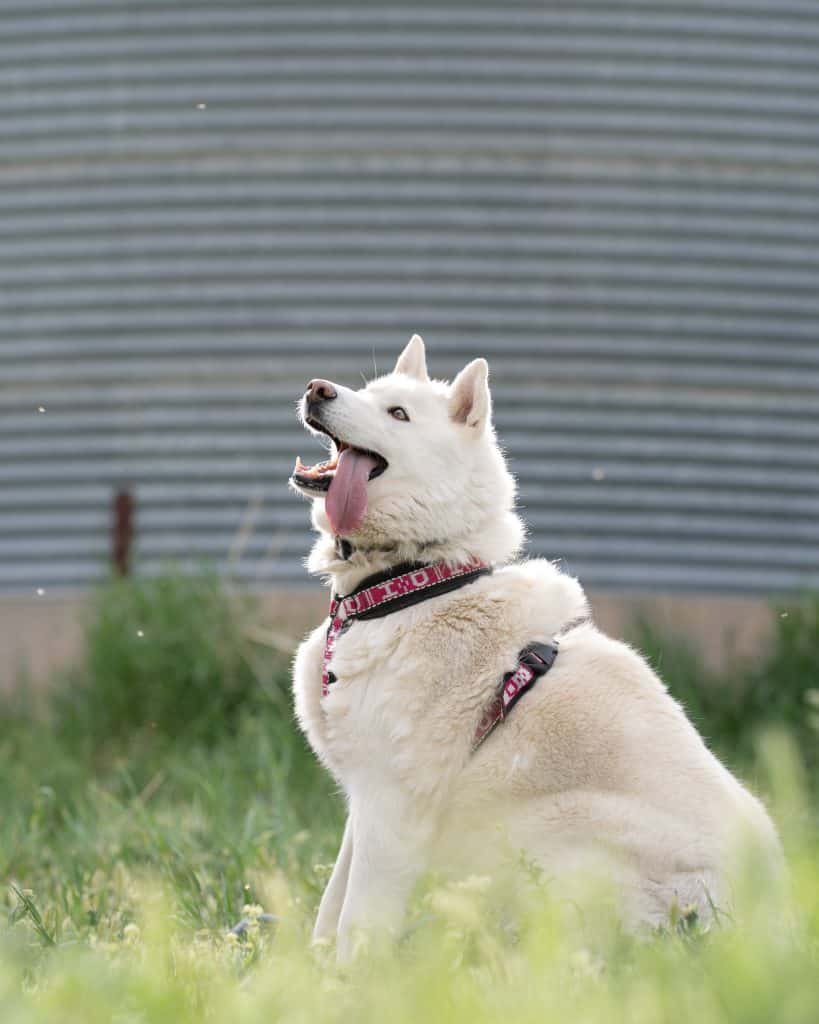
Like many dogs, Ember ended up in rescue because of a change in her owner’s circumstances, not because of any behavioral issues of her own.
©
Every Dog Deserves a Chance
National Rescue Dog Day is ultimately about recognizing possibility. It is about understanding that fear is not the same as aggression, that a shut-down dog is not hopeless, and that rescue dogs are not broken beyond repair. It reminds us that with time, consistency, and compassion, remarkable transformations can happen.
The emotional rewards of rescue work are unmatched, a sentiment deeply felt by Posey. She believes that the patience required to heal a dog can ultimately change entire communities. “Humans have so much they could learn from rescue dogs about resilience, forgiveness, and learning to trust again,” she says. “One of the greatest feelings in life is gaining the trust, especially of a shy dog. Dogs can read your energy and your motives. They give back what they receive!”
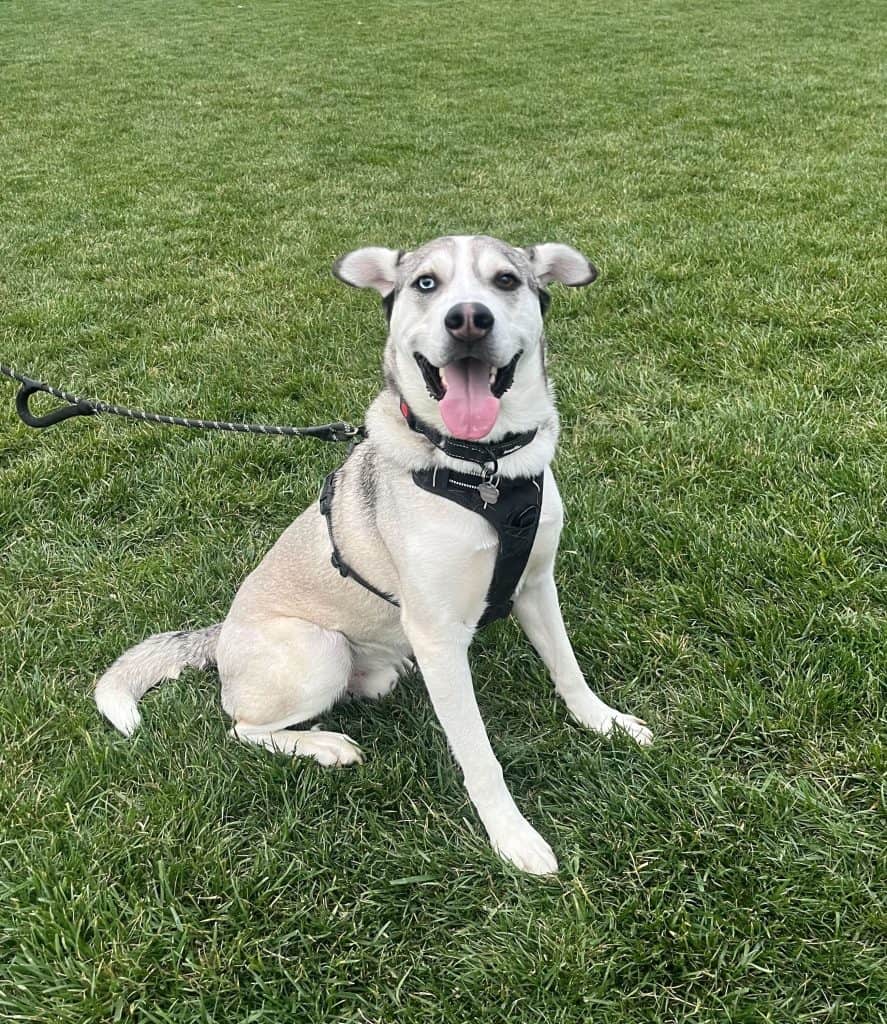
Dogs like Bruce prove that even after a long stay in a shelter, they can still become incredibly loving, happy companions who just want to be close to their humans.
©
Posey believes that this chain reaction of trust and compassion can help solve the current rescue crisis. The solution may not require a complete structural overhaul, but rather greater dedication at the local level. As Posey puts it, “If just a couple more families in a neighborhood decided to foster or adopt, we could make the biggest dent in the shelter crisis.”
However, solving this crisis at the community level ultimately requires a shift in perspective, especially in how we view the individual animals we welcome into our homes. True rescue work isn’t about finding a perfect dog immediately. Instead, as Capone puts it, “It’s about the beautiful journey of helping a dog become the best version of themselves.” For countless dogs like Odin and Rocky, that patient investment and second chance make all the difference.