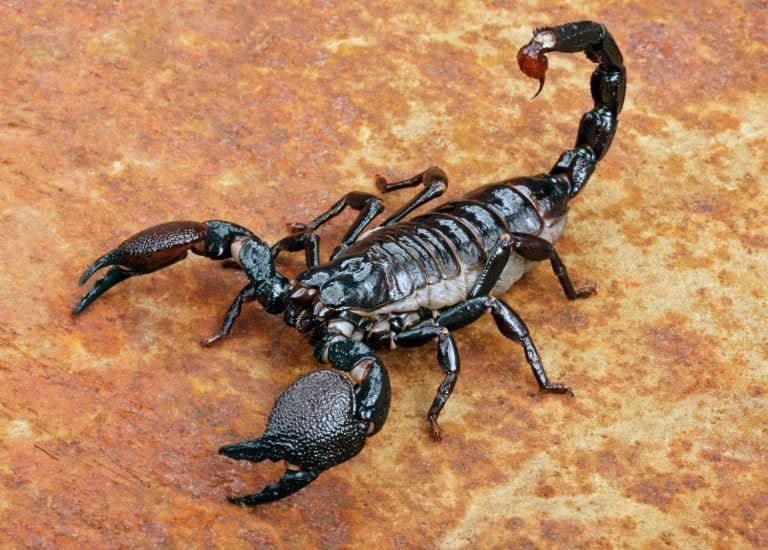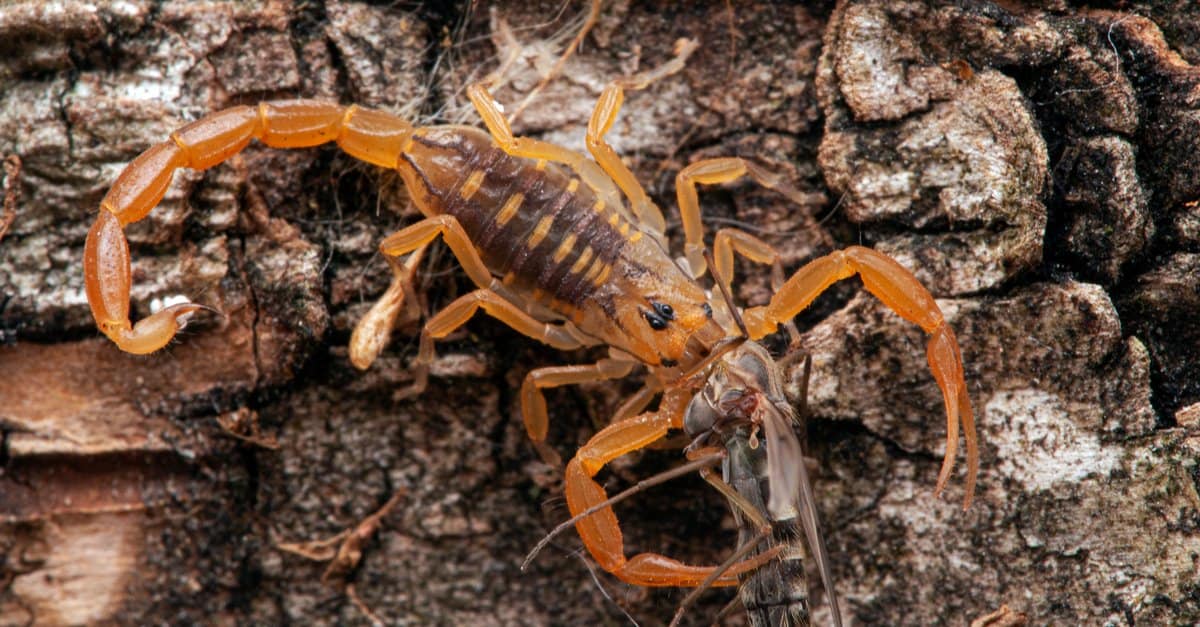

Scorpion stings are on the rise in Brazil. In fact, they have increased a whopping 155% in the last 10 years. Experts estimate the cases will only continue to increase. But what could be behind this uptick in scorpion activity? It seems rapid urbanization is to blame. As cities expand and human populations increase, urban environments push into scorpion’s natural territory. Scorpions find homes in these encroaching cities, particularly in unsanitary, poverty driven areas. Climate change is another driving factor, as temperature changes provide the ideal environment for scorpions to reproduce. In 2024, Brazil recorded close to 200,000 scorpion stings, with 133 related deaths.
Fortunately for those of us in the states, America does not have Brazil’s massive scorpion problem. However, scorpions can still be found across these 29 states.
This post was updated on July 21st, 2025 to include the rising numbers of scorpion stings in Brazil.
Washington

©Alexander Lukatskiy/Shutterstock.com
- Species: 2
- Areas: primarily in eastern and western Washington
- Dangerous to humans? No
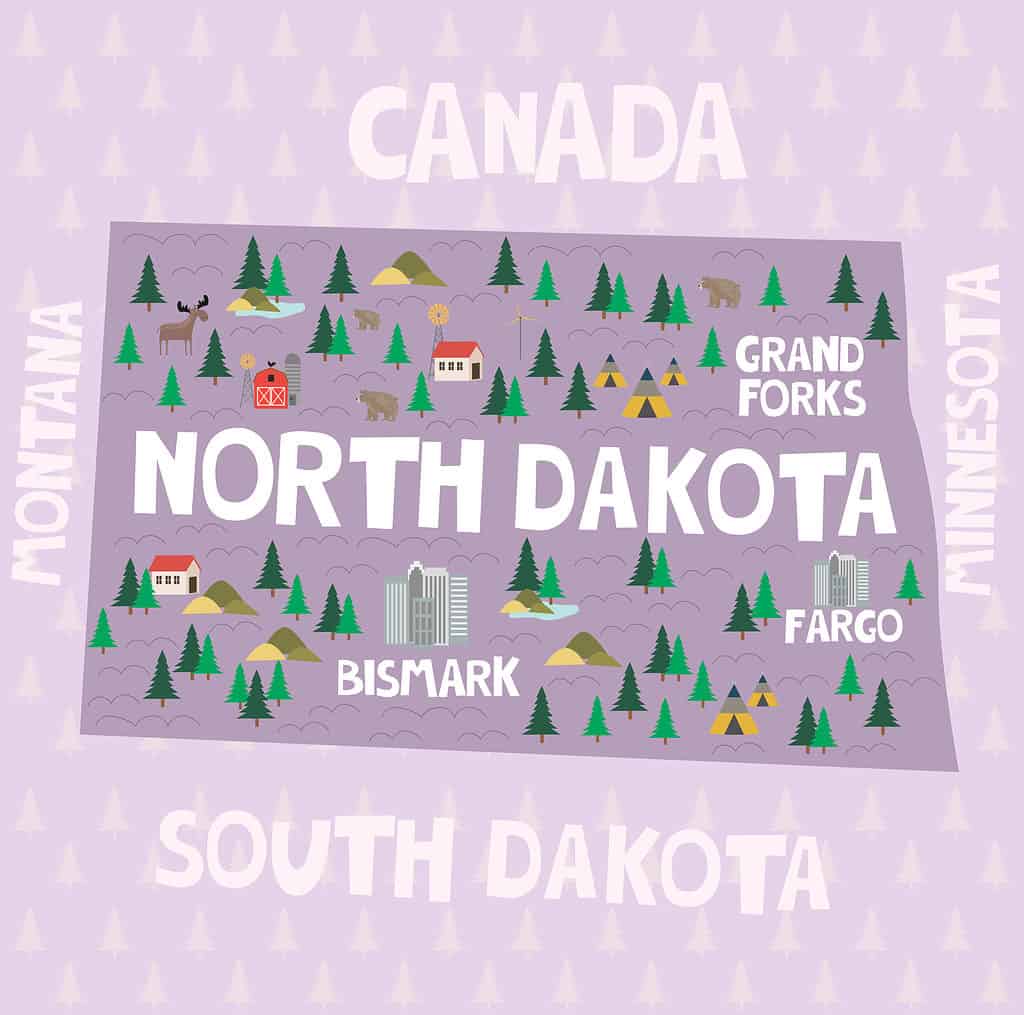
North Dakota
©Mio Buono/Shutterstock.com
- Species: 1
- Areas: western and central South Dakota, rocky areas like the Badlands
- Dangerous to humans? No
Idaho
©Kirk Fisher/Shutterstock.com
- Species: 4
- Areas: southern, western, and panhandle regions
- Dangerous to humans? No
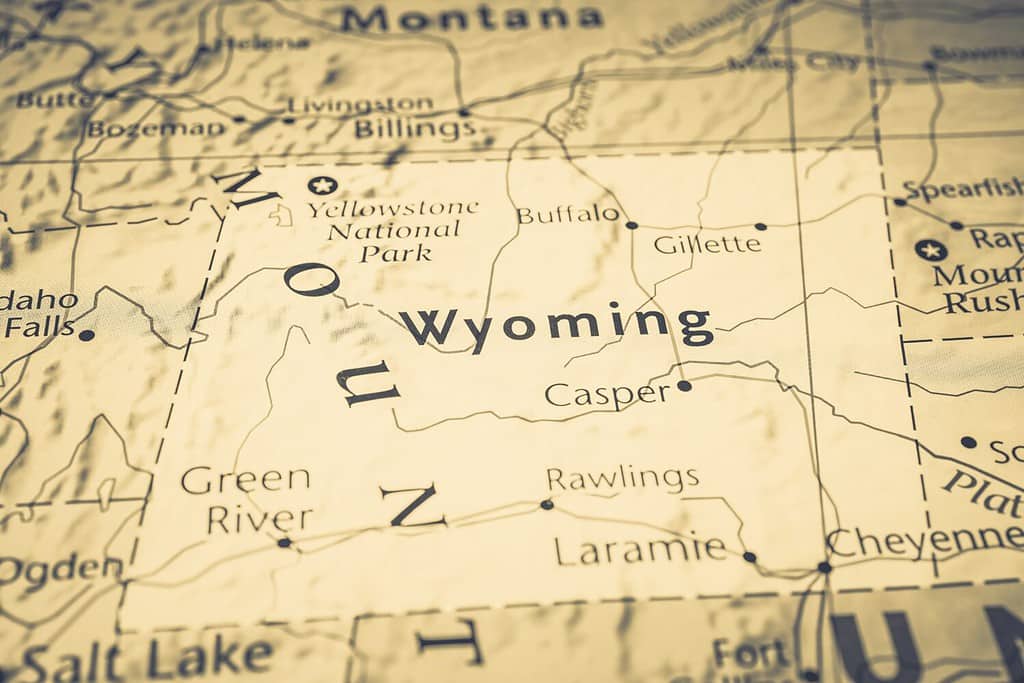
Wyoming
©Alexander Lukatskiy/Shutterstock.com
- Species: 1
- Areas: various regions in dry and rocky environments
- Dangerous to humans? No
Illinois
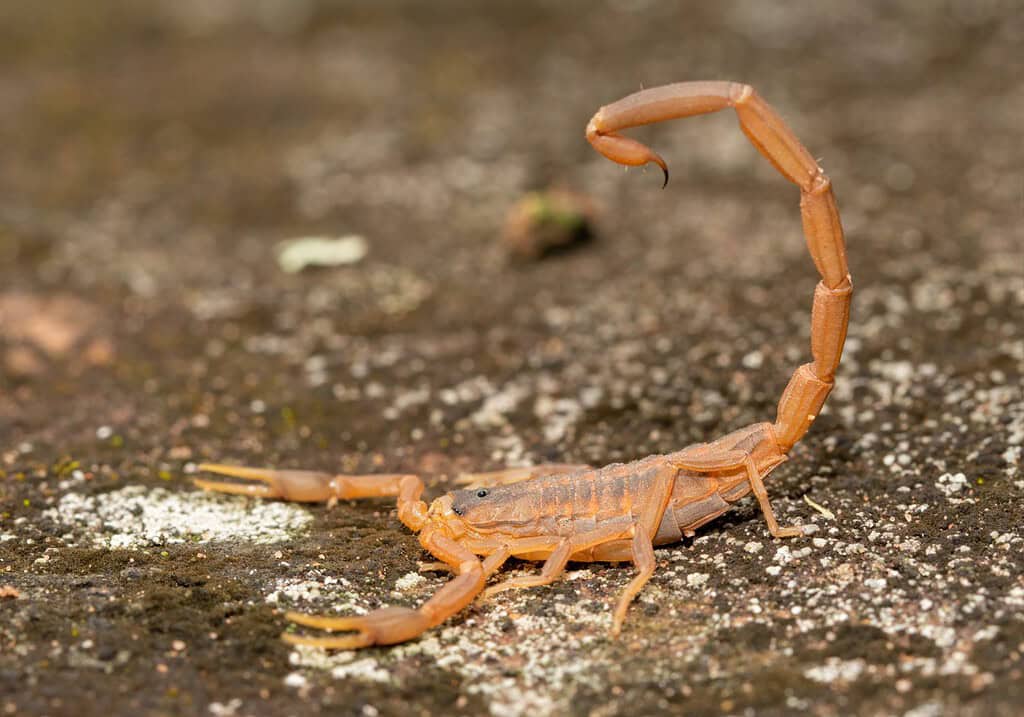
©Sari ONeal/Shutterstock.com
- Species: 1
- Areas: southwestern corner, particularly in Monroe and Randolph counties
- Dangerous to humans? No
Oregon
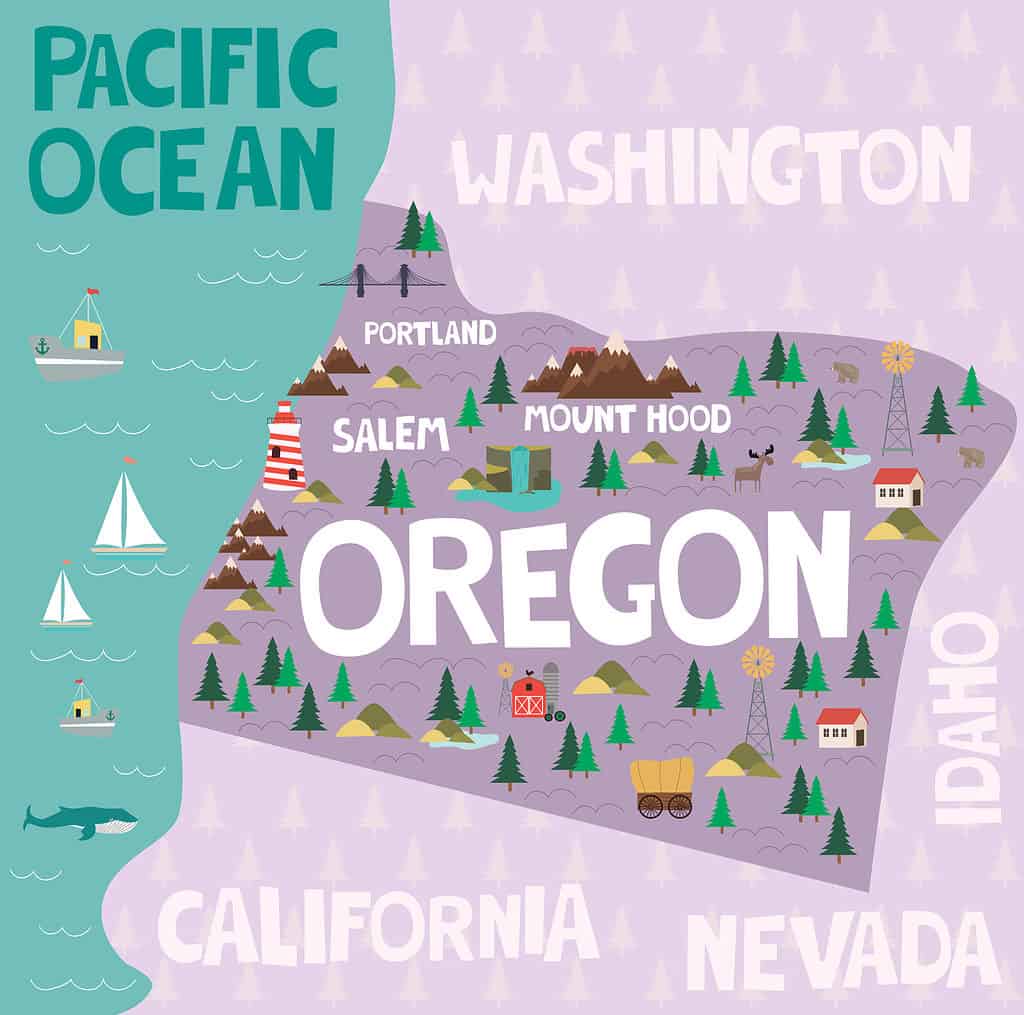
©Mio Buono/Shutterstock.com
- Species: 3
- Areas: western, central, and eastern portions
- Dangerous to humans? No
Nevada
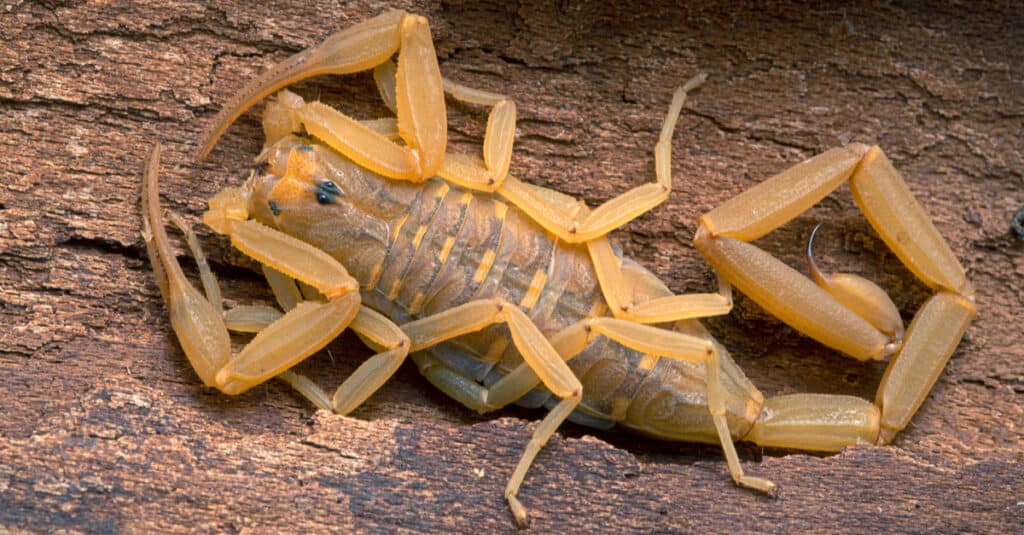
©Ernie Cooper/Shutterstock.com
- Species: 23
- Areas: southern region and northern region
- Dangerous to humans? Yes, the Arizona Bark scorpion’s venom is considered medically significant to humans
Nebraska
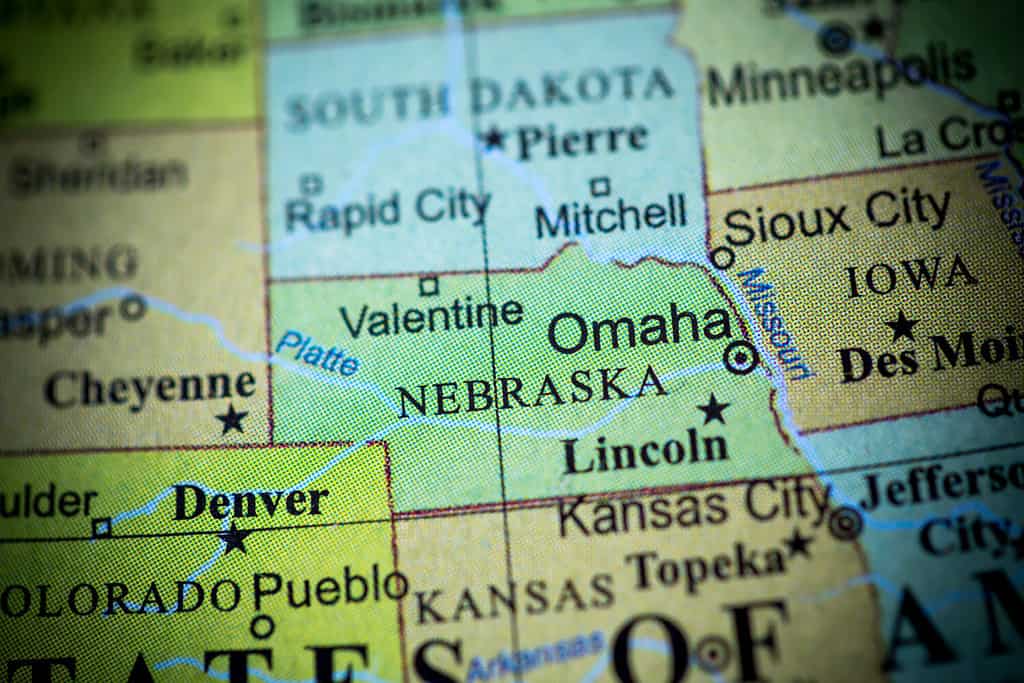
©Victor Maschek/Shutterstock.com
- Species: 1
- Areas: south-central portion of the state, in Thayer and Franklin counties
- Dangerous to humans? No
Missouri
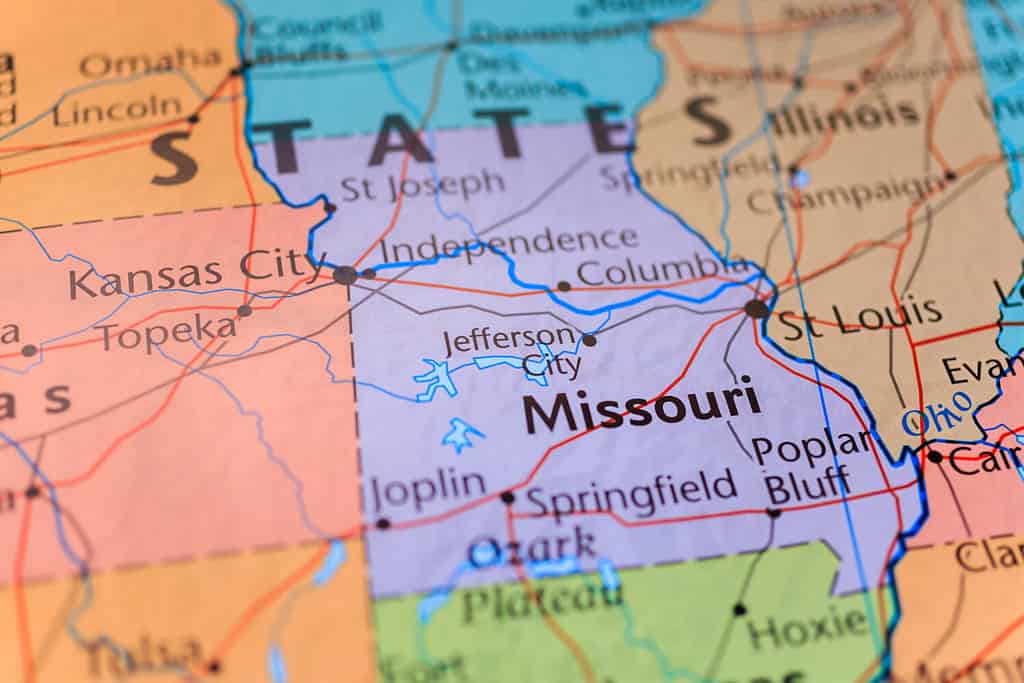
©Alexander Lukatskiy/Shutterstock.com
- Species: 1
- Areas: southern half of the state, especially in the Ozark region
- Dangerous to humans? No
Kentucky

©Alexander Lukatskiy/Shutterstock.com
- Species: 1
- Areas: any rocky or wooded areas around lakes or ponds
- Dangerous to humans? No
Colorado
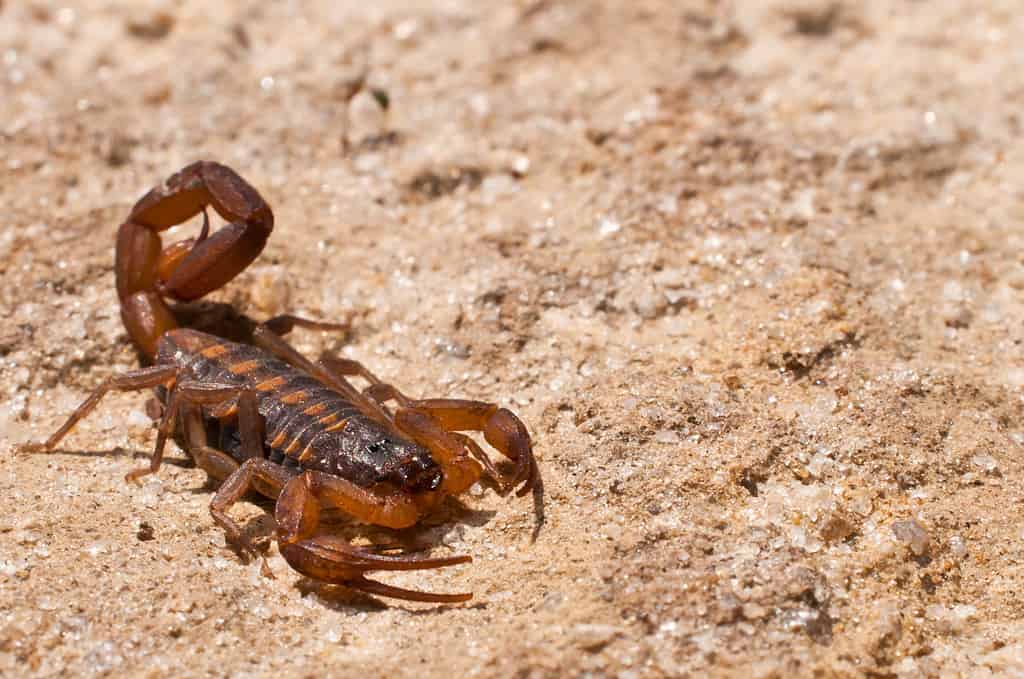
©JasonOndreicka/iStock via Getty Images
- Species: 3
- Areas: fairly even distribution throughout the state
- Dangerous to humans? No
California
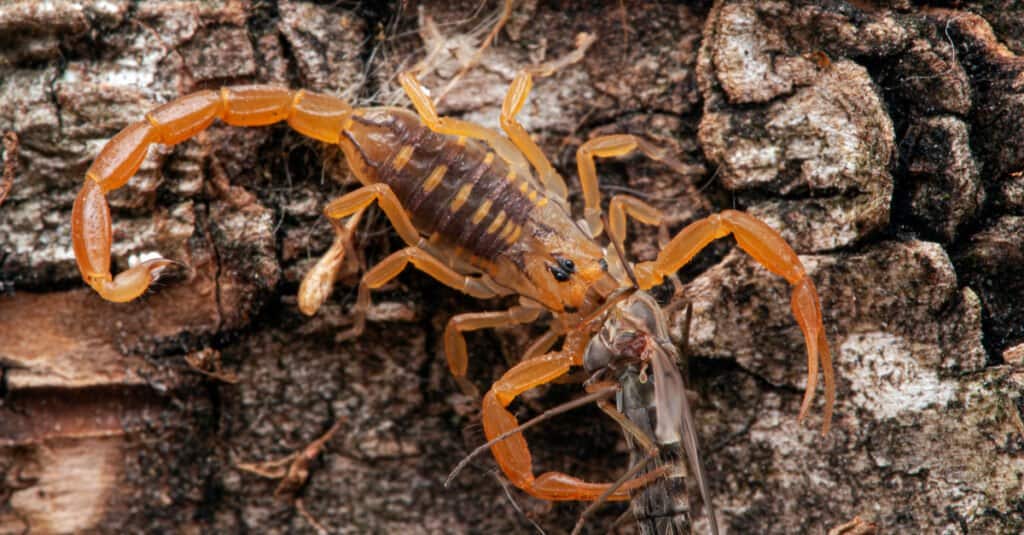
©Ernie Cooper/Shutterstock.com
- Species: 52
- Areas: can be found in all areas of the state
- Dangerous to humans? Yes, the Arizona Bark scorpion is considered medically significant to humans
Arizona
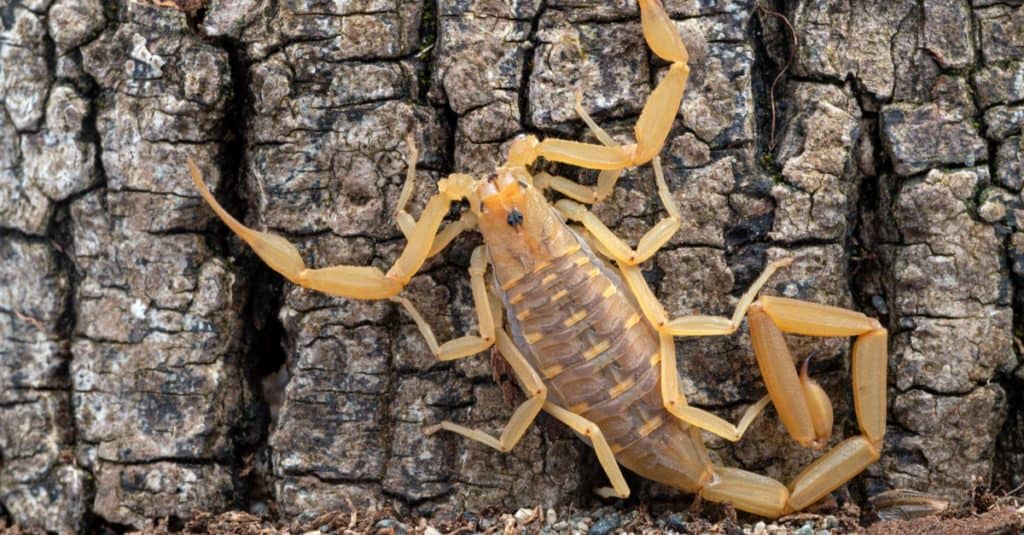
©Ernie Cooper/Shutterstock.com
- Species: 30
- Areas: a wide range of areas
- Dangerous to humans? Yes, the Arizona Bark scorpion poses a threat to humans
New Mexico
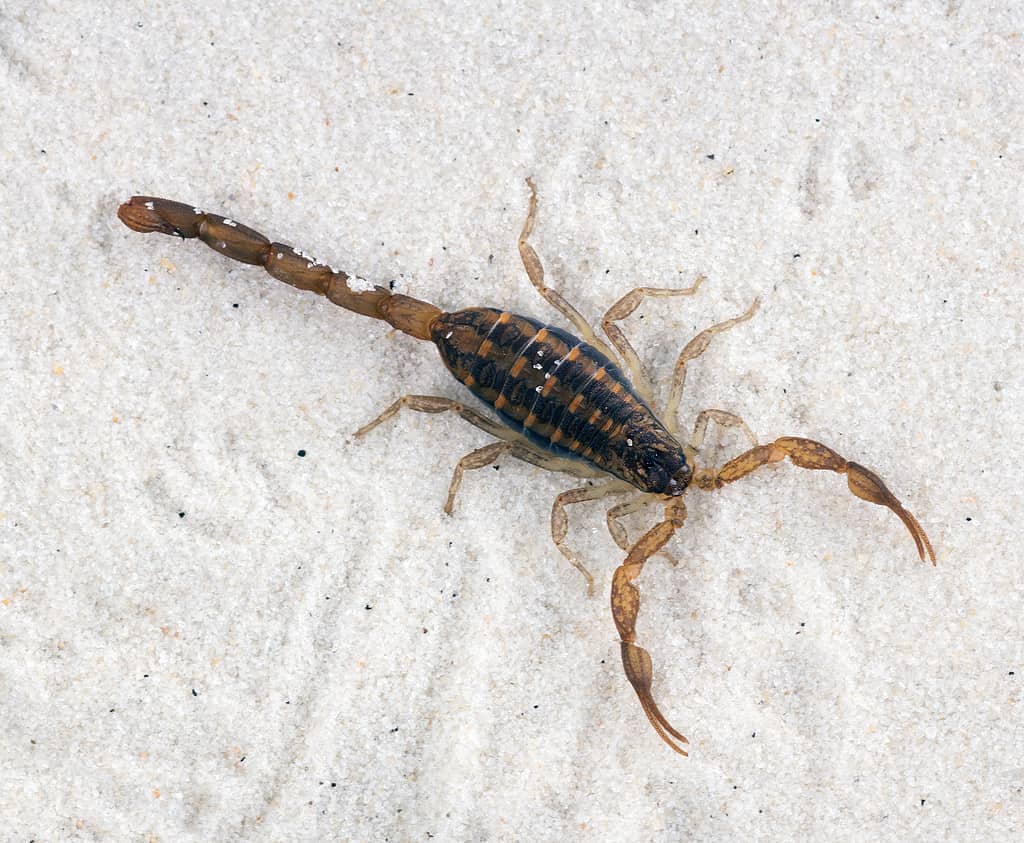
©IrinaK/Shutterstock.com
- Species: 25
- Areas: distributed throughout the state in deserts and rocky terrain
- Dangerous to humans? Yes, the Arizona Bark scorpion can cause serious medical issues
Virginia
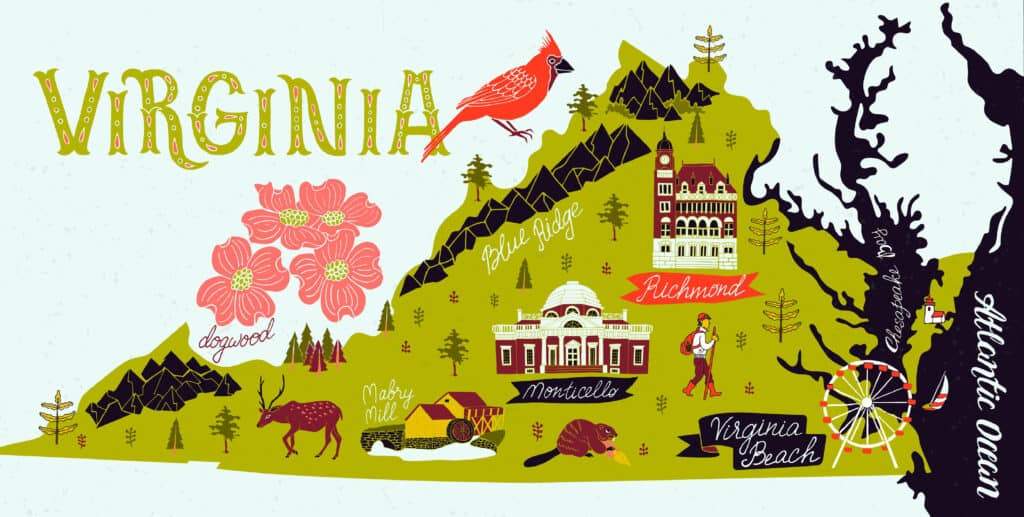
©Stellar_bones/Shutterstock.com
- Species: 1
- Areas: far southwestern region of the state
- Dangerous to humans? No
Utah
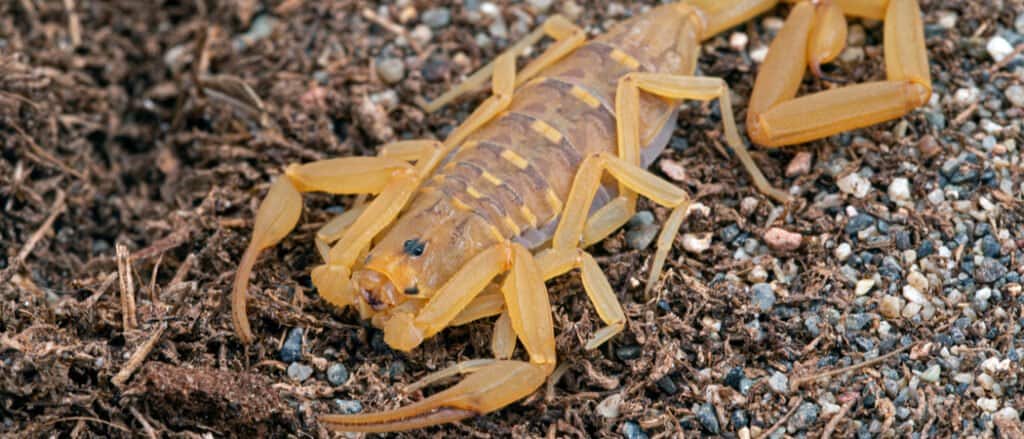
©Ernie Cooper/Shutterstock.com
- Species: 9
- Areas: both southern and northern areas
- Dangerous to humans? Yes, the infamous Arizona Bark scorpion has a dangerous sting
North Carolina

©Alexander Lukatskiy/Shutterstock.com
- Species: 3
- Areas: western portion and coastal areas in the east
- Dangerous to humans? No
Kansas
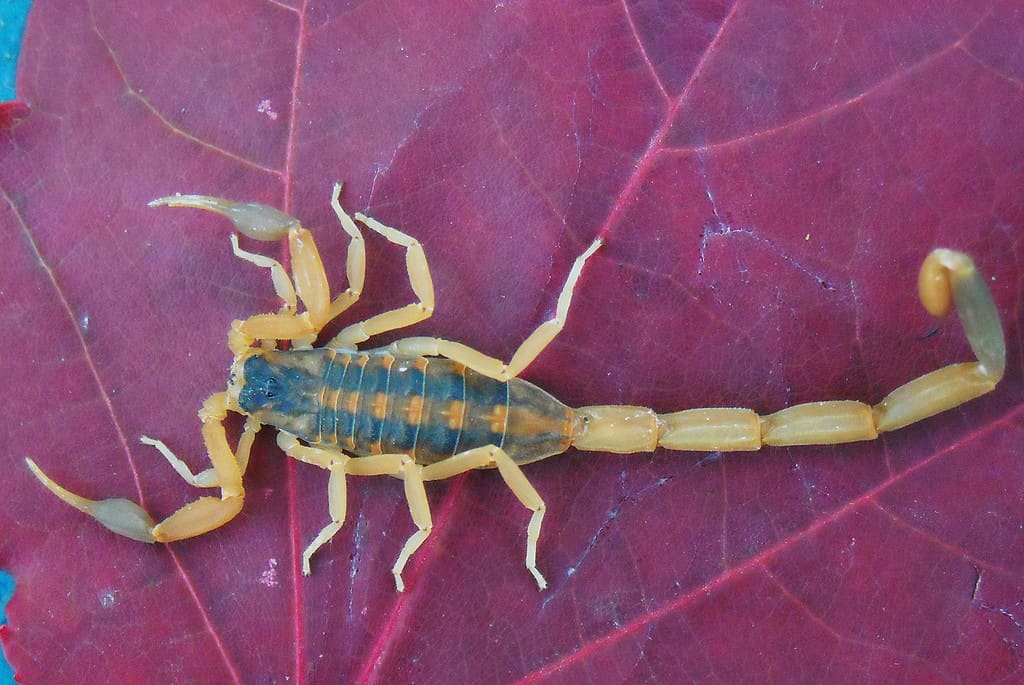
©Matt Levi Media/Shutterstock.com
- Species: 2
- Areas: various portions of Kansas
- Dangerous to humans? No
South Carolina

©Alexander Lukatskiy/Shutterstock.com
- Species: 2
- Areas: western, upstate, and coastal areas
- Dangerous to humans? No
Tennessee
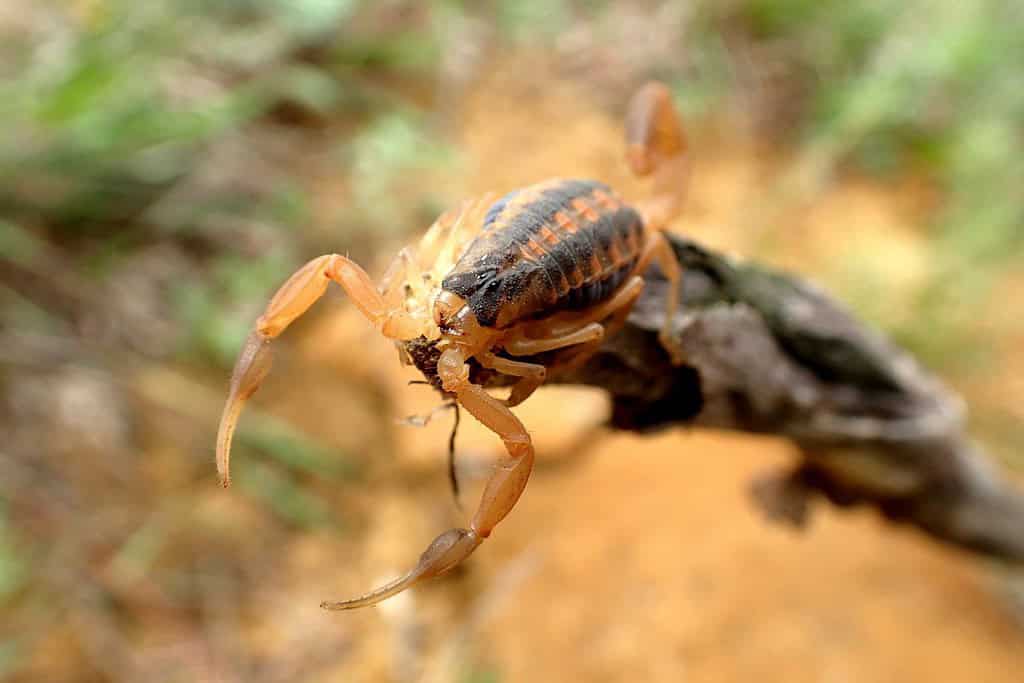
©Seth LaGrange/Shutterstock.com
- Species: 2
- Areas: throughout the state
- Dangerous to humans? No
Arkansas
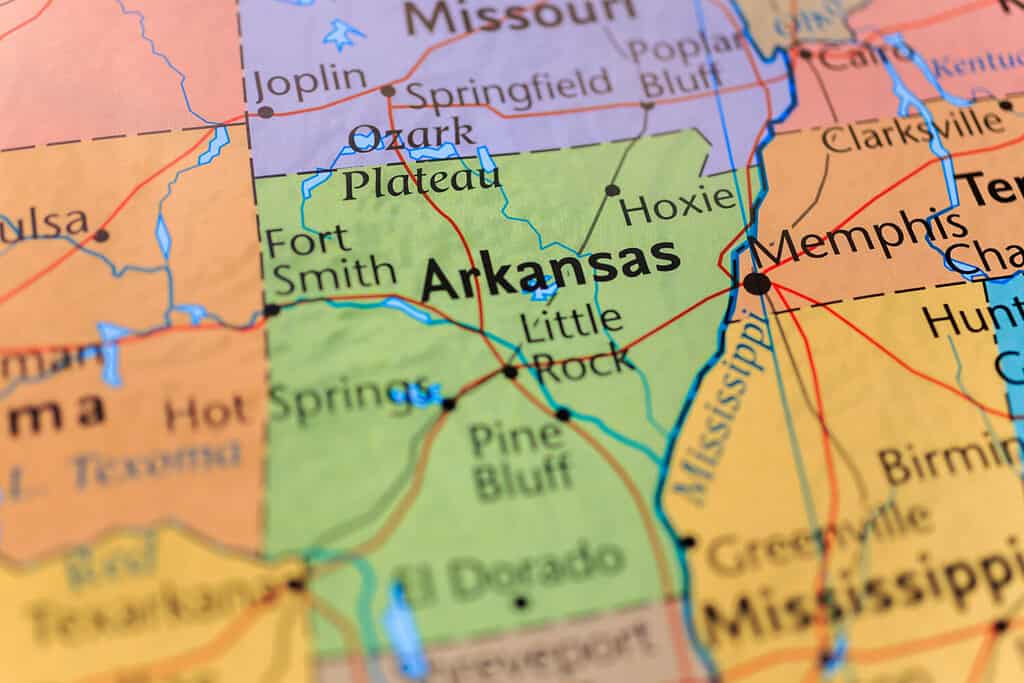
©Alexander Lukatskiy/Shutterstock.com
- Species: 1
- Areas: mostly in western Arkansas
- Dangerous to humans? No
Louisiana

©Tyler Albertson/Shutterstock.com
- Species: 2
- Areas: western Louisiana in wooded areas
- Dangerous to humans? No
Oklahoma
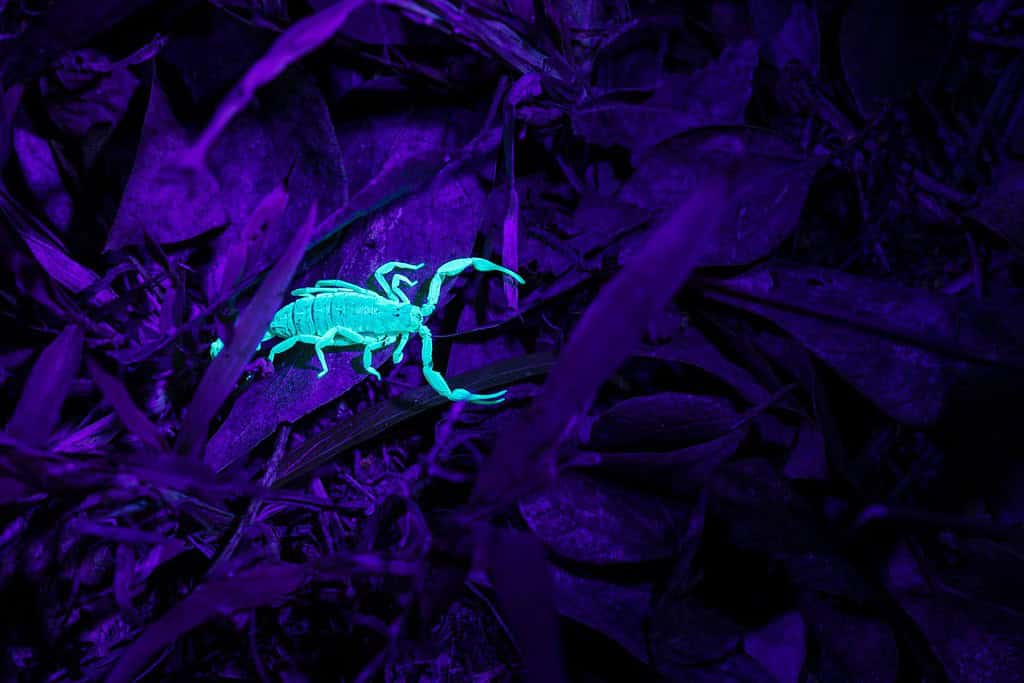
©Danita Delimont/Shutterstock.com
- Species: between 3-5
- Areas: widely distributed
- Dangerous to humans? No
Mississippi
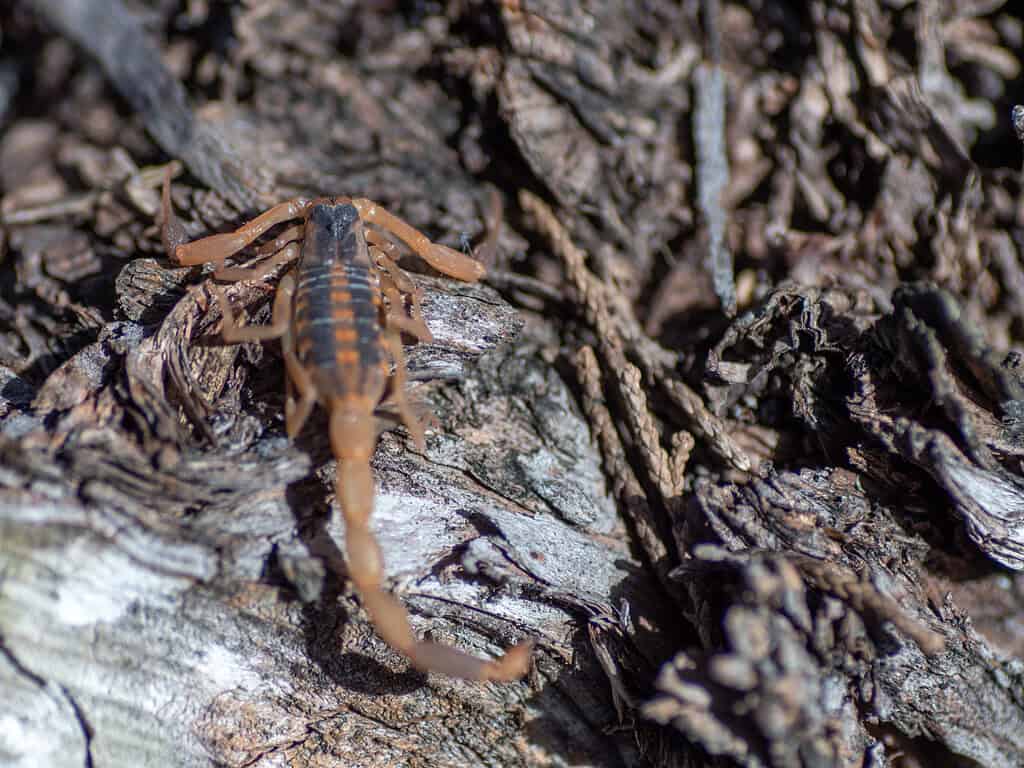
©PorqueNoStudios/iStock via Getty Images
- Species: 4
- Areas: throughout the state
- Dangerous to humans? No
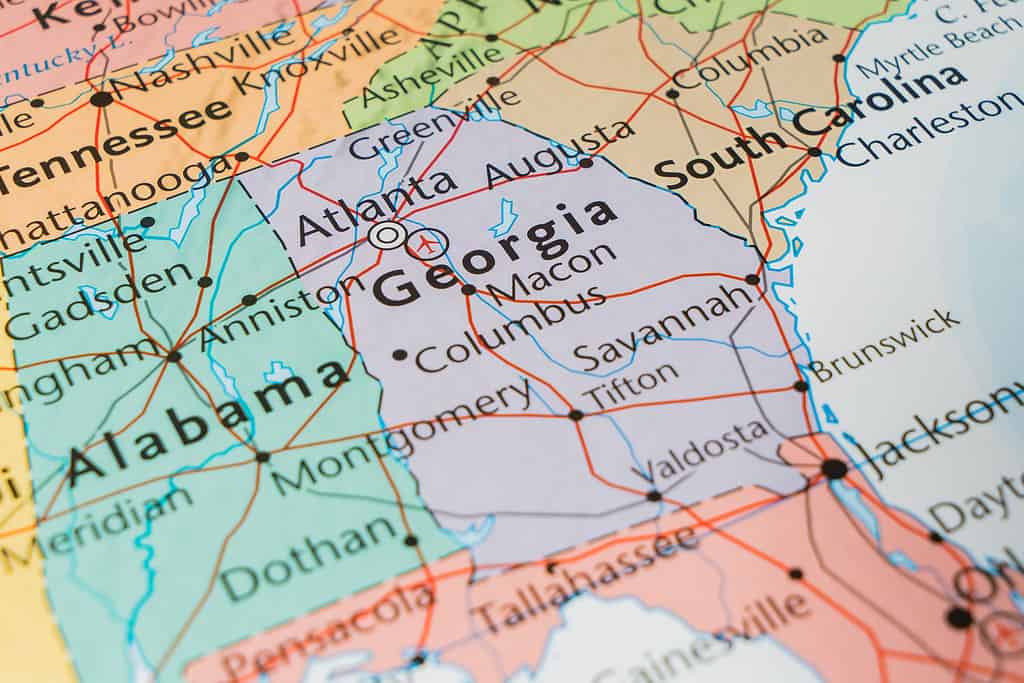
Georgia
©Alexander Lukatskiy/Shutterstock.com
- Species: 4
- Areas: southern region of Georgia
- Dangerous to humans? No
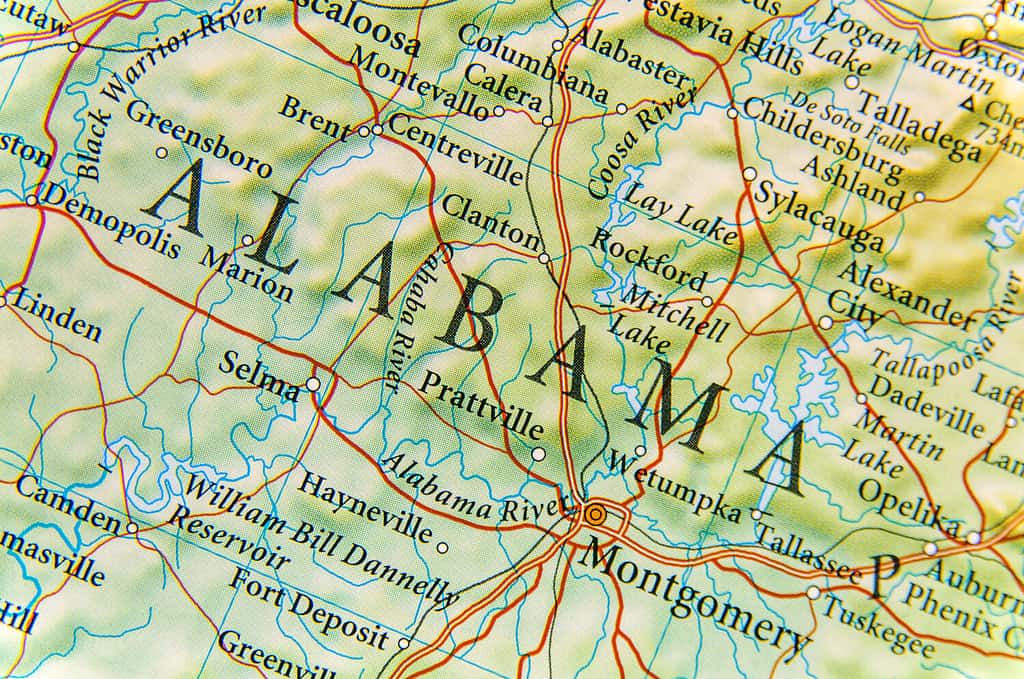
Alabama
©Bennian/Shutterstock.com
- Species: 2
- Areas: various areas of the state
- Dangerous to humans? No
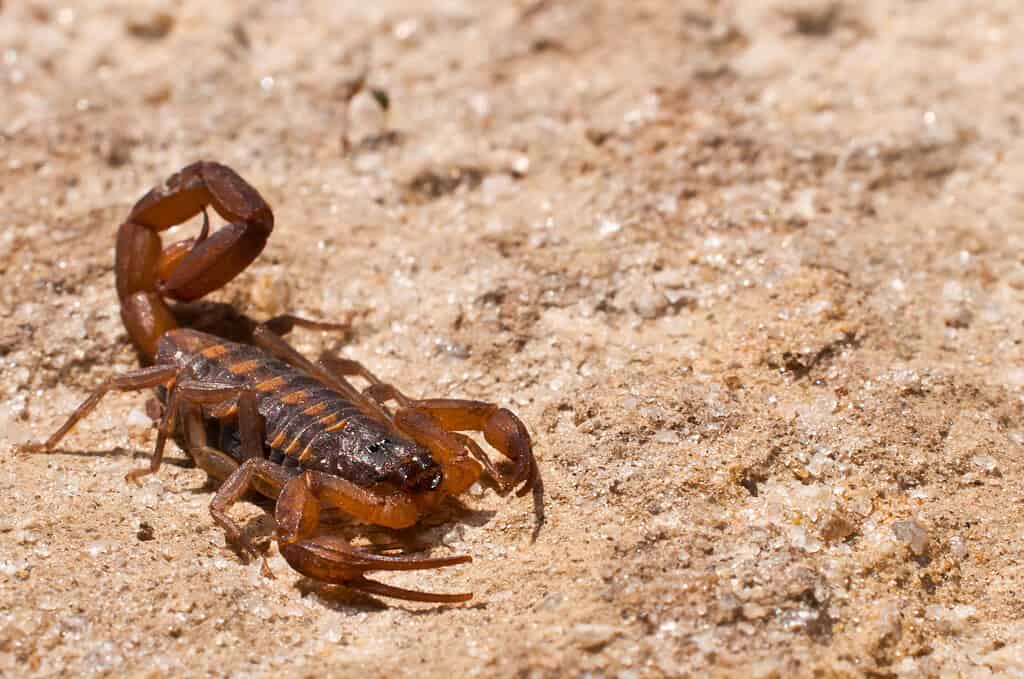
Texas
©JasonOndreicka/iStock via Getty Images
- Species: 18-20
- Areas: All areas of the great state of Texas
- Dangerous to humans? Yes, the state has had reports of the Arizona Bark scorpion
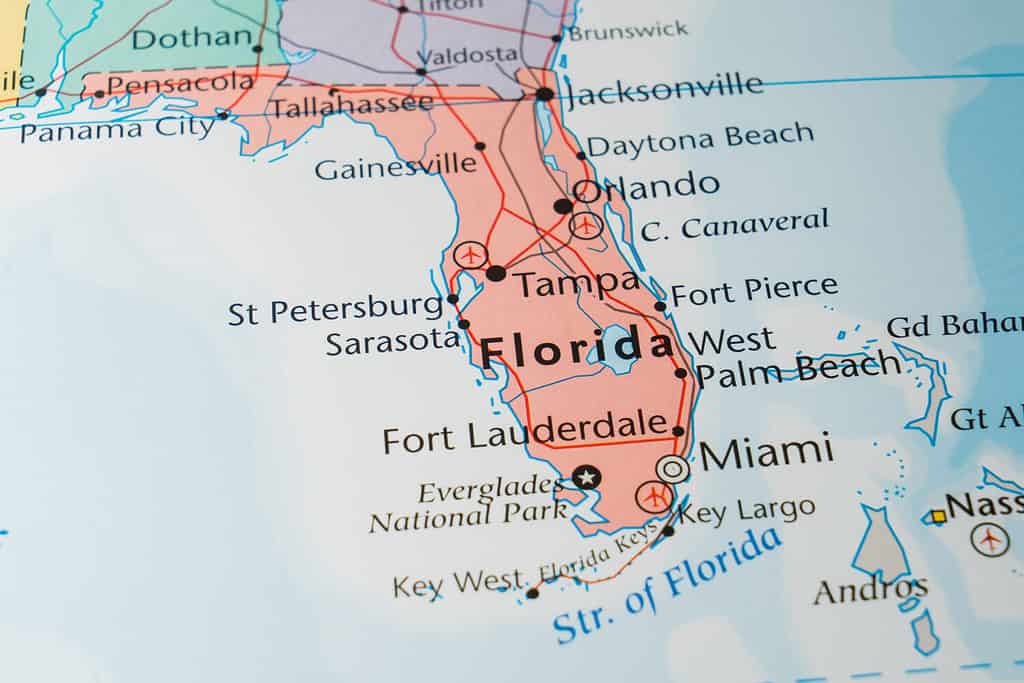
Florida
©Alexander Lukatskiy/Shutterstock.com
- Species: 4
- Areas: throughout the entirety of Florida
- Dangerous to humans? No