
Quick Take
- Traditional yoghurt fermentation methods use a variety of environmental reservoirs of microbes, including ants.
- The ants provide both bacteria and acid to make the yoghurt.
- This should be left to people who know how to do it because there are potential food safety issues.
You don’t expect to see ants on a recipe list, but if you want to make yoghurt using the traditional Bulgarian recipe in this Instagram post, that is exactly what you will need. The practice may be ancient, but modern scientific research has uncovered why ants make such good yoghurt. Here, you can learn more about this ancient practice and the scientific principles that underpin it.
How Do You Make Yoghurt?
Yoghurt is fermented milk and has a tangy taste. It has been made for at least 9,000 years. The earliest evidence for yoghurt making has been found in Anatolia, which is in modern-day Turkey. Ancient peoples discovered that fermenting milk turned it into something that was preservable and highly nutritious, and dairy fermentation became an indispensable part of regional cuisines.
To make yoghurt, you need to add microbes to milk. Their enzymes (biological chemicals) make the milk acidic and change it into yoghurt. Therefore, to make yoghurt, you need a ‘starter’ of microorganisms. However, our ancestors would have observed what the starter did a long time before scientists discovered how it worked. The Turkish word for a fermentation starter is maya.
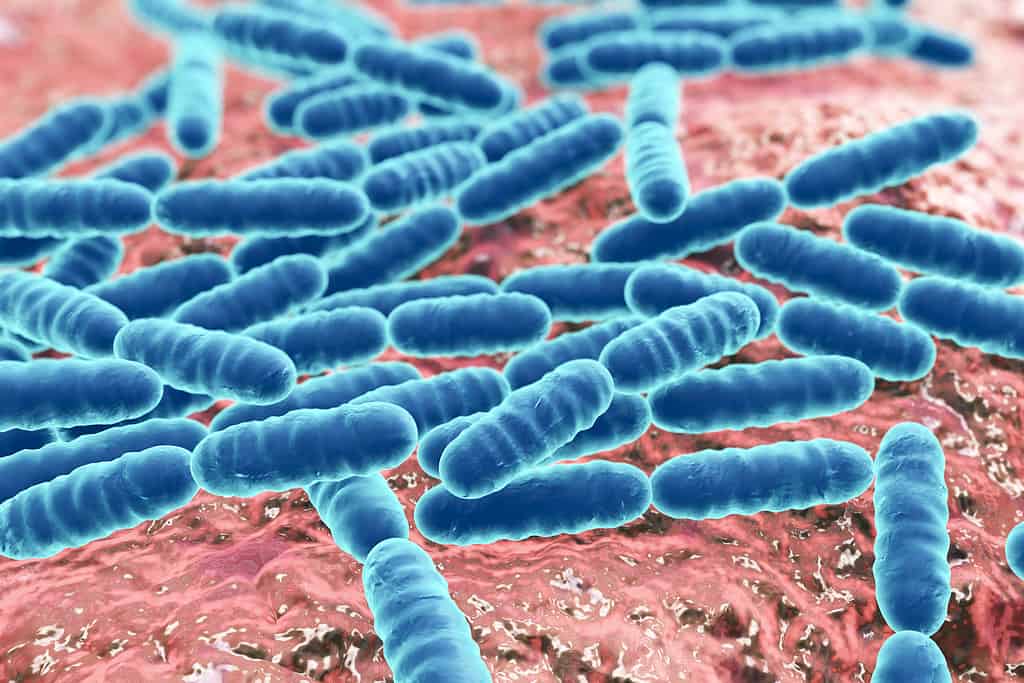
Lactobacilli are important in yoghurt making.
©Dr_Microbe/iStock via Getty Images
By the early 1900s, microbiologists had characterized the first yogurt culture. They isolated the bacteria Lactobacillus delbrueckii subsp. Bulgaricus from a Bulgarian maya. This paved the way for the industrialization of yoghurt production, which used L. delbrueckii subsp. bulgaricus and Streptococcus thermophilus as starters. While both these bacteria produce lactic acid, which brings about fermentation, the industrial yoghurt makers were missing something. Traditional yoghurt making had harnessed a wide biodiversity of microorganisms and did not focus on just a couple of species.
Diversity of Traditional Yoghurt Starters
Traditional yoghurt has multiple sources of microorganisms, which all contribute to the final product. Multiple environmental reservoirs provide microbes for the first yoghurt ferment. These include the dairy animal that provided the milk, the human making the yoghurt, the environment, and even the air. In some Turkish mountain villages, they add pinecones, which we now know contain L. delbrueckii and S. thermophilus. In other cultures, they add chamomile flowers, linden flowers, and nettle roots. But the most surprising additive of all is ants!
How Can Ants Make Yoghurt?
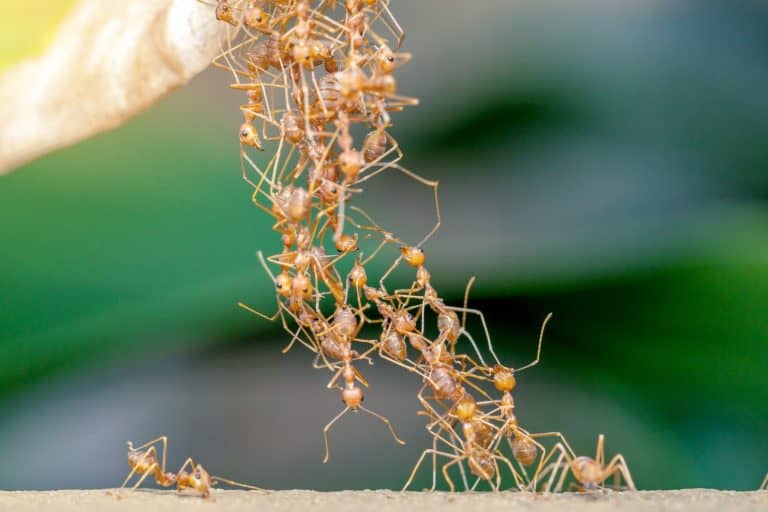
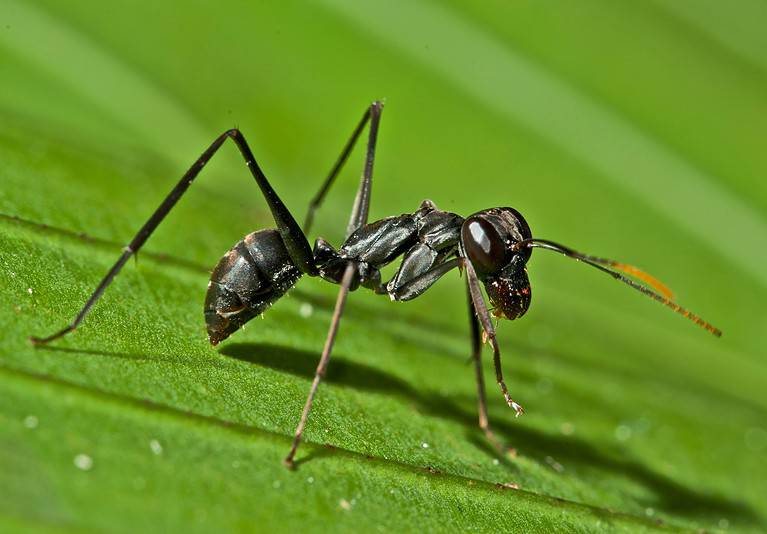
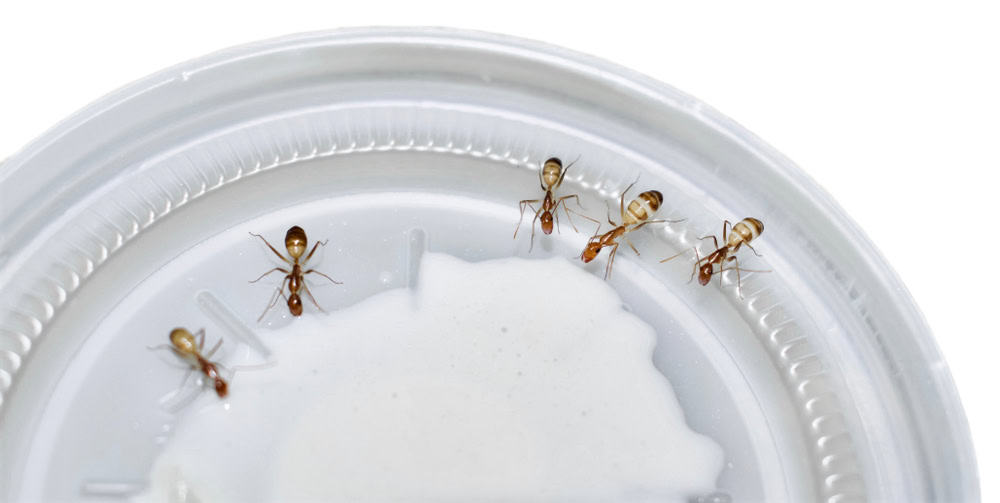
The practice of adding ants to make the first or primary yogurt has been documented across the Balkan Peninsula and Turkey. Sometimes adult ants are added, and at other times it is the eggs, larvae, pupae, or the surrounding nest material.
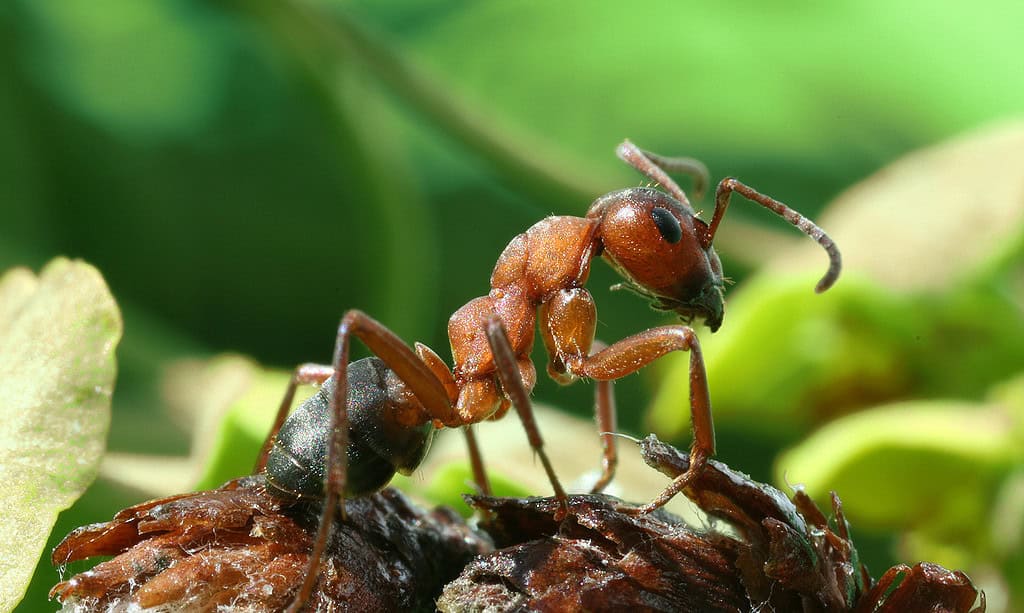
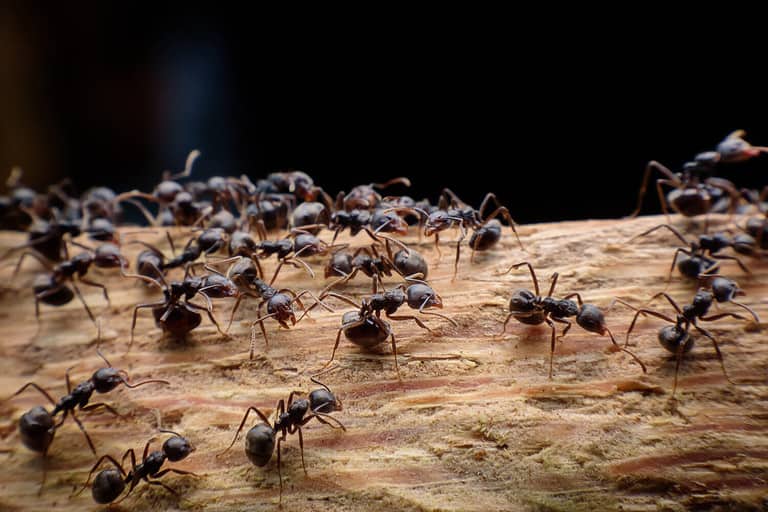
Red wood ants have microorganisms living on them.
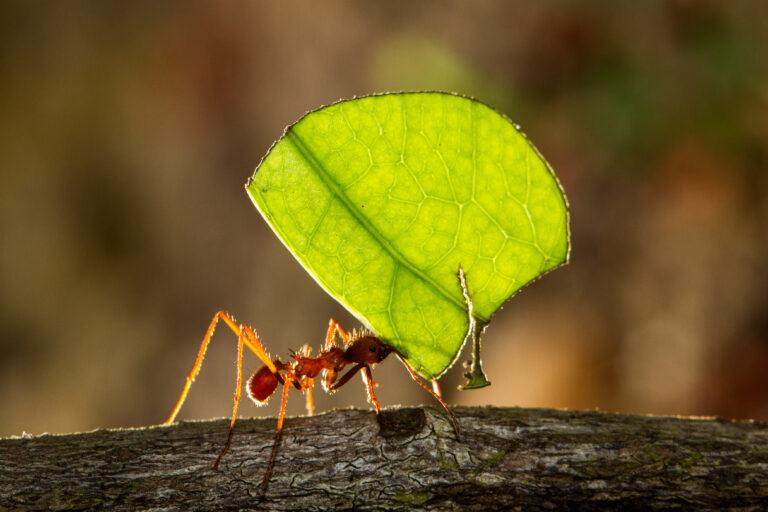
Scientists have studied the practice of using red wood ants (Formica rufa group) as starter cultures for yogurt. In particular, they hypothesized that yogurt fermentation is initiated by the ant ‘holobiont.’ The holobiont is defined as both the host organism (in this case, the ant) and all the other microorganisms that live on and in it, such as bacteria, viruses, and fungi. The theory was that both the ant and the microbes provided acids and enzymes that contributed to fermentation.
Studying Ants Making Yoghurt
In this fascinating study, the researchers used a red wood ant colony selected by members of a traditional community in Bulgaria. Four live ants were added to a glass jar of warmed raw milk, and a cheesecloth was placed over the top. The jar was placed just under the ground within the colony and left to ferment.
By doing this, the ants in the milk were acting as an inoculum, and the colony (which is warmer than the surrounding temperature) was acting as an incubator. When the milk was retrieved and examined, it had a pH of 5 (acidic), was coagulated at the bottom of the container, and had a slightly tangy taste. In short, it had turned into yoghurt!
What Makes Ants Such a Good Yoghurt Starter?
As part of this study, the researchers also investigated what it was about the ants that made them so good at making yoghurt. They found that there were lactic acid bacteria (Lactobacillaceae), acetic acid bacteria (Acetobacteraceae), and obligate intracellular bacteria (Anaplasmataceae) living on the ants. All of these make great yoghurt!

Yoghurt has a tangy taste.
©veryulissa/Shutterstock.com
They also found that adding ants to milk introduced acids and proteases. The formic acid originated from the ant, while lactic and acetic acid were likely produced by bacteria. The ants and bacteria also contributed proteases that could break down the casein (protein) in the milk. The scientists concluded that the different parts of the ant holobiont worked together, enhancing the overall effect. So, the formic acid from the ants initially acidifies the milk, then the bacteria break down milk sugars, producing additional acid. Finally, the proteases release peptides and amino acids, which allow the bacteria to multiply even more.
Don’t Try This At Home
Just in case you are thinking of racing into your yard with a jar of milk to look for some ants, please don’t. We caution very strongly against trying this for yourself for several reasons. Firstly, some Formica red wood ant populations are in decline, and it will not help them if commercial interests try to use them for food production.
What’s more, there are food safety concerns associated with ant yoghurt, which means that only those with specialized knowledge should make it. Formica ants can carry the parasite Dicrocoelium dendriticum, which may pose a health risk to humans. Where frozen ants are used, there is also the potential for pathogens such as Bacillus spp. to enter the yoghurt. This is a practice that should be left to the experts.