
Quick Take
- Overeating is a common occurrence in cattle, but it can bring about many deadly diseases and scenarios.
- Any changes in diet can greatly affect a cow’s rumen, or their first stomach.
- Lush pastures act as a silent threat rather than a nutritional benefit under specific, often seasonal, conditions.
- Implementing a gradual diet transition period is essential to prevent metabolic collapse in cattle during peak grazing seasons.
Cows are literally designed to eat for hours, which can actually get them in trouble. The rumen, or a cow’s first stomach (and why they’re called ruminators), is a fermentation system that thrives on consistency. When cattle gorge on grain or have an unexpected change in their diets, the microbial balance within the rumen can shift, sometimes in life-threatening ways.
It may be difficult to believe how common overeating is in cattle, especially when the consequences are so great. Depending on the age or species, overeating in cattle can trigger bloat that kills by suffocation, acidosis that spirals into organ failure, poisoning from certain stressed forages, and delayed problems that show up later. What are some of the diseases caused by overeating? How deadly are they, really?
Today, we’re breaking down the biggest examples of overeating and overgrazing disorders cattle owners run into, including how common they are and what cattle owners can do to help their animals through it. Let’s get eatin’!
Acute Ruminal Acidosis (Grain Overload)
A classic problem for cattle is when they sneak into the grain stores and feast. Doesn’t sound too terrible, does it? Well, in the Merck Veterinary Manual’s grain overload overview, acute overload is tied to rumen shutdown, dehydration, acidosis, collapse, and in severe cases, death. A cow can decline quickly if they’re suffering from a grain overload, and it is a difficult disease to measure statistically.
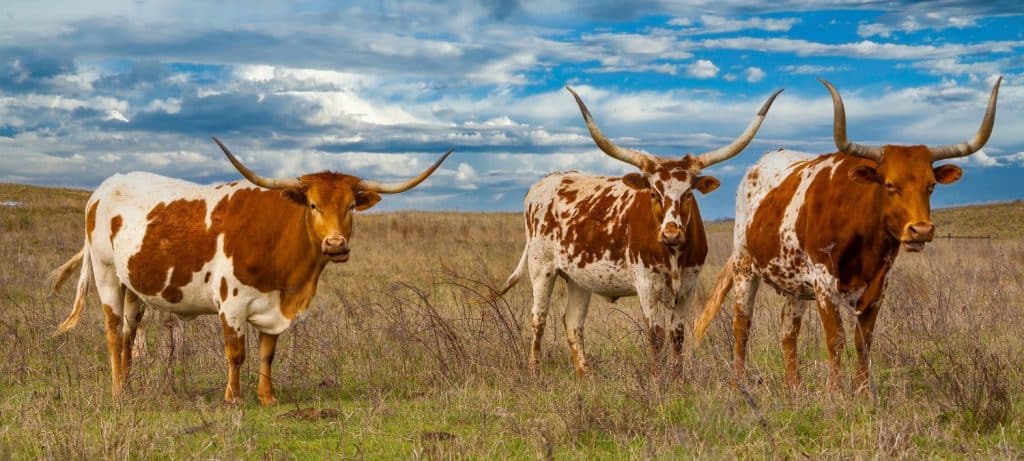
Cattle breaking into grain storage can actually be deadly.
©Bob Pool/Shutterstock.com
How to prevent it: lock up grain and high-energy supplements, and step cattle up gradually anytime concentrates increase, as the rumen needs time to adapt.
Subacute Ruminal Acidosis (SARA)
SARA is a sneaky consequence from overeating. Cows can look fine, but performance drops and additional problems start stacking up quickly. The Merck Veterinary Manual’s SARA page explains that this disease is characterized by intermittent, self-correcting low rumen pH, often driven by readily fermentable carbs and inconsistent intake patterns.
Subacute ruminal acidosis primarily affects high-producing dairy cows, particularly in early and mid-lactation. Prevalence rates vary widely, with studies reporting between 0% and 40% of cows affected on individual farms.
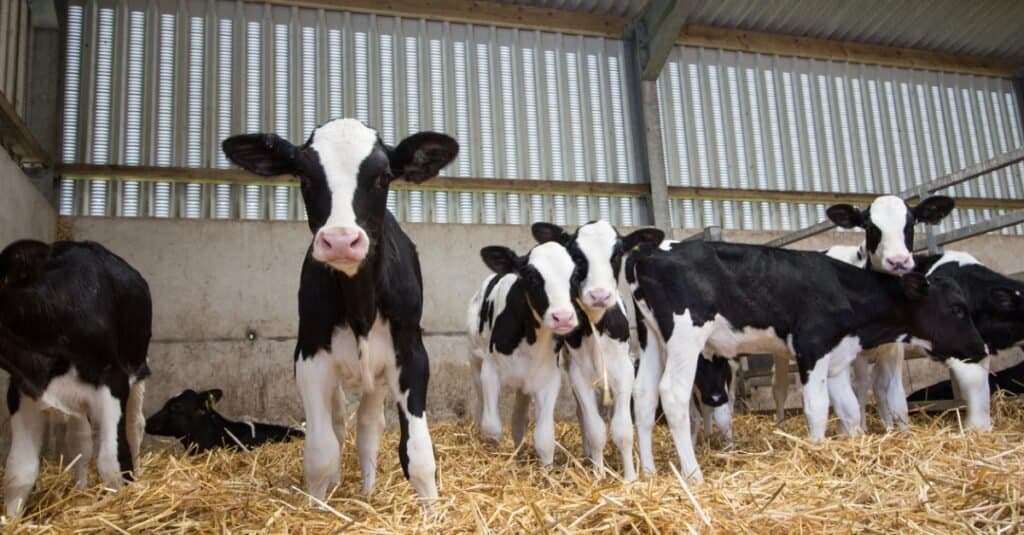
Calves can be affected by many overeating diseases, too.
©iStock.com/Deb Drury
How to prevent it: keep effective fiber high enough to support rumination and avoid situations where cattle eat huge meals after being deprived; it won’t help.
Frothy Pasture Bloat
Frothy bloat happens when stable foam traps fermentation gas, and it’s strongly linked to gorging on lush legume pastures, like clover and alfalfa. If the rumen swells enough, the cow can suffocate from the inside out, making it a scary one; death losses from pasture bloat are typically around 1–3% annually, but can be much higher (up to 10–20%) during severe outbreaks on individual pastures.
How to prevent it: don’t turn hungry cattle onto high-risk pasture and manage legume-heavy stands carefully. There are also proven preventatives to use when risk is high, such as poloxalene.
Free-Gas Bloat
Free-gas bloat is different from frothy pasture bloat, as it’s any gas that can’t escape. If a cow’s eructation is impaired or something is physically blocking it, removing an esophageal obstruction may be part of treatment in some cases.
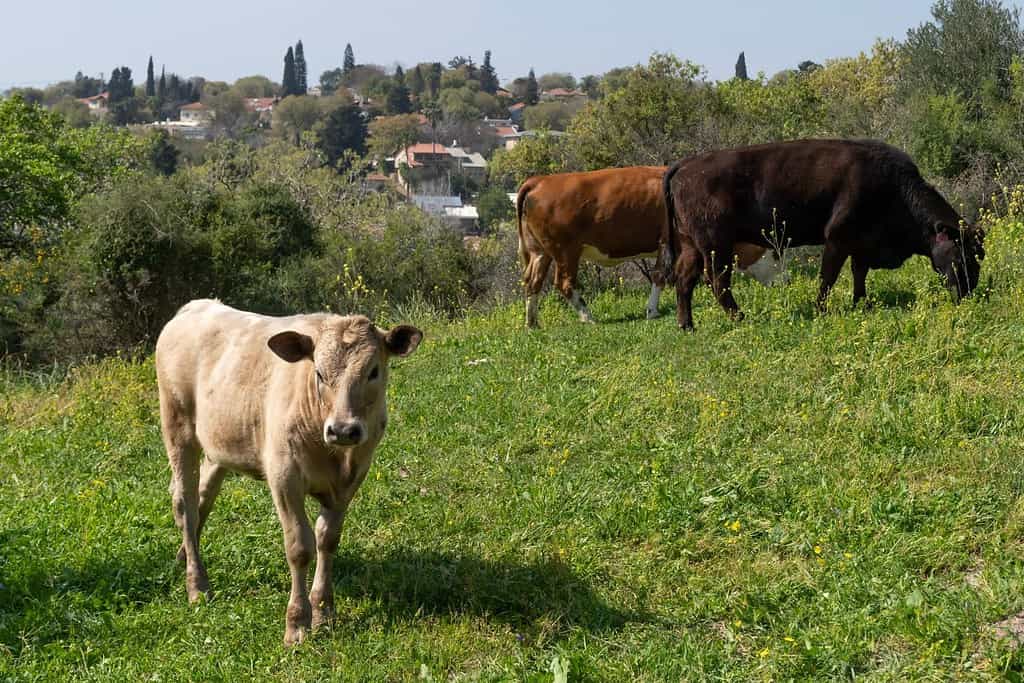
The content of your pasture matters for keeping cattle safe.
©Barbarajo/Shutterstock.com
How to prevent it: maintain consistent feeding routines and don’t let cattle eat too much feed after deprivation. If you’re seeing bloat in a feeding situation, adjust your ground rations and consider a fiber increase in your herd’s diet.
Esophageal Obstruction
Also known as choke, esophageal obstruction is a direct overeating-style problem. Fast eaters, encouraging competitive feeding, or allowing access to the wrong objects or food can cause obstructions. While breathing can be affected, bloating can also be a side effect of any type of obstruction.
How to prevent it: limit access to risky single-item feeds and reduce competition at feeding time or stations.
Rumenitis and Liver Abscesses
Acidosis is a common side effect and disease caused by many overeating habits, which can damage the rumen lining. From that damage, bacteria can cross into the bloodstream, and liver abscesses may develop later. The Merck Veterinary Manual’s liver abscess overview ties abscesses strongly to rations that predispose cattle to rumenitis, which is why lush pasture bloat may not always be the end of your problems.
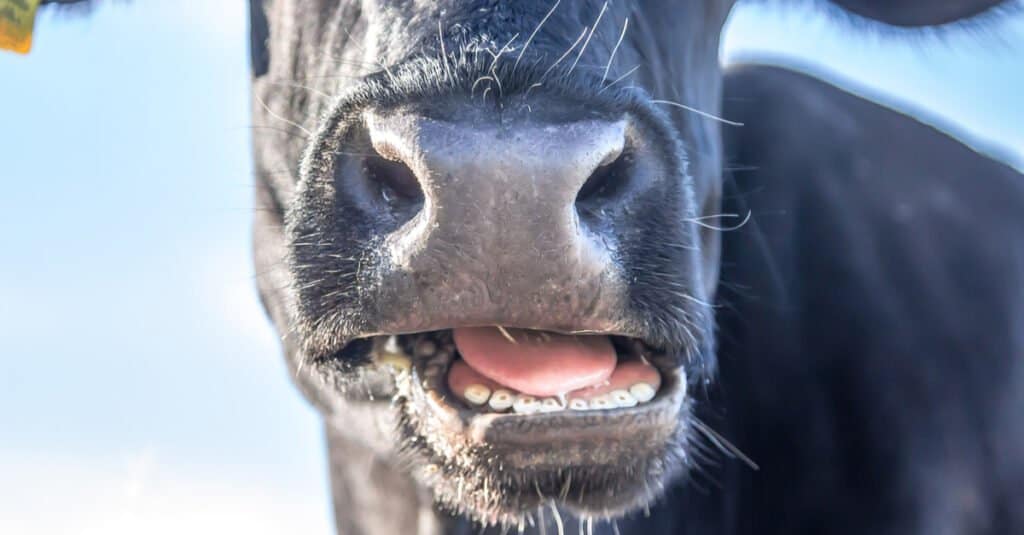
The rumen needs adequate fiber and must be slowly transitioned to any new diets.
©Vladimir Konstantinov/Shutterstock.com
How to prevent it: Always implement slow transitions for new diets, adequate fiber, and consistent intake patterns across all ages of cattle. Survivors of grain overload or other diseases may develop rumenitis and abscesses, so prevention is worth the effort in the long run.
Laminitis and Claw Horn Damage
Hoof problems can also be a delayed consequence of diet issues in cattle. Managing acidosis is critical to preventing laminitis, especially where high-energy feeding is pushing cattle toward rumen upset. Many diseases cattle face stack on top of the other, and issues with the feet show up far later, so be sure to remain vigilant.
How to prevent it: keep rumen health stable using fiber and consistent, gradual energy increases. If your herd appears to have sore or sensitive hooves, it’s worth treating them for rumen stability or diseases first.
Polioencephalomalacia (PEM)
PEM is one of the scariest diet-linked diseases for cattle because it’s neurological. Commonly resulting from thiamine deficiencies or sulfur toxicosis, PEM can cause blindness, head pressing, seizures, and potentially death in cattle of all ages. While signs can be devastating, there are preventative measures you can take beforehand.
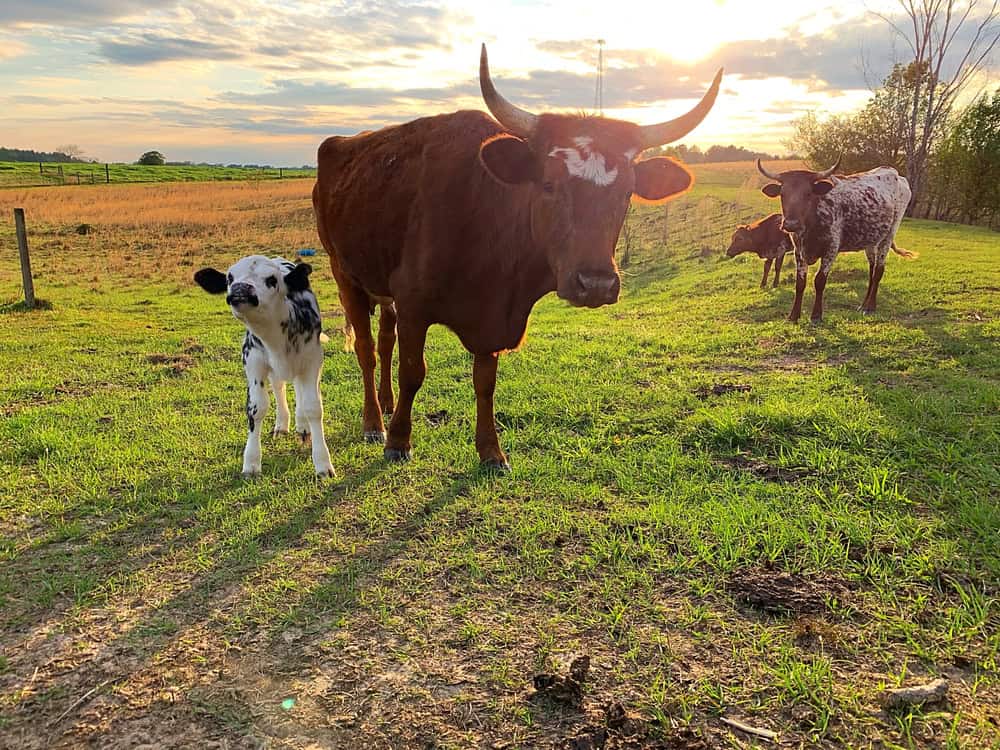
Legume pastures can be unsafe if cows gorge on them.
©Terry J Poche/Shutterstock.com
How to prevent it: manage sulfur intake from feed and water and work with a veterinarian if you’re feeding high-sulfur byproducts or suspect water issues. Always transition diet changes smoothly and slowly.
Clostridial Disease (Literally “Overeating Disease”)
When a healthy calf suddenly drops dead, many owners wonder what’s to blame. The University of Arizona Cooperative Extension’s clostridial disease guide explains that Clostridium perfringens Type D is often called overeating disease and is what happens when older calves eat high-grain rations. Excess feed acts as a trigger, and sudden death is one of the possible results.
How to prevent it: keep feed changes in calves gradual and follow a vaccination plan appropriate to your herd with your vet.
Grass Tetany (Hypomagnesemia) on Lush Pasture
When a pasture looks lush and amazing why stop a cow from grazing non-stop? Well, new and lush spring growth can actually be low in magnesium availability, and the risk rises when cattle transition to rapidly growing forages from dried foods.
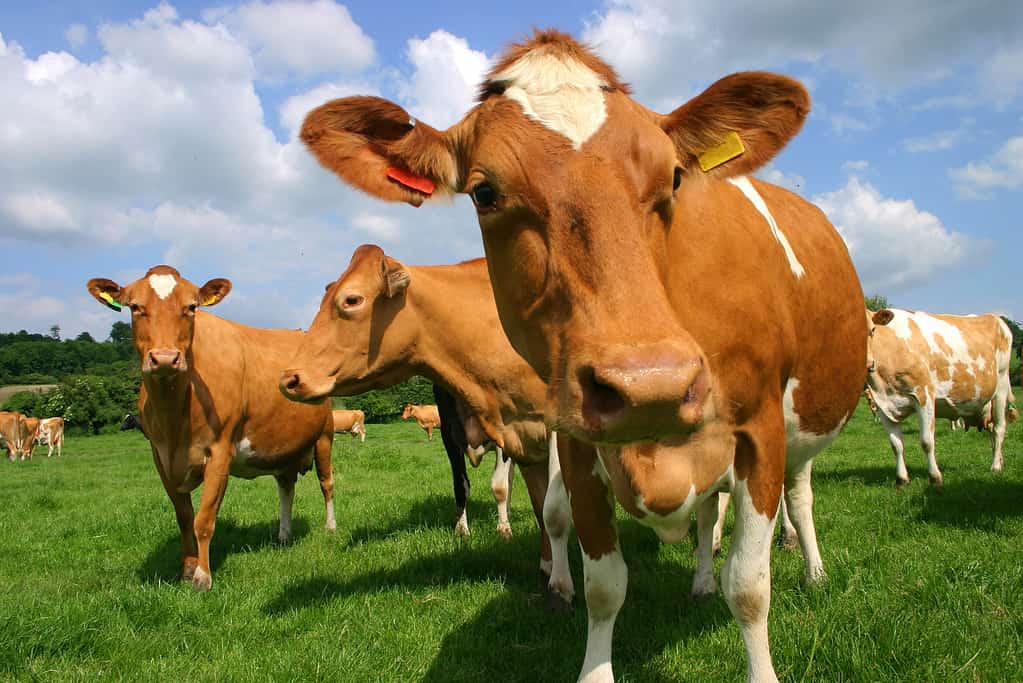
Fresh spring grasses can be low in magnesium, which can lead to grass tetany (hypomagnesemia) in cattle that graze heavily on them.
©pelvidge/iStock via Getty Images
How to prevent it: start with a high-magnesium mineral before turnout and make sure intake actually happens. That way, the rumen is prepared for any diet changes that may occur when eating fresh spring grasses.
Nitrate Toxicity After Heavy Grazing or Stress
Nitrate toxicity is an issue that gets worse when cattle are hungry or those that choose to gorge when stressed. It can be lethal when cattle consume forages, feeds, or even water that have excessive nitrate concentrations. Thankfully, there are tests available to help you figure this one out.
How to prevent it: test suspect forage and dilute any high-nitrate feed. Also, never turn hungry cattle onto questionable fields, as any nitrate overload easily becomes dangerous inside the rumen.
Prussic Acid (Cyanide) Poisoning on Regrowth
Prussic acid risk rises in certain sorghum-family forages during regrowth after drought or frost, which is why grazing warnings often coincide with frost events. Depending on the feed, deadly levels of cyanide can be present, leaving your cattle sick and dying in a short amount of time.
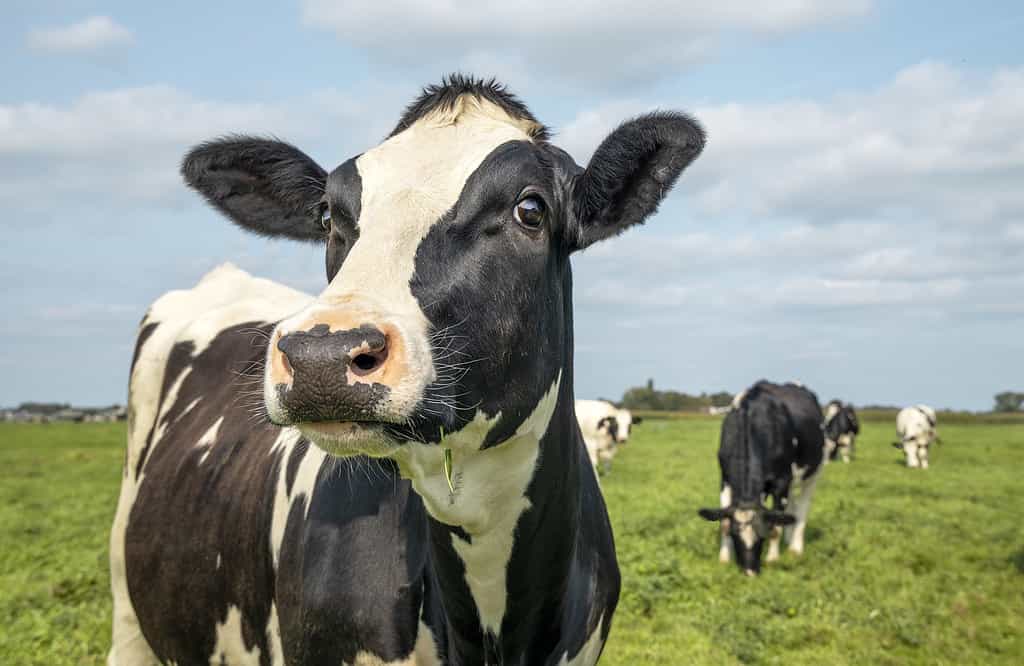
Pasture-feeding after frost conditions can have dangerous possibilities, too.
©Clara Bastian/iStock via Getty Images
How to prevent it: manage grazing timing carefully on risky forages, especially after frost, and avoid letting cattle hit suspect regrowth when they’re very, very hungry.
Dietary Abomasal Impaction
When cattle over-consume very dry, coarse feed, especially with inadequate water access, the gut can become heavily impacted and full. Classic signs can include anorexia, scant feces, abdominal distention, weight loss, and weakness. The cattle is essentially backed up, with no hope of relief.
How to prevent it: ensure consistent water access and manage fiber type and feed form so cattle aren’t inhaling dry material in a binge setting.
Displaced Abomasum and Abomasal Volvulus
While mostly common in dairy cow settings, displaced abomasum and volvulus occurs when gases fill a cattle’s abdomen. Dairy cattle can deteriorate rapidly, with decreased milk production and fatigue being clear signs. Surgery is often one of the only options left if a cow is diagnosed with this one.
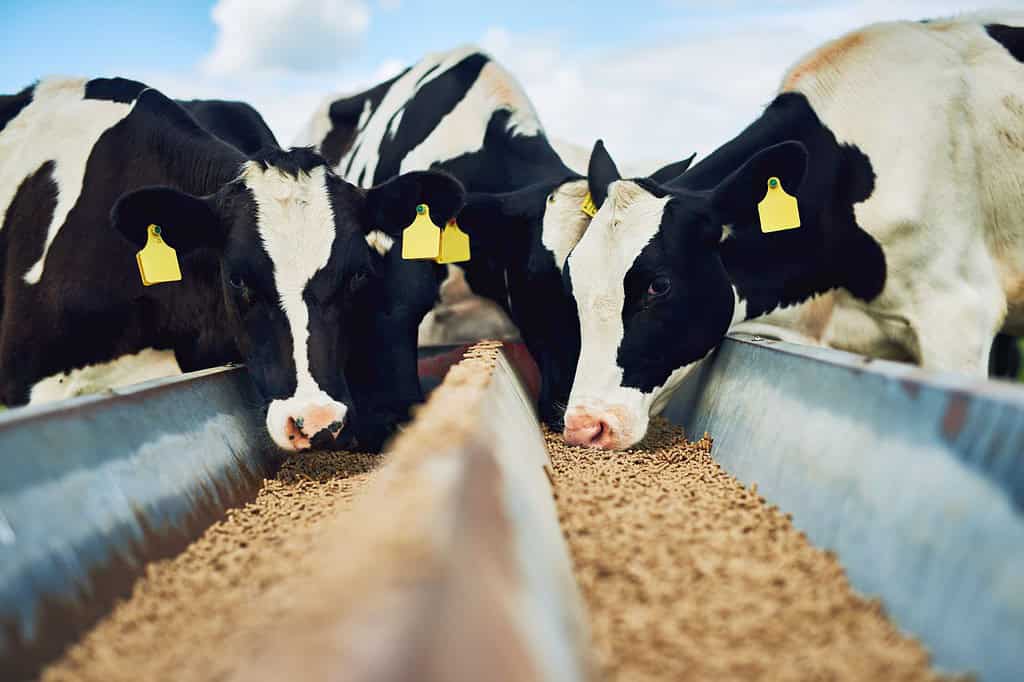
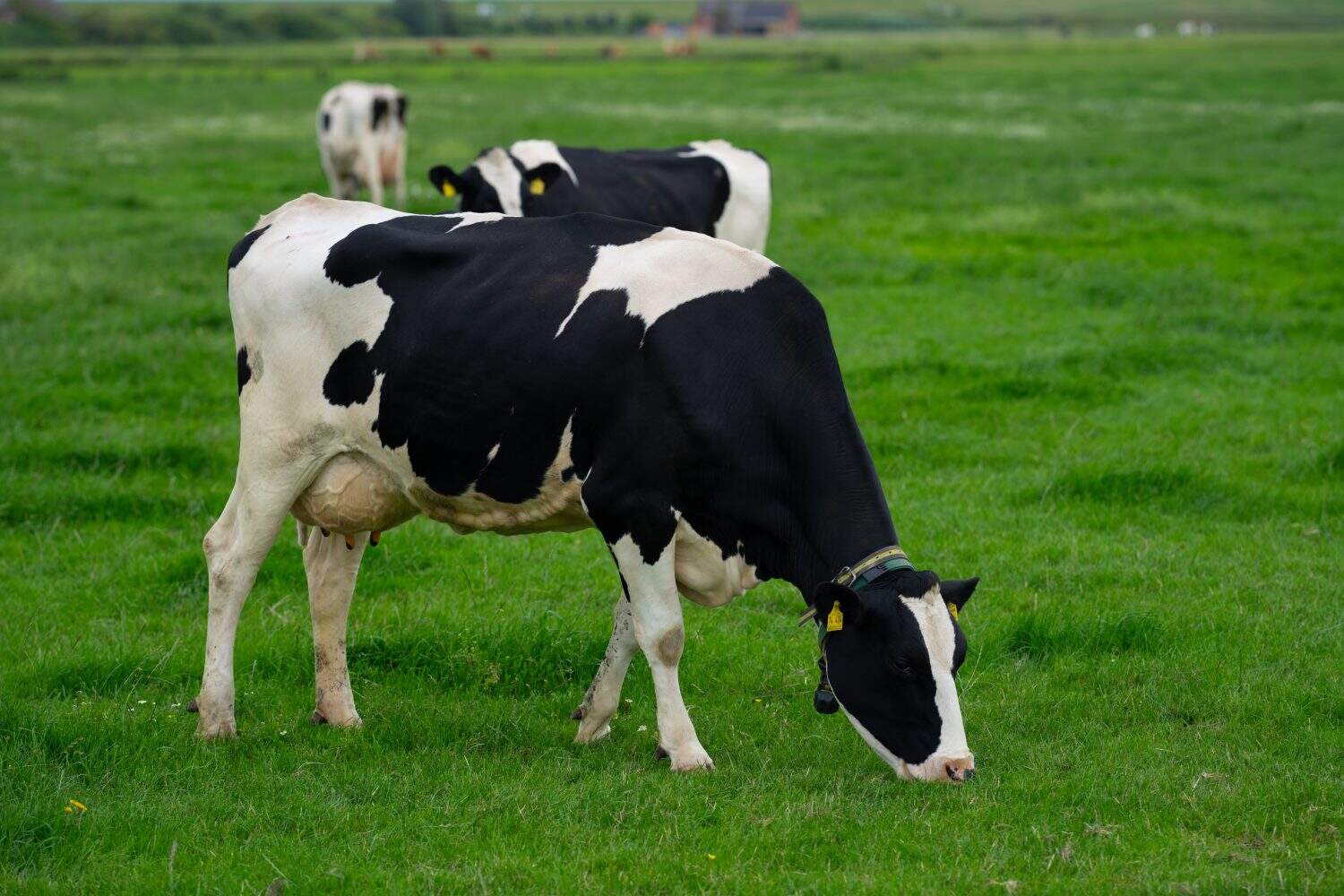
Dairy cows face their own sets of diseases caused by overeating.
©PeopleImages.com – Yuri A/Shutterstock.com
How to prevent it: keep transition-period feeding consistent and support rumen fill with adequate forage. Higher-fiber strategies may also help to reduce risk.
Fatty Liver and Ketosis in Overconditioned Cows
Overconditioned or consistently overfed cows can easily slide into metabolic trouble, especially over long periods of time. They are more likely to develop fatty livers and other diseases, all of which shorten their lifespan.
How to prevent it: manage body conditions, especially before calving, and don’t treat heavy weights as harmless. Prevention should start well before a cow looks sick, as fatty livers often pass by under the radar until it’s too late.
What Cattle Owners Can Do to Prevent Gorging Problems and Diseases
Having cattle involved in a routine and giving them consistency in their diets will help keep them safe. Some of the best ways to keep cattle safe from overeating and gorging habits include:
- Plan for escape events. Keep your grain room locked up from any hungry cow, and try to maintain property lines to prevent them from escaping and feeding on any unwanted substance.
- Make diet changes slow and intentional. When grain or high-fermentable feeds increase, it’s easy for cattle to suffer. Always change diets slowly, and keep it balanced.
- Keep effective fiber non-negotiable. Cattle require fiber to keep their rumens happy. Enough said.
- Don’t turn hungry cattle onto high-risk pasture. Legume-heavy fields and fresh spring grasses can harm cattle, especially hungry ones. Keep them away from high-risk areas until controlled feeding can happen.
- Use mineral strategy seasonally. High-magnesium mineral content needs to be paid attention to, especially in seasons where these grasses are prevalent.
- Test forages when conditions are risky. Drought stress, heavy fertilization, frost regrowth, and other factors can greatly influence feed quality, so always test before cattle gorge.
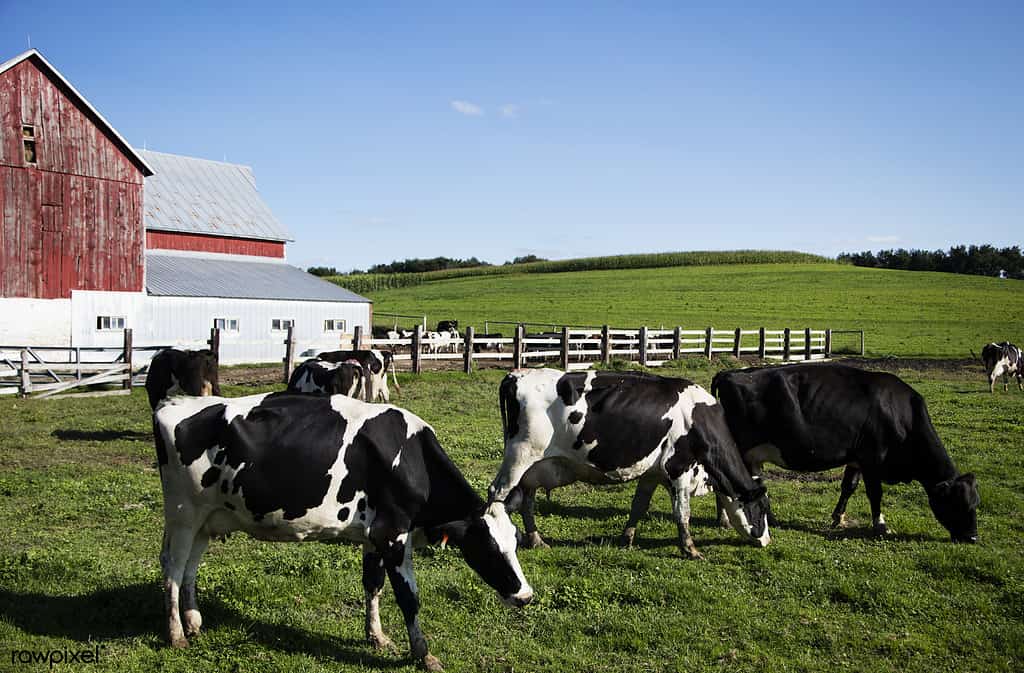
No matter the type of cattle you have, make sure they aren’t overeating!
If you have cattle, remember just how easily they can overeat. While it may seem like a normal situation, allowing cattle to overgraze can cause serious health concerns, and even death. Keep your herd safe and well-fed… just not over-fed!