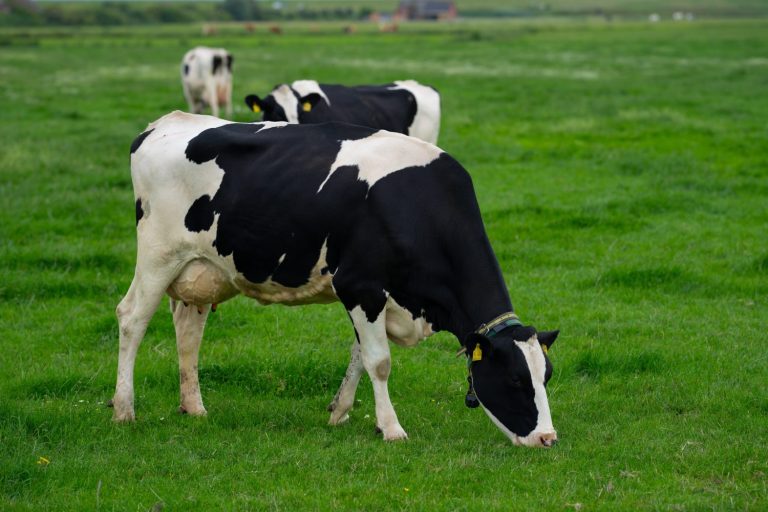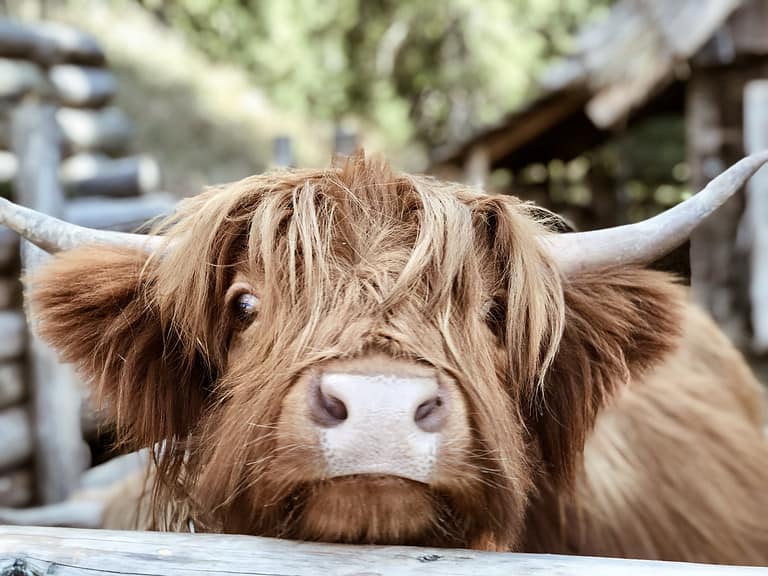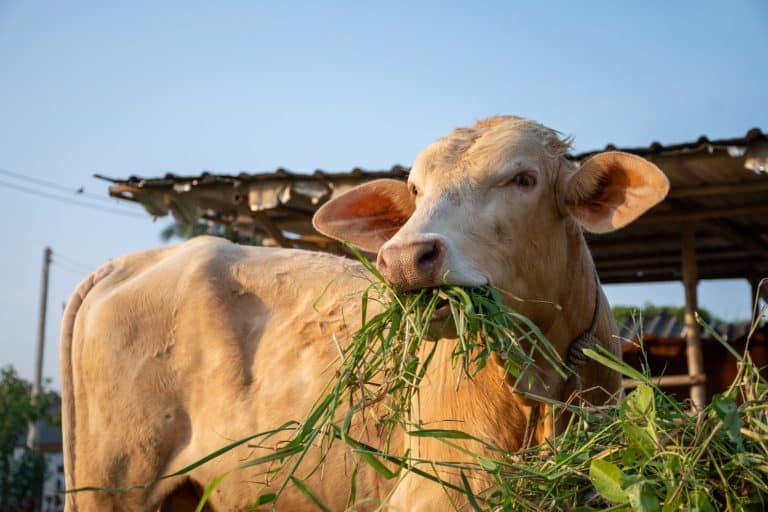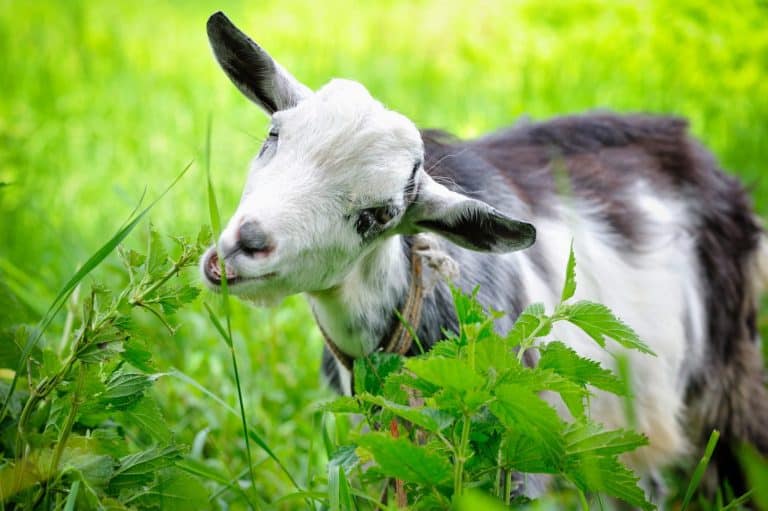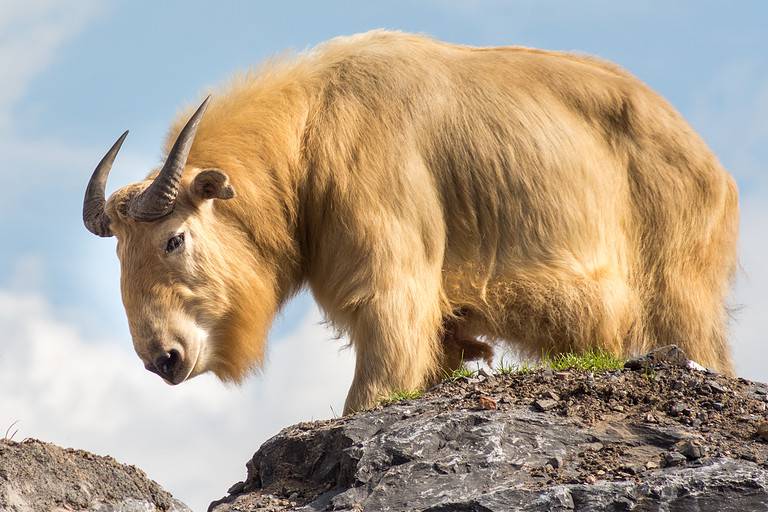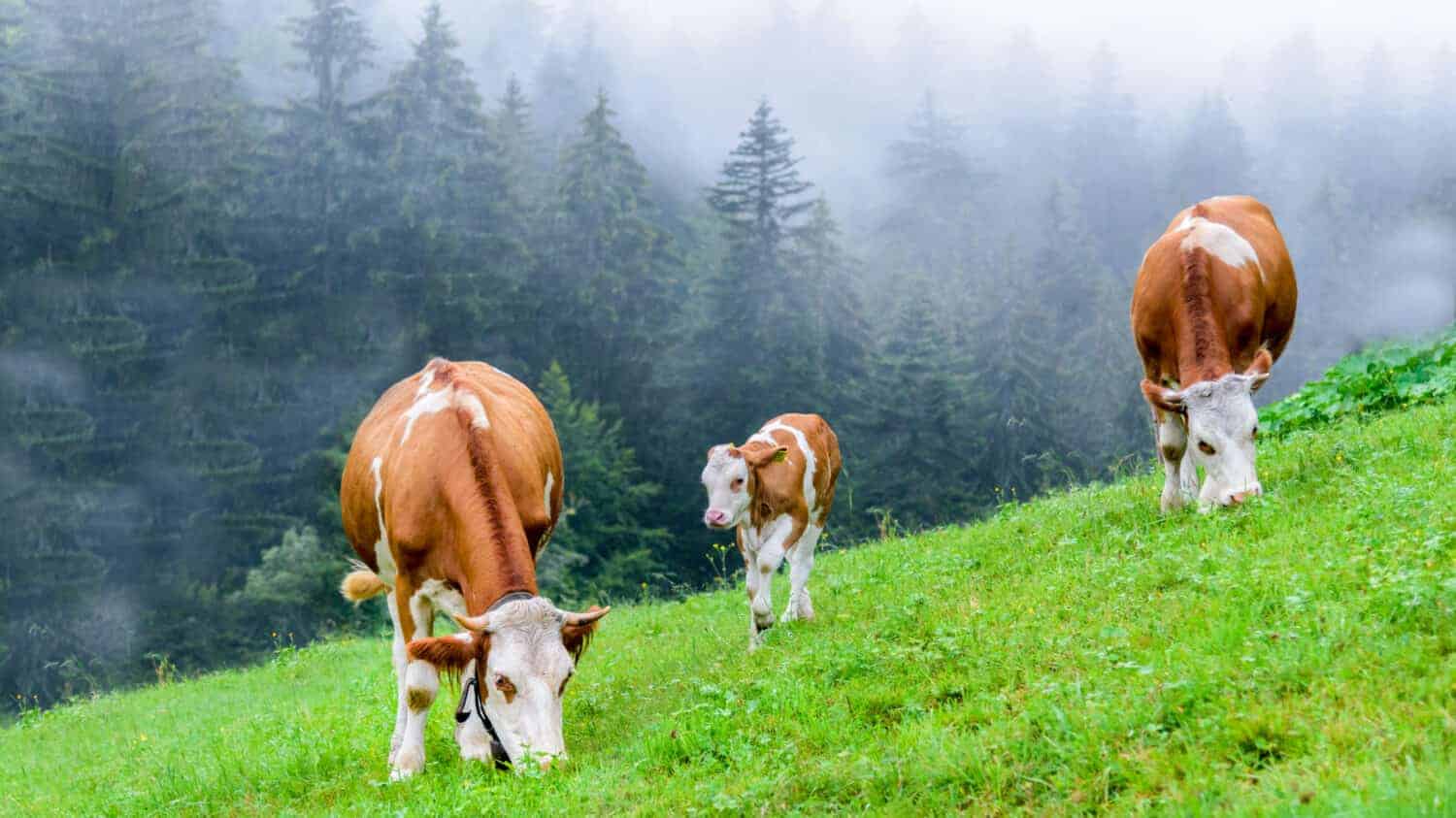

Cows, along with sheep, goats, deer, antelope, bison, buffalo, moose, elk, and reindeer, are all ruminants. These are mammals with four compartments in their digestive system that let them re-chew and thoroughly process the tough plant fibers they eat to draw nutrients from them. Because of this, cattle can live on pasture that would not feed single-stomached animals and still maintain weight, produce milk, and raise calves. Here’s the story of how this remarkable system works.
The Four Compartments
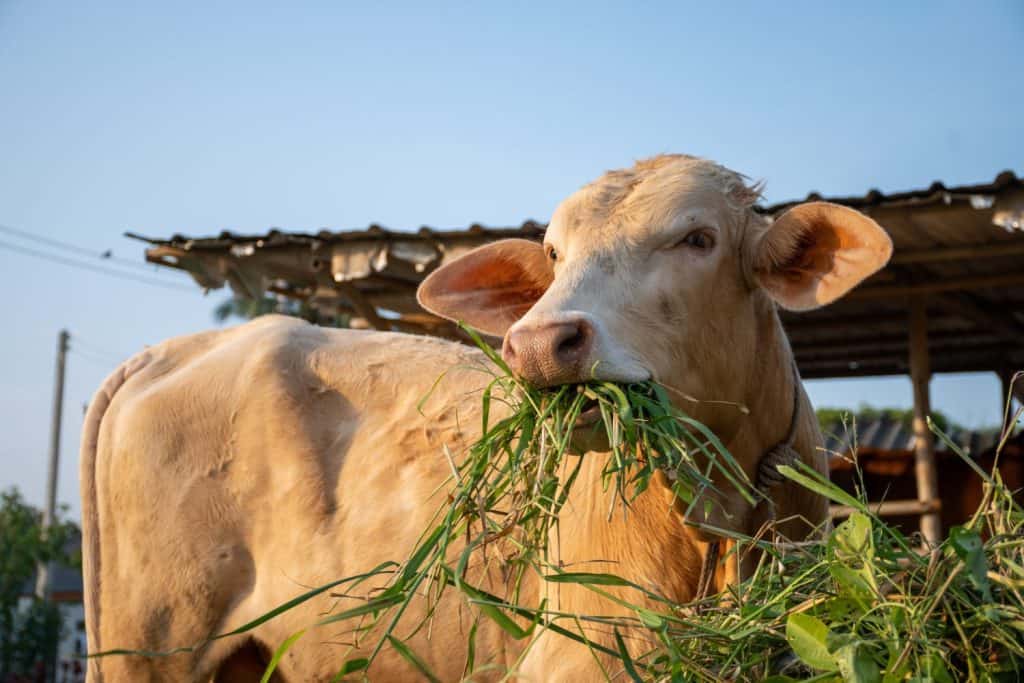
A cow’s digestive system has four compartments.
©amfroey/Shutterstock.com
People often say cows have four stomachs. The accurate statement is that cows have one stomach with four compartments. This setup makes the digestion of fibrous plants easier. Throughout the day, food shuttles among these chambers and particles are broken down smaller as the cow alternates grazing, ruminating, and idling. When diets match animal needs and grazing preserves plant communities, the system can produce food while maintaining soil cover. Understanding how each compartment works helps farmers match forage types, harvest timing, and supplementation to the cow’s biology. That knowledge supports healthier herds, steadier milk, and resilient pastures.
The Rumen
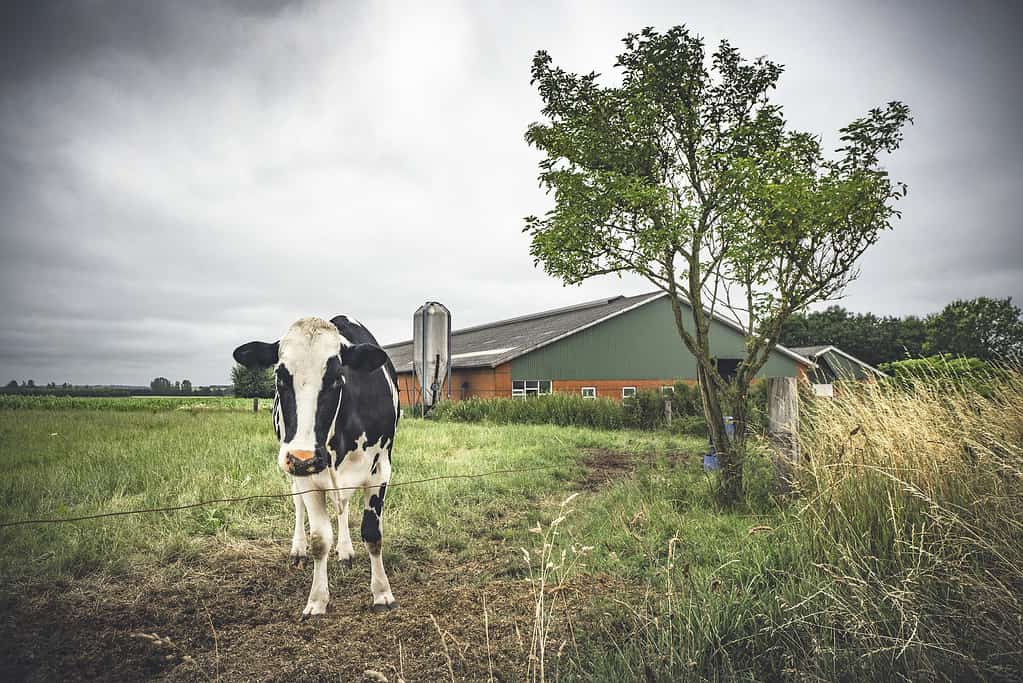
The largest compartment of a cow’s stomach holds as much fluid as a bathtub.
©Sportactive/iStock via Getty Images
The rumen is the largest compartment, and 70-80% of digestion takes place there. In adult cattle, it can hold roughly 40 to 50 gallons of material. That’s about the equivalent of a bathtub. The rumen is packed with microbes that ferment plant fiber and release volatile fatty acids. Those in turn are absorbed through the rumen wall and used by the animal for energy. Its papillae increase surface area, improving absorption of acids and maintaining efficient fermentation throughout digestion. The rumen is oxygen-free and stays warm and moist, which suits microbial growth. Gentle muscular contractions keep contents mixed and move gas forward for release.
The Reticulum
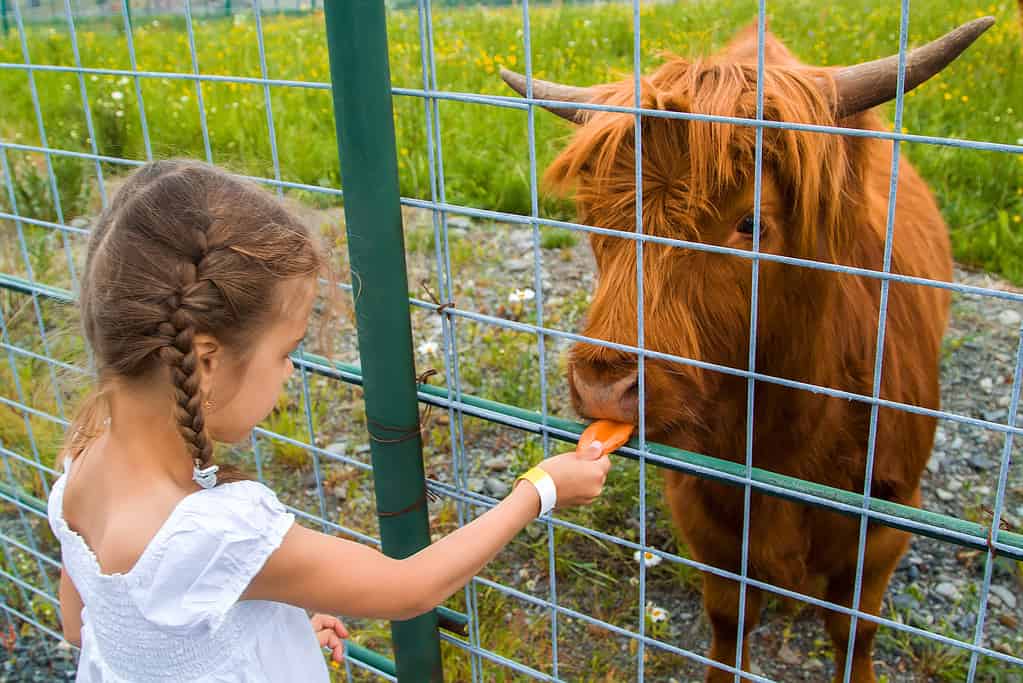
You might be surprised to know that farmers put magnets into cows’ stomachs to catch bits of wire or other metal they might swallow by accident.
©sommersby/iStock via Getty Images
The reticulum sits next to the rumen and shares its contents. Its honeycomb lining catches heavier items and helps form a chunk of material called “cud.” Once it gets too large, nerves signal the cow to regurgitate it, chew it, and swallow it again. This adds saliva to it to keep the rumen pH in a safe range for microbes.
The reticulum’s sorting action also traps metal objects. While the cow is grazing, it might accidentally swallow a nail or piece of wire, which can pierce the reticulum, a condition called “hardware disease.” To prevent this, farmers use a stomach tube to put a cigar-shaped magnet into each calf’s reticulum. It stays there for life and collects any pieces of metal the cow swallows, protecting the animal from potentially fatal internal injuries. If necessary, it can be removed surgically, but it is usually retrieved only when the animal is slaughtered.
The Omasum
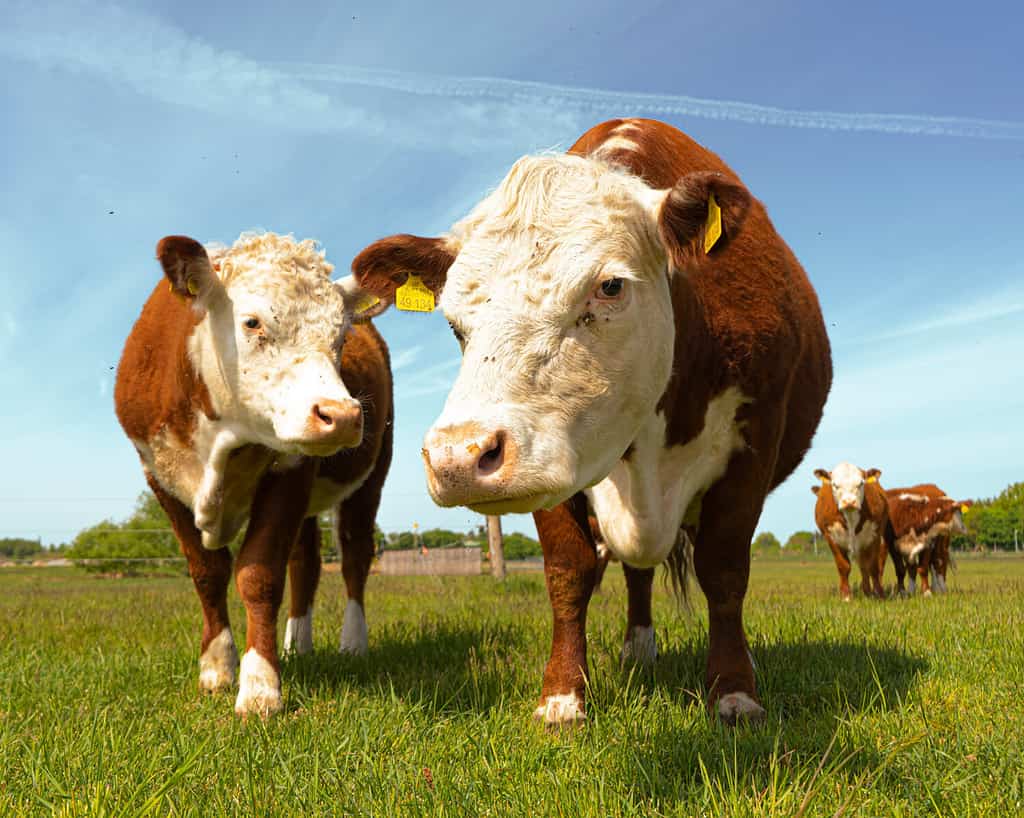
The omasum absorbs water and minerals from the digested food.
©247 FILM/Shutterstock.com
After fermentation and sorting, the feed passes to the omasum. This compartment has many thin folds that resemble pages of a book. The folds increase surface area, allowing the cow to absorb water, sodium, and other minerals. Muscular action squeezes the material, further reducing particle size. By concentrating the material being digested, the omasum helps control the fluid balance and makes downstream digestion more efficient.
The Abomasum
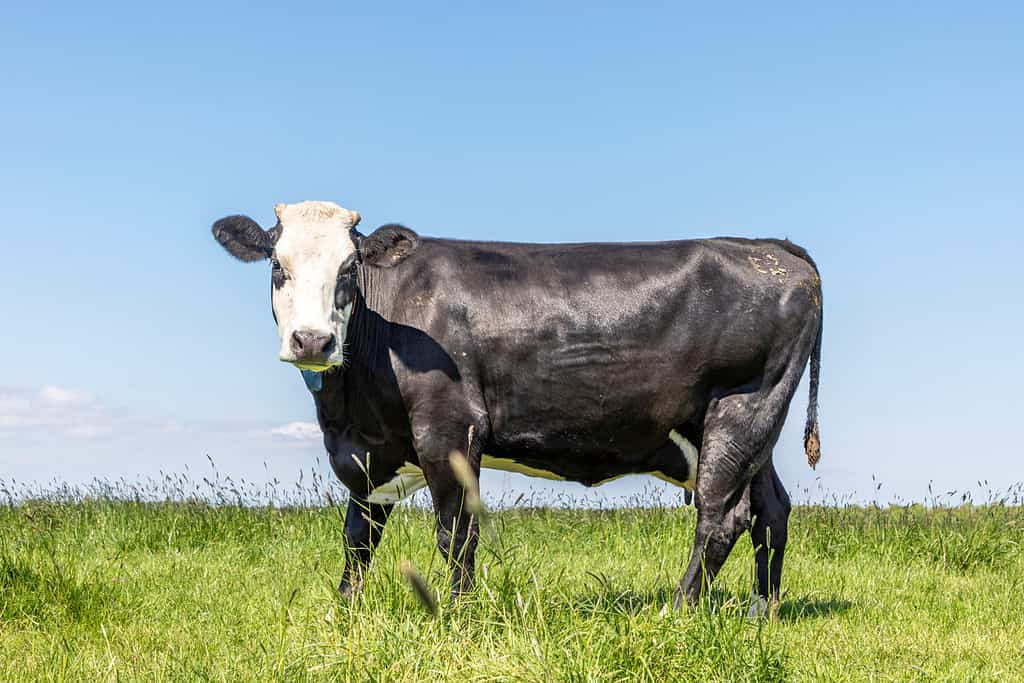
In its role, the abomasum secretes hydrochloric acid in the digestion process.
©Clara Bastian/Shutterstock.com
The abomasum is the true stomach. It secretes hydrochloric acid and enzymes such as pepsin to break down proteins and makes the partially digested food into a slurry. After this chemical digestion, nutrients move to the small intestine, where the cow absorbs amino acids, sugars from residual starch, fatty acids, vitamins, and minerals. The large intestine reclaims water and houses microbes that ferment any remaining fiber.
How the Cycle Works Together
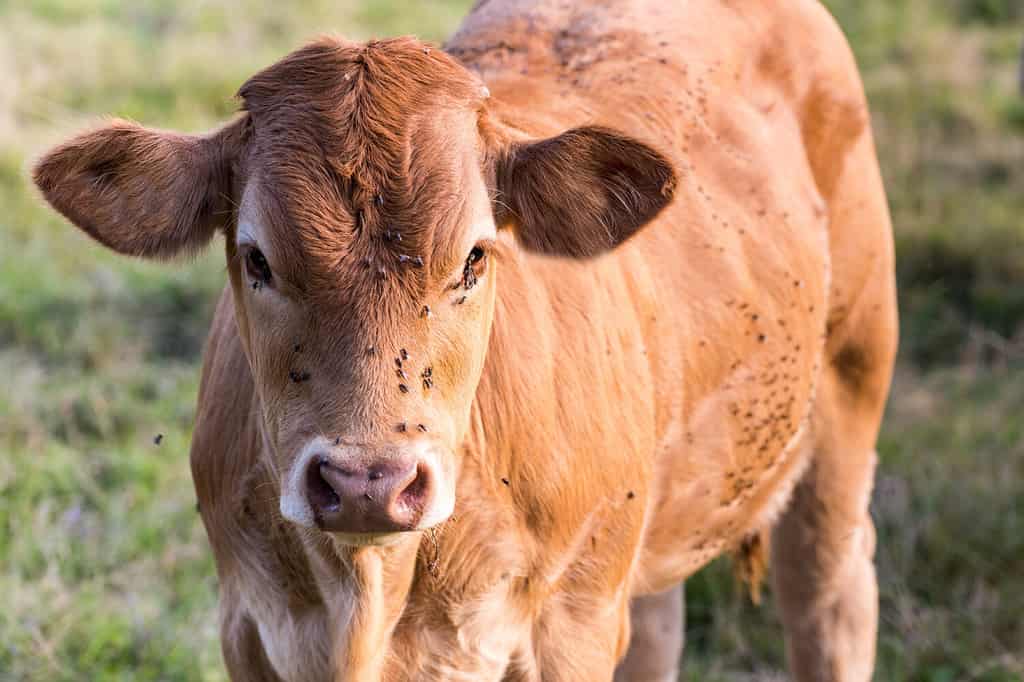
Cows spend most of their day eating and chewing the cud.
©Pitamaha/Shutterstock.com
Eating, ruminating, and microbial fermentation run on a loop. The cow grazes, swallows, and later rests to chew cud for hours. Re-chewing exposes more surface area, which speeds microbial attack. Microbes break down structural carbohydrates that the cow’s own enzymes cannot touch. In return, the cow provides a warm home and a steady food supply to the microbes. The result is a steady flow of energy from volatile fatty acids and microbial protein that the cow digests in the intestines after microbes wash out of the rumen.
How Long Does Digestion Take?
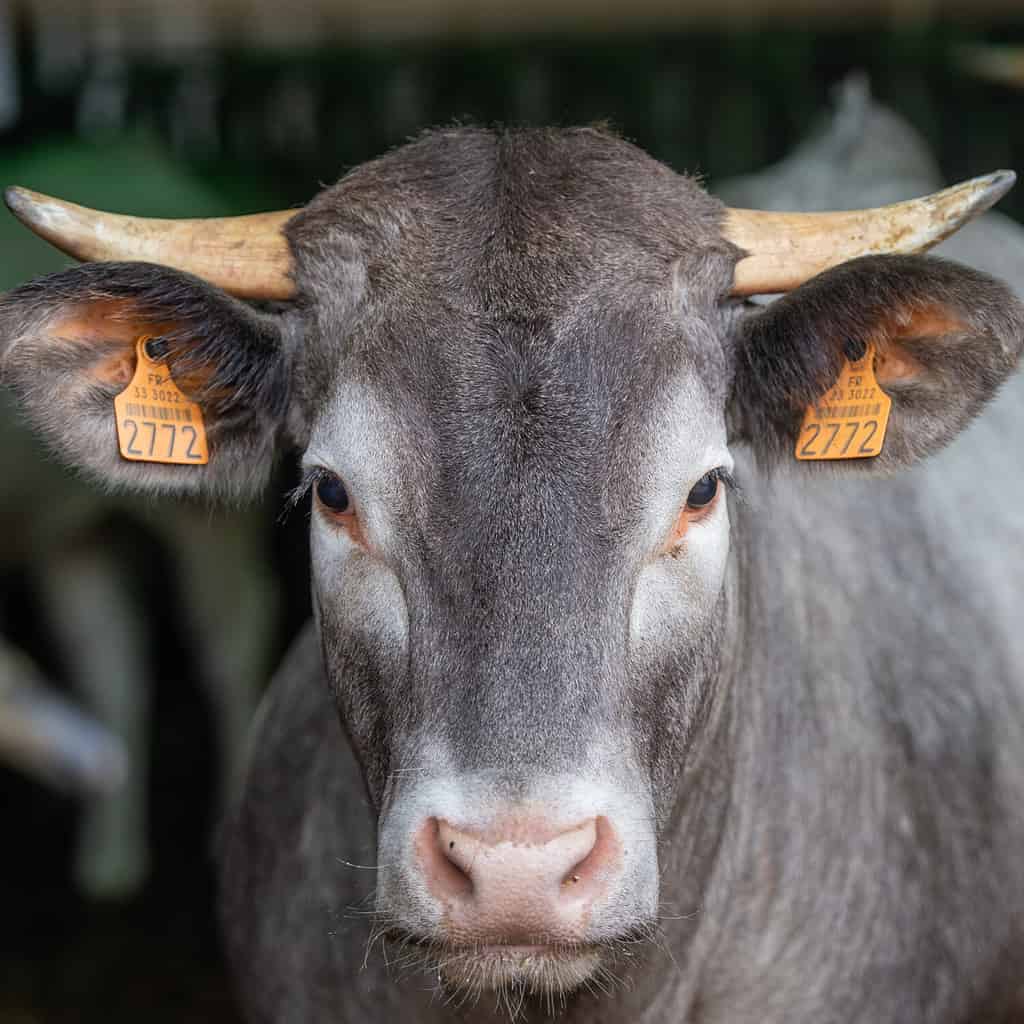
Cows spend more than half of every 24-hour period grazing and cud-chewing.
©FreeProd33/Shutterstock.com
Cattle spend many hours each day on intake and cud chewing. A typical adult may spend six to seven hours eating and as much as eight hours ruminating, spread across the day and night. Total passage time through the gastrointestinal tract often falls between one and three days. Rumen retention time is longest, since fiber must ferment before it can pass. Forage quality, particle size, feed intake, heat stress, and illness can all lengthen or shorten these times.
The Problem of Methane
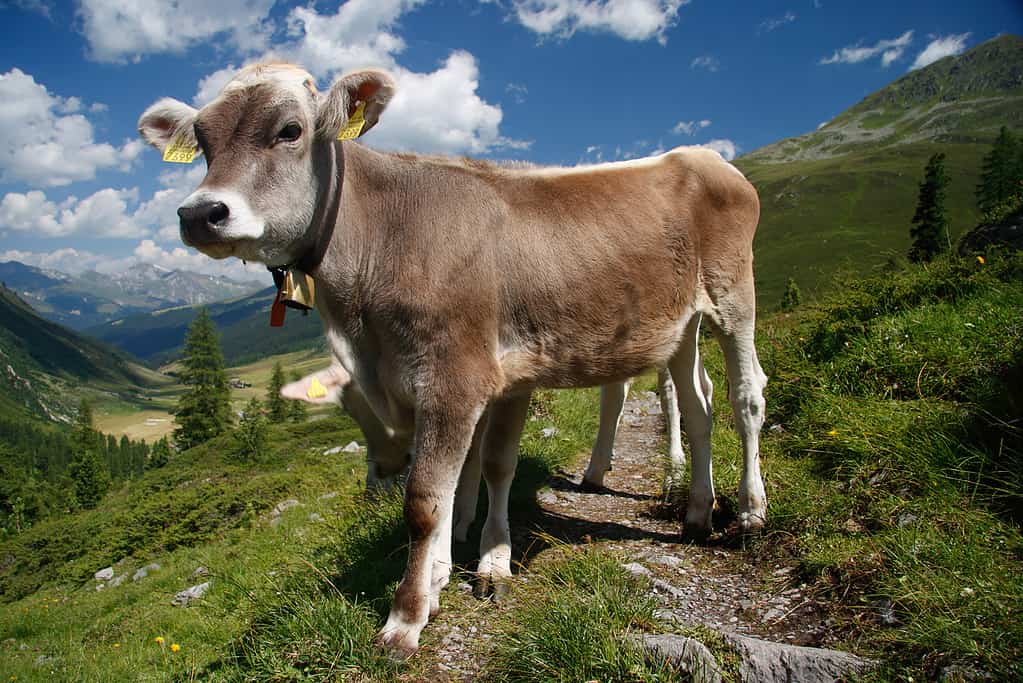
Cows release more methane from belching than from flatulence.
©Mathias Pabst/iStock via Getty Images
Fermentation releases hydrogen. In digestion, microbes remove that hydrogen by combining it with carbon dioxide to make methane, which the cow releases mainly by belching. This is of concern to climate scientists because methane is a greenhouse gas, and cows contribute significantly to it.
Depending on the type of cow, its diet, and production level, cows release about 154–264 lbs of methane a year (roughly 3,700–6,300 ft³ per year). With a global population of about 1.5 billion cattle, this results in tens of millions of tons of methane annually—making cattle a major source of agricultural methane emissions.
Reducing Methane from Bovines
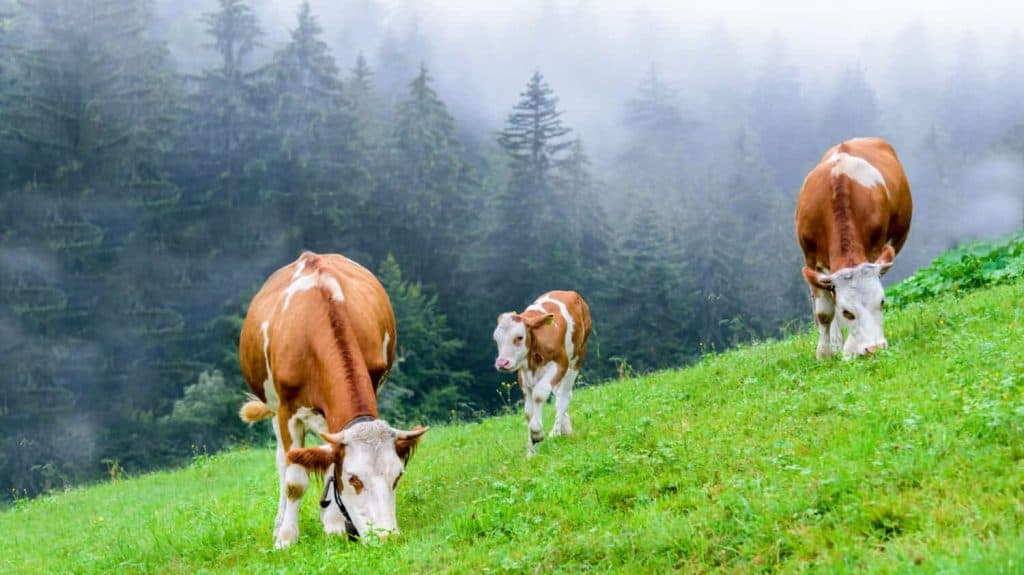
Researchers are developing feed additives to reduce methane emissions from cattle.
©Jan K/Shutterstock.com
The quickest way to reduce greenhouse gases from cows would be for people to consume less beef and dairy products and substitute them with other protein sources. Getting people to make this lifestyle change is an almost impossible task, requiring a multi-generational cultural change worldwide.
Instead, researchers are developing diets for cows with the right balance of fiber and starch to limit excess hydrogen. Higher forage quality can help cows digest their food more quickly and produce less methane. Selective breeding for feed efficiency and overall herd health also helps, since healthy animals produce more while emitting less per unit of product. And that’s something producers, conservationists, and consumers can all agree is a good thing.
How Ruminants Benefit the Environment
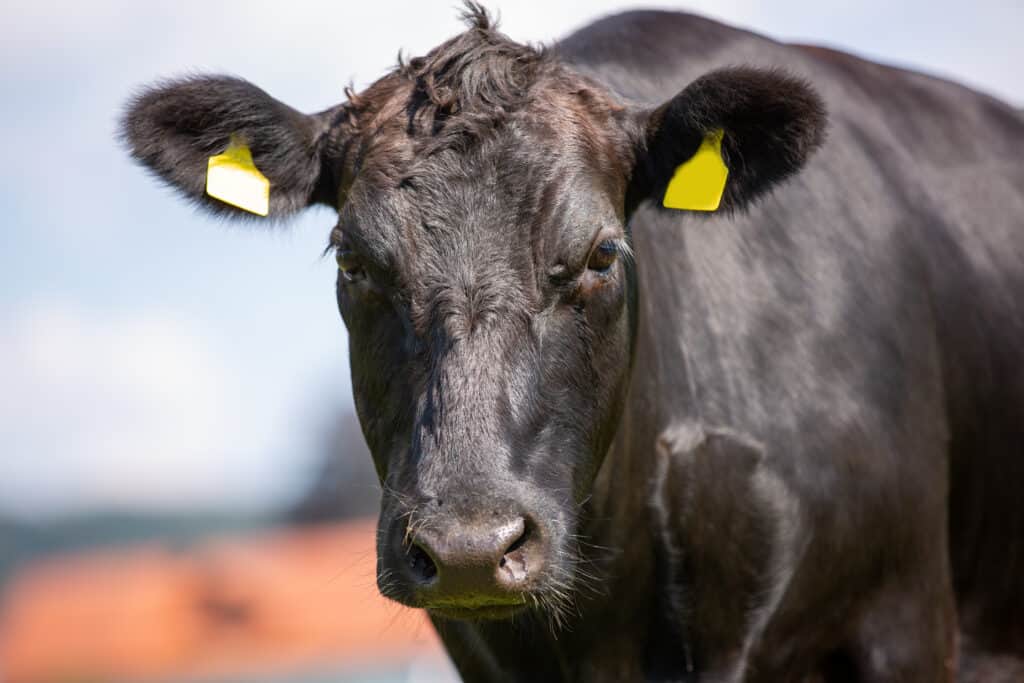
Cattle help maintain the health of grasslands.
©Filmbildfabrik/Shutterstock.com
Ruminants are not entirely harmful to the environment. They have an important role in shaping grasslands and savannas. By grazing, they stimulate plant regrowth and spread seeds. Their hooves press plant matter into soil surfaces and break up crusted ground, which can improve water infiltration into the soil. Their manure returns nitrogen, phosphorus, potassium, and organic carbon to the land, fertilizing it for the next crop of grass. On farms, smart grazing plans rotate herds to protect plants, limit erosion, and capture more sunlight as forage. Good grazing also supports wildlife that depends on healthy grassland structure.
A Small Ecosystem
A cow’s stomach works like a small ecosystem. Microbes ferment plant cells, the cow absorbs the products, and the four chambers coordinate flow and particle size. The design unlocks energy from grass, supports milk and meat production, and links animal health with soil health. When we feed and manage cattle in line with this biology, the results show up in performance, pasture condition, lower emissions per cow, and tastier, healthier glasses of cold milk on the breakfast table.