
Quick Take
- These horses carry a genetic quirk that sets them apart from every other horse on Earth, even wild mustangs. See their genetic distinction →
- The last wild Przewalski's horse was seen under circumstances so specific they've haunted conservationists ever since. Read about the last wild sighting →
- Getting the foals to survive long-term depends less on the conservation plan and more on something their mothers must teach them. See what mothers must teach →
- A stallion's death has put the entire herd's future at risk in a way researchers didn't fully anticipate.
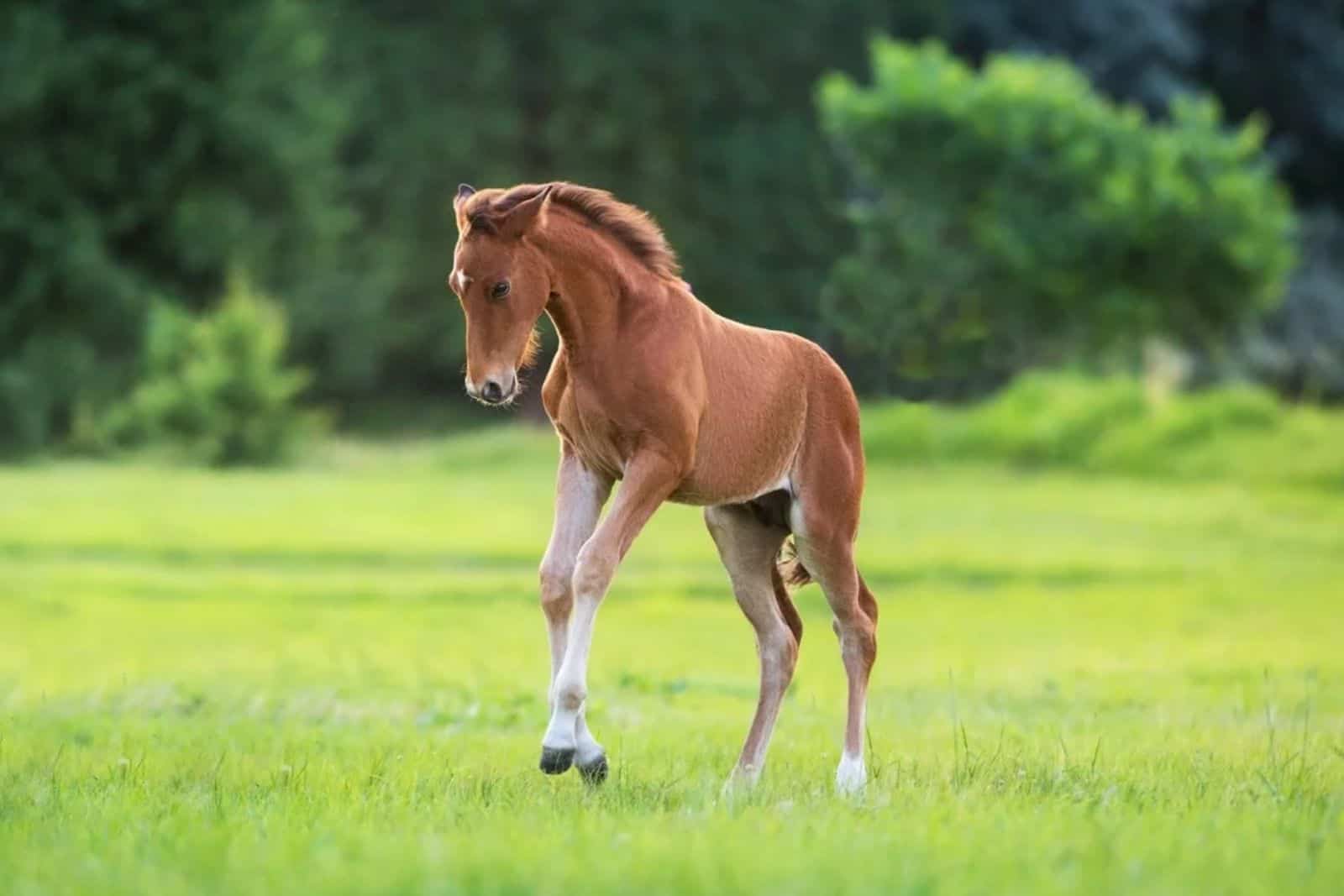
In August 2026, two foals were born at the Alibi Reintroduction Center inside Kazakhstan’s Altyn Dala State Nature Reserve. Their names, Botai and Tumar, mark something that hadn’t happened on Kazakh soil in roughly 200 years: the birth of a Przewalski’s horse, the only truly wild horse species left on Earth, back in the wild steppe it once called home.
Their mothers, Tessa and Umbra, arrived in Kazakhstan from Berlin’s Tierpark zoo in 2024 as part of an international effort to return the species to its historical range, according to the Astana Times.
Why The Species Disappeared In The First Place
Przewalski’s horses once roamed the plains of Central Asia in large numbers, built with short, stocky bodies suited to brutal winters. Hunting, habitat loss from farming, competition from livestock and, in Kazakhstan, decades of overgrazing and unsustainable land use steadily pushed them out. The last confirmed sighting of one in the wild came in 1969, a single horse spotted alone in the Gobi Desert. From there, the species survived only in zoos, kept alive by a captive breeding program that preserved what genetic diversity remained, UNEP reported.
Genetically, these horses stand apart from every other horse on the planet, carrying two more chromosomes than domestic breeds and mustangs. Unlike feral horses descended from domesticated stock, Przewalski’s horses have never been tamed. They remain difficult to handle and nearly impossible to ride, which is part of why scientists call them the world’s last truly wild horse.
How The Reintroduction Program Works
Both foals are part of a program that began in 2024, bringing horses from European zoos to the Alibi center in stages, seven or eight animals at a time, with the goal of a free-roaming, self-sustaining population of around 40 animals by 2029. New arrivals spend an adaptation period inside fenced enclosures before any release, learning survival skills such as digging through snow for buried forage, while specialists track their health and movements, in some cases using GPS collars.
The foals will stay inside a 56-hectare enclosure with their mothers’ harem for now. Their father, a stallion named Zorro, died in 2025, and researchers plan to introduce a new stallion next year, a delicate transition since unfamiliar males can sometimes harm offspring that aren’t their own. If that goes smoothly, the plan calls for releasing the harem fully into the wild steppe.
What Botai And Tumar Signal
The names themselves carry weight. Botai refers to the ancient culture in northern Kazakhstan tied to some of the earliest evidence of horse domestication anywhere, while Tumar is a traditional Kazakh word for a protective amulet. Albert Salemgareyev, the conservationist leading the effort, called the births “the beginning of a new generation” in Kazakhstan, adding that the foals “are actually citizens of Kazakhstan” now. UNEP ecosystems director Susan Gardner described the broader project as proof “that when we put our minds to it, we can restore ecosystems and give species a second chance.”
Researchers will spend the coming months watching how Tessa and Umbra’s harem reacts to the new arrivals, including whether the mothers pass on basics like where to find drinkable water, which plants are safe to eat, and how to recognize danger. Those lessons, more than anything written down in a conservation plan, are what will decide whether Botai and Tumar’s generation can eventually survive on the steppe without anyone watching over them at all.