
Quick Take
- Snow leopards are apex predators that have never once reportedly attacked a human, a remarkable fact whose explanation reveals everything about what makes them unique among big cats. Their avoidance of humans →
- Over half of all snow leopard deaths stem from a single, largely preventable cause that has nothing to do with trophy hunting or poaching. The biggest threat revealed →
- Their home range can stretch to a staggering size, and that number is what makes protecting them nearly impossible by conventional means. Their vast range explained →
- Snow leopards crossing international borders aren't just a logistical headache. The same animal can go from protected to unprotected in a single leap. Border-crossing legal gaps →
Known as the ghosts of the mountains due to their elusive nature and ability to camouflage in rocky terrain, snow leopards live in high-altitude regions of Asia. These solitary big cats are apex predators that thrive in the rugged, extreme landscape. Although they can survive some of Earth’s harshest conditions, they remain vulnerable to human-made threats. To raise awareness of the need to protect these beautiful creatures from possible extinction, the United Nations (UN) General Assembly proclaimed every October 23rd the International Day of the Snow Leopard.

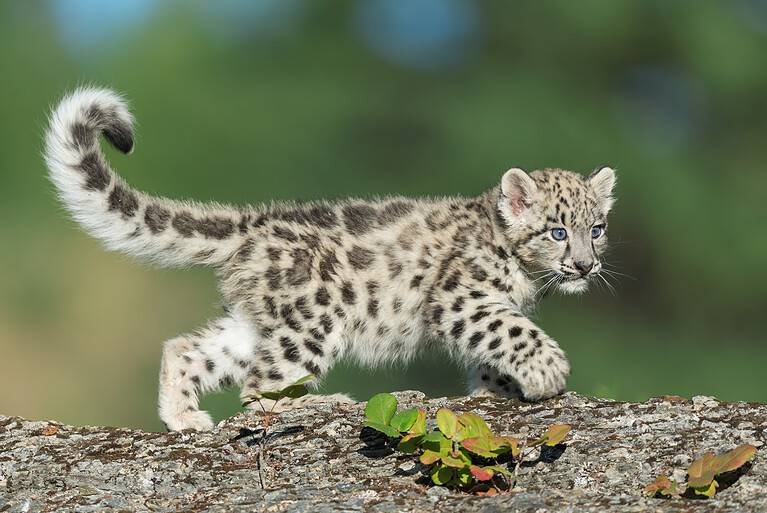
Snow leopards have adapted to extreme weather conditions.
©Holly S Cannon/Shutterstock.com
Built for an Extreme Mountain Life
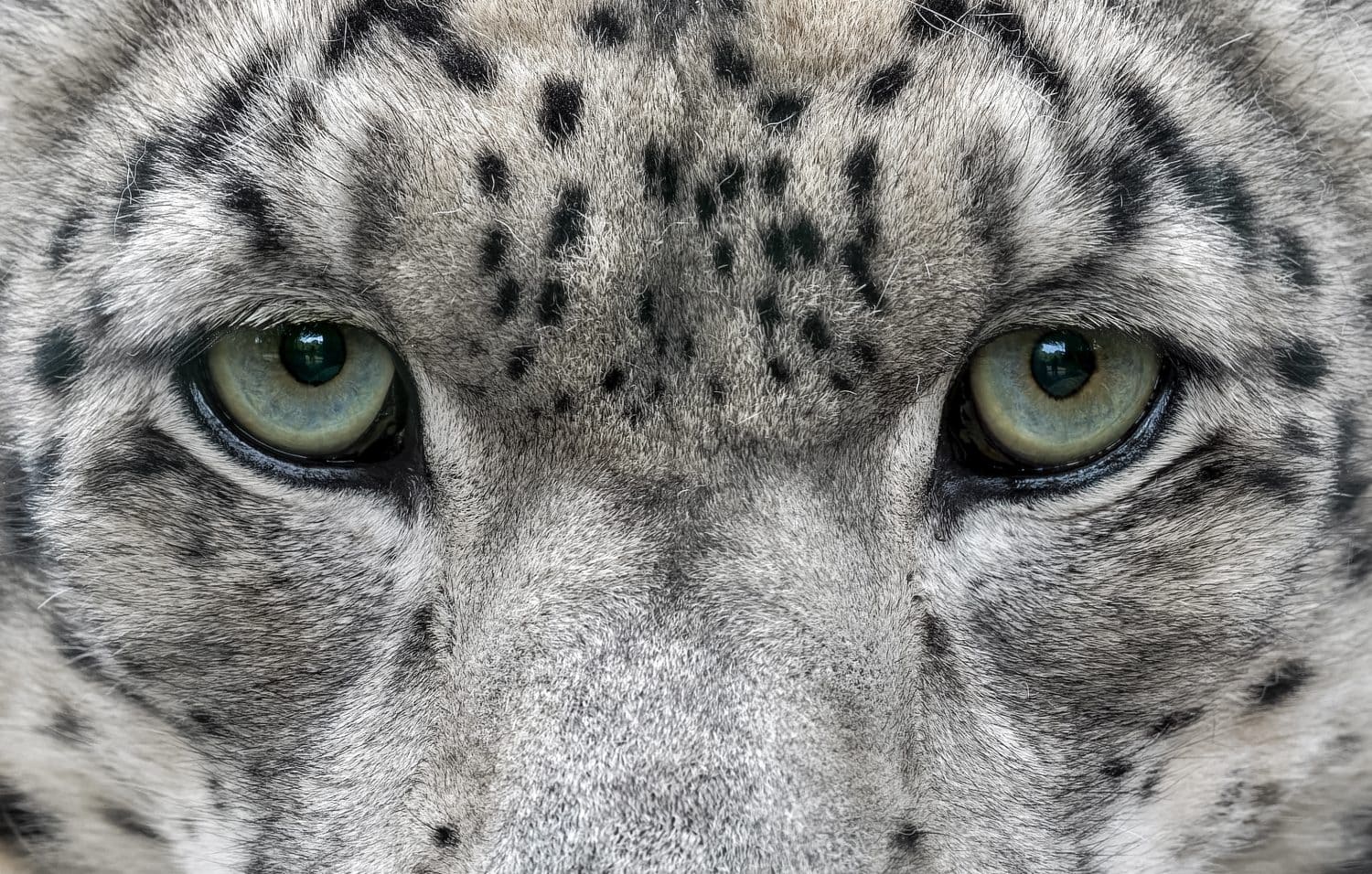
Snow leopards (Panthera uncia) have thick, insulated grey or yellowish coats with grayish-black spots. They weigh 60 to 120 pounds and have bodies four to five feet long, not including their 36-inch tails. They use their incredibly long tails for balance and have wide fur-covered paws that act as snowshoes as they travel across the snowy mountain ranges. With their powerful legs, they can leap up to 50 feet.
These spotted leopards can survive at elevations of 10,000 to 18,000 feet and have a territorial range of roughly 18 to 40 square miles. However, when prey is scarce, they have been reported to have a home range of up to 620 square miles.
Elusive by Nature
It’s rare to spot a snow leopard in the wild. Not only do they blend in well with their environment, but they go out of their way to avoid human contact. Even when threatened, snow leopards are likely to flee rather than attack.
In fact, no verified attacks have been reported. Unlike other big cats, snow leopards don’t roar. Instead, they make a puffing sound known as a chuff. They are highly solitary and only seen together when mating or when a mother is raising her cubs.
A Solitary Predator of the High Mountains
Because of their shy nature and superb camouflage abilities, snow leopards pose a unique challenge for conservationists and scientists trying to learn more about their behavior. One important consideration for conservationists is whether a habitat can support an apex predator. This involves not only having space available for the snow leopard’s wide range, but also a thriving ecosystem filled with herbivores and other animals for the big cat’s diet.
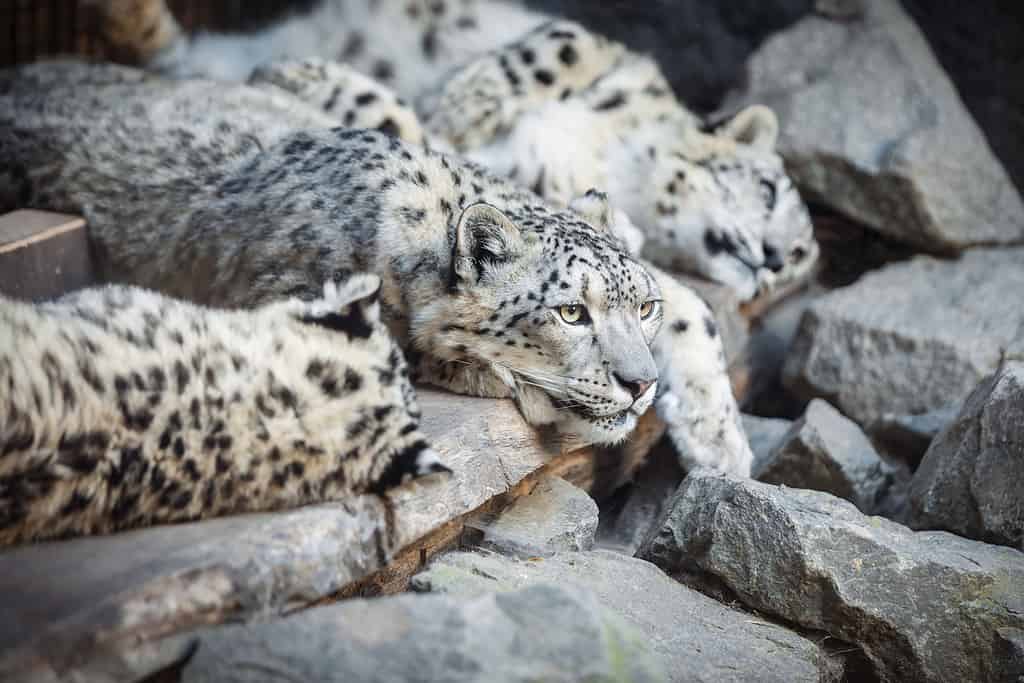
Snow leopards are often solitary, unless its a mother raising her cubs.
©Frank Anschuetz/iStock via Getty Images
Snow leopards are opportunistic hunters, and what they eat depends on what’s available where they live. They primarily prey on mountain ungulates, such as blue sheep and ibex. They also hunt smaller mammals, including marmots and pikas. Leopards take a few days to eat a large meal and tend to stay nearby to guard their food from scavengers. They also sometimes prey on livestock, which seems to occur most often during winter when other prey may be scarce.
Snow Leopards Cross Borders
Snow leopards live in cold, mountainous regions and are found in the following 12 countries:
- China
- Mongolia
- India
- Nepal
- Bhutan
- Pakistan
- Afghanistan
- Kazakhstan
- Kyrgyzstan
- Tajikistan
- Uzbekistan
- Russia
These majestic spotted cats are classified as vulnerable on the International Union for Conservation of Nature Red List of Threatened Species, with a population trend that is decreasing. They are vulnerable to habitat fragmentation, climate change, prey depletion, trafficking, illegal hunting, and poaching.
Because snow leopards live across 12 countries, have wide ranges that may cross borders, and migrate seasonally, conservation efforts must involve international cooperation.
The Threats Snow Leopards Face
Humans hunt and kill snow leopards for several reasons. For many years, these beautiful big cats have been killed for their thick and lush fur to make coats, rugs, and other luxury items. Additionally, their bones and other body parts are sometimes substituted for harder-to-obtain tiger bones in traditional Asian medicine.
However, according to TRAFFIC (a global wildlife trade monitoring network), snow leopards face their biggest threats from retaliatory killing. Reports found that over half (55%) are killed in retaliation for livestock attacks. Another 18% get caught up in snares or traps meant for other animals. Even when snow leopards are killed in retaliation or caught in a trap by accident, about half of them end up being sold on the illegal black market for their fur and body parts.
Fighting Poaching and Illegal Wildlife Trade
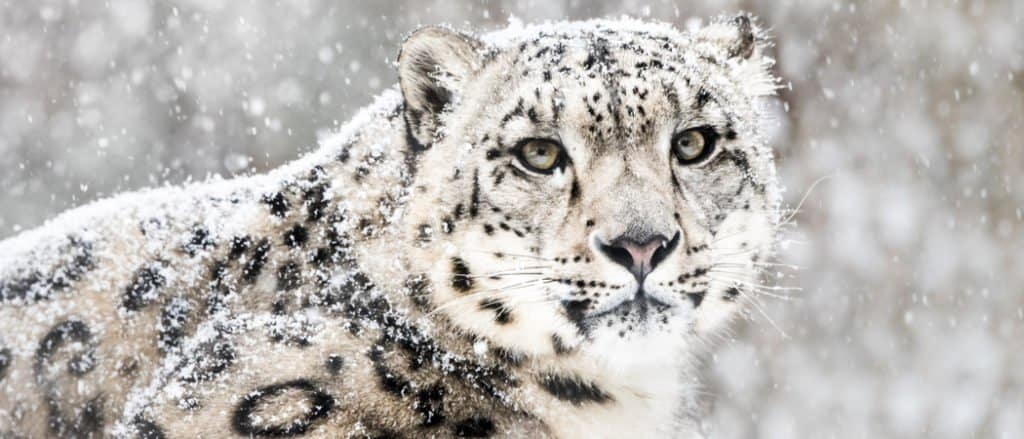
On October 23rd we celebrate the importance of the beautiful and majestic snow leopard.
©abzerit/Shutterstock.com
With International Snow Leopard Day, the UN hopes to foster collaboration among international and regional groups to support conservation efforts for this elusive and iconic animal. Snow leopards don’t recognize international boundaries and may cross country borders within their home range. Depending on where they roam, they may be subject to entirely different laws and protections.
Protecting Snow Leopards in Remote Terrain
Snow leopards thrive in rugged, high mountains where it can be challenging or impossible for rangers to reach. Physical monitoring and fencing are often not practical. To combat this, organizations such as the World Wildlife Fund (WWF) and the Snow Leopard Trust work with communities to reduce retaliatory killings by installing predator-proof livestock enclosures and raising awareness.
These groups also use high-tech solutions, such as non-invasive genetic tracking and smartphone apps for tracking wildlife sightings. Conservation technology, anti-poaching programs, and partnerships with local communities provide researchers with better tools to protect these elusive predators.