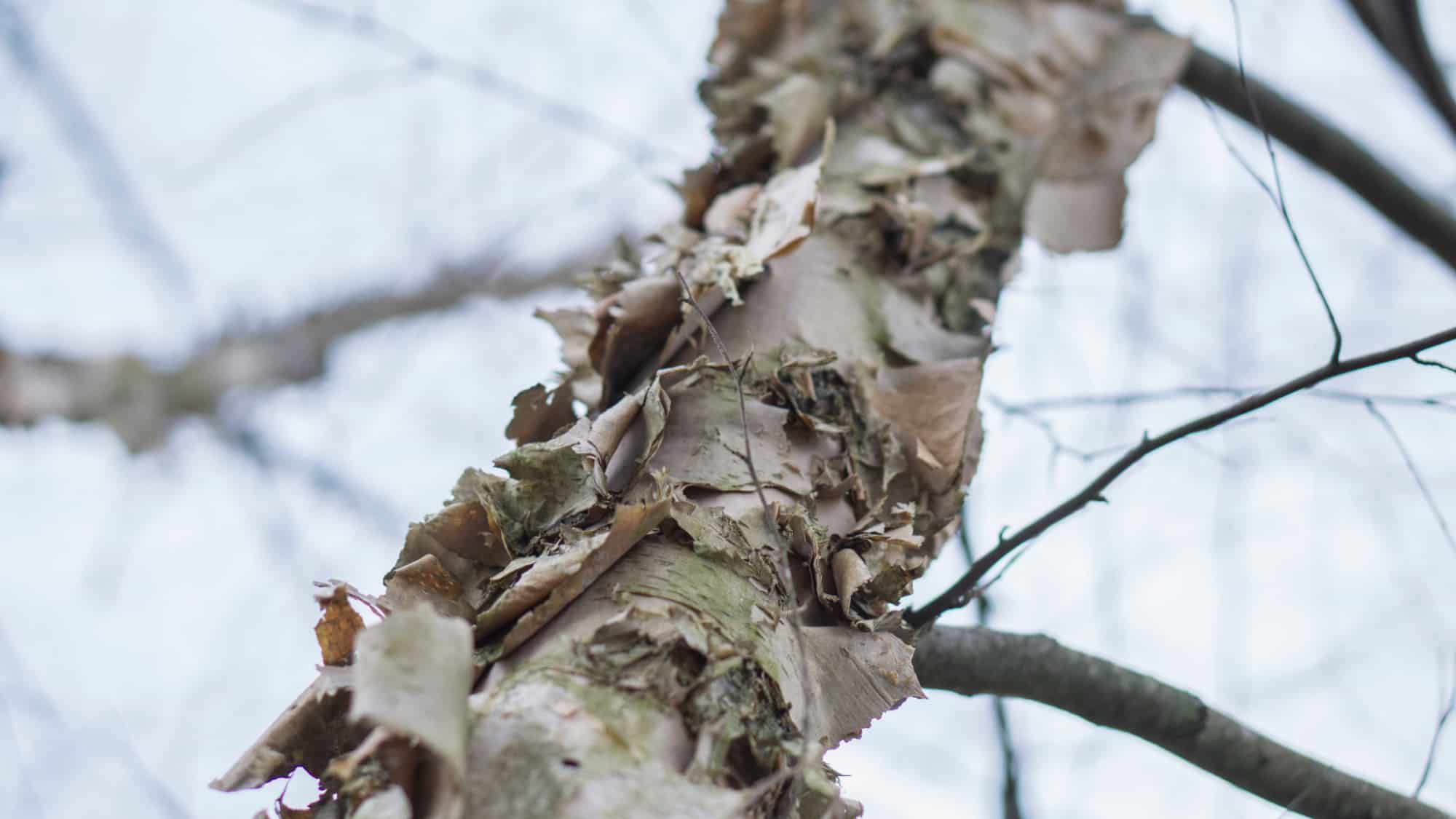

Paper birch trees aren’t the longest-lived trees in the world, but their unique appearance and cultural significance make them a favored tree to plant in landscaping.
If you have a paper birch in your yard or garden and see it’s turned colors, losing leaves, or looking generally worse for wear, there may be a reason.
Keep reading to discover the six common signs that something’s wrong with your paper birch tree and some maintenance tips for keeping your paper birch healthy.
Paper Birch Tree Summary
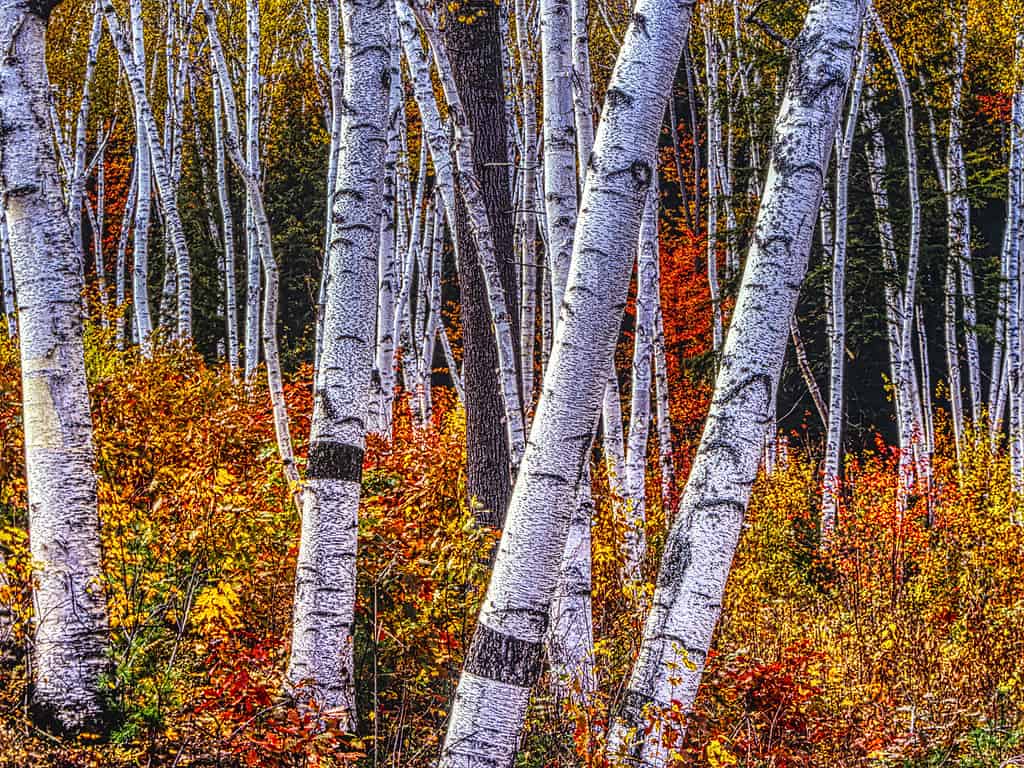
Some paper birch trees only live for 40 years.
©johnandersonphoto/iStock via Getty Images
The paper birch tree (Betula papyrifera) remains a short-lived birch variety, making it as little as 30 to 50 years (especially in hot climates). This birch thrives in cold climates, so the best place to plant the tree is in hardiness zones of five and below. It can, however, survive in Zones 6 and 7 for a time.
When fully matured, paper birches are medium and large trees. They grow up to 70 feet high and 45 feet wide. Paper birches need at least six hours of full, direct sunlight to thrive. While the tree’s soil preference is acidic, moist, and well-drained, it can tolerate alkaline and clay soils as well as the occasional flooding and road salt.
With such a short life, the paper birch has to grow fast to make the most of its time. It will transplant well but is intolerant of pollution. Finally, it serves as home (or food) to game birds, sapsuckers, small mammals, and songbirds.
Usually found in mixed-wood forests, paper birches develop distinctive white bark after 10 years of life that makes them easily recognizable to hikers. Before that, their outer bark is brown. The inner bark of a paper birch looks creamy pink or orange.
6 Signs Something Is Wrong with Your Paper Birch Tree
Homeowners and landscapers in Zones 1, 2, 3, 4, and 5 choose the paper birch as an ornamental tree for its bark and fall foliage. However, these short-lived trees can develop diseases that affect the tree’s beautiful appearance.
Leaf Problems
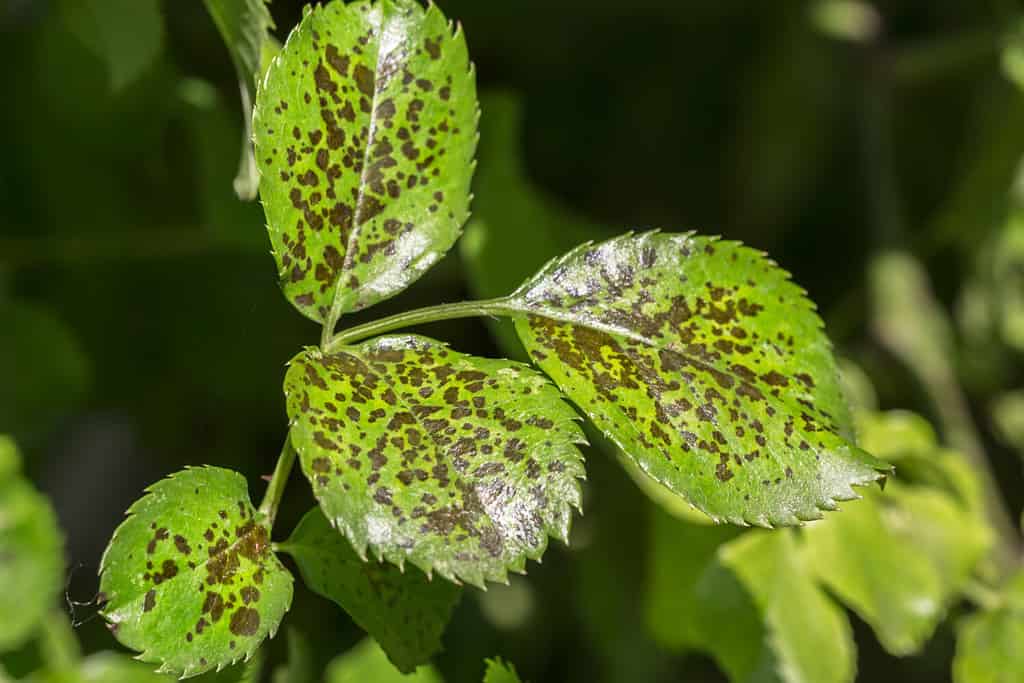
Fungi, bacteria, and viruses can cause leaf spot.
©May_Lana/Shutterstock.com
Depending on the leaf issue, different bacteria, fungi, or viruses may affect your paper birch.
For leaf spots or leaf blight, Cryptocline betularum may cause the spots as well as premature shedding.
For discolored lesions or holes, you may have aphids to blame. Sap-sucking insects, including leap hoppers and psyllids, will turn leaves black, brown, or gray.
For blistered leaves, the fungus causing it may be Taphrina carnea Johanson. It affects leaves with bulges and blisters during cool, wet springs. During the summer, the fungus produces spores and breaks the epidermis of the leaves.
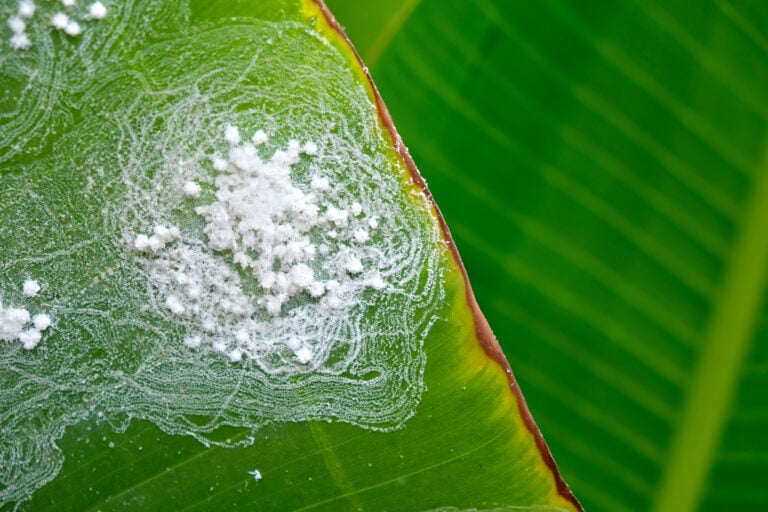
For leaves with powdery appearances, check for fungus or rust. There’s a high probability that the powdery appearance is powdery mildew.
Potential problems that this sign indicates: aphids, loopers, cankers, a bacterial disease, or a fungal disease.
Small Holes in Bark
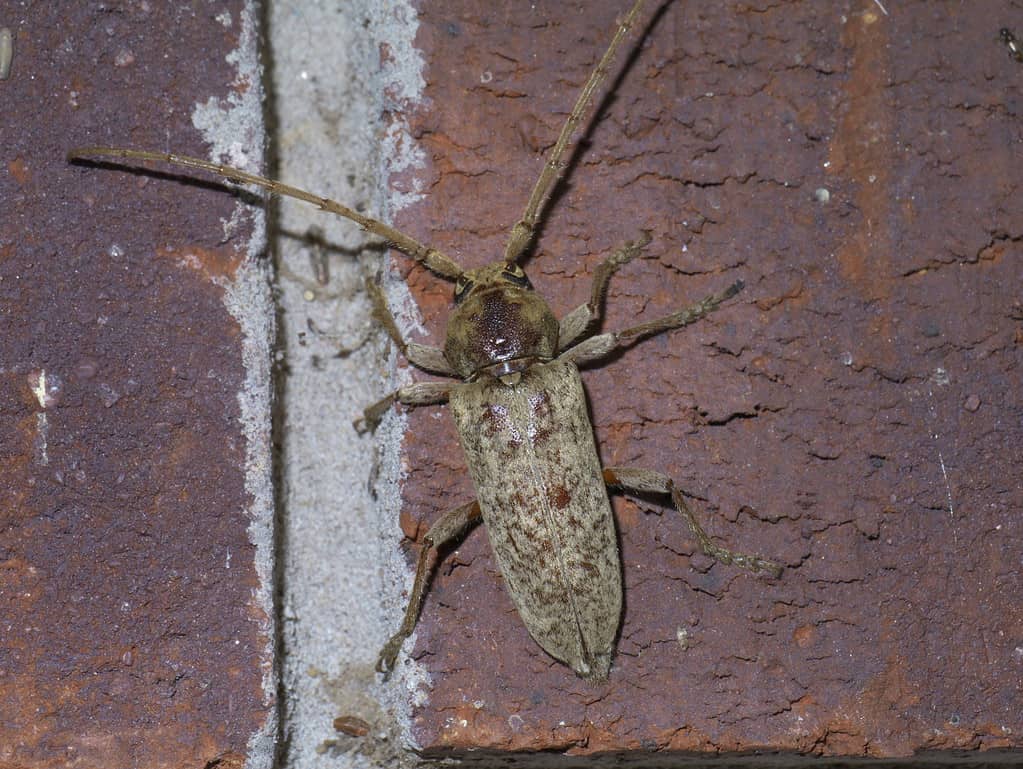
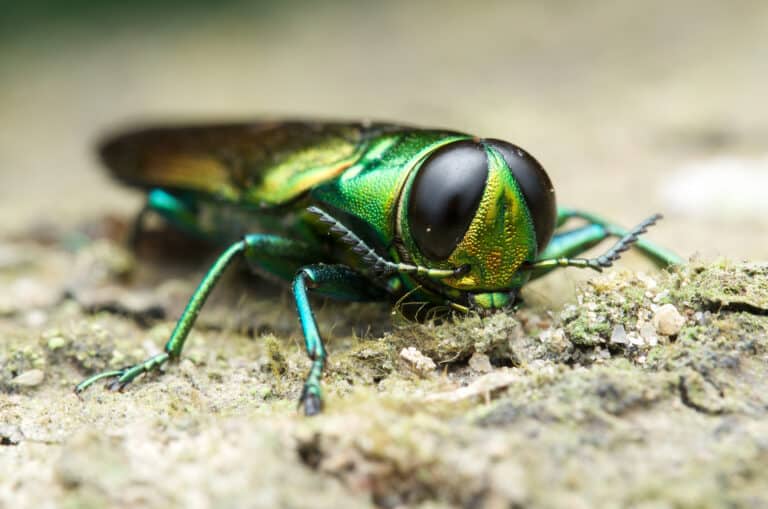
Borers will “drill” holes to lay eggs in paper birch trees.
©4,592 × 3,448 pixels, file size: 3.03 MB, MIME type: image/jpeg – Original / License
Since 2018, paper birch-having yards and parks have seen an increase in borer-related issues. The University of Washington even released a news story on its website about the forcible removal of the majority of the university’s birch trees due to borer activity.
Small holes in a paper birch tree bark almost always indicate borer activity. These holes serve as nurseries where borers lay their eggs. The larvae hatch and tunnel into the inner trunk of the tree, where their plethora of avenues cut off the tree’s access to water and nutrients.
Unfortunately, the damage remains irreversible for many paper birch trees once infestations are noticed. Because they’re less hardy than other foliage, the birch has trouble recovering its nutrient highways even after owners cure an infestation.
Potential problem that this sign indicates: Bronze birch borer.
Thinning Crown

Thinning crows on paper birches may indicate a pest infestation.
©Juliasv/iStock via Getty Images
A thinning crown in paper birch isn’t always bad. One of the most common ways to prune a paper birch is to do so from the top to help it grow faster. However, if your pruning isn’t the cause of your paper birch’s thinning crown, there’s a chance you have some unwanted pests on your tree.
Birch skeletonizers will skeletonize the leaves of the tree while gypsy moth larvae will defoliate the tree entirely. Look for other signs of issues, like sacs of eggs or moving insects to determine which pest has attacked your tree. Or, call a professional to inspect it and provide the best treatment program.
Potential problem that this sign indicates: Pest infestation.
Shelf-Like Trunk Growths
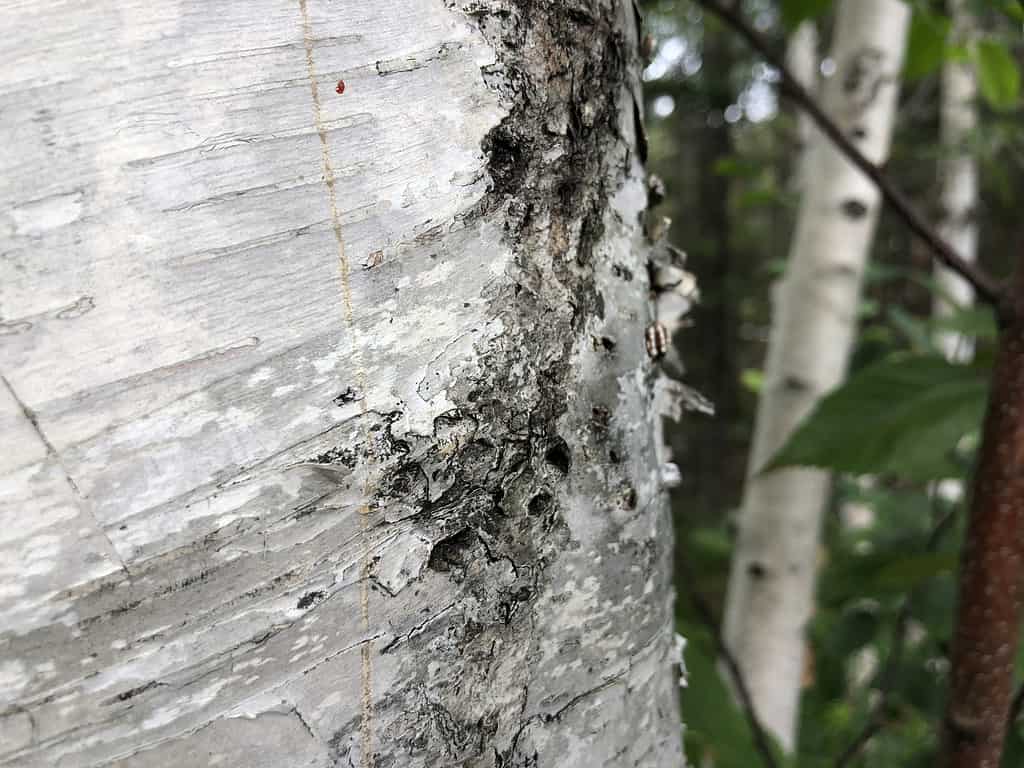
Paper birch trees can develop fungus if the elements hit and make them susceptible to infection.
©Campwillowlake/iStock via Getty Images
Birch remains susceptible to the elements, so rot becomes a real danger if you live in an area where heightened elements like strong winds, sharp hail, significant snow, or heavy rains could damage the branches and trunk of paper birch.
If you notice some growths on the outside of your paper birch’s trunk that isn’t the normal peeling bark, your tree could have a bacterial disease, a fungal disease like turkey tail fungus, or wood rot.
Potential problem that this sign indicates: Wood rot, a fungus, or a bacterial disease.
Cankers
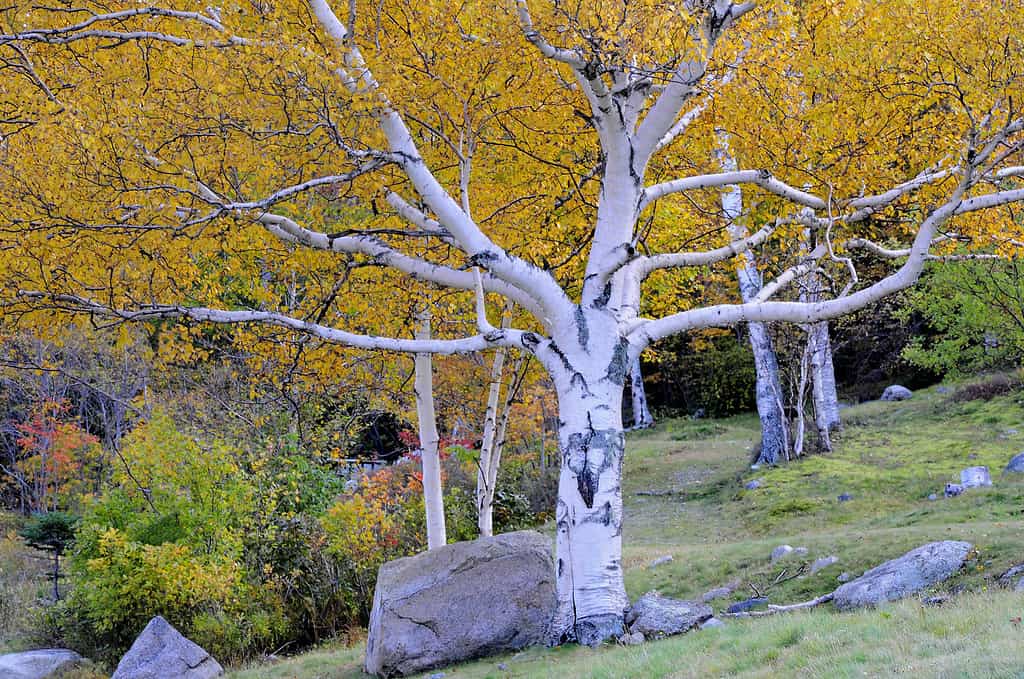
Some invasive fungi will spell death for a tree and its trunk.
©Gerald G Gantar/iStock via Getty Images
If you notice cankers on your paper birch, it might be close to the end of your tree. Unfortunately, Nectria galligena, or target cankers, remain the most damaging disease of birch trees. Cankers may look like open gashes or concentric, closed circles. In either case, they form where the fungus has established itself in the bark. You can remove the affected twigs and branches, but once cankers infect the trunk of a tree, the infection will spread. At present, experts don’t have a way to control the spread.
Potential problem of this sign indicates: Fungus-related disease.
Burnt Appearance
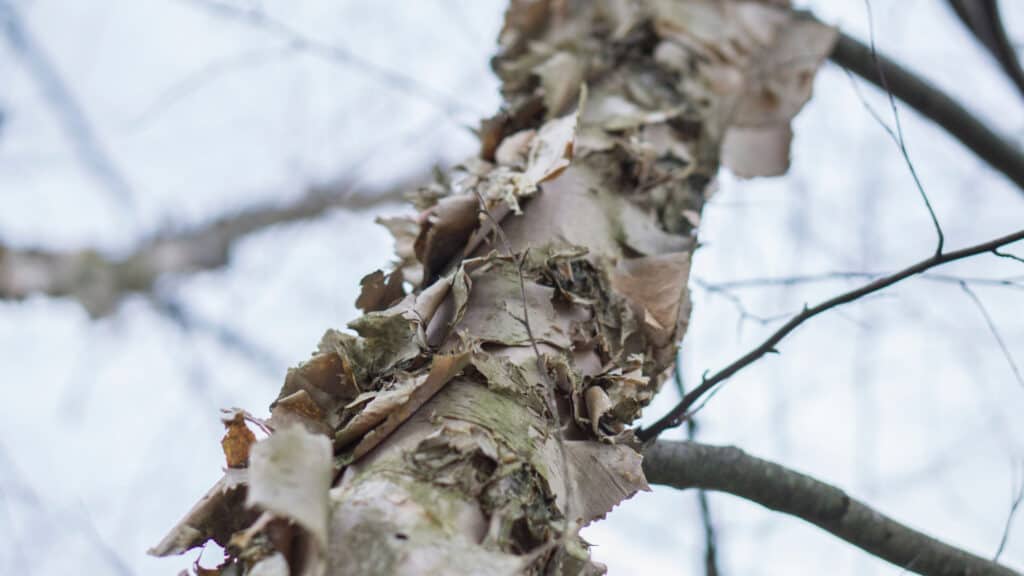
While they don’t live very long, paper birches have a beautiful appearance.
©thematthewhyatt/Shutterstock.com
While a burnt appearance on a paper birch is rare, there are a few reasons you’d see this issue. If the foliage looks burnt on a young tree, the tree might have damage at the root from dog urine. If it’s an adult tree with burnt or “scorched” foliage, you may face the effects of leaf scorch.
Because paper birches already don’t fare well in dry or hot climates, there’s a high probability that burnt or browned leaves signal the end for your birch. This is especially true in times of severe drought.
Potential problem that this sign indicates: Drought stress.
Paper Birch Maintenance and Care
If you plant or inherit a paper birch tree with your home, the most significant issue you’ll want to watch for is insect damage. As indicated above, aphids and borers make homes and meals from paper birches. Their activities in and on the trunk of the tree can significantly reduce the life of the paper birch and — in extensive infestations — kill it. After consulting with a landscaping specialist, decide on a preventative insect control program to limit the damage of borers and other insects.
A great way to check in on your paper birch is a routine analysis of the tree’s leaf, trunk, and branch health. This regular monitoring keeps you abreast of the health of your tree — not only to inspect for insects but to check in on how it’s absorbing the nutrients you provide. Depending on the age of your paper birch, you may consider feeding it a fertilizer of macro and micronutrients that support the established tree’s stress threshold and root growth.
Pruning your paper birch will help it grow in a strong structure. When pruning your tree for structure, aim to remove lower branches (especially those around high-traffic areas that have the opportunity to get damaged). This trains the tree to grow up from the center instead of distributing nutrients to low-hanging offshoots. Removing branch stubs accomplishes the same effect. Pruning also provides a way to eliminate diseased limbs from infecting the rest of the tree. When removing diseased or infected branches, comprehensively identify the extent of the damage to ensure you remove the majority of the issues.
Finally, pruning can provide your tree with more nutrients. Though removing live, healthy branches seems counterintuitive, it can improve sunlight exposure and air circulation within the canopy’s most vital parts.
Protect Your Paper Birch from Pests
The short lifespan of paper birch (compared to other trees) creates a less-than-hardy plant that only thrives in certain cold areas of the world. Preventative maintenance will protect your paper birch from terrible damage, but pests have decimated paper birch forests. Keep an eye on your paper birch’s health, provide it with nutrients, and consult landscape specialists if you see significant issues or infestations in your paper birch’s leaves or trunk.