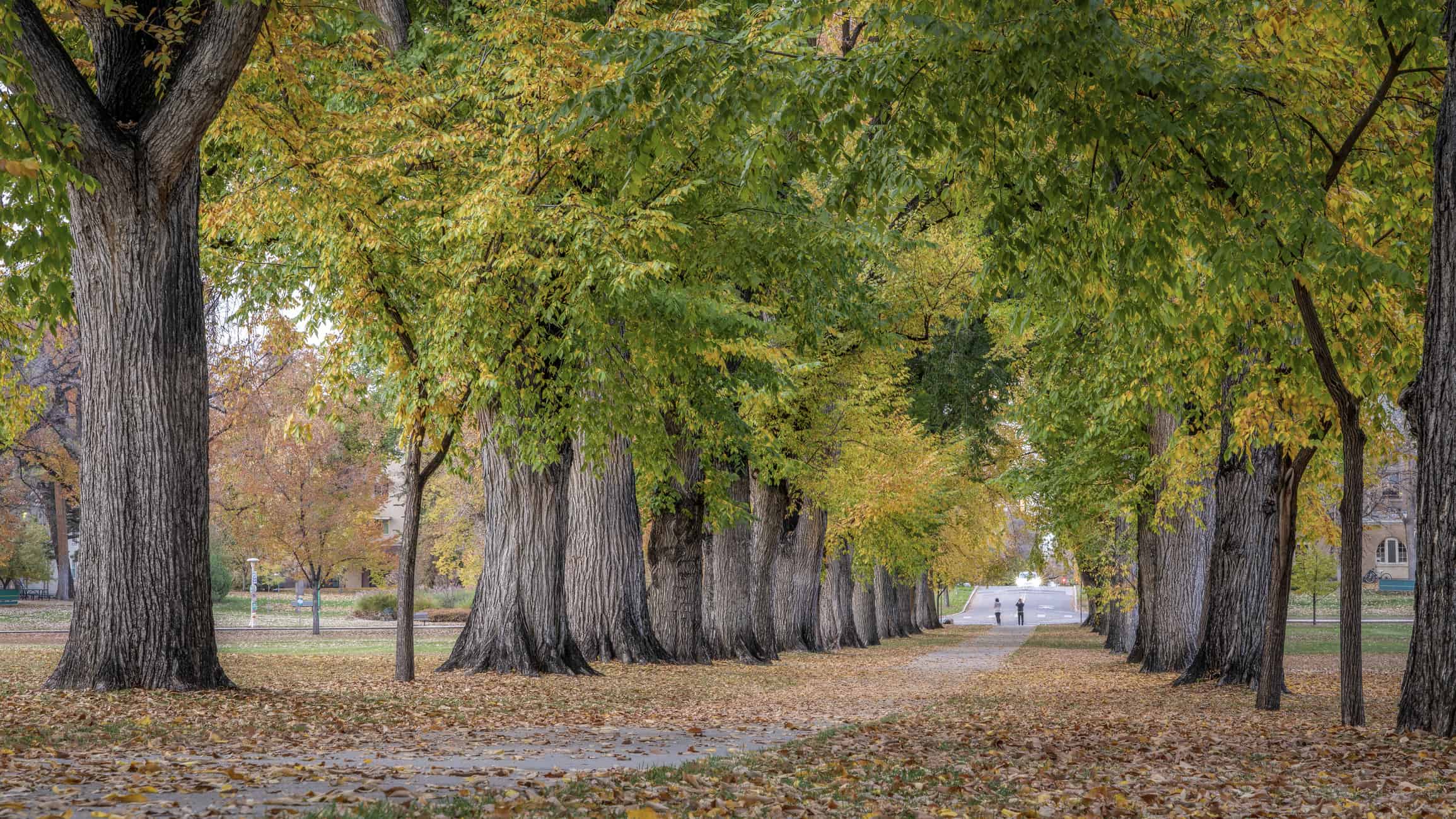

Elm trees are known and loved for providing shade and privacy in landscaping. They’re resilient and sturdy, making them a favorite for large yards in rural settings.
Unfortunately, planting an elm tree can also lead to a few problems. In this article, we’ll cover the pitfalls of planting an elm tree so you can determine whether this tree is suitable for your property.
Let’s dig in!
1. Elm Trees Trigger Pollen Allergies

Elm trees produce a lot of pollen and trigger allergies.
©ViDl Studio/Shutterstock.com
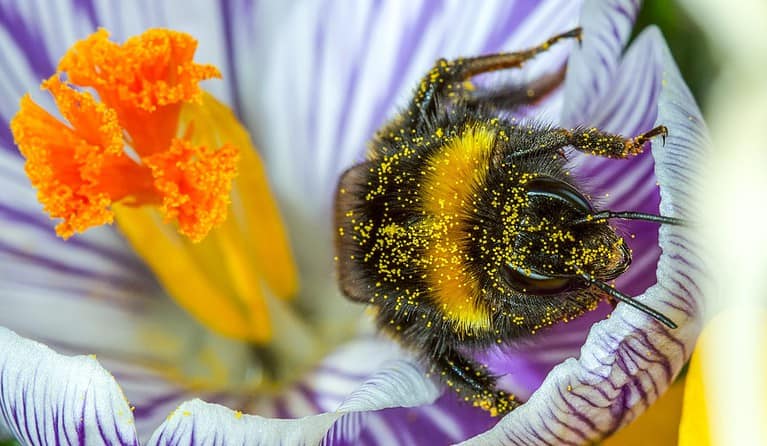
One of the most notable pitfalls of planting an elm tree is its pollen production. Elm trees start producing pollen as early as February in Southern climates and April in Northern climates.
Elm tree pollen can exacerbate asthma and trigger congestion, sneezing, watery eyes, and itching in people who are allergic. This allergy can be challenging to diagnose, as people allergic to elm are often allergic to other allergens, such as pollen, grass, etc.
If you struggle with allergies, avoid planting an elm tree.
2. Elm Trees Are Susceptible to Dutch Elm Disease
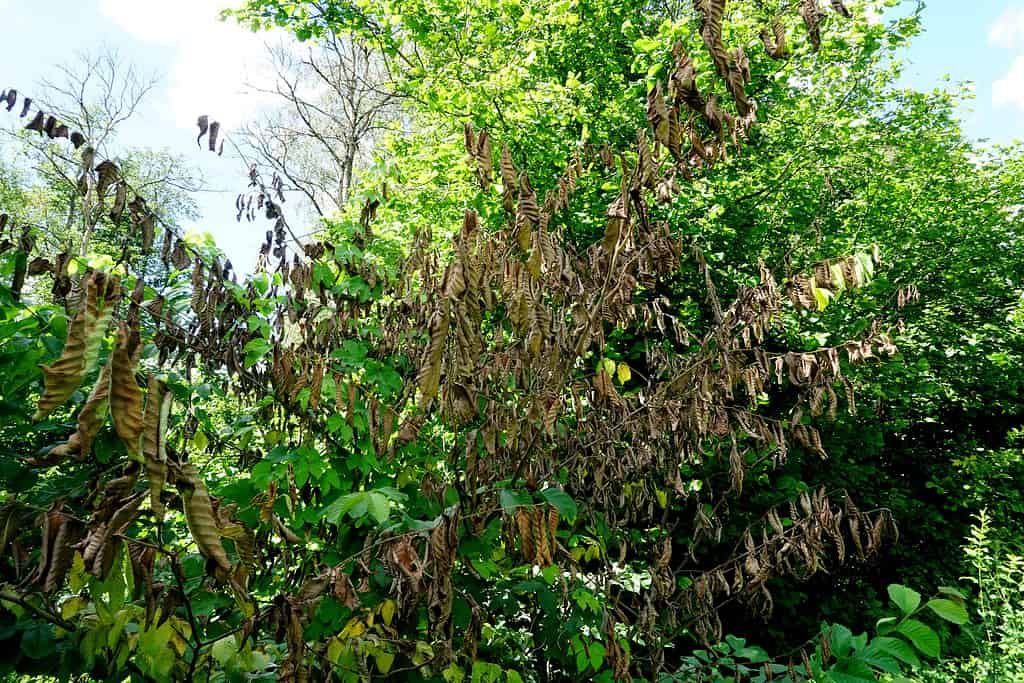
Dutch elm disease (DED) kills elms and neighboring trees.
©AJSTUDIO PHOTOGRAPHY/Shutterstock.com
Dutch elm disease (DED) is a fungal infection that takes over an elm tree and disrupts its ability to absorb and transport water. Certain species of beetles and grafting efforts spread it.
DED is an invasive species in North America and Europe and is responsible for the death of over 40 million trees in the US. While DED primarily targets elm trees, it can spread through overlapping root systems to nearby trees in your yard.
Avoid planting elm trees if there’s a known outbreak in your area, and follow local guidelines if you plant this tree.
3. Elm Trees Attract Pests
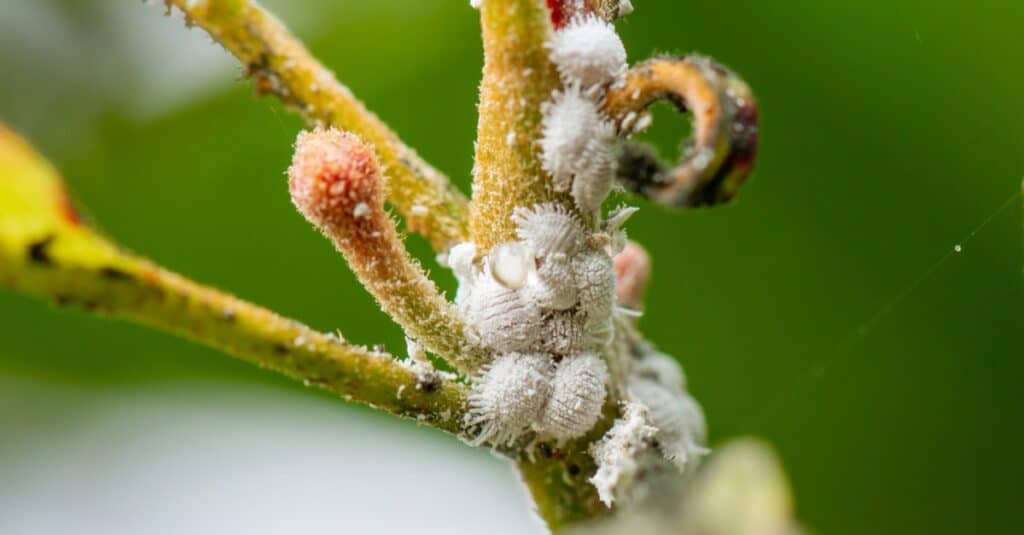
Mealybugs love elm trees.
©phomphan/Shutterstock.com
While DED is the primary concern with these trees, other pests are also to consider.
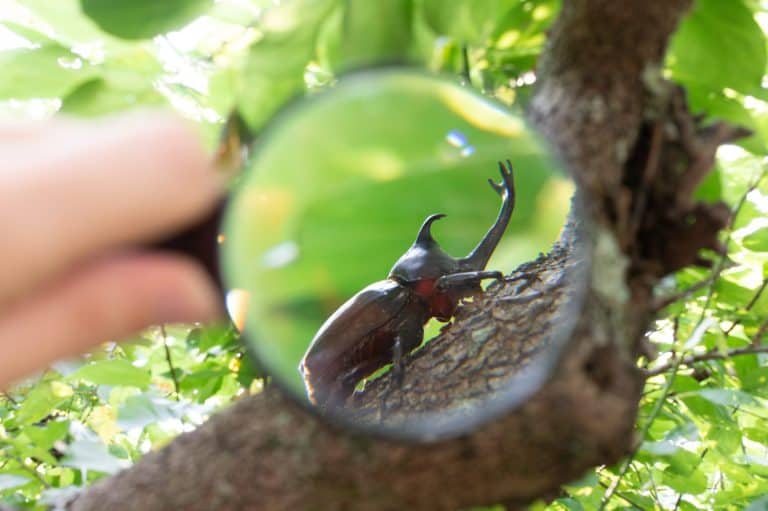
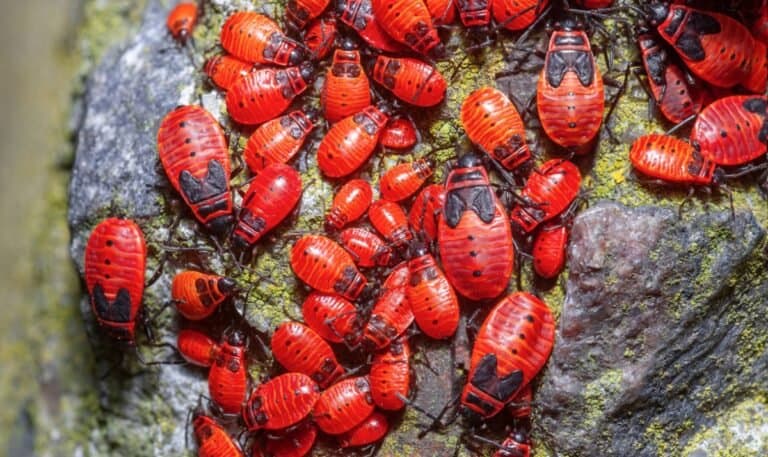
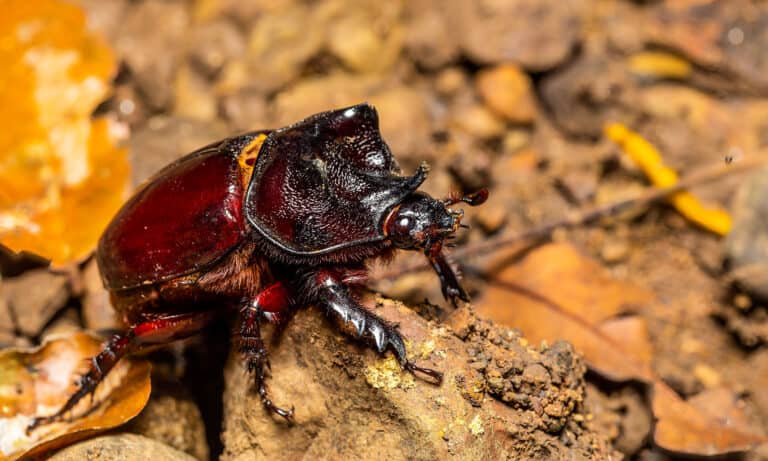
Many beetles love the thick bark of elm trees. Elm seed bugs also make their home in these trees. While several disease-resistant elm species exist, borers, scale insects, and mealy bugs are challenging to deter.
4. Elm Trees Break in Strong Winds
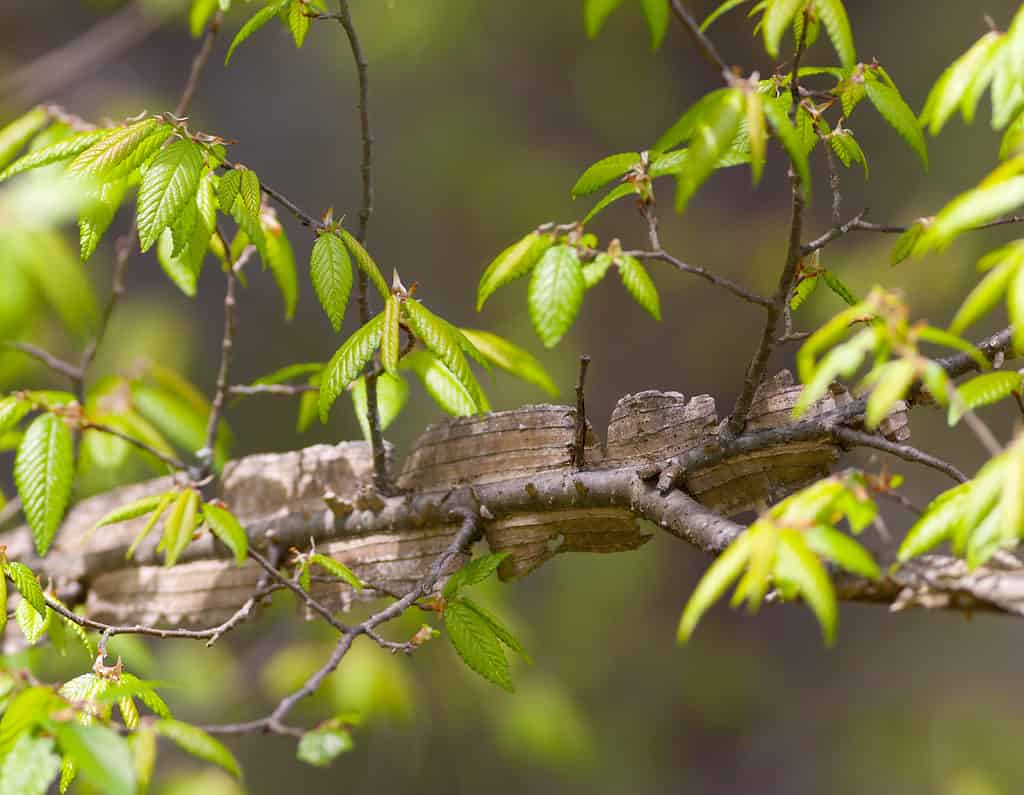
Elms are susceptible to breakage in strong winds.
©Melinda Fawver/Shutterstock.com
Elm trees are so sturdy they create a lot of resistance in high winds. This resistance leads to significant branch breakage during storms. If you have an established elm tree, this could be an insurance liability.
One option to circumvent this issue is to plant the elm tree close to your house to provide shelter. However, that can lead to other, more problematic issues.
5. Elm Trees Can Be Water-Seeking
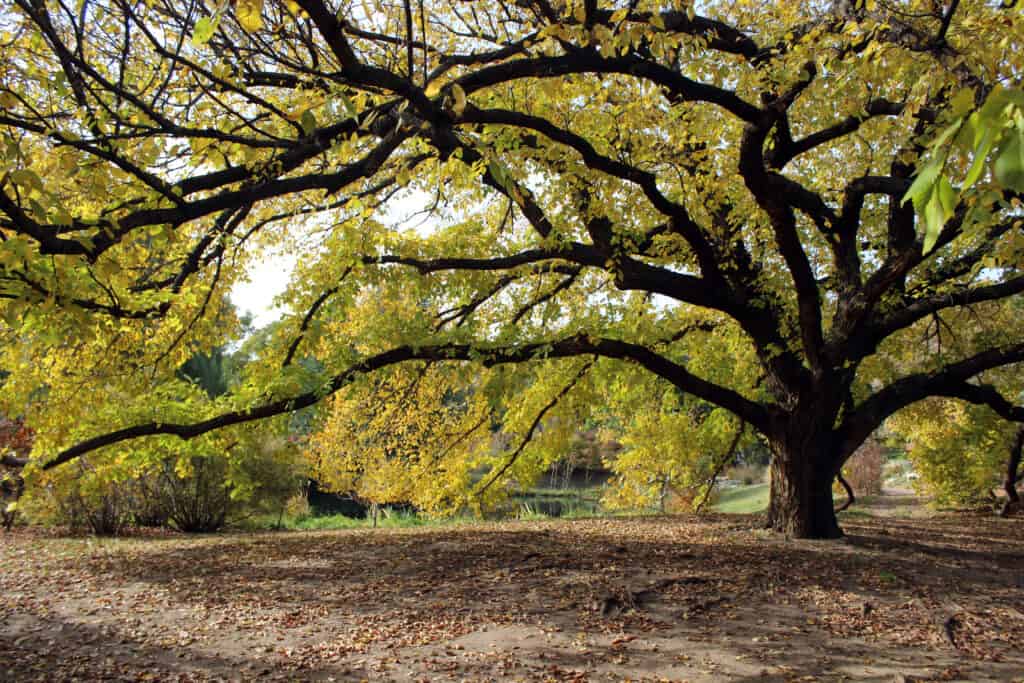
American elm trees are water-seeking.
©Aejahn/Shutterstock.com
Many species of elm trees are water-seeking—American elms, for example. If they aren’t getting enough water from the rain and you aren’t supplementing them regularly, the roots will look for the nearest water source. This source could be your well or sewer line, depending on the placement.
Avoid this tree if you don’t live near a pond or river or cannot water your elm during drought periods.
6. Elm Trees Grow 80-100 Feet Tall

Elm trees can grow up to 100 feet tall.
©Mastering_Microstock/Shutterstock.com
Another issue with planting an elm tree right next to your house is that it can grow up to 100 feet tall and over 60 feet wide. Plant it too close to your home or power lines; you may have to chop it down later.
If you plant an elm tree, ensure it’s 50 feet from your house and power lines. Don’t plant an elm tree if you can’t find a place that meets these metrics.
7. Elm Trees Are Messy
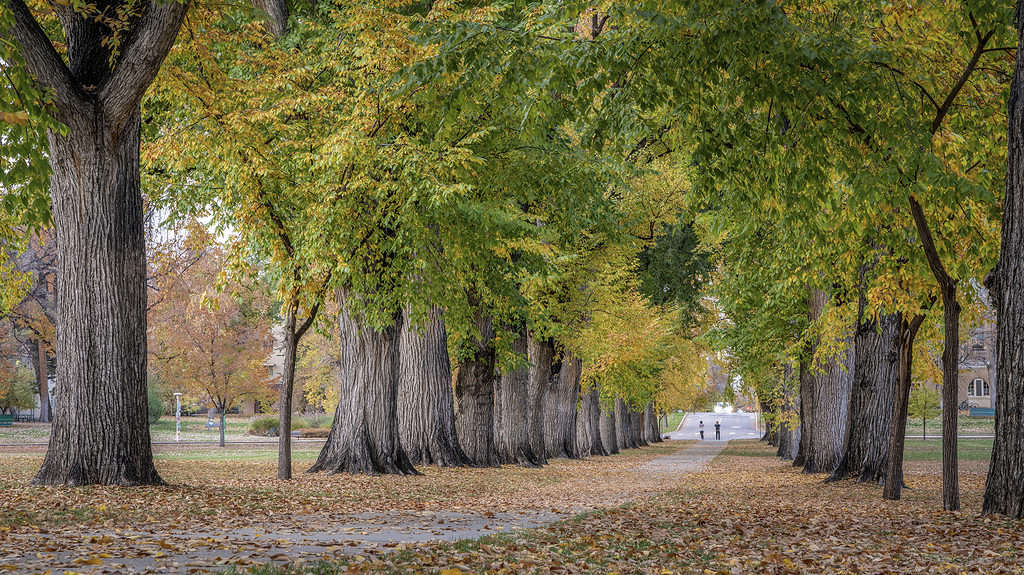
Elm trees drop a lot of leaves and seeds.
©iStock.com/marekuliasz
One of the most overlooked pitfalls of planting an elm tree is how messy they are. In addition to broken twigs and branches during high winds, these trees are notorious for dropping many seeds and leaves.
This issue can be offset with regular pruning. However, many areas limit pruning seasons to help prevent the spread of DED. If you choose this tree, you may have to revisit your lawn care routines or live with the mess.
8. Some Elm Trees Are Invasive
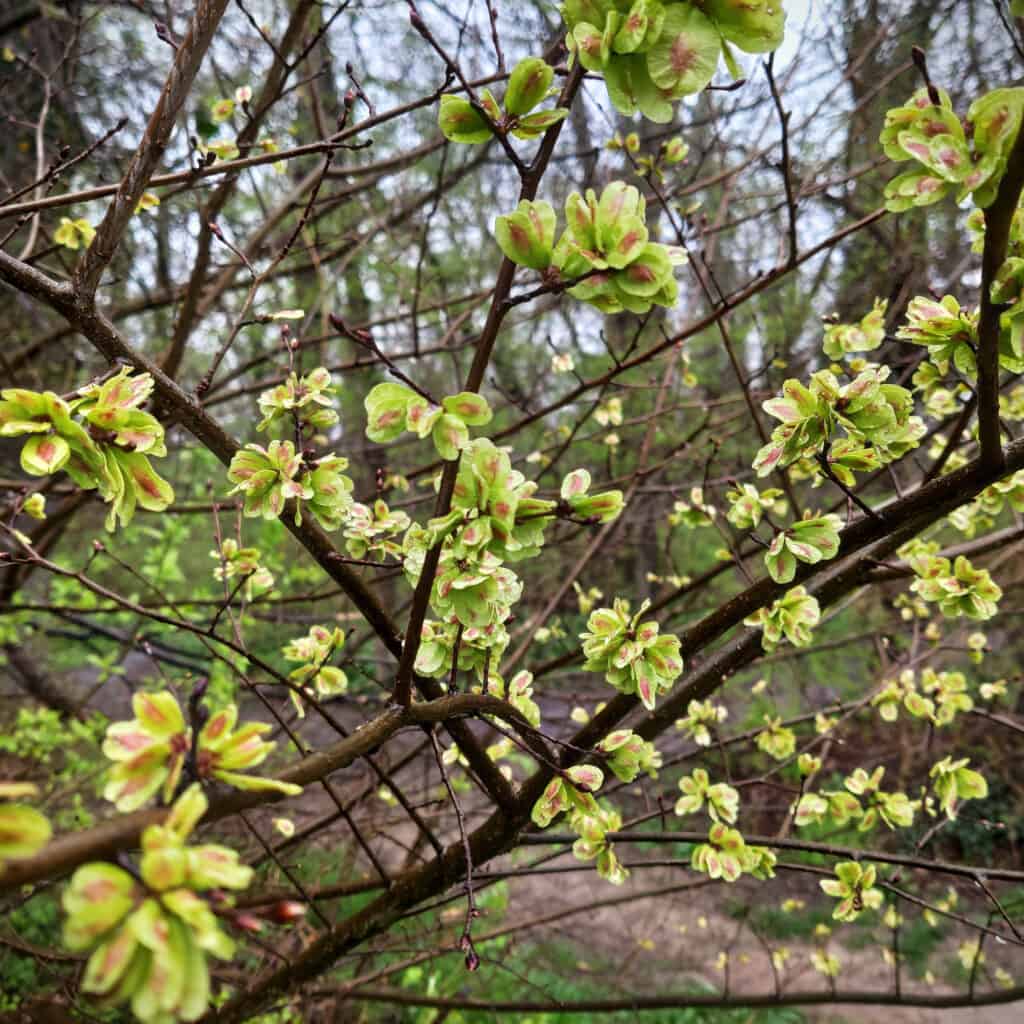
Siberian elm trees are invasive.
©Wirestock Creators/Shutterstock.com
The Siberian elm tree seems like a great addition to the yard: it’s disease-resistant and hardy. However, it’s known for spreading seeds surrounding other trees and overtaking their water resources.
When left unchecked, the Siberian elm uses its cold-hardy and resilient qualities to overtake native vegetation and out-last them in unideal conditions. The Siberian elm is considered an invasive species.
Ensure you aren’t planting a Siberian elm tree, and remove any growing in your yard.
Pitfalls of Planting an Elm Tree: A Summary
| Ranking | Pitfalls of Planting Elm Trees |
|---|---|
| #1 | Elm Trees Trigger Pollen Allergies |
| #2 | Elm Trees Are Susceptible to Dutch Elm Disease (DED) |
| #3 | Elm Trees Attract Pests |
| #4 | Elm Trees Break in Strong Winds |
| #5 | Elm Trees Can Be Water-Seeking |
| #6 | Elm Trees Grow 80-100 Feet Tall |
| #7 | Elm Trees Are Messy |
| #8 | Some Elm Trees Are Invasive |