
Quick Take
- By the time your ash tree looks visibly sick, the damage hidden beneath the bark may already be past the point of no return. See the visible damage →
- One common backyard bird can actually tip you off to an infestation before the tree shows any obvious symptoms. Spot the early warning sign →
- Treating an infested ash tree isn't straightforward. Even the most effective insecticides come with a catch that determines whether treatment is worth attempting at all. Understand treatment limitations →
- The beetles spread in a way that most people unknowingly accelerate, and the reason has nothing to do with gardening habits. See how the beetles spread →
American trees are under attack, and it’s by an enemy that’s hard to spot. A tiny invasive pest, considered one of the most destructive forest insects ever to invade the U.S., is spreading across the country. It only attacks one type of tree, but the effects are devastating. In this article, we explain why ash trees desperately need your help to combat the emerald ash borer.
Why Should I Care About the Emerald Ash Borer?
The emerald ash borer (Agrilus planipennis) is an invasive wood-boring insect that infests true ash species (Fraxinus spp.). It is native to parts of China, Korea, Japan, Taiwan, and small areas of Russia and Mongolia, but it is an invasive species in the US.
It was first found in America in June 2002 near Detroit, Michigan. The beetle probably arrived in wood packing material imported from its native range. Since then, it has been found in around 37 states and has killed tens of millions of ash trees. It presents a serious threat to states such as Utah, where ash trees make up as much as 30 percent of the urban canopy in many communities. Five ash tree species (F. americana, F. nigra, F. pennsylvanica, F. profunda, and F. quadrangulata) are now considered threatened or endangered, and the emerald ash borer has not exactly helped this situation!
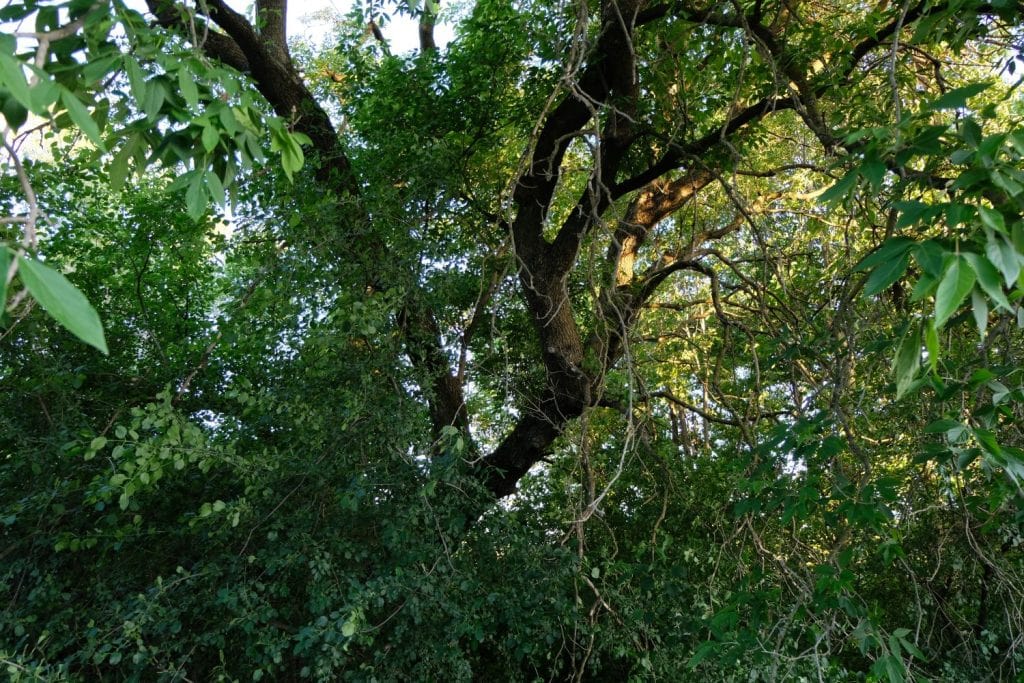
Ash trees are vulnerable to the emerald ash borer.
©TippyTortue/Shutterstock.com
Ash trees are an important part of our local canopies, and their loss will significantly impact wildlife and other plants. The emerald ash borer does not present a direct risk to your health, but trees improve air quality and make our urban areas nicer places to live, which improves our well-being. Without them, studies have found that communities with fewer urban trees tend to have higher rates of cardiovascular disease, respiratory illnesses, and mental health issues, such as stress.
These beetles are primarily spread by the movement of infested wood. Therefore, you can do your bit by not transporting firewood and by burning wood where you buy it. Check the label to see where your firewood originated.
How Does the Beetle Damage Ash Trees?
Female beetles lay 40 to 200 eggs in the bark crevices of ash trees. The eggs hatch in about two weeks, and it is the larvae that cause the most damage. They tunnel through the tree, feeding on the nutritious tissue beneath the bark. This is called the inner bark and contains the cambial layer (the growing part of the trunk) and the phloem (cells that transport nutrients around the tree). Once these layers are damaged, the tree cannot thrive and will eventually die.
Emerald Ash Borer: What to Look For
If you have ash trees in your yard or garden, they may be at risk. Unfortunately, infestations are hard to spot if there are only a few larvae, as most of the damage is hidden under the bark as the tree enters a gradual decline. However, there are a few signs you should watch for.
Presence of Adult Beetles
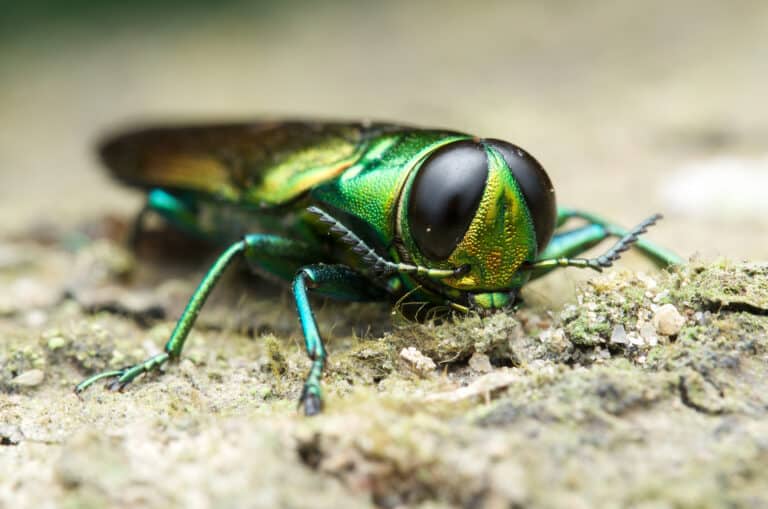
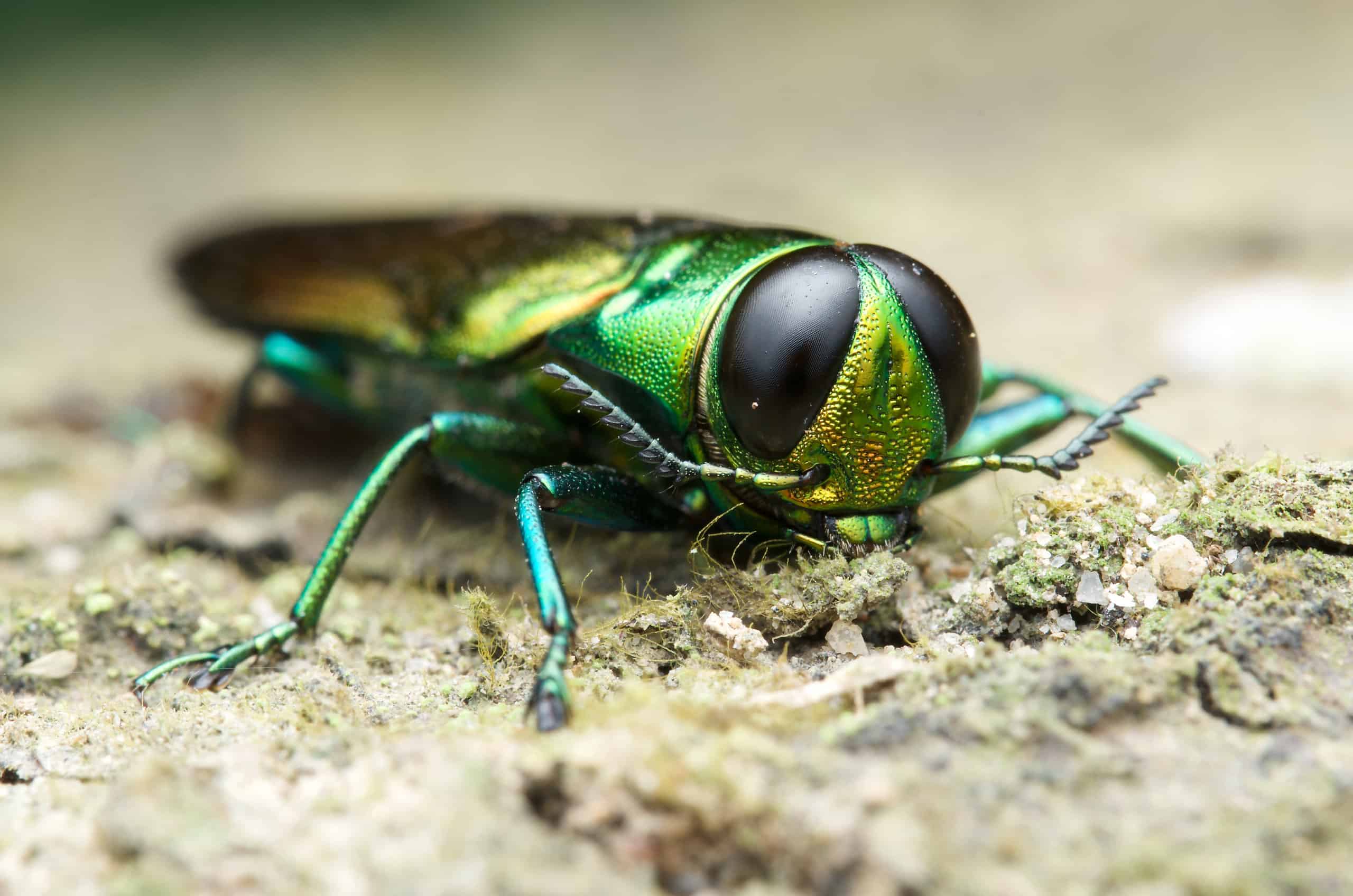
Adults usually begin by infesting the tree crowns and then work their way down. They are around one-half inch long and are a distinctive metallic green with a coppery-red abdomen. Adults are most active during warm, sunny days and will cling to foliage or hide in crevices during storms. You can use one of the online identification guides to distinguish it from other beetles.
Signs of Larval Infestations
Larvae are legless, creamy white, and have flattened, bell-shaped body segments. Burrowing larvae create S-shaped (serpentine) markings, called feeding galleries, on the inner bark.
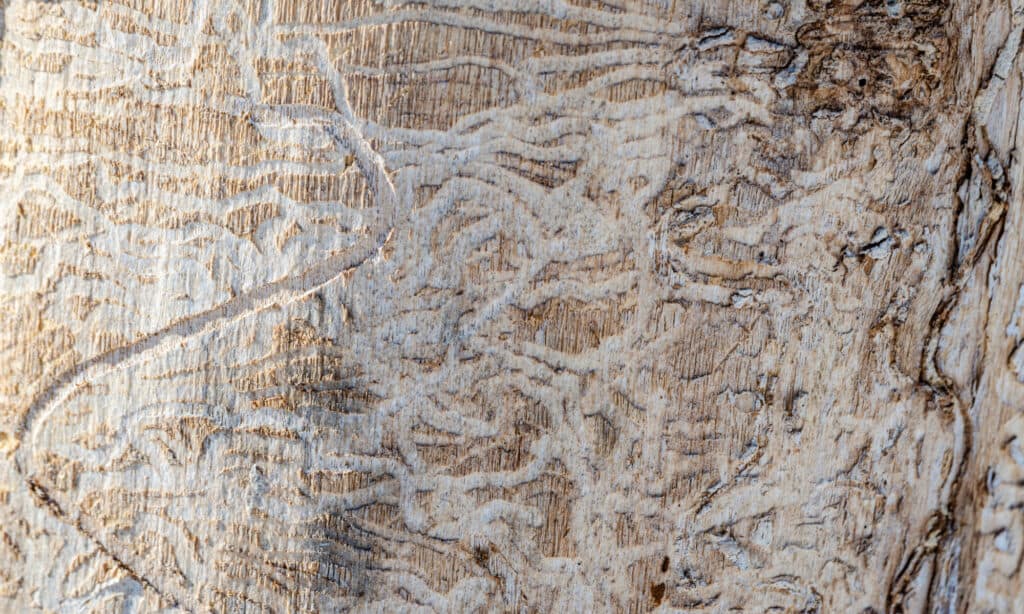
Ash trees that have been damaged by emerald ash borers have larval galleries.
©iStock.com/Pito Fotos
They weave back and forth across the wood grain. The galleries are often packed with a mix of sawdust and excrement, which is called frass. In the spring, adult beetles create D-shaped exit holes as they emerge after pupating.
Tree Damage
You may notice dead branches near the top of the tree (canopy dieback), which starts in the upper third and progresses until the tree is bare. You may also see excessive branching or sprouting on the tree trunks and roots (epicormic shoots), as well as vertical cracks in the bark exposing larval galleries.
Woodpecker Activity
Woodpeckers like to eat emerald ash borer larvae. You may notice an increase in woodpeckers peeling off the outermost layers of bark and punching holes with their beaks. This activity leaves larger holes in the bark after the woodpeckers have removed the larvae.
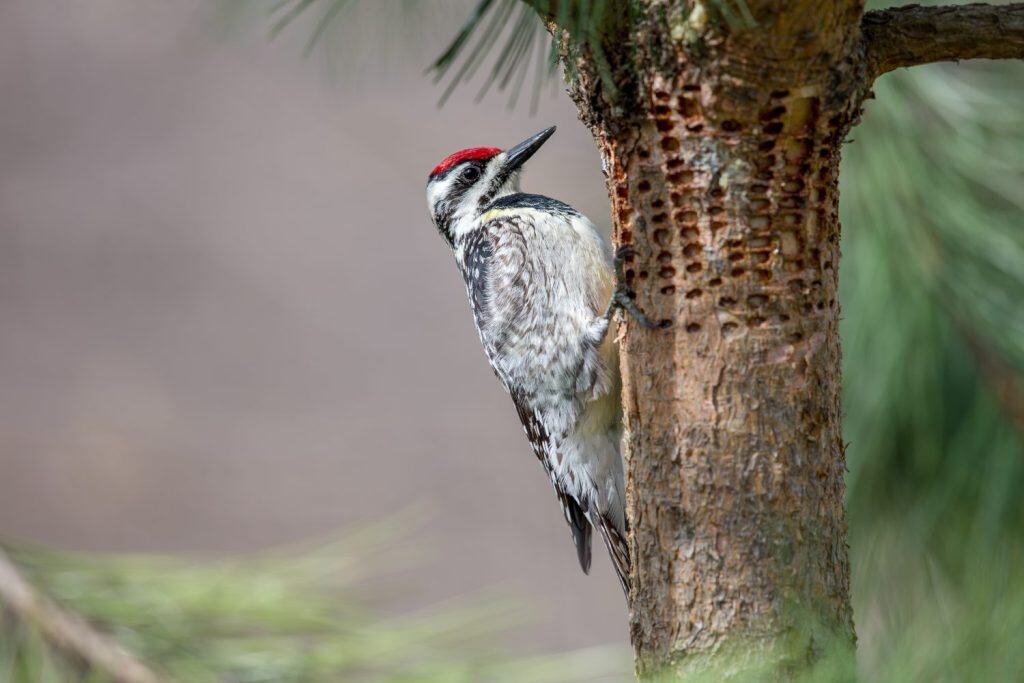
Increased woodpecker activity may indicate emerald ash borer presence.
©James.Pintar/Shutterstock.com
Should I Treat My Ash Trees for Emerald Ash Borer?
If you spot these signs, you should report them to the USDA using the prescribed form. Your local Cooperative Extension Agent can advise you on the most appropriate treatment options available at local retail outlets. Certain insecticides, such as emamectin benzoate, can be highly effective when properly applied, but no treatment guarantees 100 percent success, especially if infestations are advanced or applications are mistimed. This is because it is difficult to reach insects under the tree bark. Sadly, trees with more than 50 percent crown dieback have a very poor prognosis, and most will not survive even with treatment. Treatments may need to be repeated annually, and it may take over a year for the tree to show improvement.