
Quick Take
- Stingless bees have pollinated much of the Amazon for 80 million years and support key crops like cacao, coffee, and bananas.
- In 2025, municipalities in Peru became the first in the world to grant an insect legal rights, including the right to exist and be protected from harm.
- Climate change, deforestation, pesticides, and invasive species are putting stingless bees at serious risk.
- Indigenous communities have long relied on stingless bees for food, medicine, and tradition, and helped lead the push for legal protection.
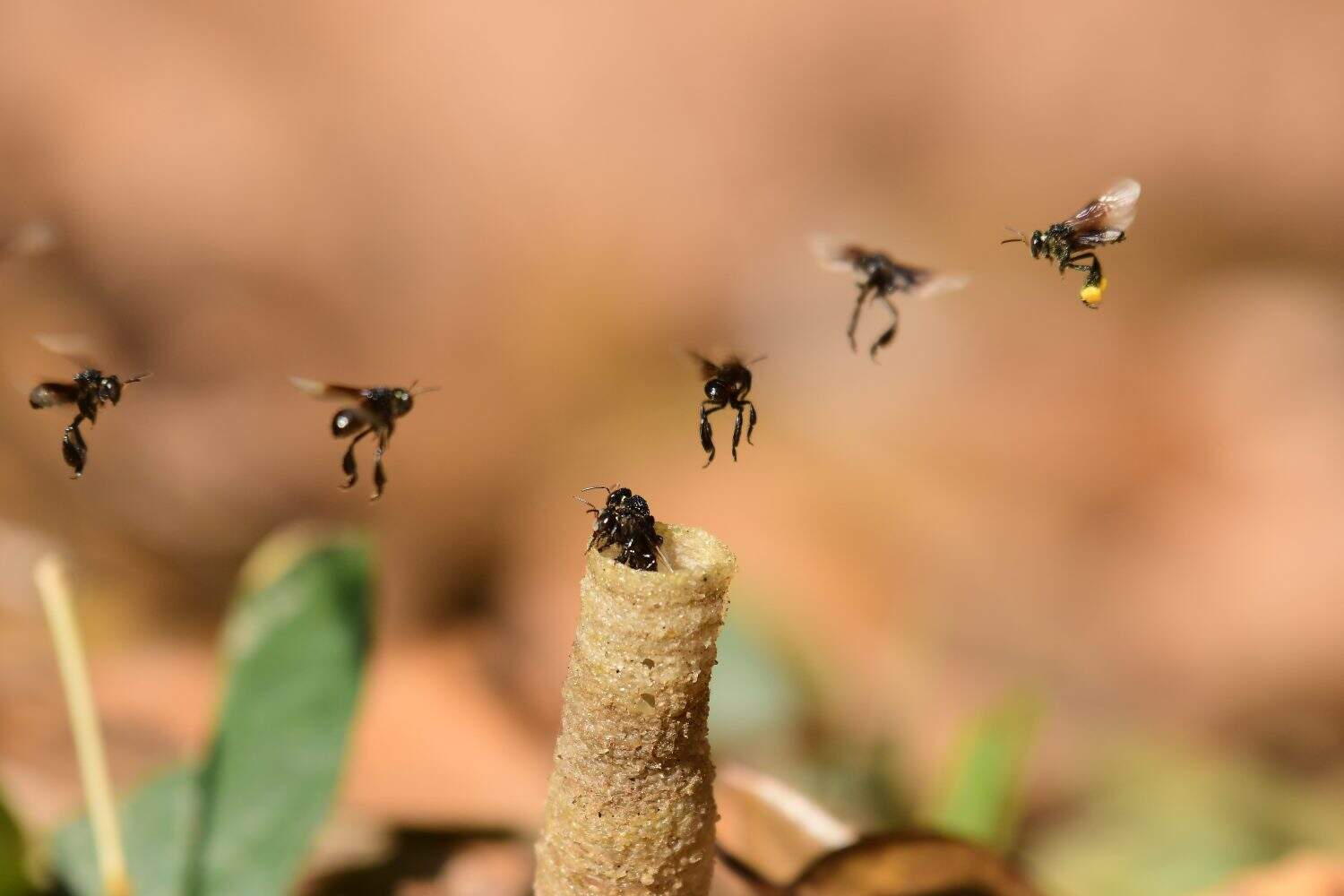
Stingless bees are so ancient that they shared the planet with the dinosaurs. For the past 80 million years, stingless bees have been pollinating 80% of the Amazon’s flora, including such crops as bananas, avocados, coffee, and cacao plants. In 2025, this key pollinator became the first insect in the world to be granted legal rights.
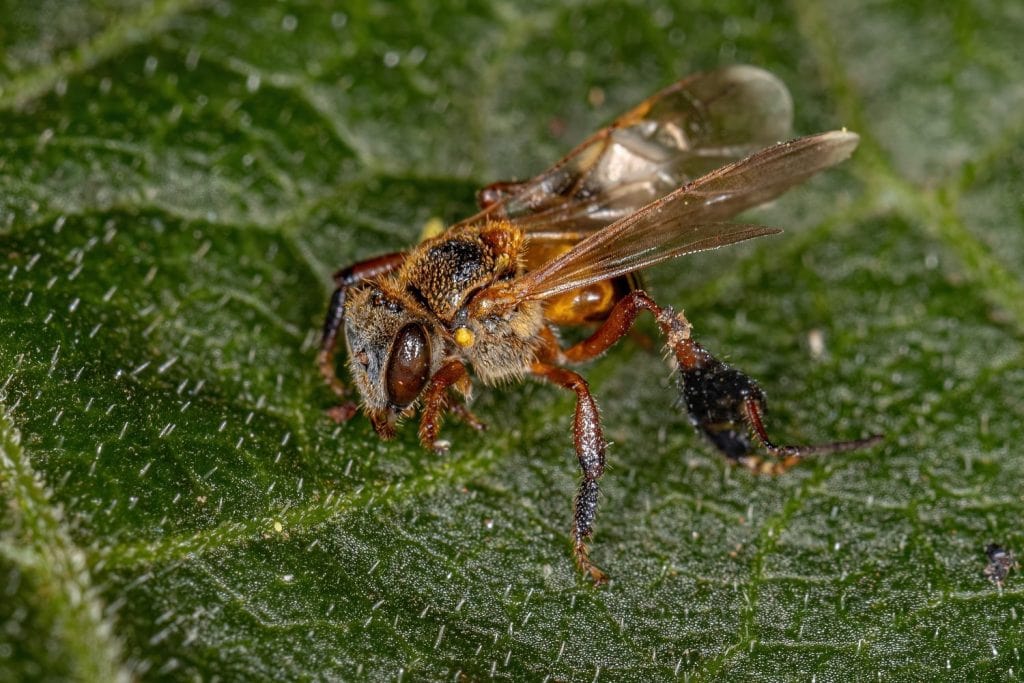
Frieseomelitta is a genus of stingless bees native to Peru.
©Vinicius R. Souza/Shutterstock.com
Avaaz.org, a global online activist network, posted on Instagram, “Some of our world’s most important pollinators are under threat, but now a gentle revolution is buzzing.” In October 2025, Satipo, a municipality in central Peru, passed an ordinance granting legal rights to stingless bees. In December 2025, Nauta, in the Loreto region of Peru, became the second municipality to pass the ordinance. Municipal Ordinance No. 33-2025-CM/MPS grants the bees in the area protection, including the right to exist and thrive in a healthy ecosystem free of pollution. Also, humans can file lawsuits on behalf of the bees.
Stingless bees do have stingers, but they are very small and ineffective. Rather than stinging, these bees defend themselves by biting. Known as the Tribe Meliponini, there are over 600 species of stingless bees around the world. They are native to tropical and subtropical regions, including Australia, Africa, Southeast Asia, and Central and South America. There are about 175 species of stingless bees in Peru.
Like honeybees, stingless bees are eusocial and live in colonies with a queen, drones, and workers. They also face many threats, similar to honeybees. In Peru, stingless bees are vulnerable to climate change, pesticides, human activity, and habitat loss. They are also competing with invasive bees from Europe and Africa. Deforestation is a growing problem as well. The Amazon forest in Peru lost over 100 acres to wildfires in 2024. Scientists believe the more frequent fires are due to higher temperatures and a drier climate. Furthermore, illegal logging in Peru is a persistent problem, creating more deforestation in the rainforest.
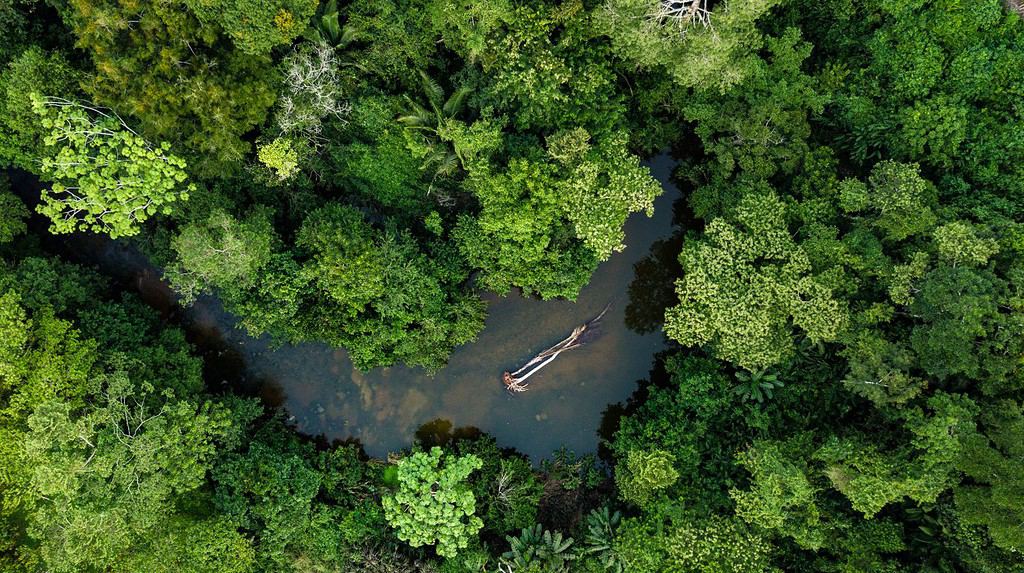
Peruvian rainforests are facing severe deforestation threats.
©qualtaghvisuals/Shutterstock.com
Conservationists hope the new laws will help raise awareness and make it easier to obtain funding for research. The campaign to grant the bees legal status was the result of cooperation between multiple groups, including environmental activists, scientists, and Indigenous leaders. Constanza Prieto, the Latin American director at the Earth Law Center, one of the organizations advocating for the bees, told the Guardian, “This ordinance marks a turning point in our relationship with nature: it makes stingless bees visible, recognises them as rights-bearing subjects, and affirms their essential role in preserving ecosystems.”
Stingless bees have been important to Peruvian culture for both food and medicine, dating back to pre-Columbian times. Indigenous peoples have historically cultivated the bees for their honey, pollen, and propolis (a sticky substance produced by bees used for medicinal properties and to make candles).
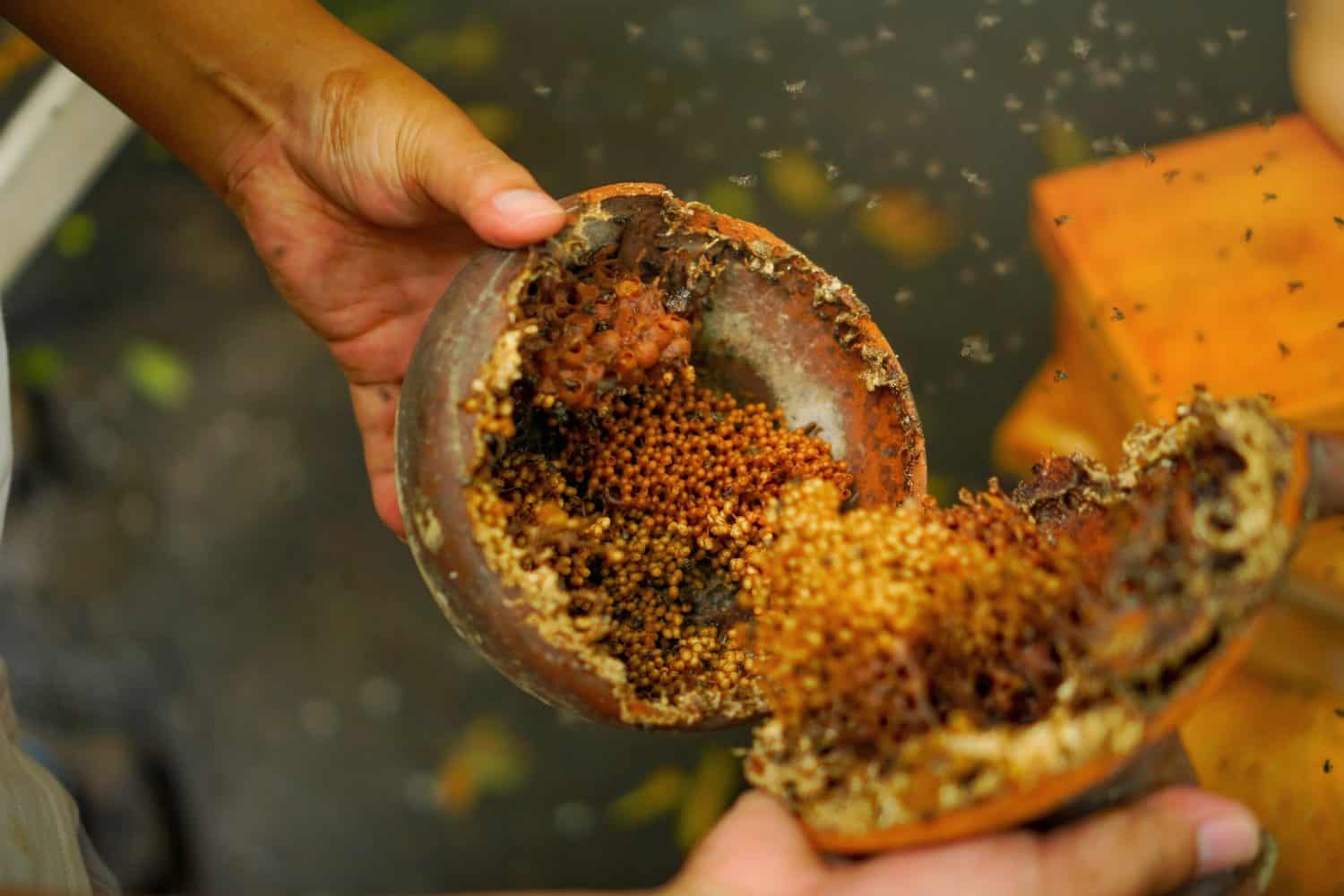
Meliponiculture is the traditional practice of sustainable stingless beekeeping in Peru.
©ANTOSYS/Shutterstock.com
Stingless bees from the Amazon produce a type of honey that has different properties from the honey made by European honeybees. Scientists have discovered that stingless bee honey contains molecules with many special properties that are antiviral, antibacterial, anticancer, and anti-inflammatory. Indigenous traditional songs and dances feature the bees, while local beekeeping continues to play an important role in the communities today.
César Ramos, president of EcoAsháninka, an organization led by the Asháninka Indigenous community, told Inside Climate News, “Bees are part of the family. They are ancestors.” EcoAsháninka collaborated with Earth Law Center and Amazon Research Internacional to advocate for the new ordinances.
Bees may be the first insects to be granted legal rights, but a few other animals have also received legal rights around the world. In Ecuador, the “Rights of Nature” have been a part of the country’s constitution since 2008. In 2022, the courts applied this right to all wild animals based on a case of a woolly monkey. Poachers captured the monkey as a baby from the wild. The monkey was likely sold in a market and was then kept as a pet for 18 years. The courts found the monkey, named Estrellita, had her rights violated when she was poached as a baby and kept in captivity.
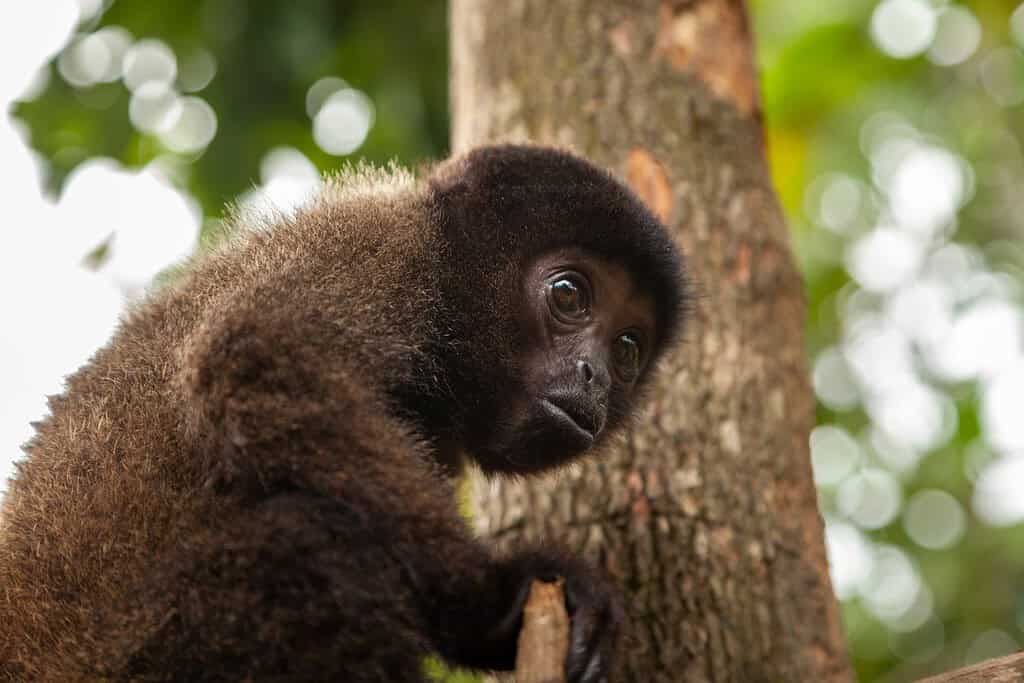
Like all wild animals in Ecuador, woolly monkeys have legal rights.
©alvarobueno/Shutterstock.com
Since March 2023, the government of Panama has granted legal rights to sea turtles. Five of the seven sea turtle species nest or migrate along the coast of Panama. The law recognizes sea turtles’ rights to move about freely in a healthy environment.
Conservationists are working to expand these laws nationwide in Peru. A petition by Avaaz.org has amassed over 388,000 signatures. With a goal of reaching 500,000 signatures, the petition states, “When enough of us sign, Indigenous allies will deliver our voices [directly] to Peru’s lawmakers.”