
Quick Take
- The 15-acre Sandspur Island is off the coast of Miami in Biscayne Bay.
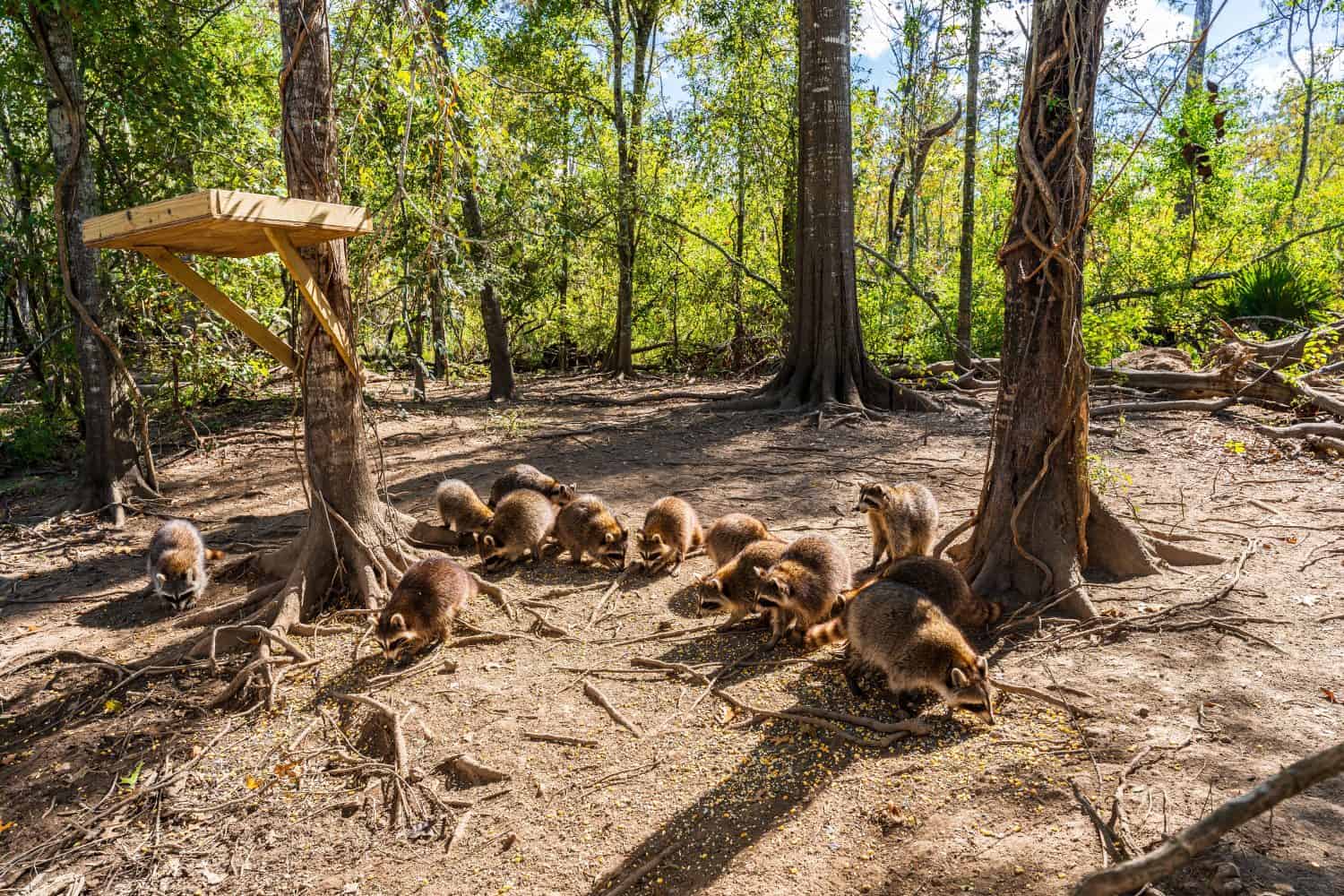
- The island is currently home to a large number of racoons.
- The history of this island is wrapped in mystery, but it was likely once a private residence.
- Instead of sandy beaches, this island has widespread mangrove trees with interlocking roots.
Our great planet has a monkey island and a snake island, but what about an island chock-full of the most lovable burglars of the suburban world—raccoons? If you’ve been holding out for a place solely dedicated to trash pandas, then you’re in luck, because there is a small island near Miami absolutely packed with raccoons. This Instagram video detailing a trip to the shores of this island seems like something out of a strange fairy tale.
In the video, a small group kayaks to the island. Once they arrive on shore, they are swarmed by a group of raccoons, half of them on their hind legs, begging for food. Such a scene might seem like something from a fever dream, but it is entirely real. Just outside of Miami, lies an island teeming with raccoons. The story of its origins is shrouded in mystery, intrigue, and absurdity. Let’s learn more about Sandspur Island and how it came to be known as the island of raccoons.
Steeped in Mystery
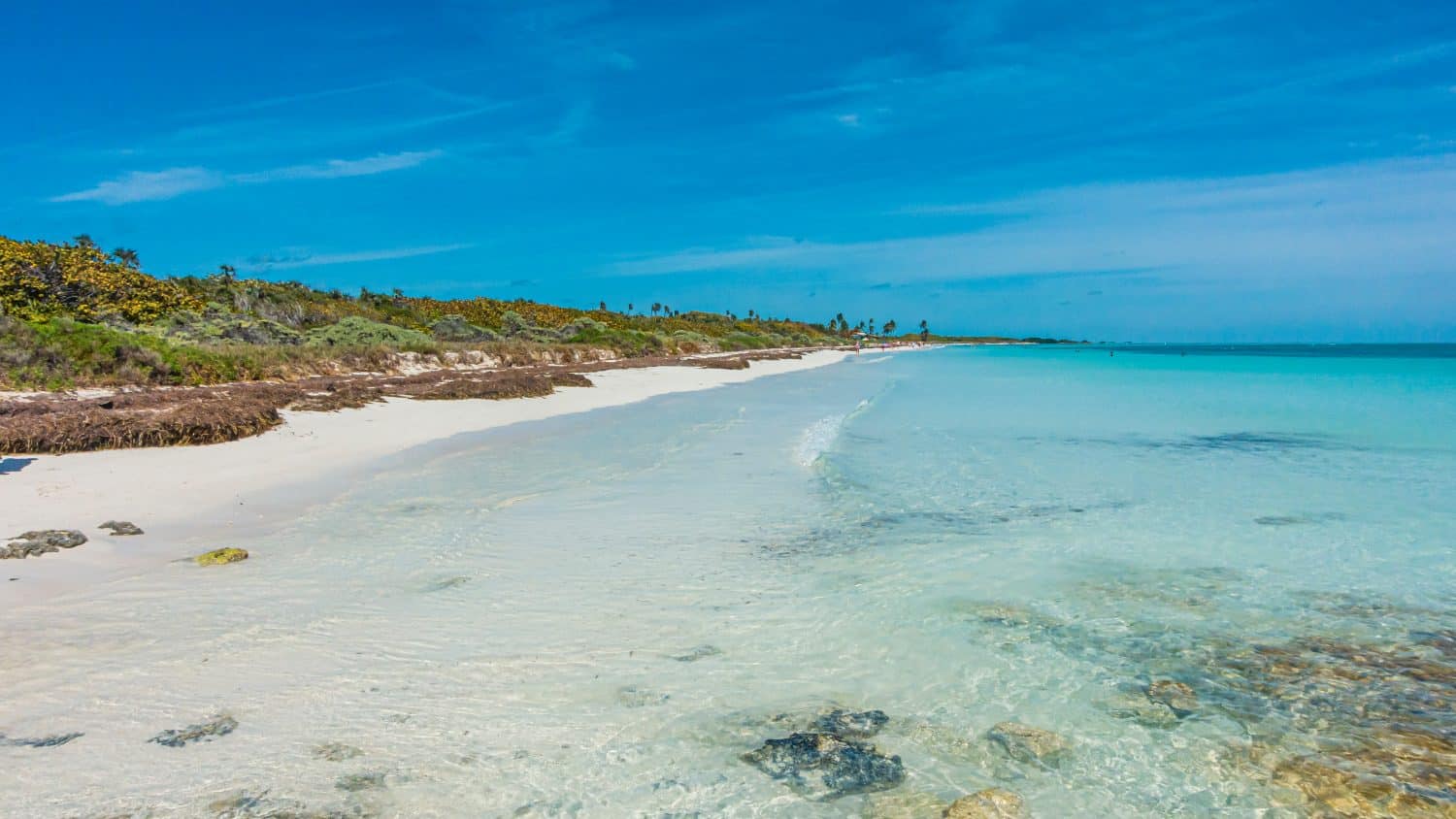
Legend has it that Sandspur Island was once home to a hermit or visionary who was forced to abandon it because of too many hurricanes.
©Stephan Langhans/Shutterstock.com
Right past the bright skyline of Miami sits Biscayne Bay. It’s full of artificial islands, but one stands apart from the rest: Sandspur Island. Sandspur is so hard to get to, it’s almost invisible to the outside world; only kayaks and small boats can reach its shores. Once you arrive on the island, you notice not only thick mangroves, but the crumbling remains of human-built structures. Indeed, there are concrete slabs and rusted rebar amidst the thick vegetation—the remains of previous human intervention.
Legend has it that Sandspur Island belonged to an eccentric figure in the 20th century, presumed to be a hermit or visionary, who wanted to create a personal paradise away from the noise and sprawl of nearby Miami. More outlandish rumors suggest that the ruins once belonged to a scientific laboratory or even a quarantine station. Alternatively, some evidence suggests the island was once a private residence. However, relentless annual hurricanes in the area eventually drove away any residents and allowed nature to reclaim the island.
An Artificial Island
Raccoon Island’s true name is Sandspur Island. Some people call it Beercan Island. At 15 acres, it’s the largest spoil island in Biscayne Bay, which is part of Oleta River State Park. It is only accessible by boat. However, the island wasn’t always there.
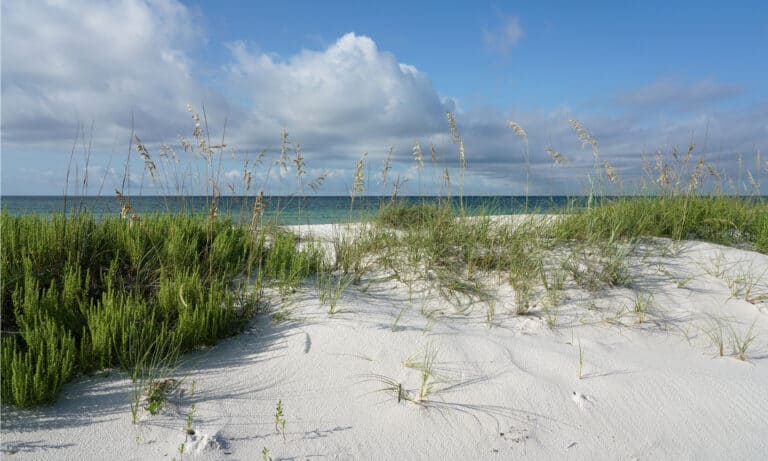
In the early 1900s, people dredged Biscayne Bay to create navigation channels and harbors. This resulted in over twenty new, man-made spoil islands, including Sandspur Island. Lacking sandy beaches, Sandspur is filled with dense red and black mangroves. These plants grow so densely that their roots interlock like spines, protecting the land from erosion and allowing Sandspur to function as a kind of ecological buffer.
As previously mentioned, its location and vegetation make it practically impossible for large vessels to reach. Only small boats and skiffs can manage to navigate the mangrove roots and reach land. This isolation—close to but separate from Miami—has allowed it to become one of the area’s most enduring urban legends. It has also enabled a variety of species—and mysteries—to call it home.
Creatures Great and Small
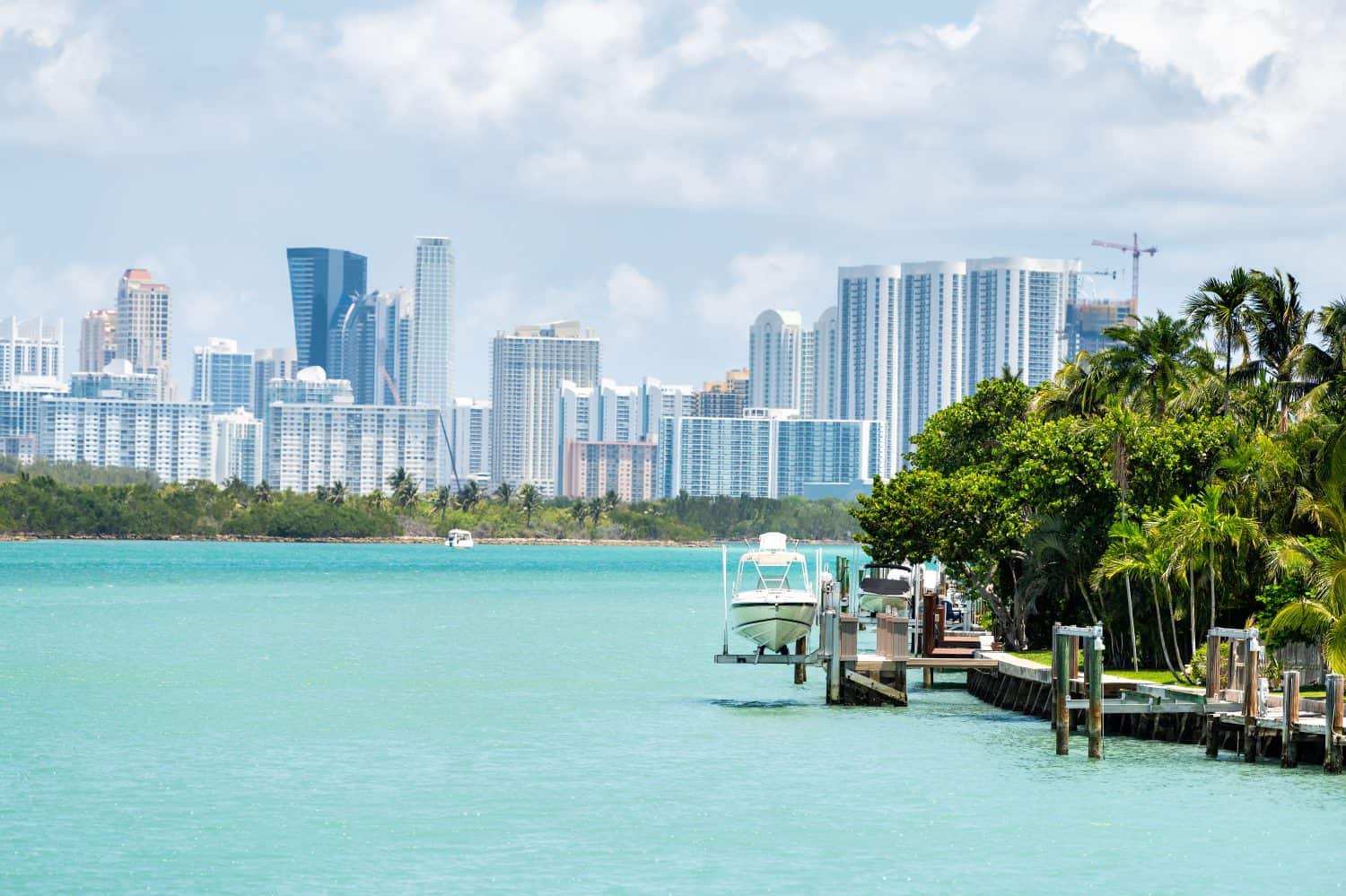
Despite being an isolated sanctuary for birds and raccoons, Sandspur Island is less than 20 miles from Miami.
©Andriy Blokhin/Shutterstock.com
Sandspur Island remains something of a nursery in an area where development has all but destroyed natural habitats. In the north of the island, there are ample coconut trees, mangrove trees, and flowering plants. In the south, there are even the last remnants of Casuarina, an invasive Australian pine species that had once taken over the land.
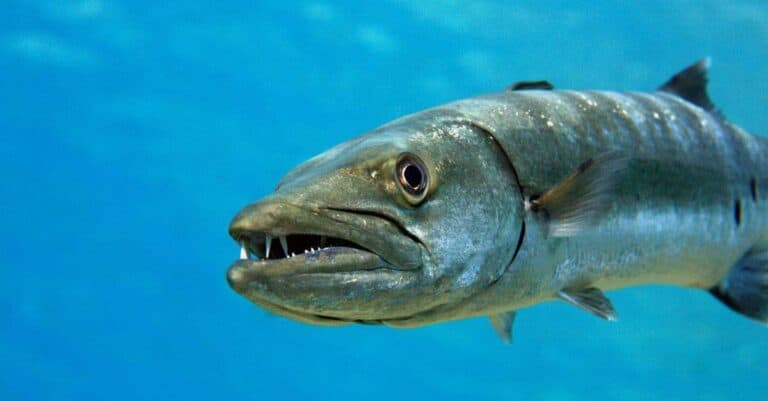
When it comes to fauna, the submerged mangrove roots provide a sanctuary for shrimp, barracuda, and even snapper turtles. The island is also a well-known landing zone for migratory birds. Pelicans, egrets, and herons can be regularly seen hanging out in the high canopies of the island’s mangrove trees.
However, the most interesting creature on the island is the raccoon. As seen in this Instagram video, wild raccoons greet visitors to the island right on the beach. They aren’t afraid at all, as evidenced by their outstretched hands waiting for treats and snacks. Their presence on the island has colloquially transformed Sandspur Island into Raccoon Island. While no one is exactly sure how the raccoons got there, several theories persist.
Origin Story
There are several theories regarding the presence of wild raccoons on Sandspur Island, some more believable than others.
For one, raccoons are excellent swimmers and are known to swim between islands and other land masses looking for food or escaping predators. Nearby Oleta River State Park has a large native raccoon population, and Sandspur Island is close by. It’s plausible that several pioneering raccoons swam for greener pastures and found them in the form of Sandspur; no predators and a steady supply of food.
A more cynical but still plausible theory says that humans transported the raccoons to the island at some point in the past. These spoil islands in Biscayne Bay were once infamous party spots. After all, another name for Sandspur Island is Beercan Island. According to this theory, raccoons arrived on the island with human help. Some believe people relocated ‘problem’ raccoons there, while others think raccoons were drawn to the island by the abundance of trash left behind after parties.
The most realistic theory, however, is hurricane-based. As explained in the seminal article on the island by the Miami New Times, local lore proposes that the current raccoon population arrived via stormy weather. Indeed, following the destruction of Hurricane Andrew in 1992, a small group of raccoons washed onshore via floating debris or even shipping crates. No one knows if they were wild raccoons or escapees, but they established themselves on the island. While this theory can’t be proven, it aligns with observed patterns.
Trash Panda Paradise
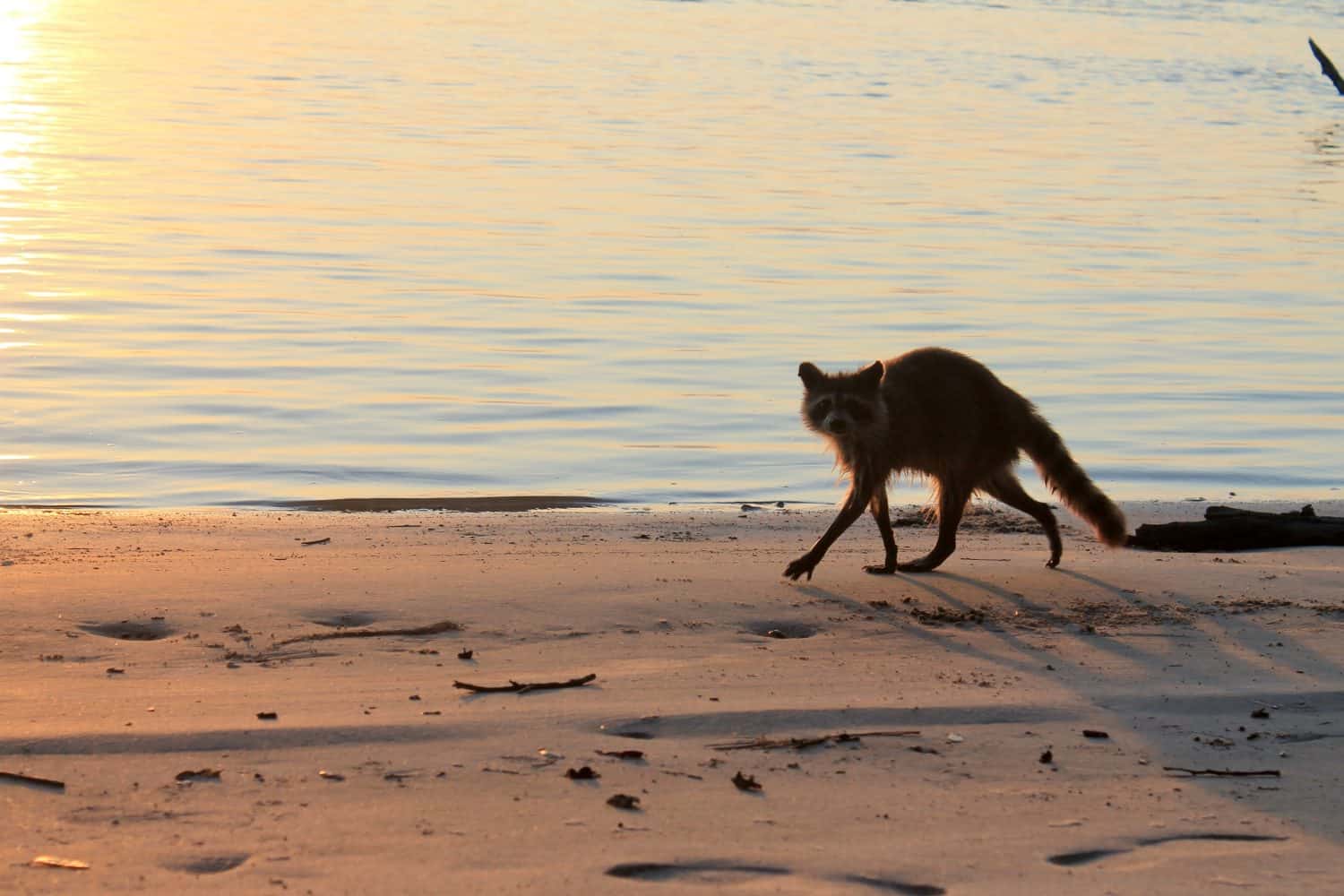
The raccoons on Sandspur Island have been there for at least 30 years.
©hskinner/Shutterstock.com
It doesn’t really matter how raccoons reached Sandspur Island because they have made a real home of it. However, this home is unlike the typical suburban porches and alleys where raccoons are usually found. Instead, the island has turned its raccoon inhabitants into sunshine-seeking opportunists. While they do forage for native crabs and mollusks among the mangroves, most of their food comes by way of human generosity.
Visitors to the island have given the raccoons so much fruit and fresh water that the animals have learned to recognize the sound of a boat motor. As seen in this Instagram video, the raccoons emerge when boats arrive, greeting kayakers in hopes of receiving food.
This dependency on humans for survival disrupts their natural behaviors. It has also made this hidden spoil island into a debate about the rules of wildlife conservation. While the island isn’t completely restricted to visitors, visitors are encouraged to leave no trace. It remains under the watchful eye of environmental agencies. In addition to raccoons dependent on humans, the whole of Biscayne Bay is under increasing threat from climate change and pollution.
Hidden Gem
Raccoon Island may not be as hidden as the legends make it seem, but there is still plenty of mystery to this small spoil island. In addition to raccoons, other unusual items sometimes come ashore. Its location near Miami has resulted in everything from washed-up Santeria offerings to kilos of cocaine landing in the island’s mangroves.
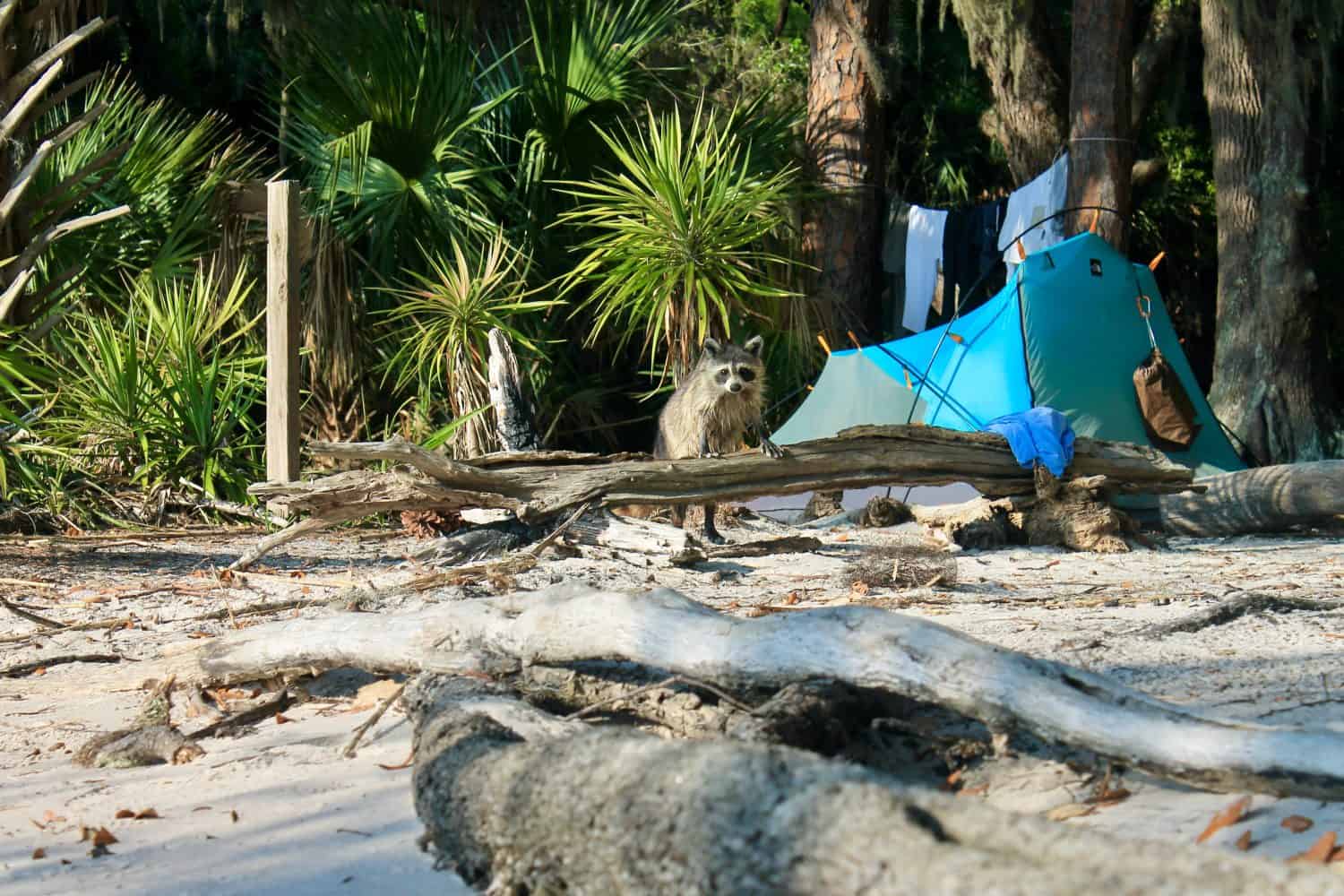
There aren’t many places left in North America like Biscayne Bay’s Raccoon Island.
©hskinner/Shutterstock.com
Moreover, there are not many islands that remain wild while being in such close proximity to dense civilization. A place like Sandspur (Raccoon) Island offers a kind of habitat that is increasingly rare in the 21st century. It’s also one of the few places in the contiguous United States where a haven for wild animals can thrive in an environment that feels lost to time, even though it’s only a few hundred yards from million-dollar condos.
Raccoon Island is a true hidden gem, one that maintains its anonymity, even though it’s regularly visited by modern-day explorers. Just be sure to bring some fruit, because the raccoons are hungry.