
Quick Take
- China granted this fish its highest level of legal protection, yet it still wasn't enough. The reason why reveals a critical gap in wildlife conservation law. See the protection gaps →
- Researchers found this ghost fish without ever seeing a single one. How eDNA found them →
- Traditional methods of tracking endangered fish at sea have a hidden cost that puts other species at risk, something most people don't realize is happening. Risks of traditional trawling →
The Chinese bahaba fish, one of the largest members of the ray-finned croaker family of fishes, was once found in ample numbers in the South China Sea. Known locally as the Tai O fish, the bahaba’s swim bladder is prized for its medicinal value. This led to overfishing of the species. In time, the once abundant bahaba dramatically declined. Its wild population plummeted, and monitoring of the fish became progressively more difficult.
The bahaba became heavily protected and a national symbol, earning it the nickname “Panda of the Sea,” but its population continues to decline. However, there’s a glimmer of hope for the critically endangered bahaba. Recently, researchers detected traces of the bahaba in the waters surrounding western Hong Kong SAR. Using an ultrasensitive genetic identification technology, they found signs of the fish in mucus and waste samples collected from seawater. Let’s learn more about this critically endangered fish and how researchers used cutting-edge technology to find it.
Chinese Bahaba

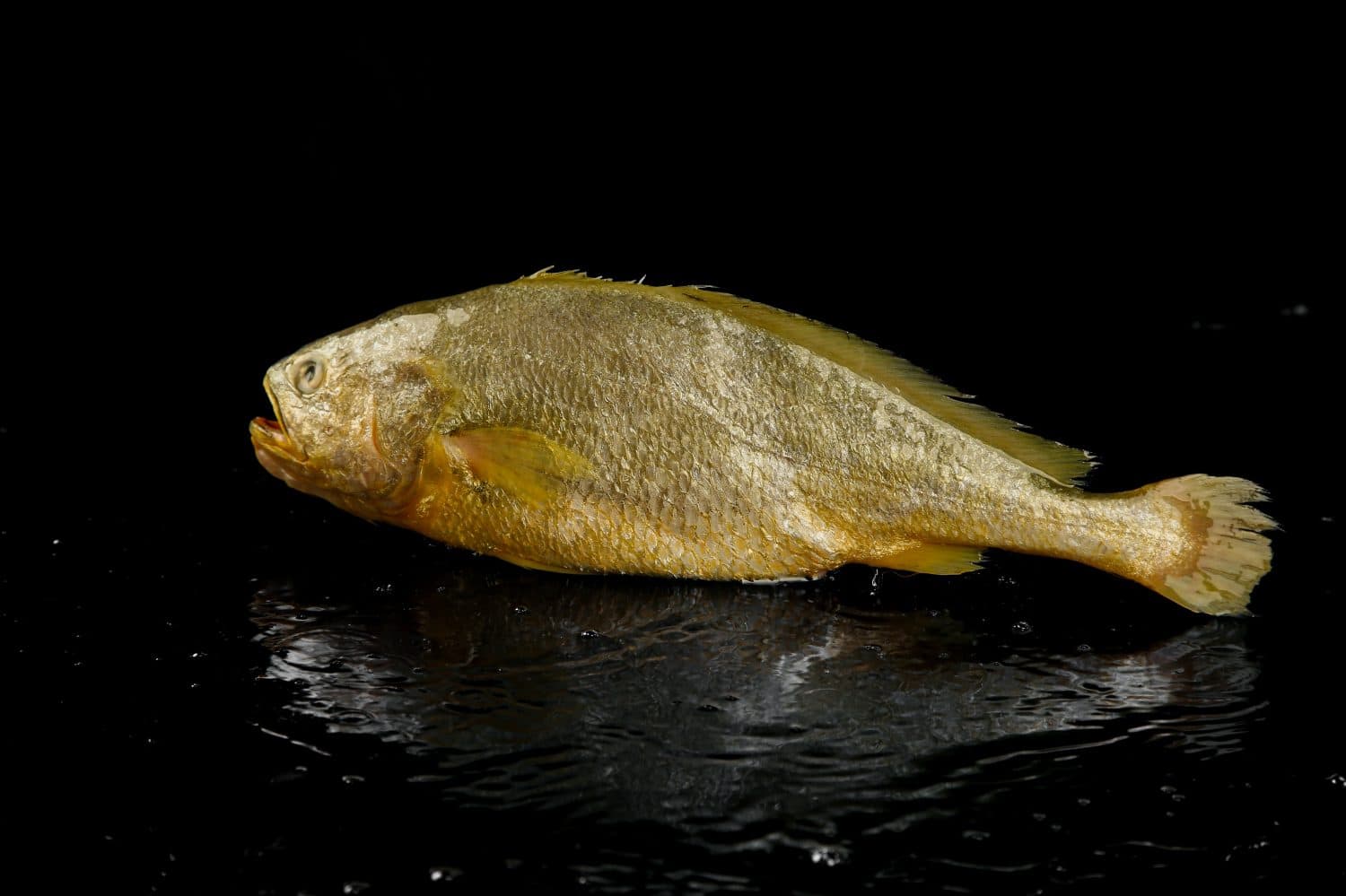
Chinese bahaba fish were once found in large numbers in the waters surrounding western Hong Kong SAR.
©EarnestTse/Shutterstock.com
The Chinese bahaba (Bahaba taipingensis) is one of the largest fish in the croaker family (Sciaenidae). Also known as the giant yellow croaker and the Panda of the Sea, the bahaba grows up to six feet in length and can weigh over 200 pounds. It has a grayish-brown to bronze upper body that fades into a pale yellow or silver abdomen. During mating season, bahabas vibrate their notably thick swim bladders using sonic muscles. This produces low-frequency drumming sounds used to communicate.
Historically, bahaba natural habitats included rocky shores, subtidal aquatic beds, shallow seas, and estuarine rivers. There, they fed mostly on crustaceans, including shrimp and crabs. In recent years, however, bahabas have faced a severe decline, owing mostly to the perceived medicinal value of their swim bladders, also known as fish maws. Bahaba swim bladders are considered the highest grade of any local fish bladders. The belief that these maws cure a variety of conditions has contributed to the bahaba’s steep decline.
The low-frequency sounds produced by bahaba swim bladders made the fish easy for fishermen to track. As wild catches of this species declined, the price for their swim bladders surged. For example, a large bahaba swim bladder could cost anywhere between $100,000 and $300,000 HKD. Demand increased, and so did the lucrative opportunities for fishermen to catch bahabas. In response, China granted the fish Grade I national protection. Loopholes in nearby markets, however, allowed unregulated trade of bahaba maws long after the protection was enacted.
A Glimmer of Hope
Scientists have been on the hunt for this increasingly scarce fish. Recognizing the difficulty in monitoring its diminished populations, researchers at Lingnan University and South China Normal University had to get creative. They developed a highly sensitive genetic identification technology capable of detecting eDNA from traces of mucus and feces in seawater. Further analysis confirmed that this technology could single out Chinese bahaba without giving false readings for other fish.
With this new approach in hand, the research team conducted surveys at 23 sites in the waters around Hong Kong SAR between January and September 2025. These included sites near the Mai Po Nature Reserve, The Brothers Marine Park, and the Southwest Lantau Marine Park. They collected three 1-liter seawater samples at each site and tested them against a control sample of sterile distilled water.
The analysis showed that eDNA from Chinese bahaba was detected in samples from four survey sites in September 2025. The water around the fishing village of Tai O showed the highest frequency of bahaba eDNA. A month earlier, 1,300 hatchery-raised juvenile bahabas had been released into the Pearl River Estuary, suggesting that at least some of the juveniles made their way into the waters around western Hong Kong.
Researchers Reflect
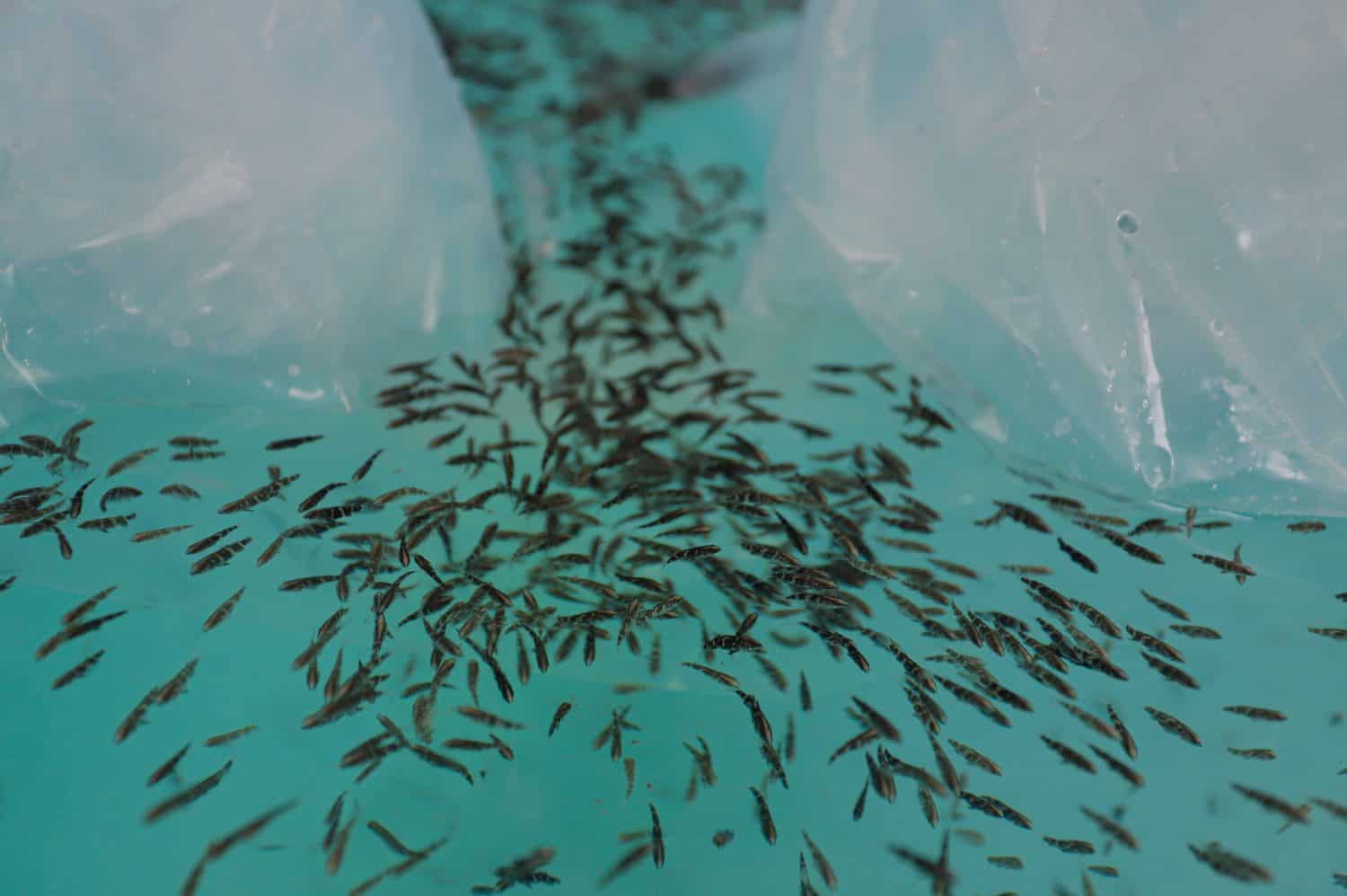
The researchers behind the study believe their technological approach could help monitor fish release and other biodiversity programs.
©bastera rusdi/Shutterstock.com
Traditional methods of collecting fish samples from the ocean rely on trawling and physical capture. These methods, though effective, require considerable manpower and financial investment. They also tend to damage seabeds and put non-target species at risk. By using non-invasive technology, researchers were able to detect the bahaba and avoid the negative consequences of trawling.
Jack Ip Chi-ho, assistant professor in the Division of Science at Lingnan University, affirmed the technology’s value. In a statement to Phys.org, he said, “The greatest advantage of eDNA technology lies in its noninvasive nature. It enables scientists to confirm the presence of a species without capturing or disturbing individual fish. Researchers simply need to collect seawater samples to conduct large-scale marine surveys within a short period of time, significantly reducing sampling efforts.”
While this study is the first to detect bahabas in the waters around Hong Kong in over a decade, the research team believes their technological approach could help with fish release programs. As Jack Ip Chi-ho explained, “Beyond long-term monitoring of the Chinese bahaba in the Pearl River Estuary and nearby waters, the technology can also be integrated with other eDNA approaches to support biodiversity monitoring and provide valuable reference data for conservation planning across the Guangdong-Hong Kong-Macao Greater Bay Area.”