
Quick Take
- The predator that nearly wiped out these snails was no accident of nature. It was deliberately introduced by humans trying to solve a different problem. Meet the introduced predator →
- Predator-proof enclosures failed to protect the snails, leaving scientists to try something far more unconventional to keep the wolfsnails away. See the failed early attempts →
- After roughly 20 generations in captivity, there's a real question whether these snails could even survive in the wild, and the answer is not what most would expect. Find out how they fared →
- Scientists developed an improved UV marking method to tell their released snails apart from any wild ones, and it involves UV light. See the UV tracking method →
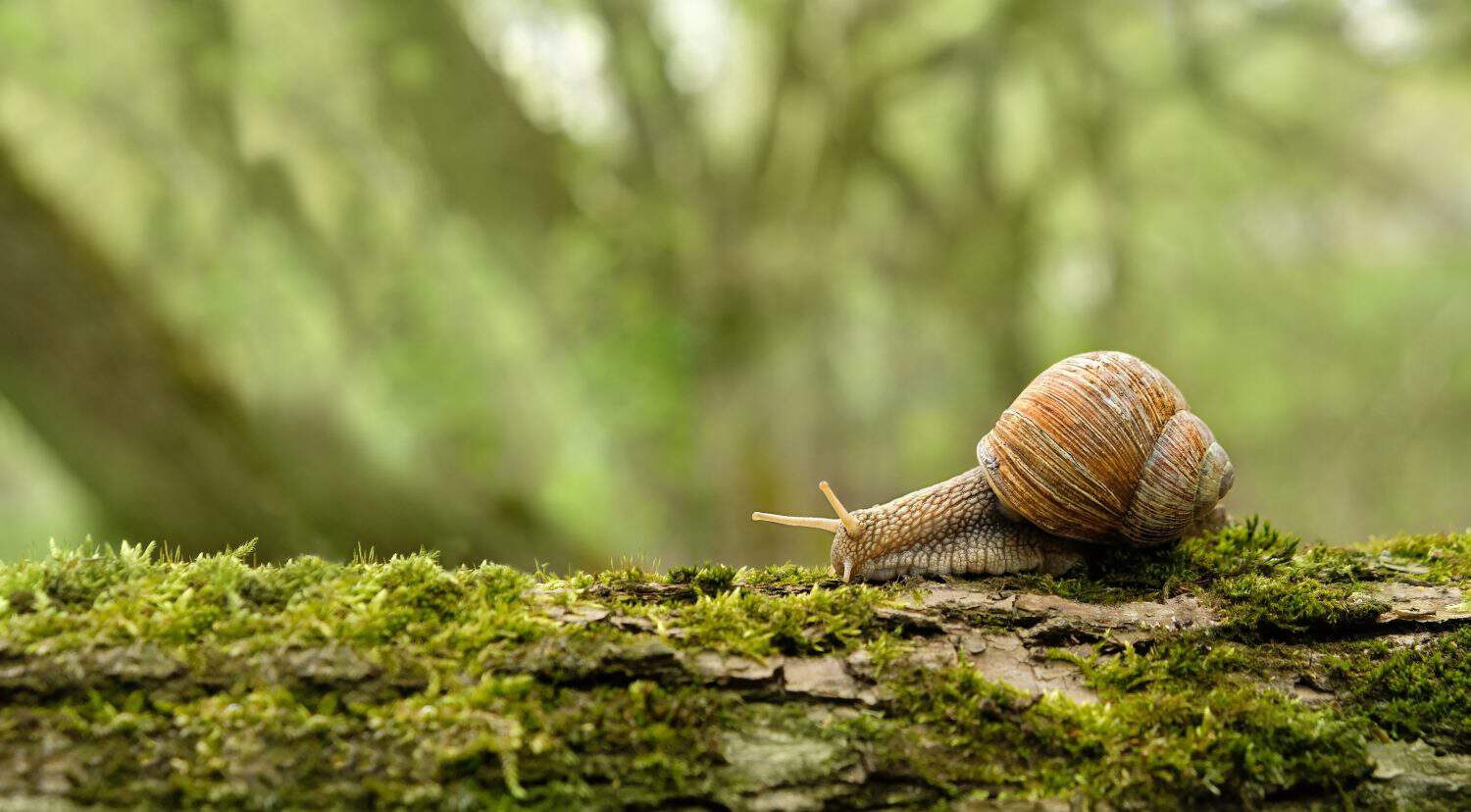
Some extinct animals have truly been wiped off the face of the Earth. For others, there is the tiniest glimmer of hope because just a few individuals survive in conservation breeding facilities. These are called ‘Extinct in the Wild’ species. Thanks to such a breeding program, a tiny tree snail is making a comeback in French Polynesia. Its story may be a beacon of hope for other invertebrate species.
The Decline of Tree Snails
Partulidae tree snails were a significant presence in French Polynesia’s Society Islands up until the late 20th century. They were valued greatly by Society Islands culture, and their shells were used in hei necklaces, crowns, and other ornaments. Ecologically, they played an even more important role.
These snails are detritivores, which means that they feed on and therefore recycle dead organic material, especially plant material. Between 1982 and 1995, almost all wild populations were wiped out.
The cause of this catastrophic decline was an introduced predator – the rosy wolfsnail Euglandina. These snails had been introduced to the area in an attempt to control an invasive agricultural pest, the giant African snail Lissachatina fulica.
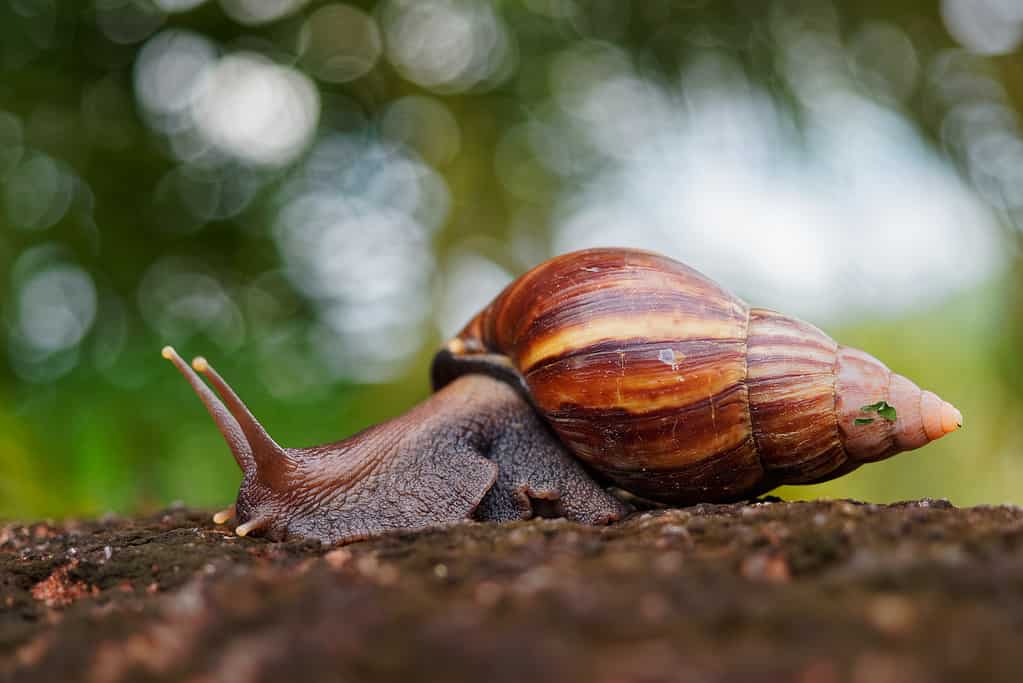
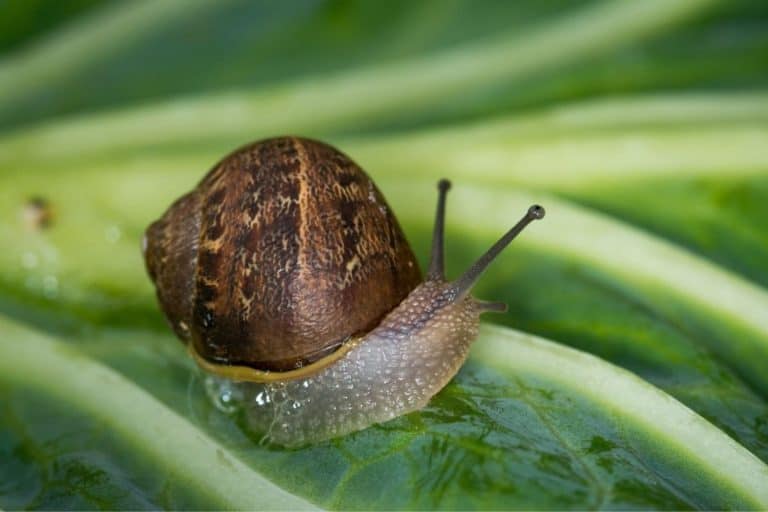
Rosy wolfsnails were introduced to control giant African land snails.
©phototrip/iStock via Getty Images
However, another invasive predator, the New Guinea flatworm Platydemus manokwari, also preys on Partulidae tree snails. More recently, this flatworm has become the primary predator of tree snails on the islands.
Captive Populations and Rewilding
Between the 1960s and 1984, captive populations of nine species of Partula were established and added to for genetics research. It was these populations that became the basis of the conservation breeding program for the snails when they became extinct in the wild. There were 51 tree snails in the genus Partula in the Society Islands. Of the 17 species still surviving (extant), 10 exist only in captivity.
The snails were initially kept at the Jersey Wildlife Preservation Trust and later managed under the Partulid Global Species Management Programme, coordinated by the Zoological Society of London. They are kept in stable artificial conditions, and some have been successfully bred.
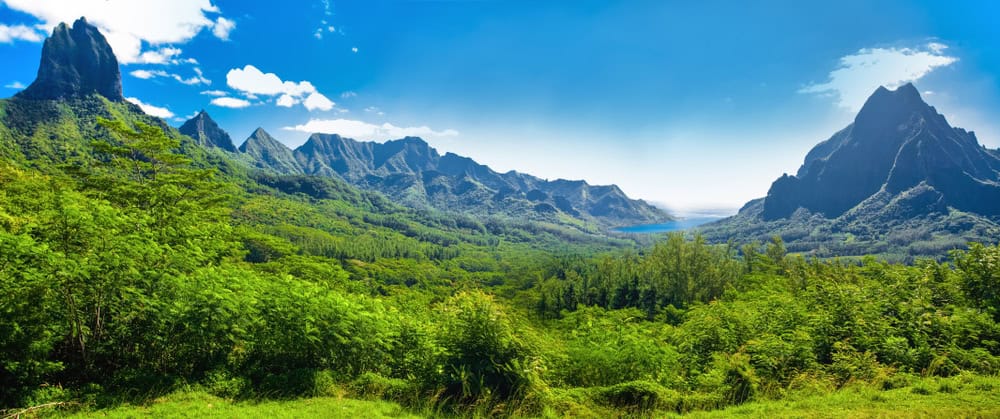
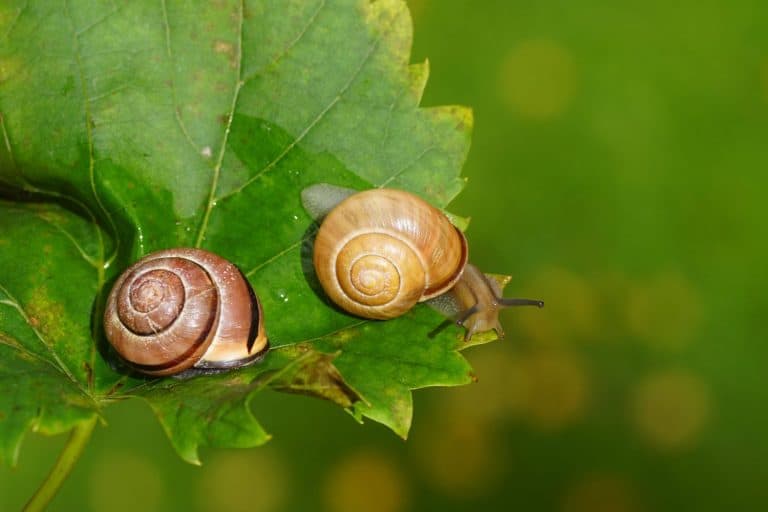
The snails were released on Moorea Island.
©Martin Valigursky/Shutterstock.com
Previous attempts to re-introduce ‘Extinct in the Wild’ species have had mixed results. Reintroduction attempts for the Partula snails began in 1995 on Moorea Island. They were released into predator-proof field enclosures, but unfortunately Euglandina snails still managed to enter and kill them.
During another reintroduction attempt, field workers discovered that Tahitian chestnut trees might provide a refuge for Partula, as Euglandina appear to be deterred by the trees’ bare, dry trunks. These trees could therefore be a better location for reintroduction.
How Were Partula Tree Snails Reintroduced?
From 2015 onwards, captive-bred snails were reintroduced onto Tahitian chestnut trees every year except for 2020–2022 (due to the COVID-19 pandemic). But how could researchers determine whether they had been successful? Initial signs of survival—such as low numbers of dead shells and initial counts of living snails—were optimistic. But after a few months, the snails were not to be seen.
Then, in 2024, a population of wild-born Partula tohiveana was found on Moorea Island! But how did scientists confirm these were the snails they had introduced?
Snail Spotting With UV
The snails were transported to the release sites in a dormant, aestivating state. Initially, they were released into the valleys where the captive stock had been collected, but monitoring these areas was impractical due to the terrain. As a result, other sites were selected, and eventually, the snails were released into Afareaito Valley on Moorea Island, using pots tied to trees with wire.
To ensure future identification, the snails were marked with enamel paint before release, using a different color for each year. Adult snails were marked in the middle of the shell, where they have an expanded lip at the shell aperture, while young snails, which lack this lip, were marked on the apex to distinguish life stages.
In 2023, this method was improved by using ultraviolet reflective paint, allowing researchers to locate marked snails with UV torches.
Successful Tree Snail Reintroduction
This study shows that Partula tohiveana adapted well to life back in the wild, despite spending around 20 generations breeding in captivity. By 2018, scientists observed individual wild-born adults. However, in September 2024, a breeding population was confirmed when a resident, unmarked group of both adults and juveniles was detected at the release site.
This is encouraging news, but caution is warranted. The presence of multiple wild-born adults does not necessarily mean the population is viable in the long term. The population remains small, and threats from invasive flatworms and lingering wolfsnails persist in the valley. If this program succeeds, it could serve as a model for other endangered species and demonstrate the vital role of zoo-based breeding in conservation efforts.