Quick Take
- That iconic tusk isn't just for looks. Its real purpose surprises most people who assume they know what it's for.
- Narwhals dive to depths that would crush most equipment, and what lets their bodies handle it is stranger than you'd expect.
- Living in sea ice year-round should be a death sentence for a mammal, yet the adaptations that make it possible entirely reframe what 'survival' even means.
- Most people picture narwhals as solitary creatures, but how they interact with family changes the story entirely.
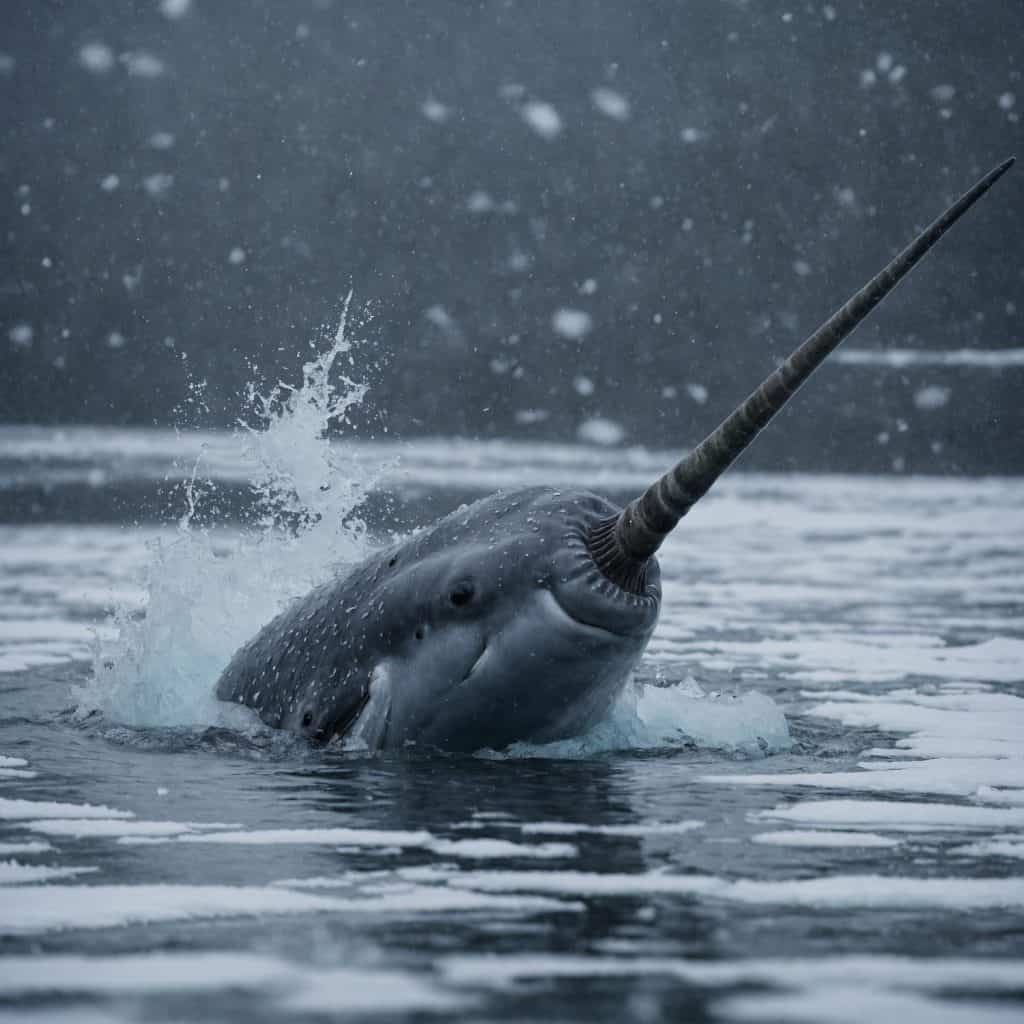
Narwhals, a fascinating yet mysterious mammal, are most renowned for their distinguished tusks that frequently give them the nickname, “the unicorns of the sea.” Primarily living in the freezing, harsh conditions of the Arctic Ocean, narwhals have specialized features that allow them to survive in inhospitable ecosystems. Not only are narwhals remarkable divers, diving up to 5,000 feet, but they also use echolocation to find food and detect predators, and they have a thick layer of fat called blubber that insulates their bodies in the frigid temperatures, allowing them to live in sea ice year-round.
©Saifullahphtographer/Shutterstock.com
In our five-day unit, designed for elementary-aged students, children can investigate more about the unique physical characteristics of narwhals and explore where they live, their carnivorous diets, their adaptations that aid in their survival, and how narwhal families interact with each other.
Included in the unit plan are five days’ worth of comprehensive lesson plans, graphic organizers, educational video ideas, children’s book suggestions, comprehension questions, instructional resources, writing templates, and research activities.
We hope you enjoy learning more about the mysterious narwhal and its incredible life beneath the Arctic ice!

©