
Quick Take
- Cats look calm when left alone, though that composure can be hiding something experts find alarming. See how stress hides →
- Most owners dramatically overestimate how long their cat can safely be left alone, and the real limit may surprise you. Find the real time limit →
- The rules change completely if you have a kitten, and the margin for error is smaller than almost anyone expects. Check kitten-specific limits →
- There's one precaution that outweighs every other preparation you can make before leaving your cat alone. Discover the top precaution →
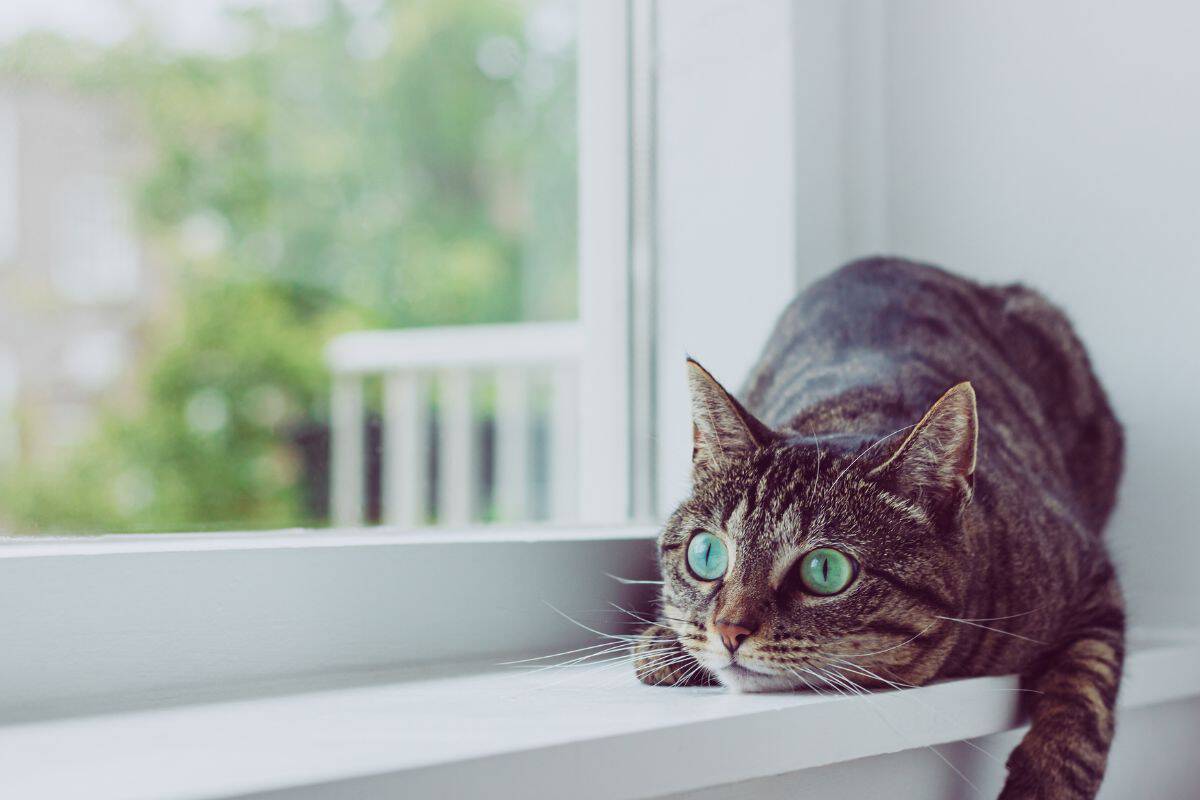
Behind the image of the independent cat lies a less obvious reality. Some felines navigate their owner’s absence as if nothing has changed. Others, however, may quietly endure this time as a rupture from normal life. The line between healthy solitude and distress is thinner than many realize.
Understanding What Cats Can Really Handle
Cats, unlike dogs, typically manage just fine when left alone for a matter of hours. They nap, groom themselves, and find ways to play solo. A single night without their owners usually creates no issues for an adult accustomed to household routines.
But experts agree that the safe window for leaving a cat truly alone does not stretch indefinitely. Most professionals caution against absences longer than 24 to 48 hours.
The Subtle Impact of Loneliness
Veterinary behaviorist Mikel Delgado points out that cats are far from immune to change. Extended disruption of their normal environment can trigger stress, anxiety, or unusual behaviors. Should something go wrong, an overturned water bowl, a health scare, a dirty litter box, no one will be there to react.
Even longer breaks, such as five days or two weeks, are never recommended without regular human check-ins. A cat’s outward calm can hide deeper distress.
Kittens Require Special Consideration
Young cats face an even stricter set of limits. Without adult maturity or self-regulation, a kitten under three months old should never be left alone more than twenty minutes. The risk of danger is real and immediate at that age.
As the kitten grows, its tolerance for solitude lengthens: six hours is appropriate around three months, and a half-day by the time it is eight months old. Only at about one year does a full day’s absence become safe for most cats, provided the animal is well adjusted to time spent alone.
If You Must Leave: Precautions Are Key
For absences of a day or two, preparation makes all the difference. Cats need fresh water, ample food, a clean litter box, and access to toys and perches. Placing fabrics with your scent can provide subtle comfort.
Remove any dangerous objects, close hazardous rooms, and ensure that toxic plants are kept well out of reach. Even in a secure space, though, these precautions do not replace a human presence.
The safest option remains a daily visit from a friend or pet-sitter. These small interventions help monitor health, reinforce routines, and offer the gentle reassurance that makes all the difference when life’s rhythms are disrupted. In the end, cats may cherish their autonomy, but they depend on us more than they let on.